Length of Tour
7-Days/6-Nights
Brief Itinerary
Day 1 – Arrivals at Bangor Int. Airport in Bangor, ME (BGR). Essex Woods & birding hotspots in route to Camden. Night in Camden, ME.
Day 2 – Puffin trip to Seal Island (or Petit Manan Island depending on conditions). Birding hotspots in route to Portland. Night in Portland, ME.
Day 3 – Scarborough Marsh, Pine Point Beach, Tidewater Farm, Gilsland Farm Audubon Center. Night in Portland, ME.
Day 4 – Capisic Pond, Kennebunk Plains, Brownfield Bog. Night in Jackson, NH.
Day 5 – Mount Washington, Pondicherry NWR. Night in Lancaster, NH.
Day 6 – Moose Bog, Dixville Notch, and Messalonskee Lake. Night in Augusta, ME.
Day 7 – Morning birding in route to Bangor as time allows. Departures no earlier than noon from Bangor Int. Airport in Bangor, ME (BGR).
Detailed Itinerary
NOTE: Each day’s specific route is subject to change – birding requires some flexibility, and we cannot control the weather – but the following is our intended itinerary.
Day 1 – Arrivals at Bangor Int. Airport in Bangor, ME (BGR). Essex Woods & birding hotspots in route to Camden. Night in Camden, ME.
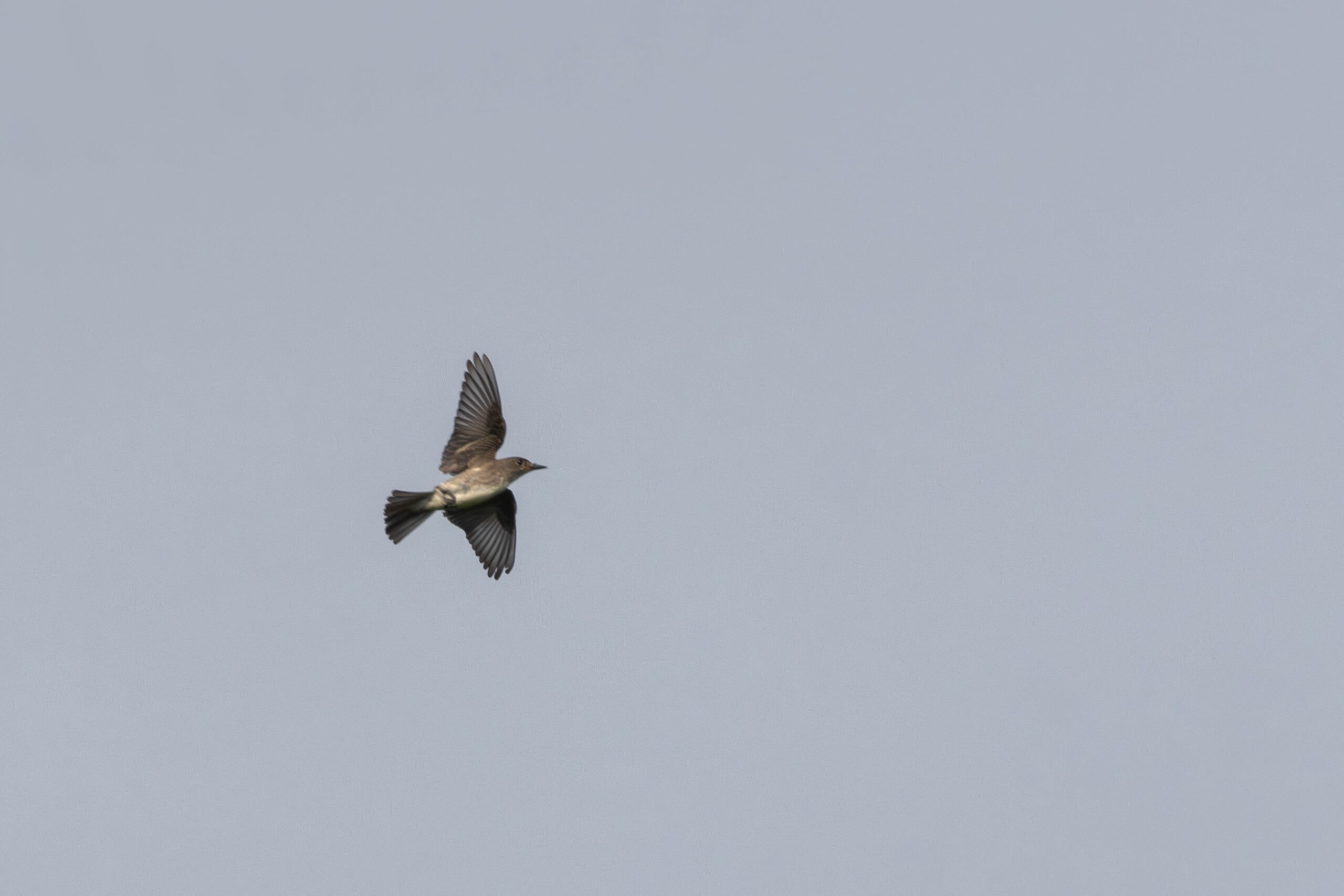
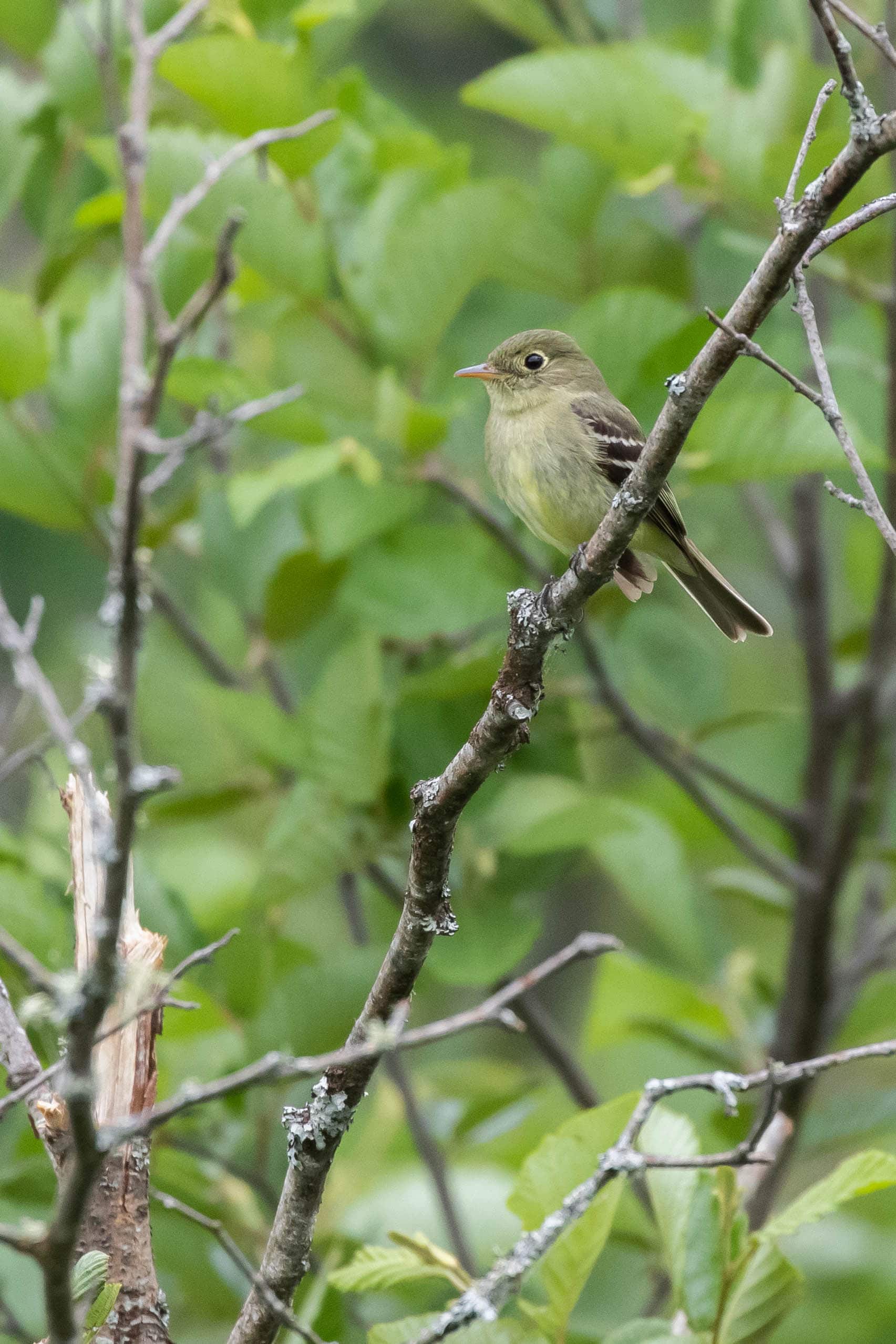
Please plan to arrival at Bangor International Airport in Bangor, ME no later than 12pm/noon on Day 1. We do encourage arriving the day before and staying at the airport hotel and/or to participate in the Acadia Birding Festival based out of nearby Southwest Harbor. We will spend the afternoon birding at Essex Woods in Bangor, and then visit multiple locations along the Maine coast as we drive ‘down east’ to Camden Harbor. We can anticipate our first introductions to classic eastern songbirds like Purple Finch, Pileated Woodpecker, Alder Flycatcher, Rose-breasted Grosbeak, and much more! Night in Camden, Maine.
Day 2 – Half-day boat trip to Seal Island (or Petit Manan Island depending on conditions). Birding hotspots in route to Portland. Night in Portland, ME.
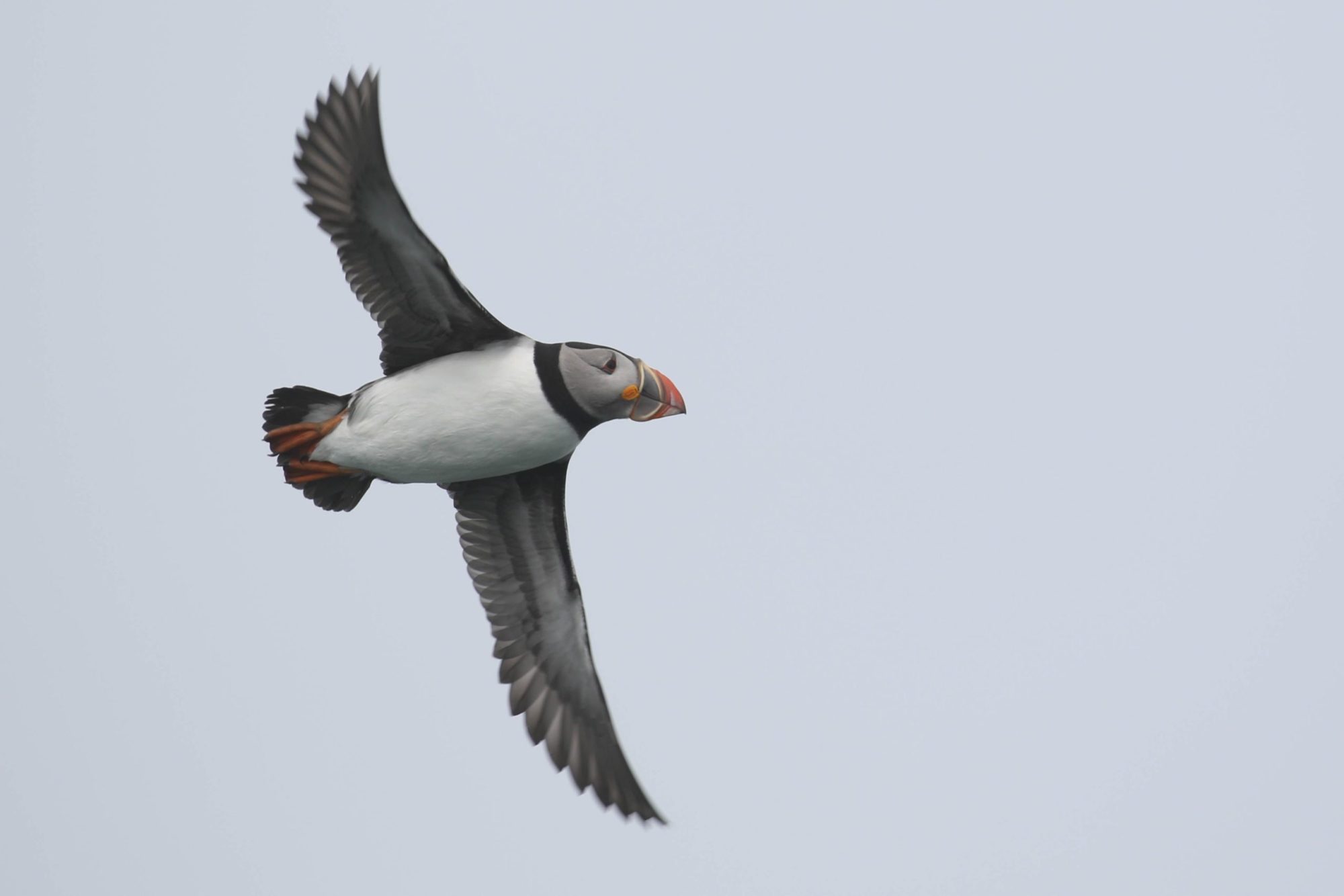
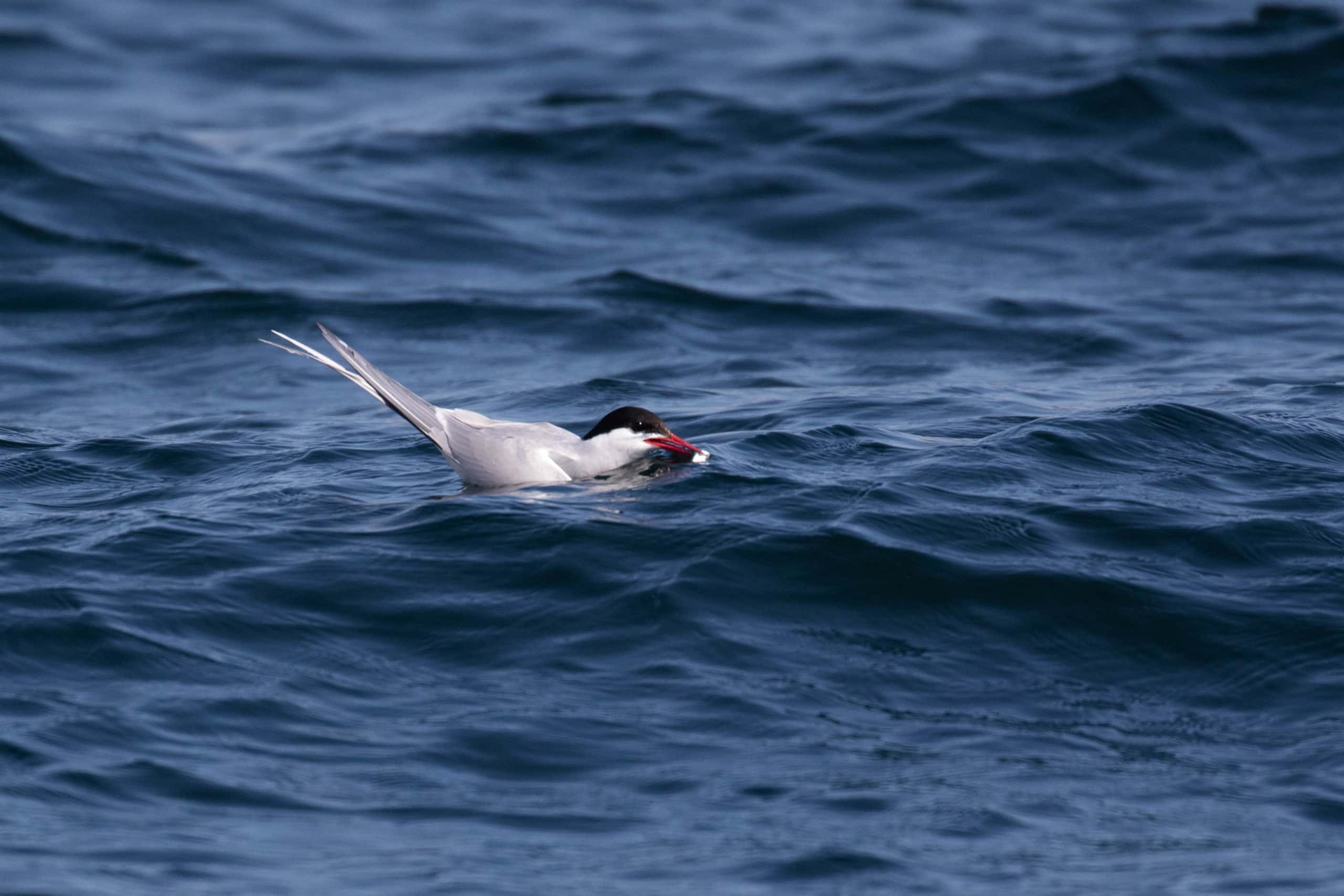
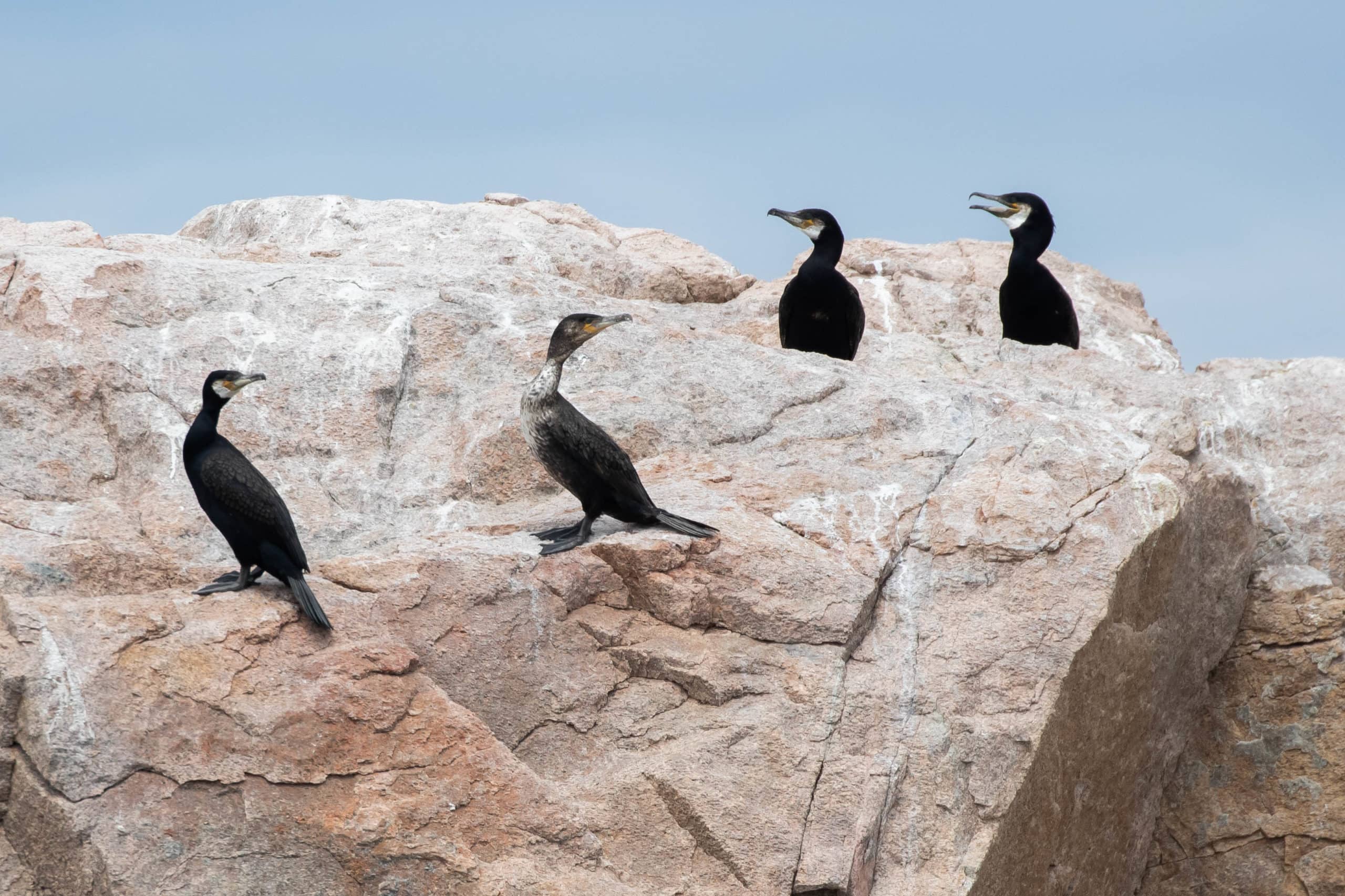
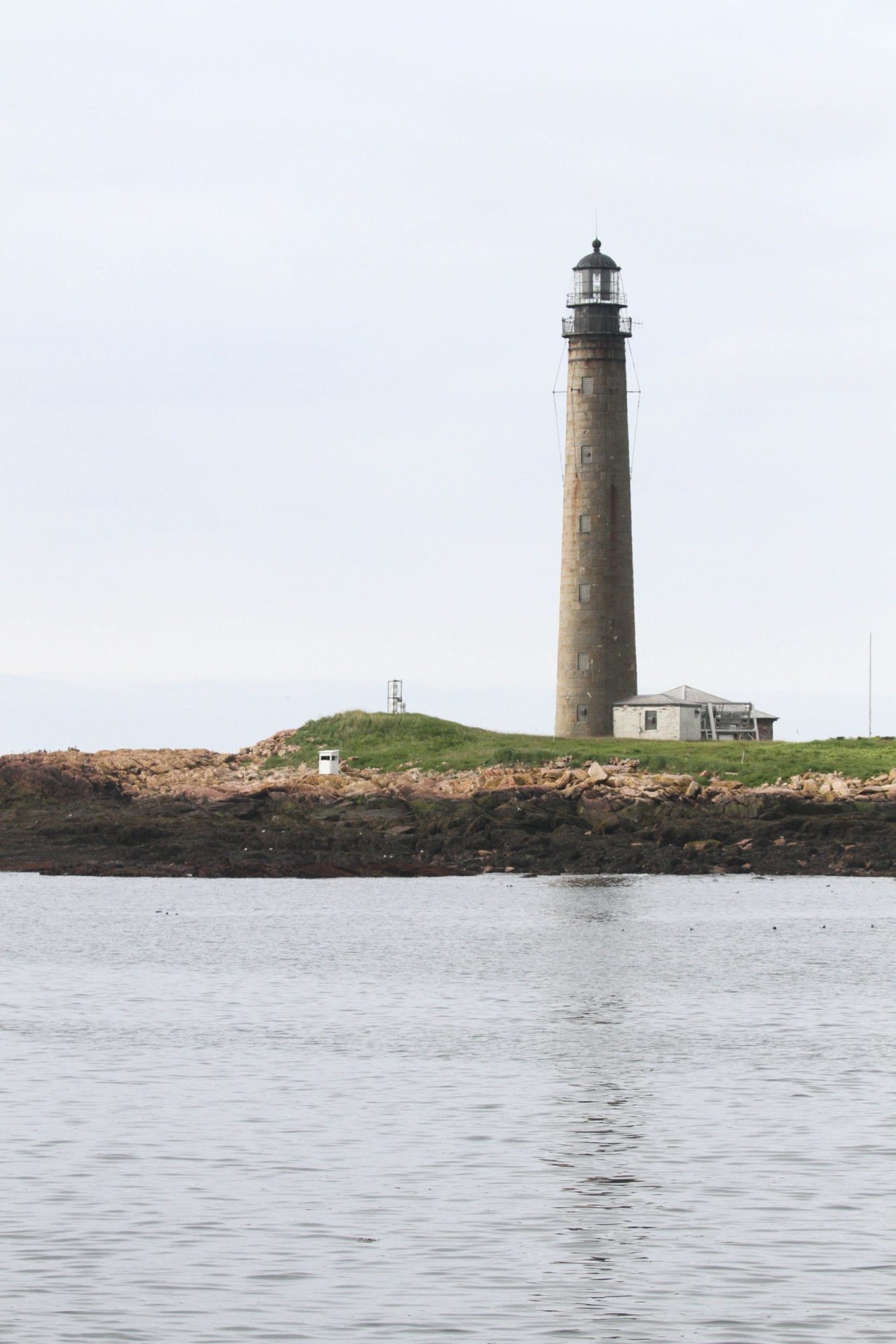
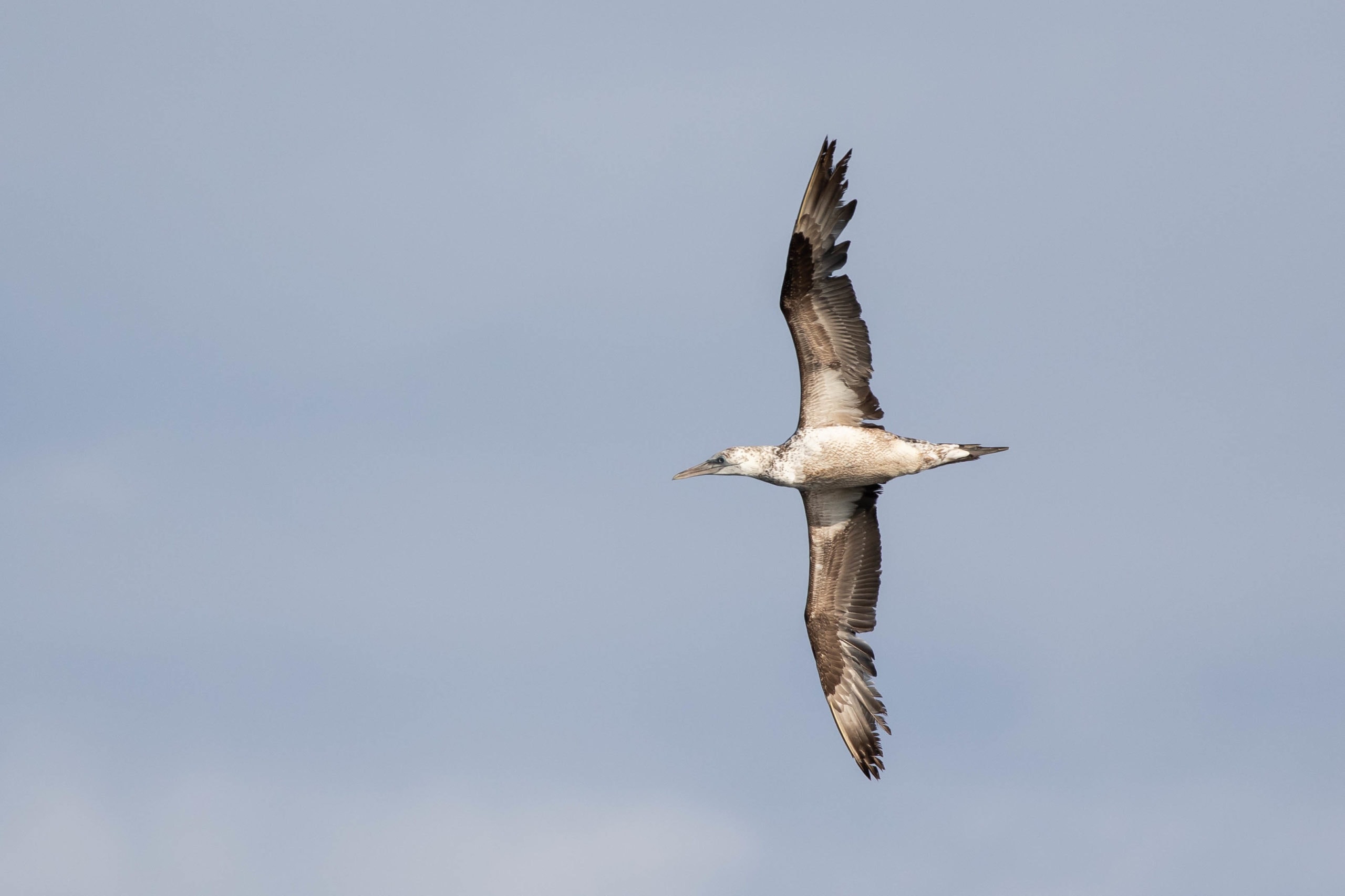
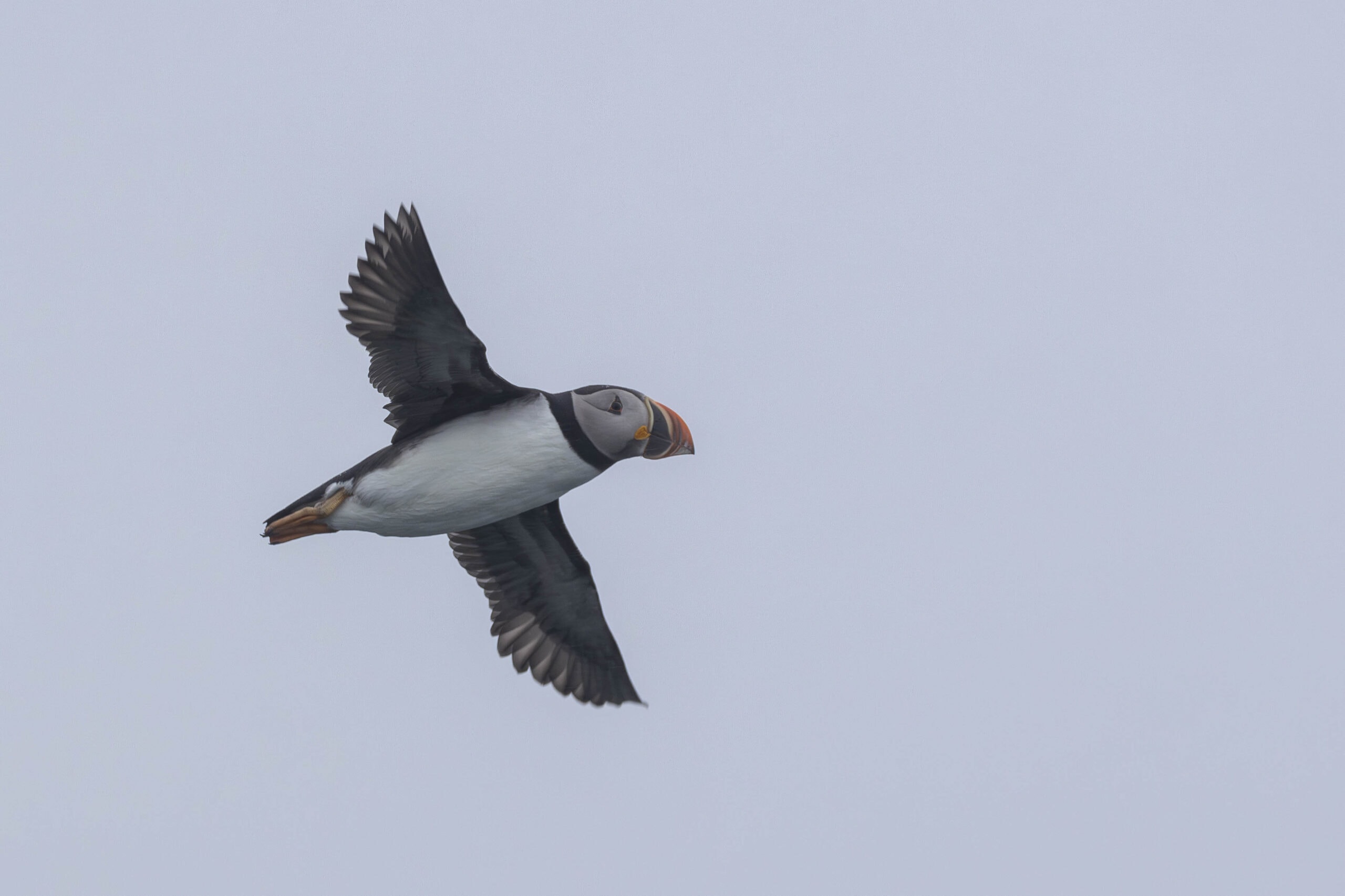
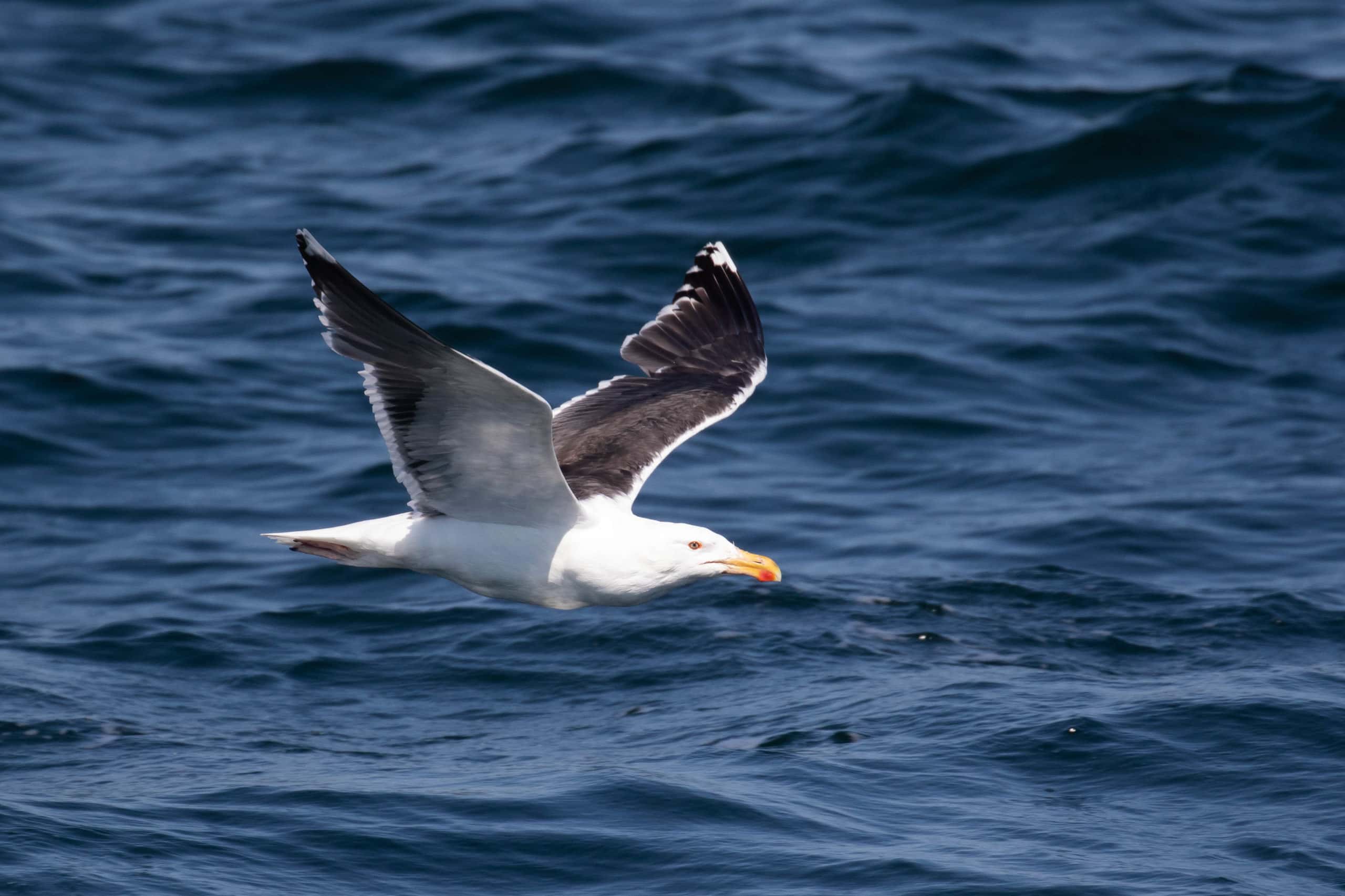
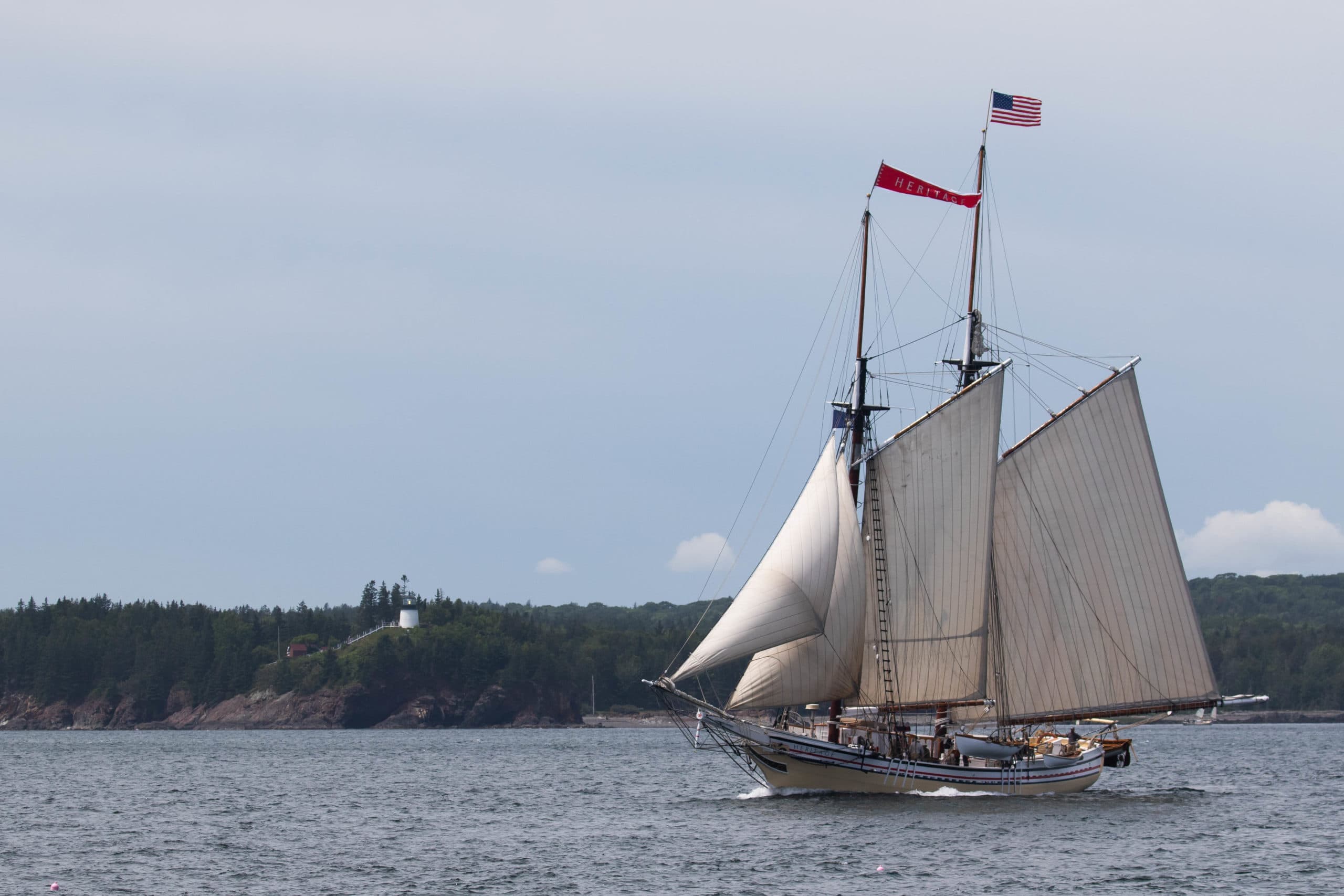
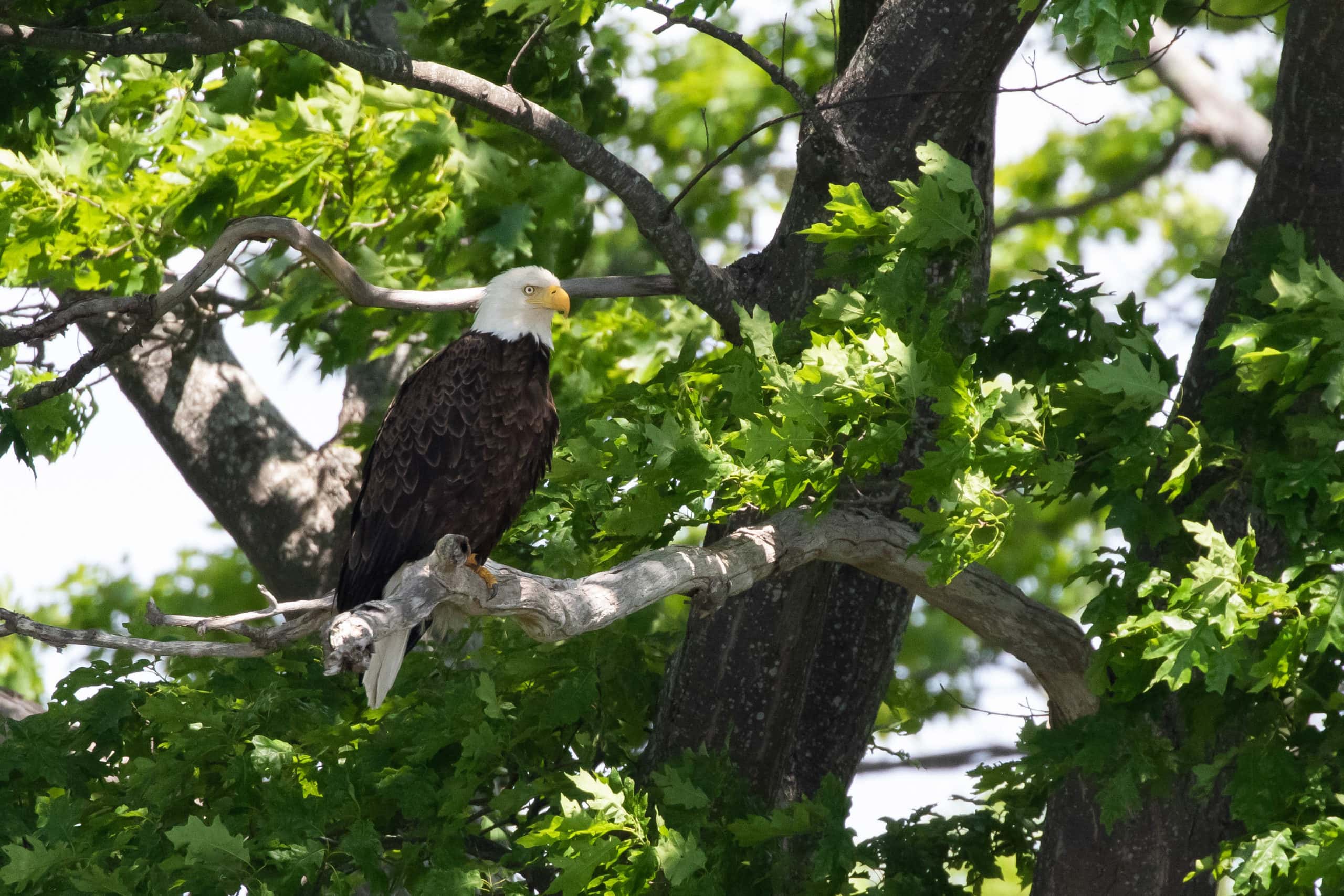
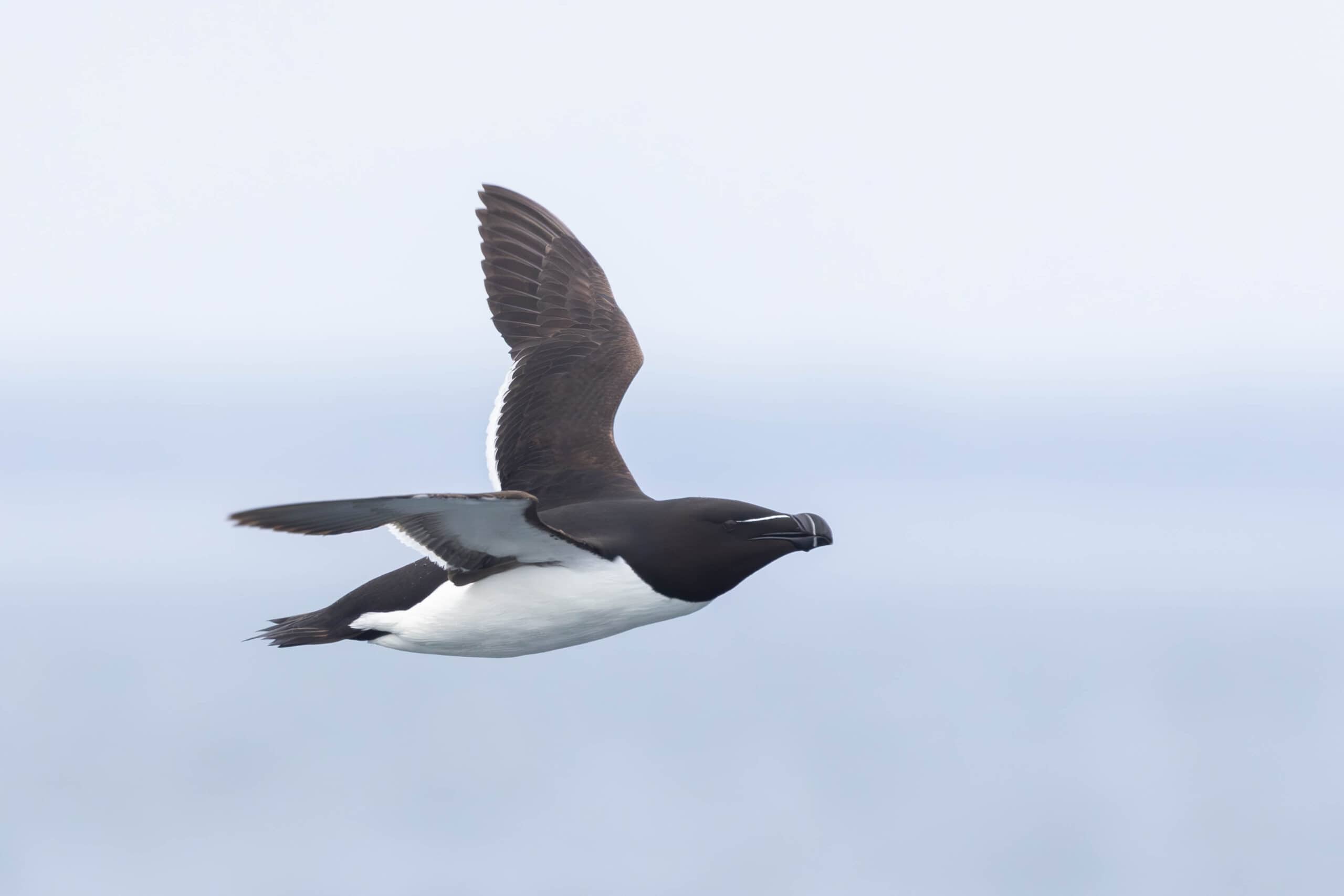
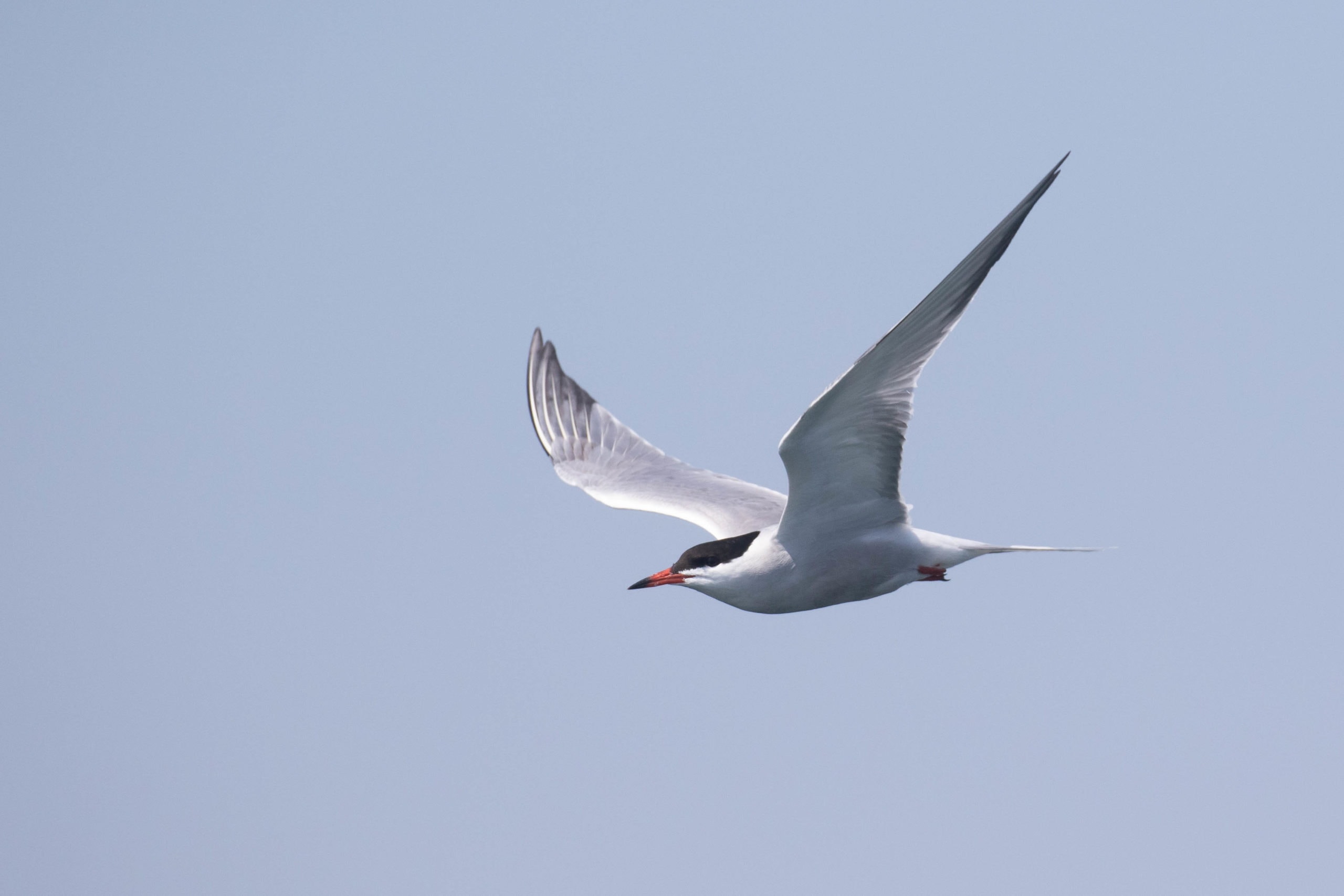
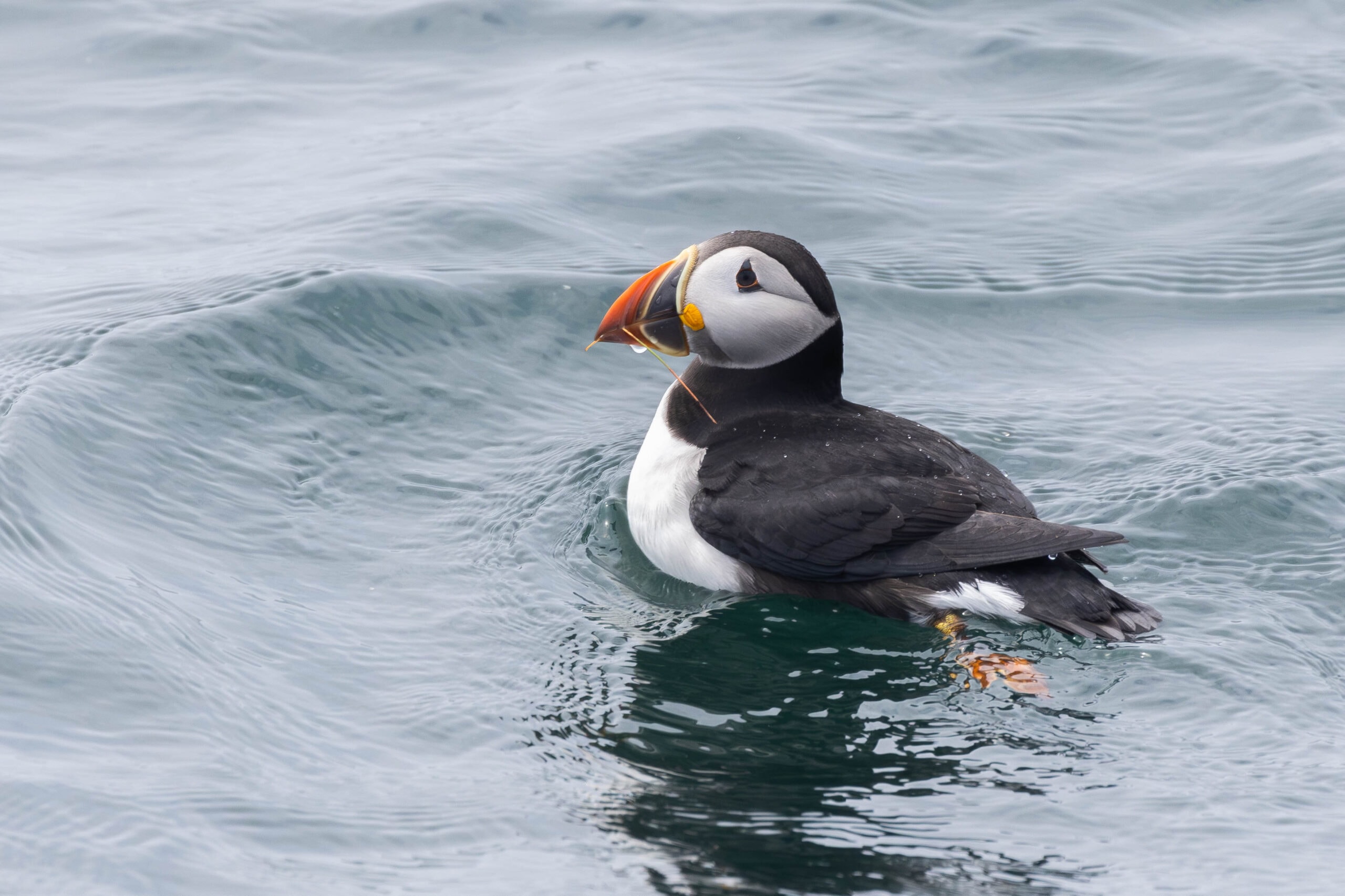
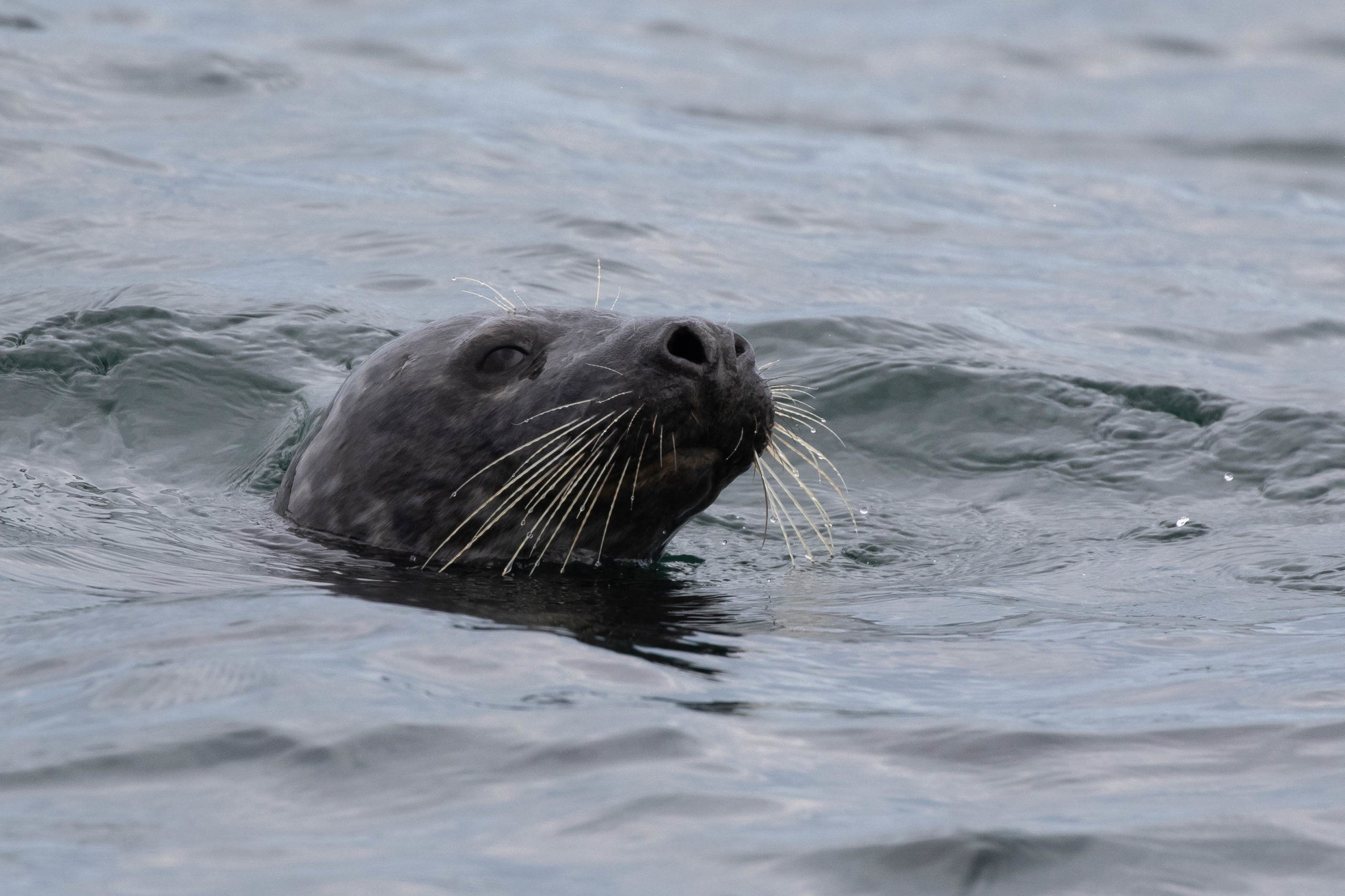
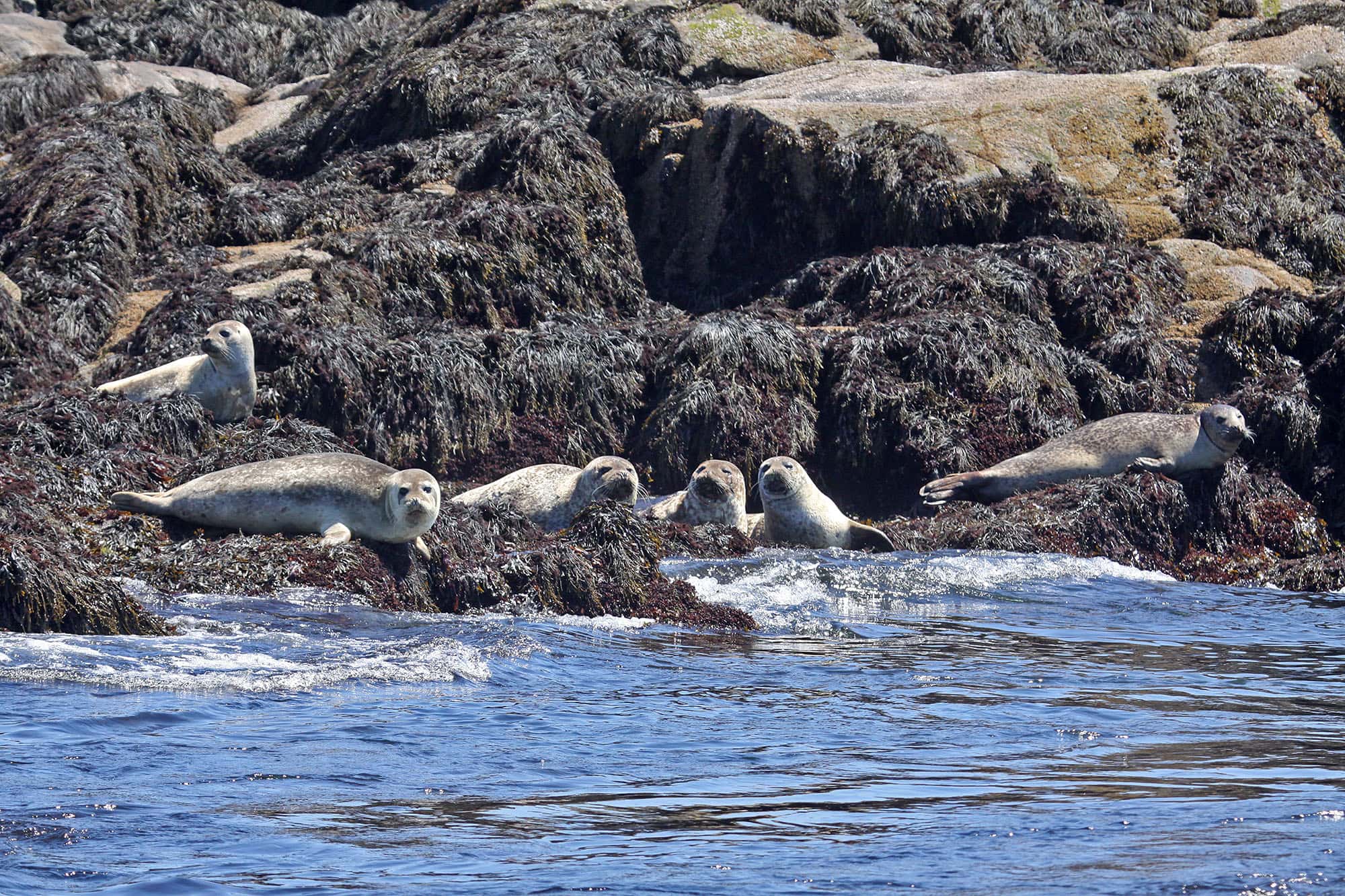
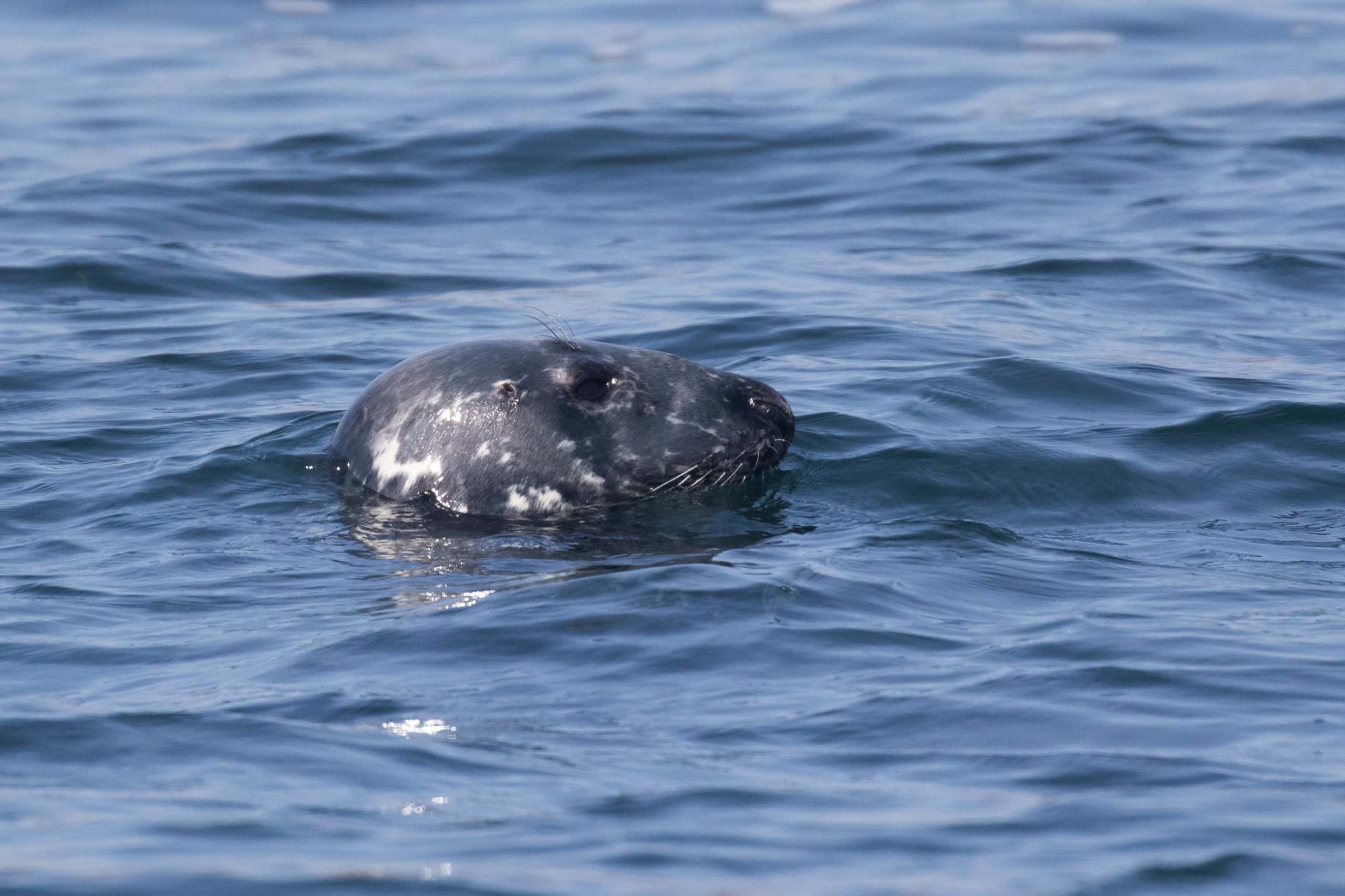
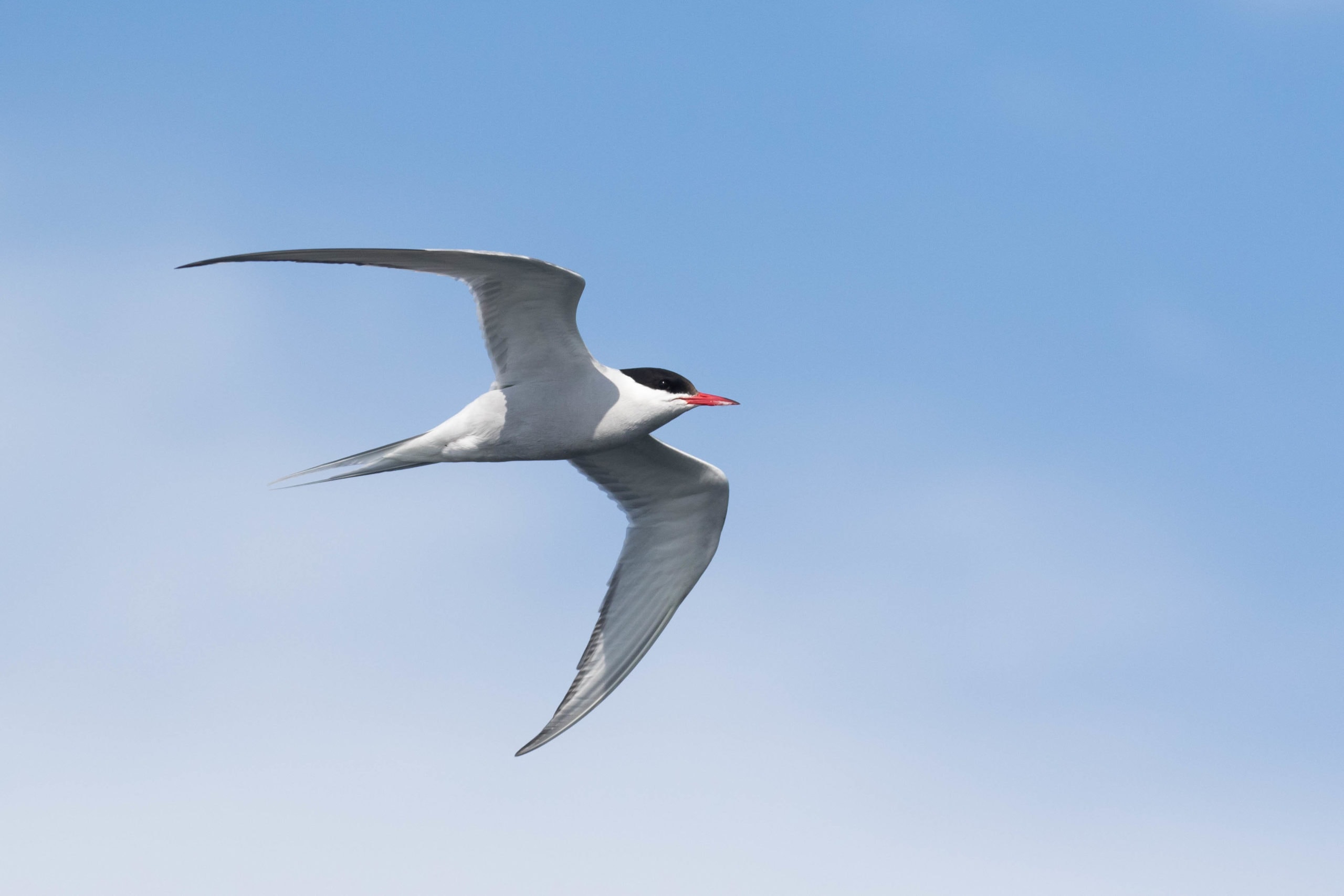
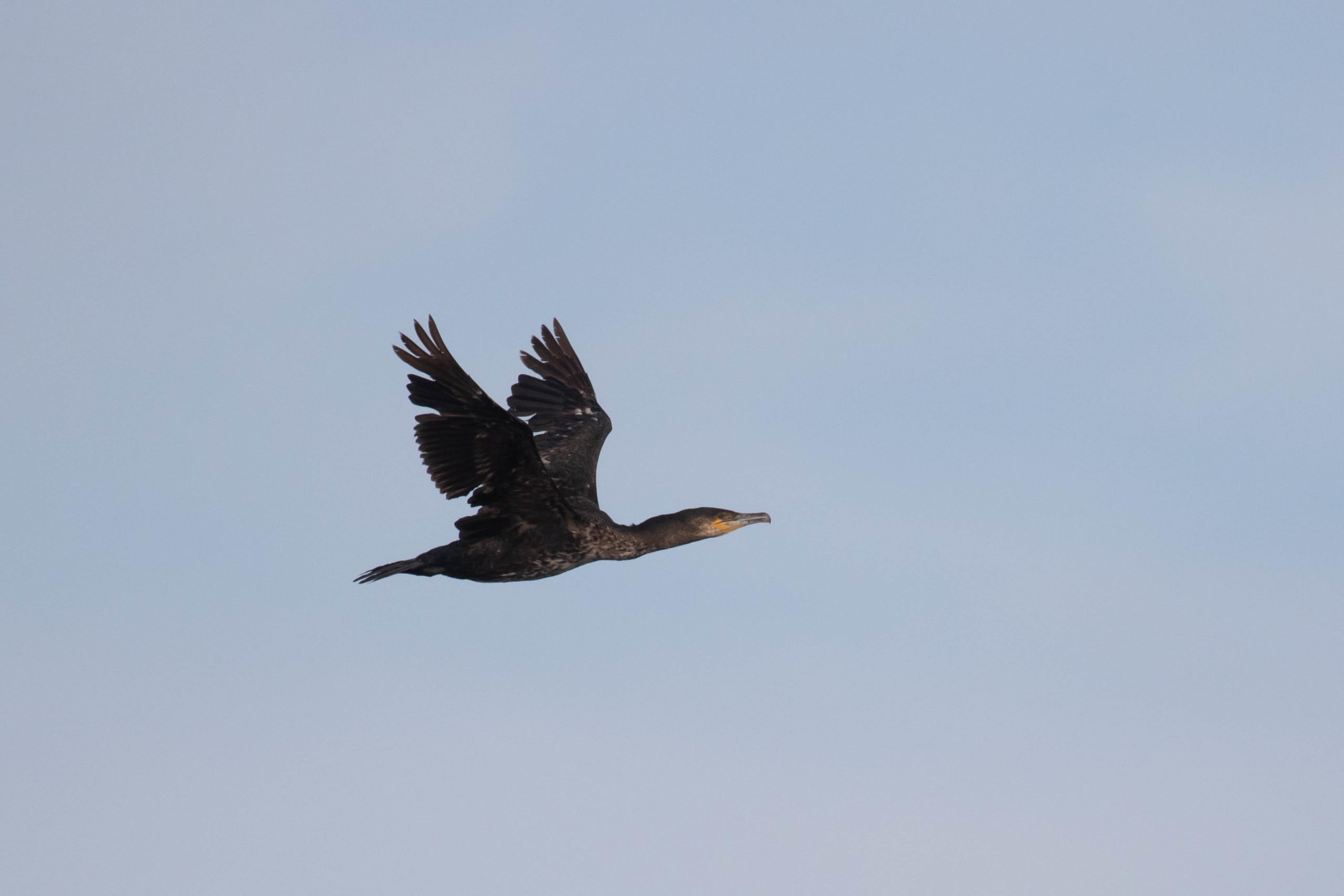
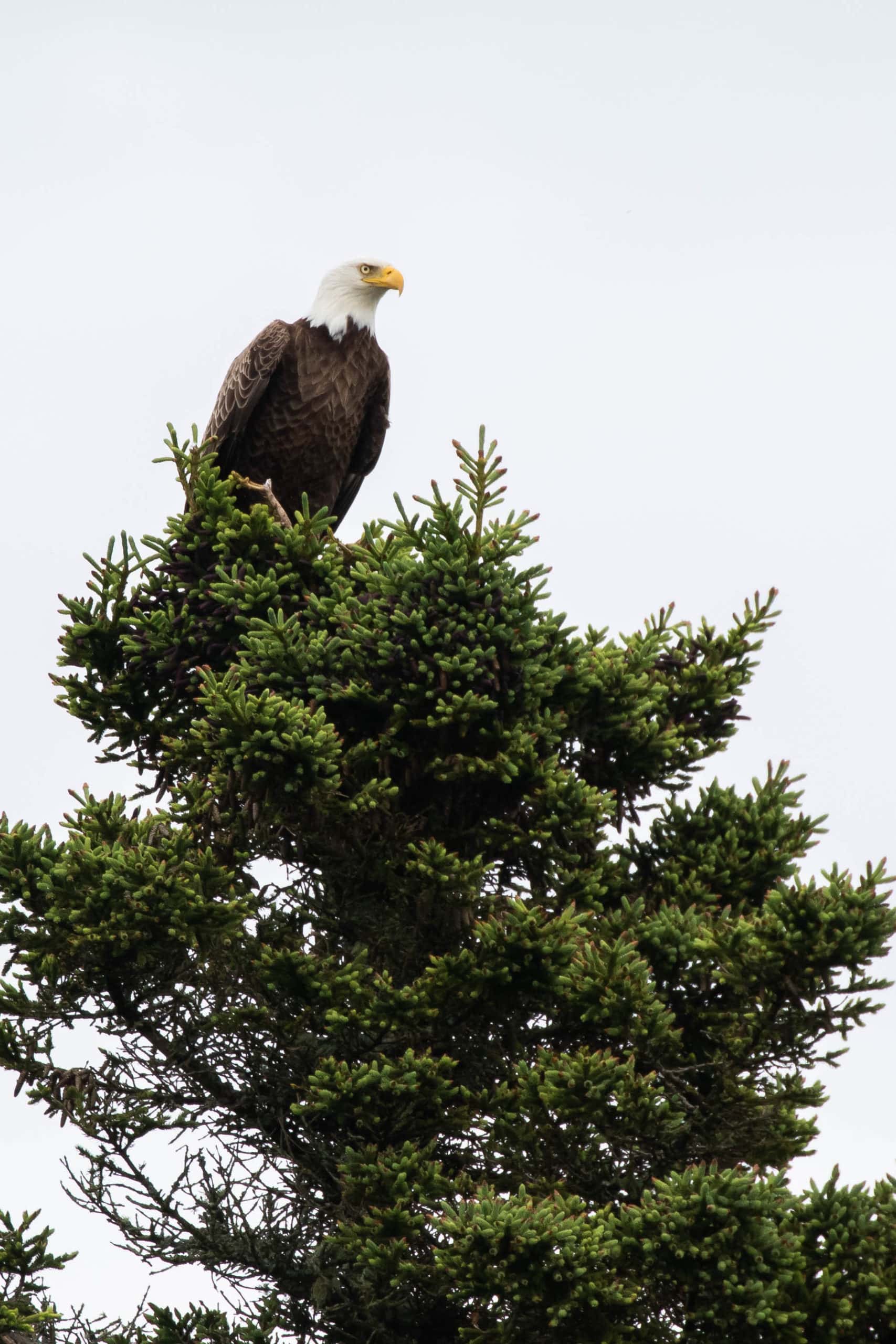
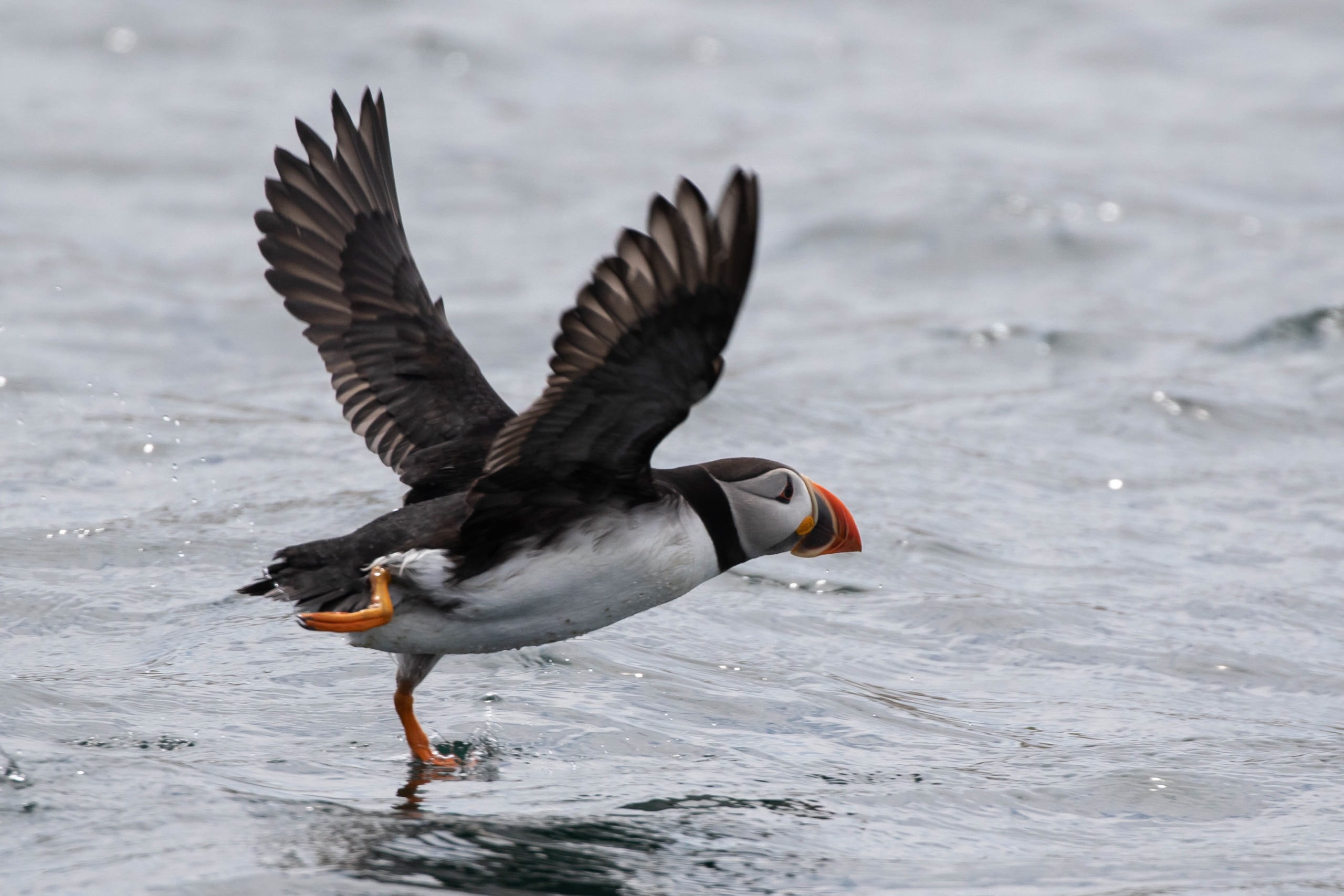
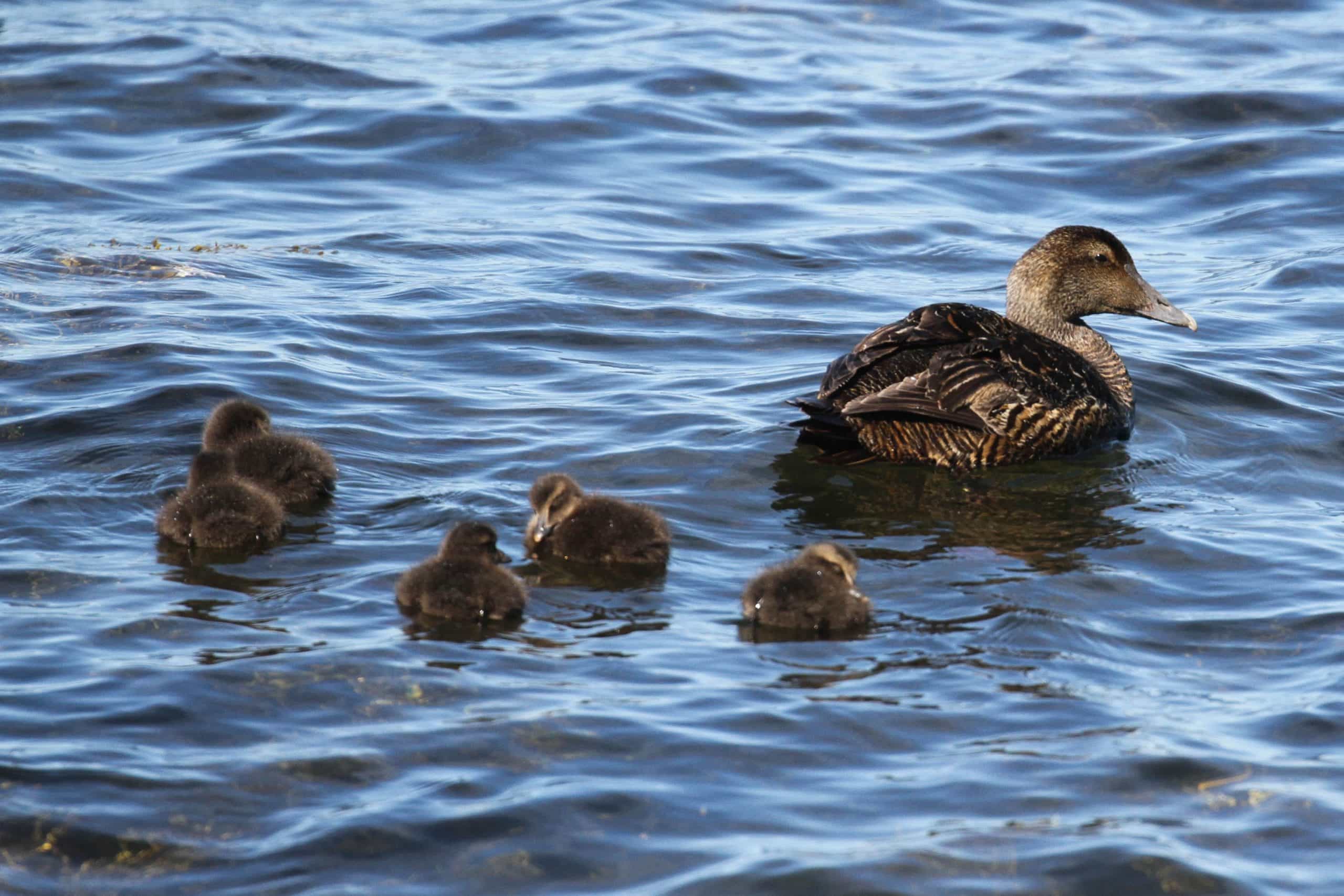
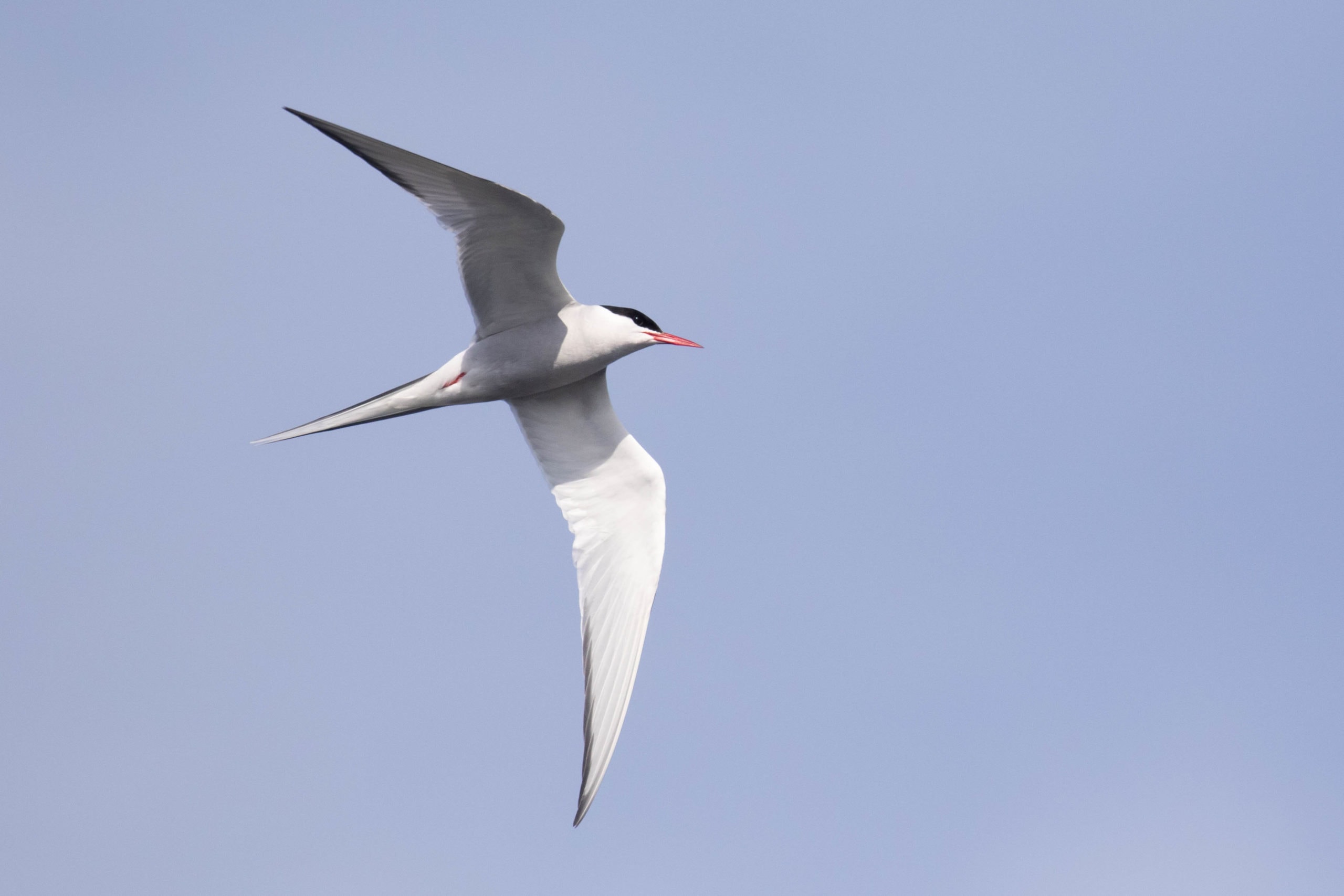
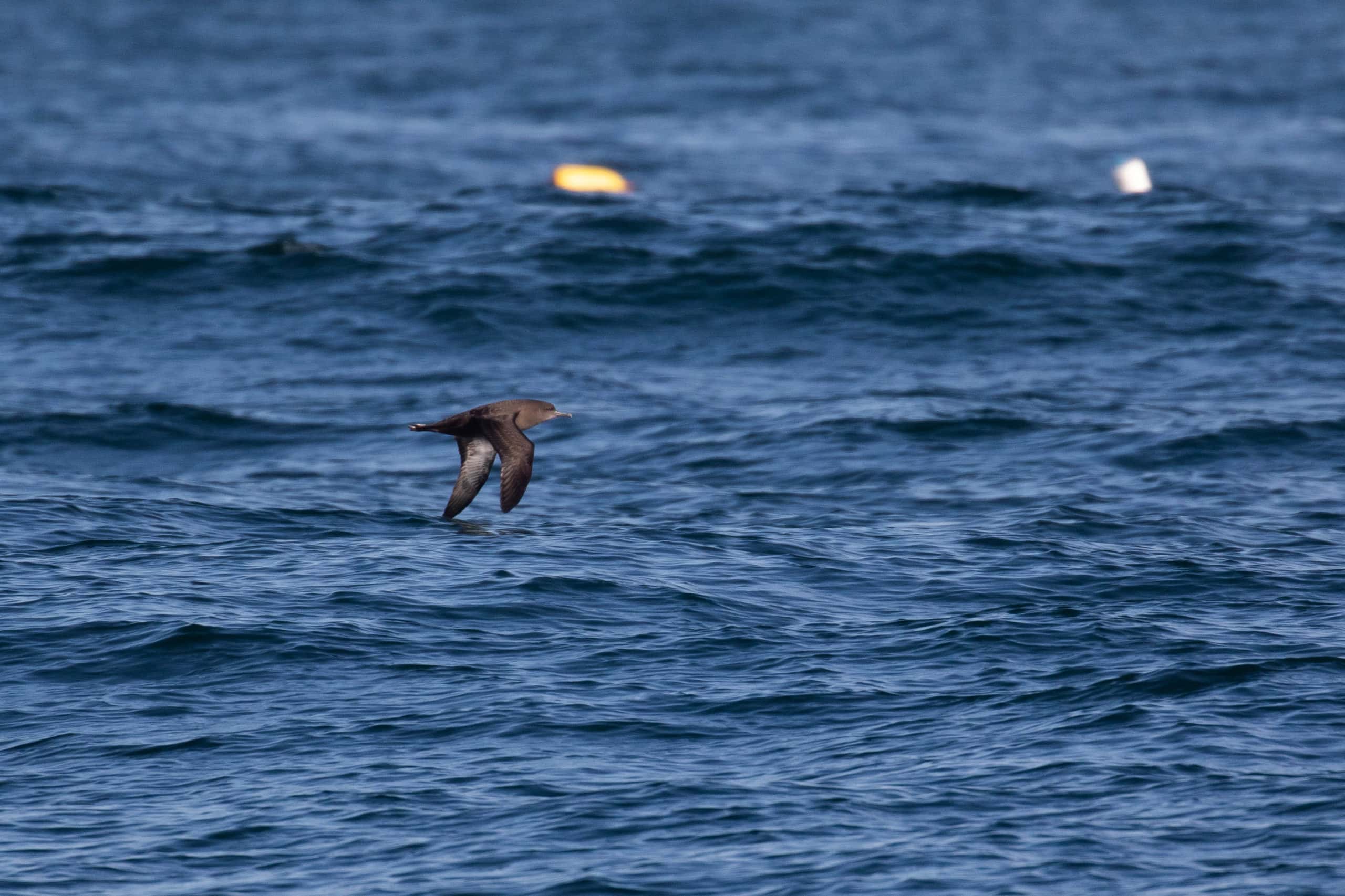
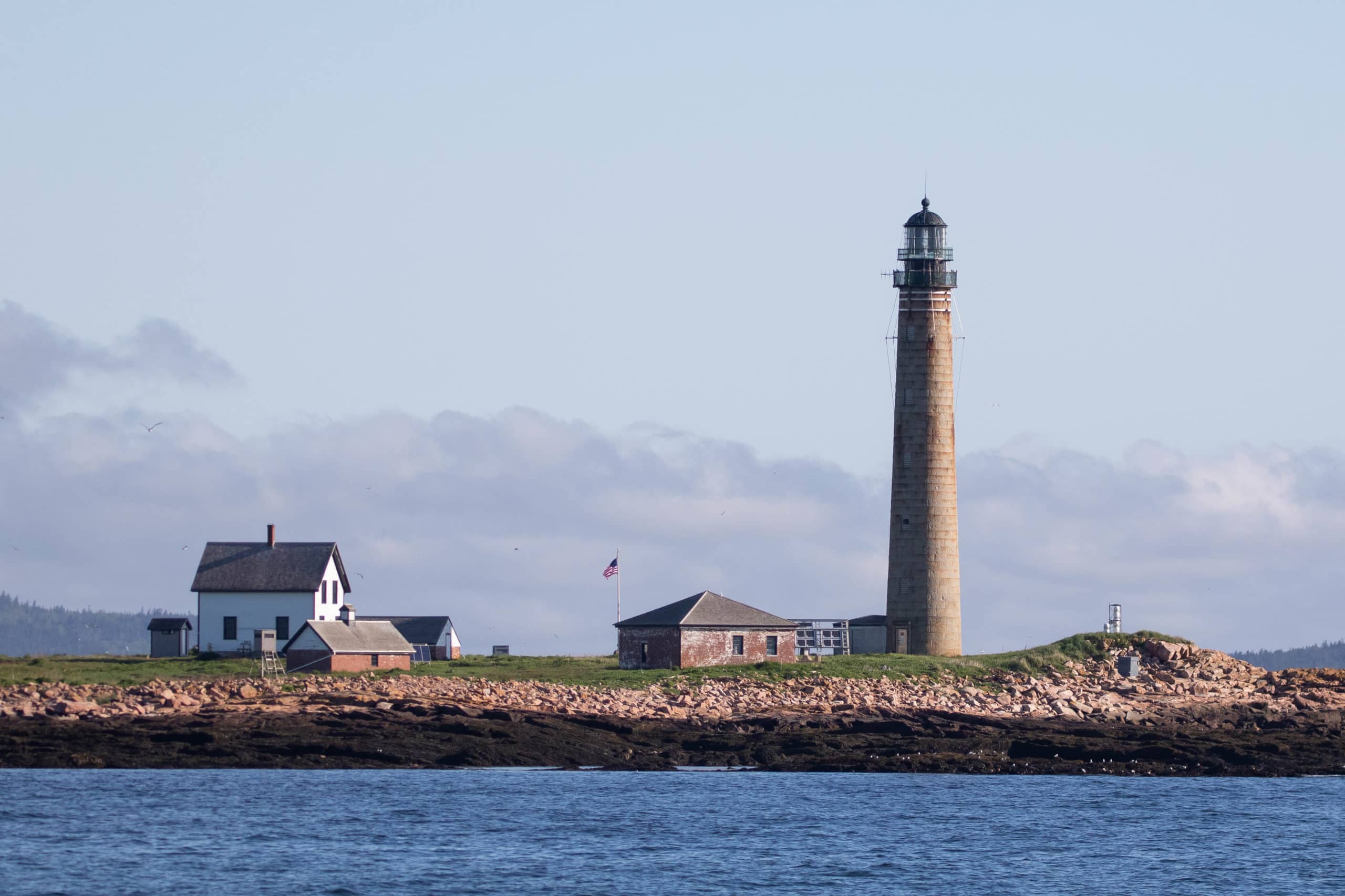
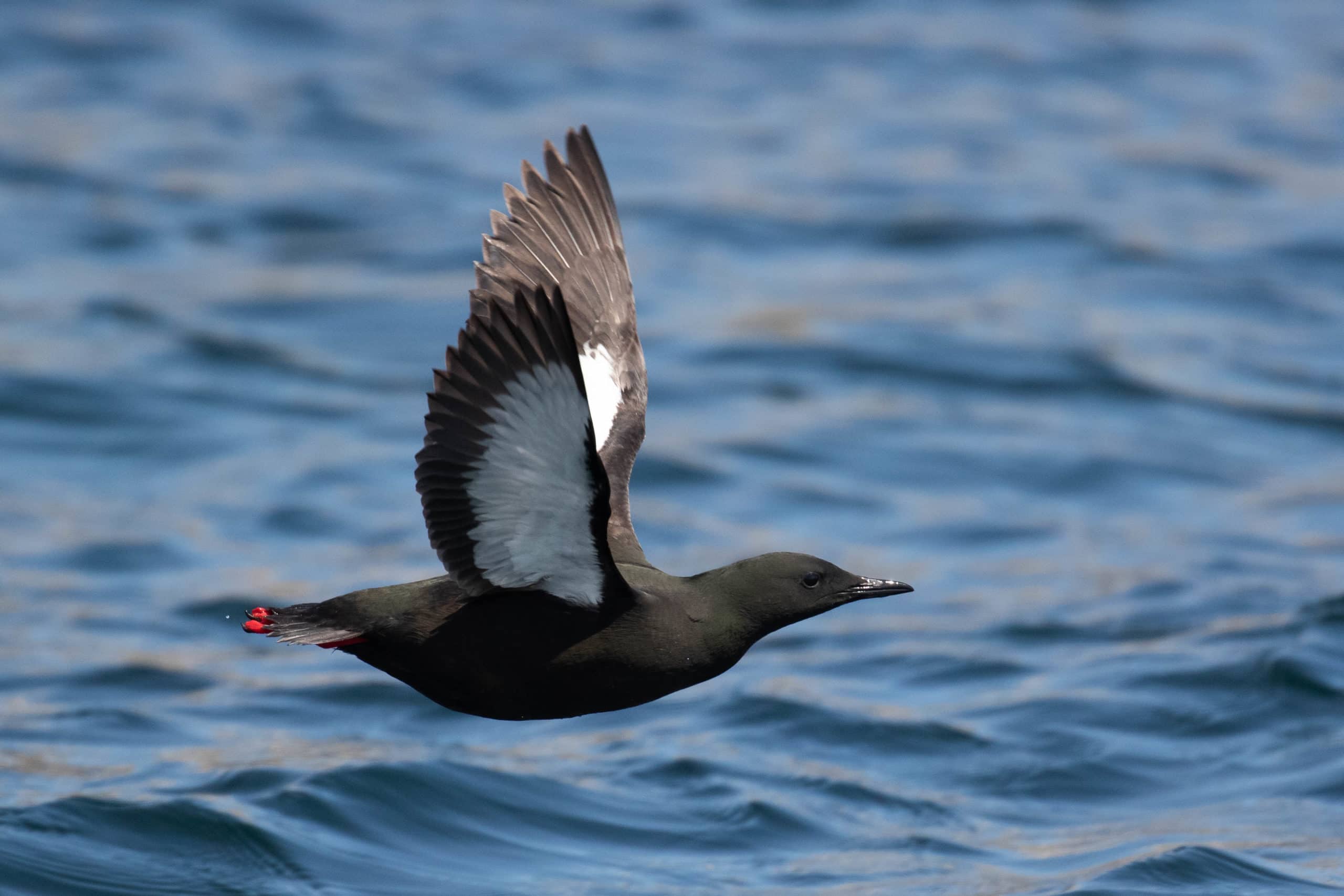
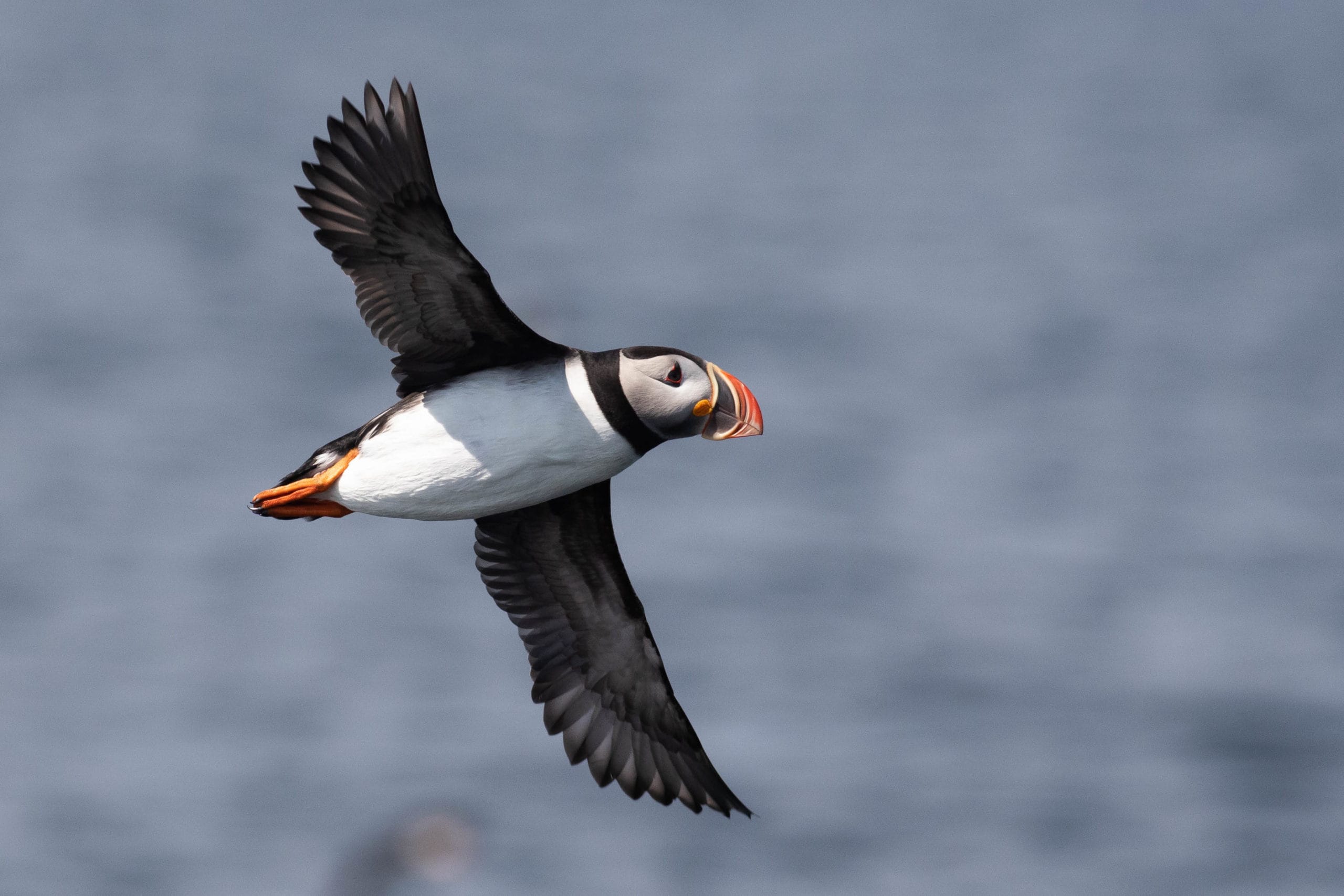
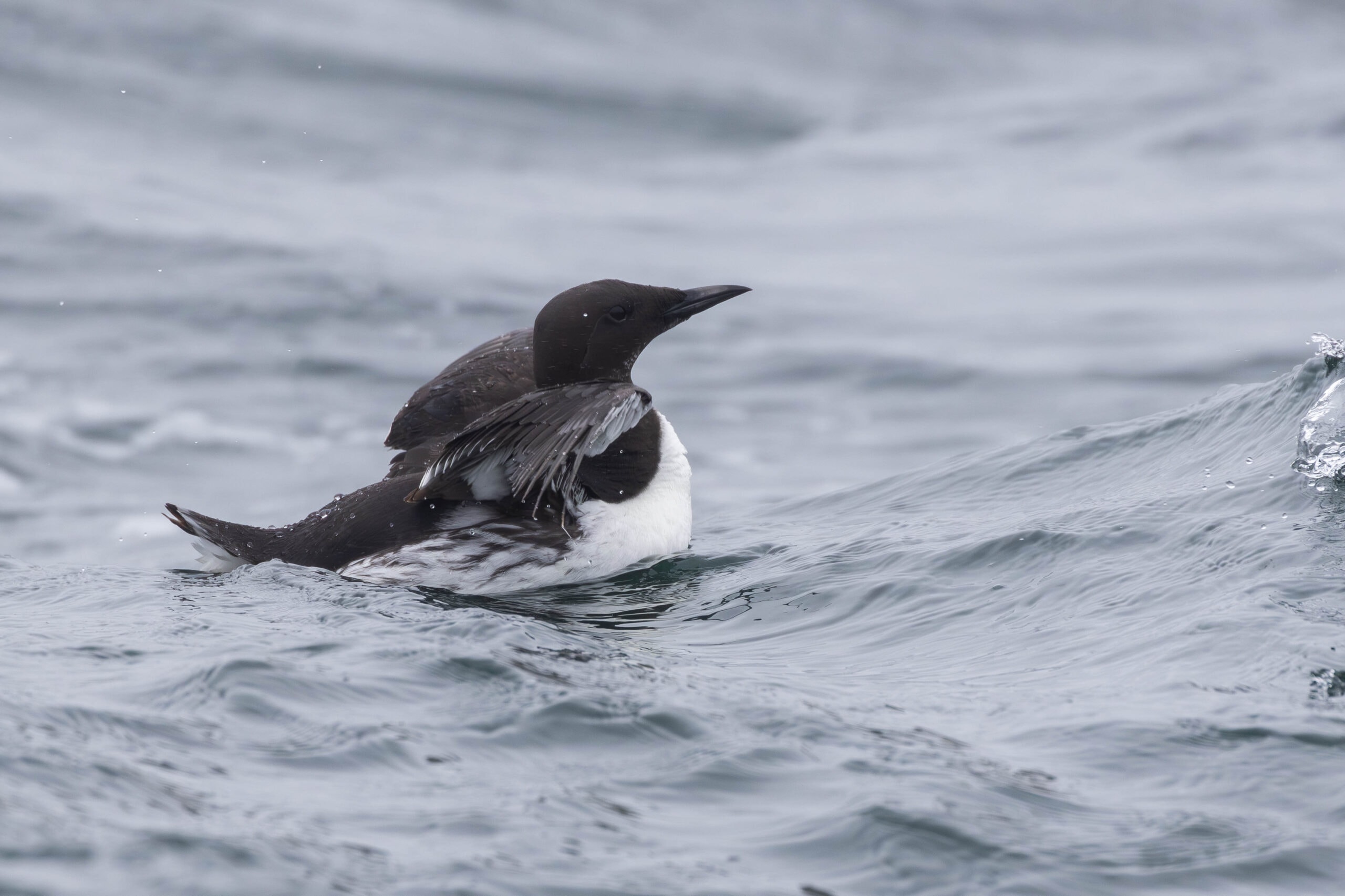
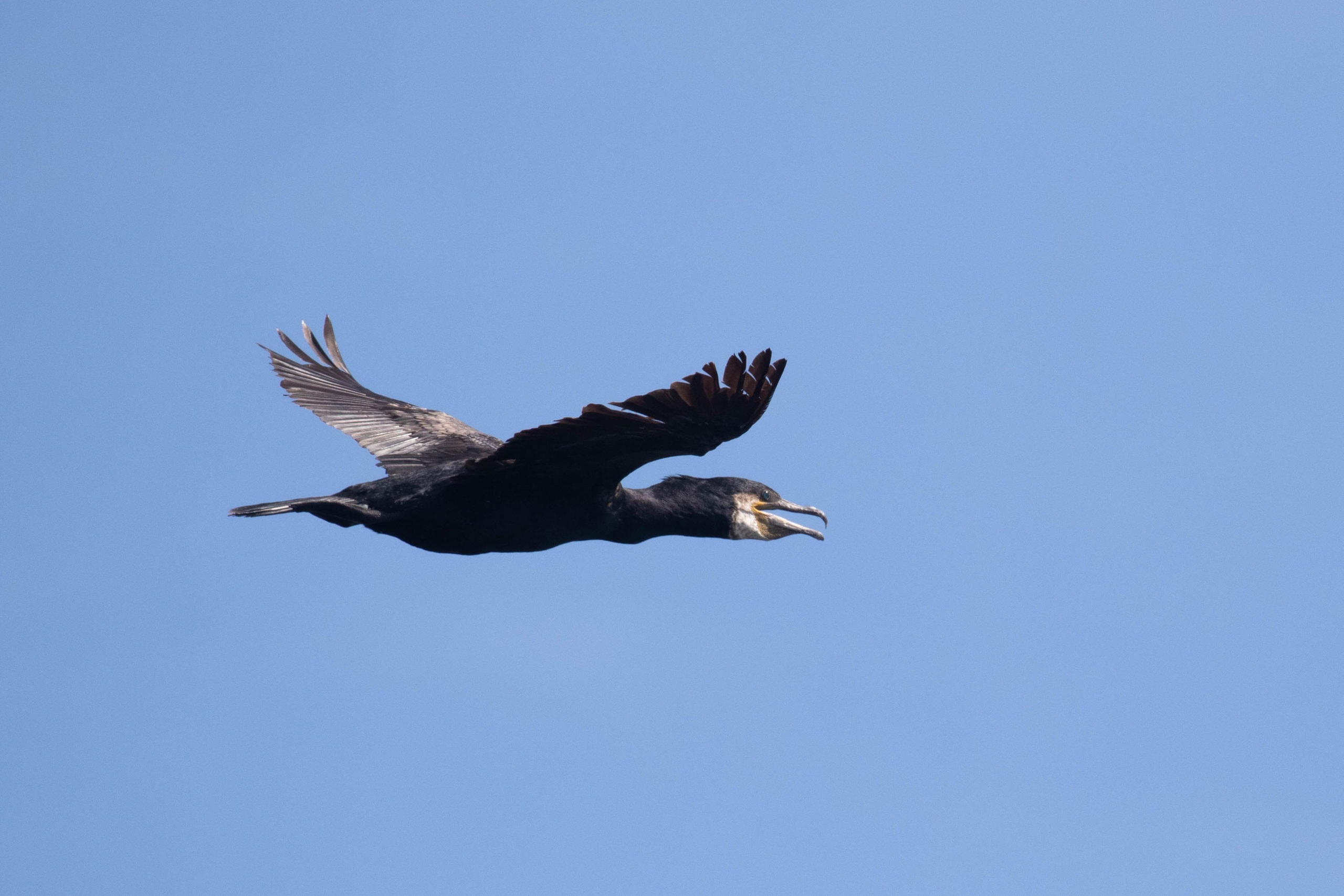
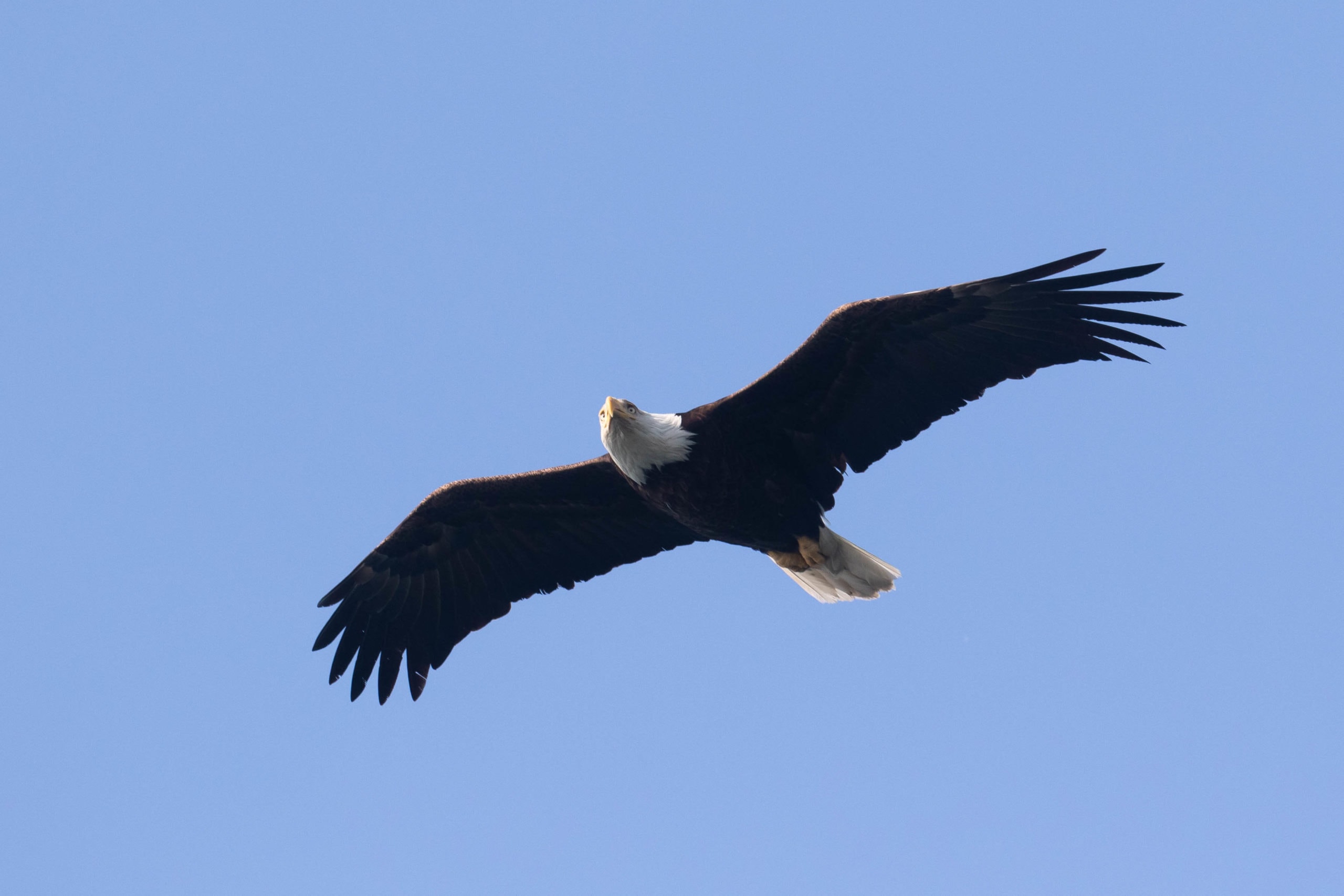
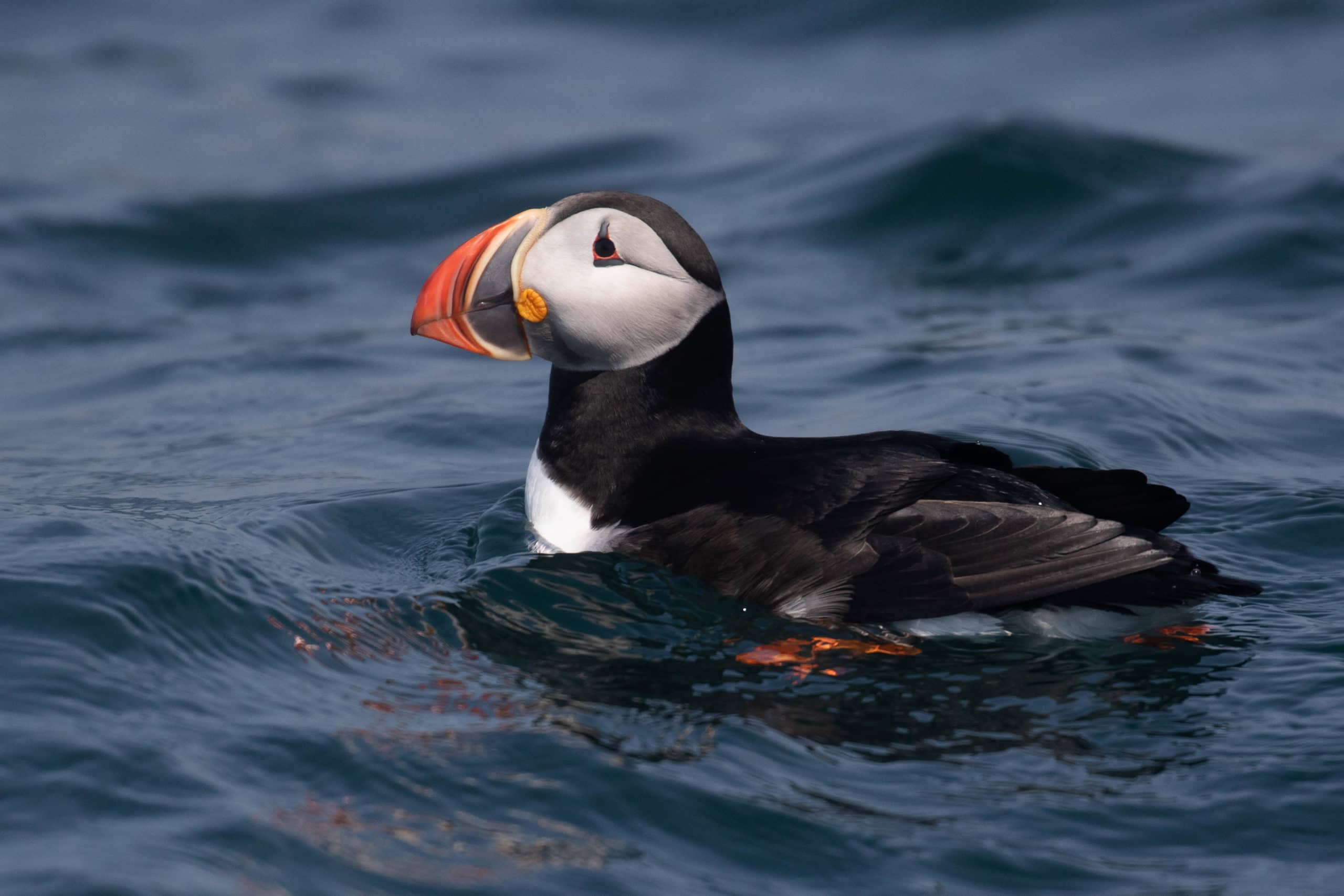
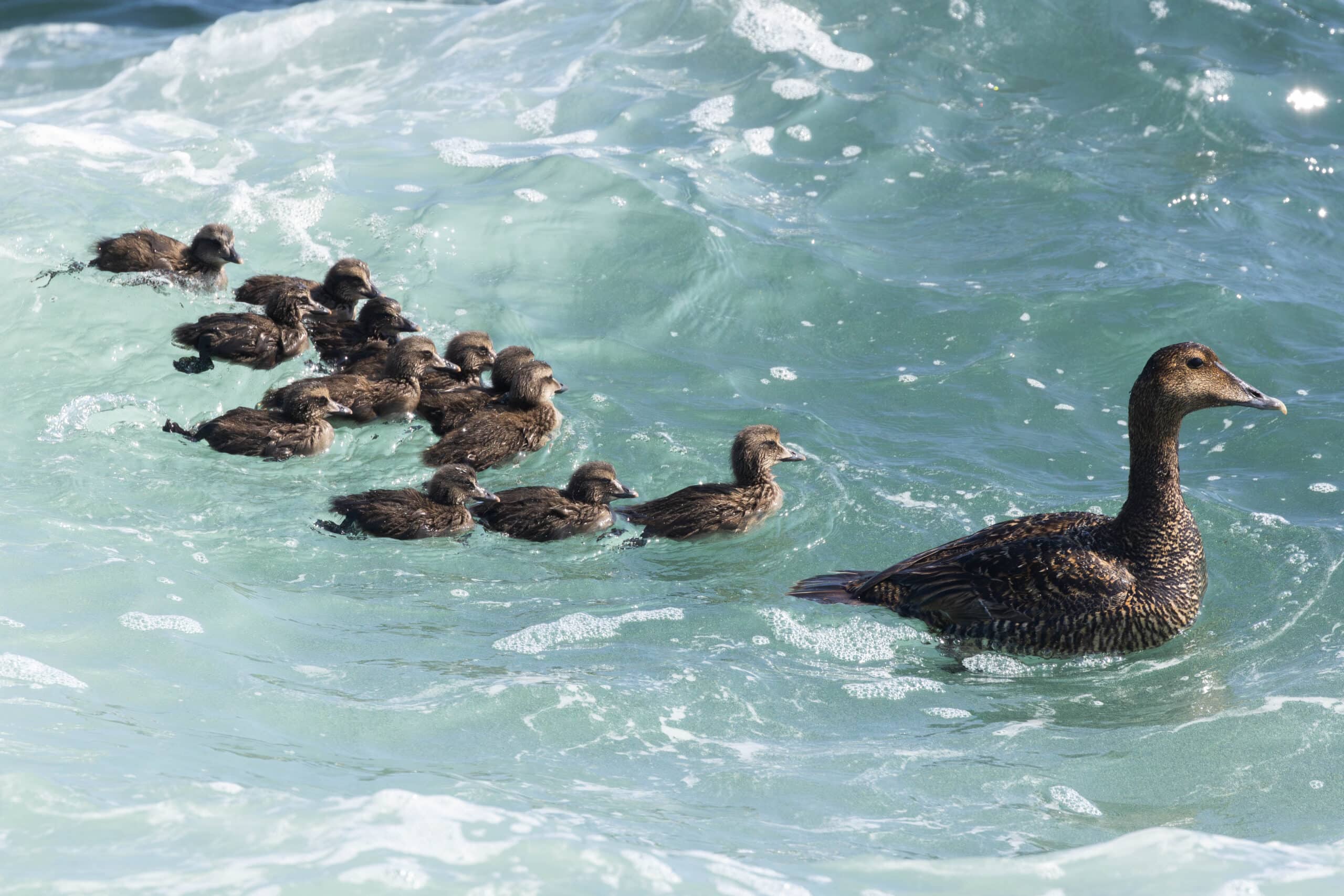
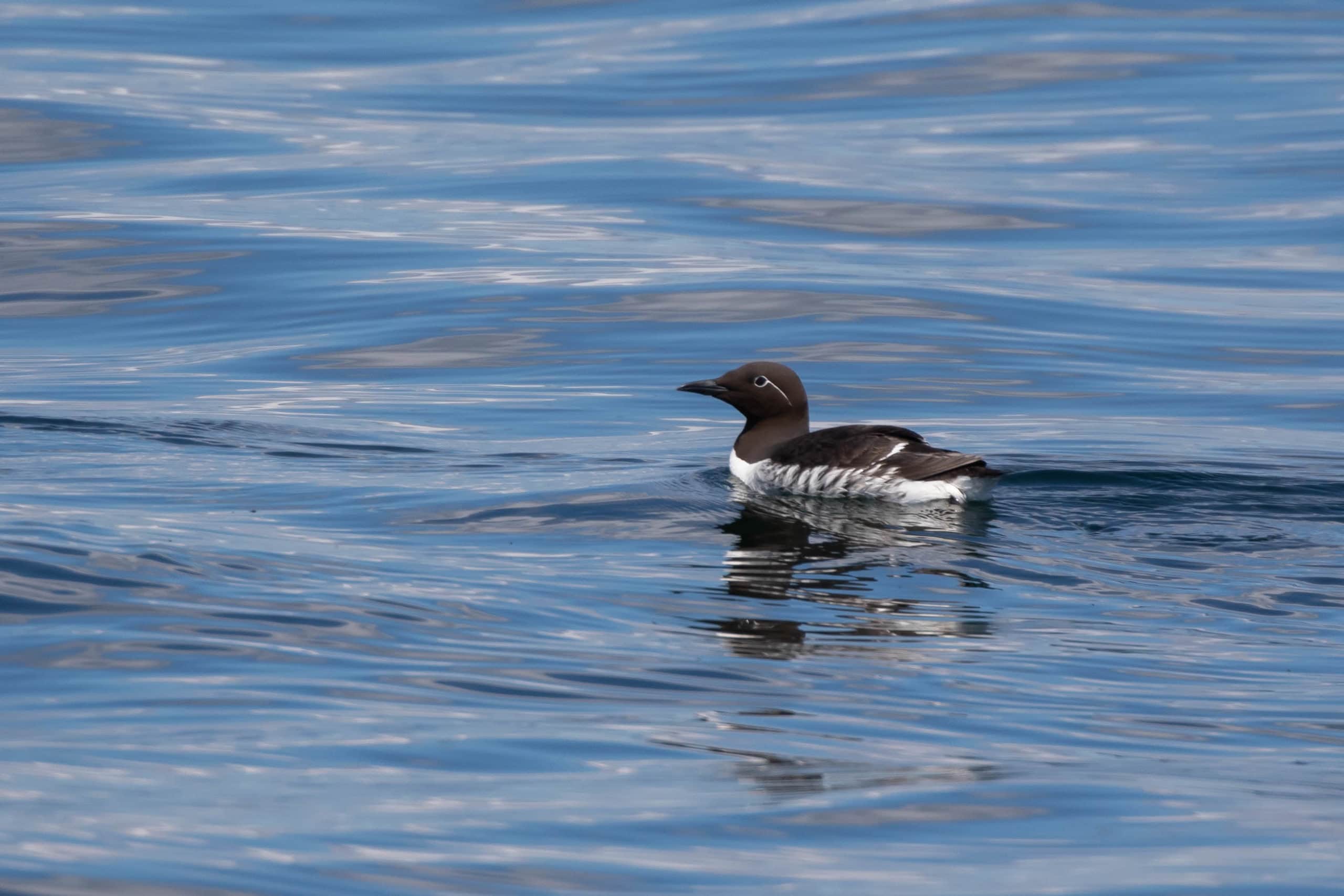
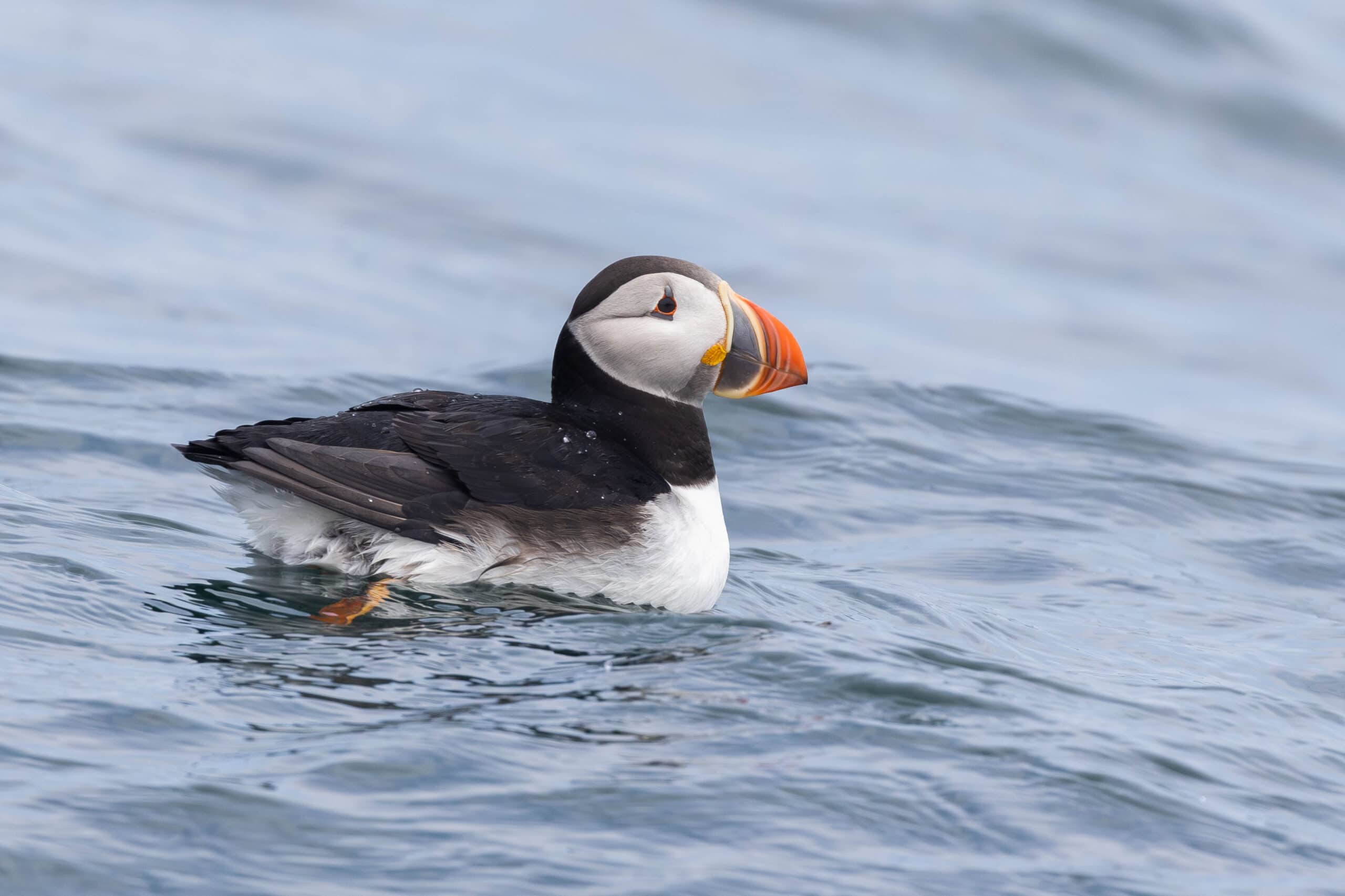
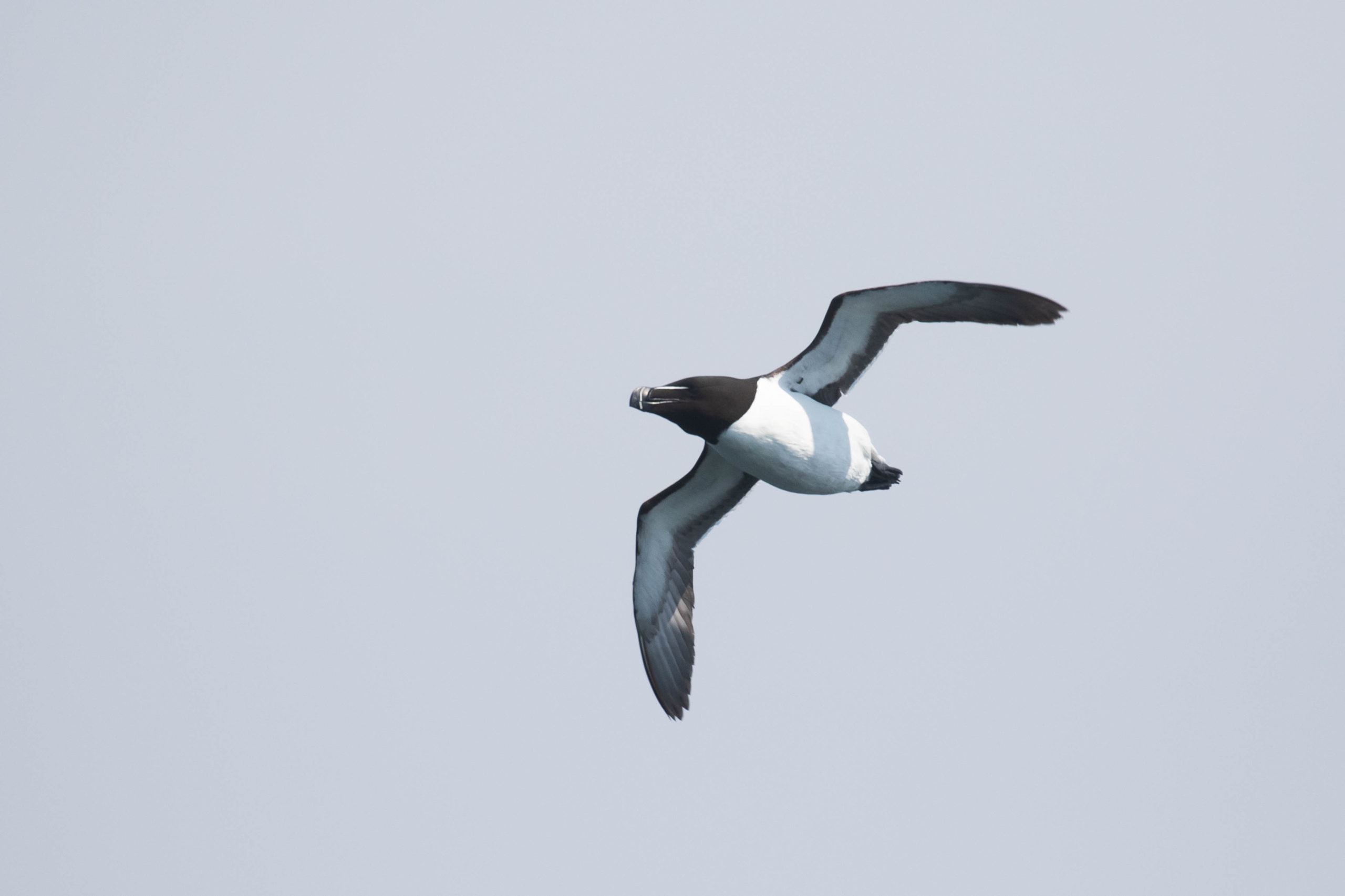
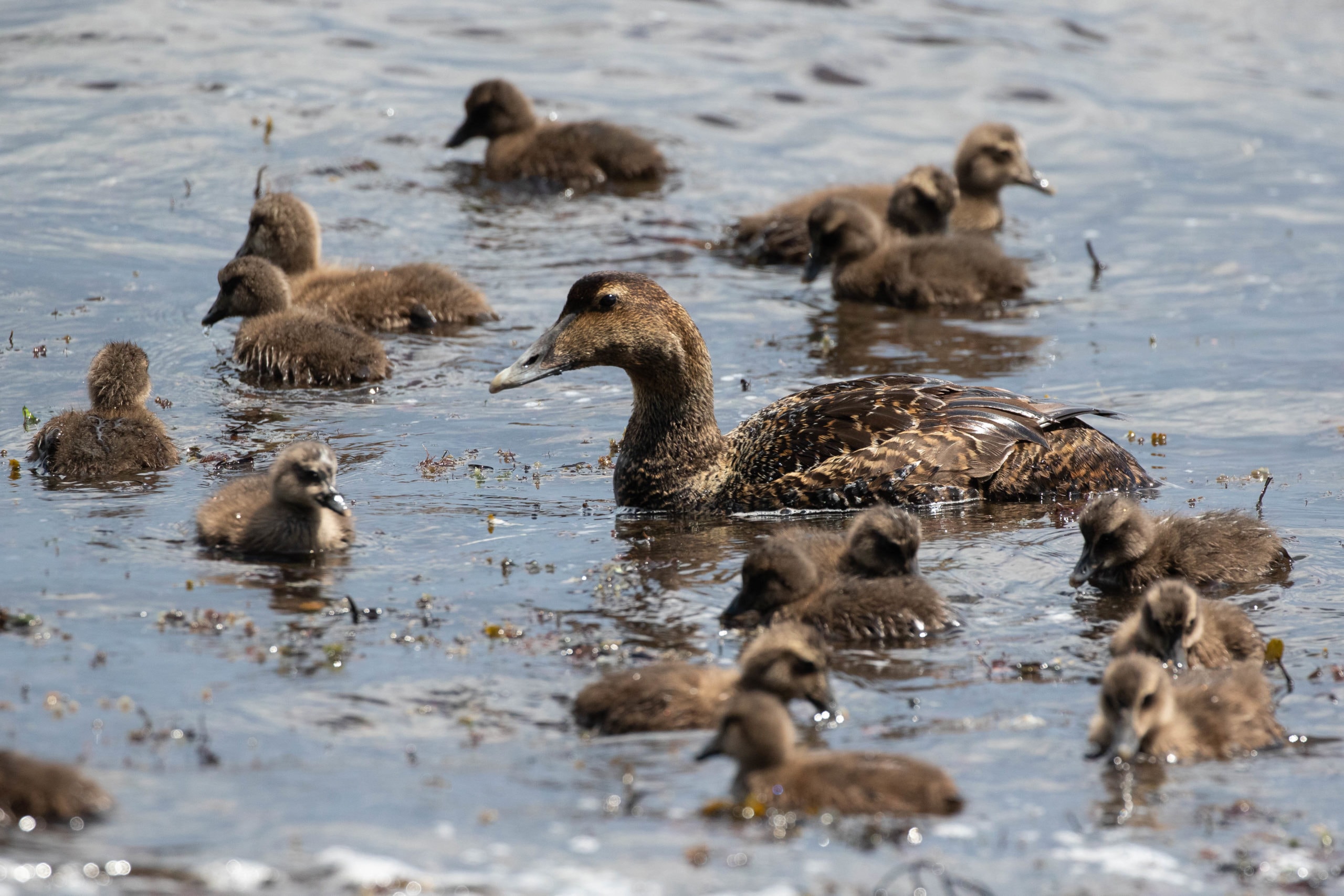
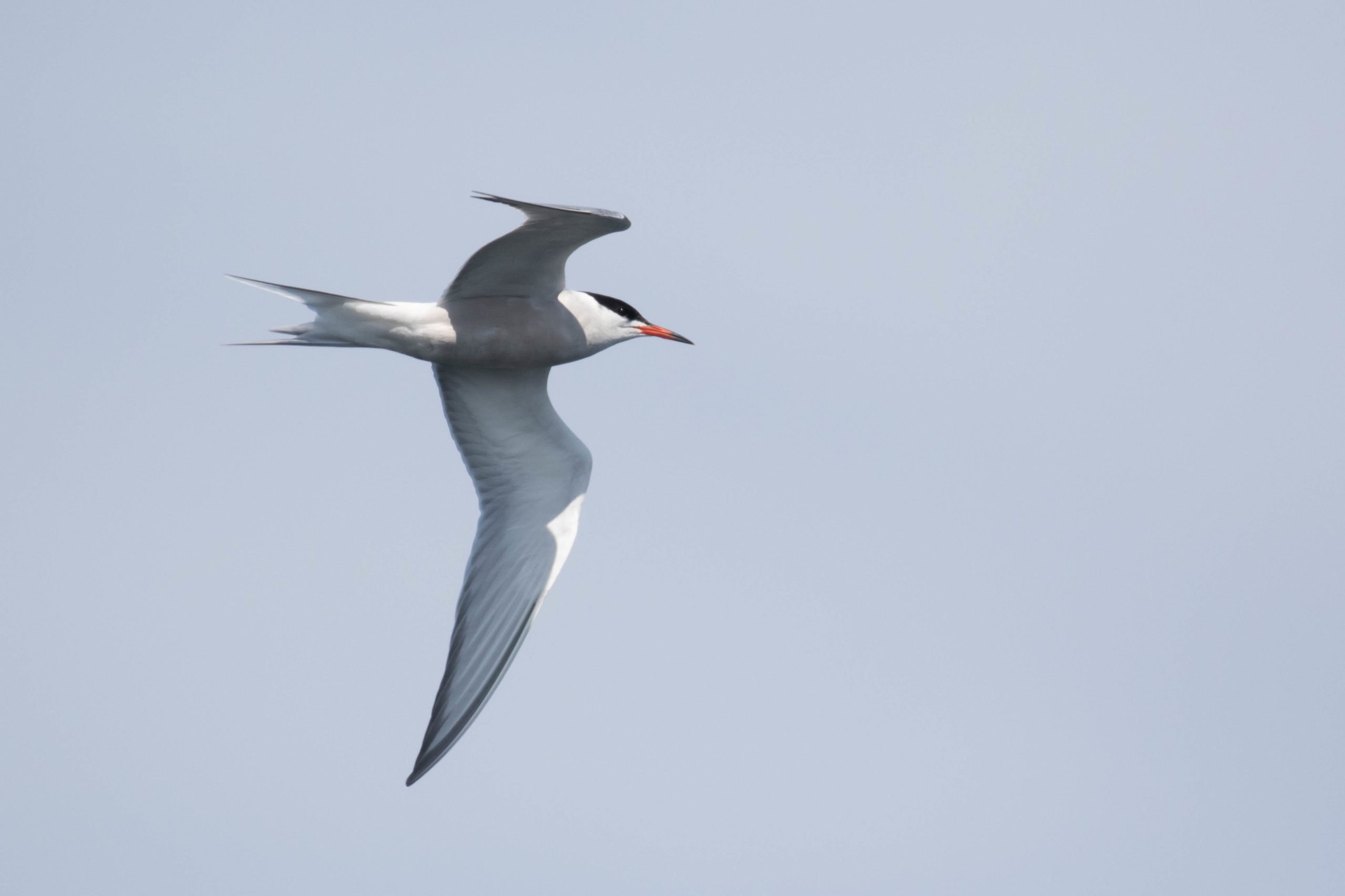
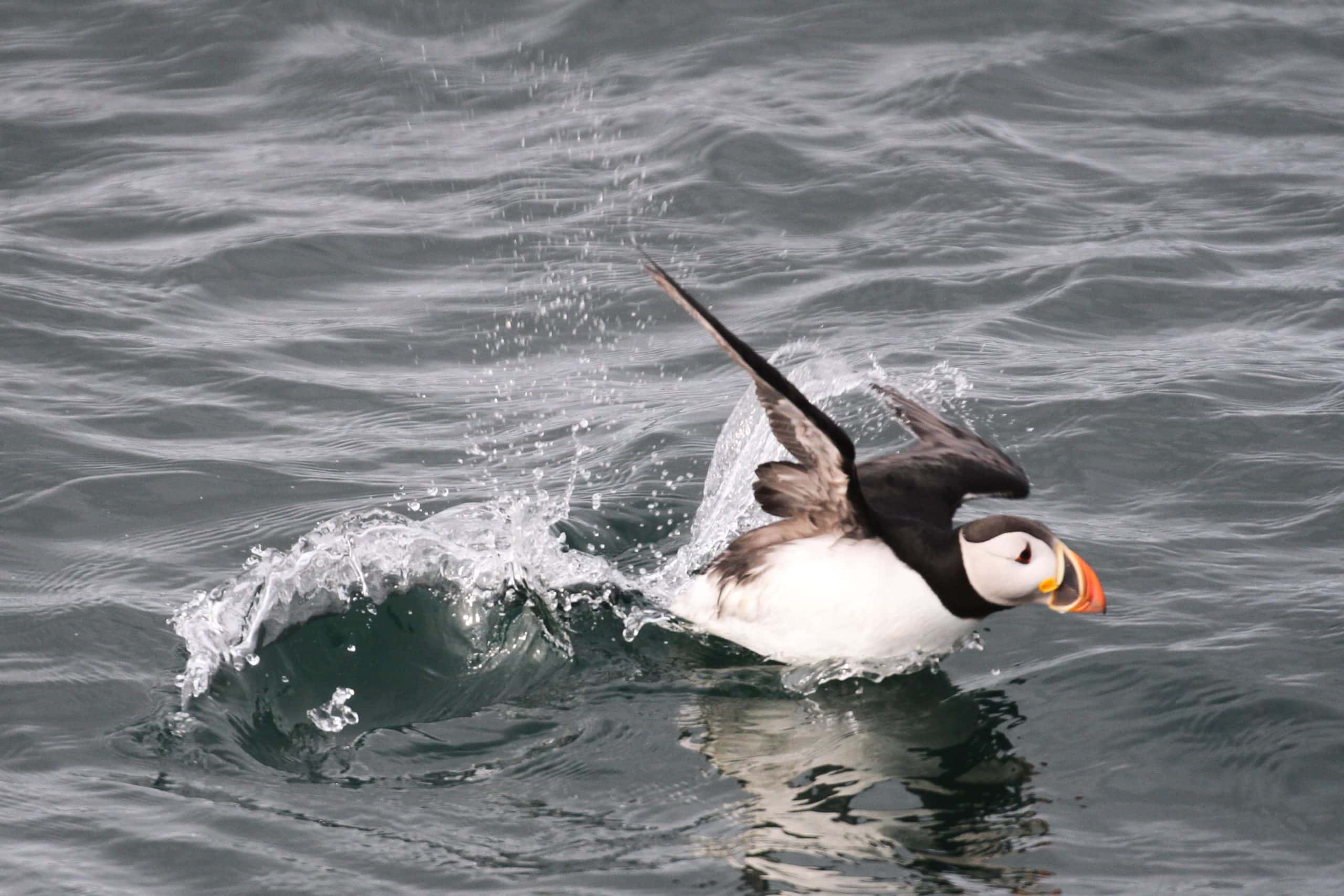
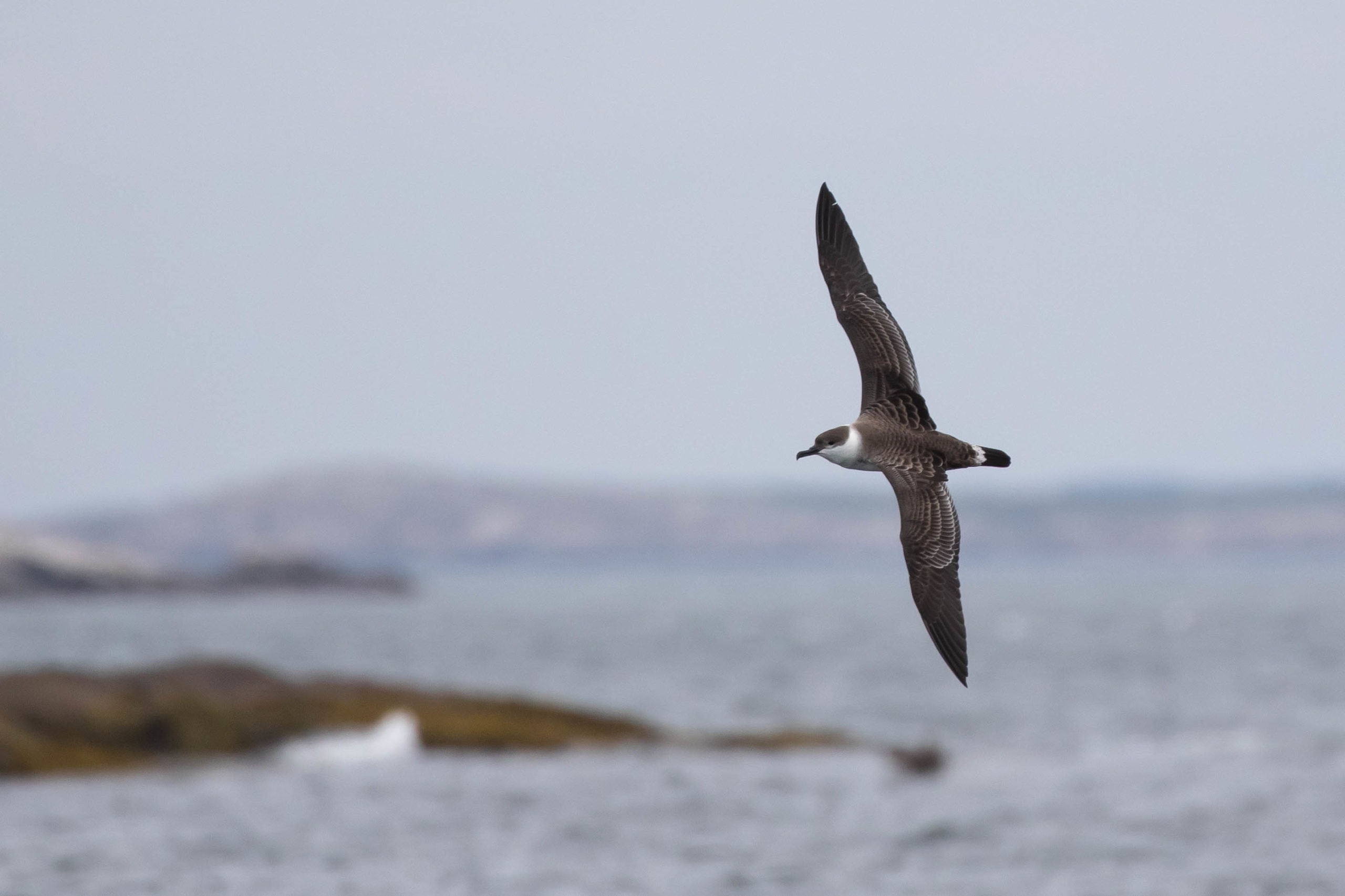
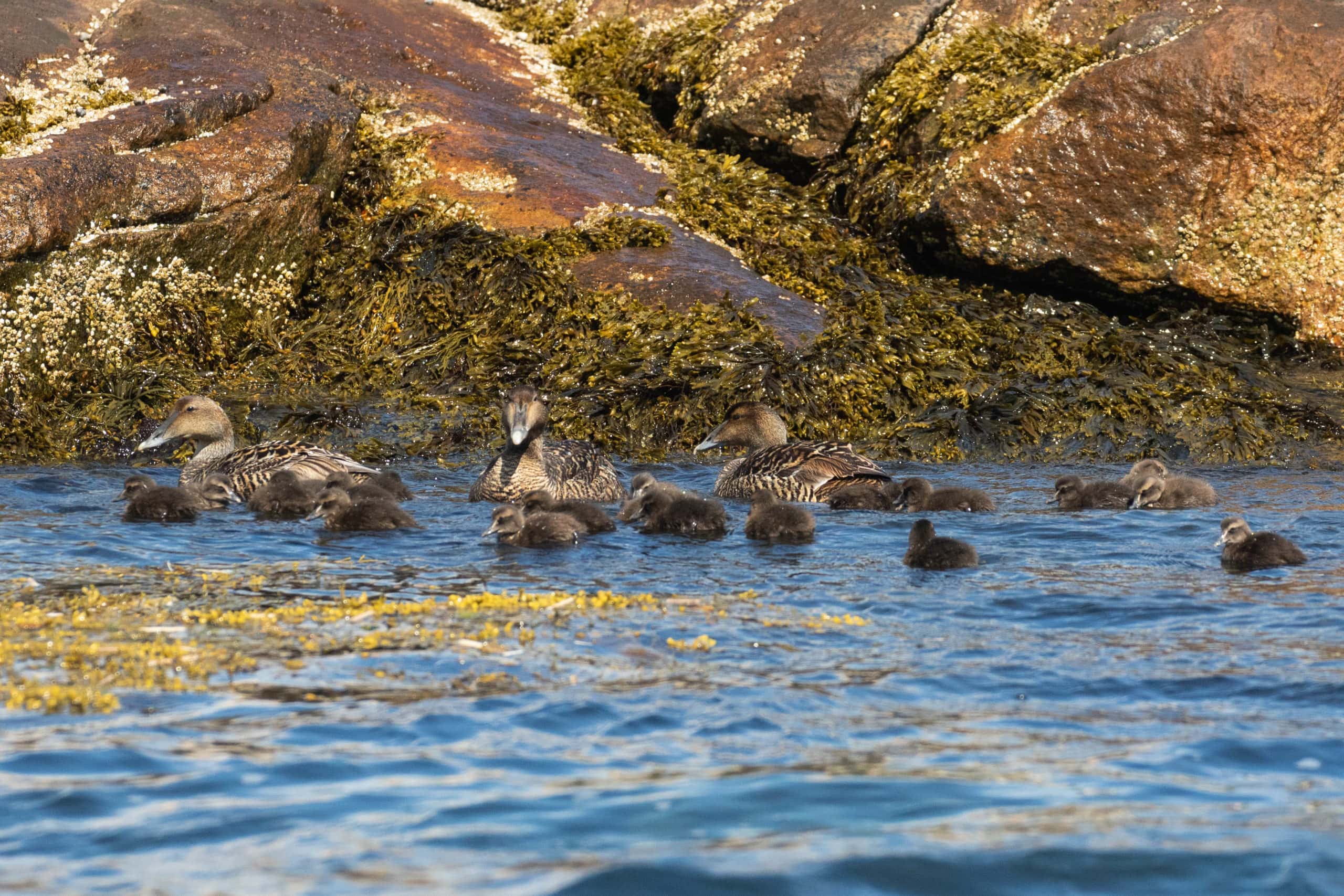
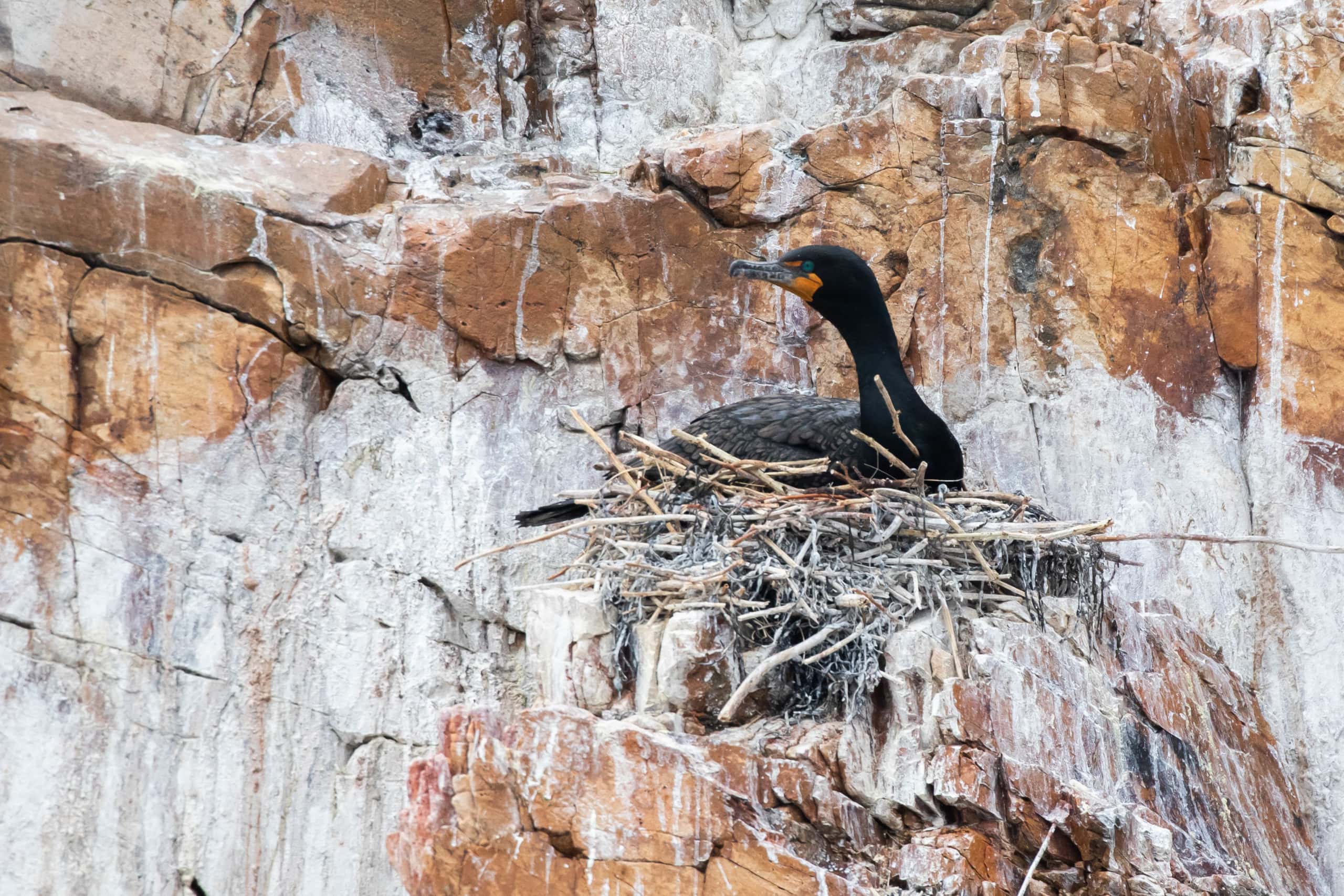
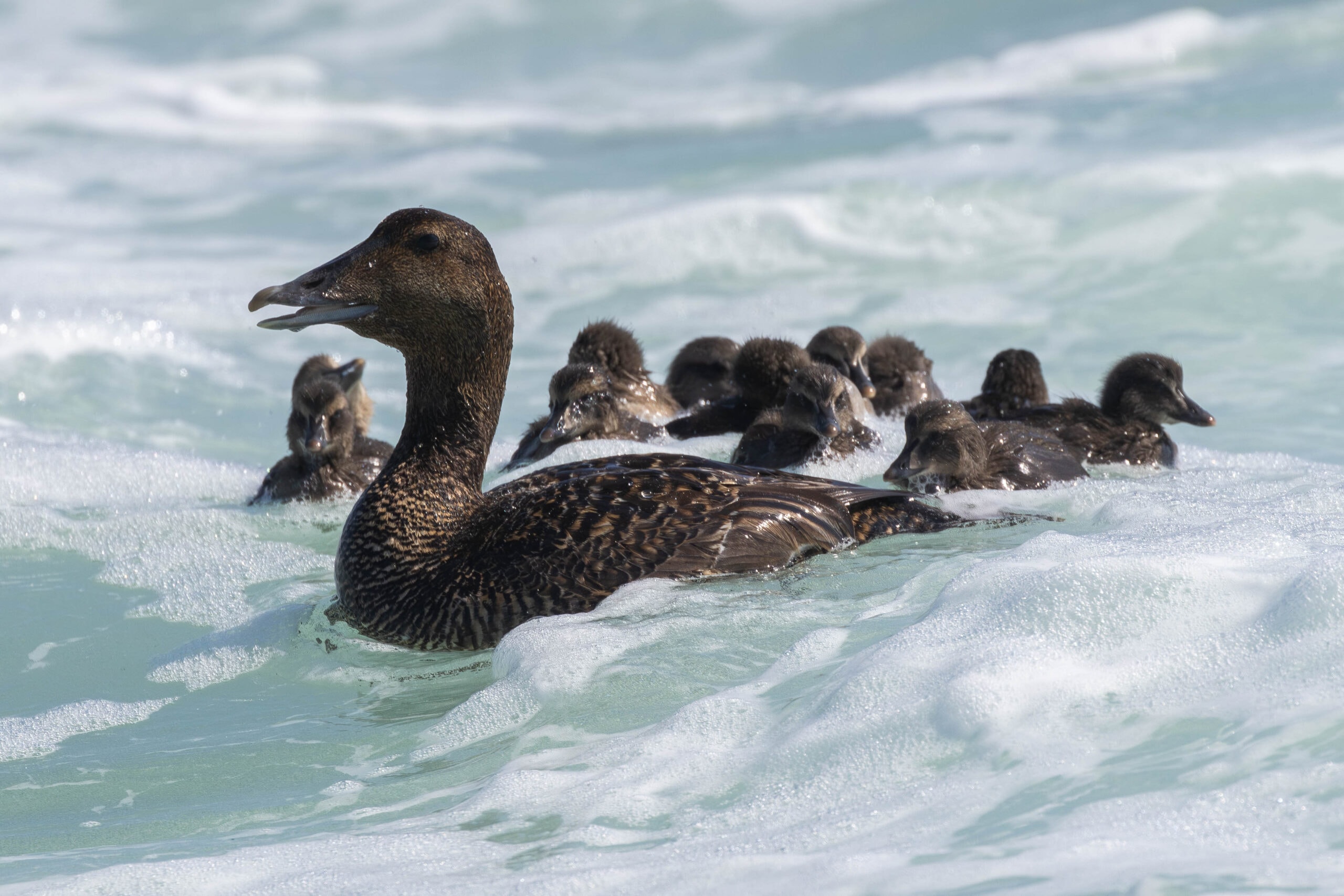
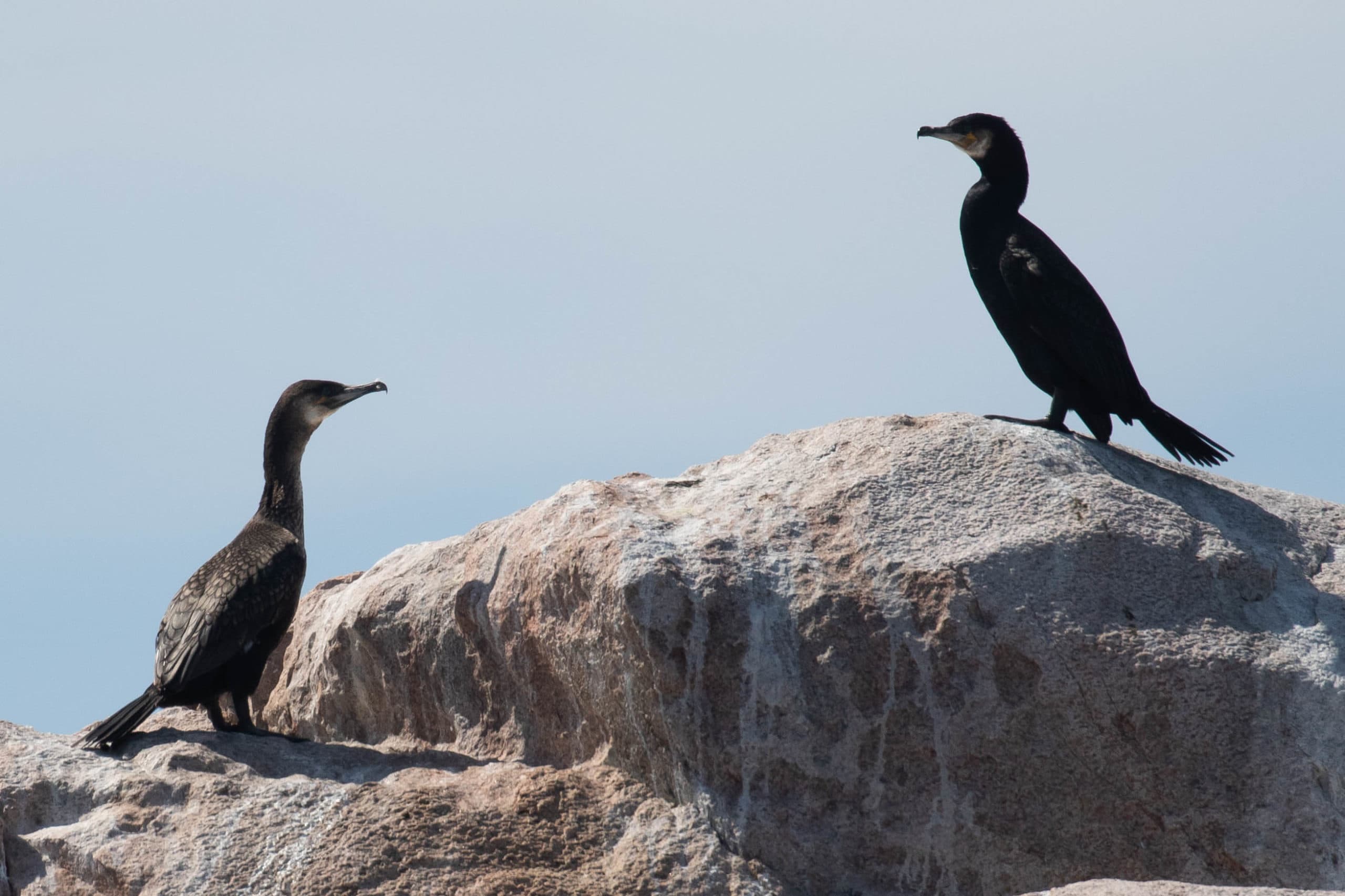
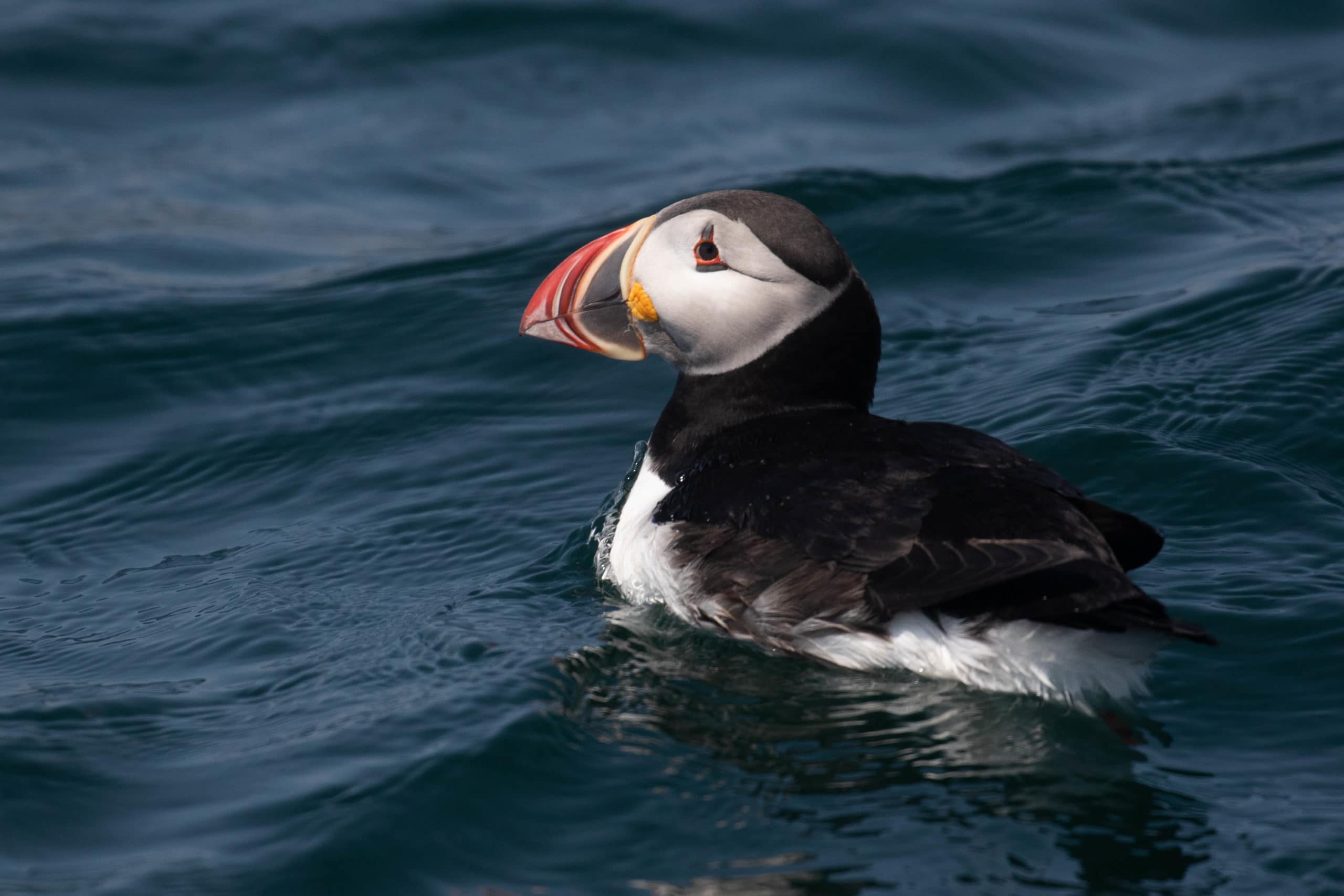
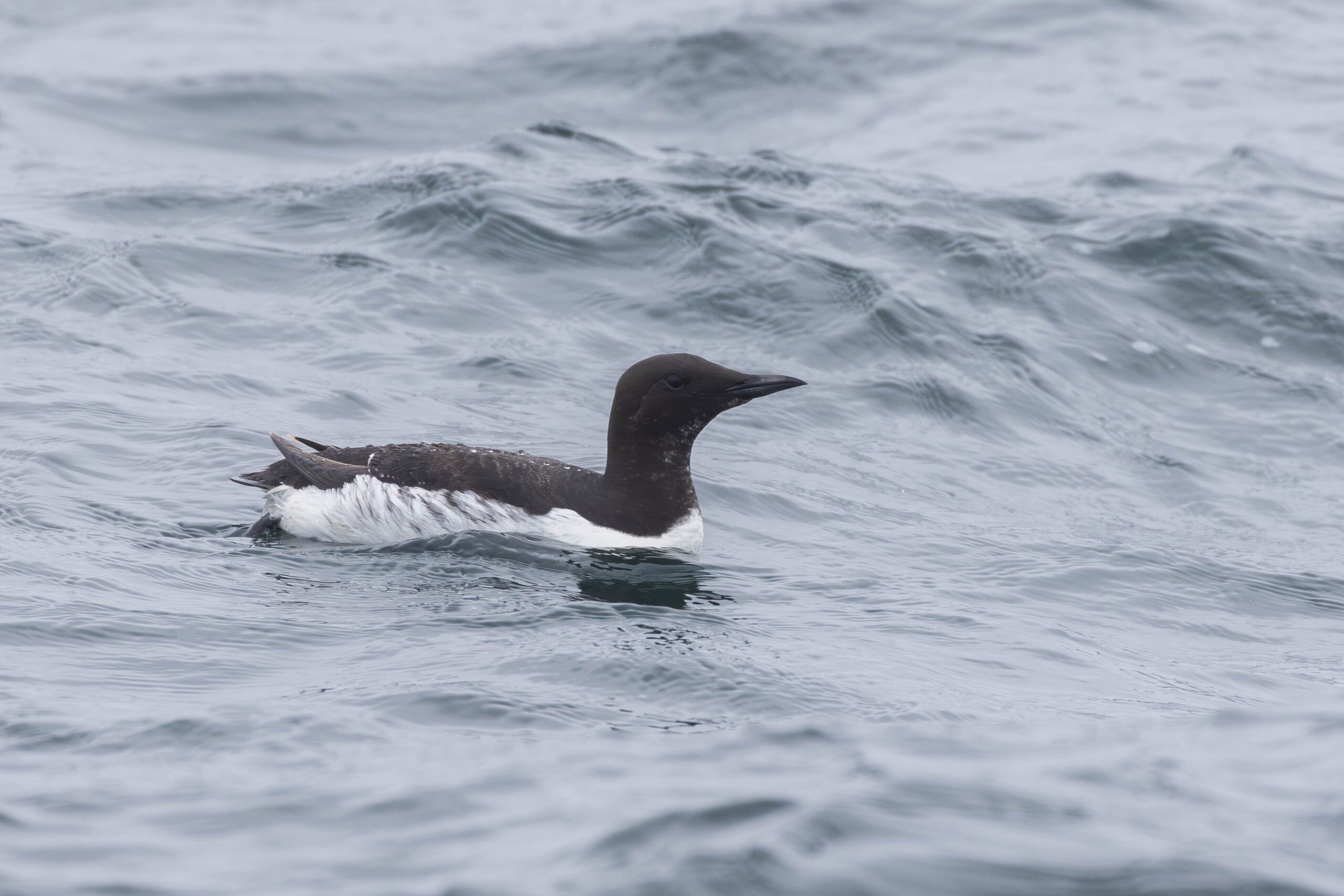
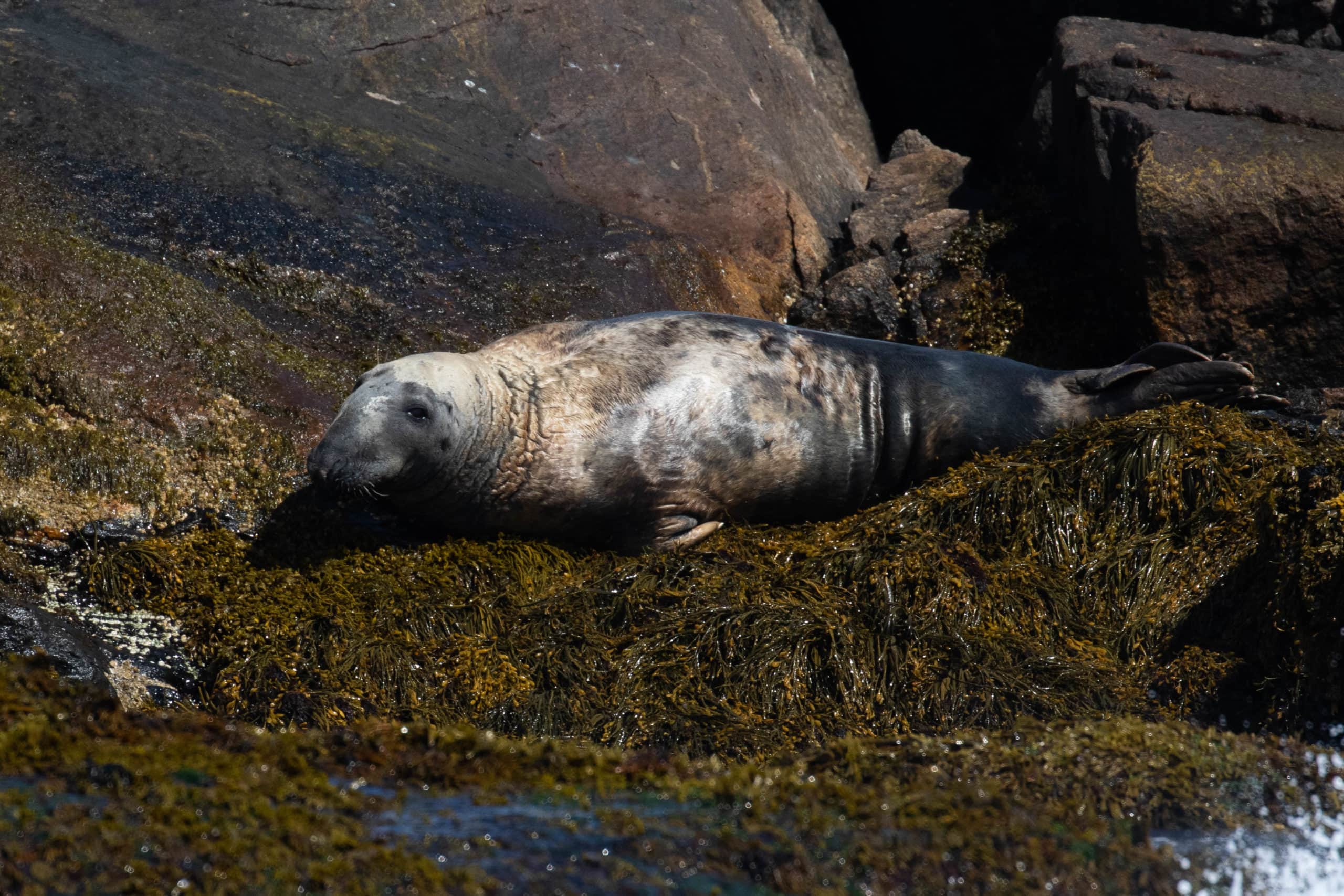
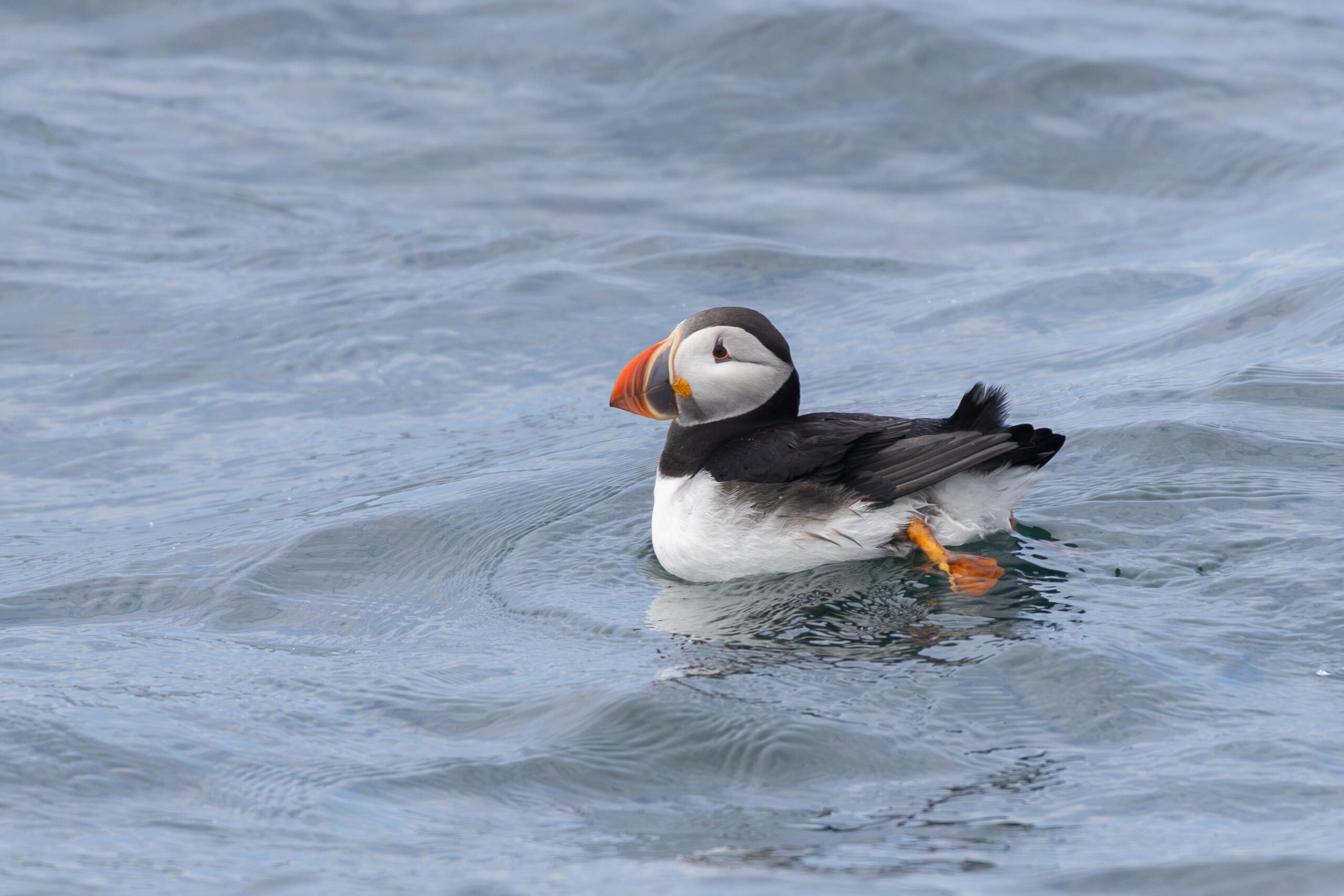
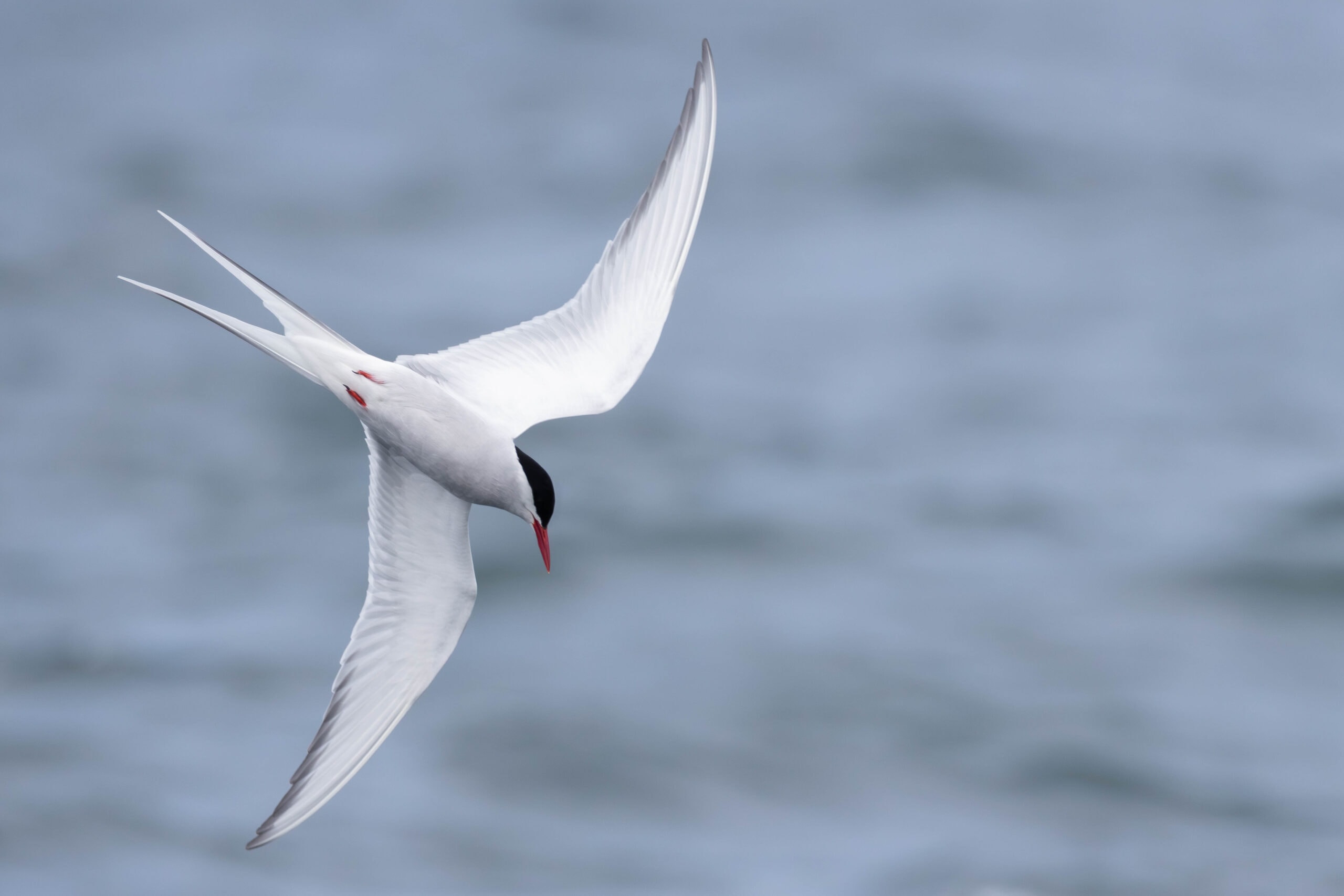
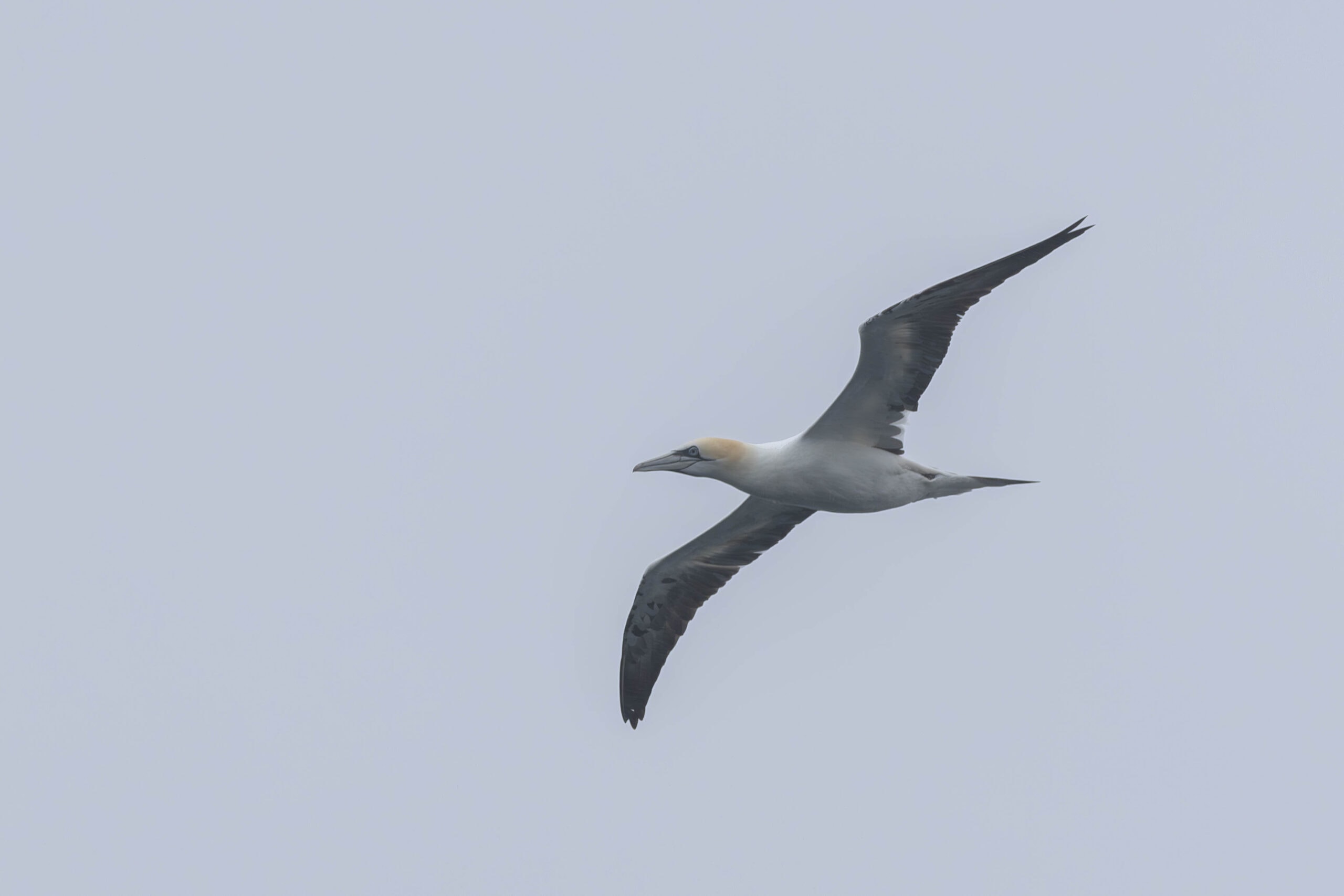
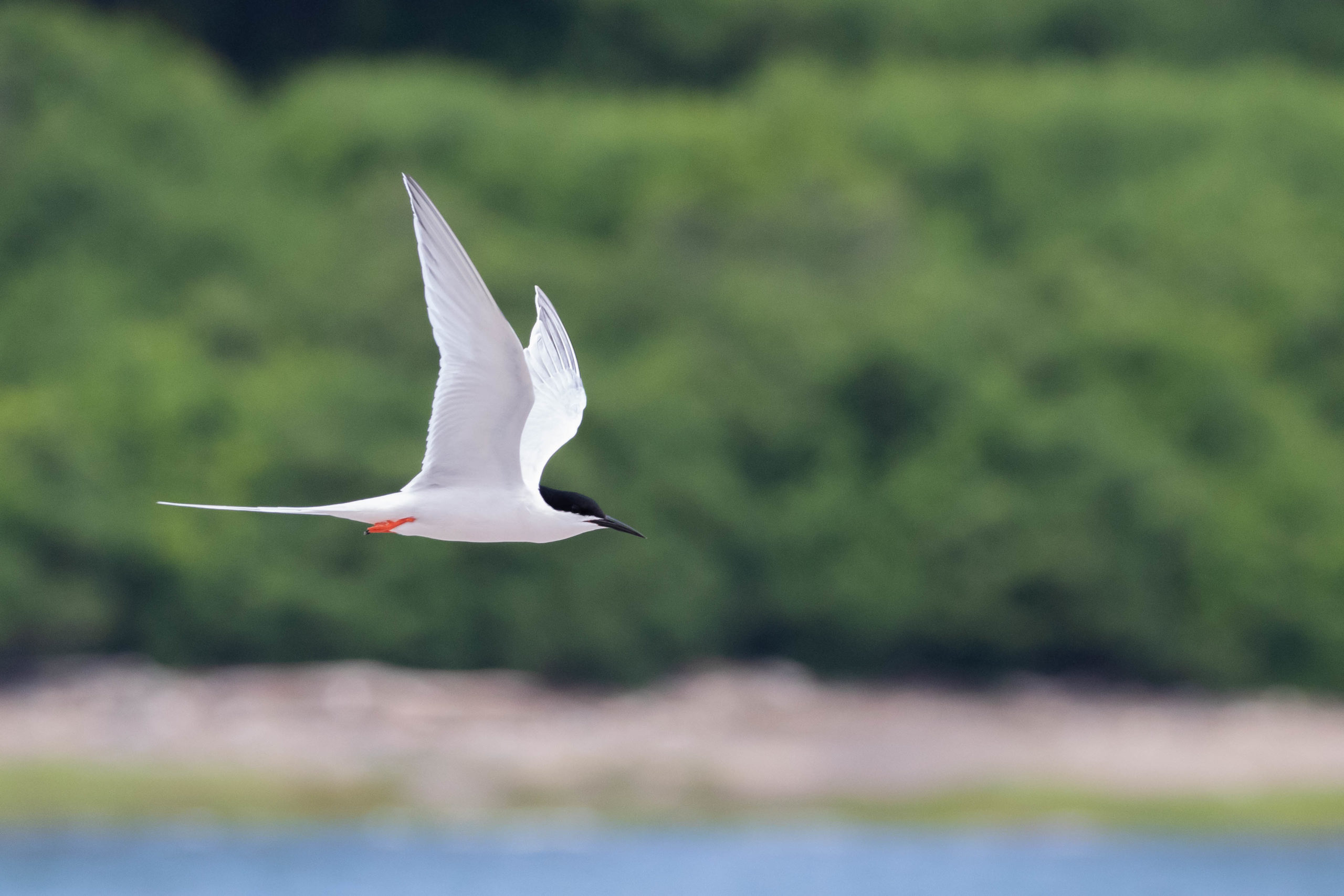
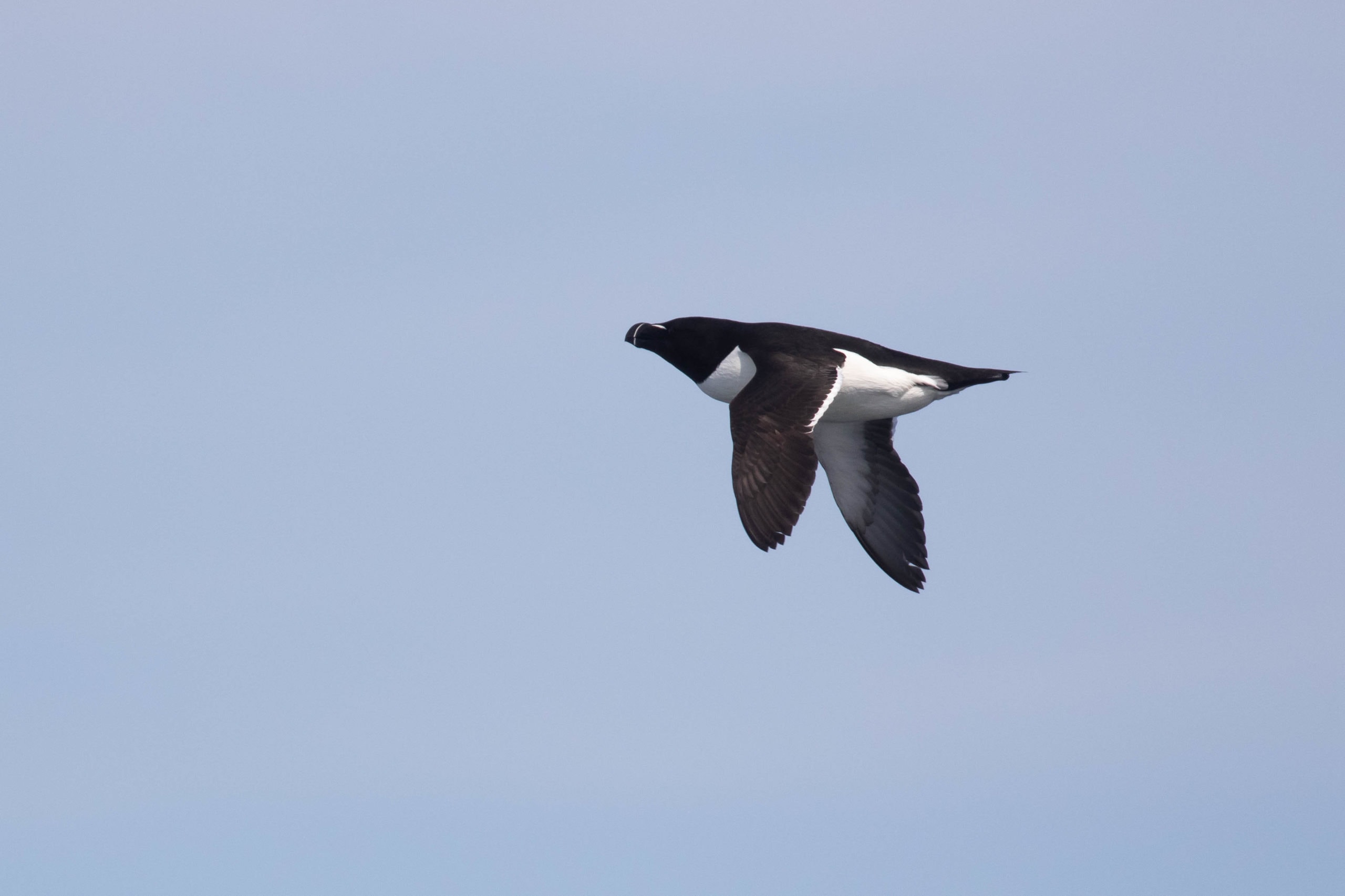
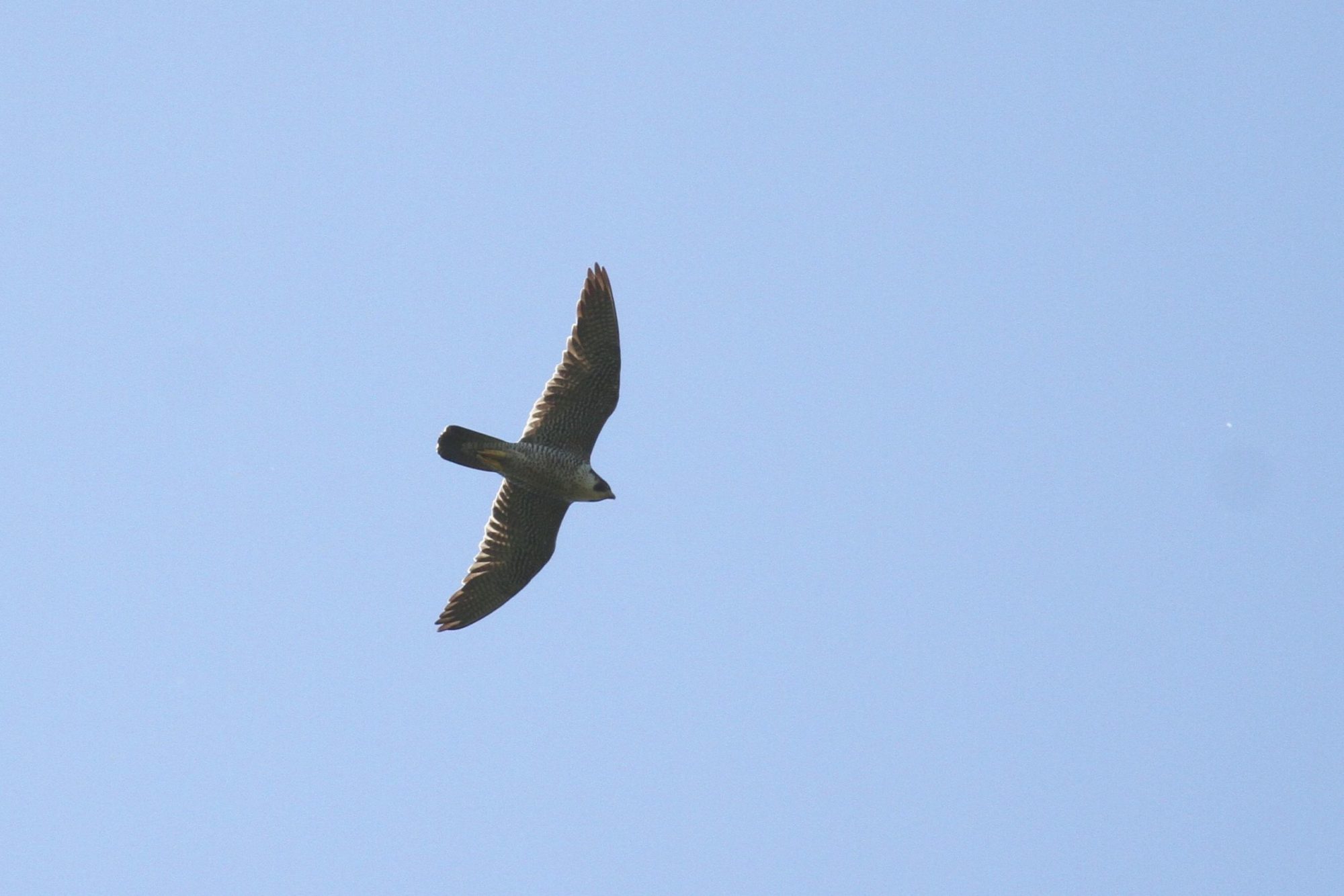
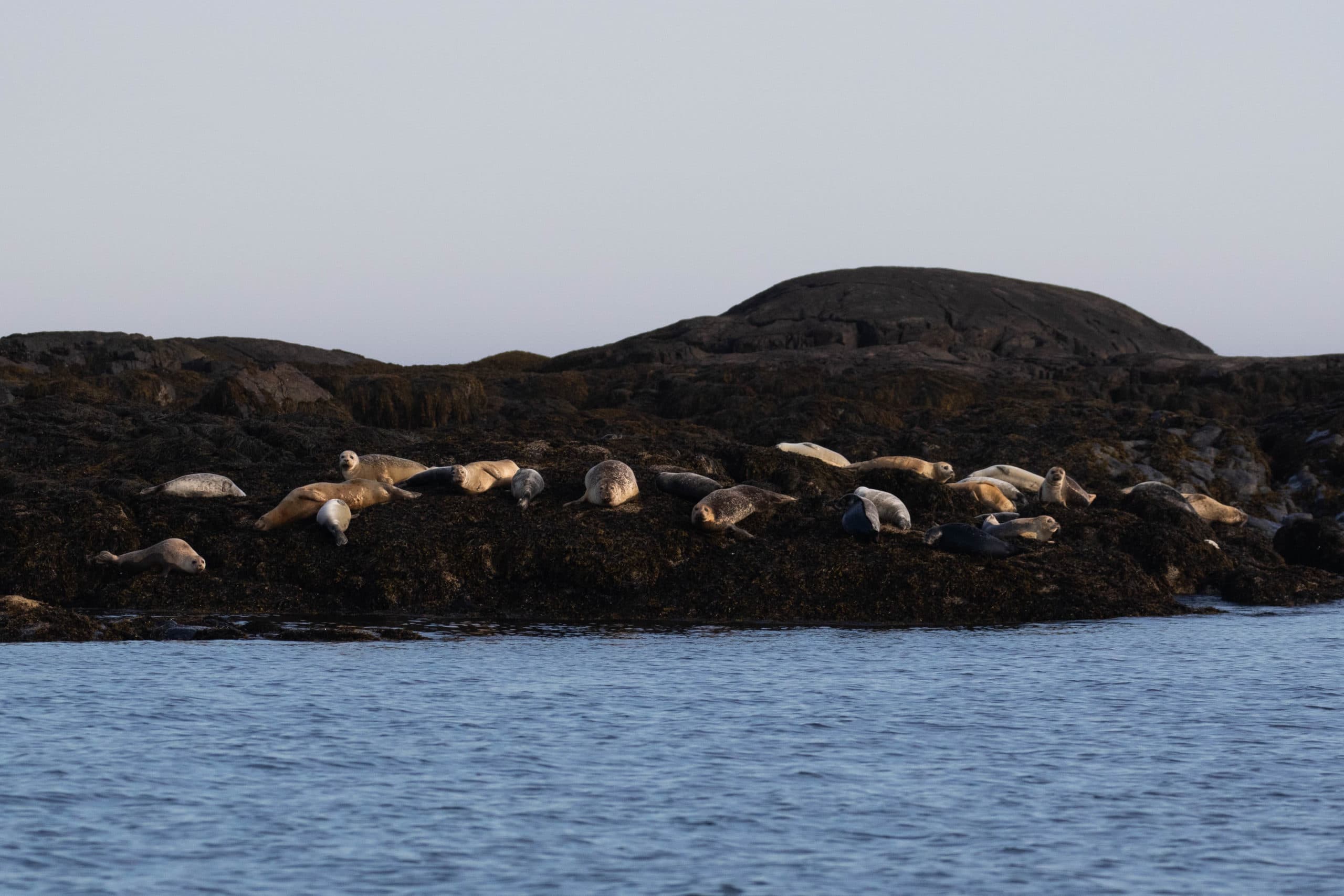
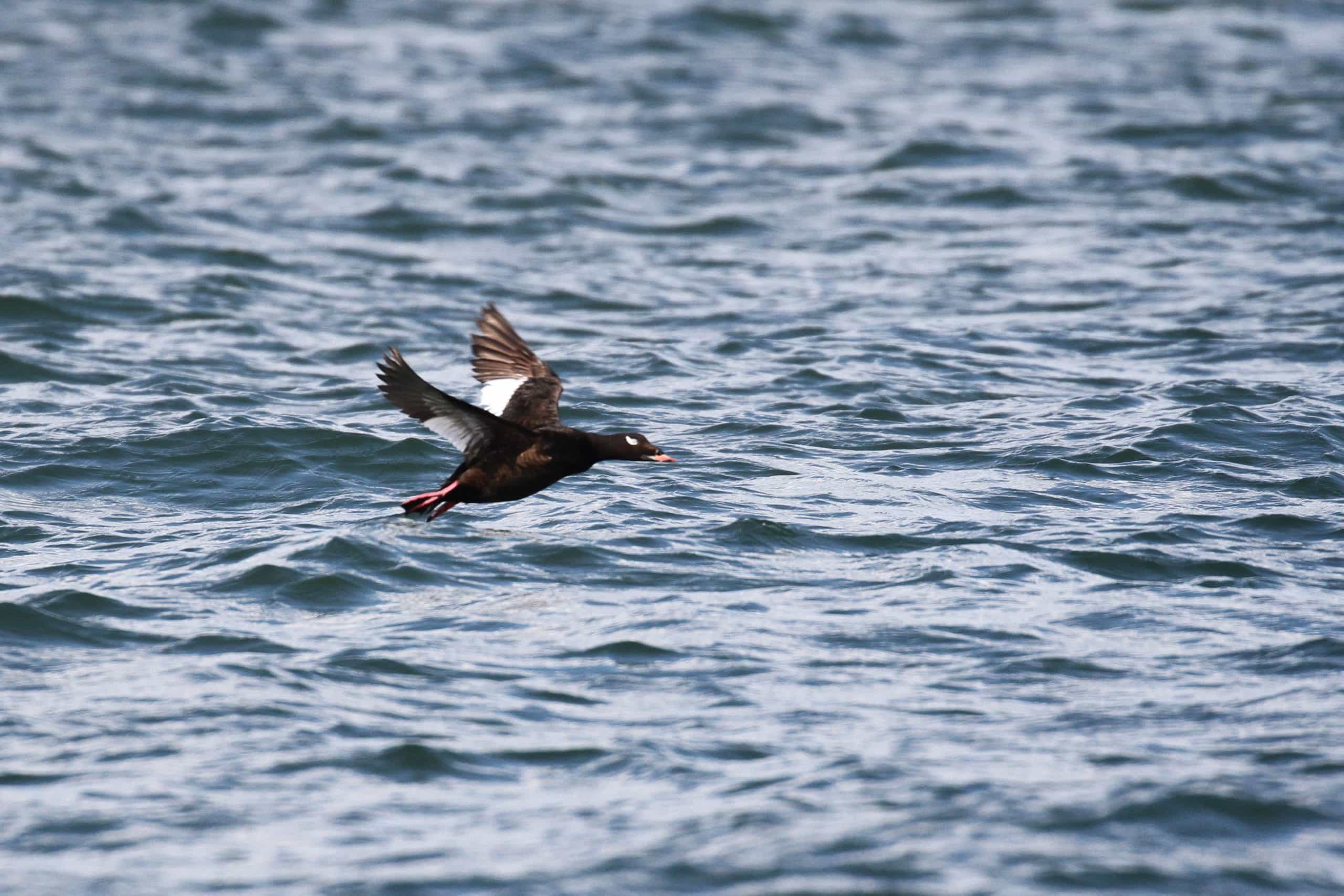
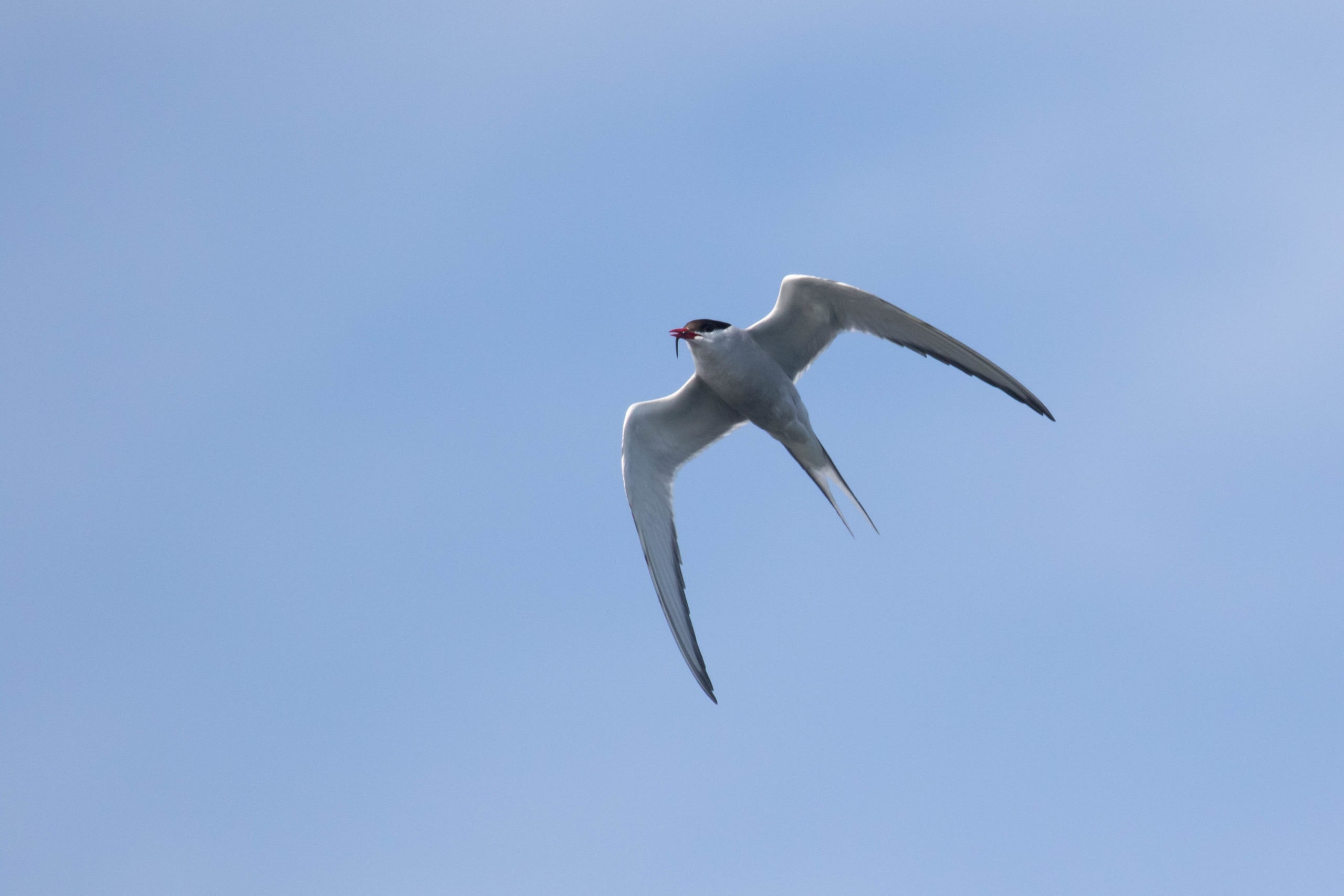
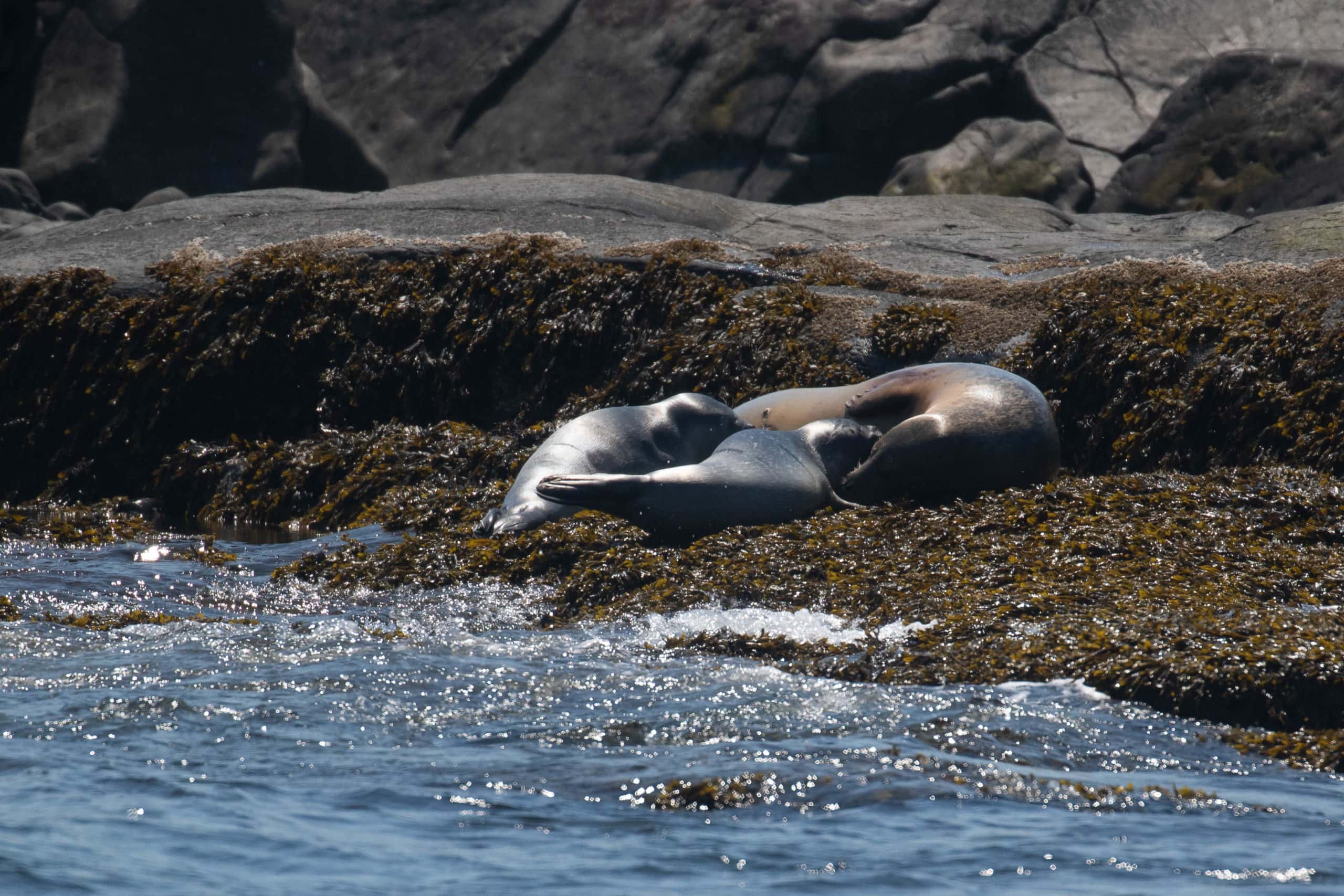
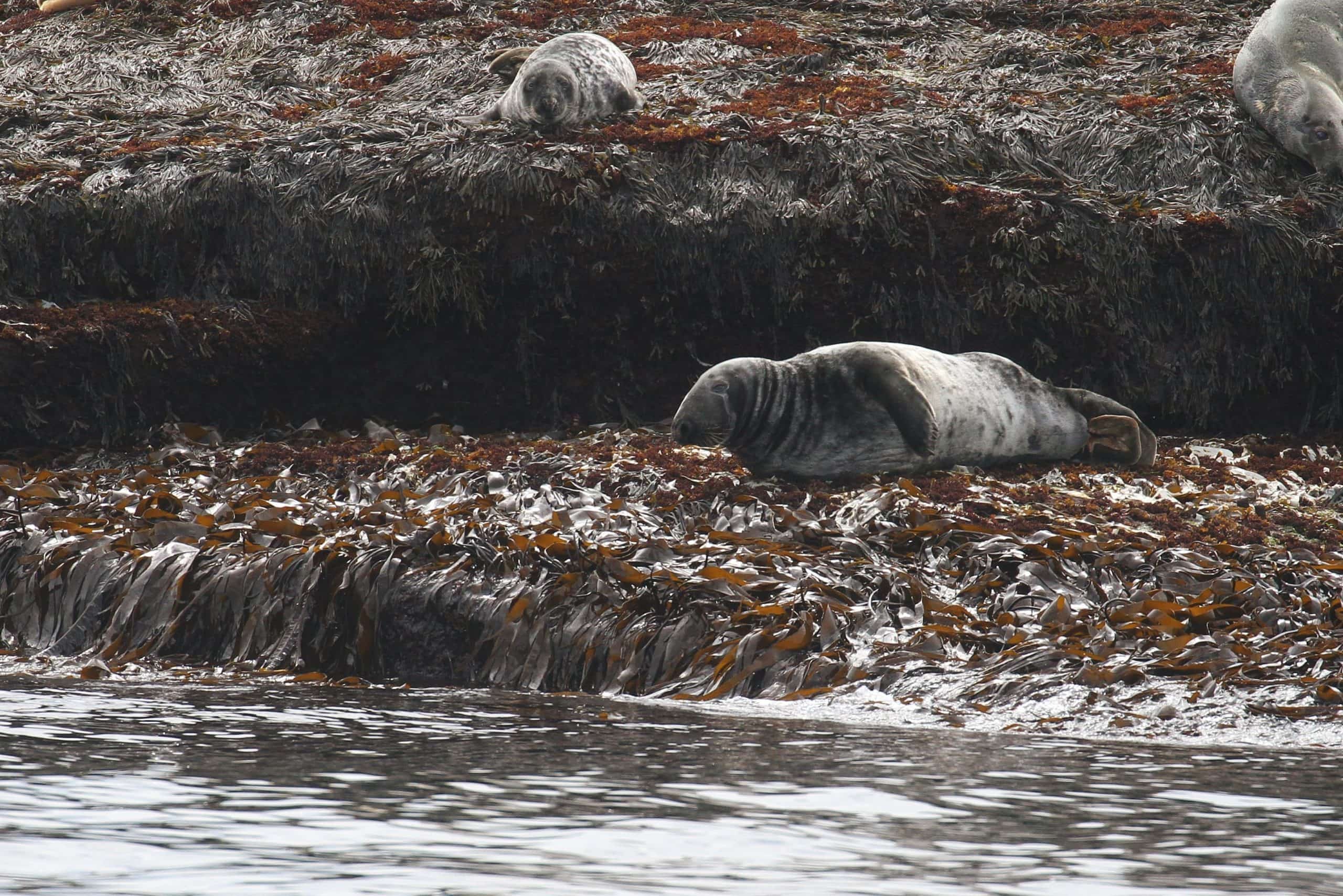
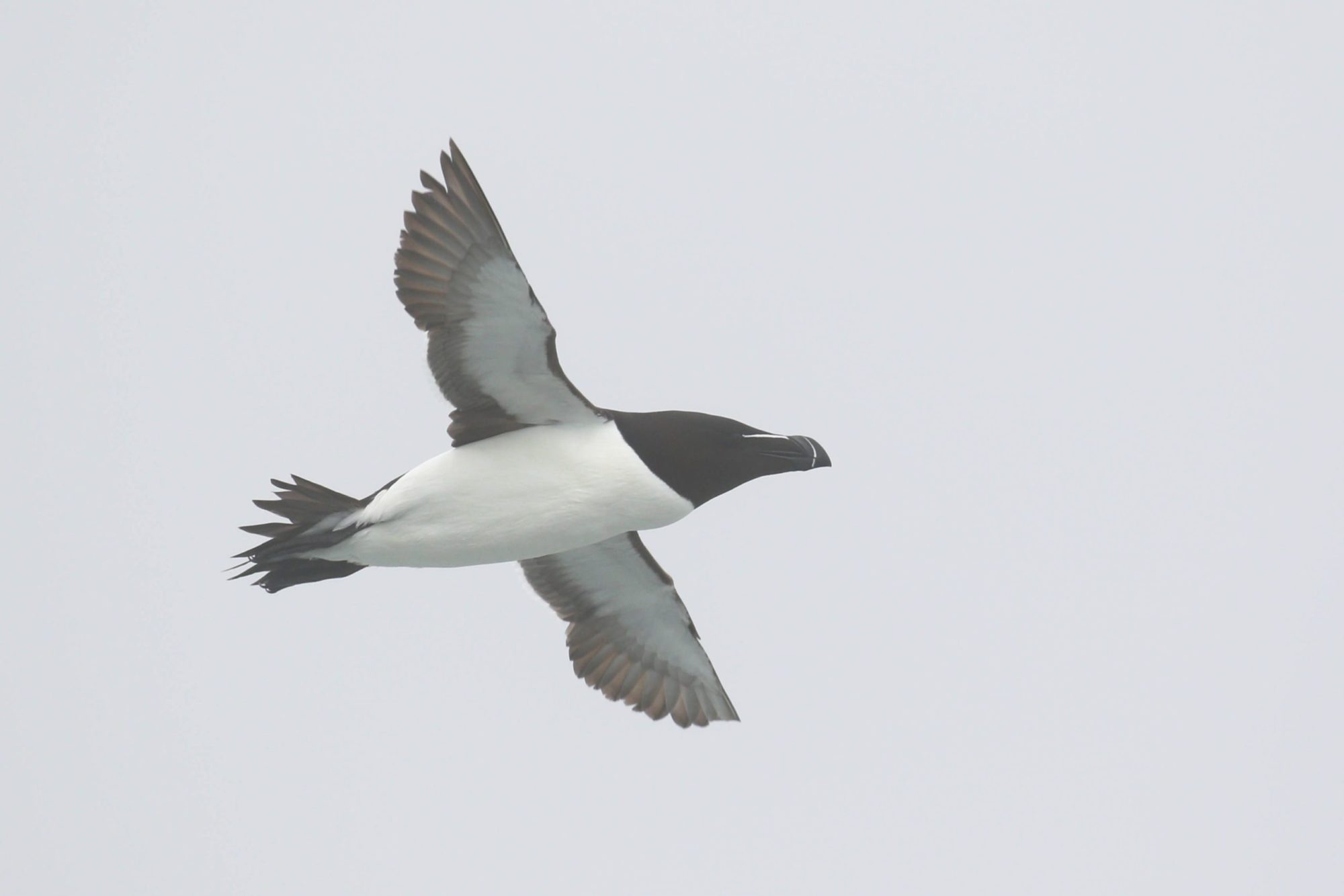
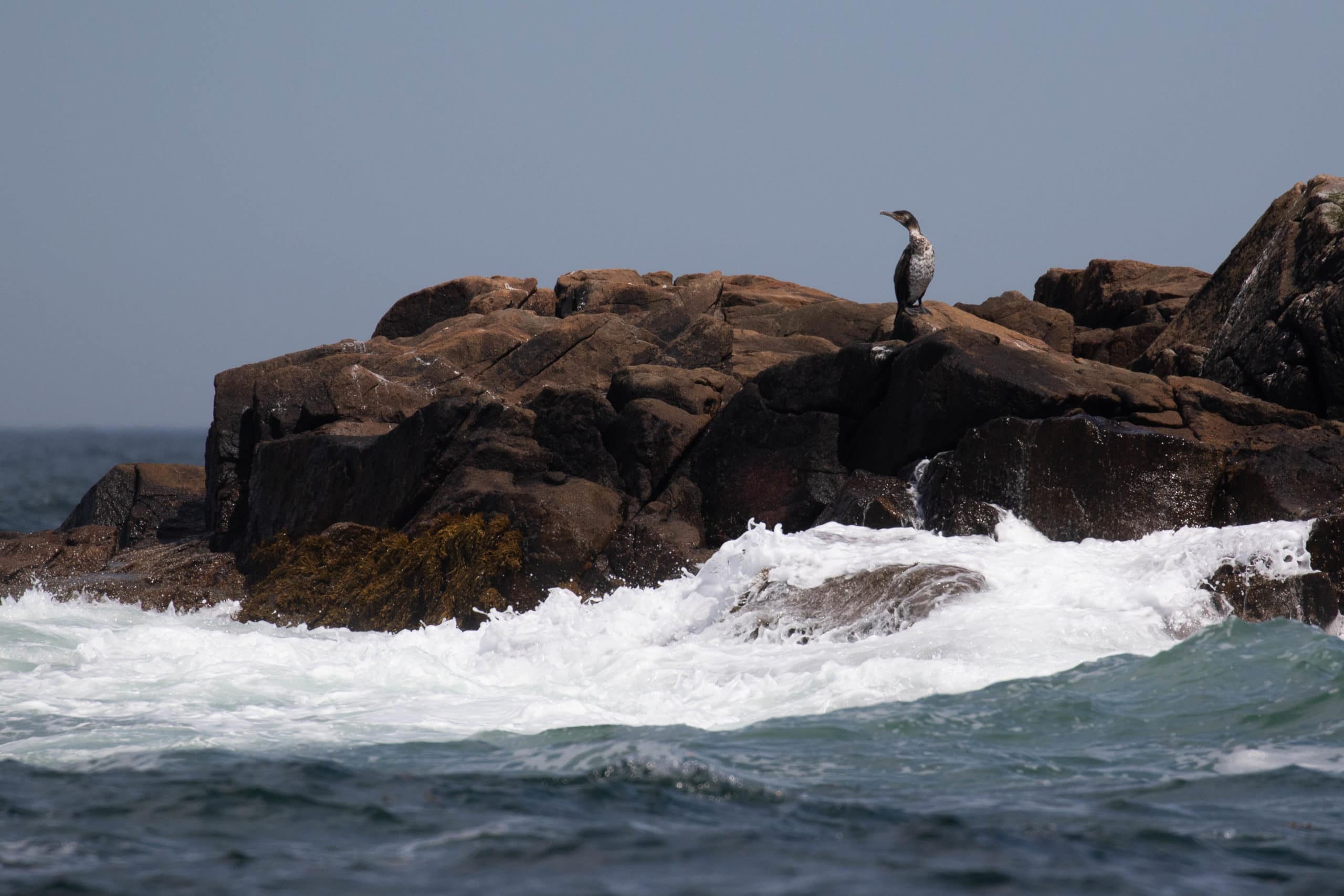
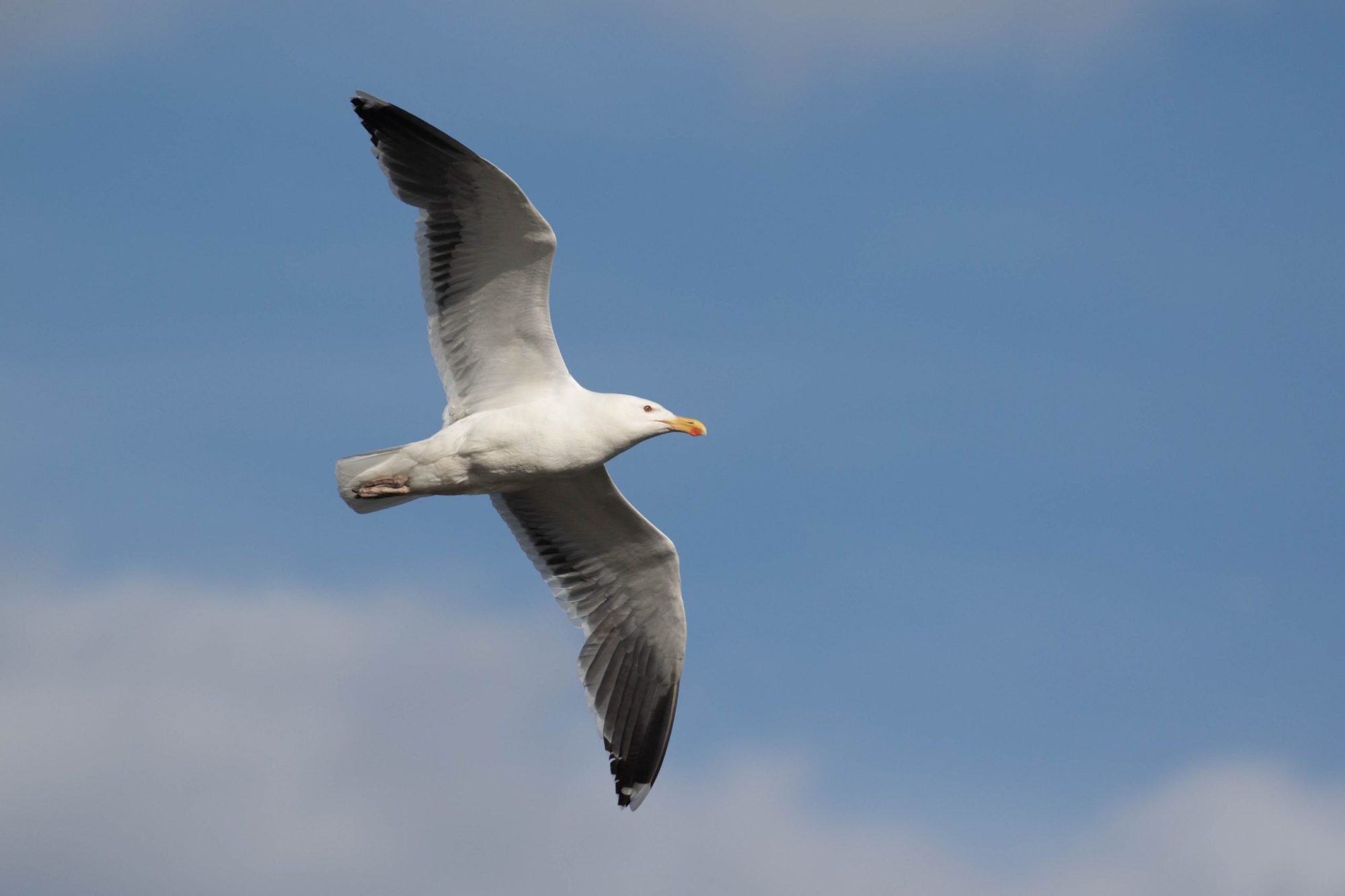
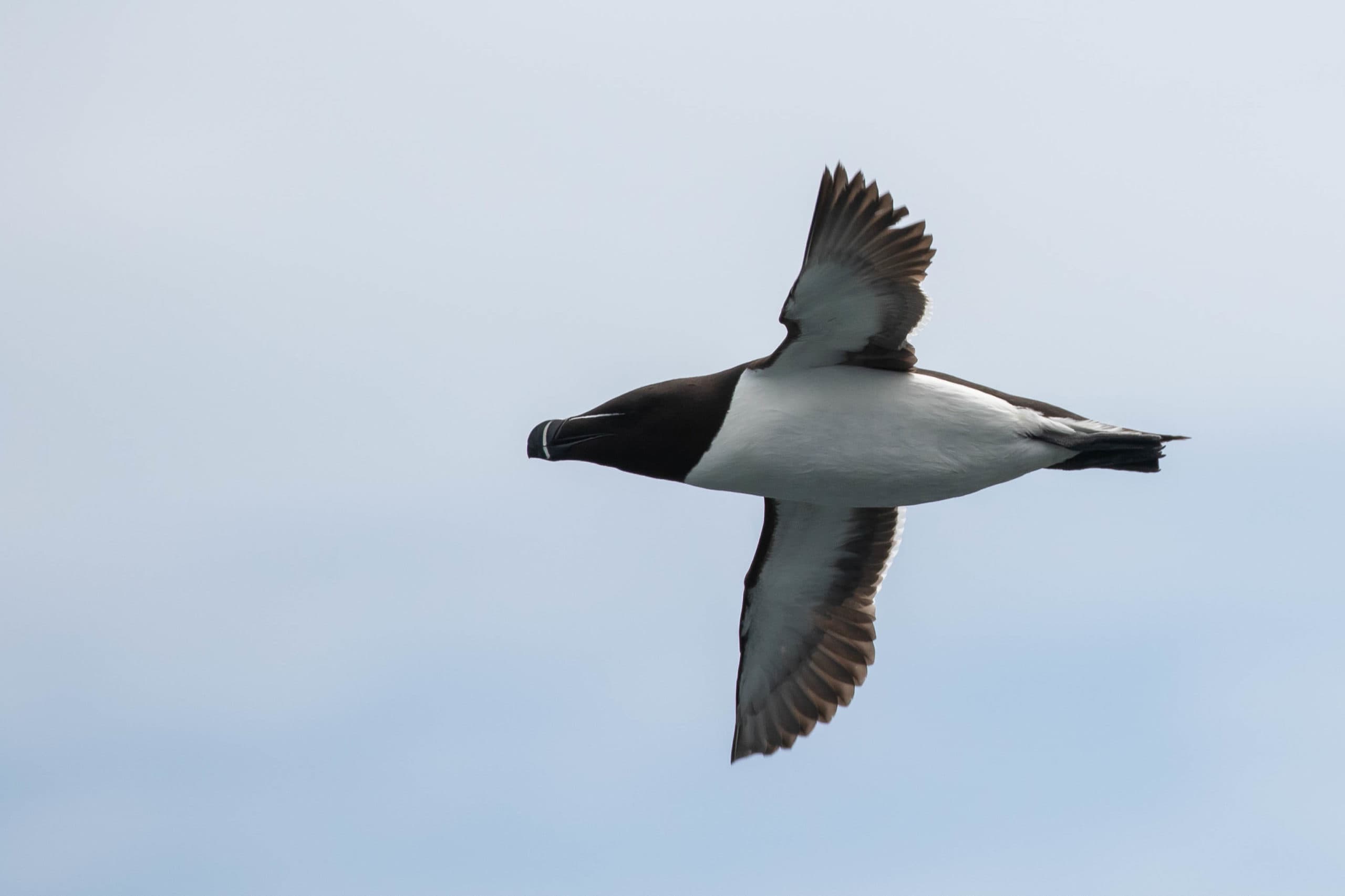
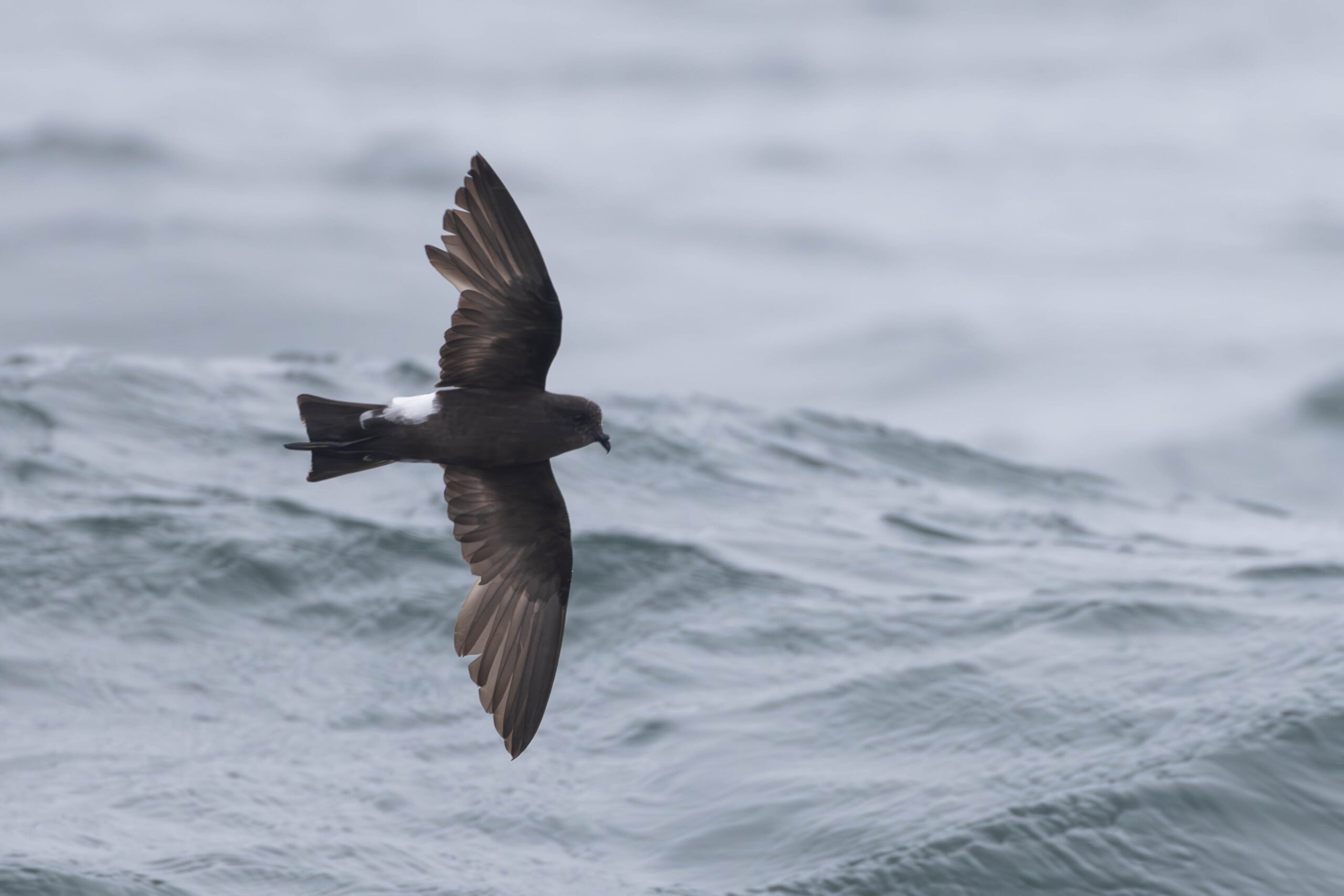
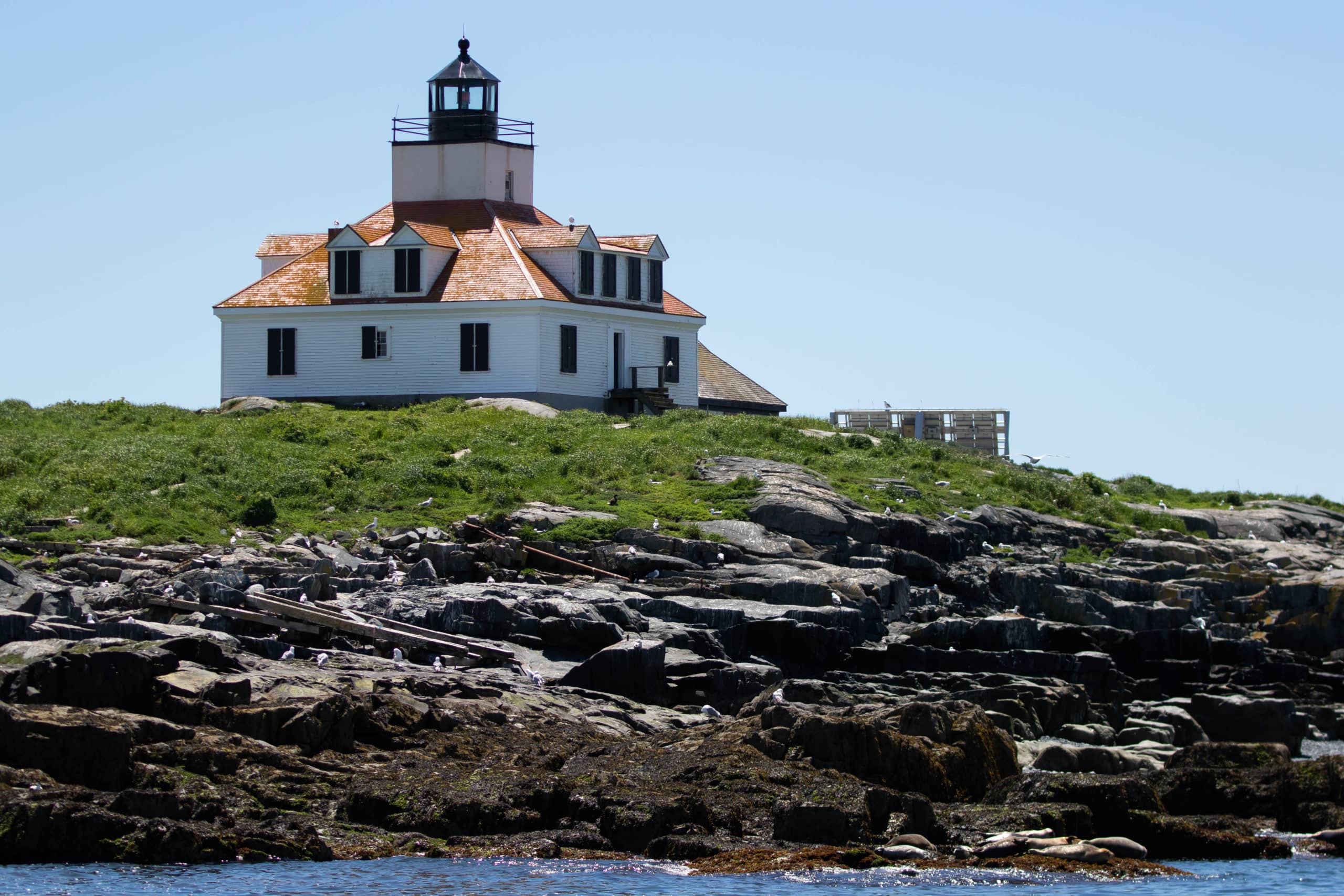
Puffins are at the top of almost all birder’s most-wanted list for this tour, so we are getting right to it with a private boat trip to the huge seabird colony at Seal Island National Wildlife Refuge off the coast of Maine. At 8:30am we will set out from the Camden Harbor onto the massive Gulf of Maine – a 36,000 square mile region that was the former home to the now-extinct Sea Mink and Great Auk! Today, the Gulf of Maine remains a healthy ecosystem with a prosperous fishing community and is a critical region for rare animals like the Northern Right Whale and the charismatic Atlantic Puffin! Seal Island is a tiny, 10-acre rock that is host to one of the largest breeding colonies of Atlantic Puffins and Great Cormorants in the United States! Various gulls, Common Eiders, all 3 scoter species, and Black Guillemot can be abundant. Close views of the island and surrounding waters should produce excellent views of Atlantic Puffin, Common Murre, Razorbill, and both Common and Arctic Terns! A Peregrine Falcon may strafe the island in search of a winged meal, while Bald Eagles scan from prominent treetops. Both Gray Seals and Harbor Seals are often seen loafing on the rocky shorelines. During the commute to and from the island there is a possibility of seeing several rare pelagic species like Wilson’s Storm-Petrel, Great Shearwater, Sooty Shearwater, Northern Gannet, and Red-necked Phalarope!
If weather conditions do not permit the longer over-water journey to Seal Island, we will reschedule this day to take another charter to Petit Manan Island which is also a wonderful seabird colony hosting many of the same species listed above, but is closer to the mainland.
Following our private boat trip to the island, we will drive south along the coast toward Portland, making a few birding stops as time allows, and then we will celebrate the puffins over dinner in the city! Night in Portland, Maine.
Day 3 – Scarborough Marsh, Pine Point Beach, Tidewater Farm, Gilsland Farm Audubon Center. Night in Portland, ME.
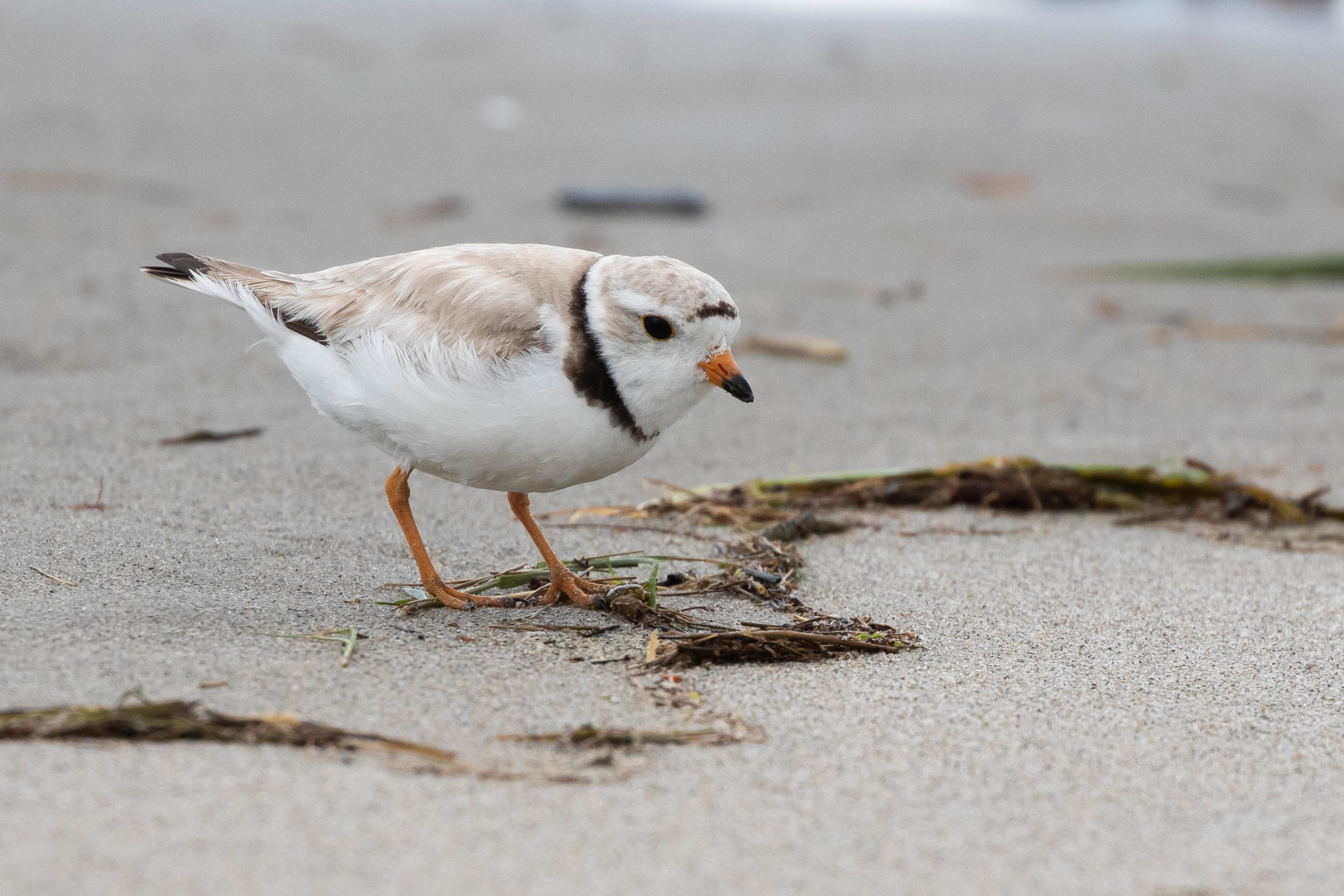
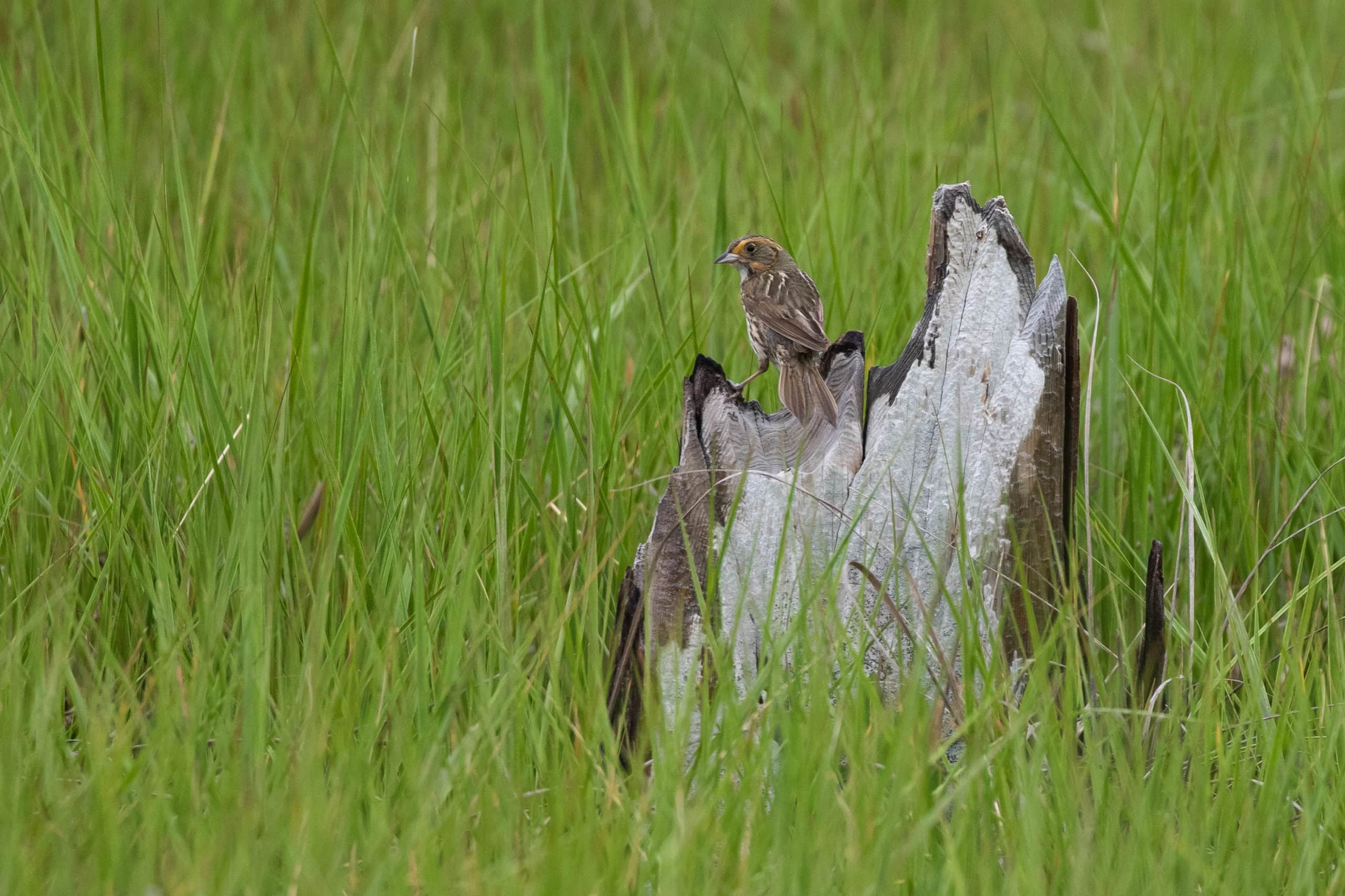
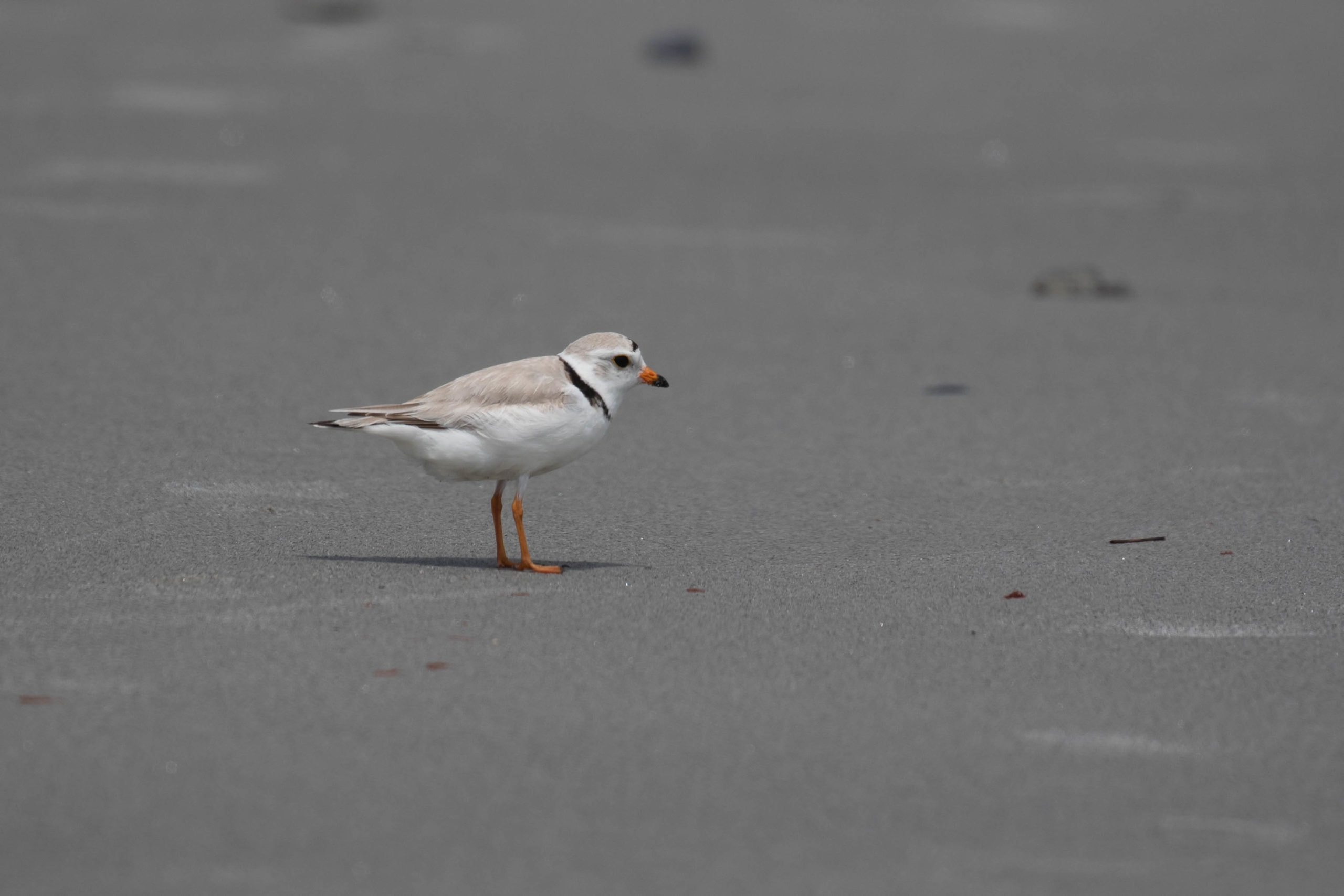
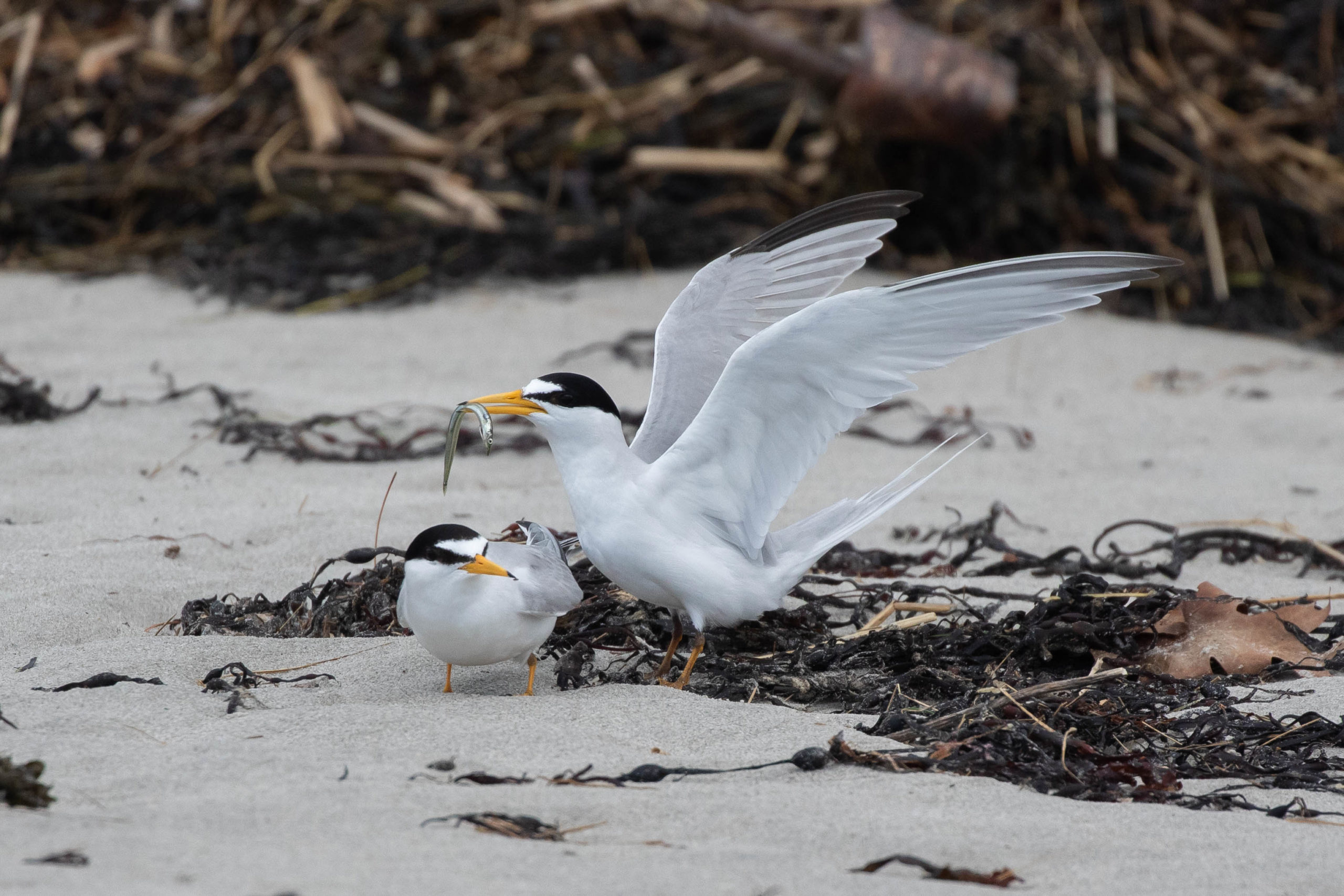
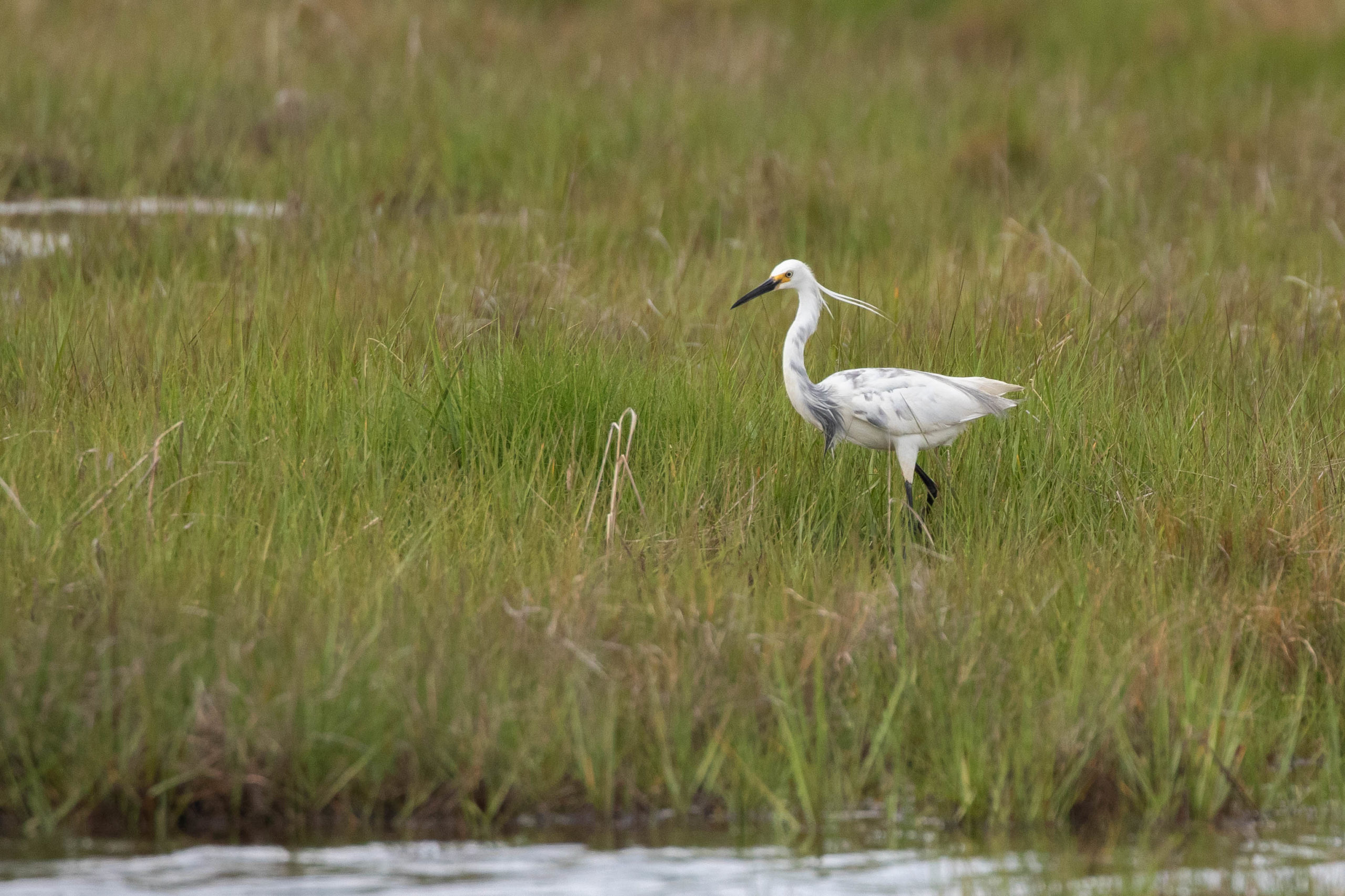
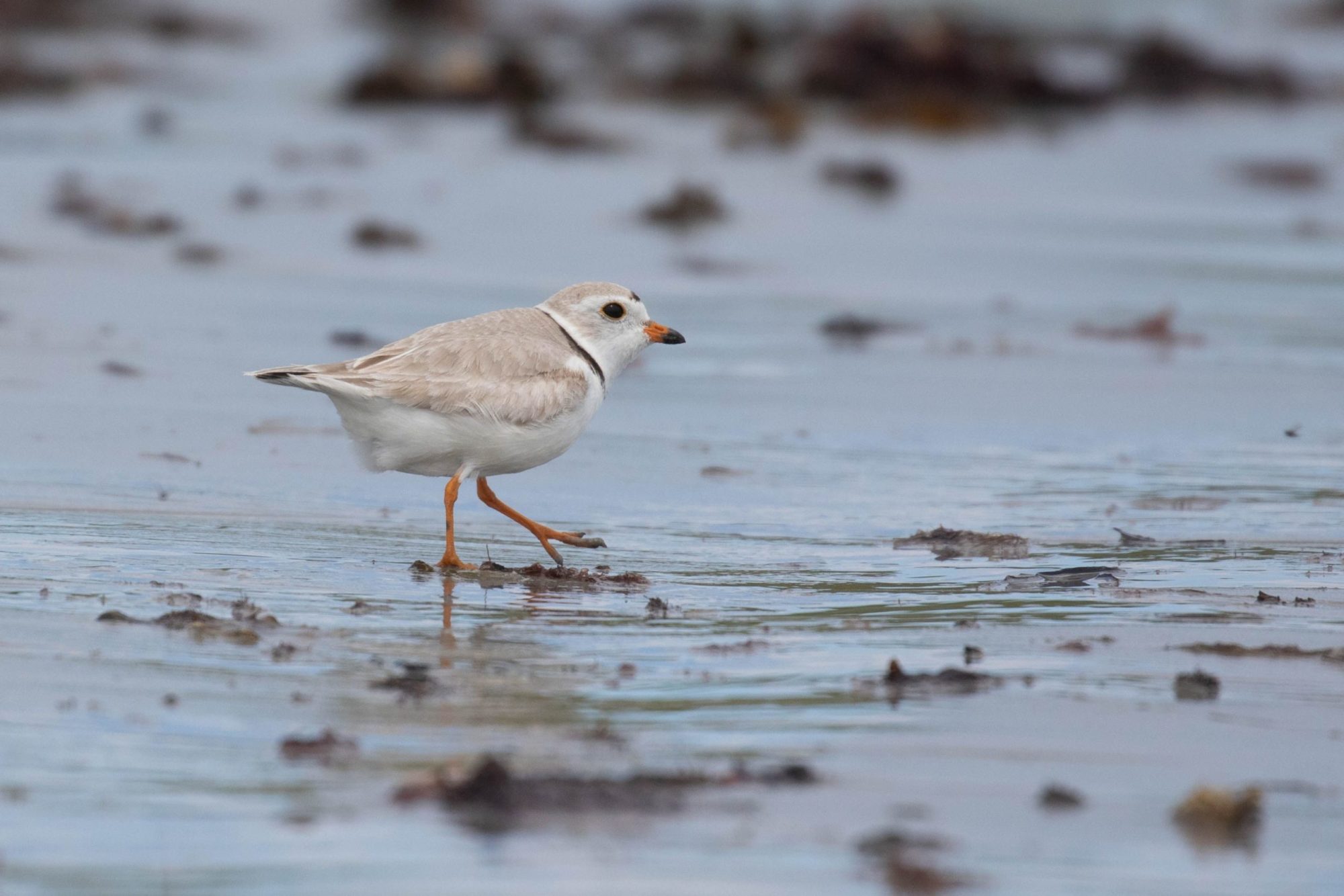
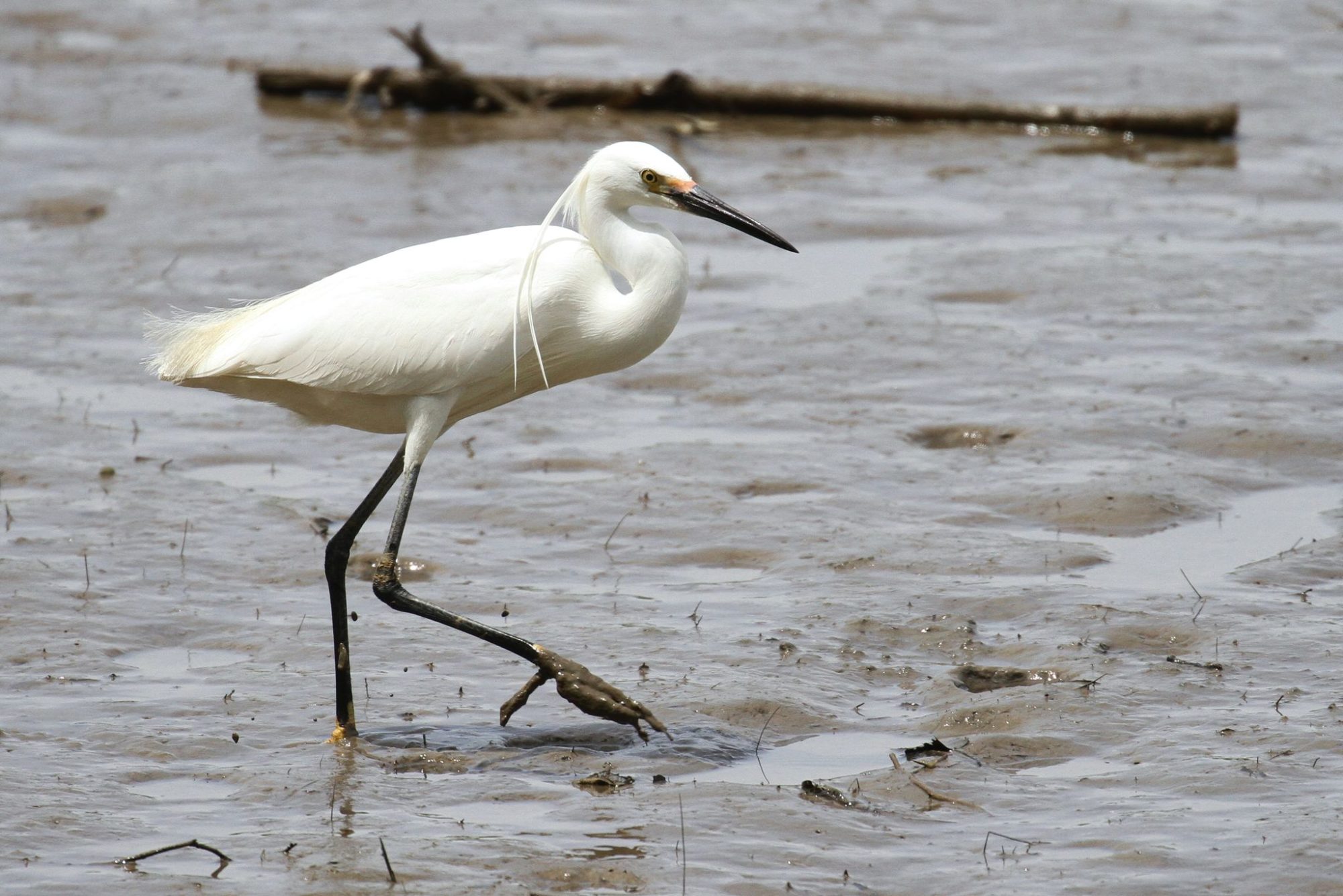
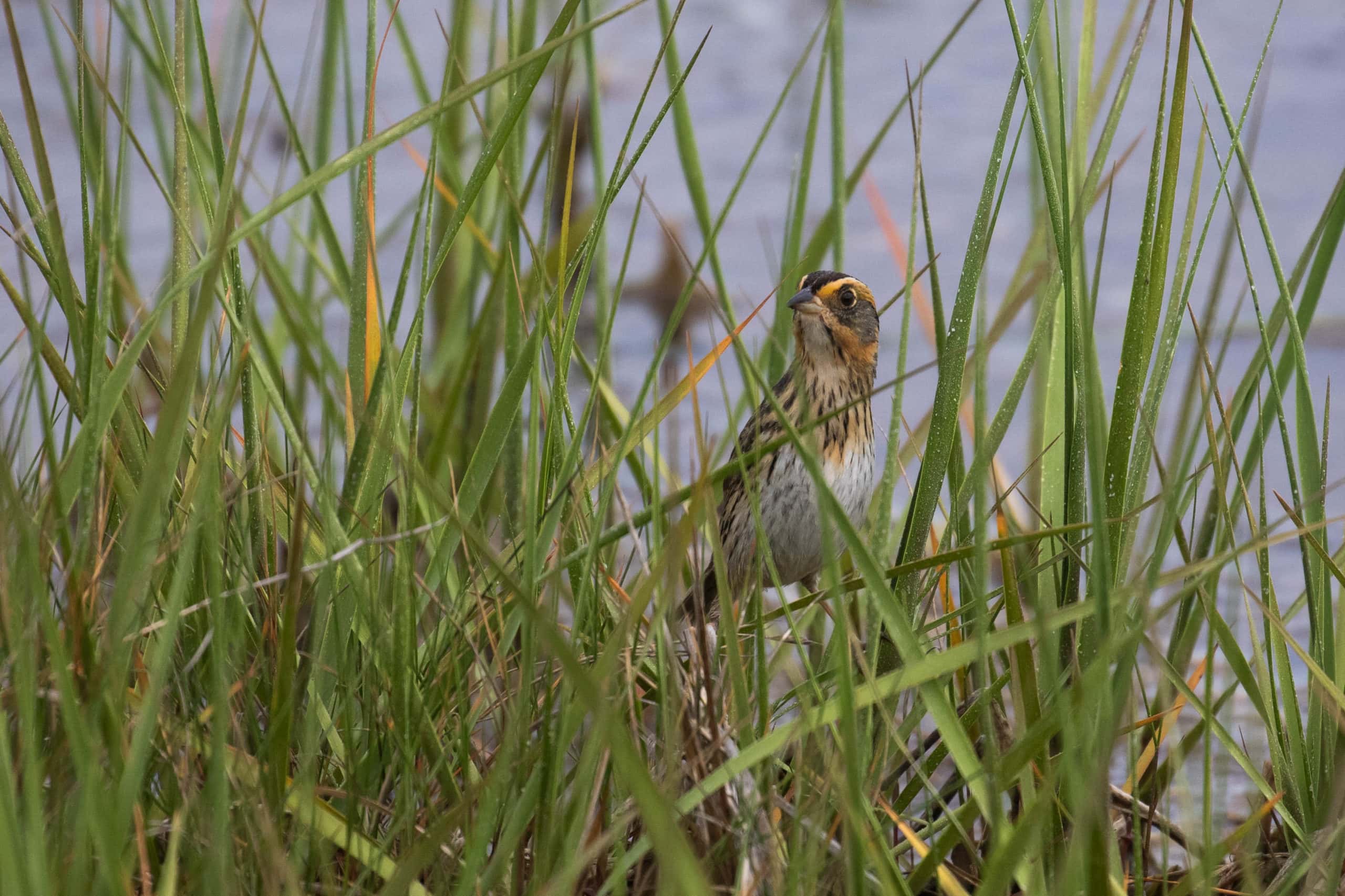
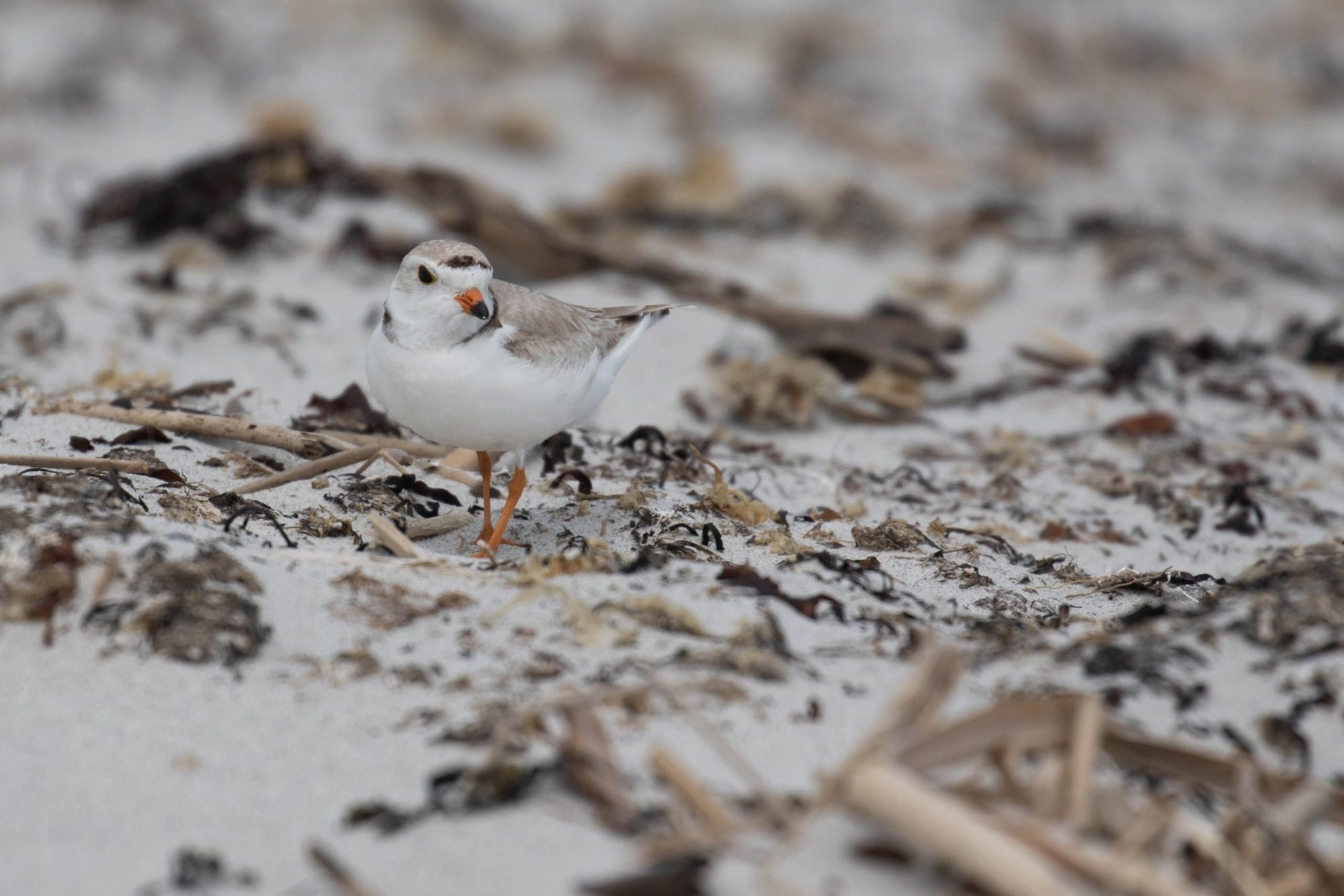
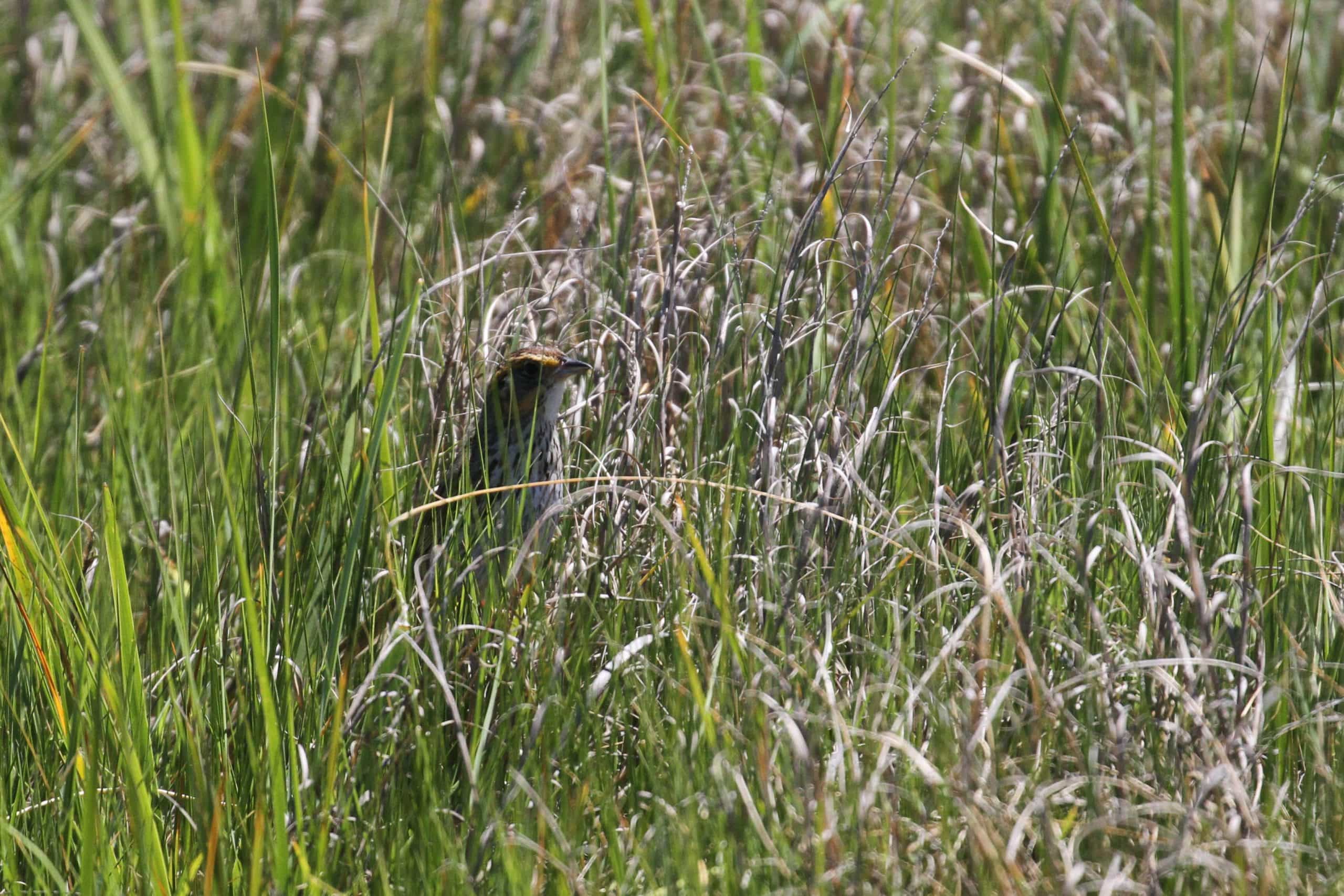
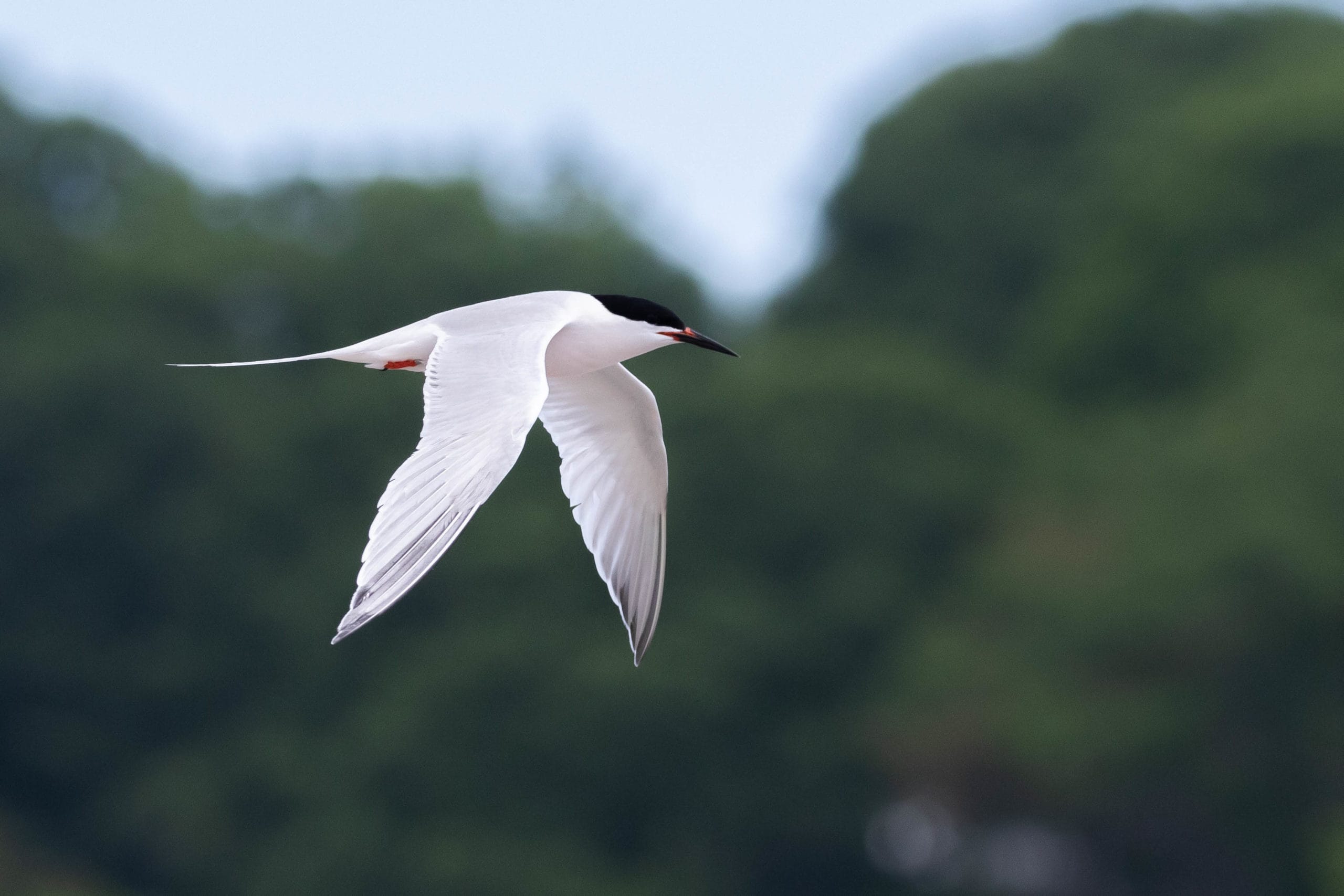
Scarborough Marsh will be our main birding destination for the morning. This vast saltmarsh estuary is one of the best places in the World to find both Nelson’s Sparrow and Saltmarsh Sparrow together…. and without getting covered in mud! Least Terns can be seen here in addition to ‘Eastern’ Willets, Tricolored Herons, and Glossy Ibis. The declining population of American Black Ducks is still holding on here, and many can be seen in the marshy channels. Pine Point Beach and Higgins Beach can offer close views of Piping Plovers, Least Terns, Roseate Terns, and lingering waterfowl.
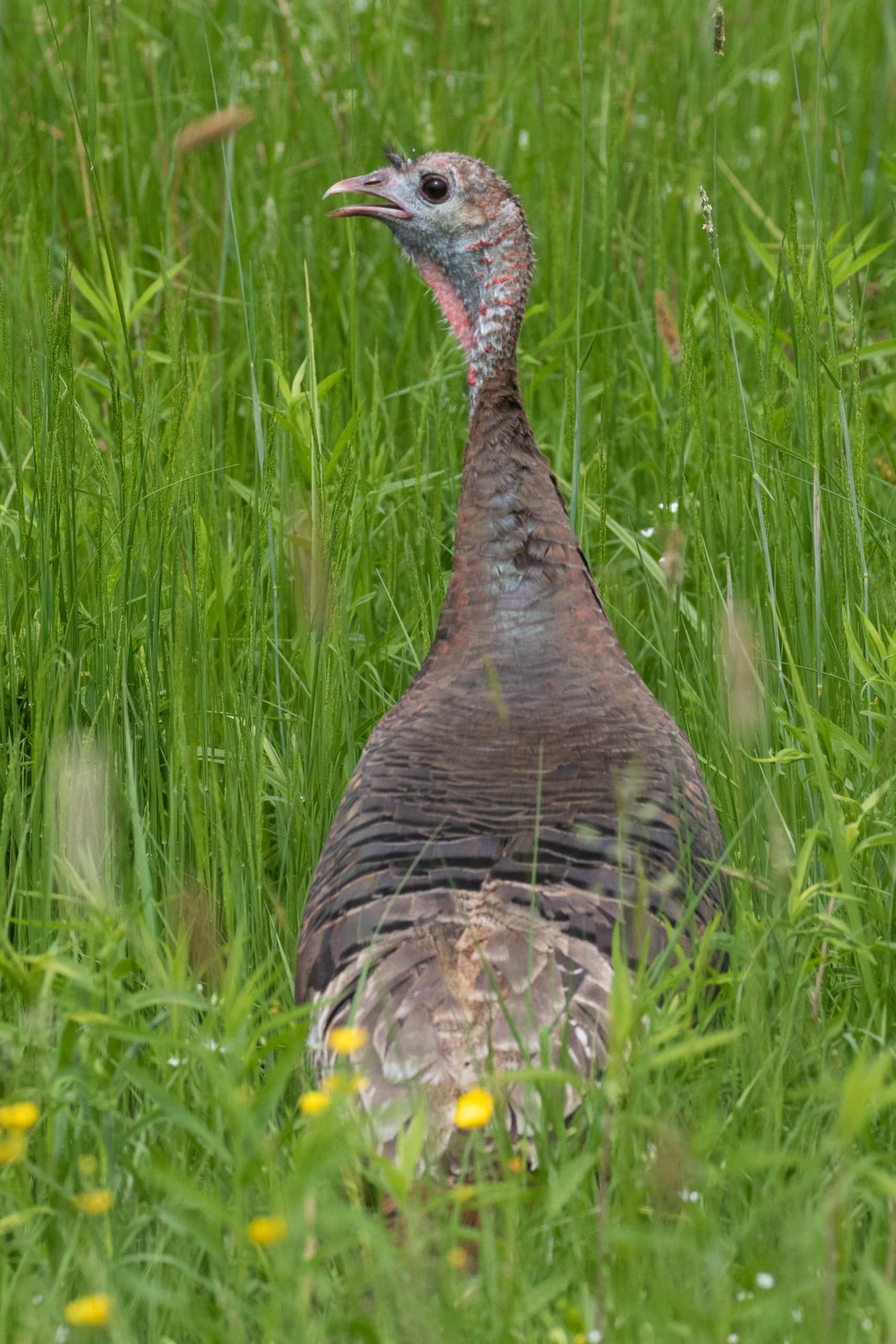
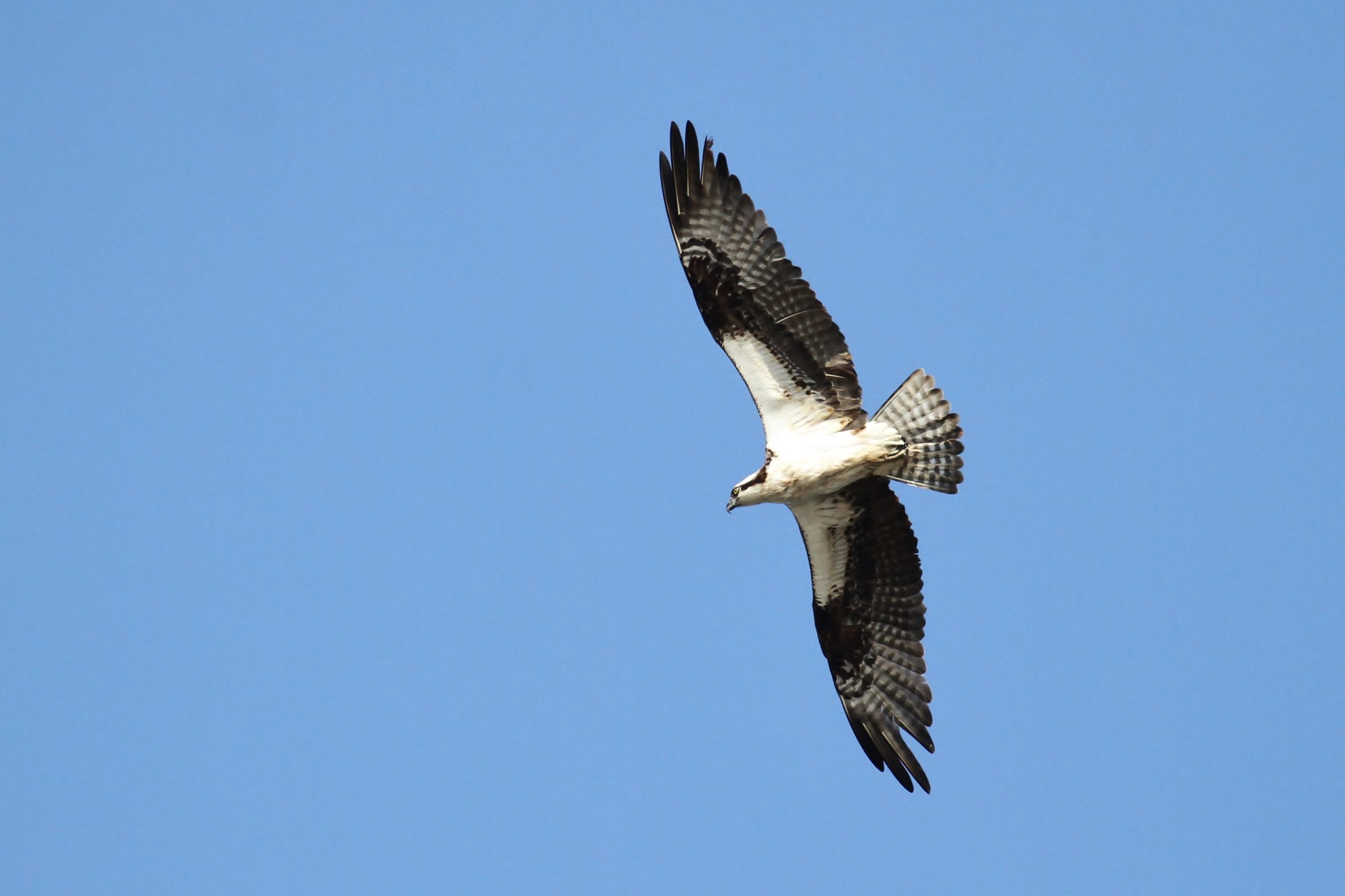
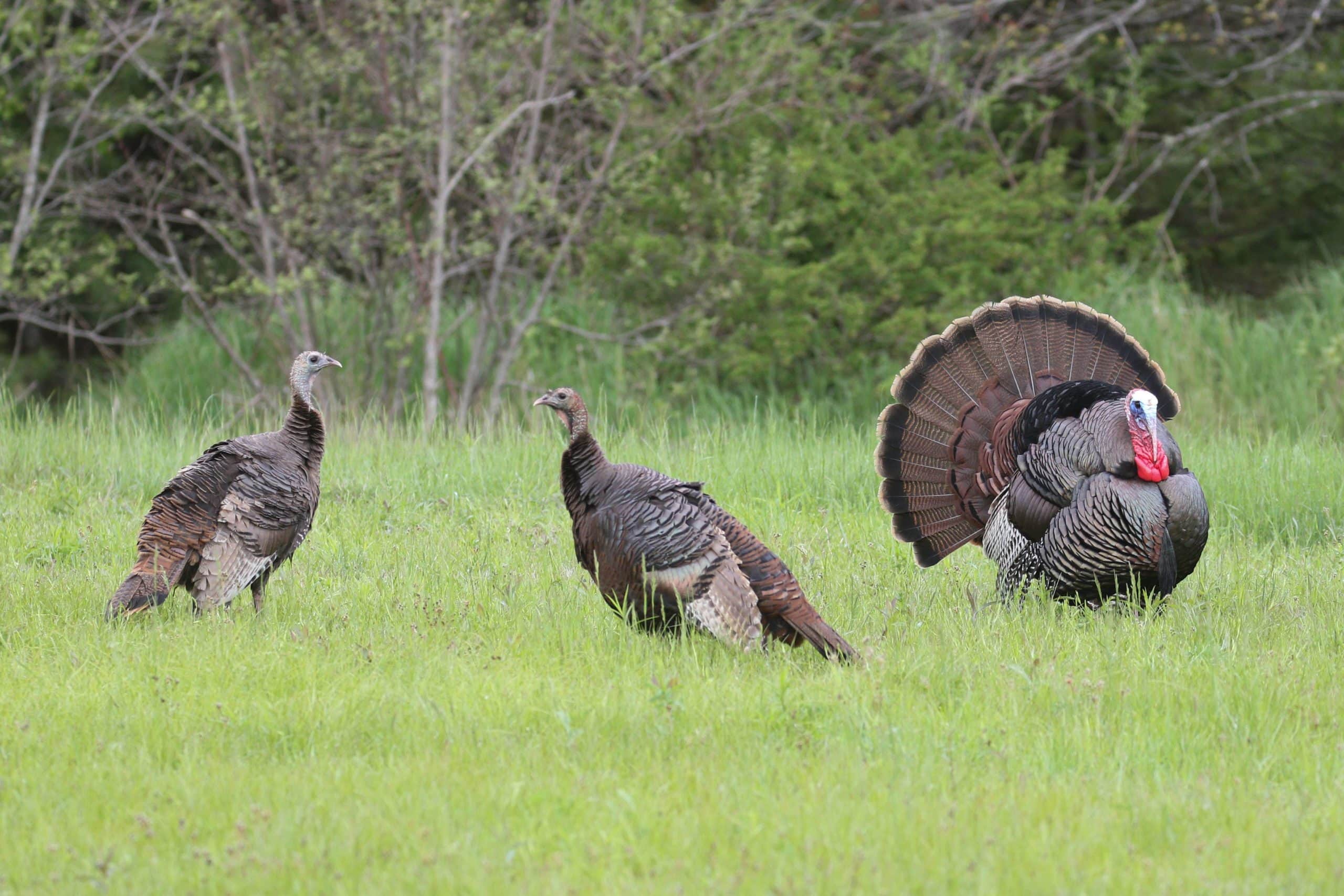
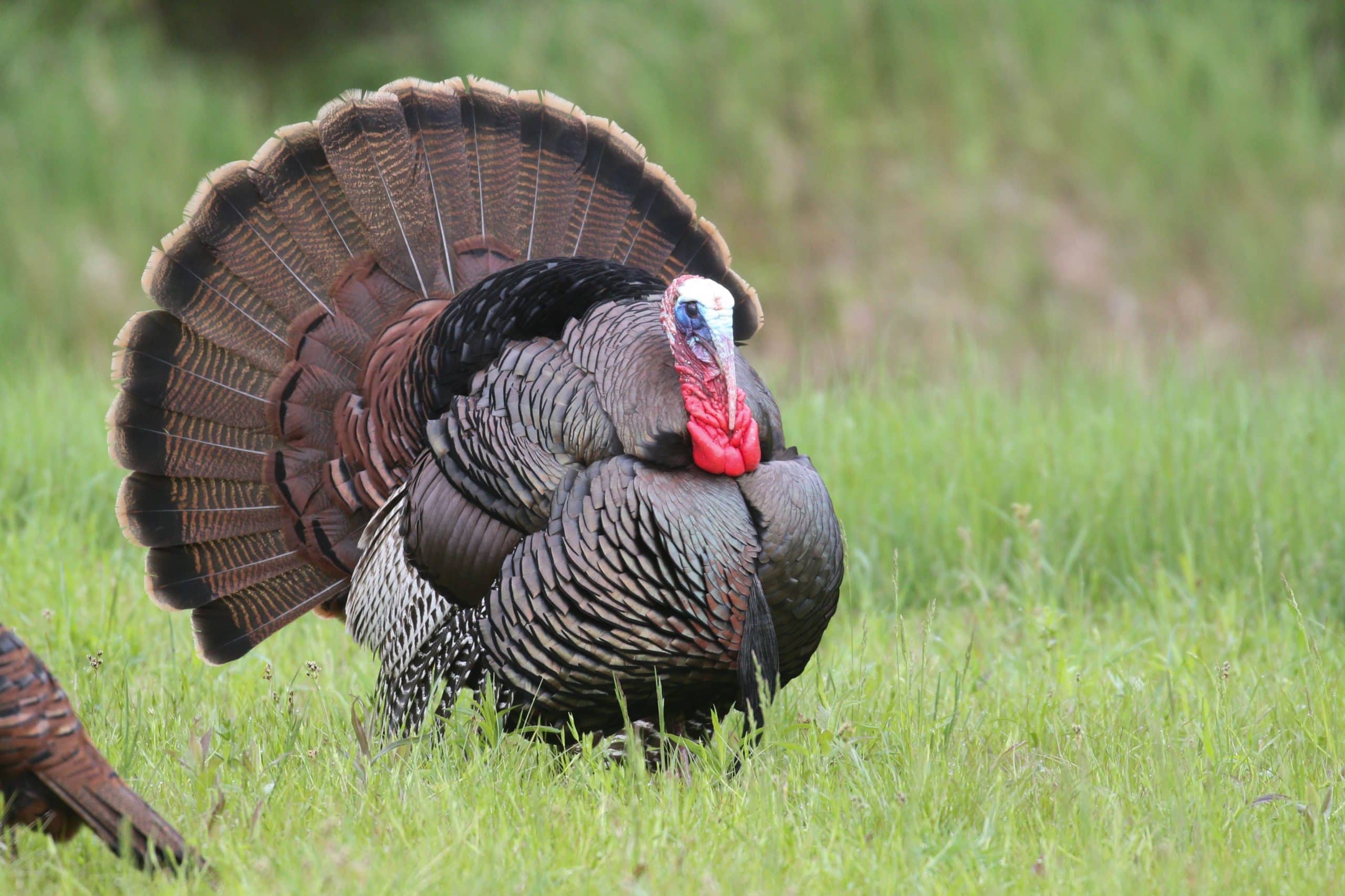
For the afternoon we will visit Tidewater Farm and Gilsland Farm Audubon Center along the shoreline of Presumpscot Bay just north of Portland. Classic species like Osprey, Yellow Warblers, Willow Flycatchers, Veery, and Wild Turkeys may be seen in the area. Portland is also the northernmost range of a few songbirds including Red-bellied Woodpeckers, Tufted Titmouse, and Carolina Wrens. Night in Portland, Maine.
Day 4 – Capisic Pond, Kennebunk Plains, Brownfield Bog. Night in Jackson, NH.
Today we will travel from sea-level to the foothills of the tallest mountain in the northeast! An early start is required for everything we have planned for today, and our first stop will be to Capisic Pond where we may find a few migrant songbirds, Orchard Orioles, Baltimore Orioles, and Black-crowned Night-Herons.
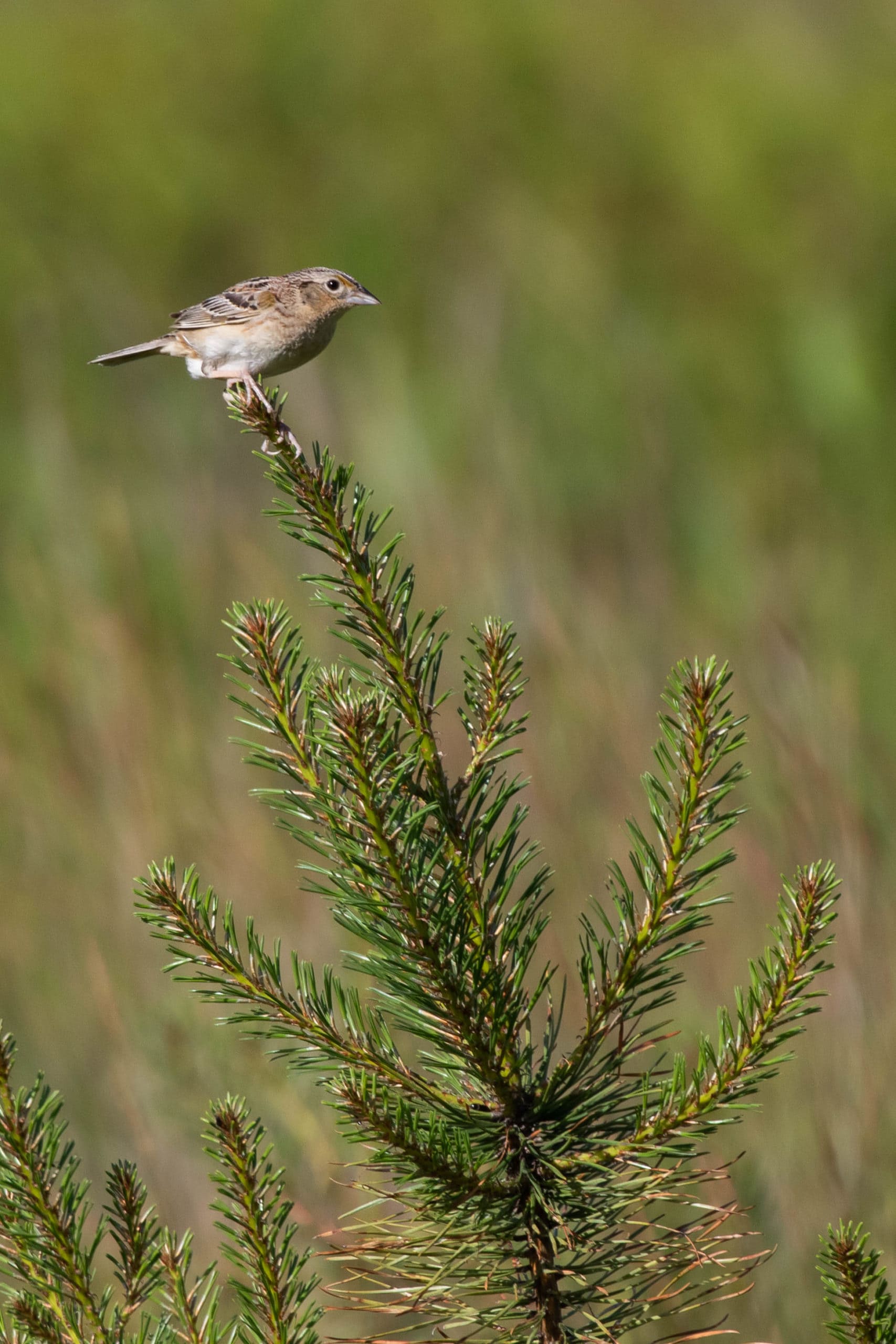
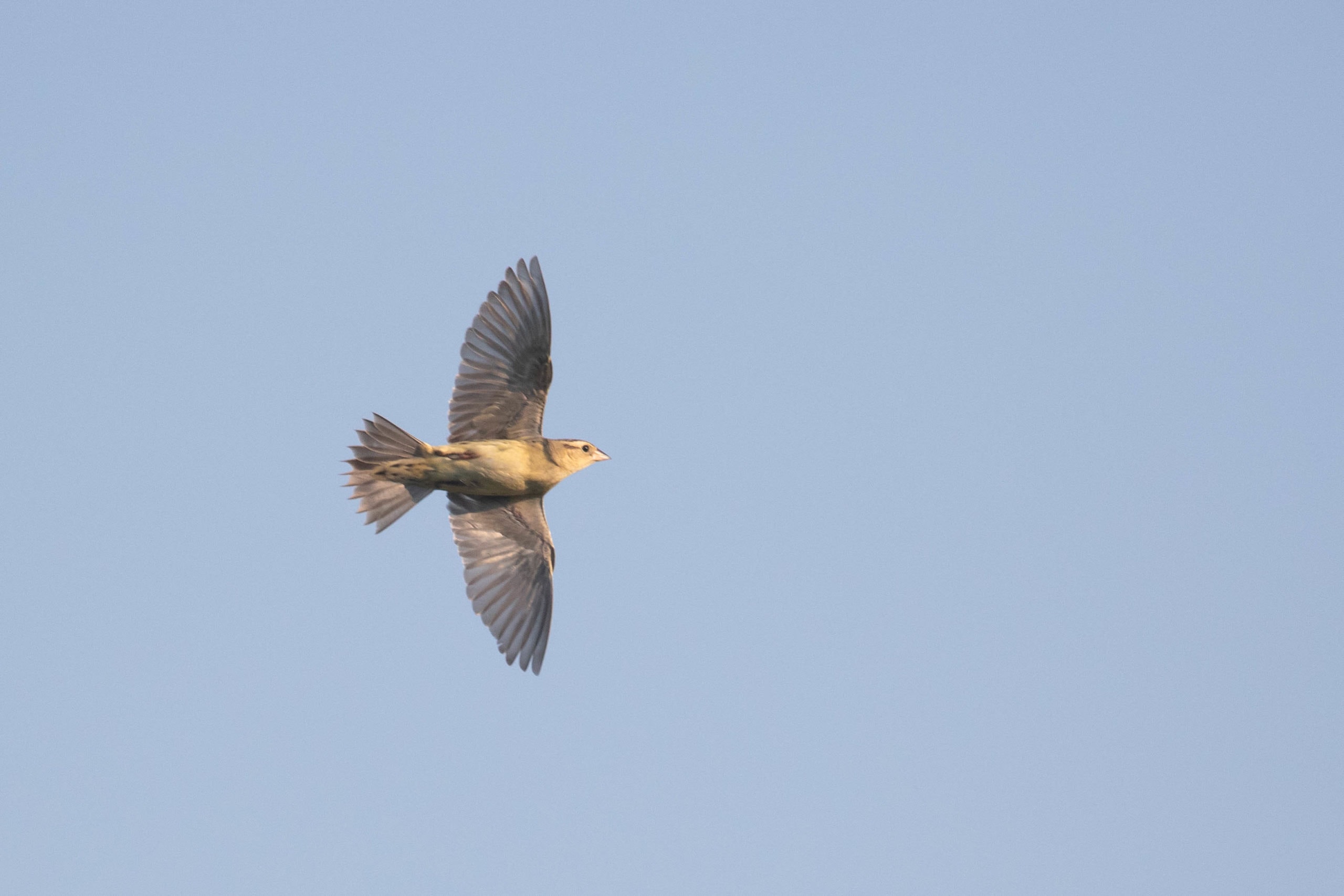
A visit to the sandhill grasslands around Kennebunk Plains will target Upland Sandpiper and Bobolink. This rare, remnant habitat is home to some equally rare plants, like Northern Blazing Star, which are found nowhere else. The plains are also a great location for Grasshopper, Savannah, and Vesper Sparrows in addition to Eastern Towhee and Brown Thrashers – all of which we are unlikely to encounter anywhere else during the tour. Clay-colored Sparrow is rare but also possible. Sometimes a pair of American Kestrels can be found staking out a nice snag to nest in. Prairie Warblers nest in the short pine trees and Pine Warblers nest in the tall pine trees.
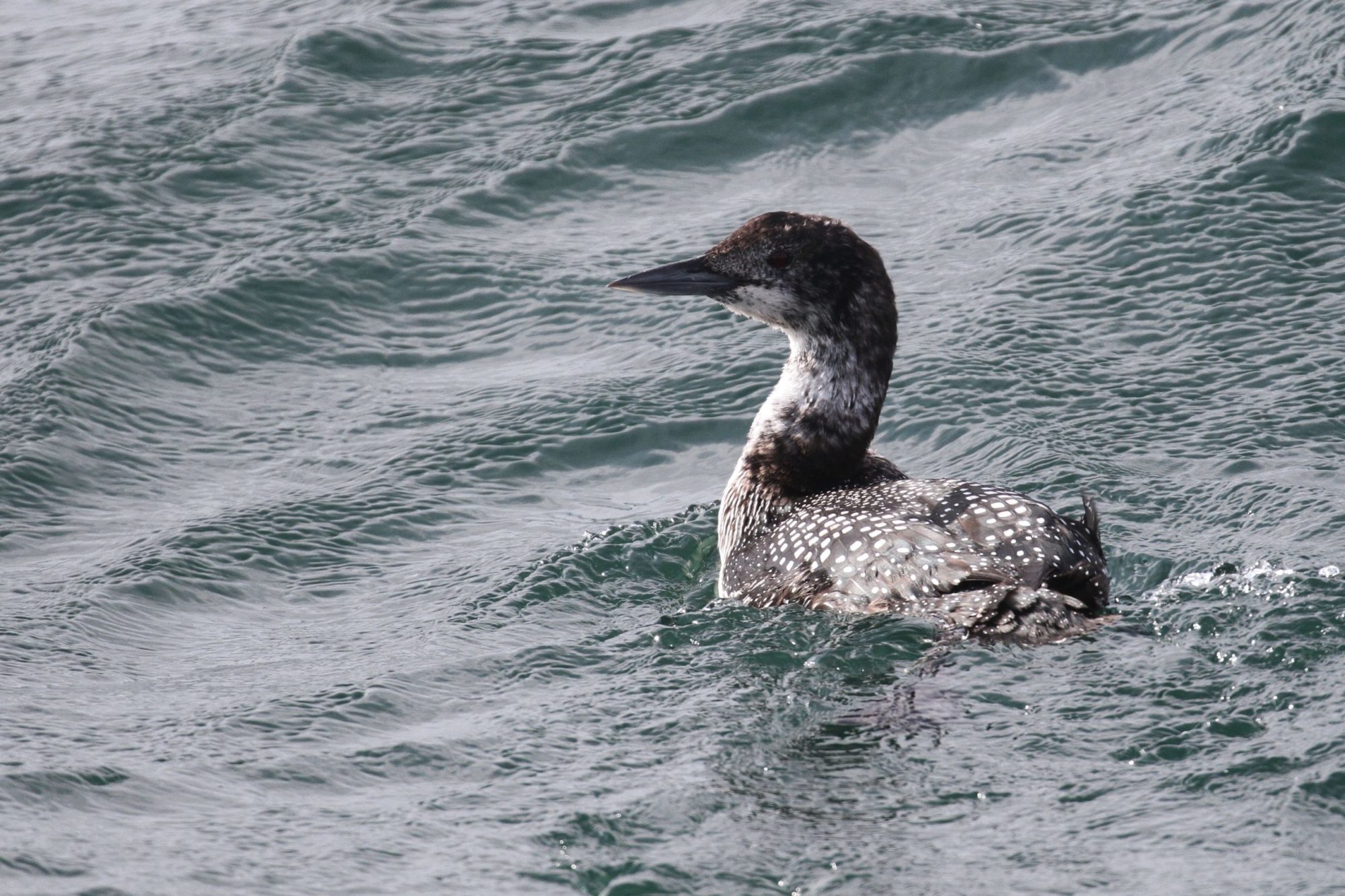
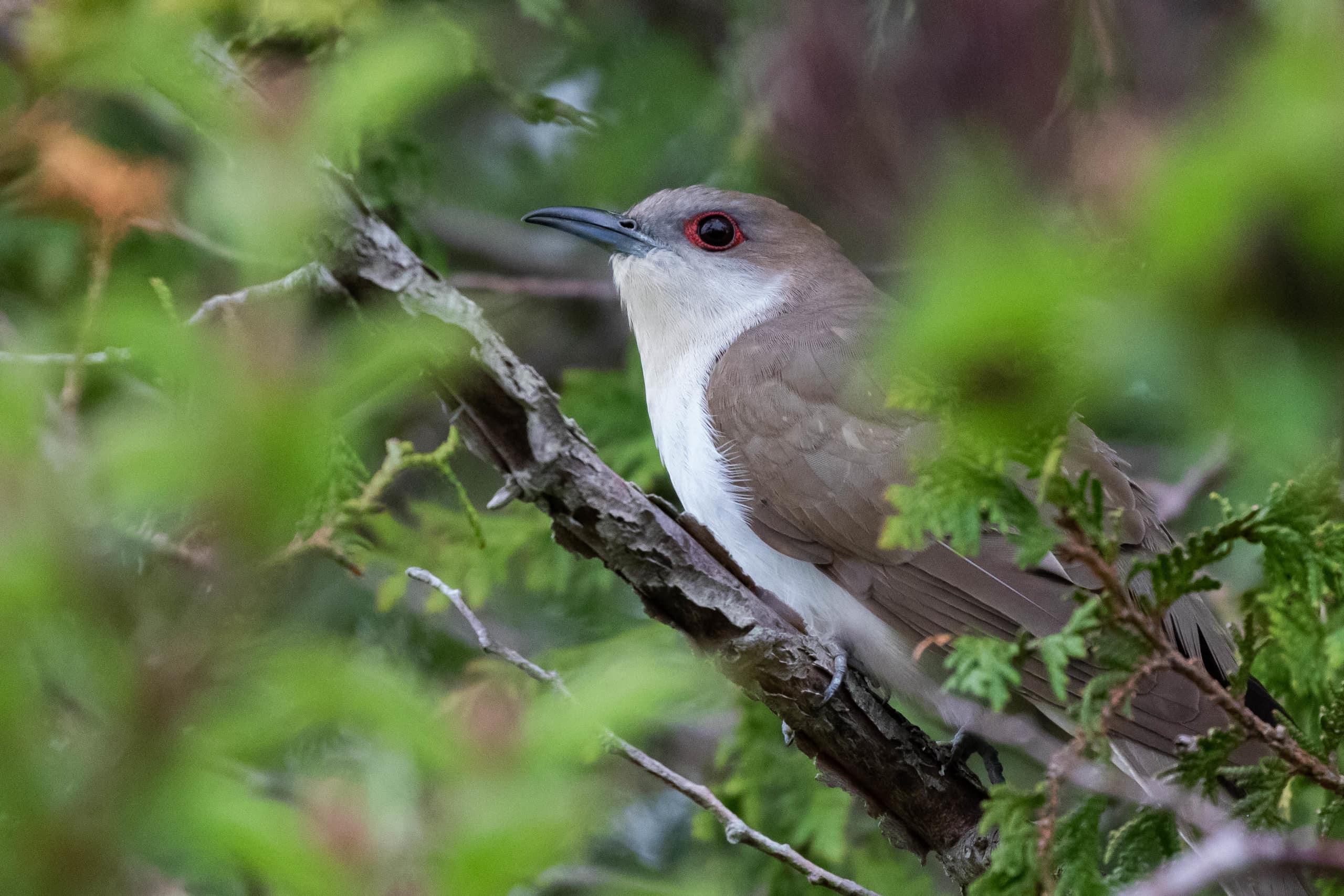
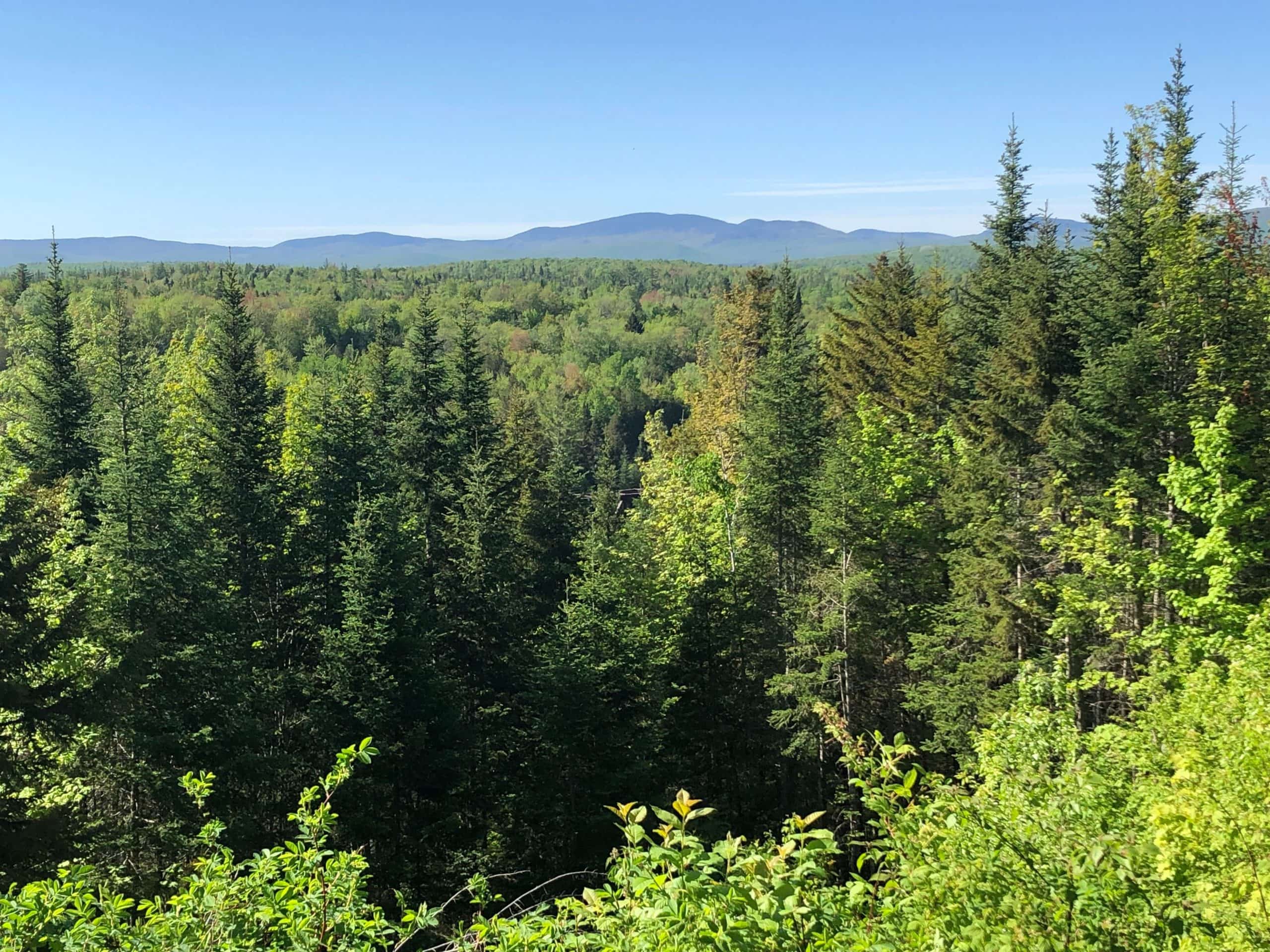
Any birder would be filled with eager anticipation as we begin our journey north toward the Canadian border. Our next birding site just happens to be a good ol’ Northwoods bog. From Kennebunk Plains we have a winding 1 hour, 30-minute drive to Brownfield Bog, located at the southeast edge of the White Mountains. Wilson’s Snipe and Yellow-bellied Sapsuckers breed here! Both Yellow-billed and Black-billed Cuckoos can be found here in addition to Wood Ducks, Hooded Mergansers, and other interesting species. A whopping 8 species of flycatchers have been reported in June at this location. Yellow-throated Vireos can be common in addition to various eastern warbler species. Our journey north continues through the White Mountains of New Hampshire. Watch for Common Loons nesting on small ponds along the roadside! Night in Glen House, New Hampshire.
Day 5 – Mount Washington, Pondicherry NWR. Night in Lancaster, NH.
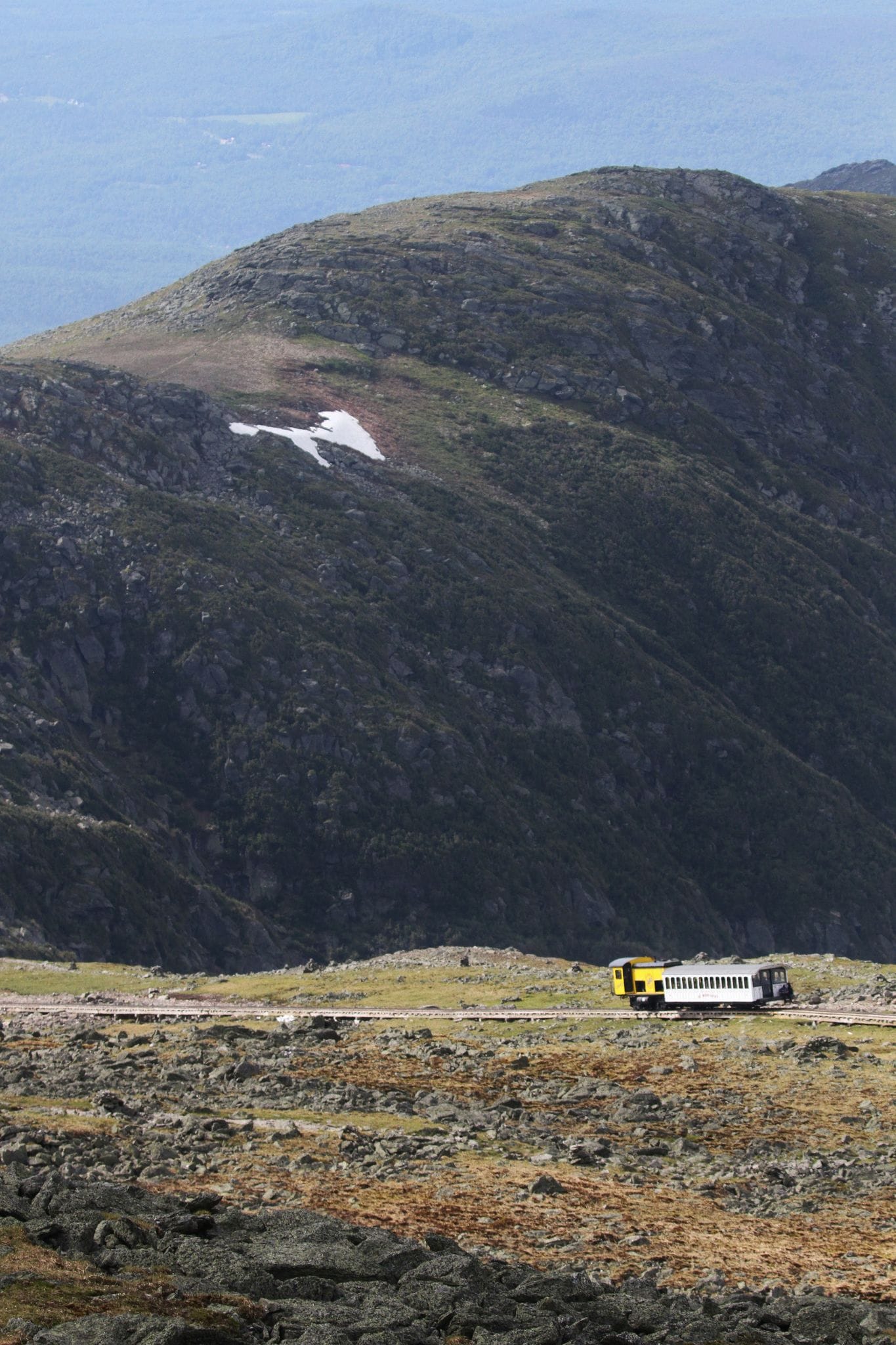
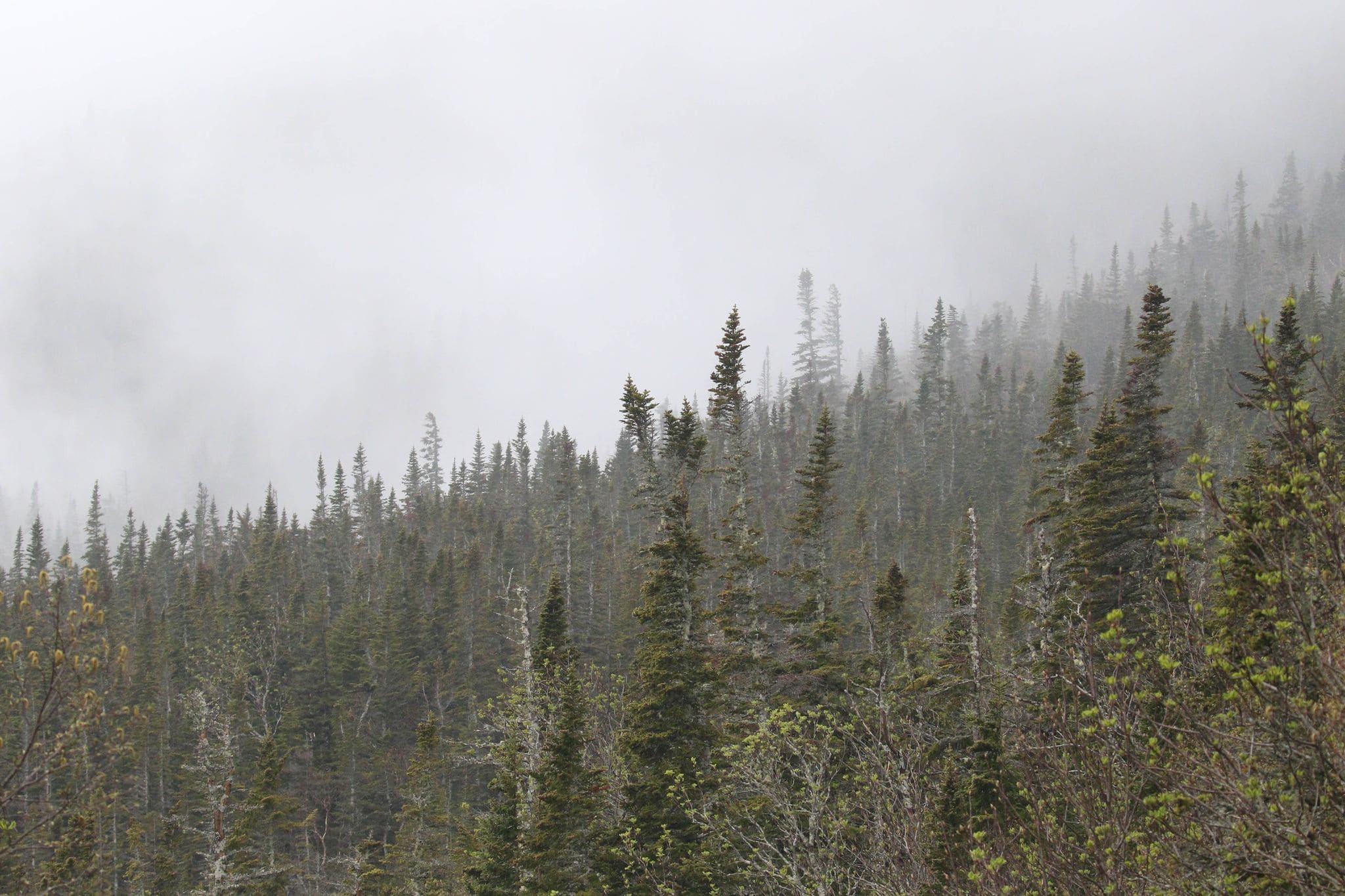
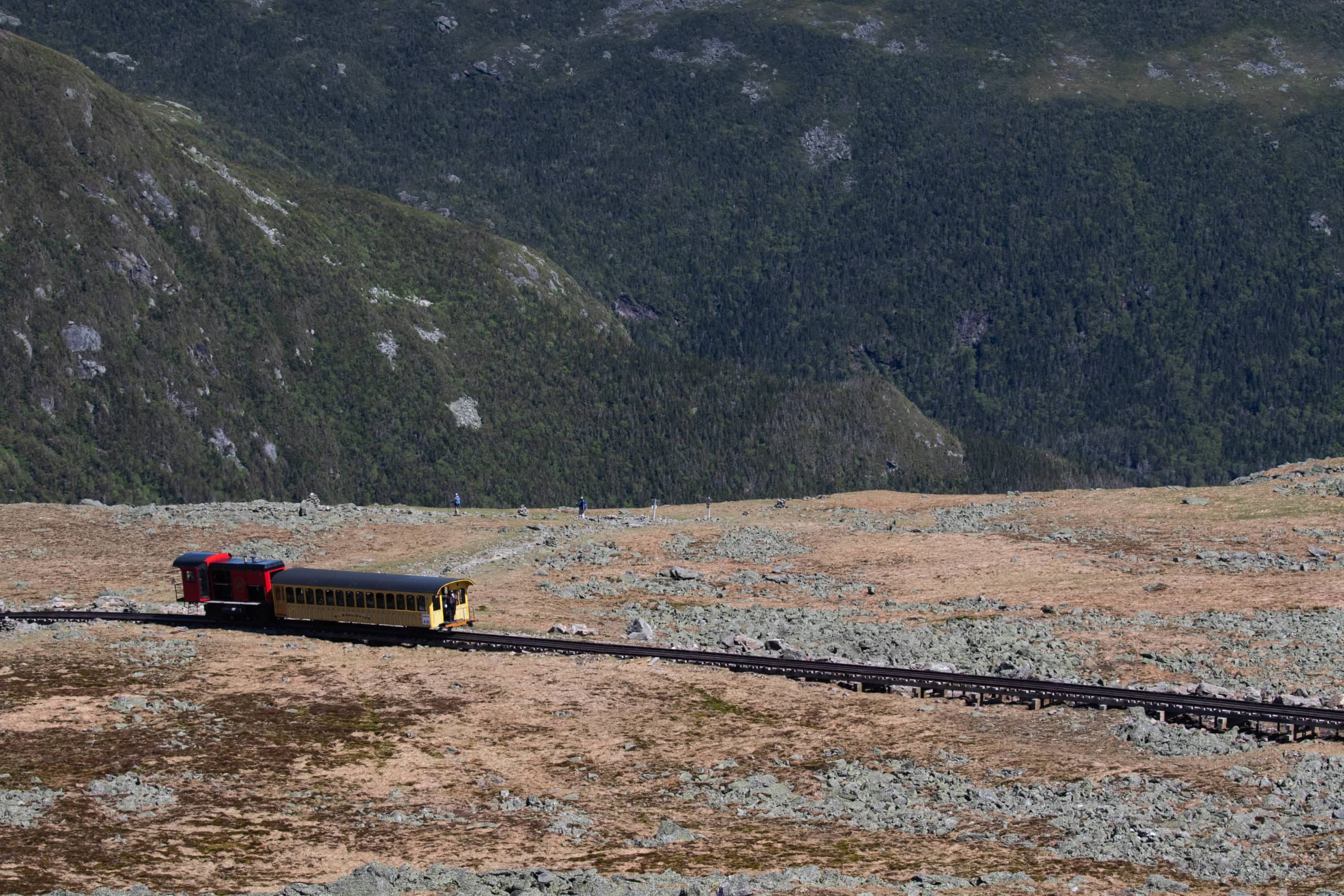
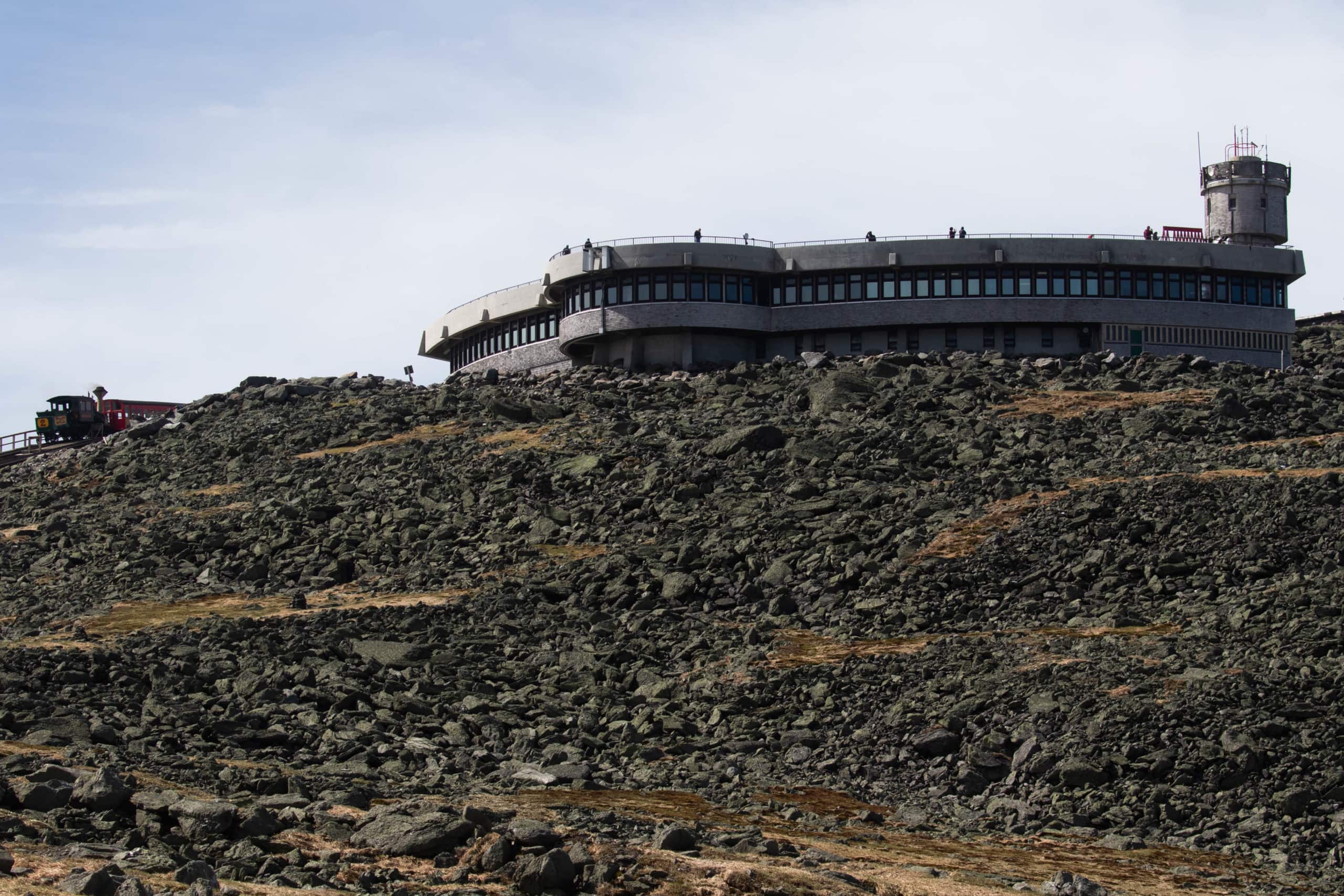
After some birding around the hotel grounds, we will begin our drive up to the summit of scenic Mount Washington! As we climb in elevation toward the 6,288ft summit, you will see how the habitat changes from birch and maple deciduous forest to spruce and hemlock coniferous forest, then to stunted spruces, and finally to the rocky and barren alpine zone! Mount Washington is famous for its extreme weather with sub-zero temperatures, hurricane-force winds, and intense snow and ice possible throughout the year, and the summit rarely reaches above 60F in the summer.
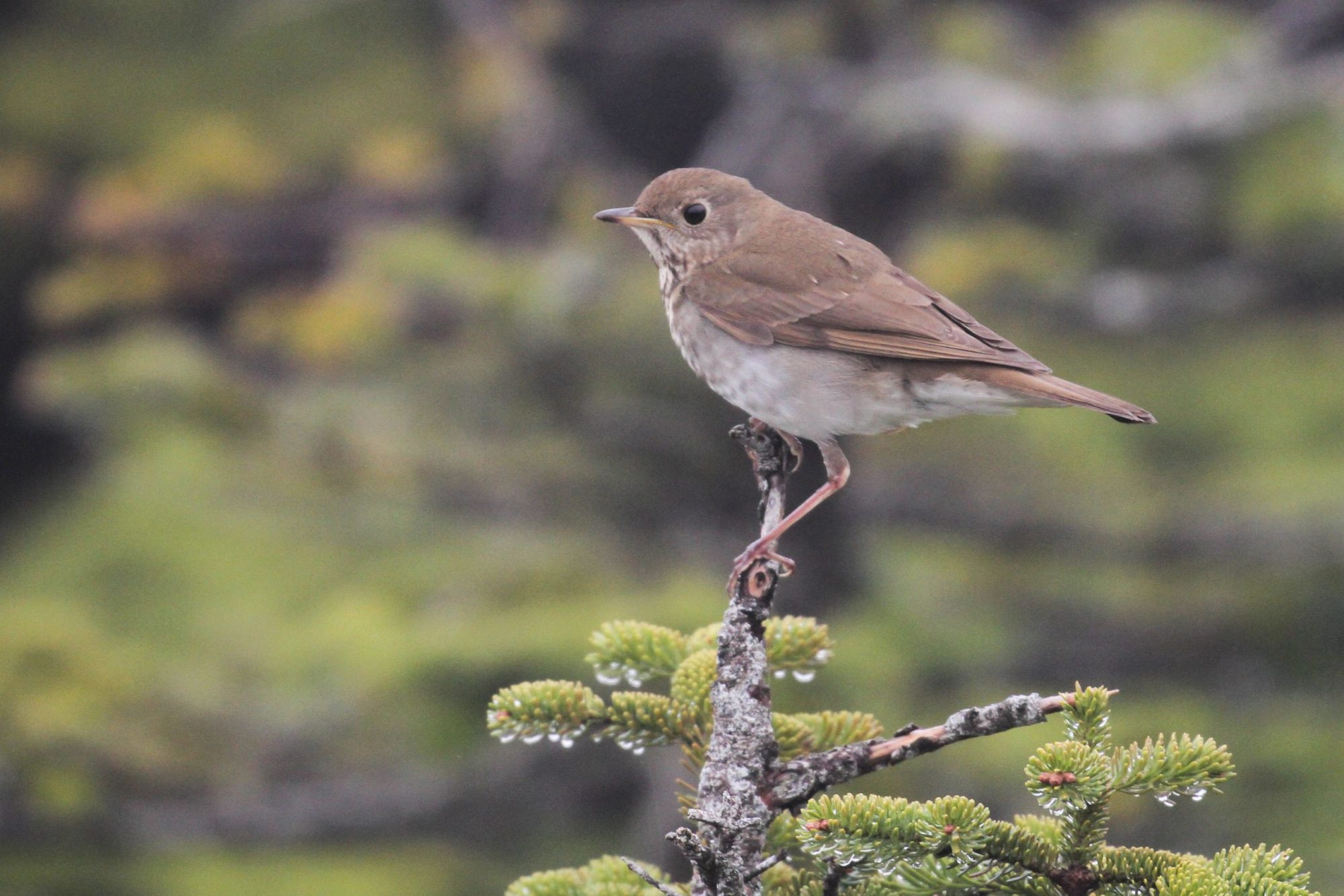
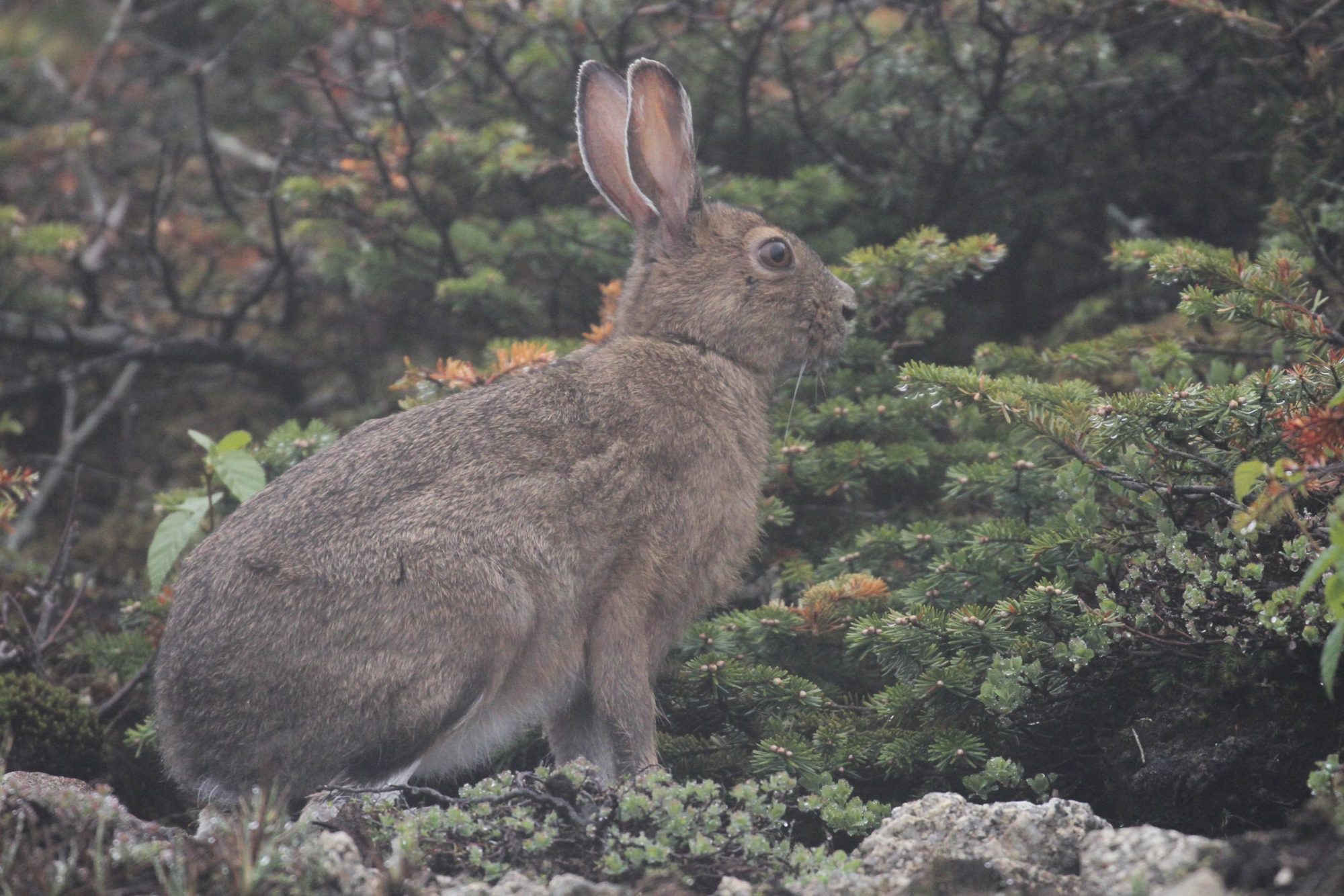
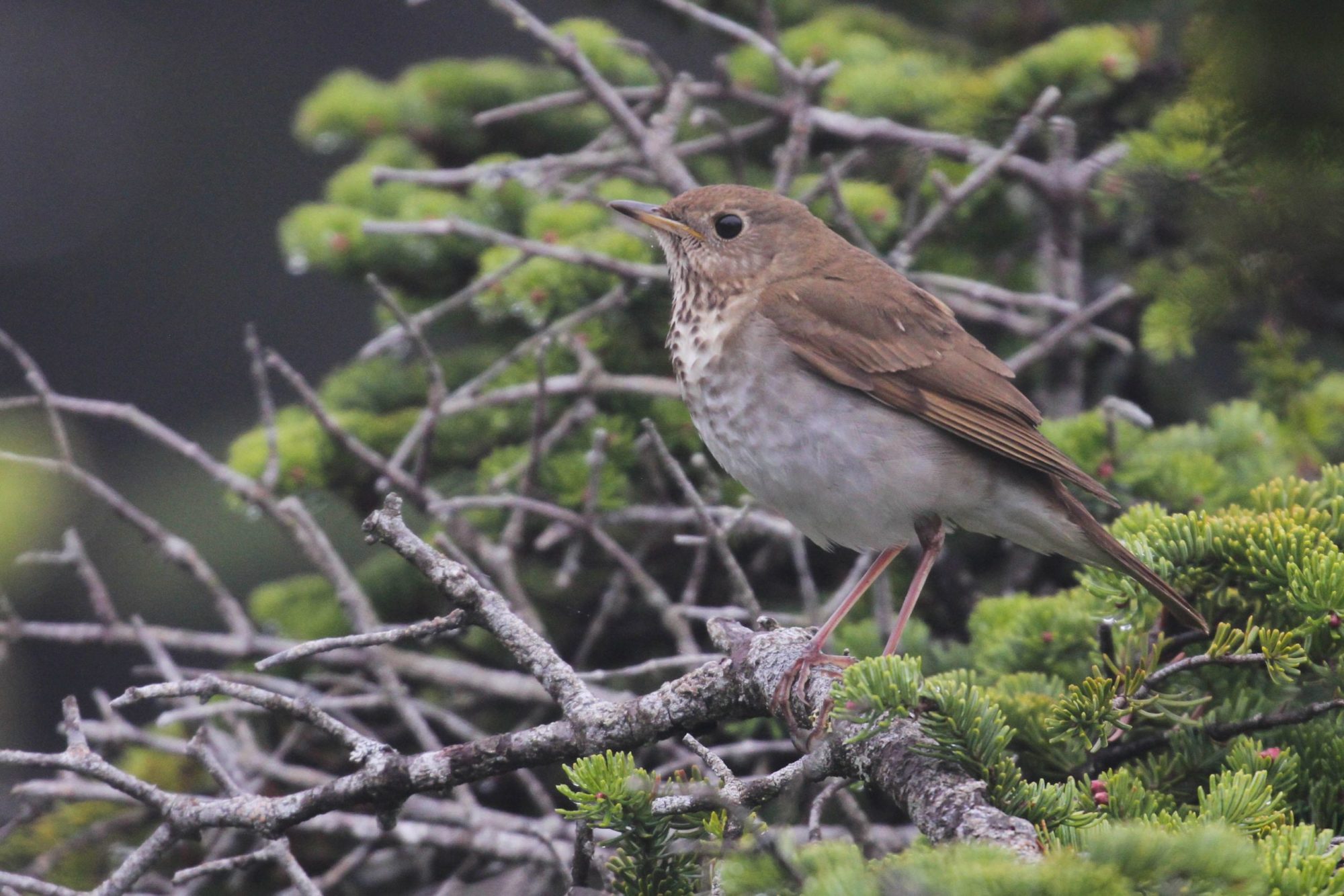
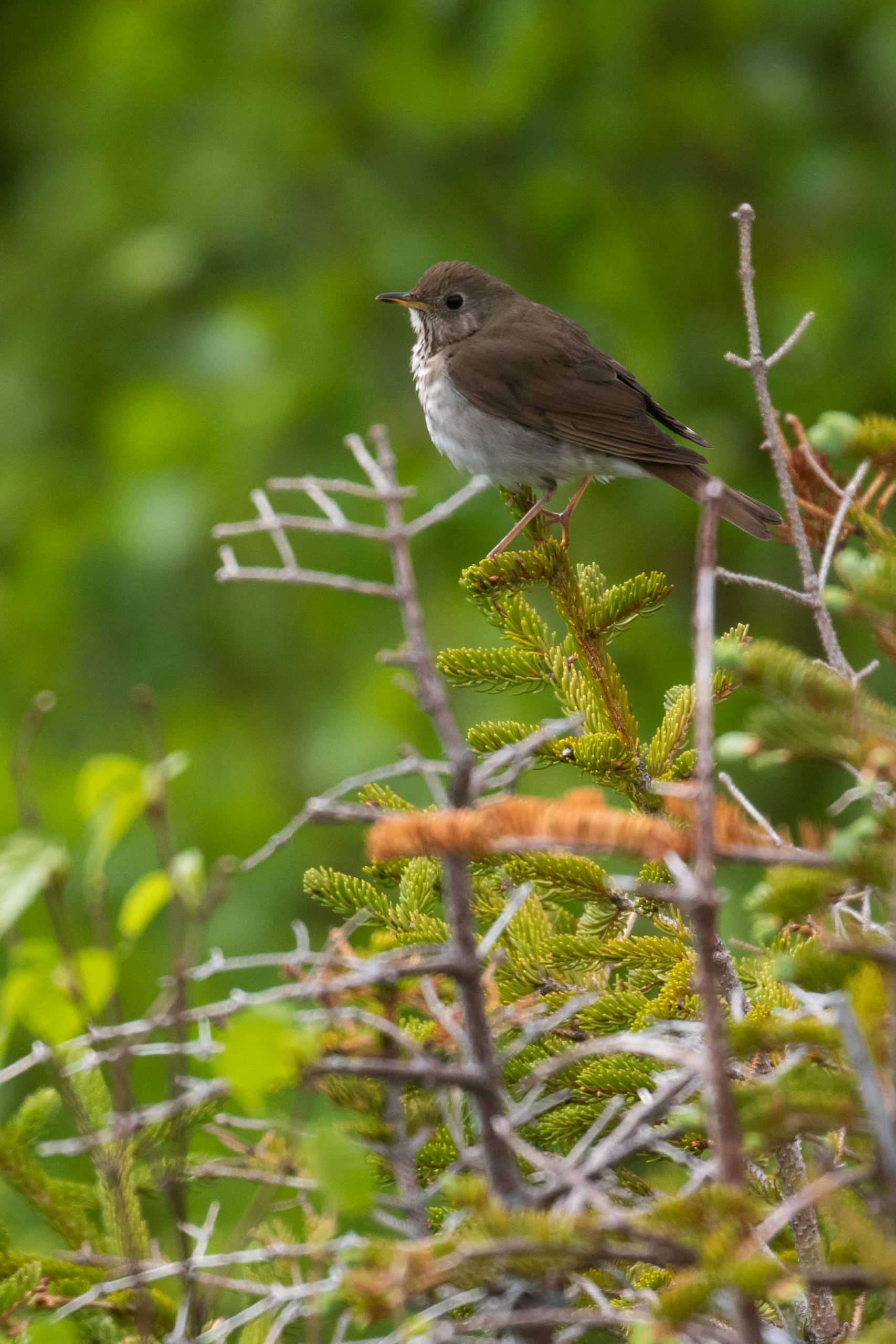
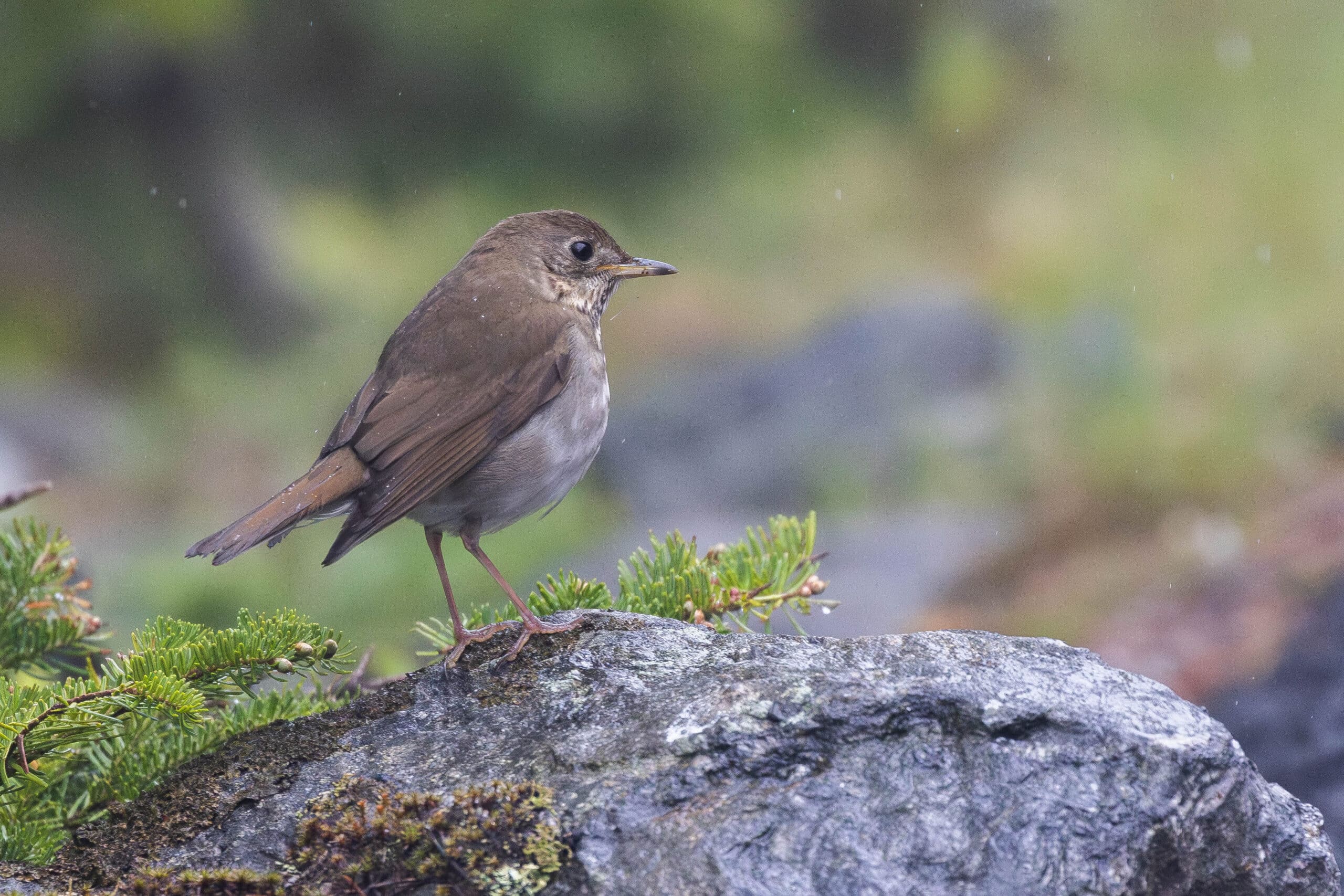
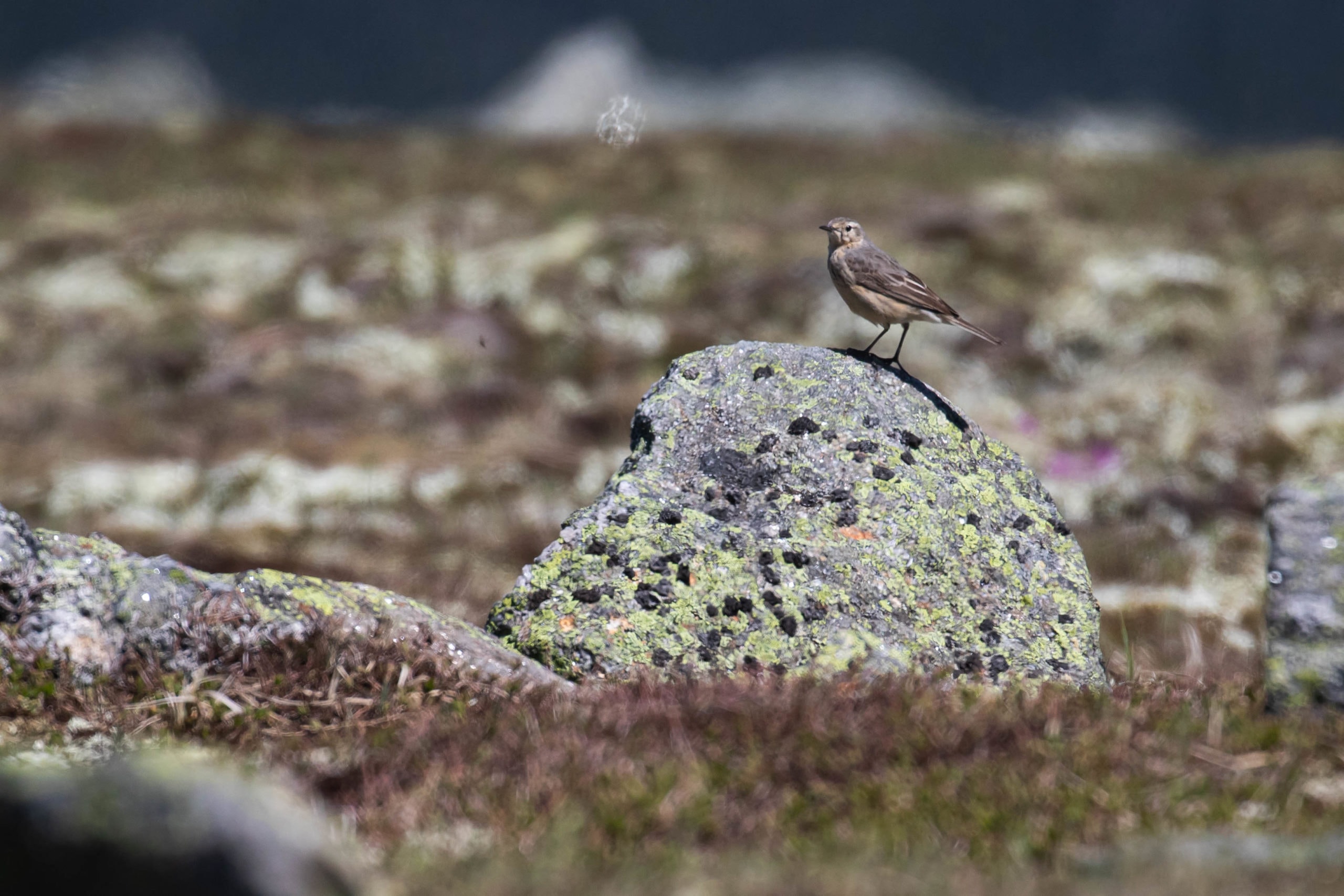
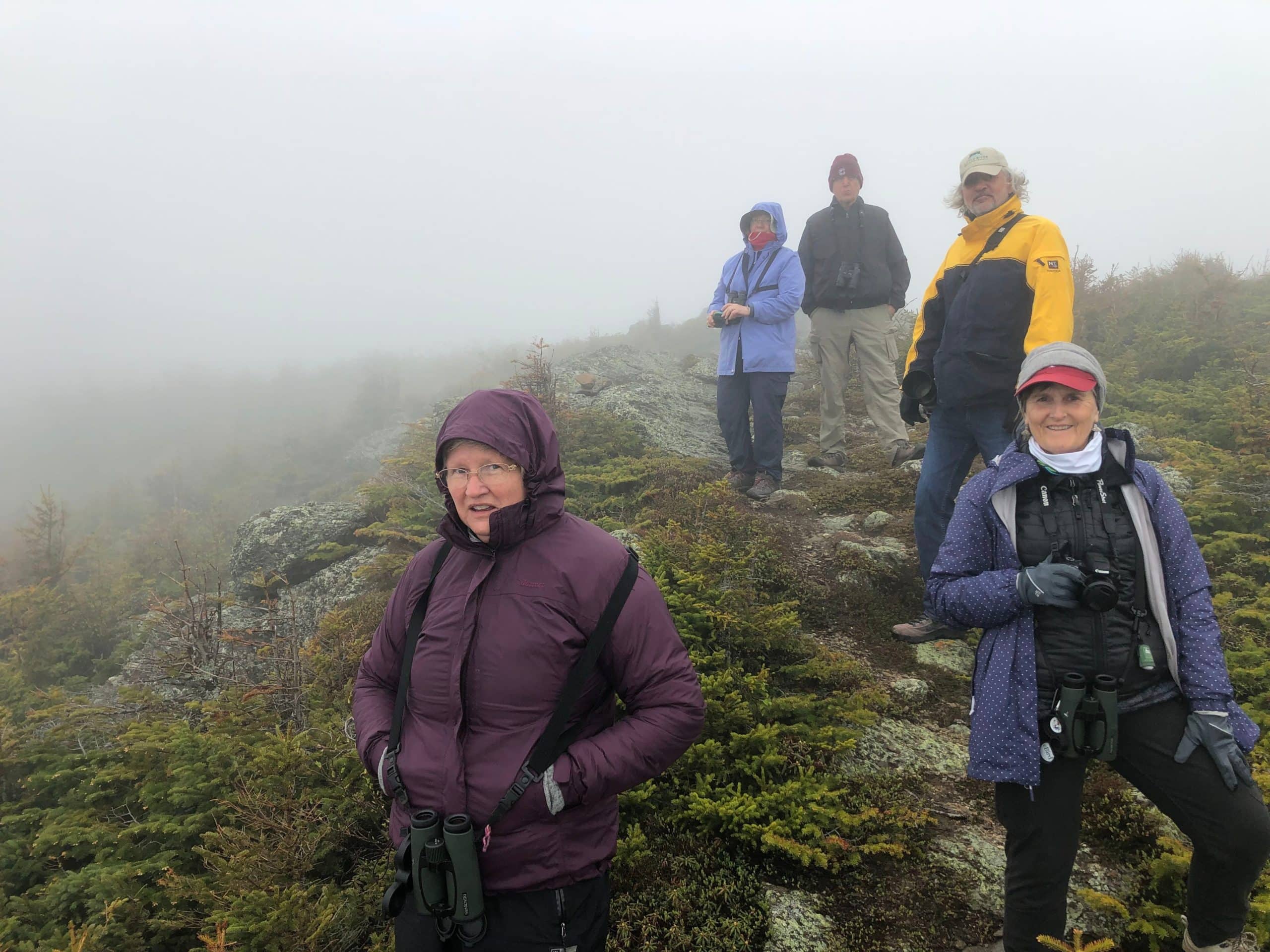
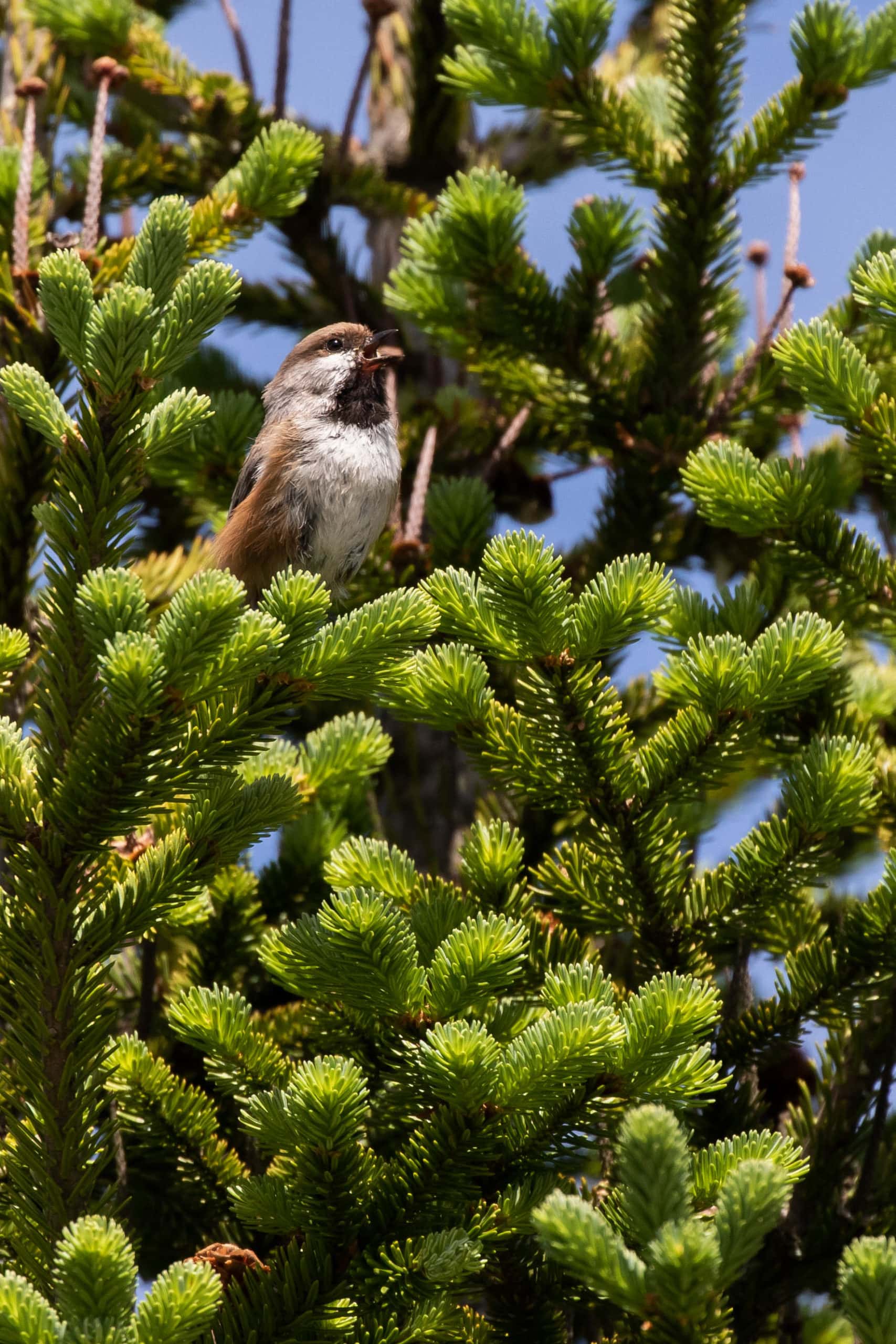
Our primary target on Mount Washington is the rare, endemic Bicknell’s Thrush which can be found in the stunted spruces near the alpine zone. These thrushes are one of America’s most range-restricted and localized birds. They have only recently been considered a distinct species from Gray-cheeked Thrush, and current research points toward them being more genetically most similar to Veery. There are only a few, scattered high-altitude locations in the northeast that offer the specialized habitat these thrushes require, and Mount Washington is perhaps the easiest and most beautiful location to try for them. Other birds we will be looking for include Boreal Chickadees, Olive-sided Flycatchers, Blackpoll Warblers, Red Crossbills, and White-winged Crossbills. Snowshoe Hares and North American Porcupine are possible along the road. Breeding American Pipits occur in low numbers on the alpine tundra. Fog can often obscure views, but whatever the weather conditions may be – it’s always beautiful and special up there at the top of the Northeast! The summit visitor center includes a wonderful weather museum and gift shop.
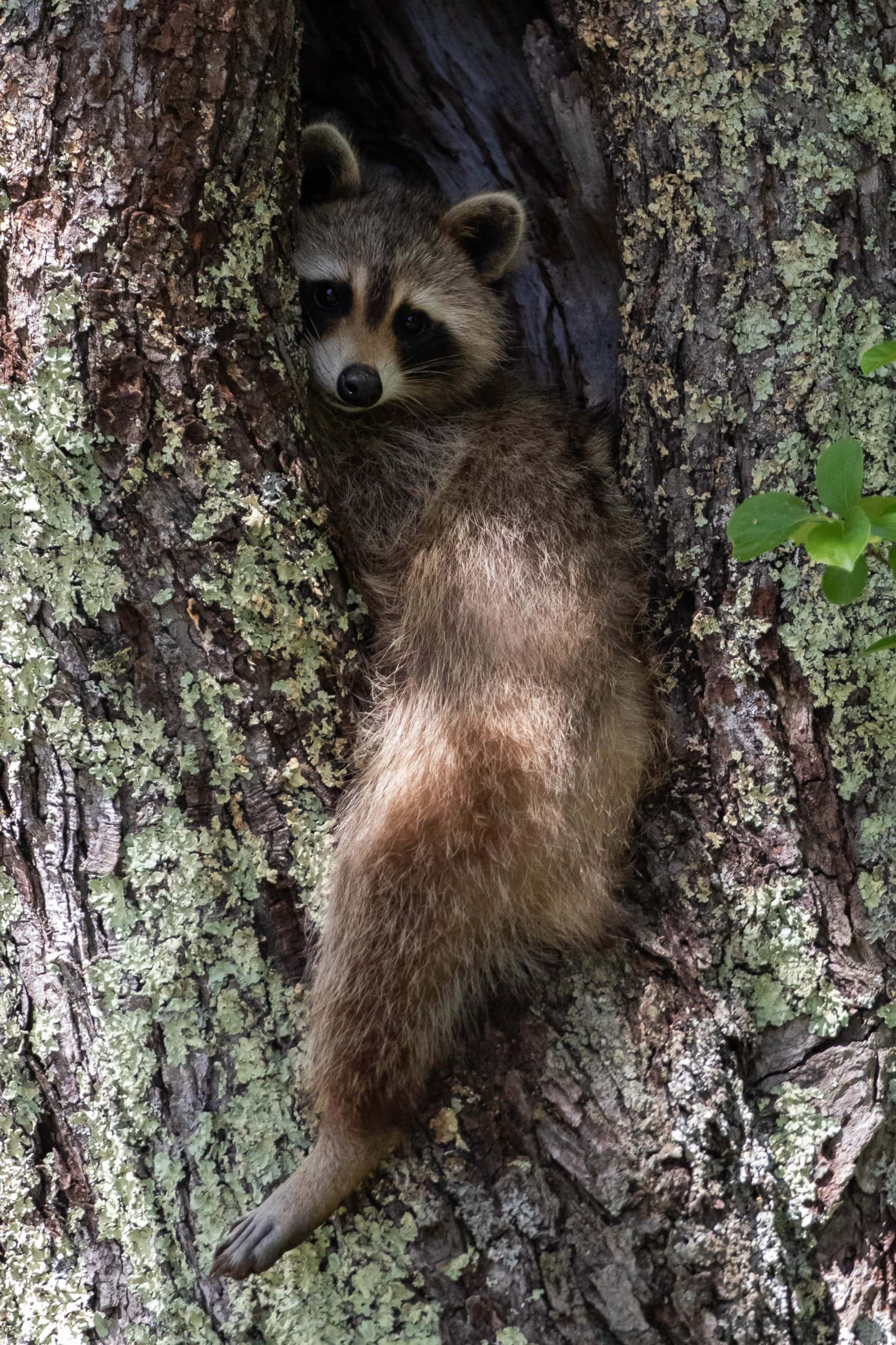
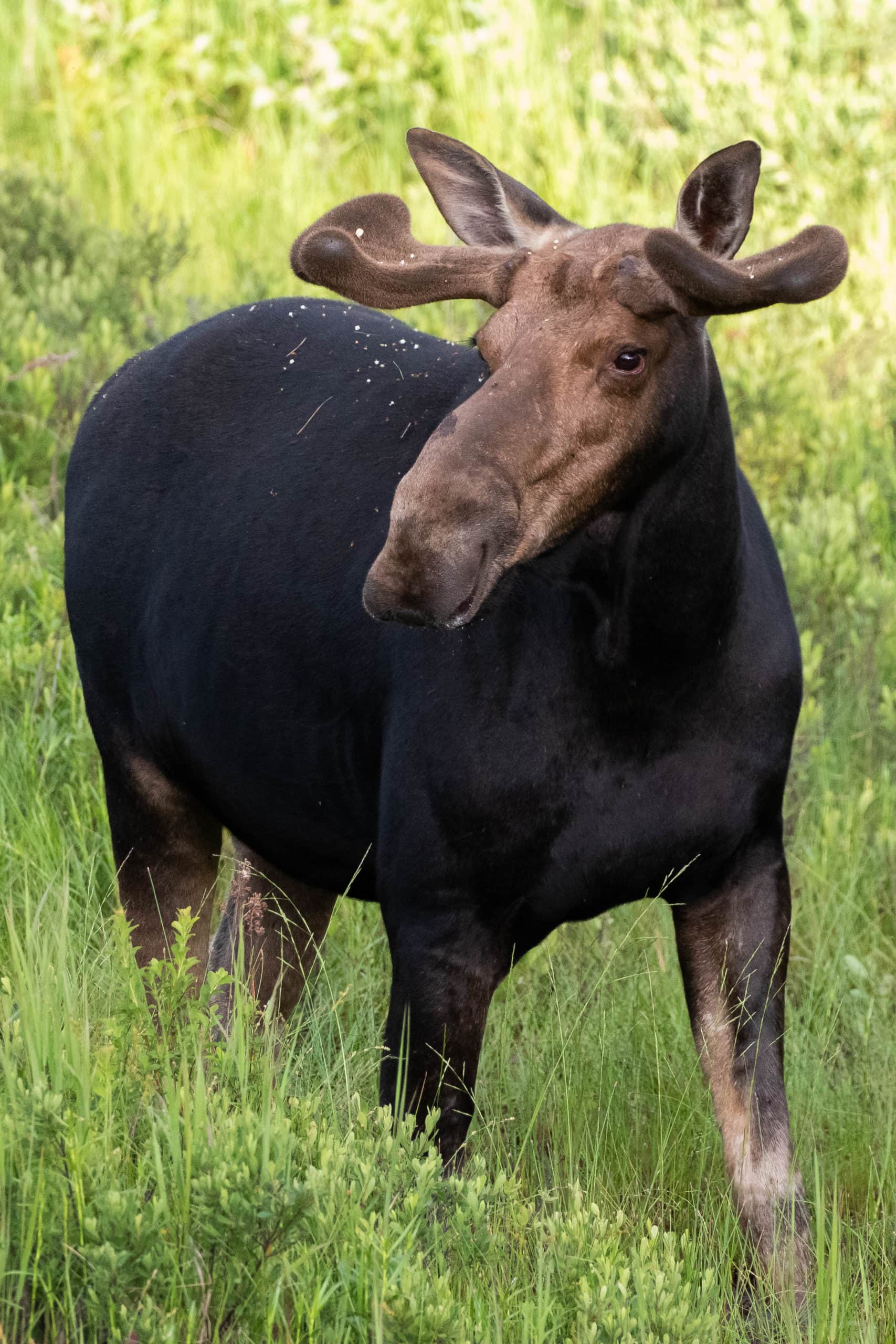
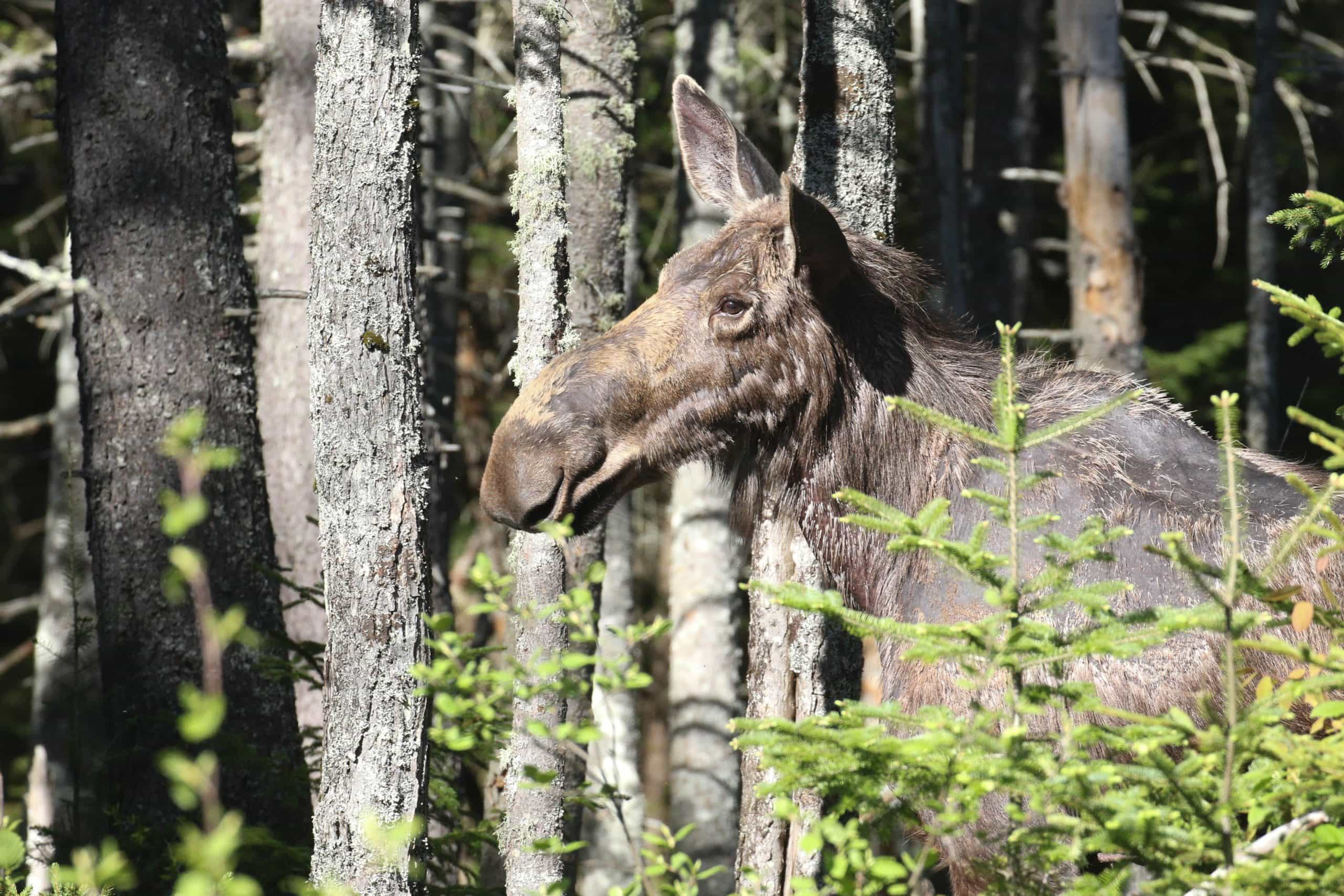
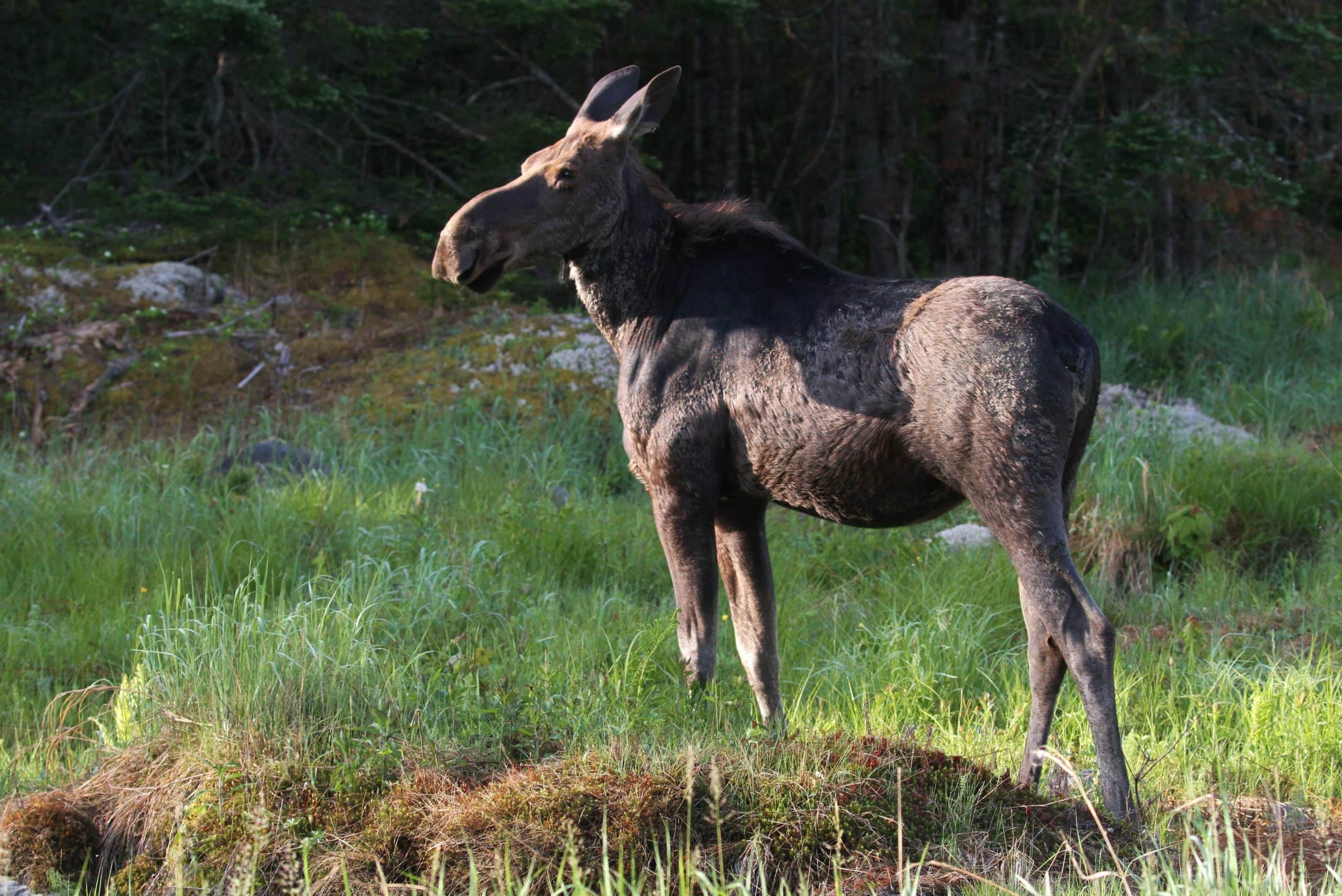
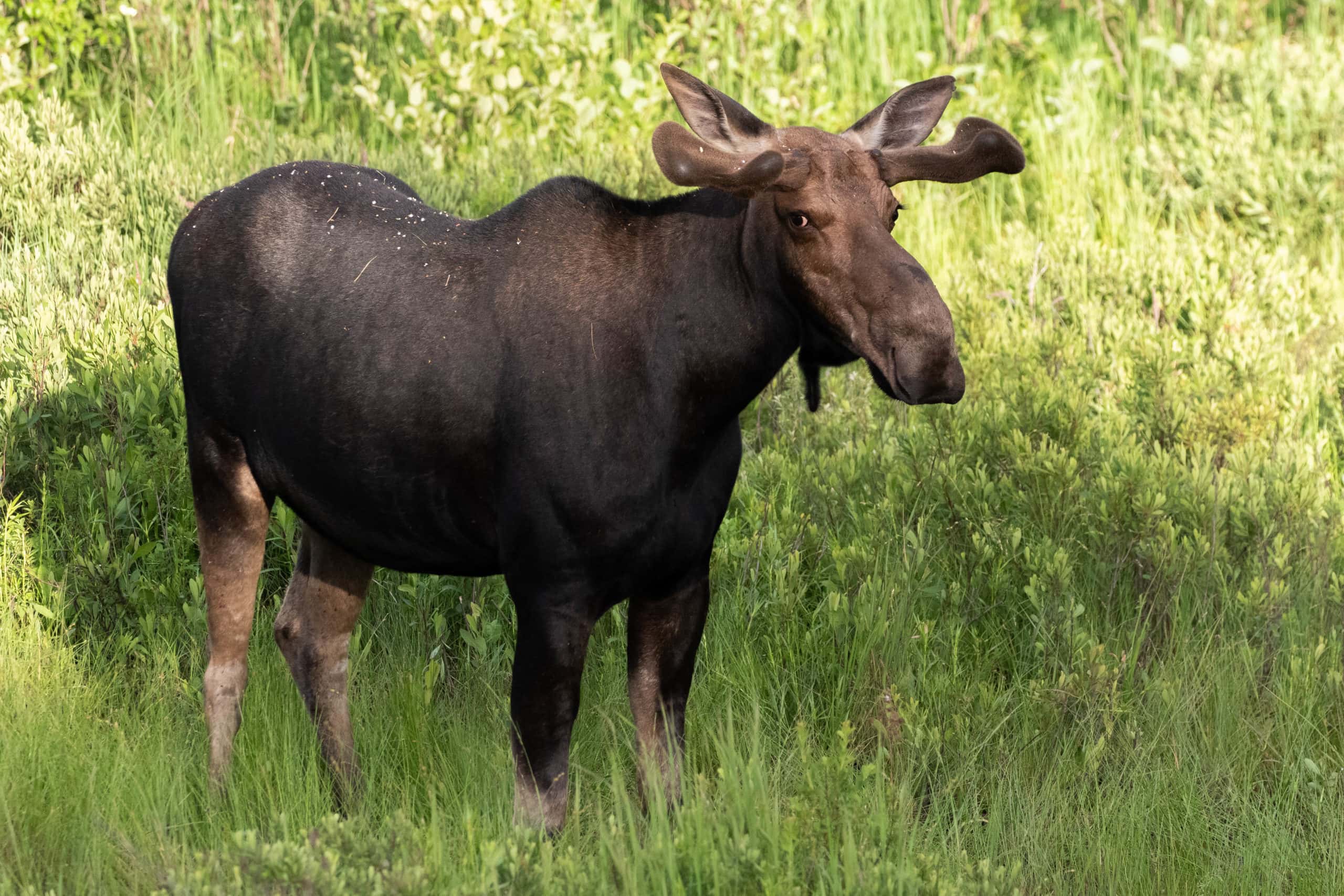
We will spend the afternoon birding around nearby Pondicherry National Wildlife Refuge and other New Hampshire hotspots in search of various songbirds and other targets. Ruffed Grouse are possible in this area. After dinner we will have an optional excursion for night-birding; targeting Moose, Northern Saw-whet Owls, and Barred Owls. Night in Lancaster, New Hampshire.
Day 6 – Moose Bog, Dixville Notch, & Messalonskee Lake. Night in Augusta, ME.
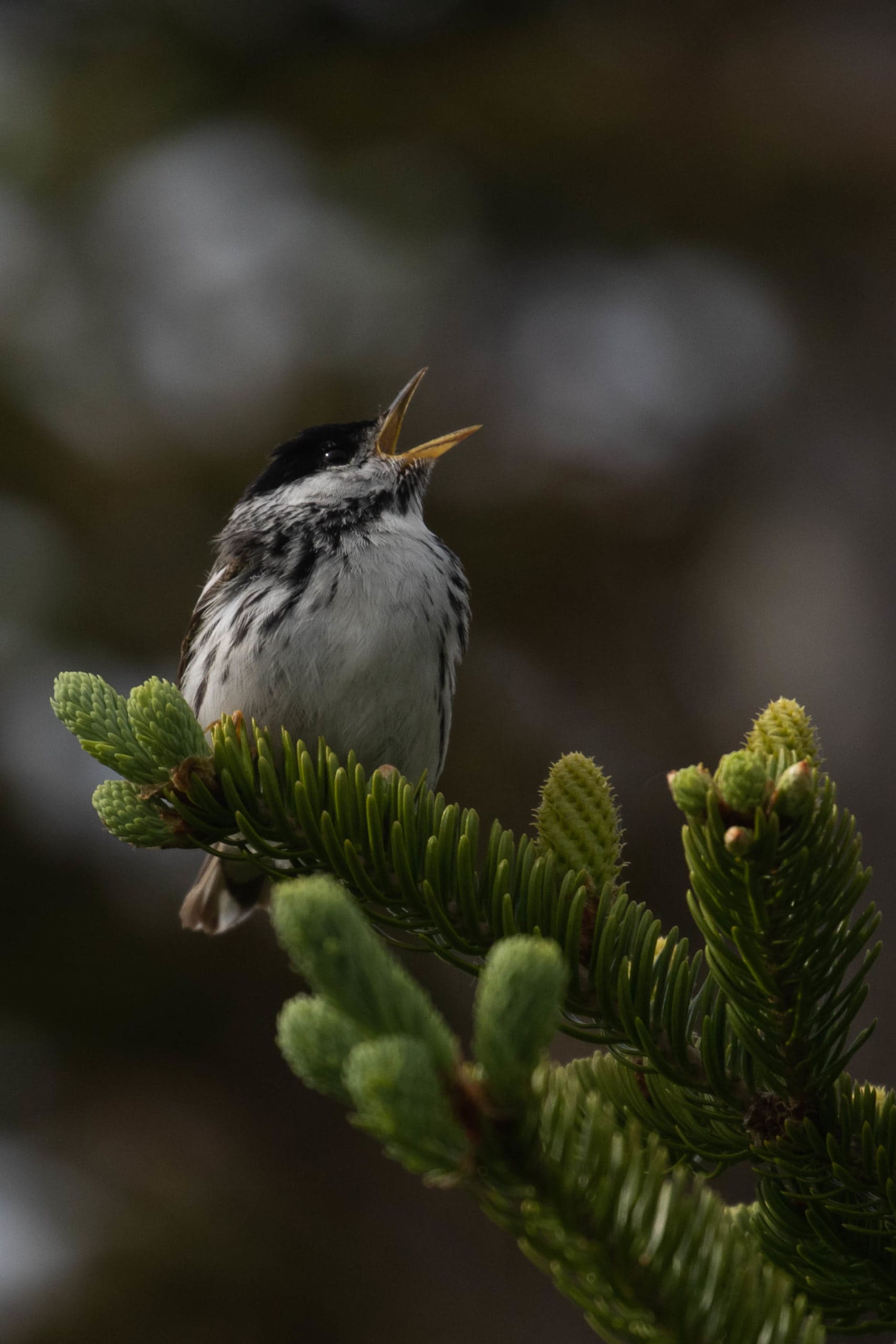
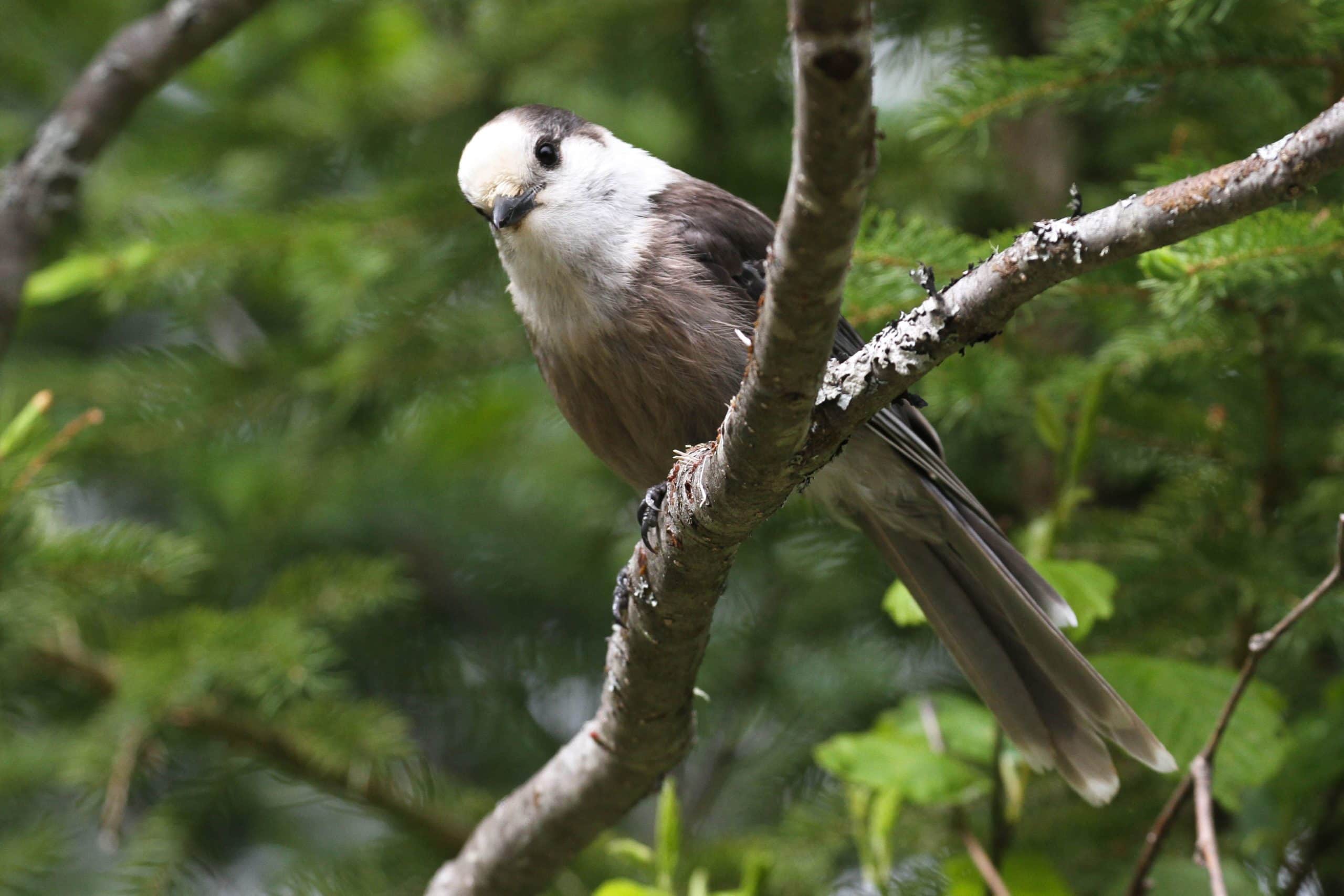
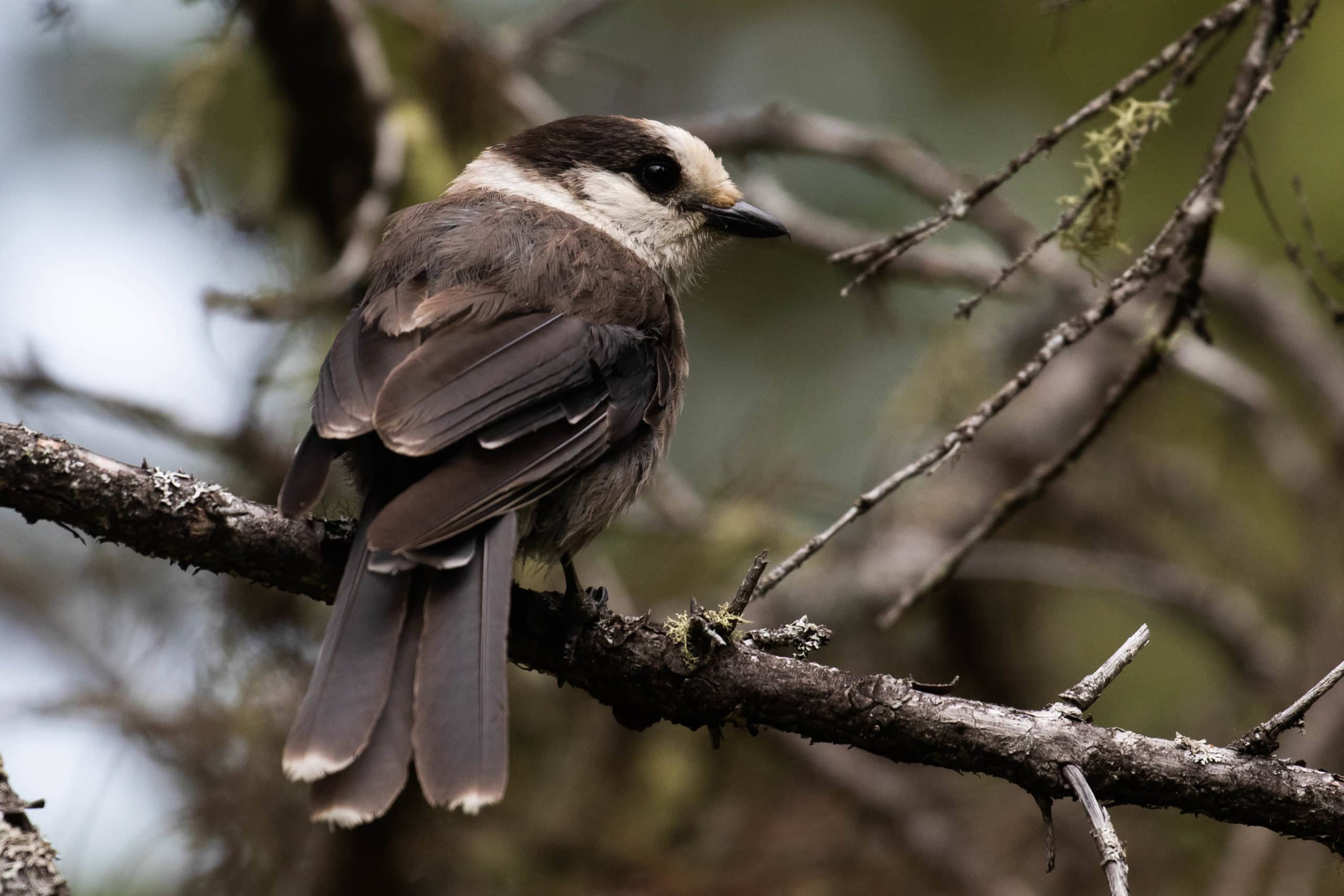
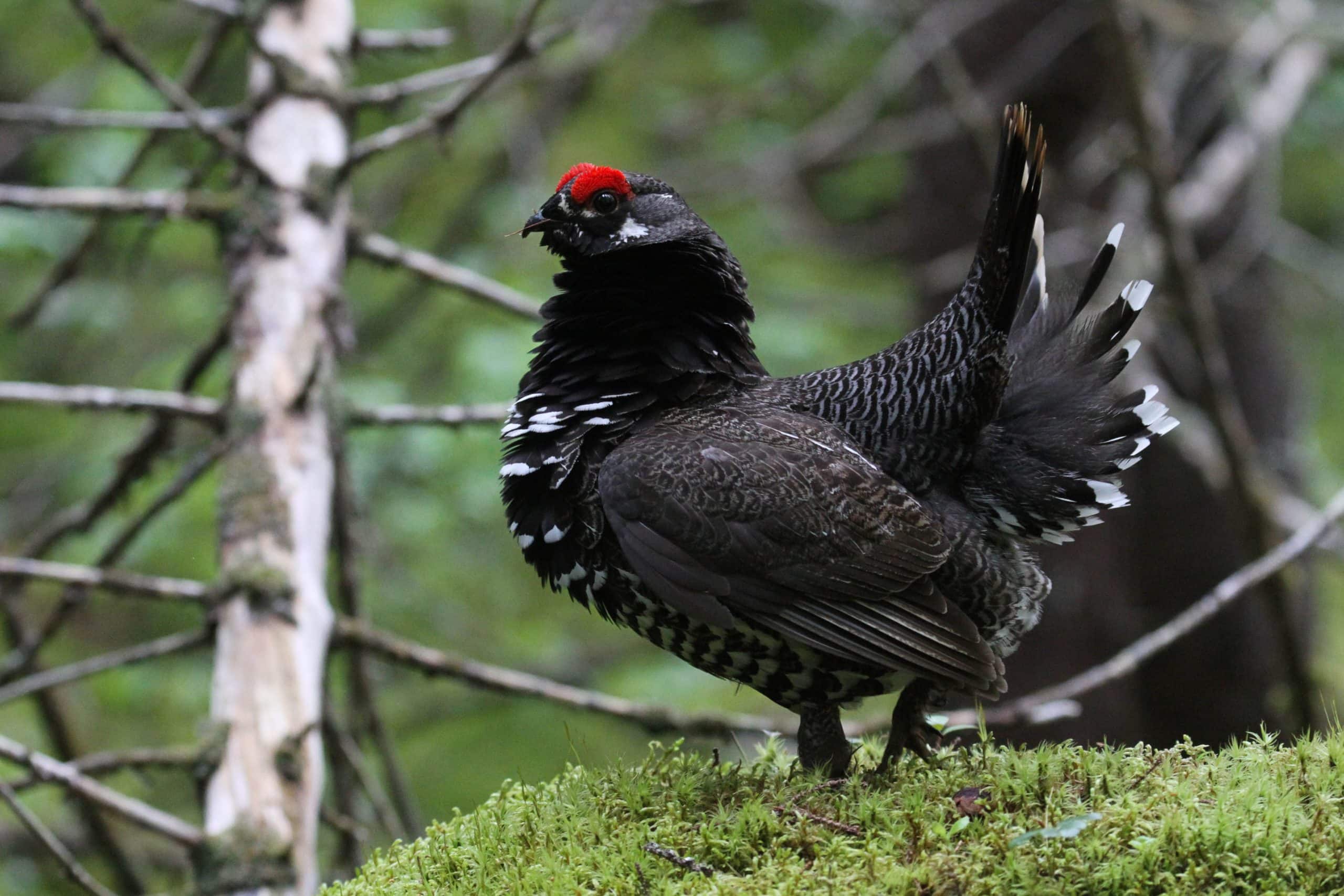
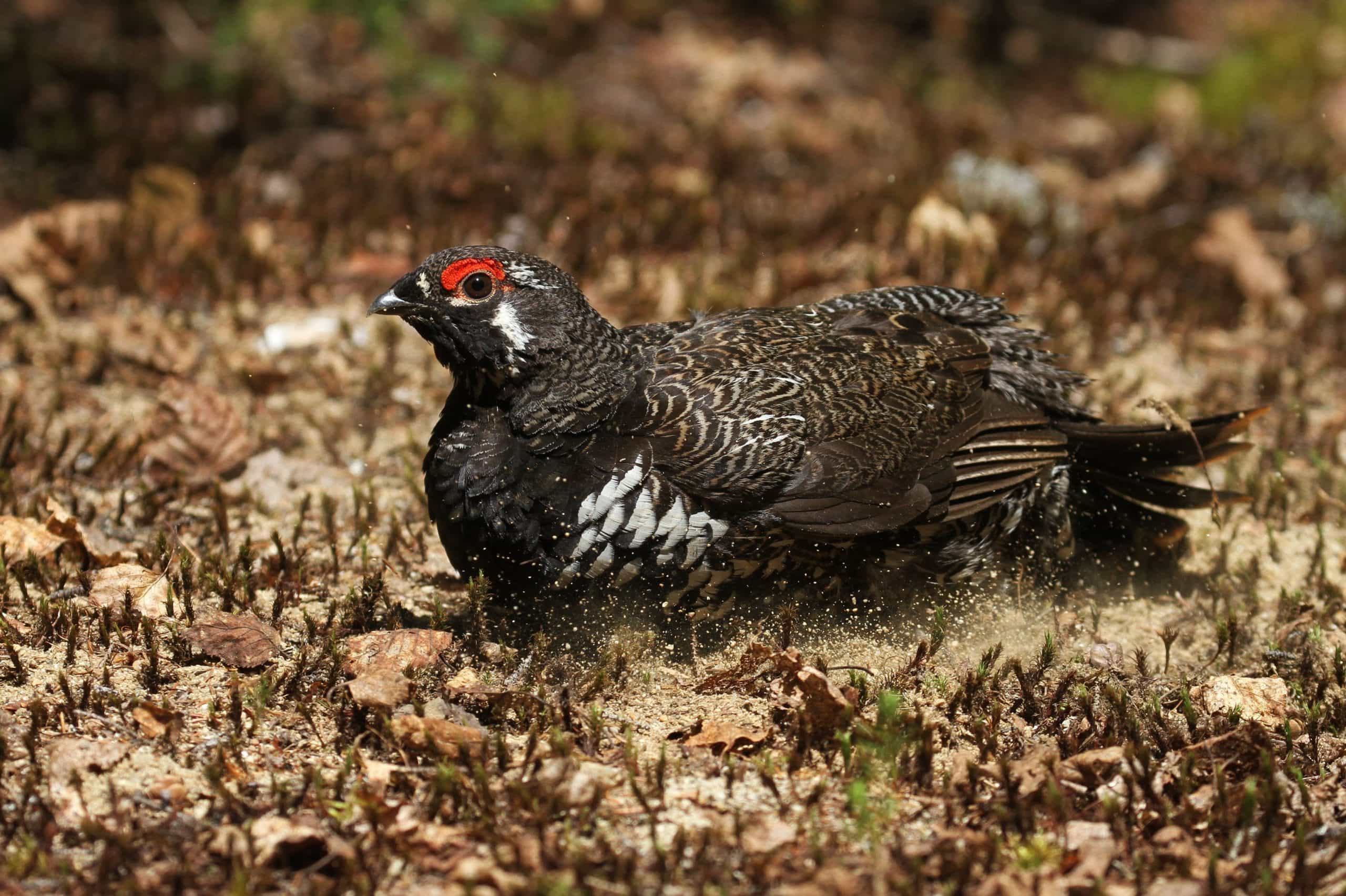
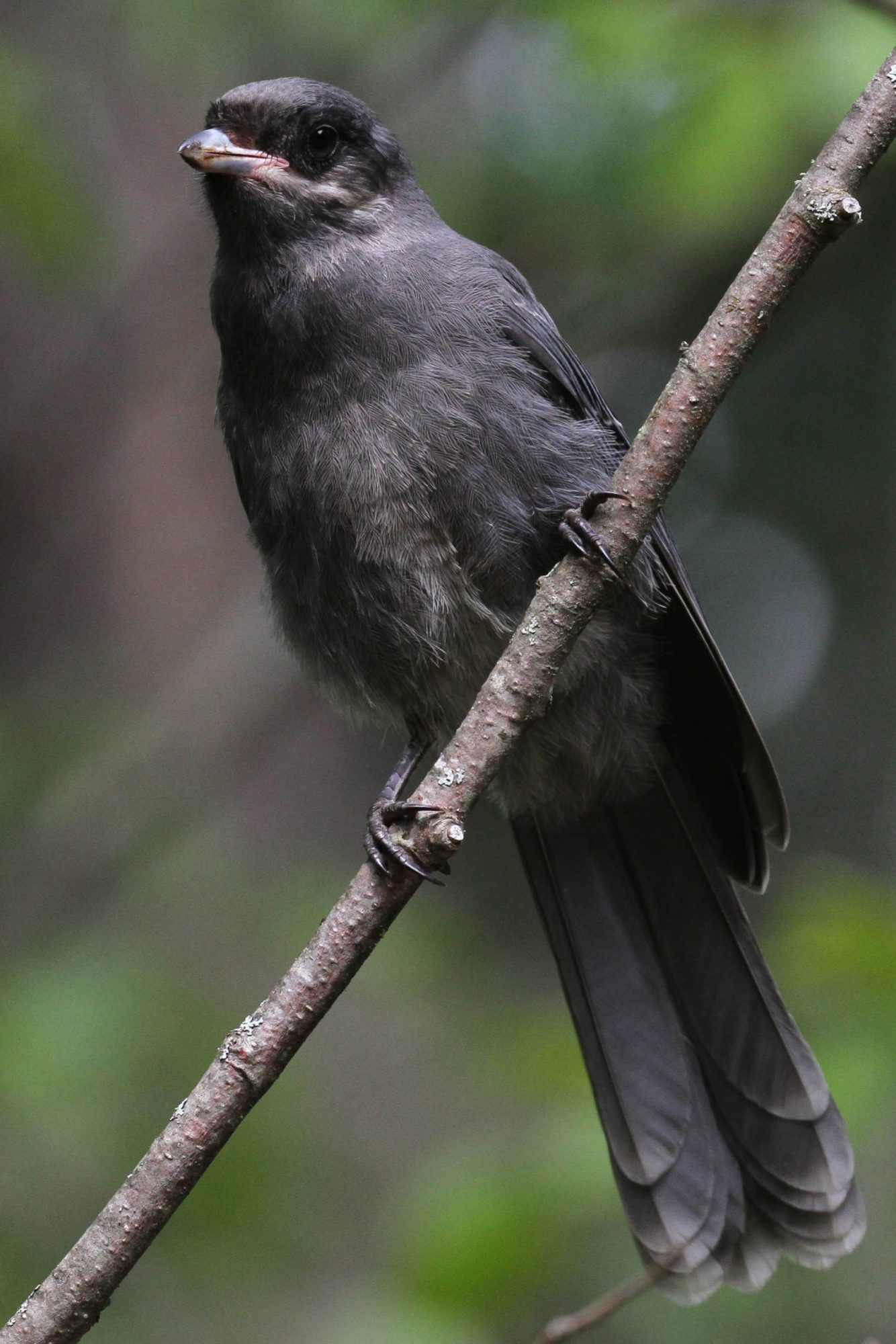
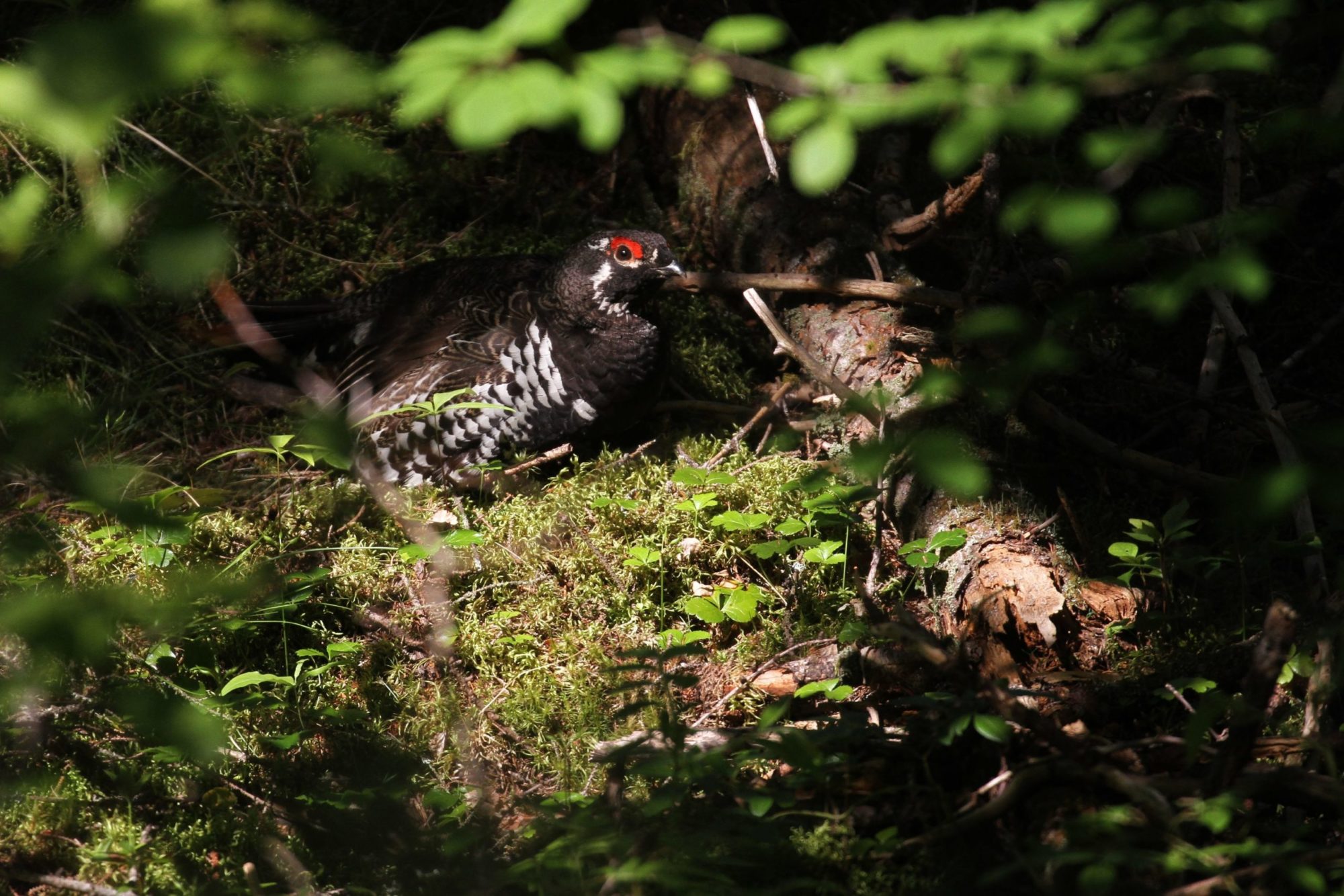
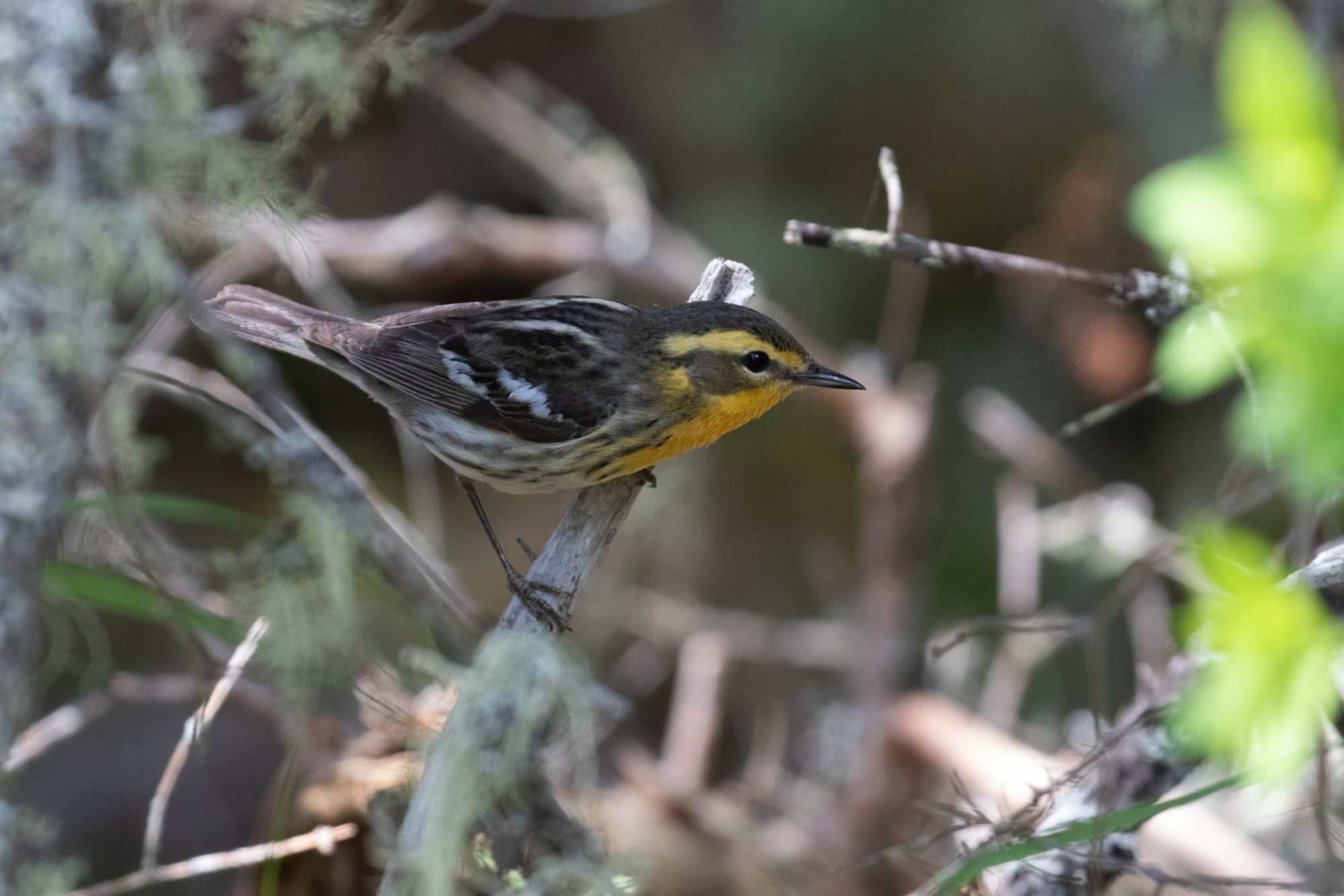
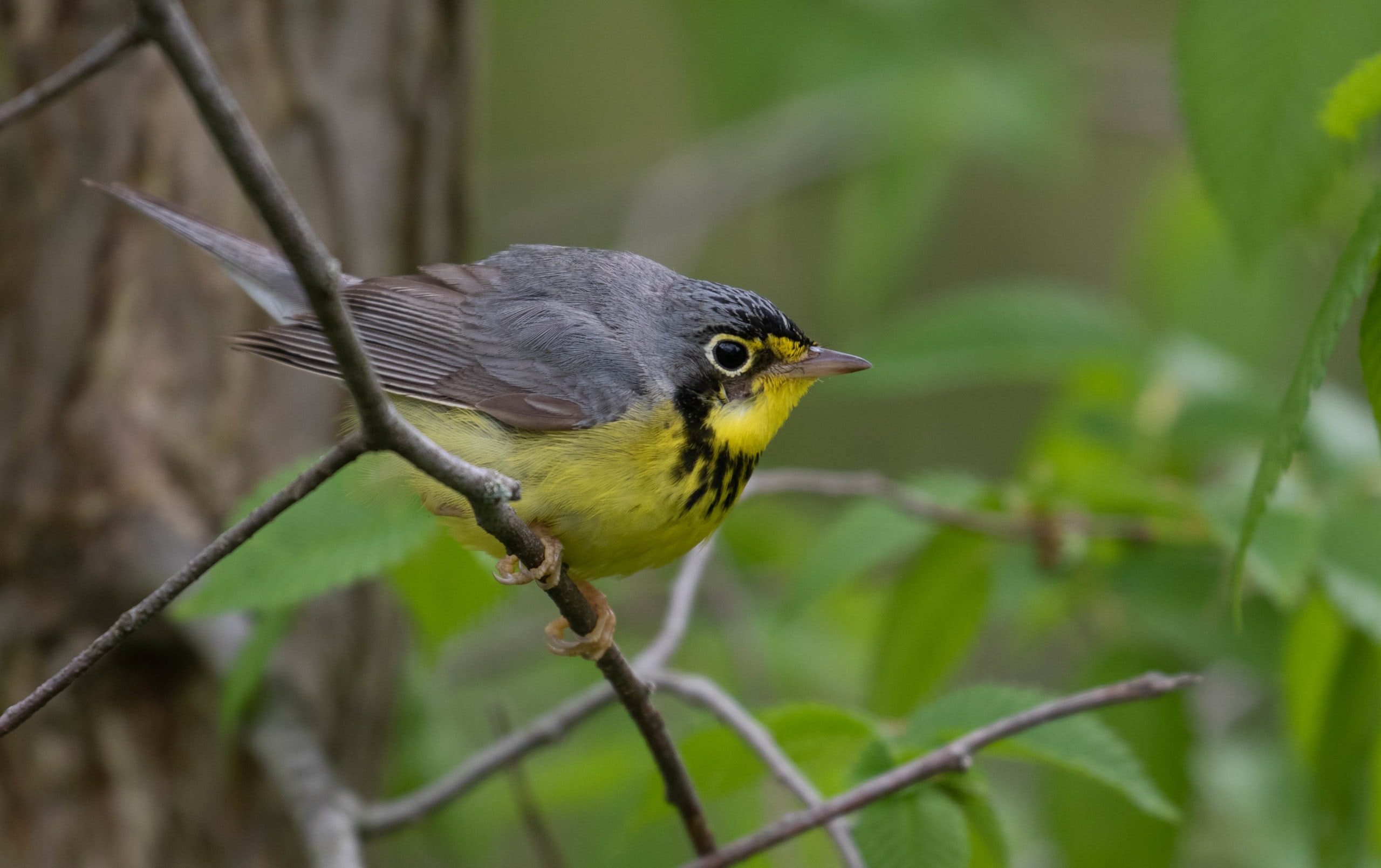
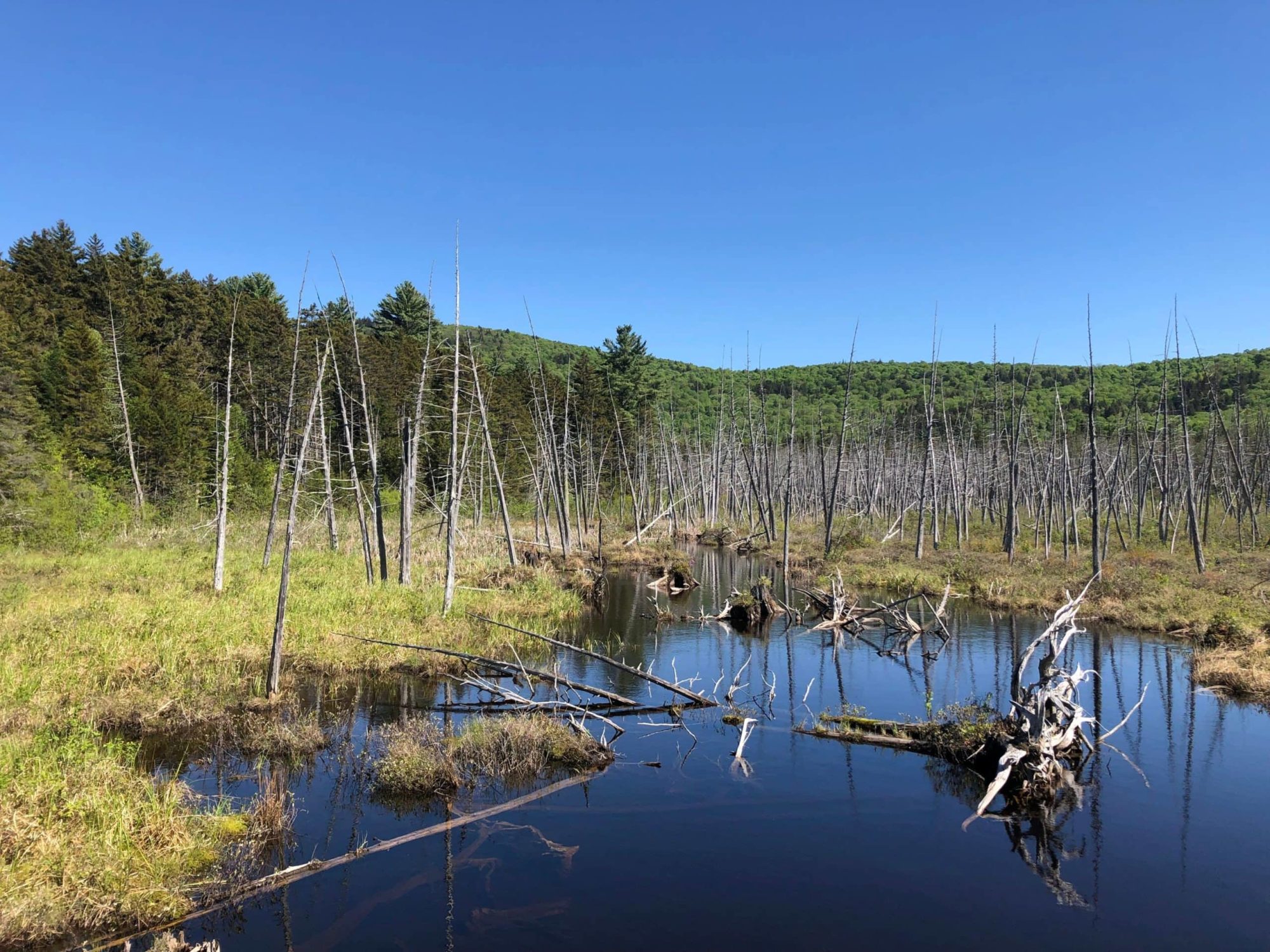
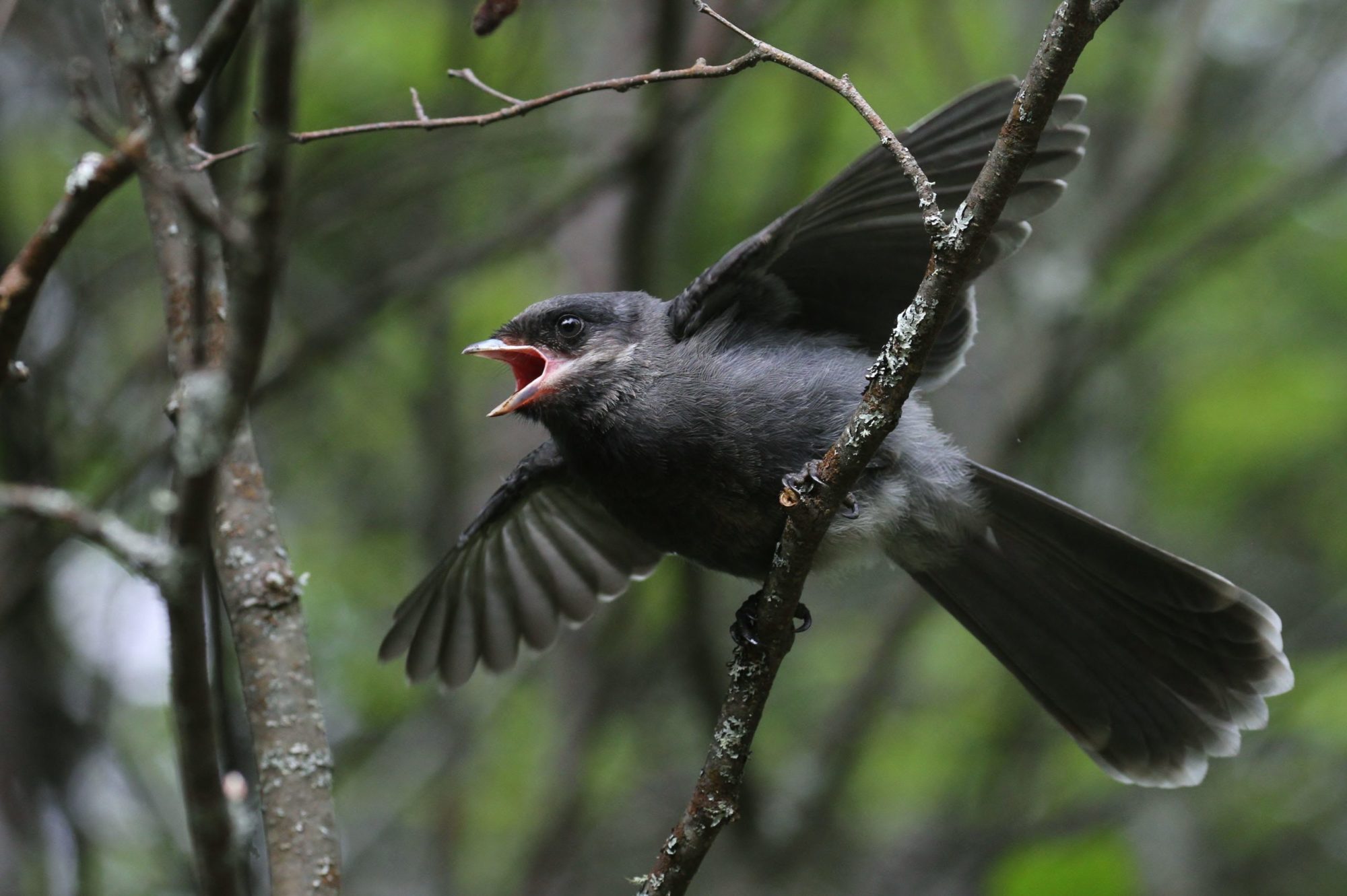
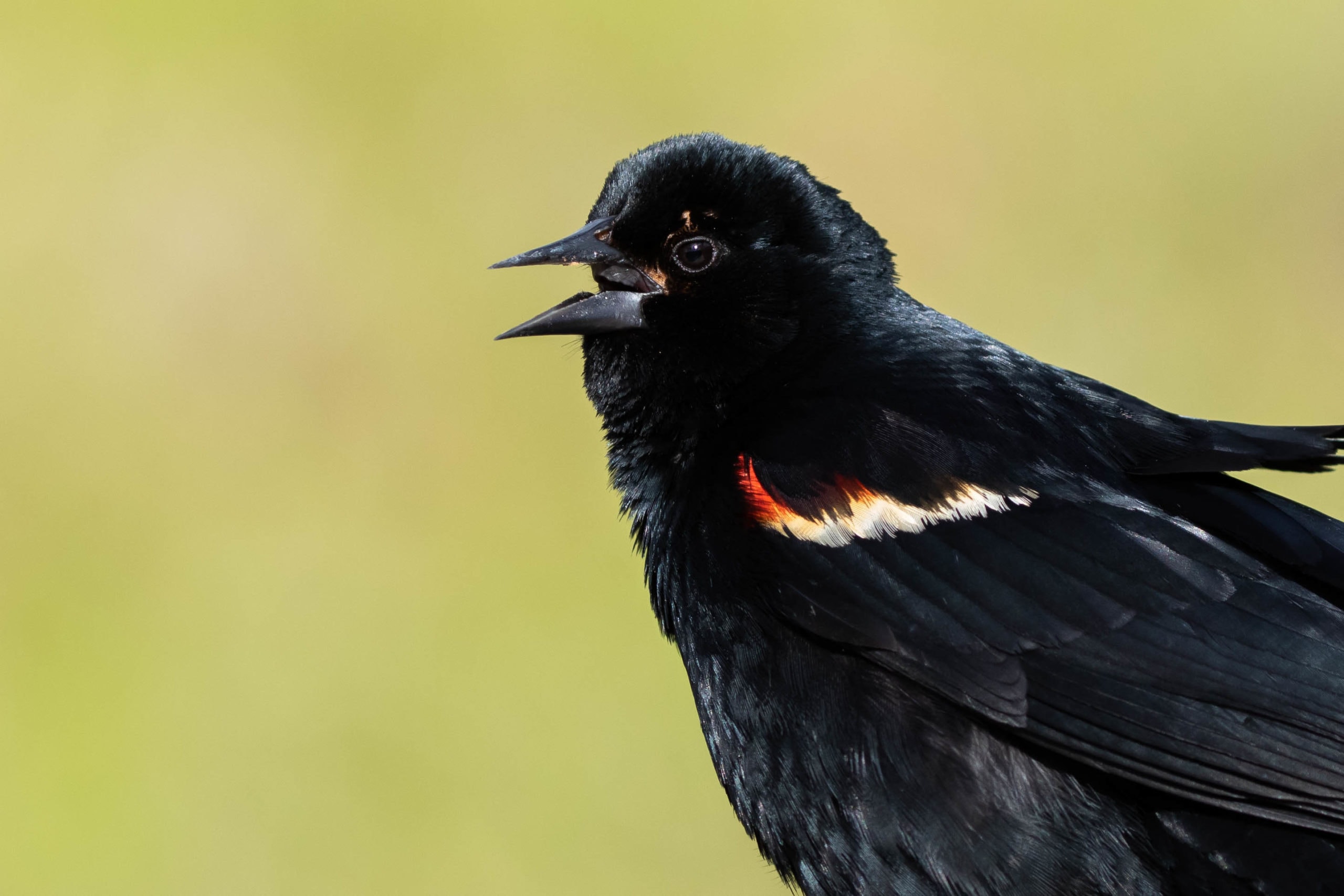
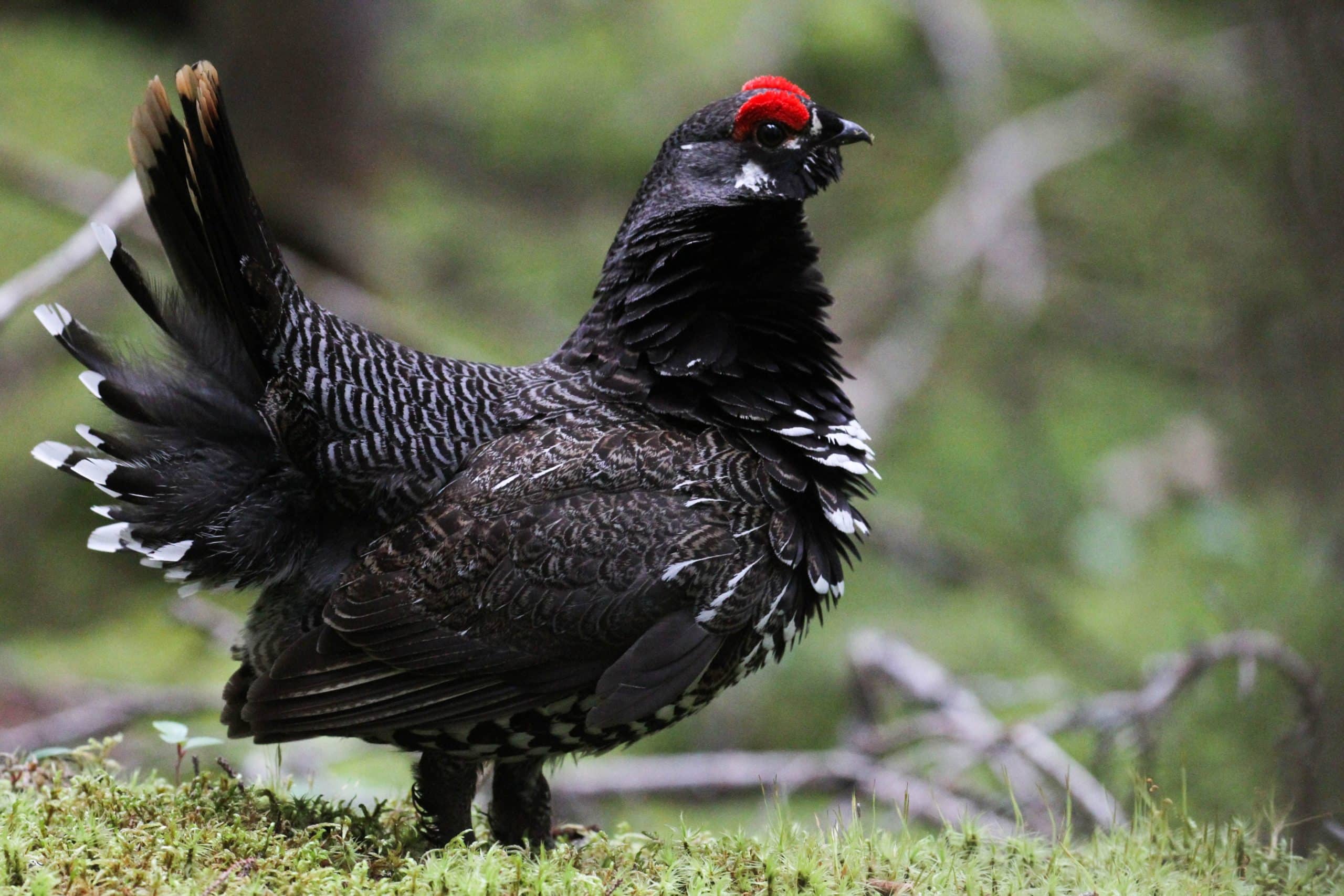
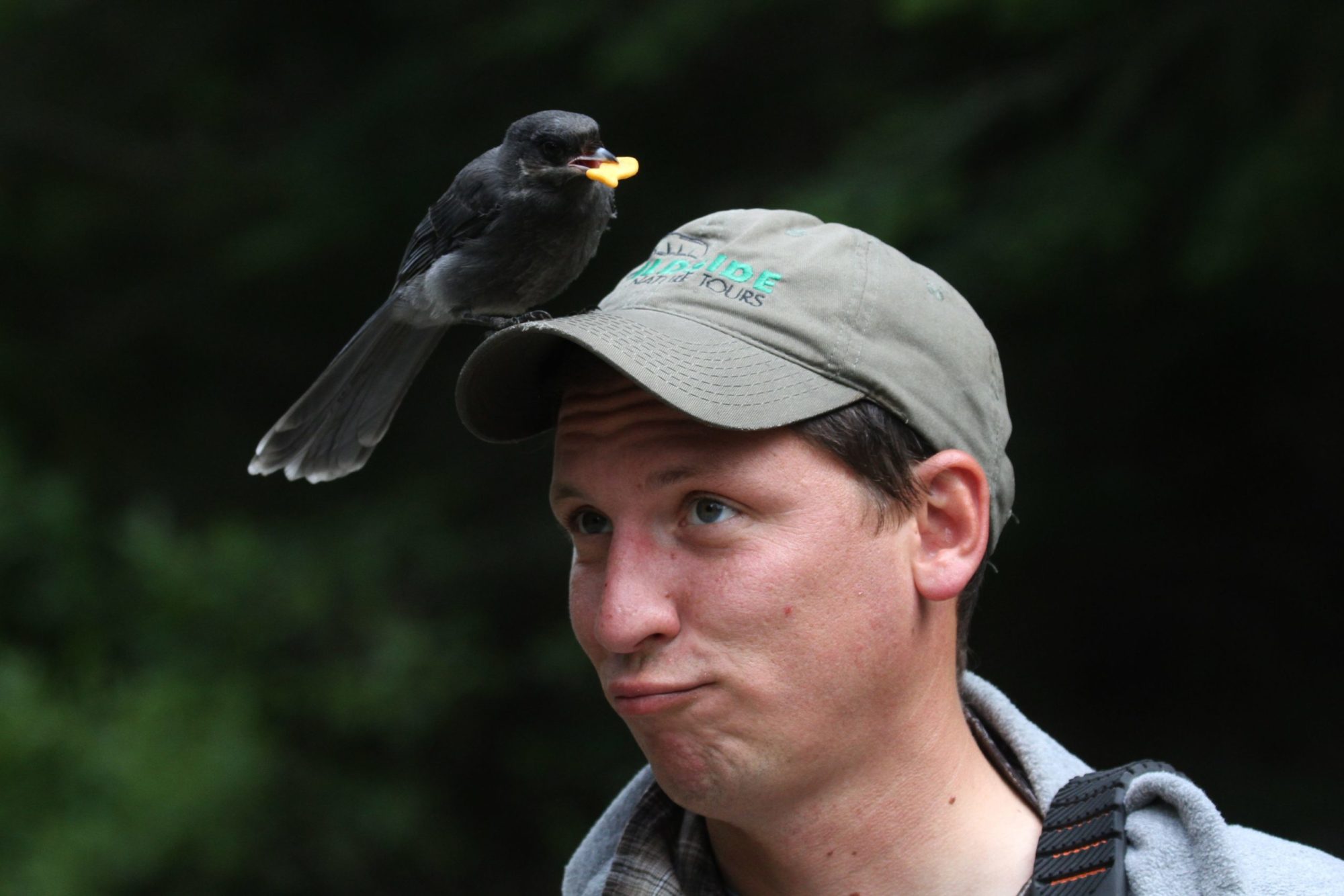
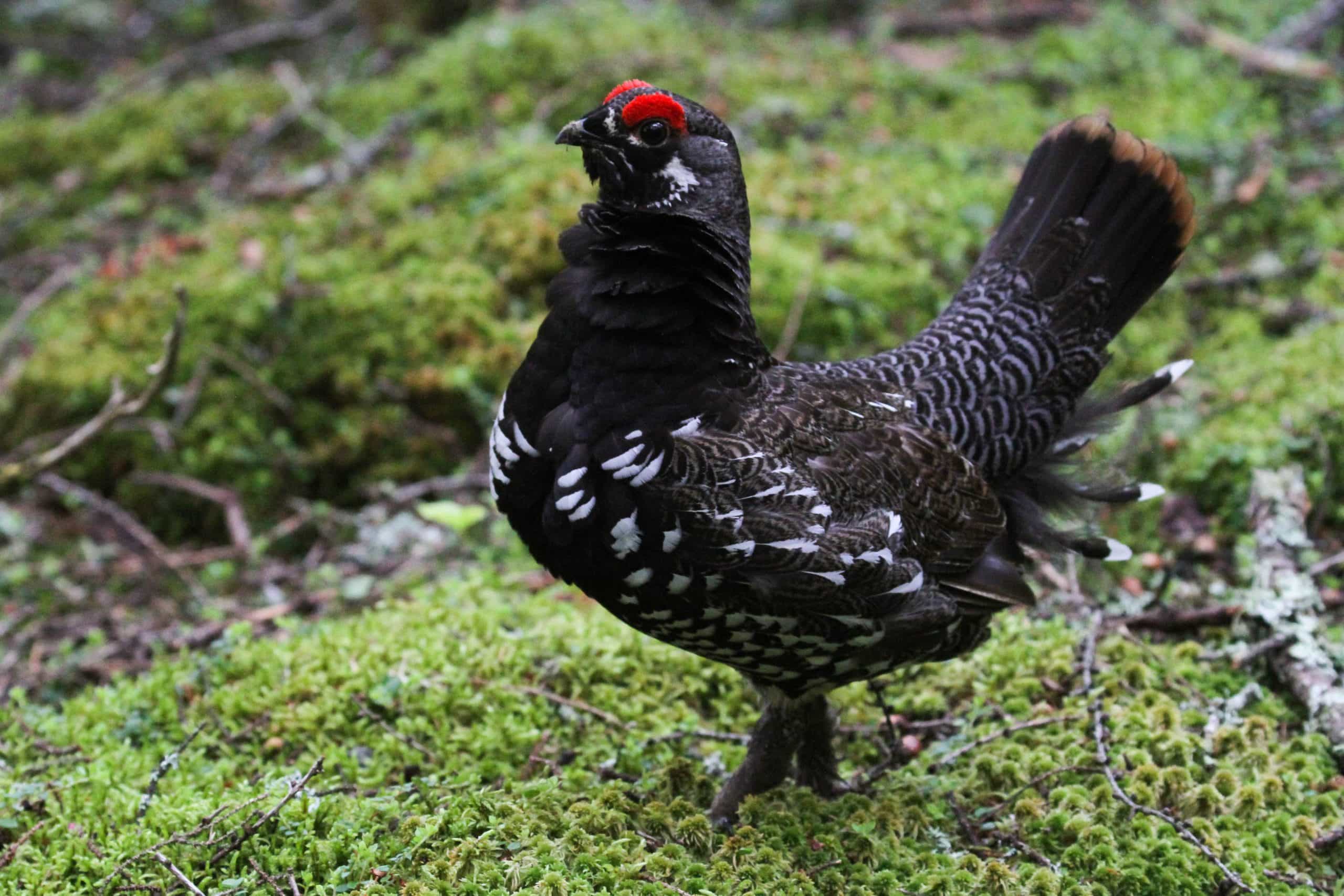
This area of northern Vermont is affectionately known as the ‘Northern Kingdom’. The forested mountains and ridges certainly frame the area like massive castle walls. This is a remote area with fantastic habitat and equally fantastic birding possibilities. Ruffed Grouse are rare here, but the colorful, rare, and secretive Spruce Grouse still lurks through these dark, damp forests. Even where this bird is expected, it can be very easy to miss but Moose Bog should hopefully produce a sighting, and this is a great site for several harder-to-find boreal goodies including Canada Jays, Black-backed Woodpeckers, and Yellow-bellied Flycatchers. Alder Flycatchers, Brown Creepers, Canada Warblers, ‘Yellow’ Palm Warblers, Swamp Sparrows, and Winter Wrens. Stunning male Magnolia Warblers and Blackburnian Warblers may be singing from the treetops! Swainson’s Thrush and Hermit Thrush nest here, and Red Crossbill flocks may be heard flying overhead. Threatened and declining populations of Rusty Blackbirds breed in the alder-lined creeks. This beautiful little spot can be hard to leave, but we can at least dedicate a few hours exploring it!
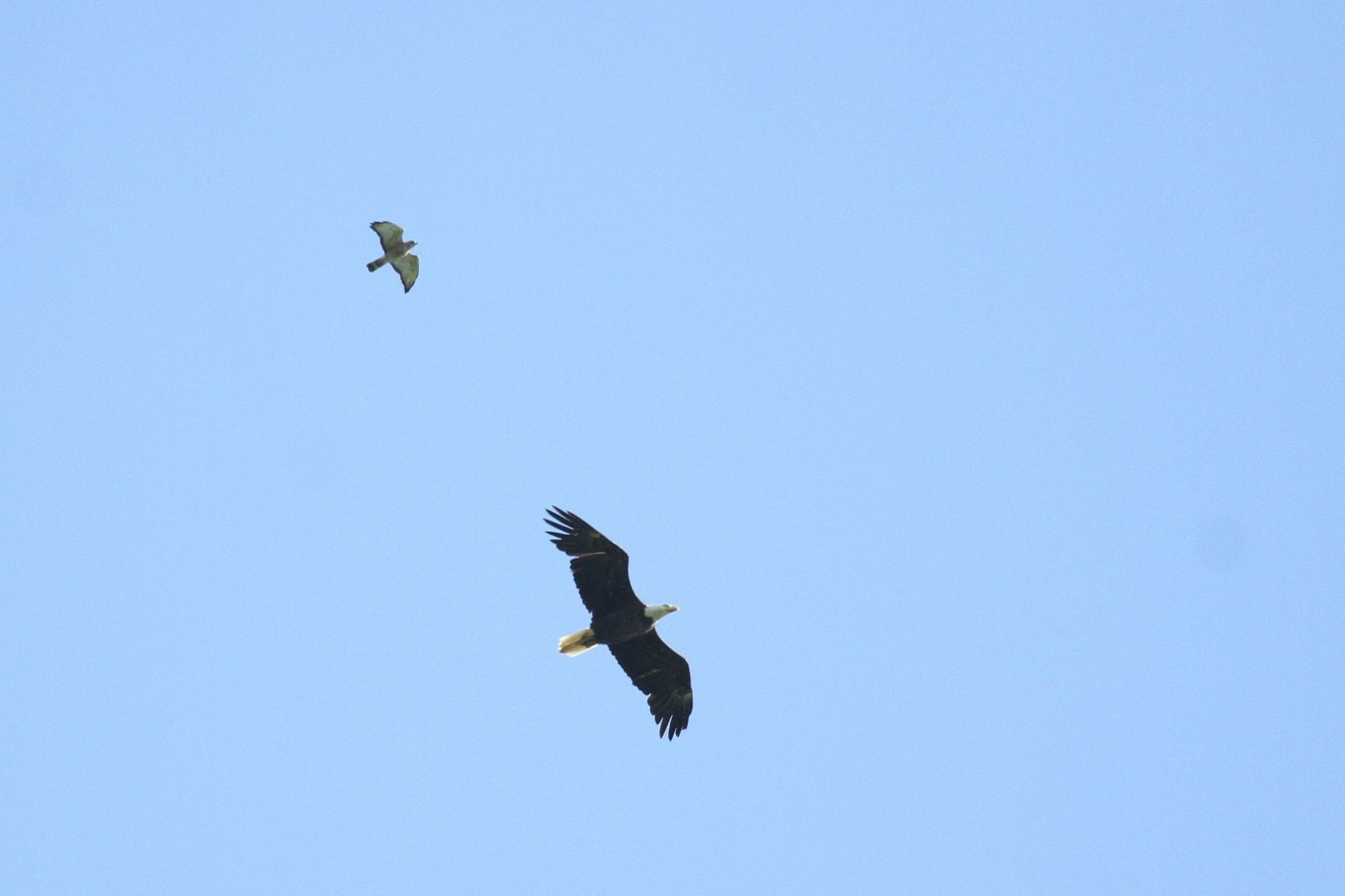
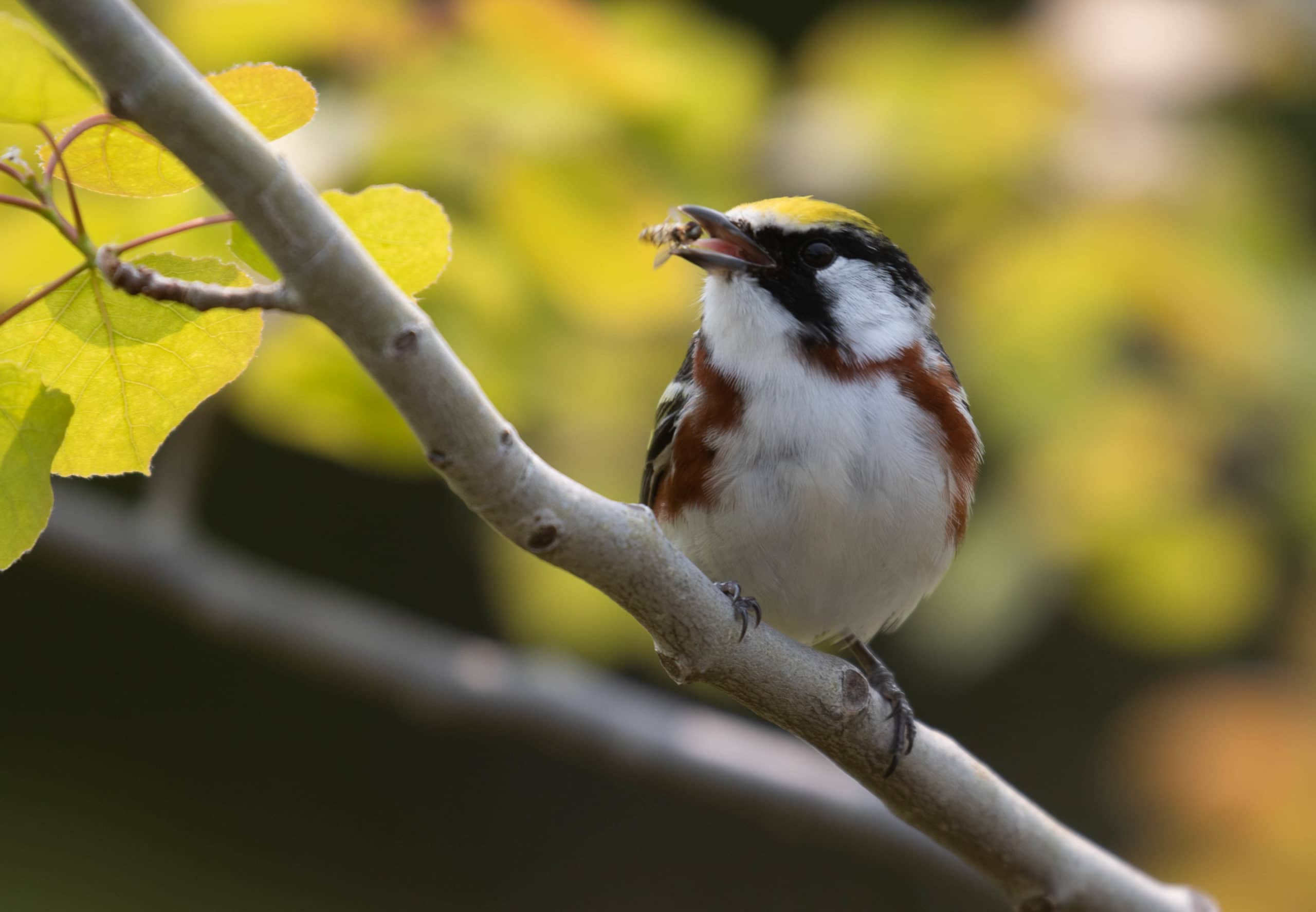
We’ll grab a lunch for the road and head back into New Hampshire to Dixville Notch. An access road cuts through the forest to a ridgetop wind-turbine facility which allows us birders easy access into habitat where we will search for Mourning Warblers, Bay-breasted Warblers, Philadelphia Vireos, and Purple Finches. Although this area is just as far north as Moose Bog, the habitat is slightly drier, and Ruffed Grouse is possible again. There will be another opportunity here for Bicknell’s Thrushes, Boreal Chickadees, Golden-crowned Kinglets, and Dark-eyed Juncos, among others! From there, we will say our goodbyes to the Northwoods and begin heading back ‘down east’. Sit back and relax as we travel through beautiful forests and rolling farmland. Broad-winged Hawks may be perched along the roadside. Night in Augusta, Maine.
Day 7 – Morning birding in route to Bangor as time allows. Departures no earlier than noon from Bangor Int. Airport in Bangor, ME (BGR).
Our final together will focus on visiting Messalonskee Lake. This large lake has a marshy shoreline and contains Maine’s only breeding colony of Black Terns. Other marsh birds found here include Common Loons, American Bitterns, Northern Harriers, and locally-rare Sandhill Cranes. Please plan departures for no earlier than 11:30am from Bangor International Airport (BGR) in Bangor, Maine.