Length of Tour
7-days/6-nights
Brief Itinerary
Day 1 – Arrivals at Seattle-Tacoma International Airport in Seattle, WA (SEA). Alki Point & Discovery Park. Night in Seattle.
Day 2 – Gog-Le-Hi-Te Wetlands, Point No Point & Salish Sea Hotspots. Night in Port Angeles.
Day 3 – Hurricane Ridge, Neah Bay, & Cape Flattery. Night in Forks.
Day 4 – La Push, Highway 1, Hoquiam, Bottle Beach. Night in Westport.
Day 5 – Westport Seabirds Pelagic Trip to Grays Canyon. Night in Westport.
Day 6 – Tokeland, Grayland, Bottle Beach, Nisqually NWR. Night in Lacey.
Day 7 – Nisqually NWR, Departures from Seattle-Tacoma International Airport in Seattle, WA (SEA).
Full Itinerary
*Exact daily itinerary subject to change depending on current conditions, pelagic trip scheduling, and an ever-increasing threat of wildfires which may cause closures to some birding destinations.
Day 1 – Arrivals at Seattle-Tacoma International Airport in Seattle, WA (SEA). Alki Point & Discovery Park. Night in Seattle.
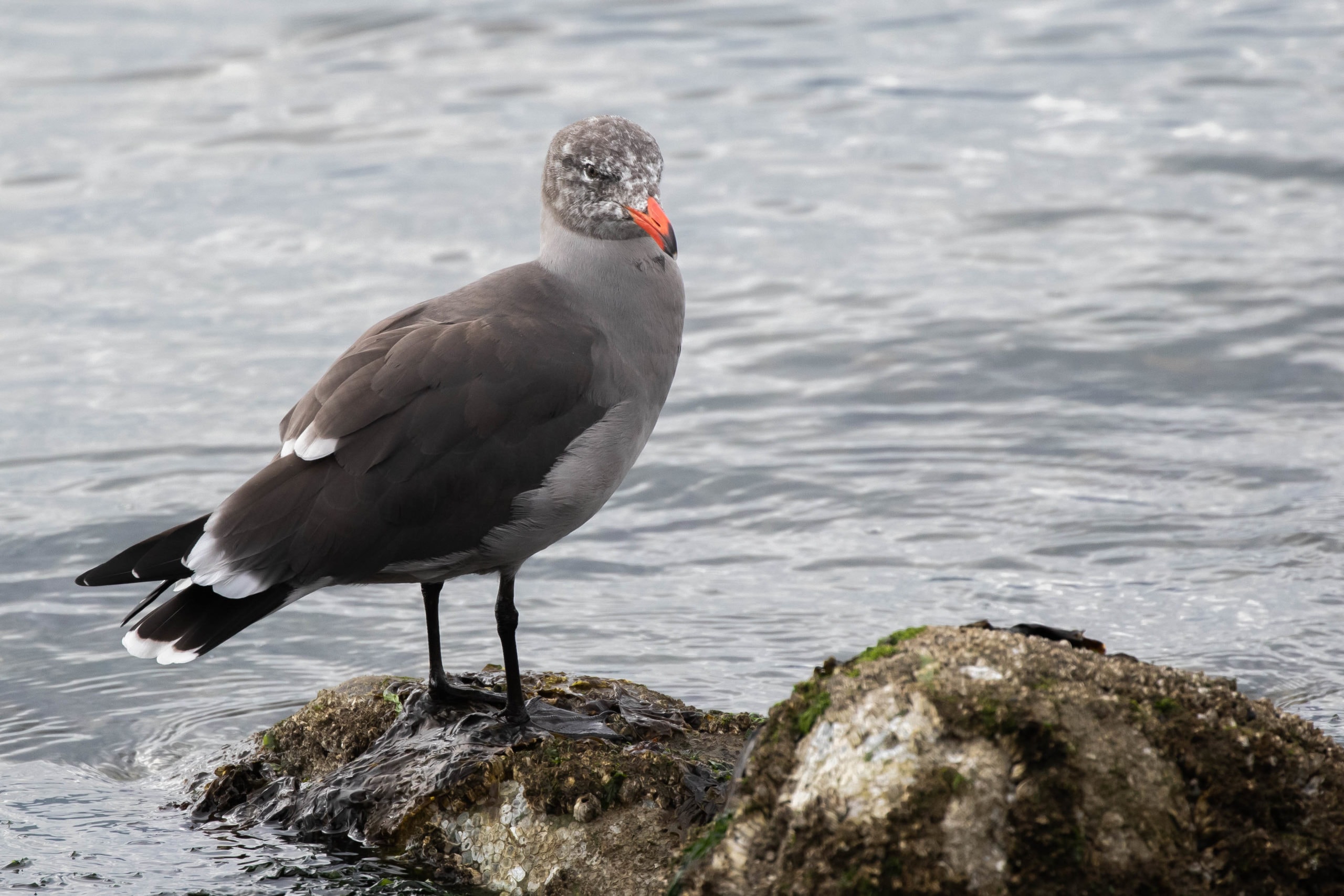
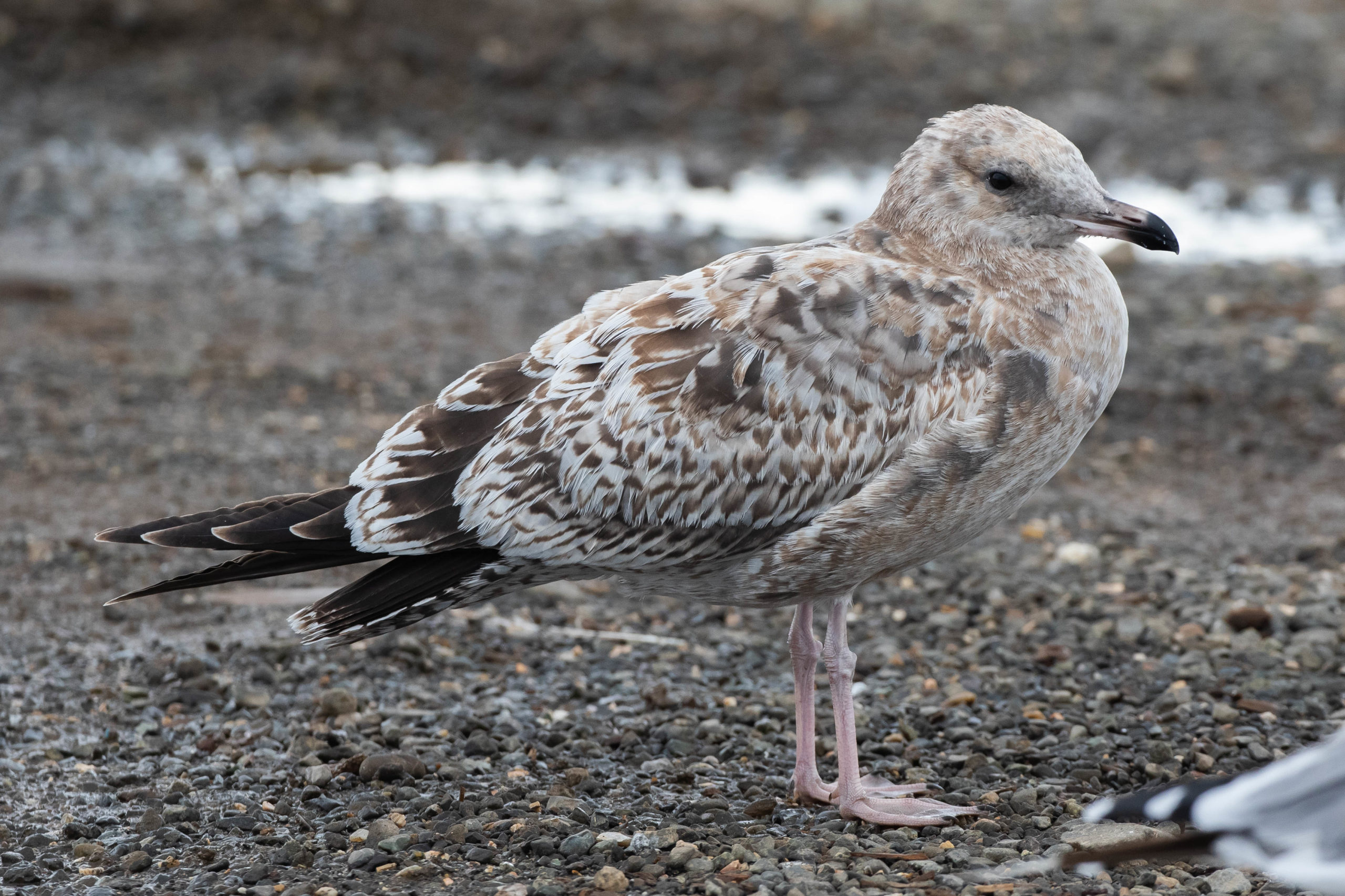
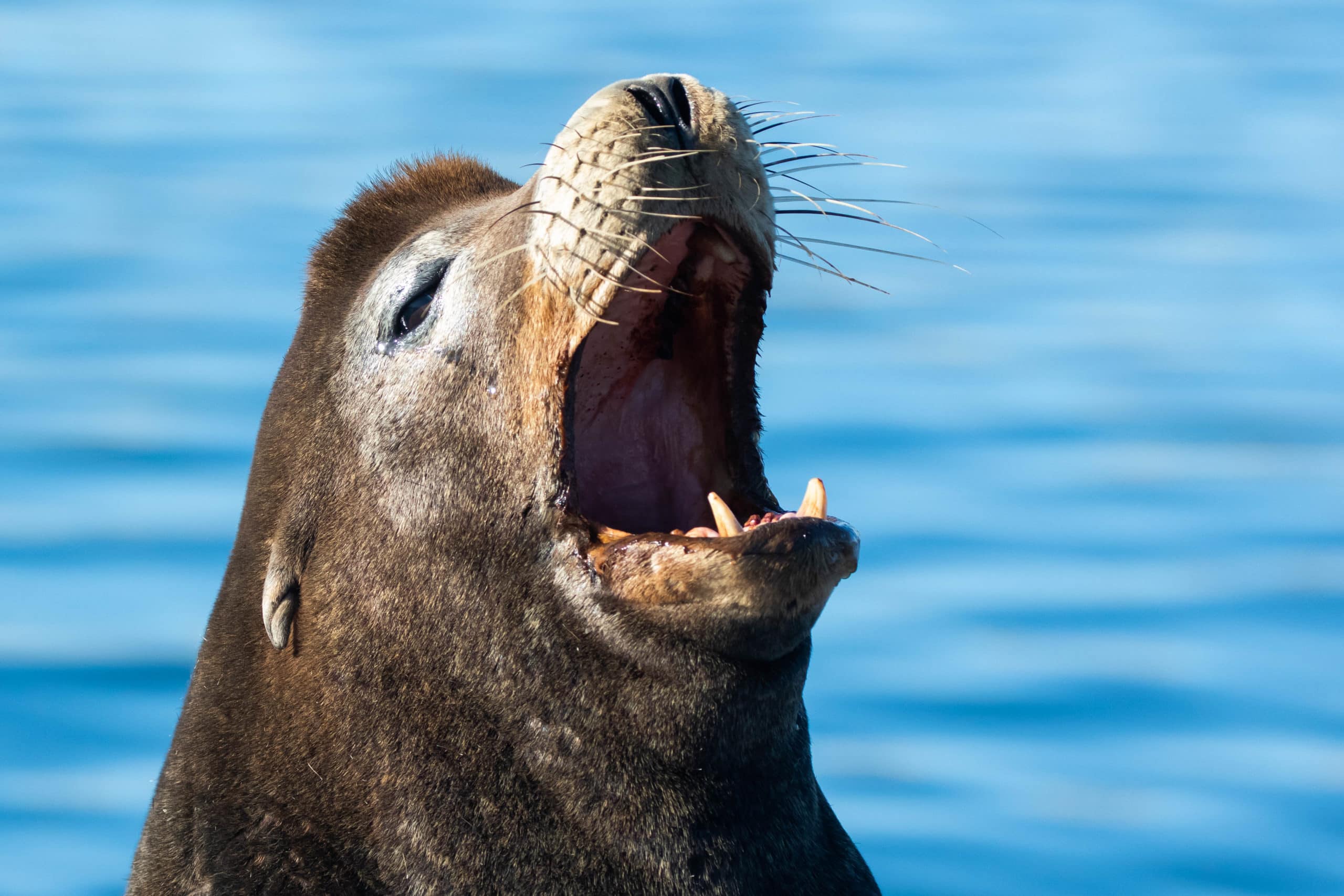
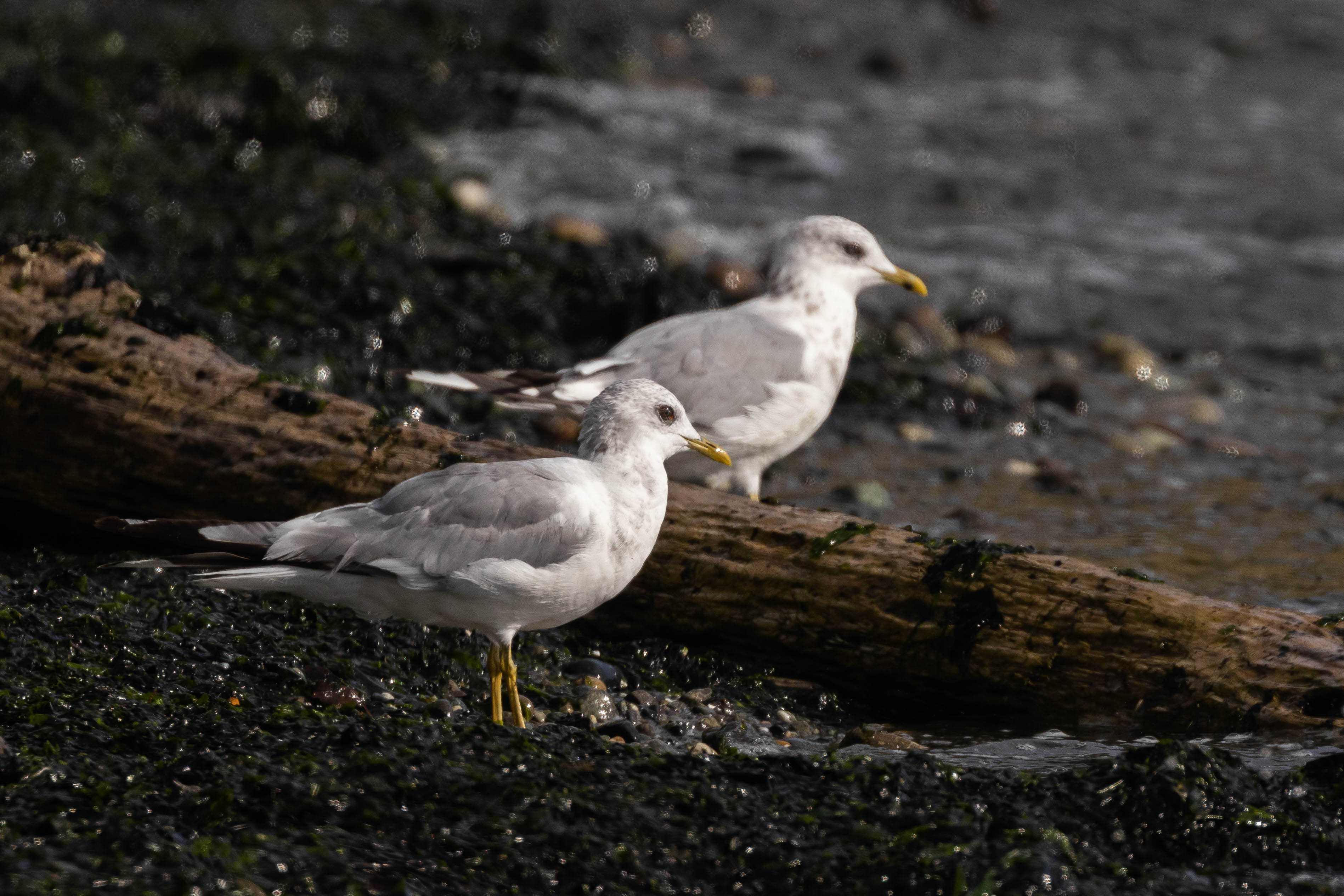
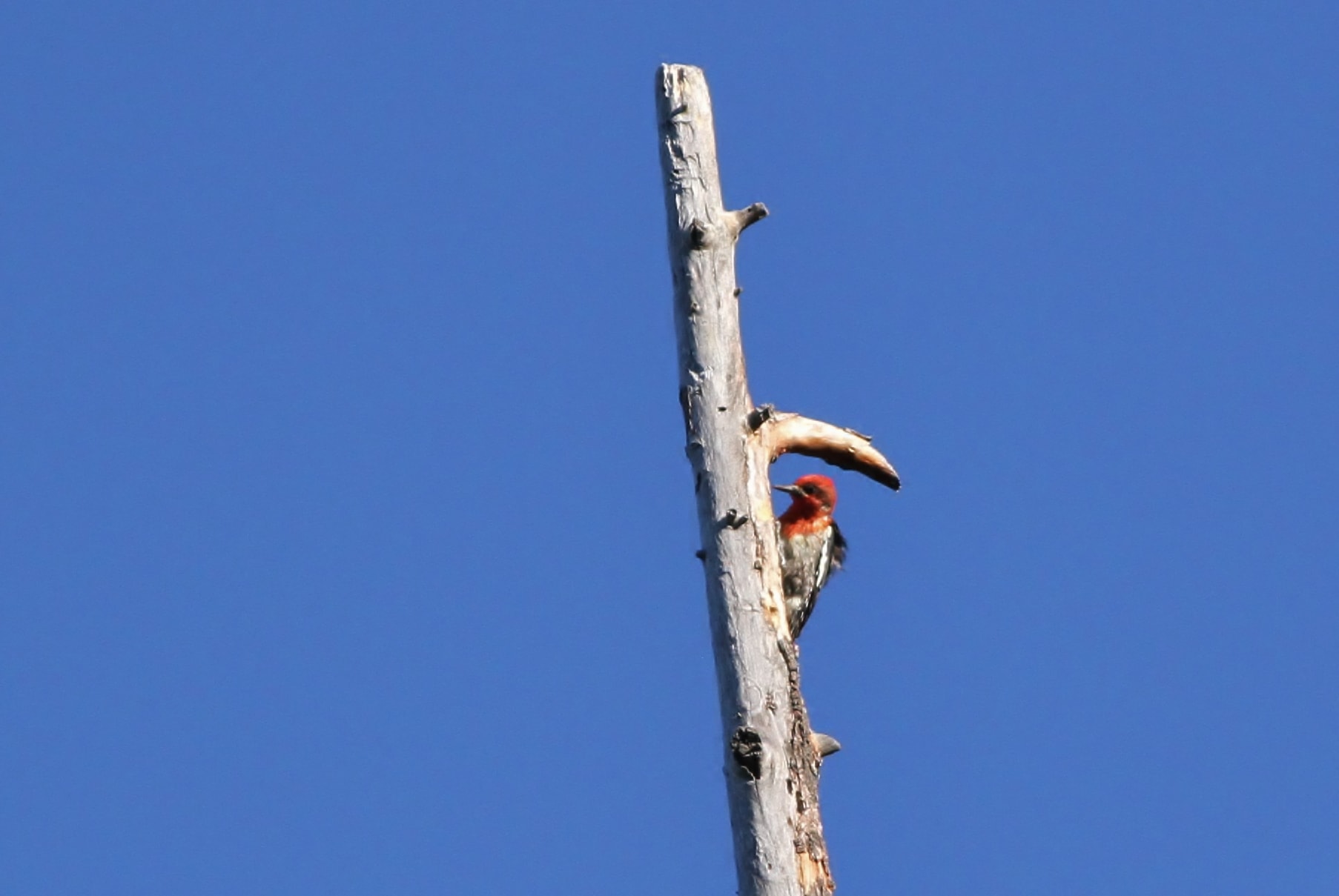
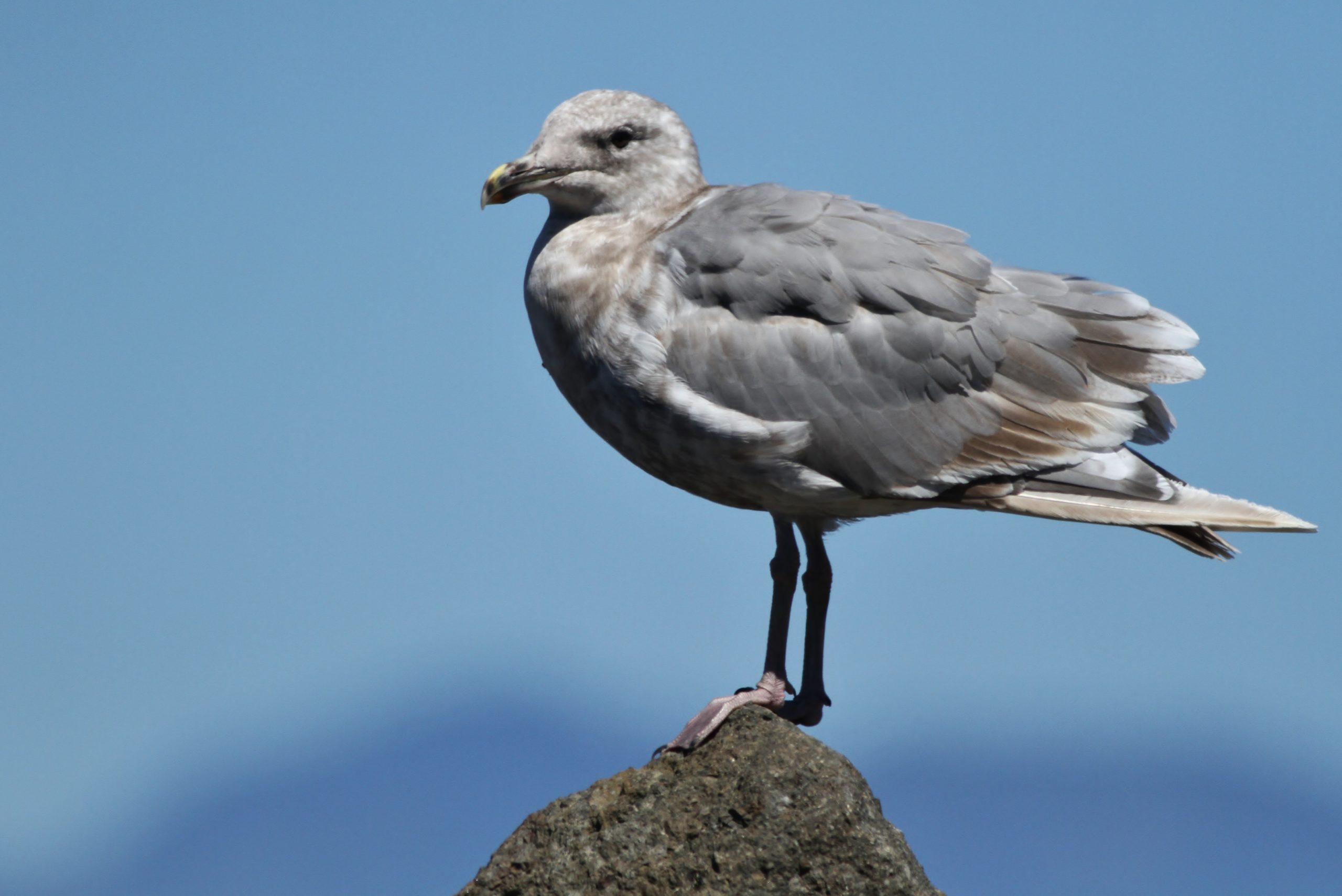
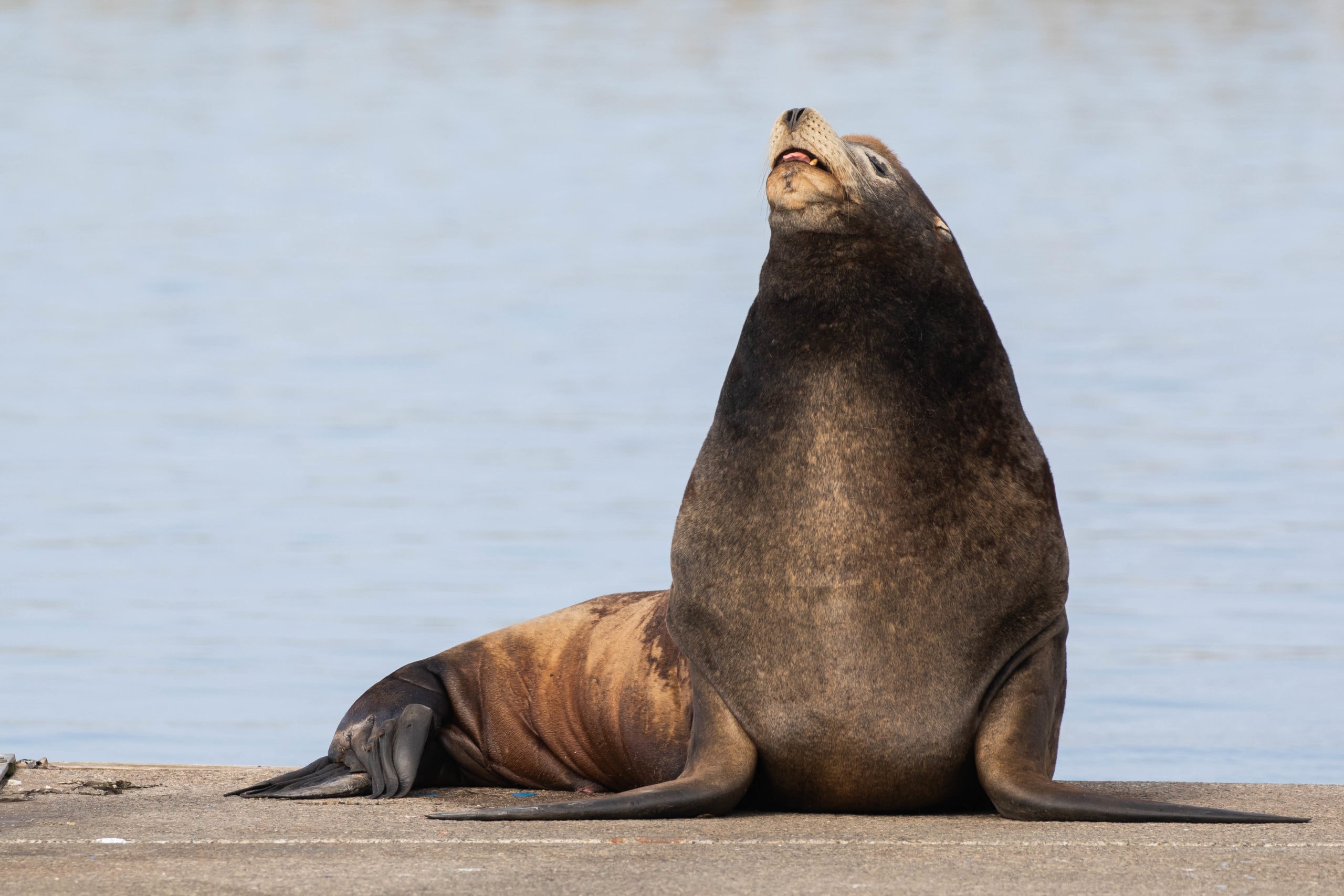
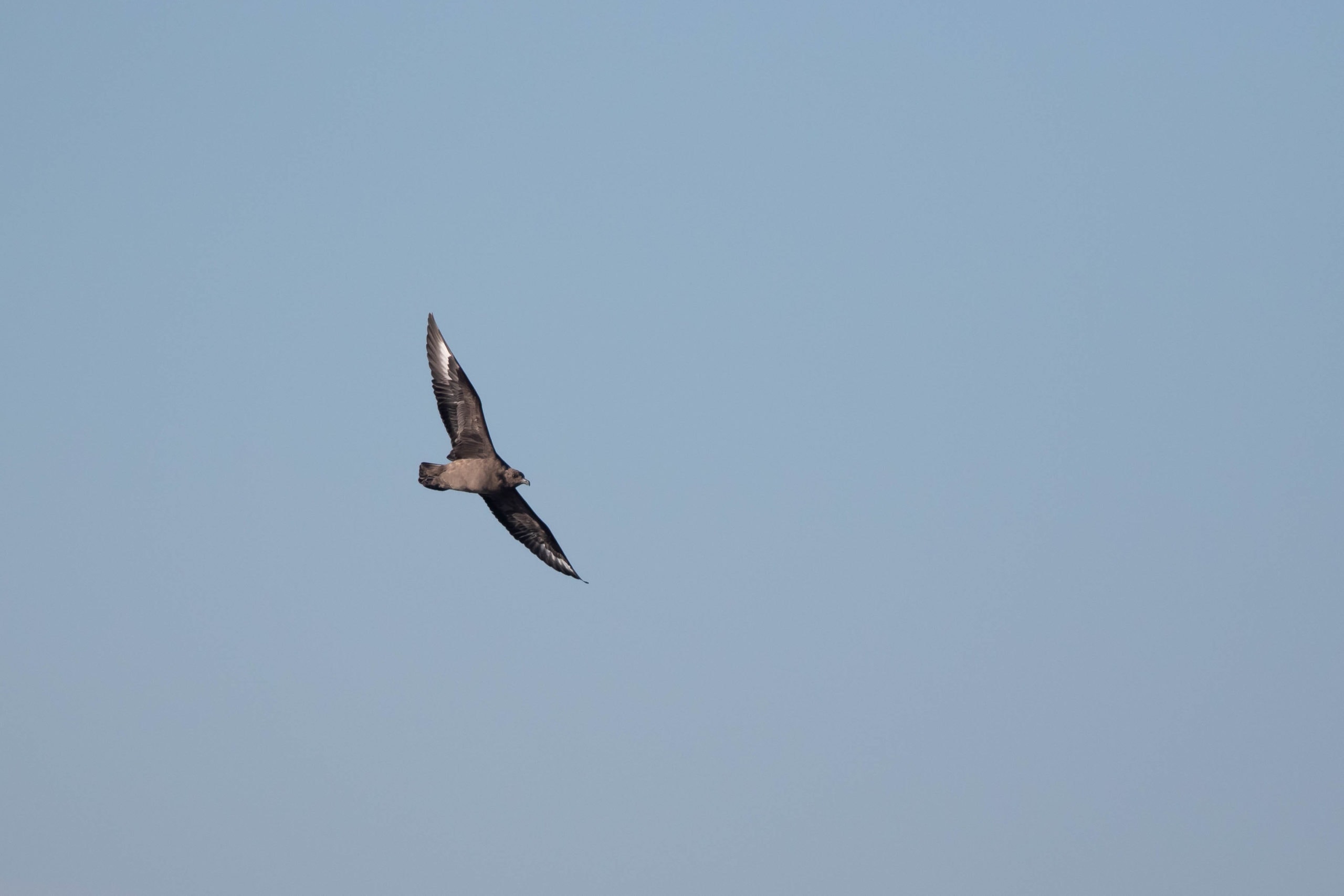
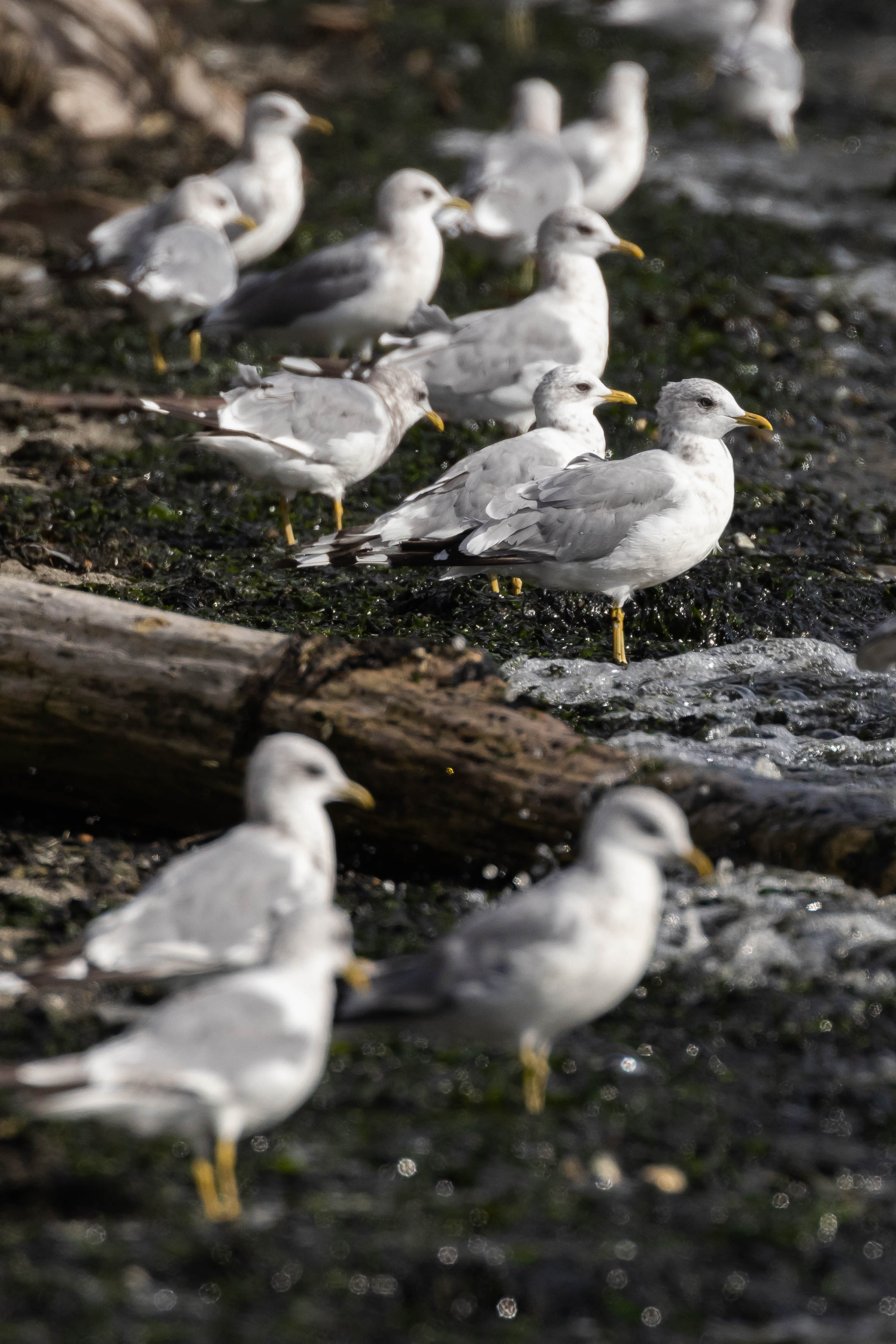
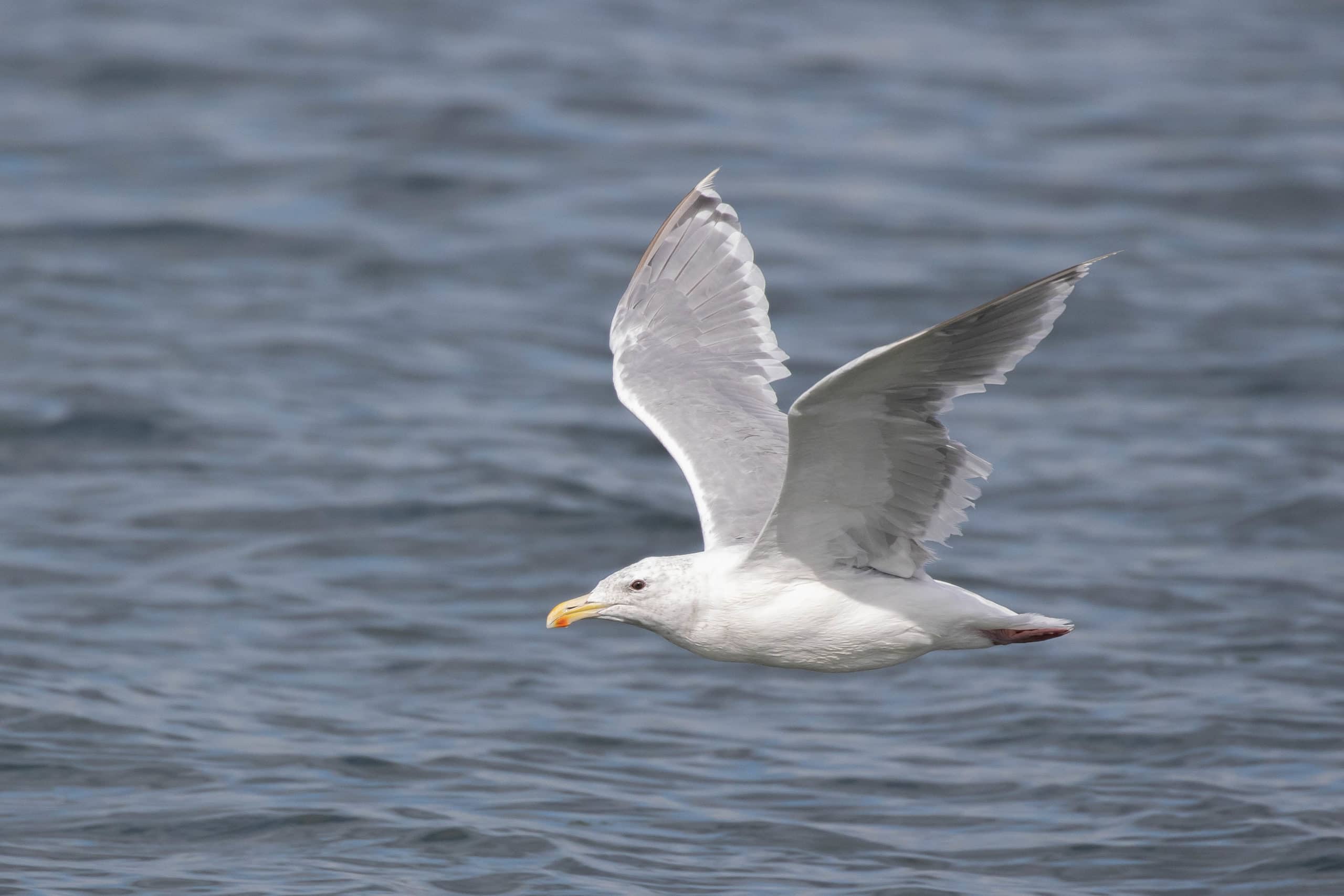
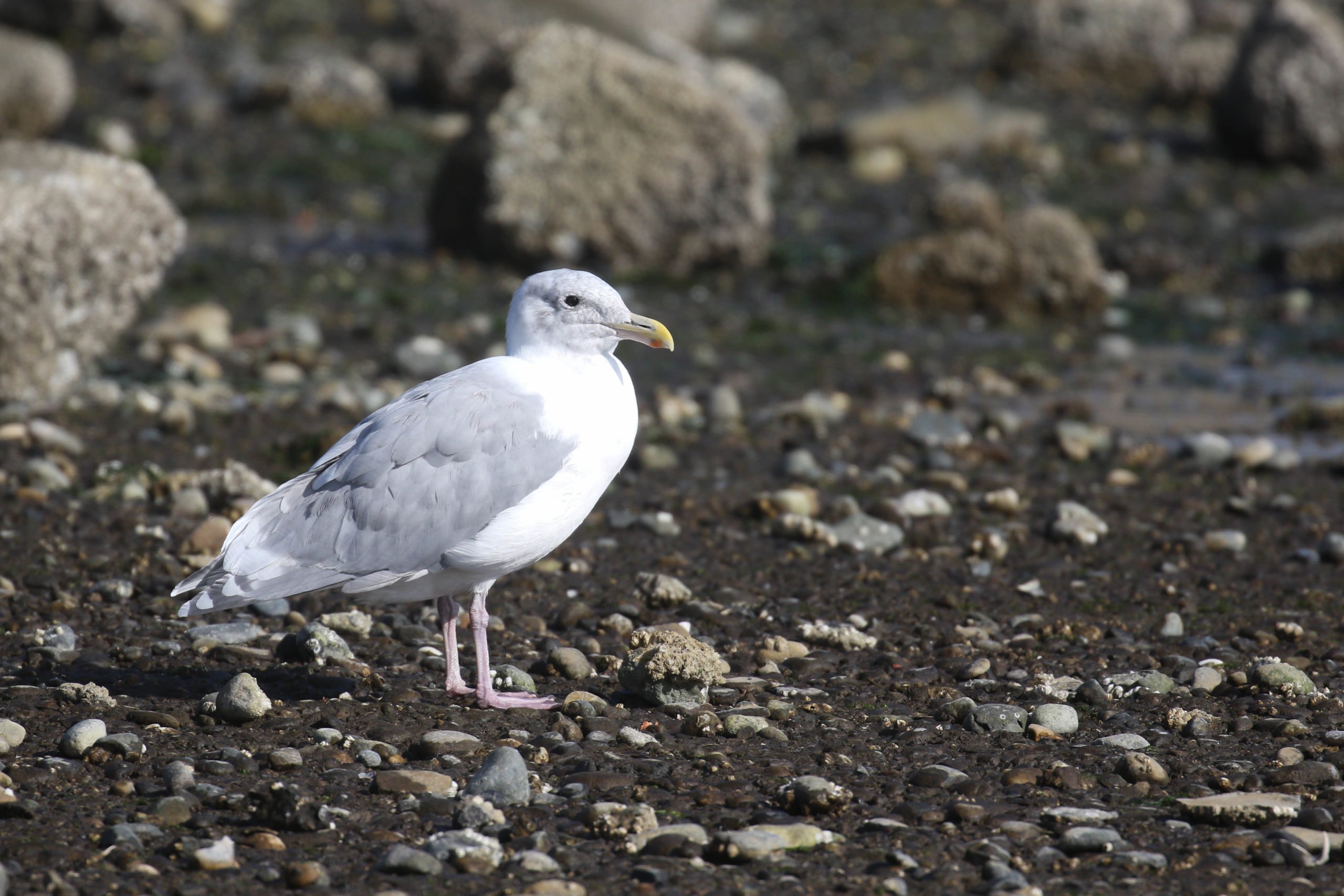
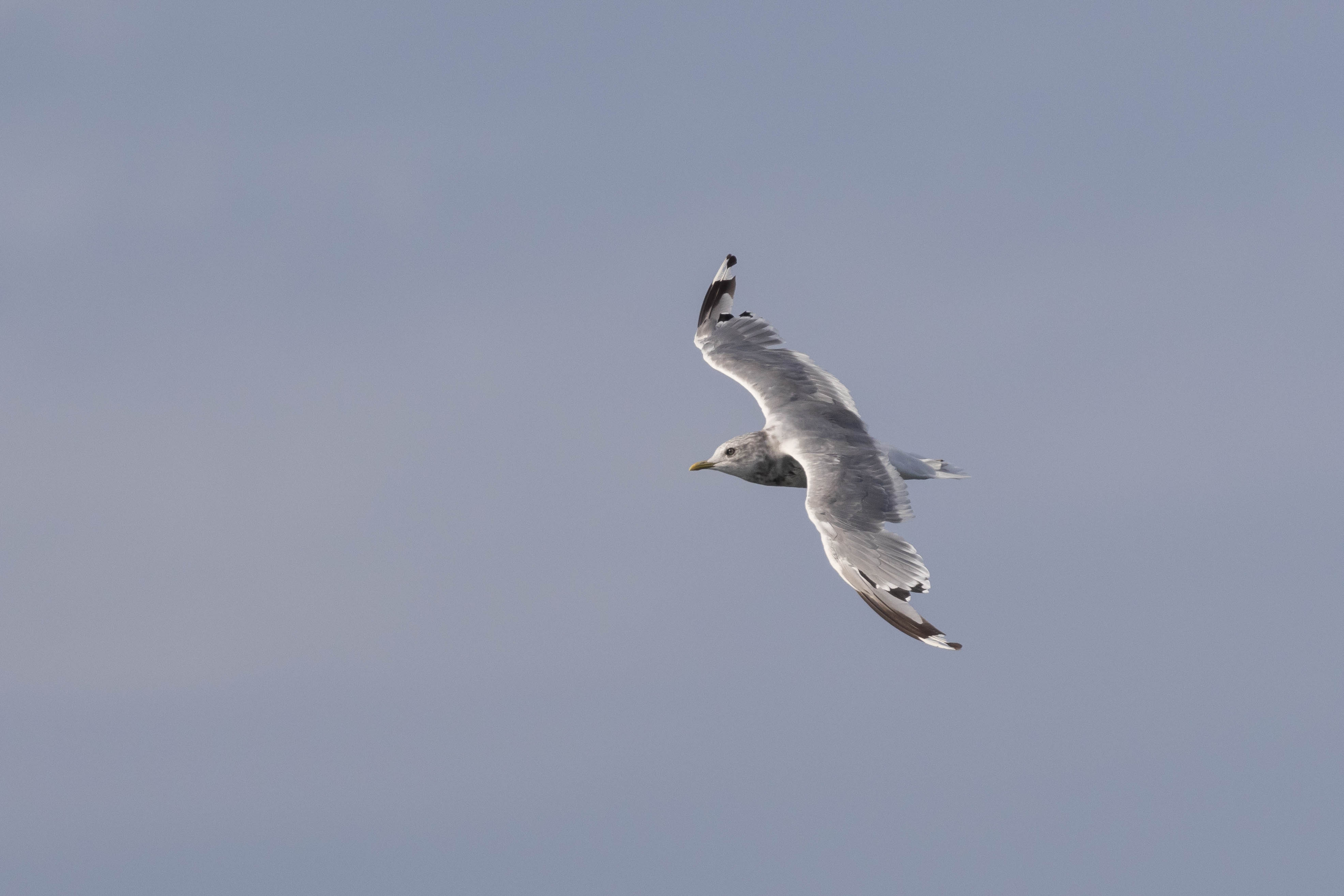
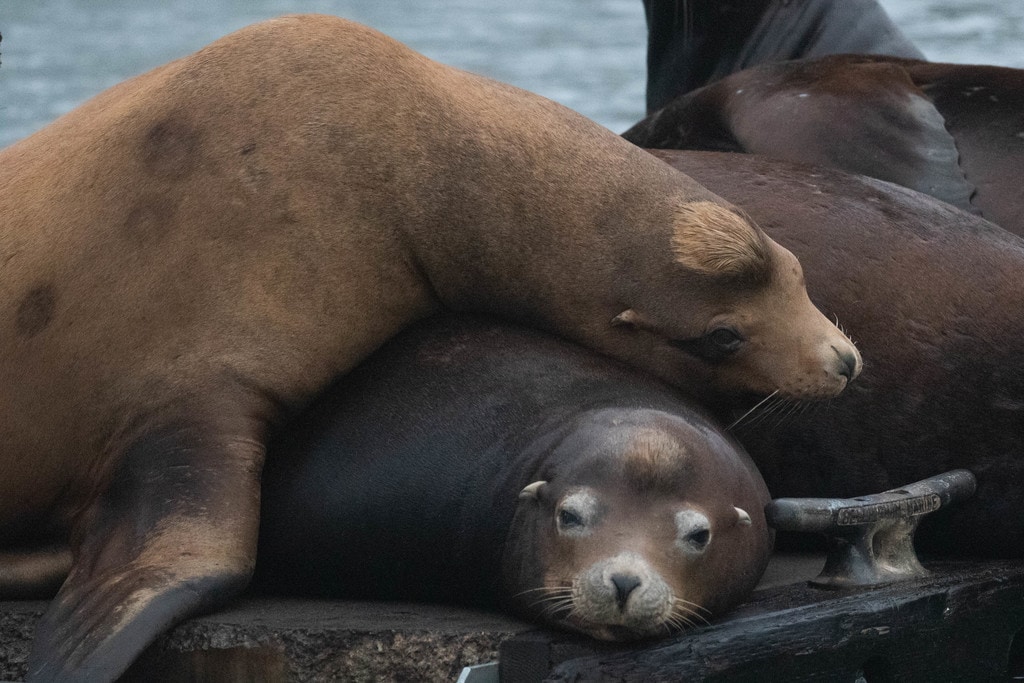
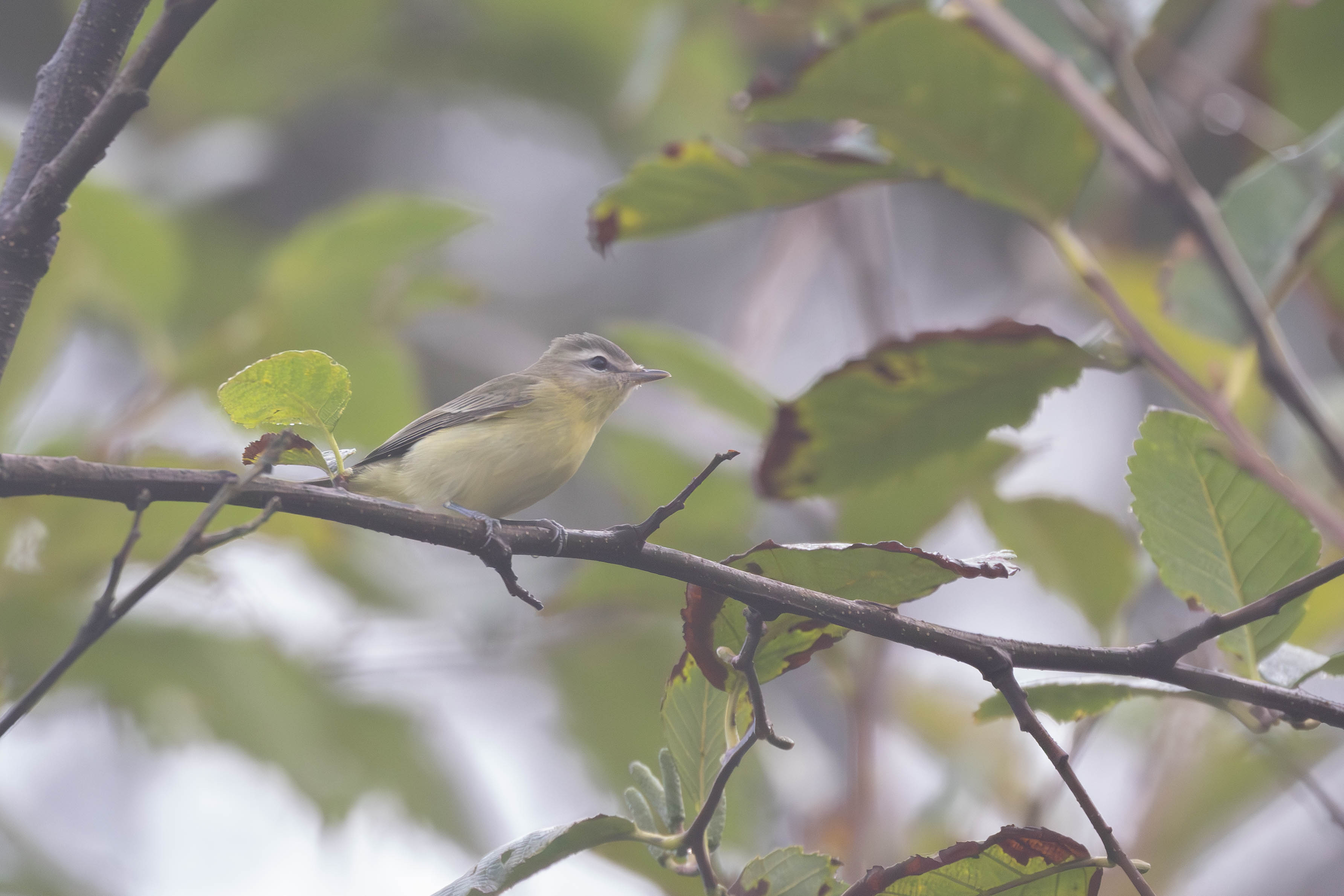
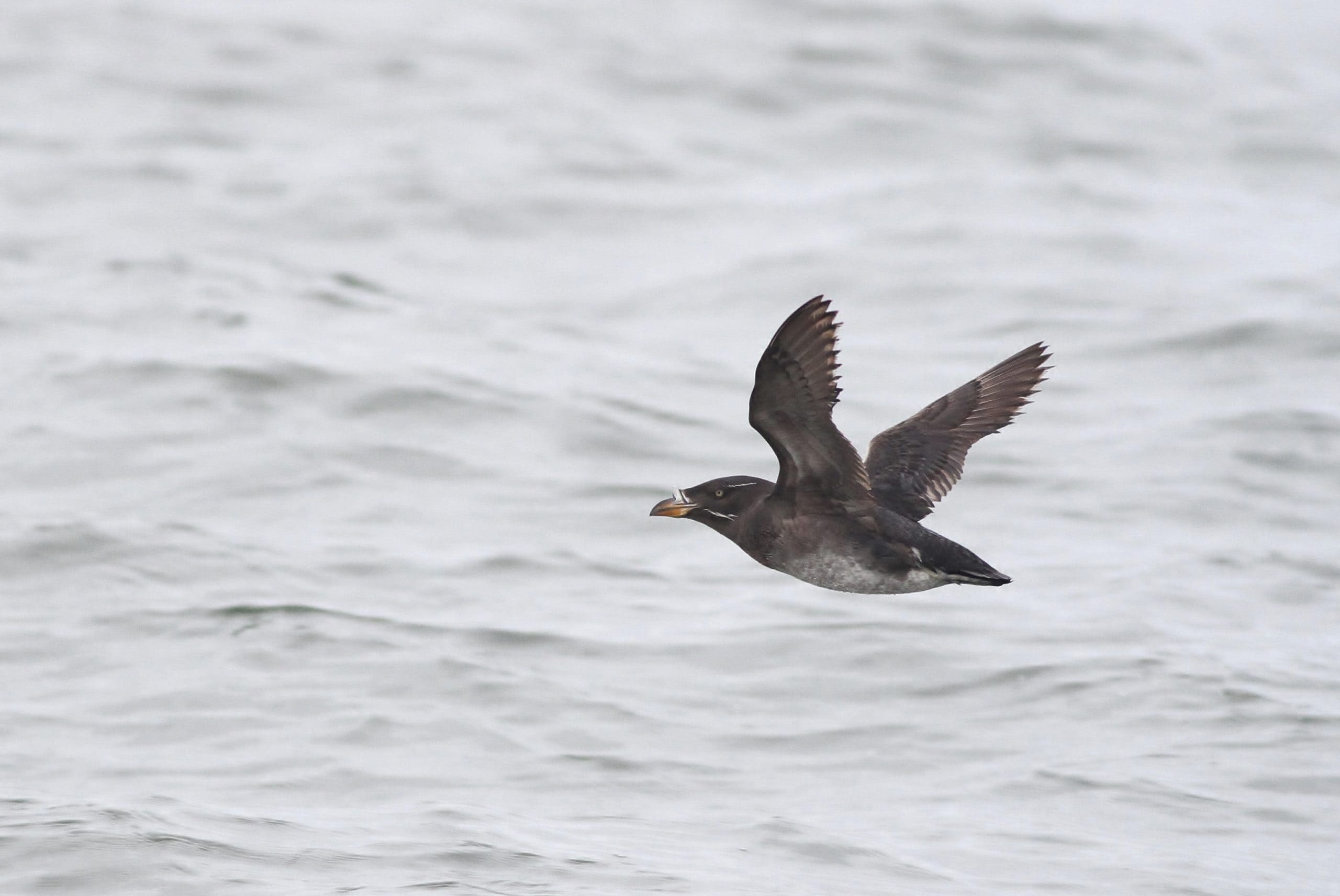
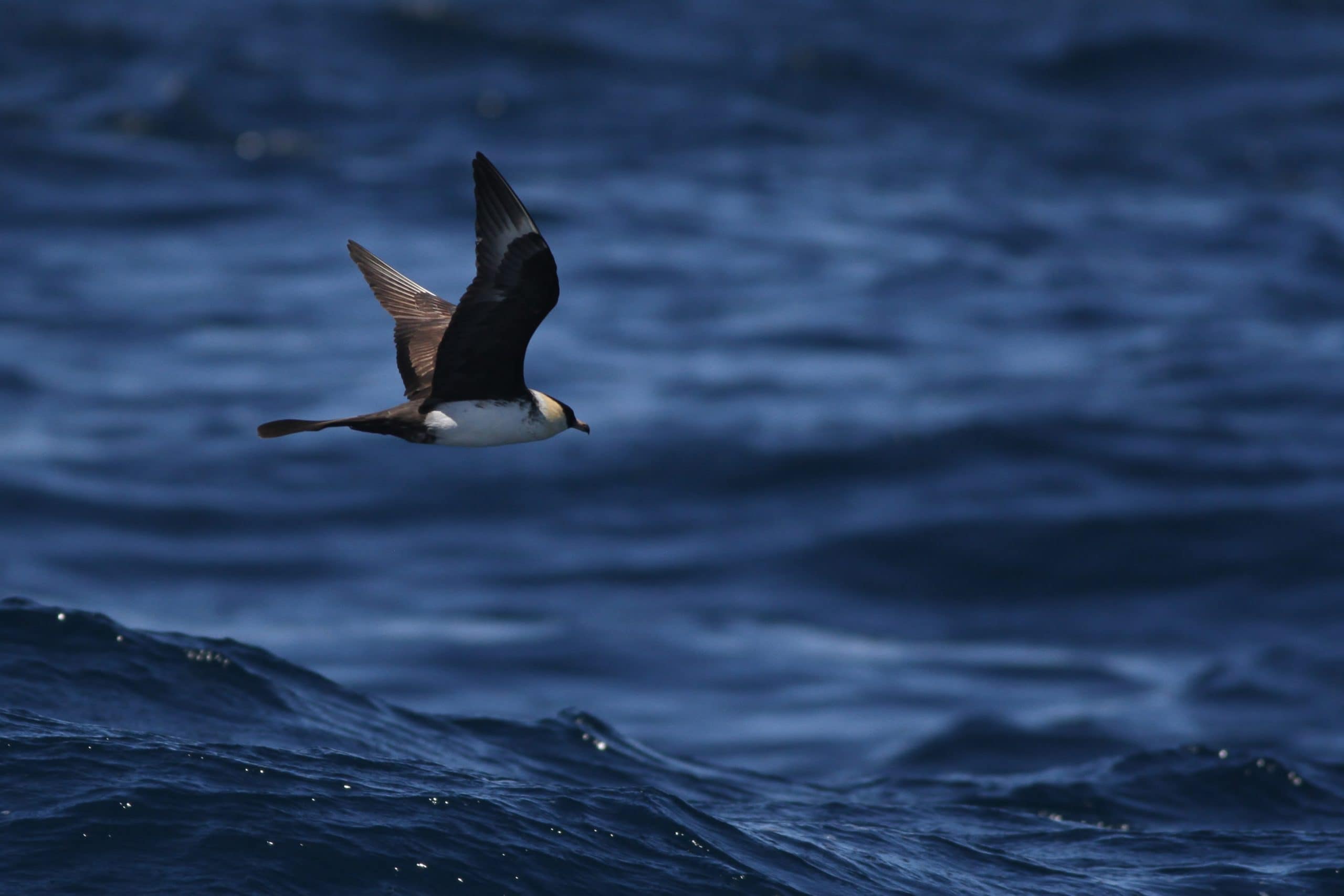
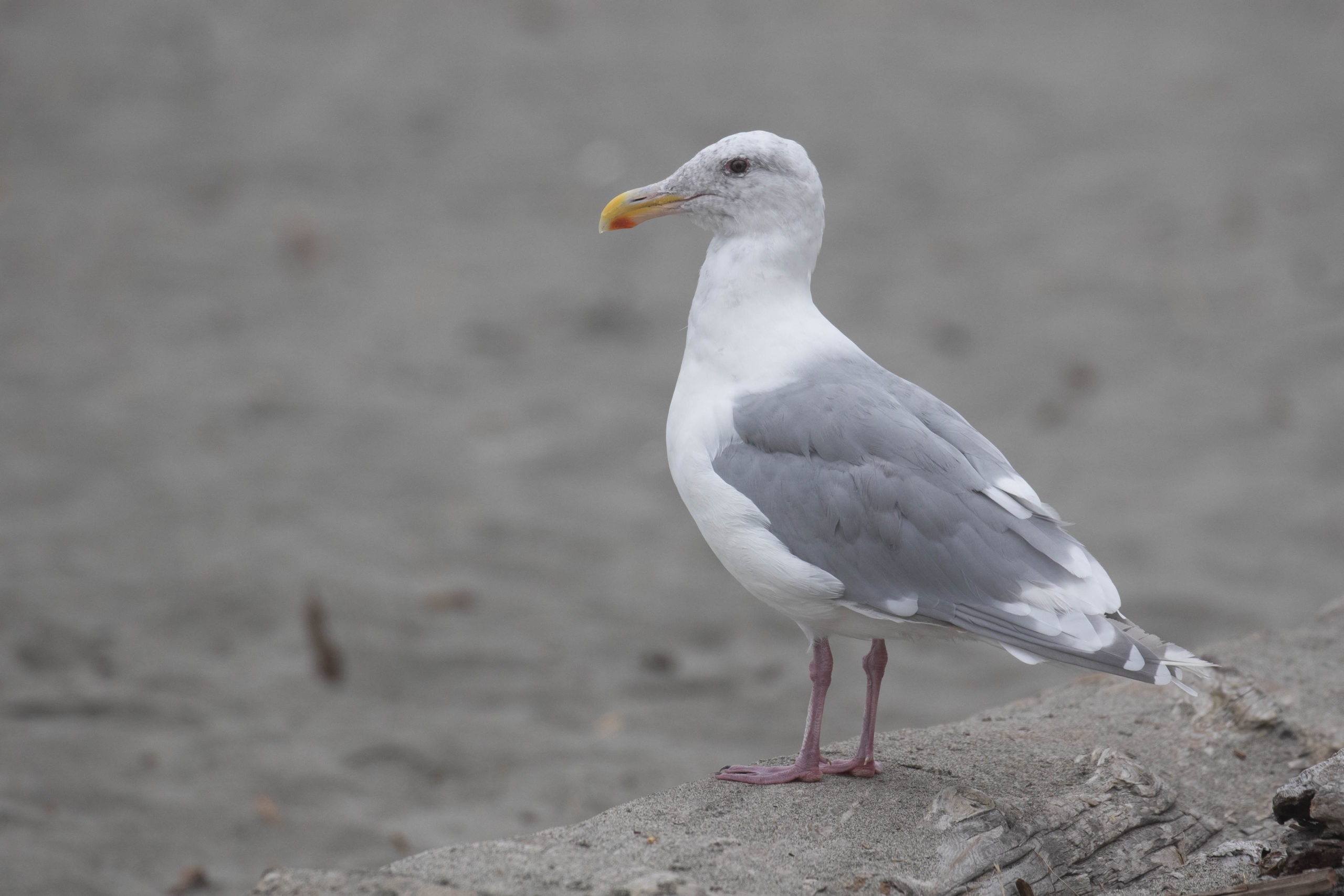
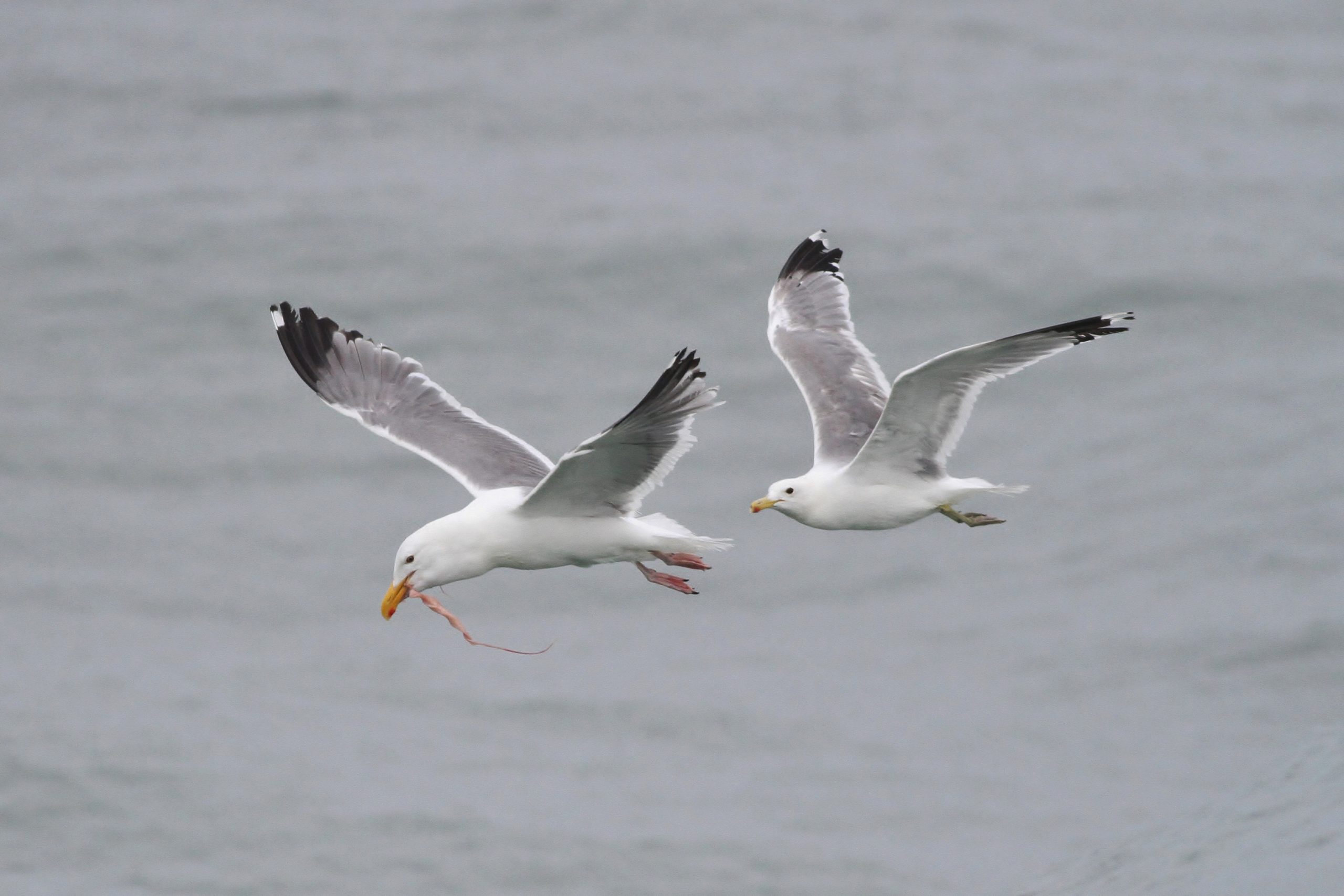
Please plan for a morning (pre-noon) arrival at Seattle-Tacoma International Airport in Seattle, WA (SEA), or even better, arrive a day ahead of the tour. Ask us about hotel recommendations if you choose to arrive early! To kick off our birding adventure we will head straight to Alki Point and then Discovery Park. These awesome parks jut out into Puget Sound and we’ll hit the ground running with a great diversity of classic Pacific Northwestern species! We’ll get our first views of both the Cascade Mountains to our east and the Olympic Mountains to our west. The often glassy-calm and foggy Puget Sound surrounds us. Anna’s Hummingbird, Band-tailed Pigeon, Red-breasted Sapsucker, Hutton’s Vireo, Hermit Thrush, “Oregon” Dark-eyed Junco, Orange-crowned Warbler, Lincoln’s Sparrow, and Chestnut-backed Chickadee can be found in the forested groves and grassy meadows. We’ll look and listen for flocks of Red Crossbill, Pine Siskin, “Western” Purple Finch, and Evening Grosbeak overhead. Along the tidal beach we’ll find Short-billed Gull, California Gull, Glaucous-winged Gull, and the regional specialty “Olympic Gull” which are a hybrids of Western and Glaucous-winged Gulls, and are actually the most prevalent gull in the region. Horned and Red-necked Grebes are often floating out on the sound, and we might spot Common Loons and Parasitic Jaeger from here. We should get our first views of Rhinocerous Auklet! Occasionally Harbor Porpoise and California Sea Lion can be spotted offshore. Other regional hotspots will be visited as time allows. Orientation at dinner. Night in Seattle, WA.
Day 2 – Gog-Le-Hi-Te Wetlands, Point No Point & Salish Sea Hotspots. Night in Port Angeles.
We’ll set off early from Seattle to Gog-Le-Hi-Te Wetlands, a small urban wetland complex with potential for migrant songbirds and Virginia Rail. The diversity and composition of migrant songbirds varies year-to-year, but Townsend’s Warbler, Black-throated Gray Warbler, Orange-crowned Warbler, Yellow-rumped Warbler, Wilson’s Warbler, Pacific-slope Flycatcher, Willow Flycatcher, and Western Tanager should be expected. Locally common birds like Steller’s Jay, California Scrub-Jay, Common Raven, Spotted Towhee, Golden-crowned Sparrow, and “Puget Sound” White-crowned Sparrow are abundant. This is a very important migratory route for salmon and we will likely see many gulls, Great Blue Herons, and Bald Eagles looking for a seafood snack.
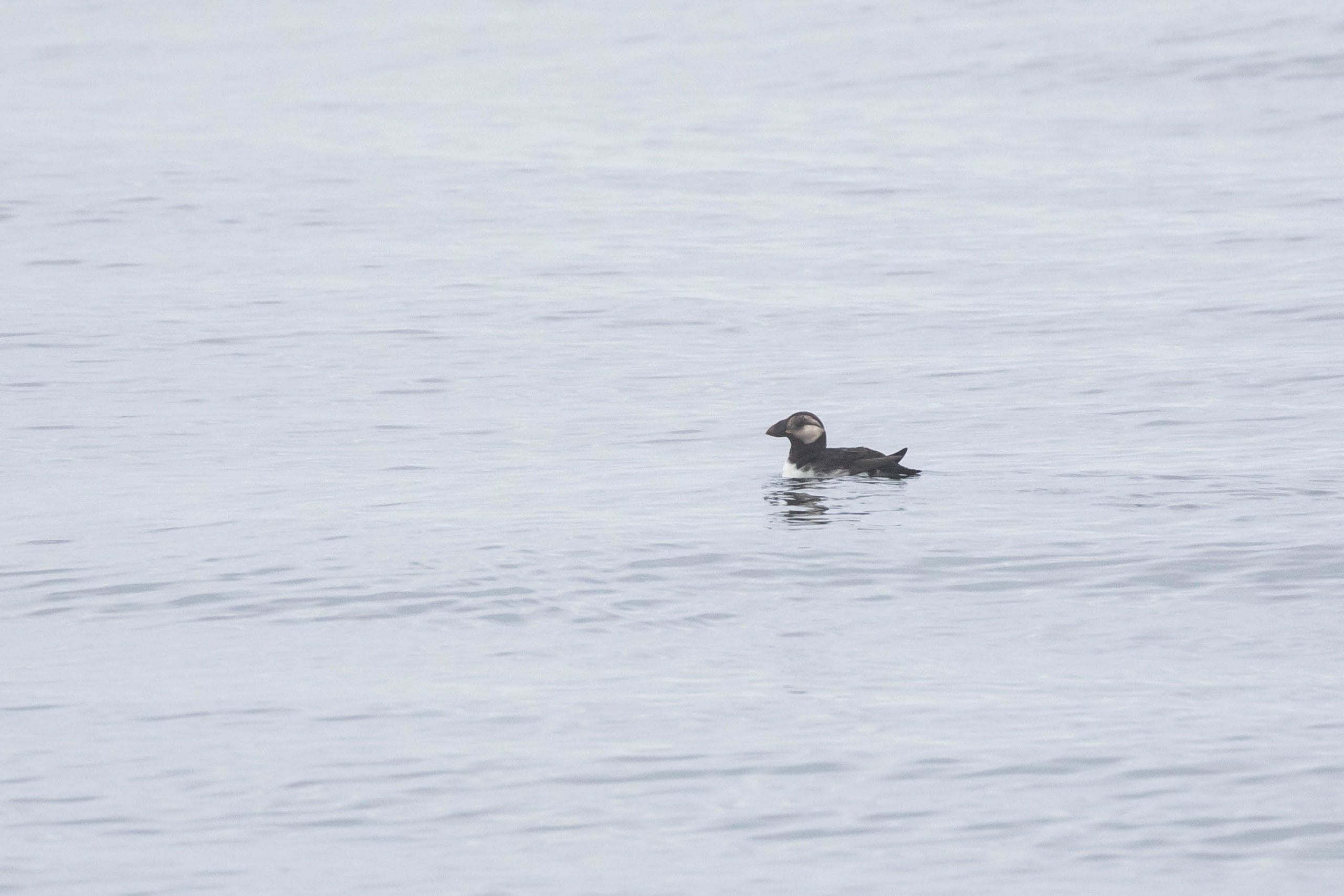
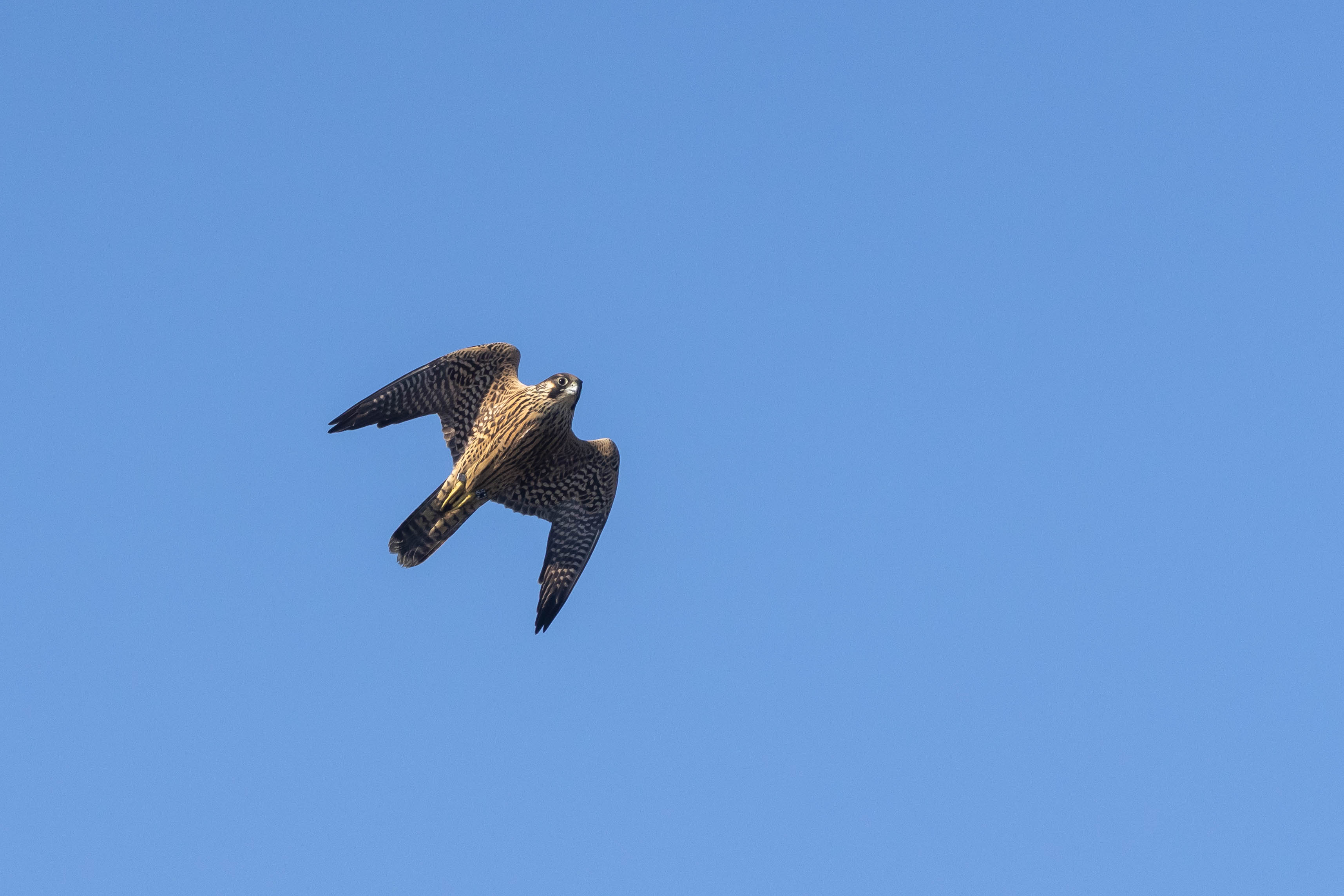
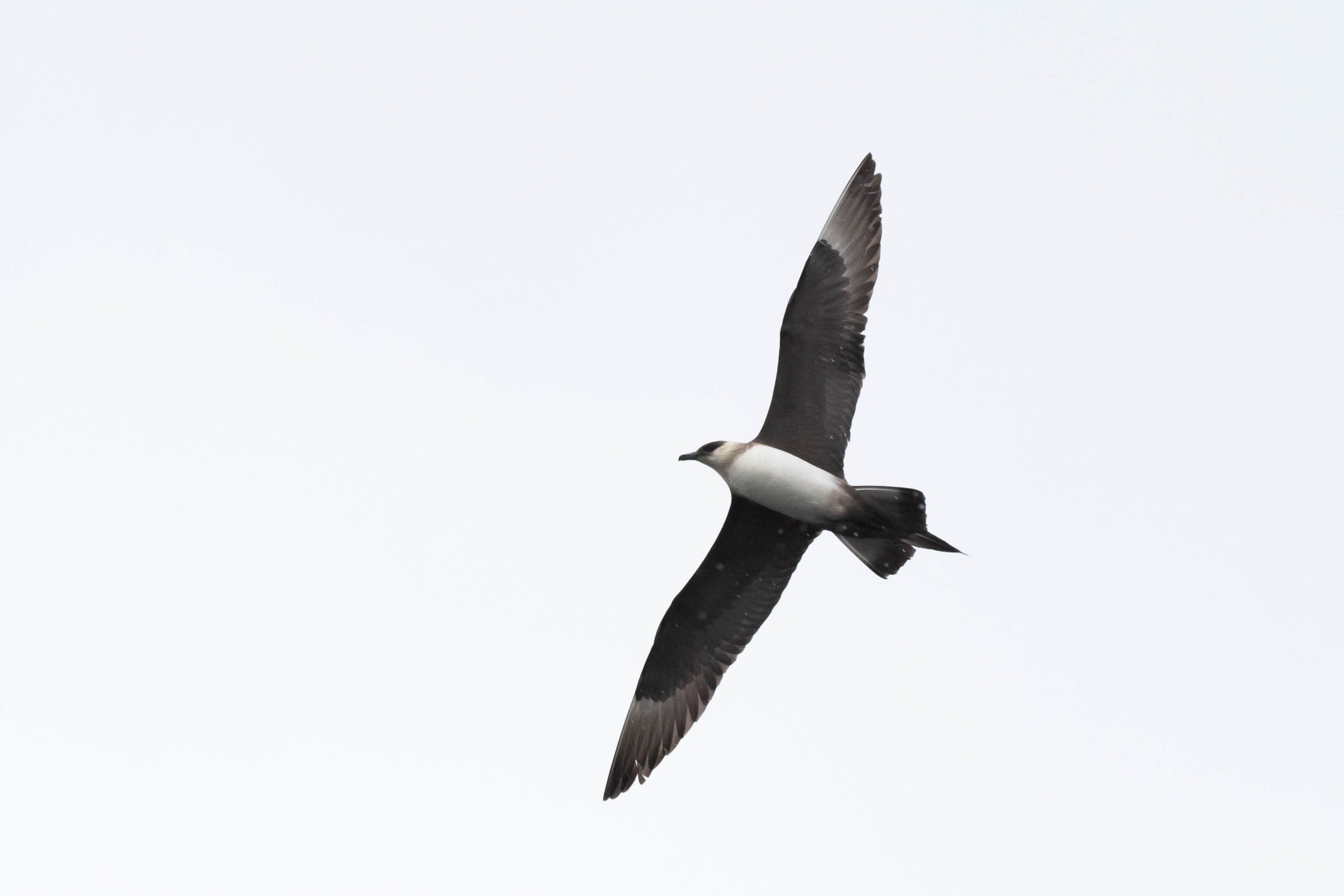
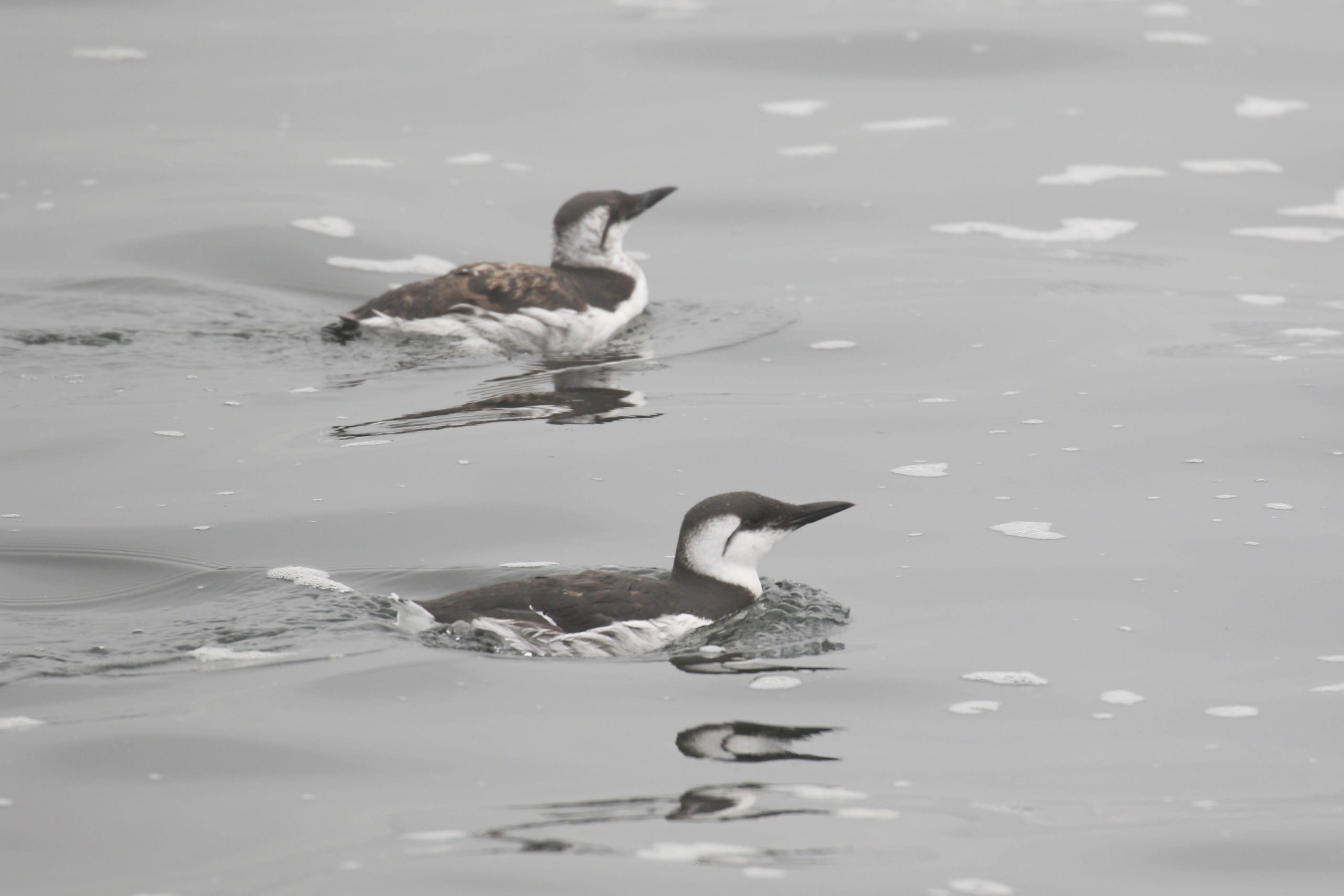
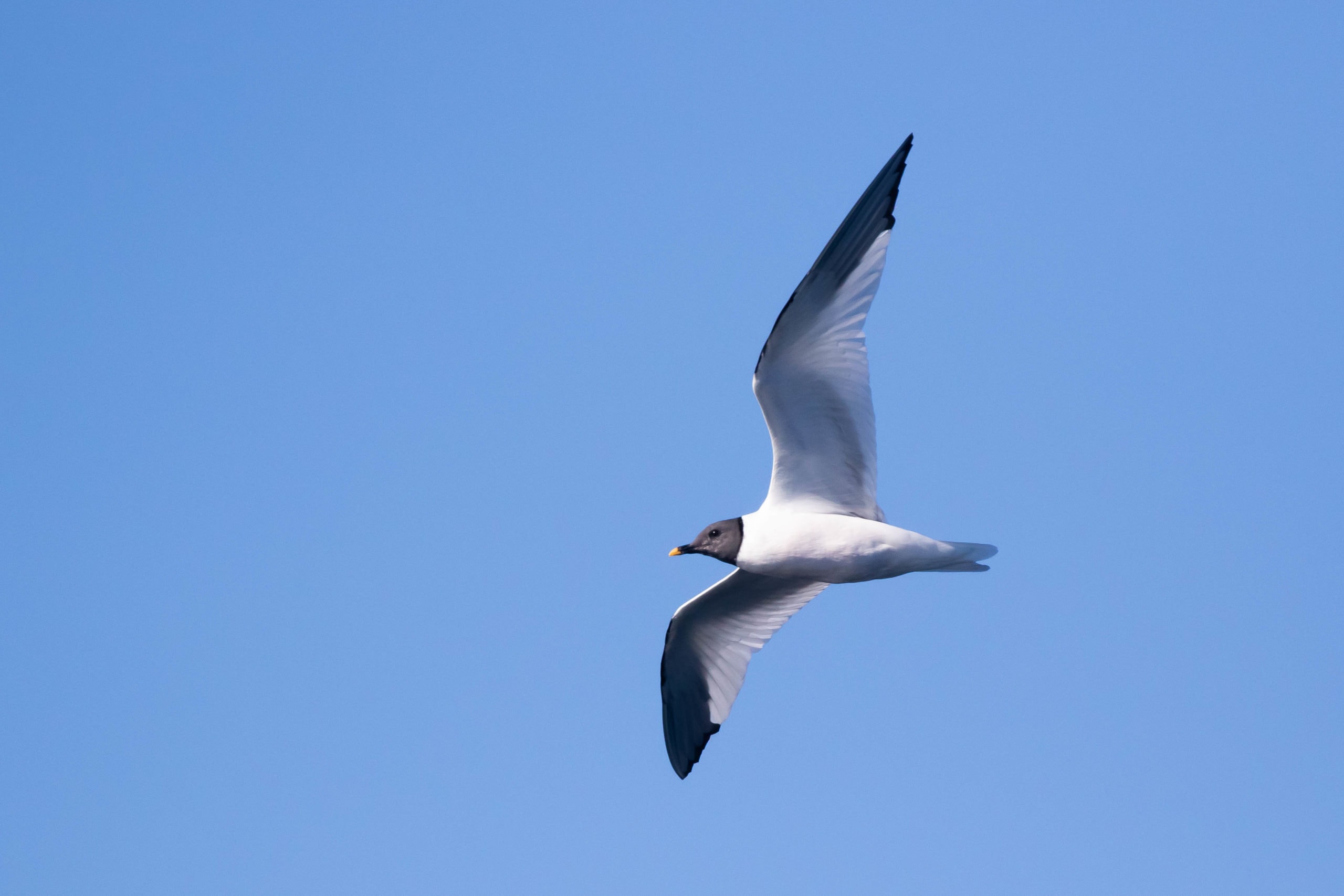
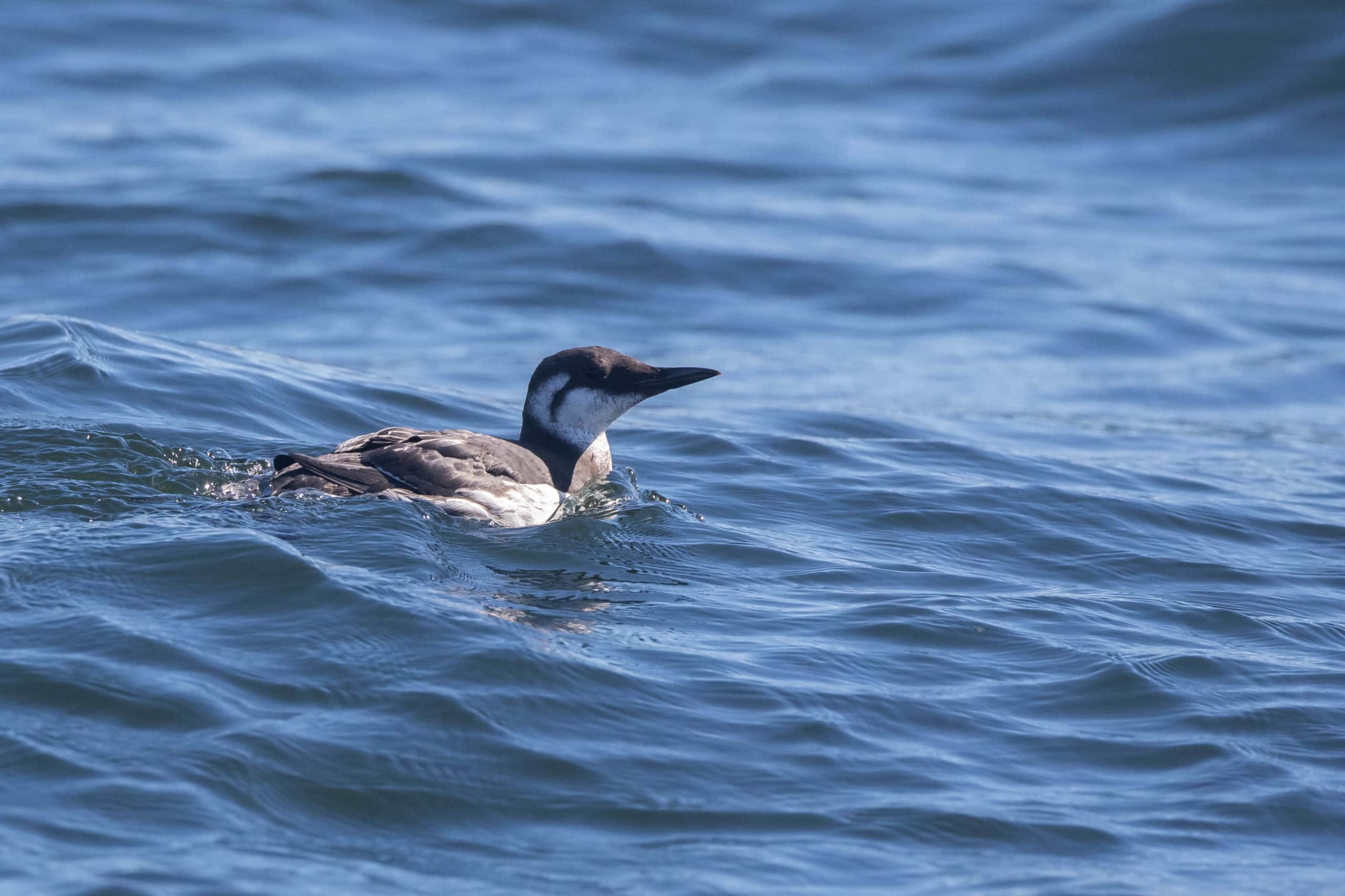
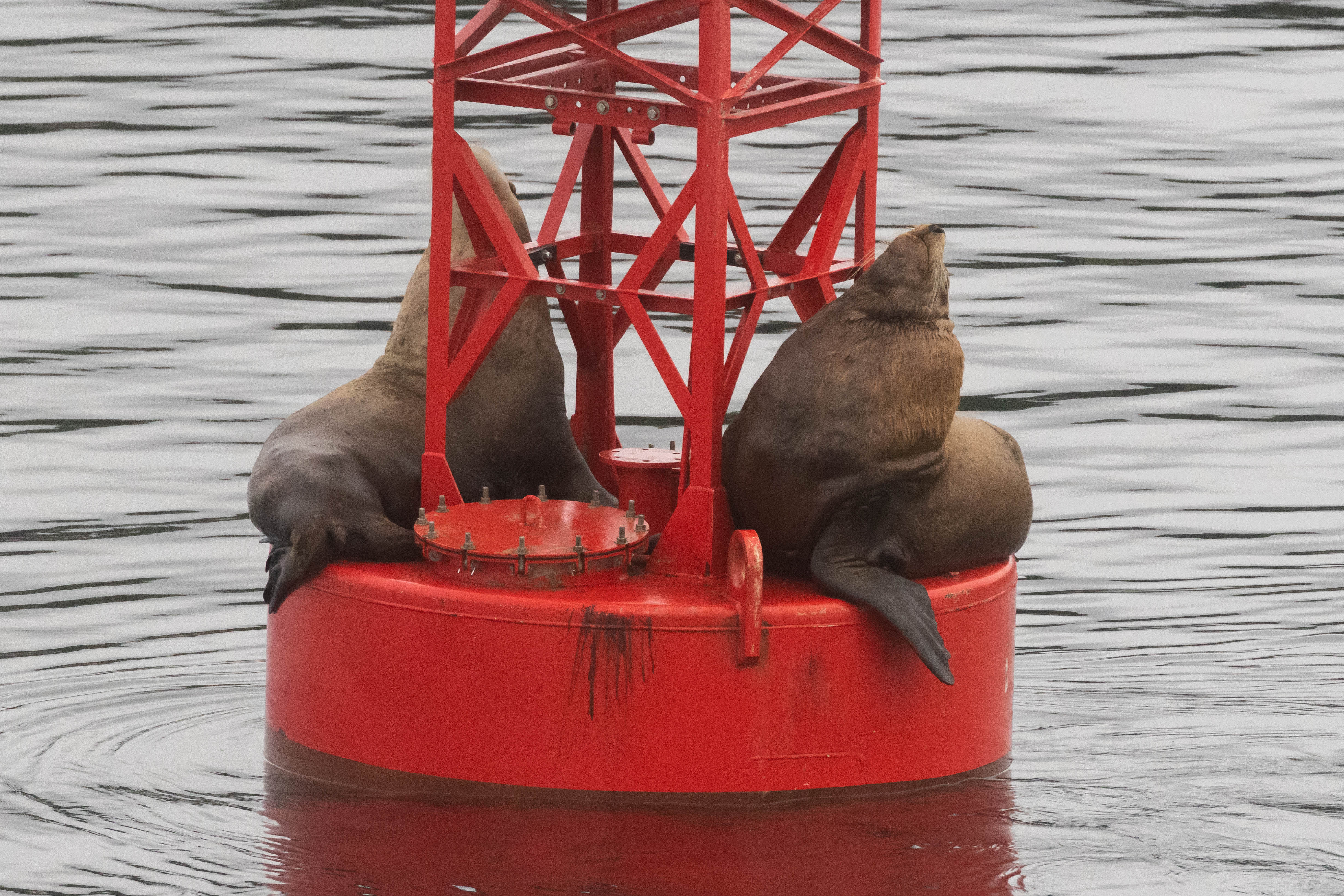
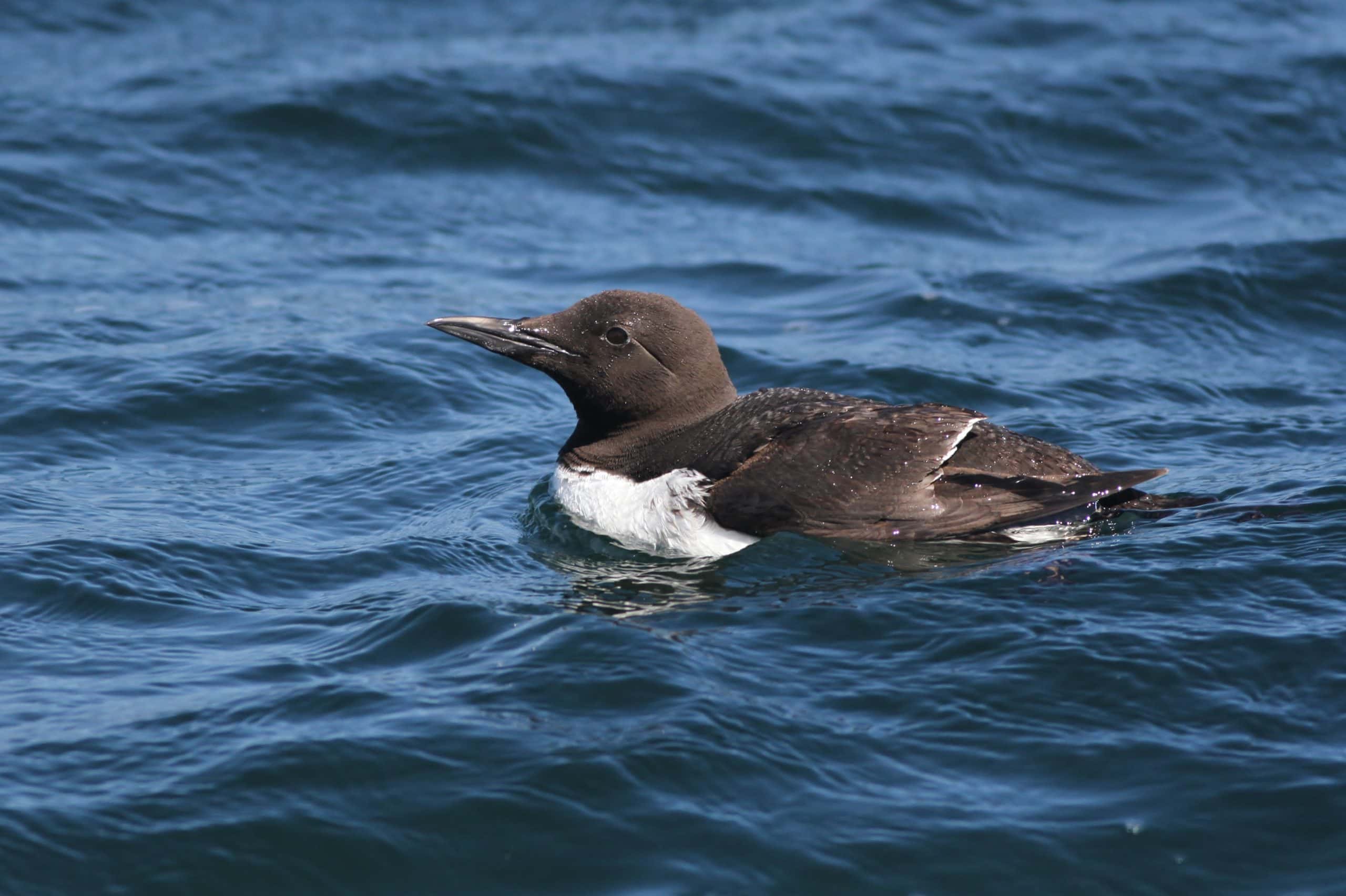
Next we’ll head to the tip of the Kitsap Peninsula at the north end of Puget Sound. The famous Point No Point Lighthouse we’ll be our main destination for the afternoon. This is actually the top birding hotspot in the State of Washington with over 160 species recorded here during September. Dramatically swift tides work to congregate waterbirds right at the tip of the point for very close viewing. More than 25 species of waterfowl, 4 species of loons, 6 species of grebes, 13 species of gulls, jaegers, and an amazing 6 species of alcids are possible here. We’ll spend some time scanning the sound and try to spot a few of these great birds. Common Murre, Pigeon Guillemot, Marbled Murrelet, Cassin’s Auklet, and Rhinoceros Auklet are possible. The rare Ancient Murrelet may just be arriving here for the winter months. Parasitic Jaegers are the regular at this location, often chasing around migrating flocks of Bonaparte’s Gulls. Brandt’s and Pelagic Cormorants are common. A short hike around the brushy and forested areas at the point can often turn up warblers, sparrows, and Brewer’s Blackbirds. In past trips we have seen Steller’s Sea Lion and Northern Elephant Seal here!
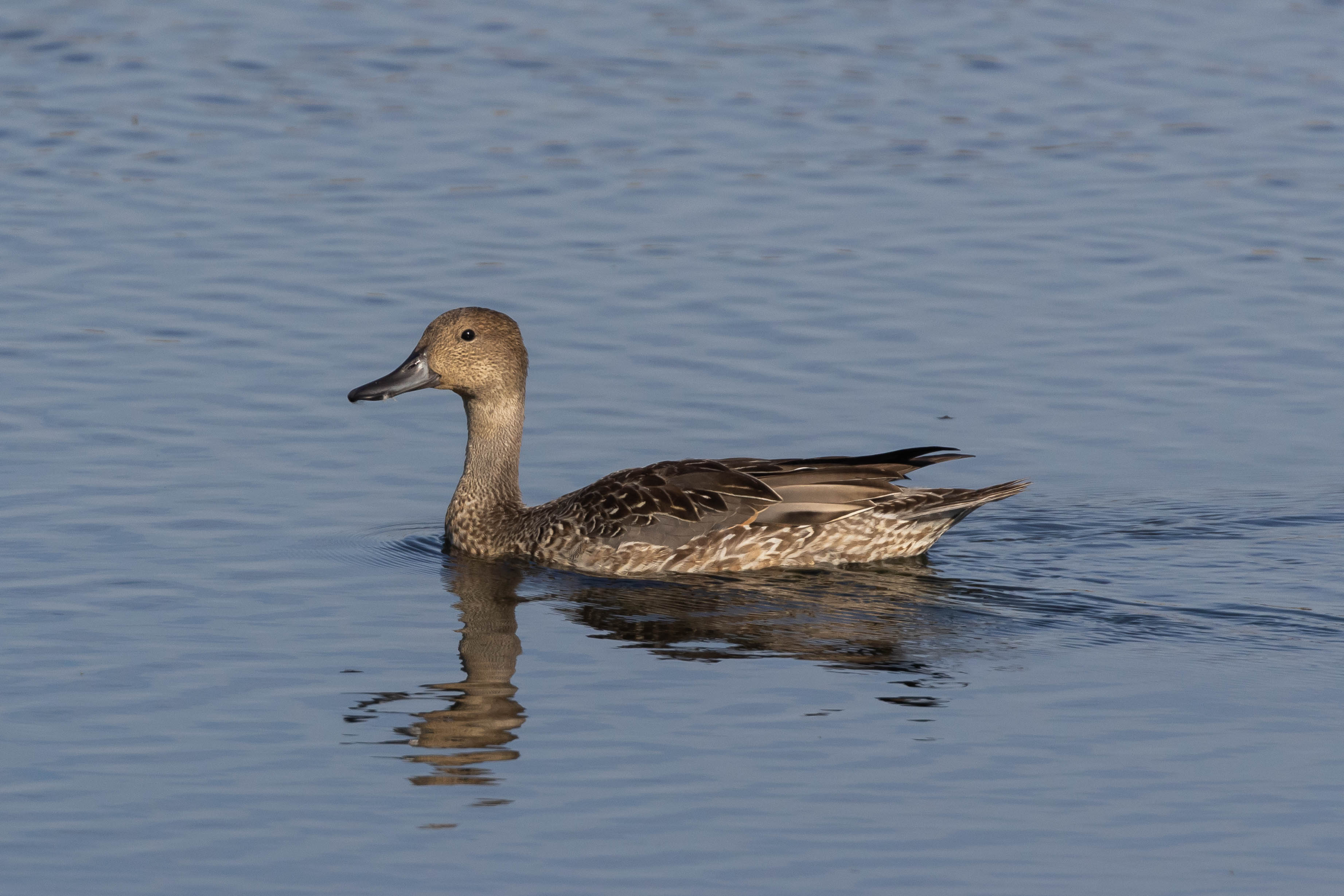
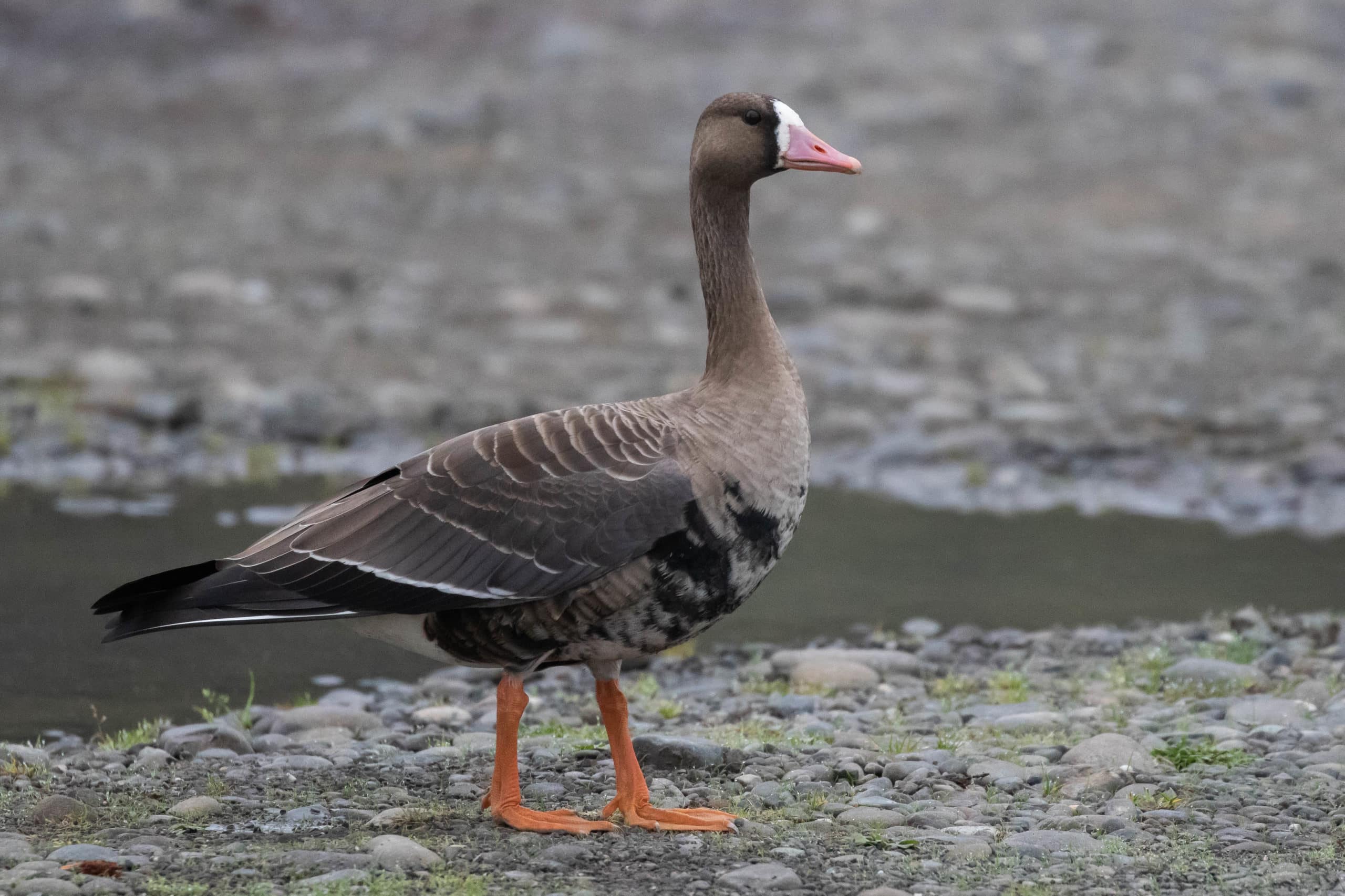
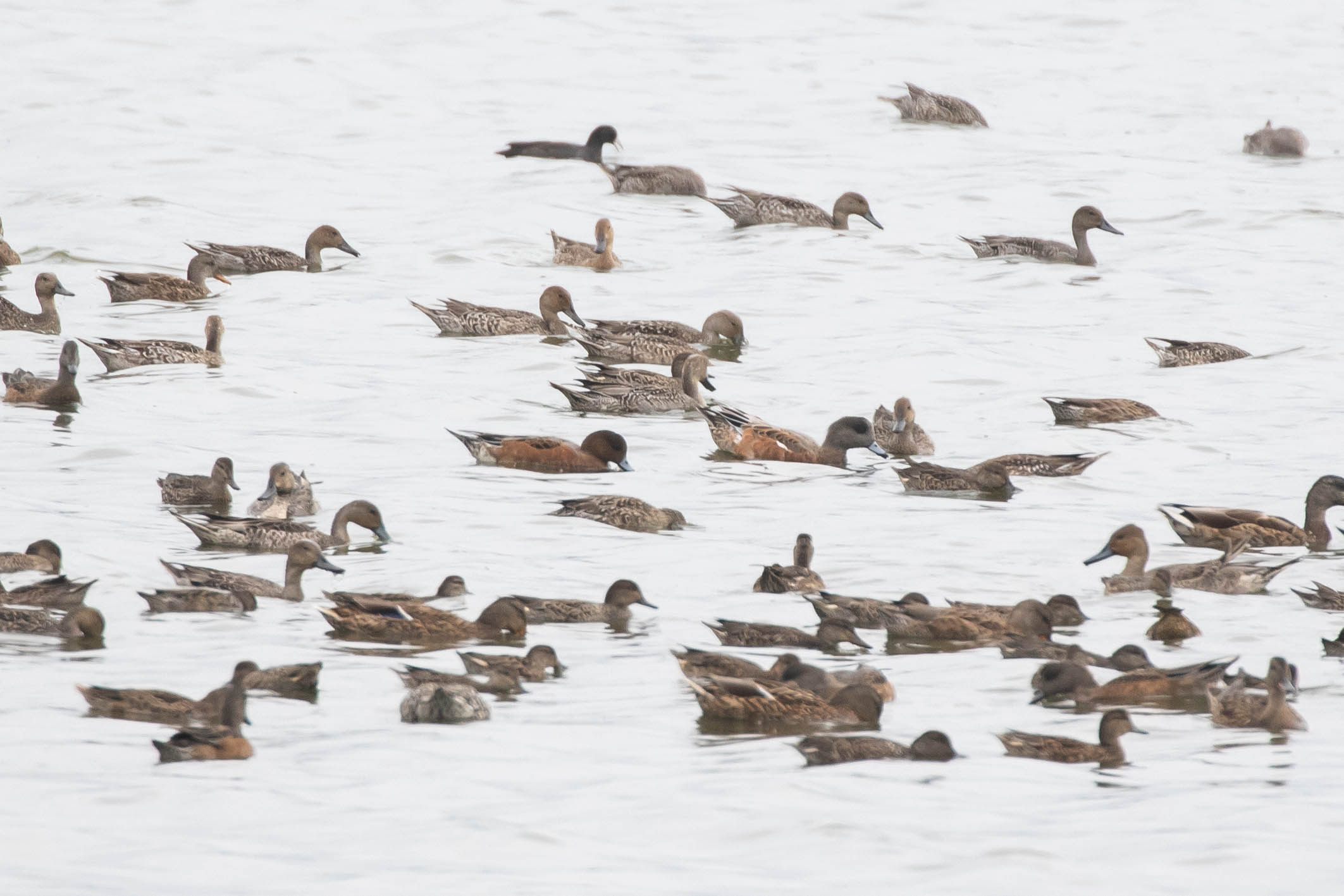
For the remainder of the day we’ll head west, passing through Port Gamble and then officially arriving on the Olympic Peninsula! The estuary at Three Crabs and a visit to Dungeness NWR will be highlights of the afternoon hours and then we’ll get our first taste of fresh-caught seafood at dinner in Port Angeles. This well-known birding site is situated along the Strait of Juan de Fuca which forms the boundary of Washington and British Columbia. Various puddle ducks including Gadwall, American Wigeon, and Northern Shoveler can be found in the marshes while thousands of gulls gather to roost on the protected beaches. A careful scan often turns up Surf and even White-winged Scoters. Out on the water we may also spot alcids like Rhinoceros Auklet. Shorebirds can be found on the sandy beaches here including Western Sandpiper, Black-bellied Plover, American Golden-Plover, and the rare Pacific Golden-Plover. Huge flocks of Greater White-fronted Geese and Cackling Geese are likely to be encountered in the vast farmlands just inland from the coastline. Dungeness NWR is a huge refuge with a massive sandbar arching out into the sound. We won’t have a ton of time to dedicate to birding here, but it can be a reliable location for Red Crossbill, Barred Owl, Pacific Wren, and other forest birds. Night in Port Angeles, WA.
Day 3 – Hurricane Ridge, Neah Bay, & Cape Flattery. Night in Forks.
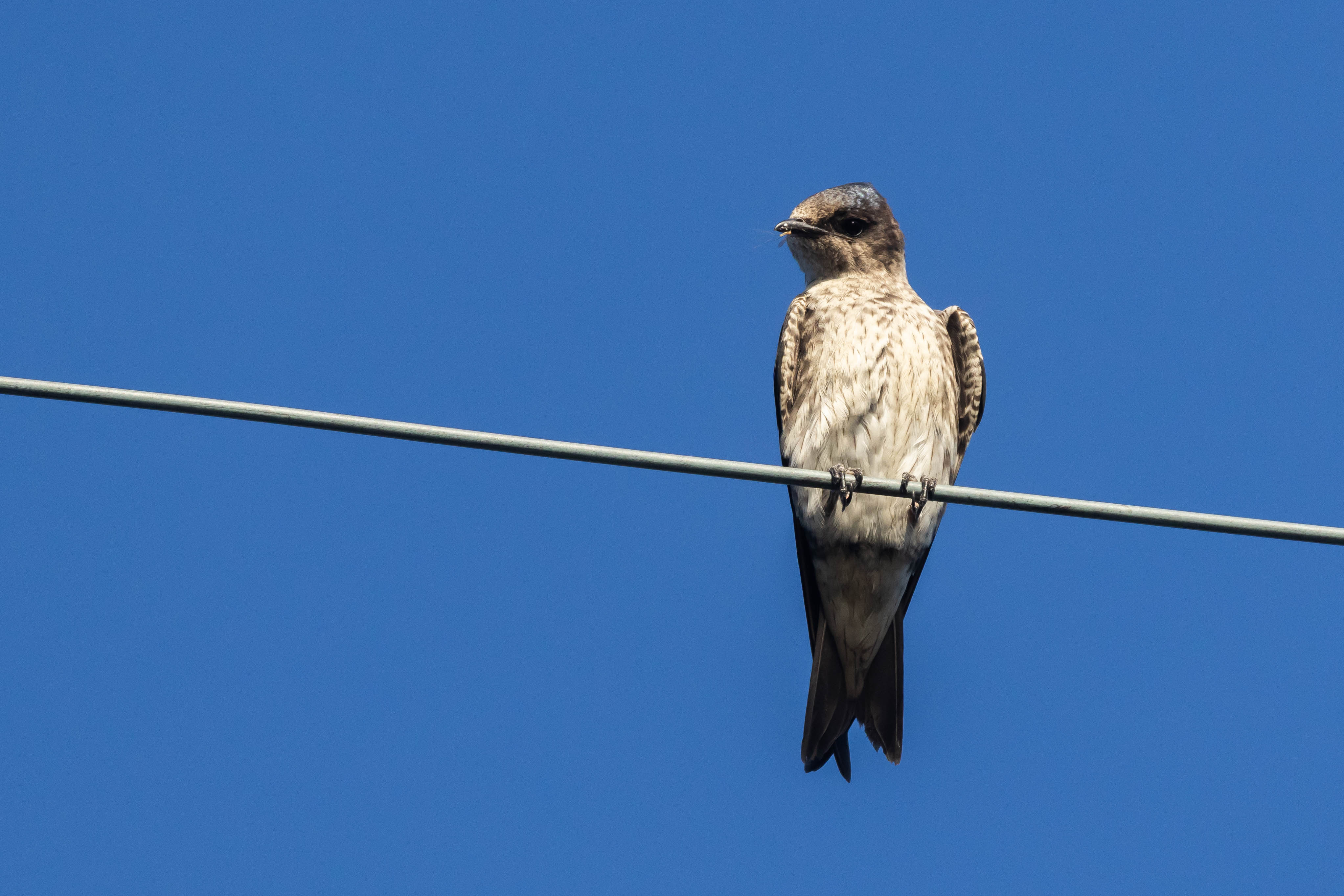
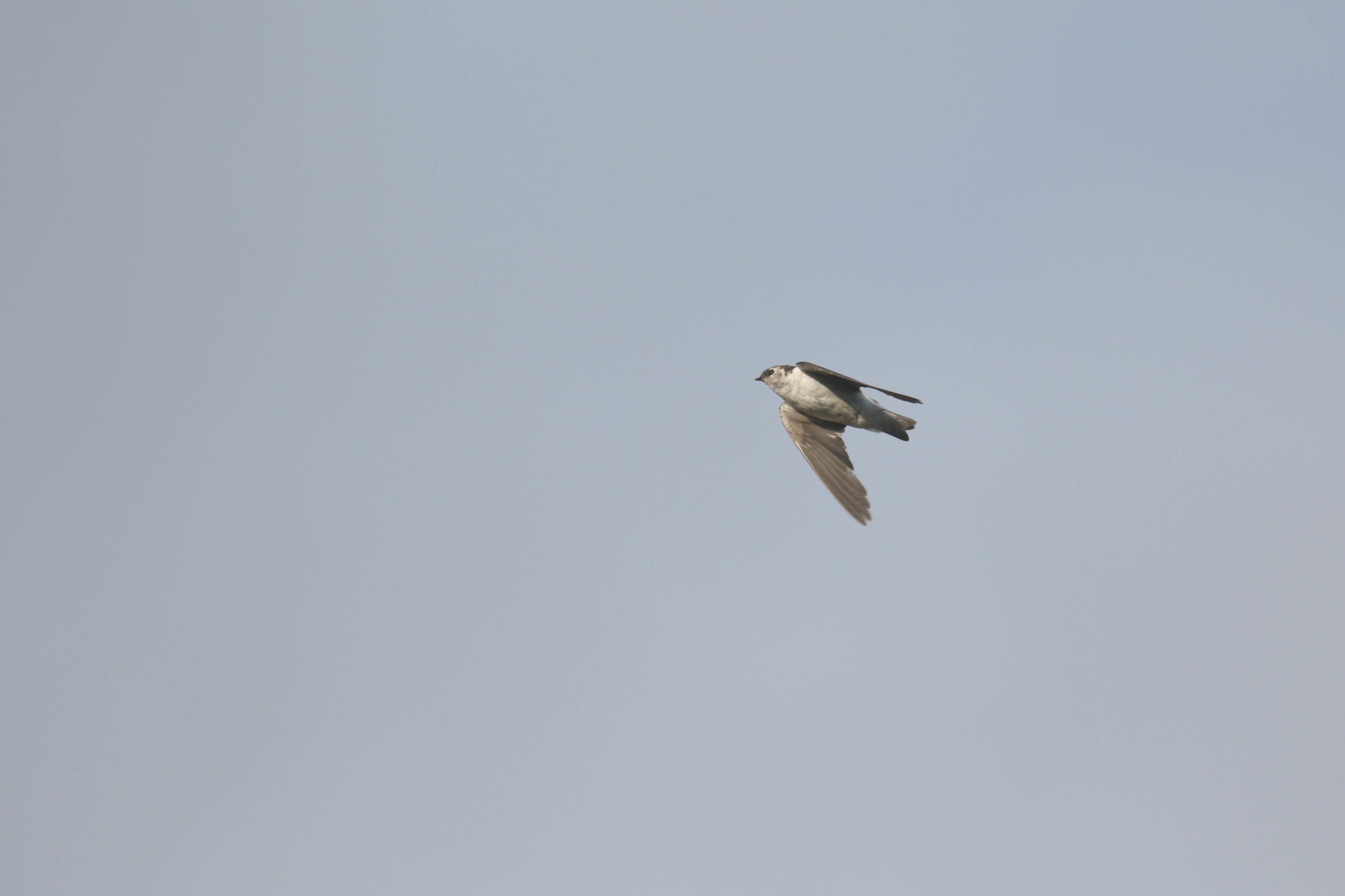
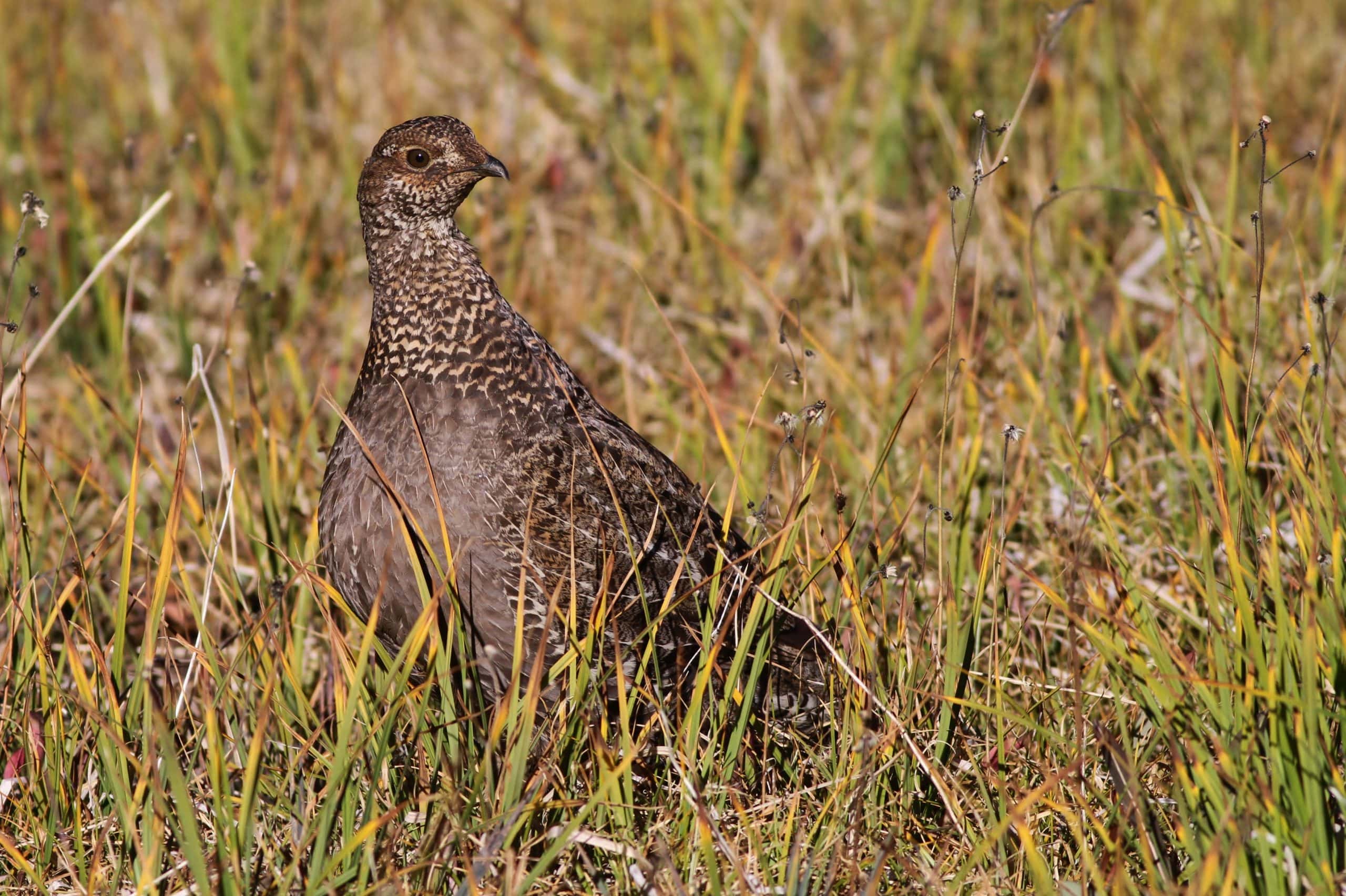
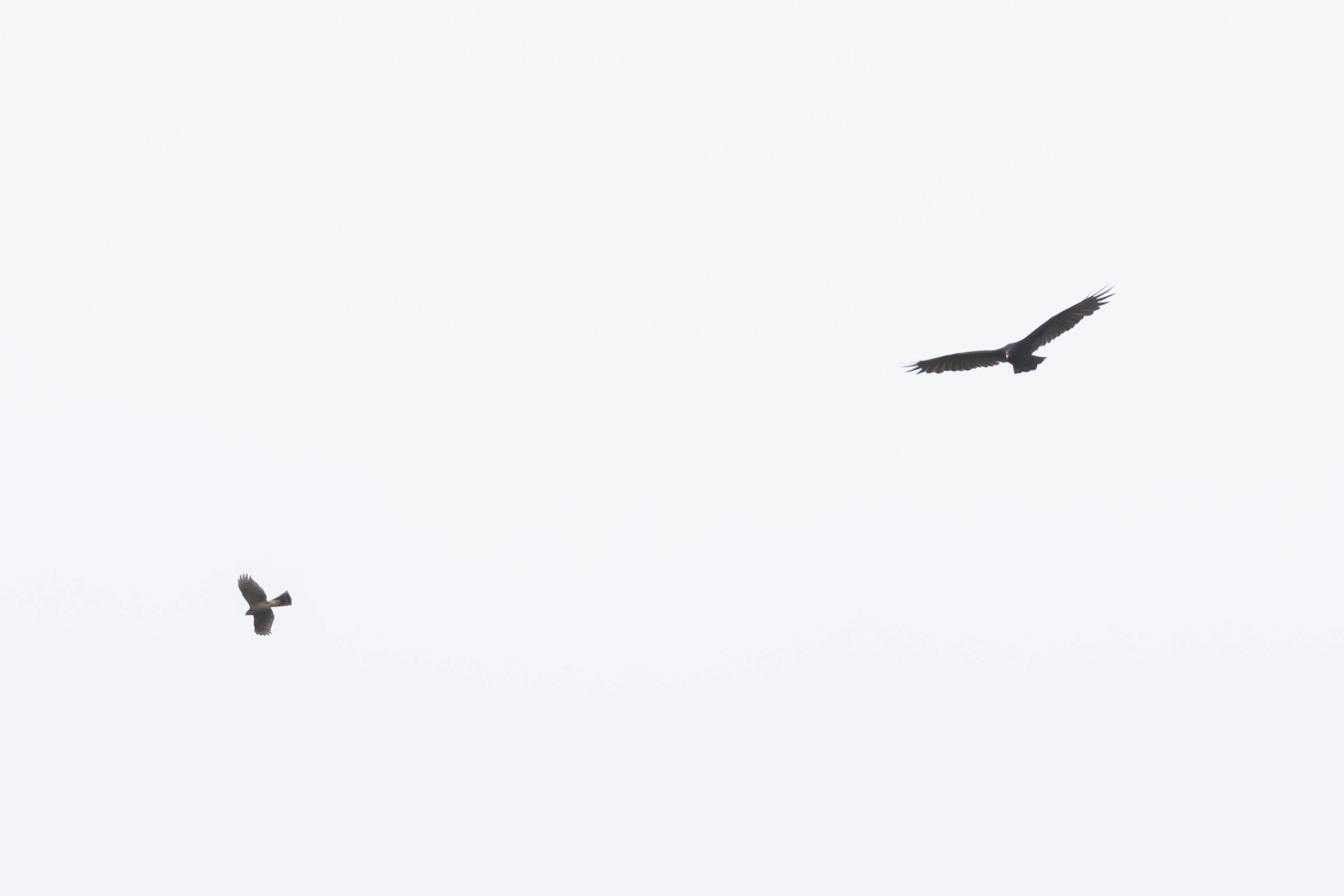
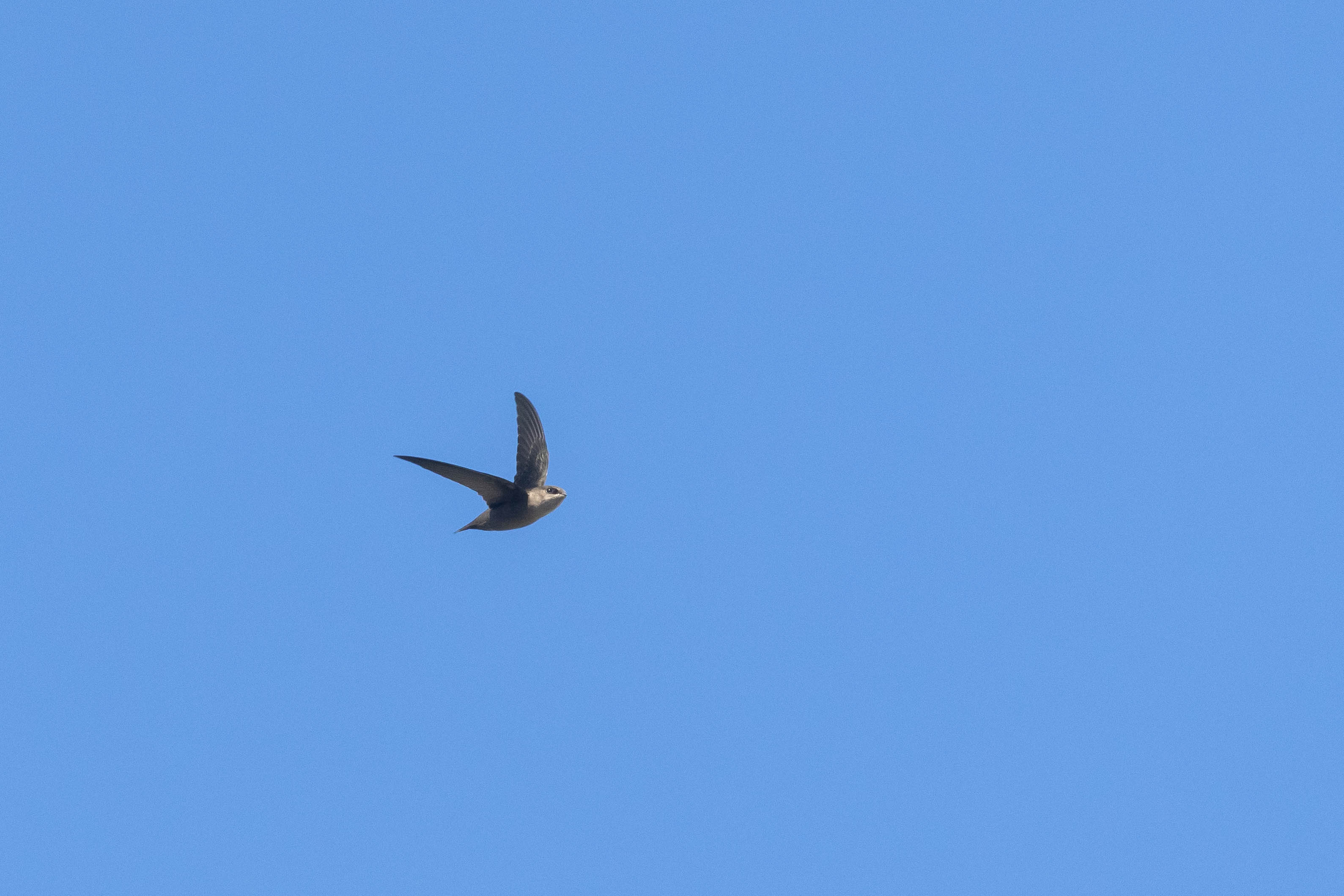
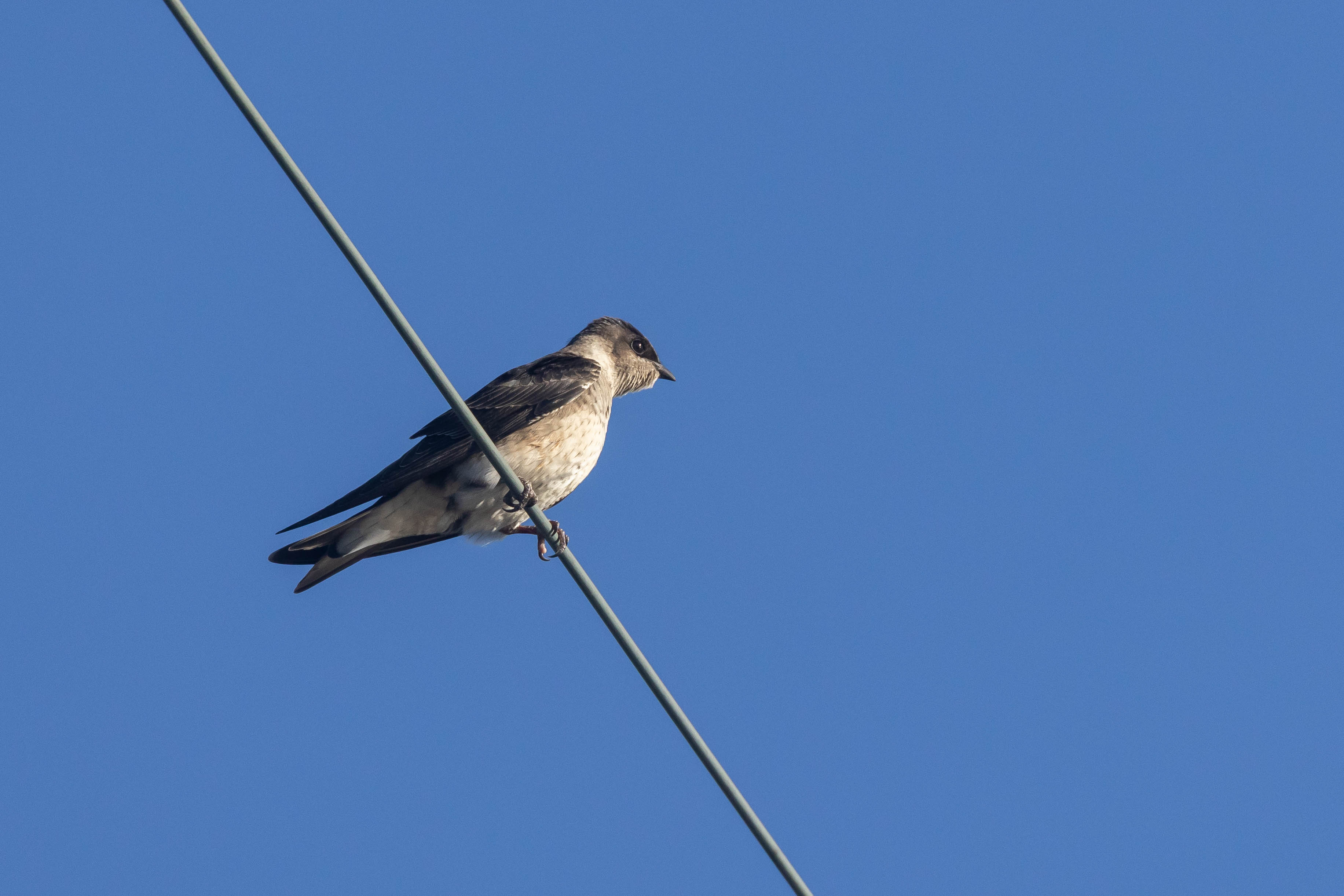
Climbing into Olympic National Park’s mountains, we will begin our day along Hurricane Ridge. This wilderness area is one of the best places to find the regionally endemic Sooty Grouse. Other specialties like Black Swift, Vaux’s Swift, Violet-green Swallow, Mountain Chickadee, Chestnut-backed Chickadee, American Pipit, and Golden-crowned Kinglet can be found in these mountains too. Around the subalpine meadows we should find Ruby-crowned Kinglet, Brown Creeper, Savannah Sparrows, and “Audubon’s” Yellow-rumped Warbler. Many raptors can be spotted soaring from this incredibly scenic vantage point. Steller’s Jay and Canada Jay move along the forest edge in noisy family groups. A casual walk around one of the park’s campgrounds can often turn up Pacific Wren, Varied Thrush, Hairy Woodpecker, and Pileated Woodpecker. The endemic Olympic Marmot is *only* found here in the taller peaks of the Olympic Mountains!
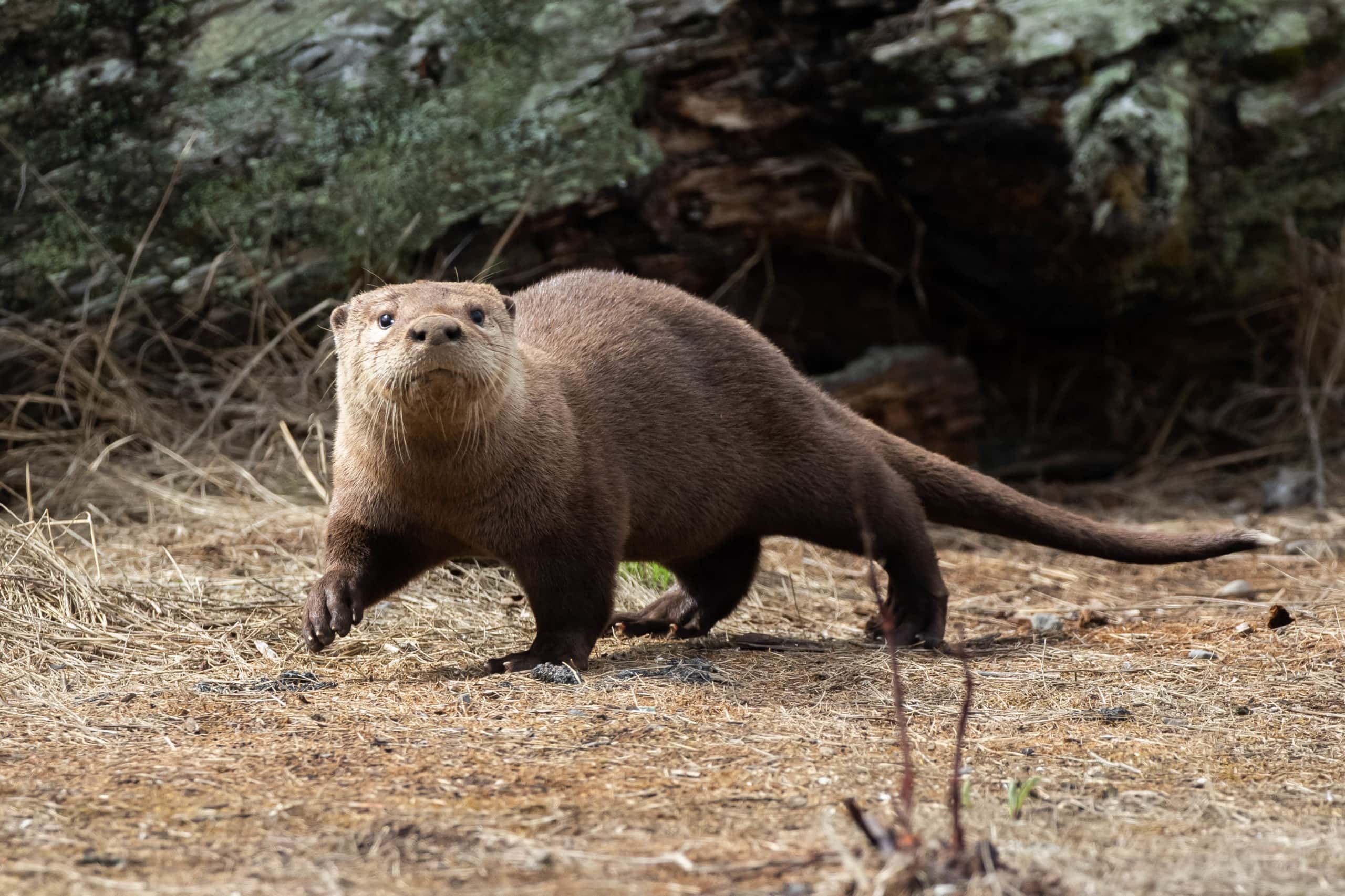
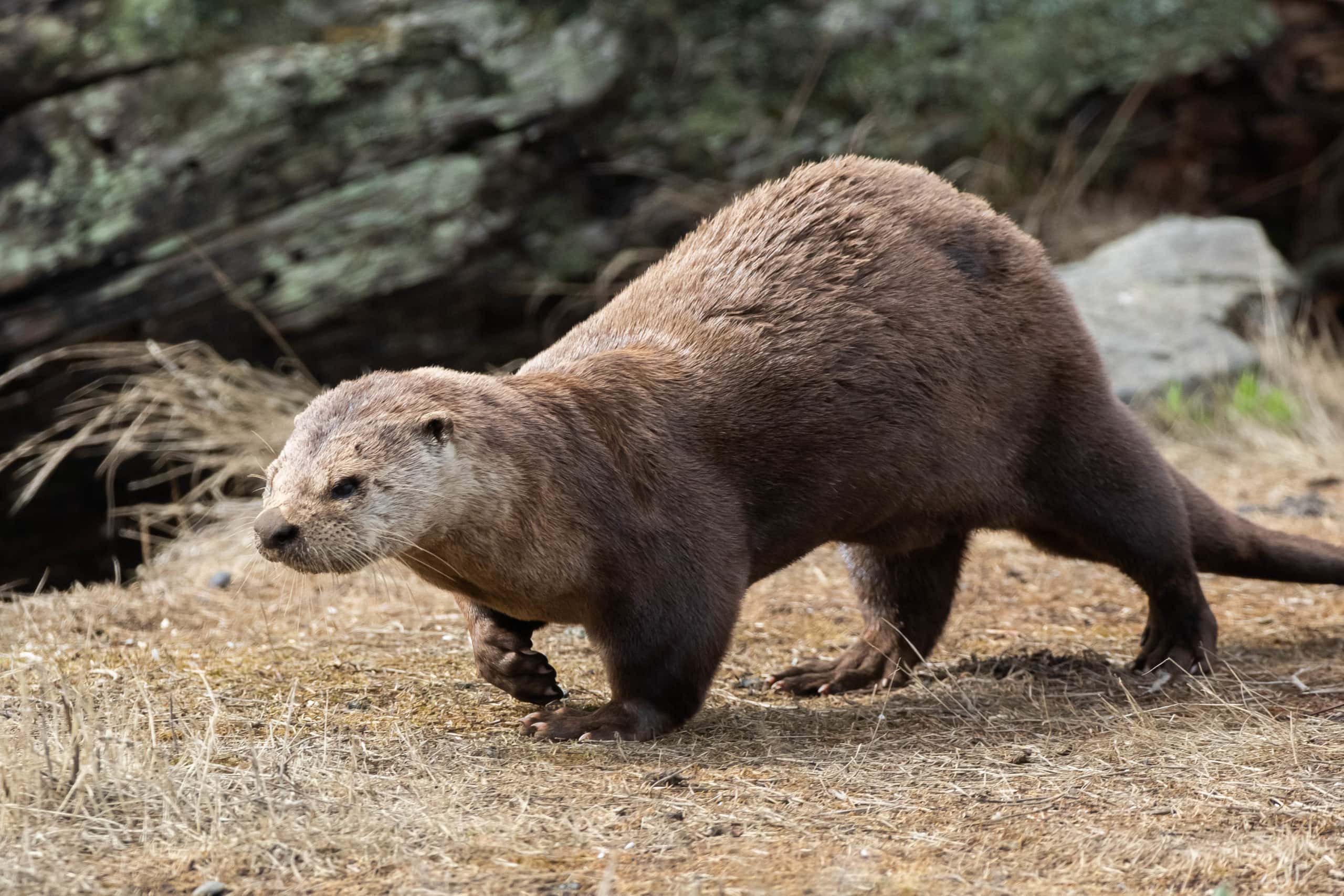
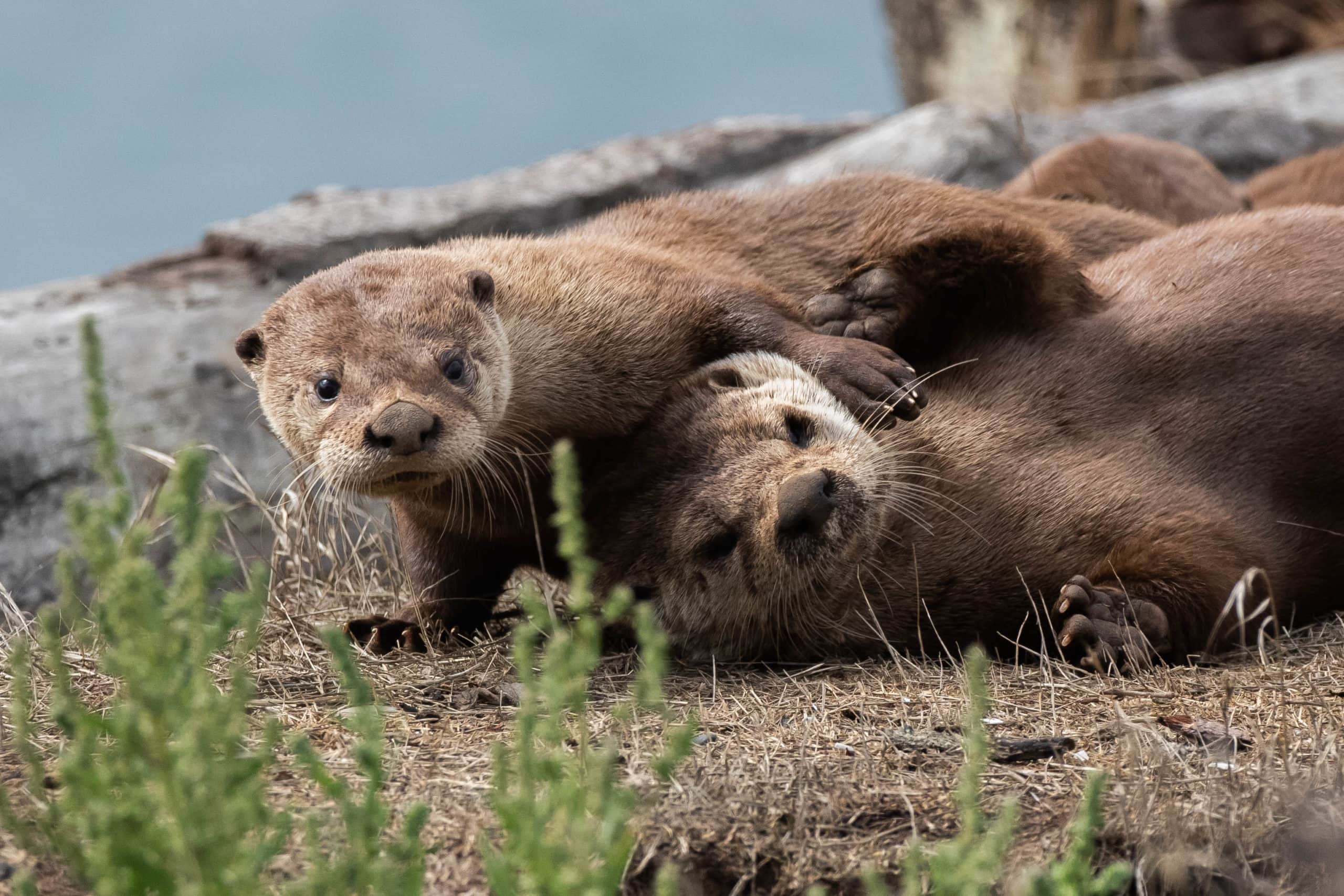
Back in Port Angeles, we’ll stop at Ediz Hook. This 3-mile long sandbar curves out into the Strait of Juan de Fuca. This is a prime location for Harlequin Duck on our tour and sometimes there are dozens gathered in the harbor! We’ve had pretty good luck finding families of North American River Otters here as well!
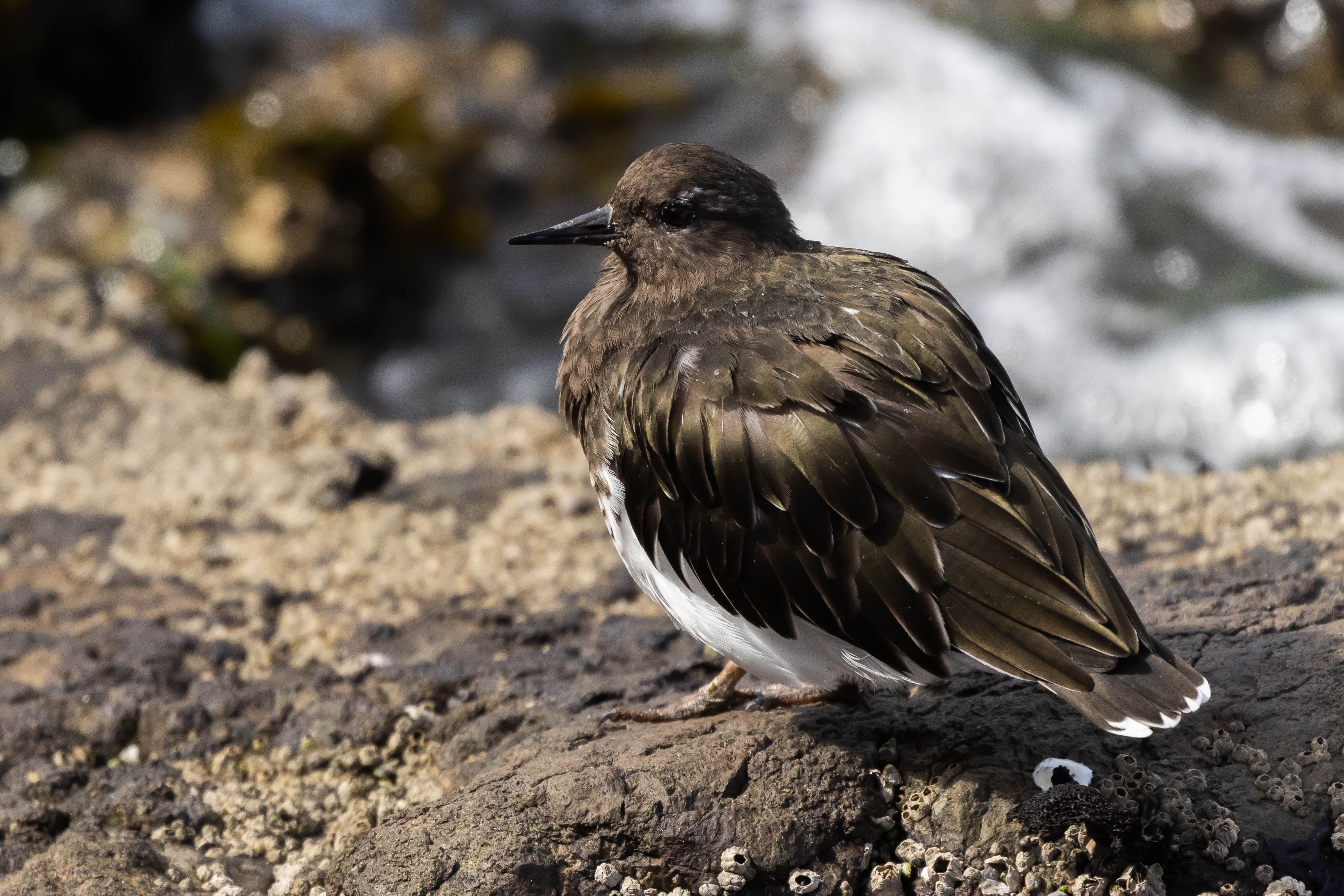
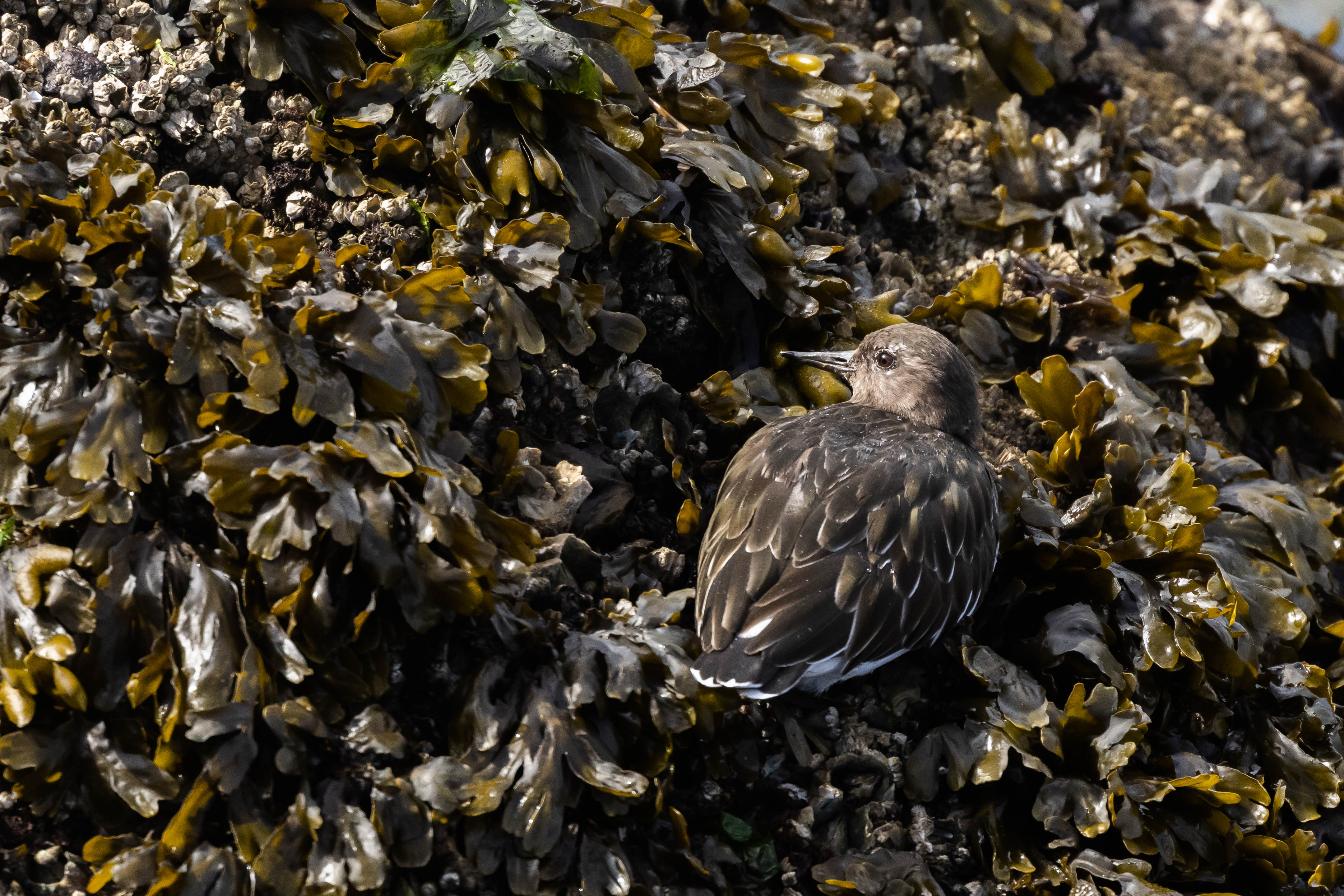
For the remainder of the day, we will visit Neah Bay and Cape Flattery and search for Pelagic Cormorant, Black Oystercatcher, Black Turnstone, Surfbird, and Wandering Tattler. The alcids we looked for yesterday will be possible here too. Neah Bay and the Wa’atch River Valley hotspots are both very well-known as vagrant traps! You never know what rare songbird might be hiding out! Cape Flattery is at the very northwest tip of Washington – the official northwestern-most site in the continental United States! It borders both the Pacific Ocean and the Salish Sea. Canada is a mere 25 miles to the north of us and can be easily seen when standing at the Cape… assuming it isn’t too fogged in!
From there we will make our way south, driving through the national park toward Forks. This logging town was made famous because it was the filming location for the Twilight movies. Night in Forks.
Day 4 – La Push, Highway 1, Hoquiam, Bottle Beach. Night in Westport.
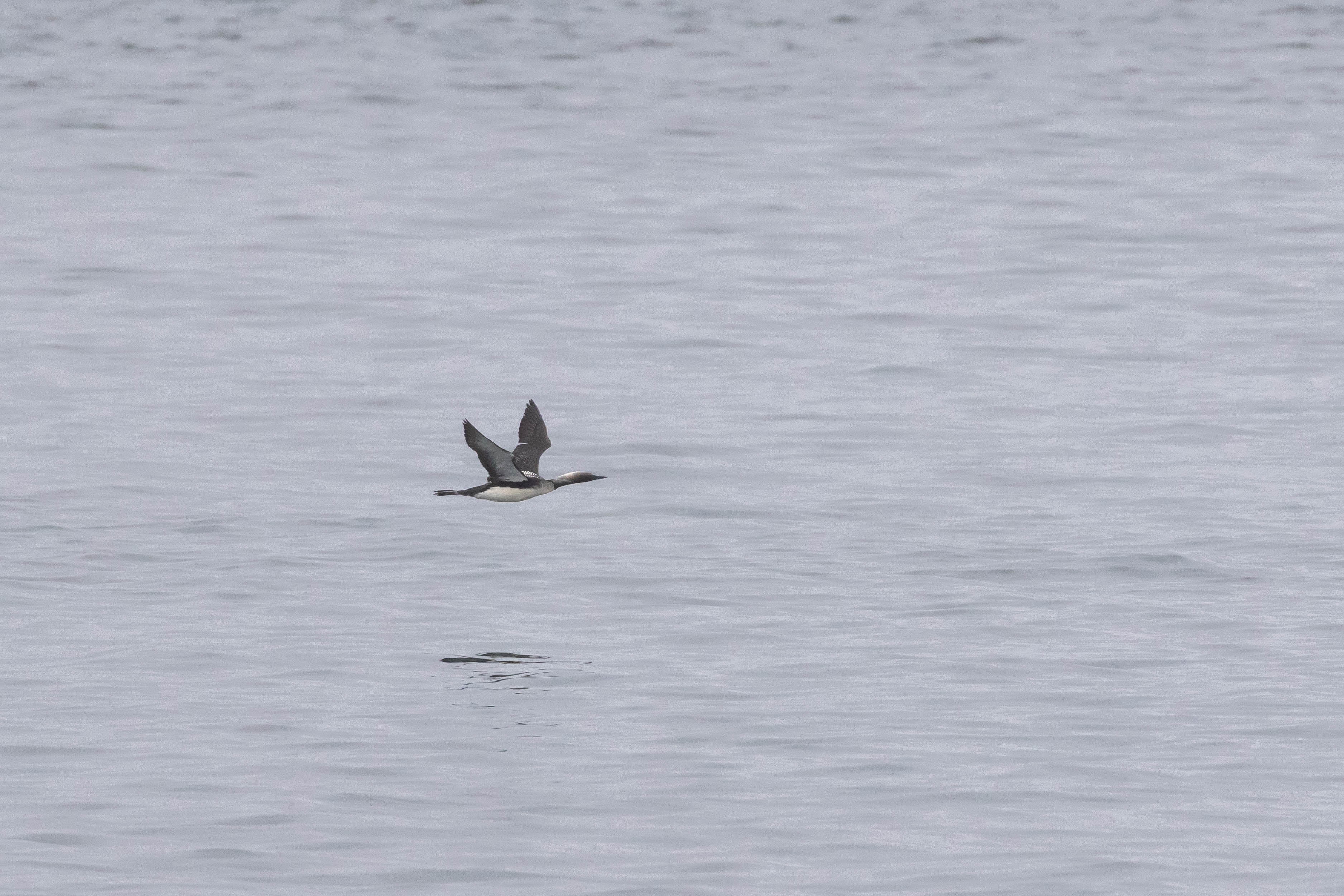
An early morning visit to La Push will likely result in finding Black Oystercatcher, Surfbird, Short-billed Gull, and various other waterbirds. Then we will wind our way through Olympic National Park’s vast old-growth traveling south down the coast. Keep a close eye along the sides of the road for Ruffed Grouse. Sometimes Band-tailed Pigeons gather in small flocks in the snaggy branches of dead trees. Speaking of trees, you’ll be blown away by the truly massive conifers along our route and at Quinault rainforest we will see the World’s Largest Sitka Spruce! Along the coast we are likely to find hundreds of seaducks migrating south along the coast. All three scoters are possible in addition to Pacific Loon, Common Loon, and Red-necked Grebe. There has been a successful reintroduction of Sea Otters here, and with some luck we might spot one or two floating on the surface of the ocean!
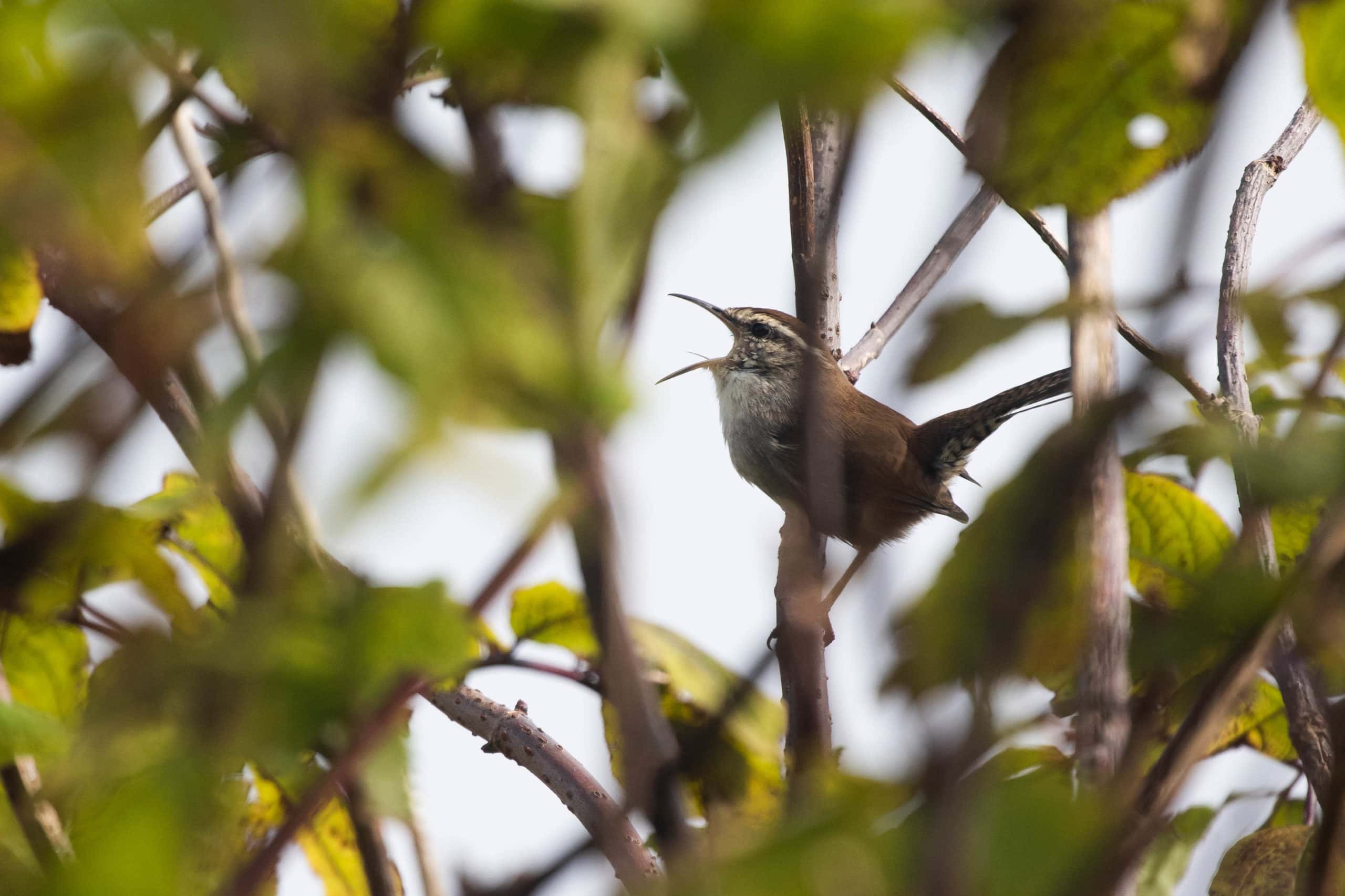
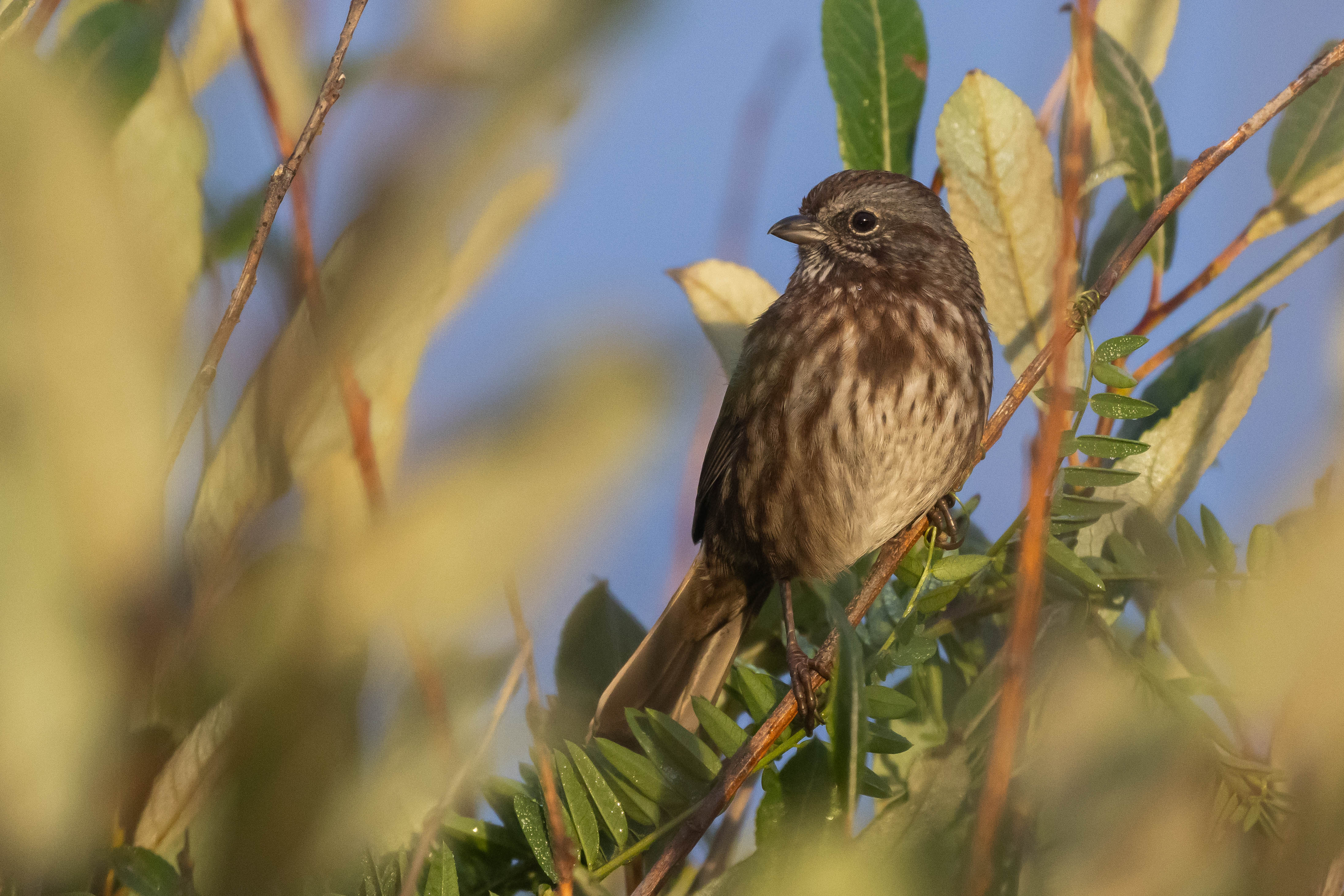
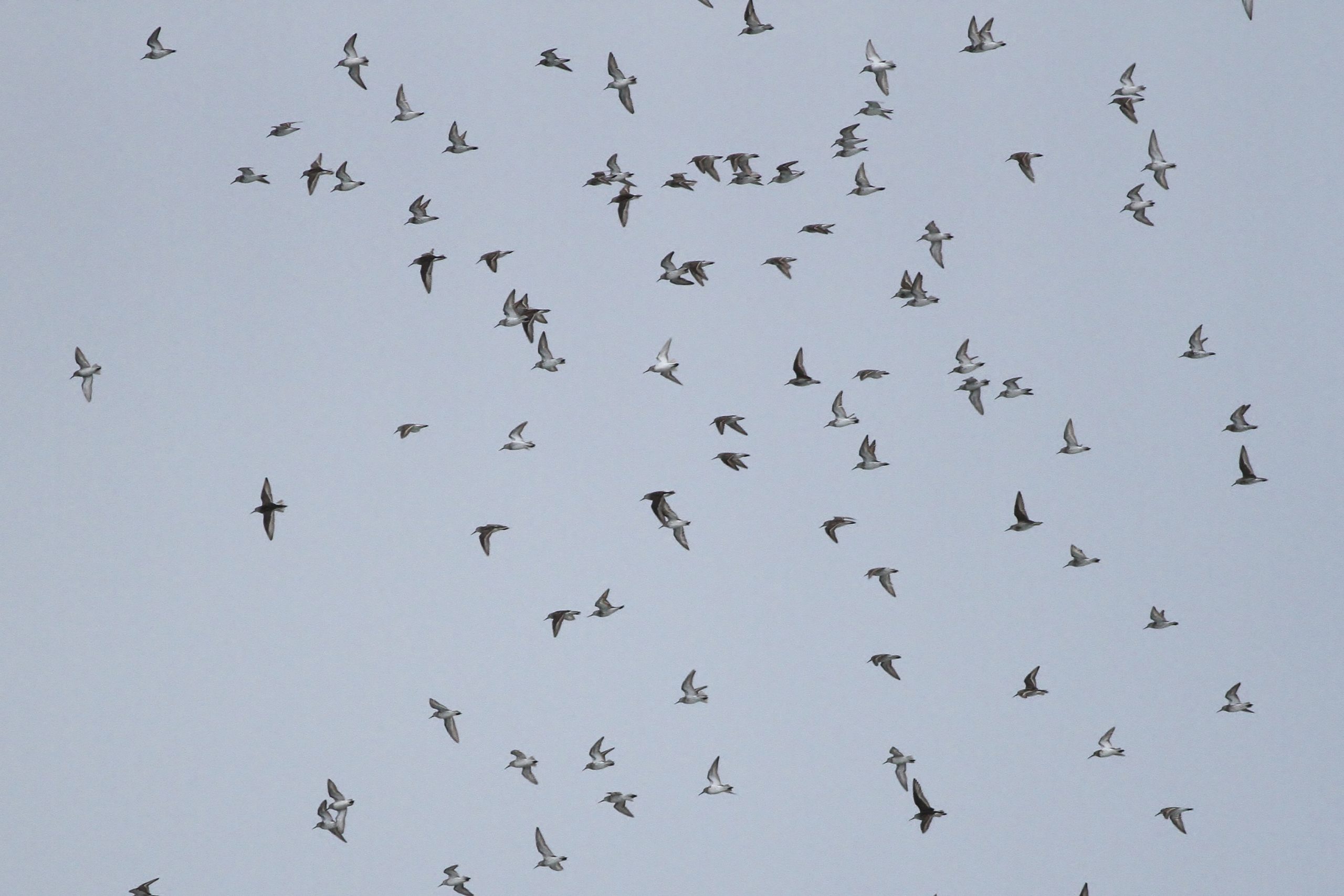
Further south along Grays Harbor we will search for Brown Pelican, American Golden-Plover, and Pacific Golden-Plover. The sewage treatment plant at Hoquiam can hold great waterbird diversity and the occasional rarity! According to local birders this may be the most-birded sewage treatment plant in the Northwest! So you know we gotta stop there too! We’ll sort through ducks, shorebirds, and grebes, and try to pick out a few new species for our trip. Long-billed Dowitcher, Pectoral Sandpiper, and Eurasian Wigeon are more likely here than anywhere else on our route. Nearby Bottle Beach is an excellent shorebirding hotspot with potential for some major rarities, but Black-bellied Plovers and Western Sandpiper are the most abundant species. The brushy wetlands are reliable for “Sooty” Fox Sparrow, Lincoln’s Sparrow, Bewick’s Wren, and “Pacific” Purple Finch. Night in Westport, WA.
Day 5 – Westport Seabirds Pelagic Trip to Grays Canyon. Night in Westport.
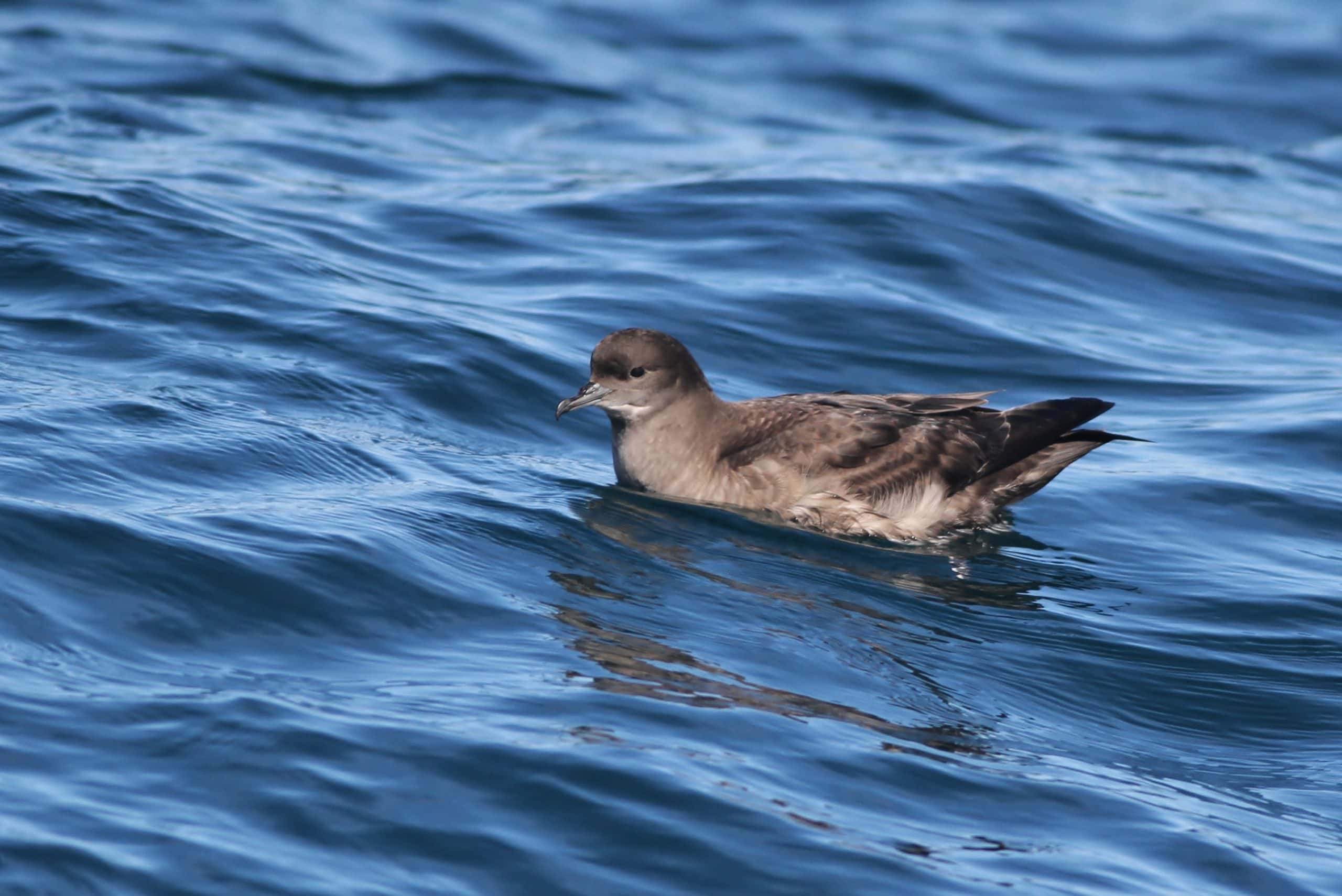
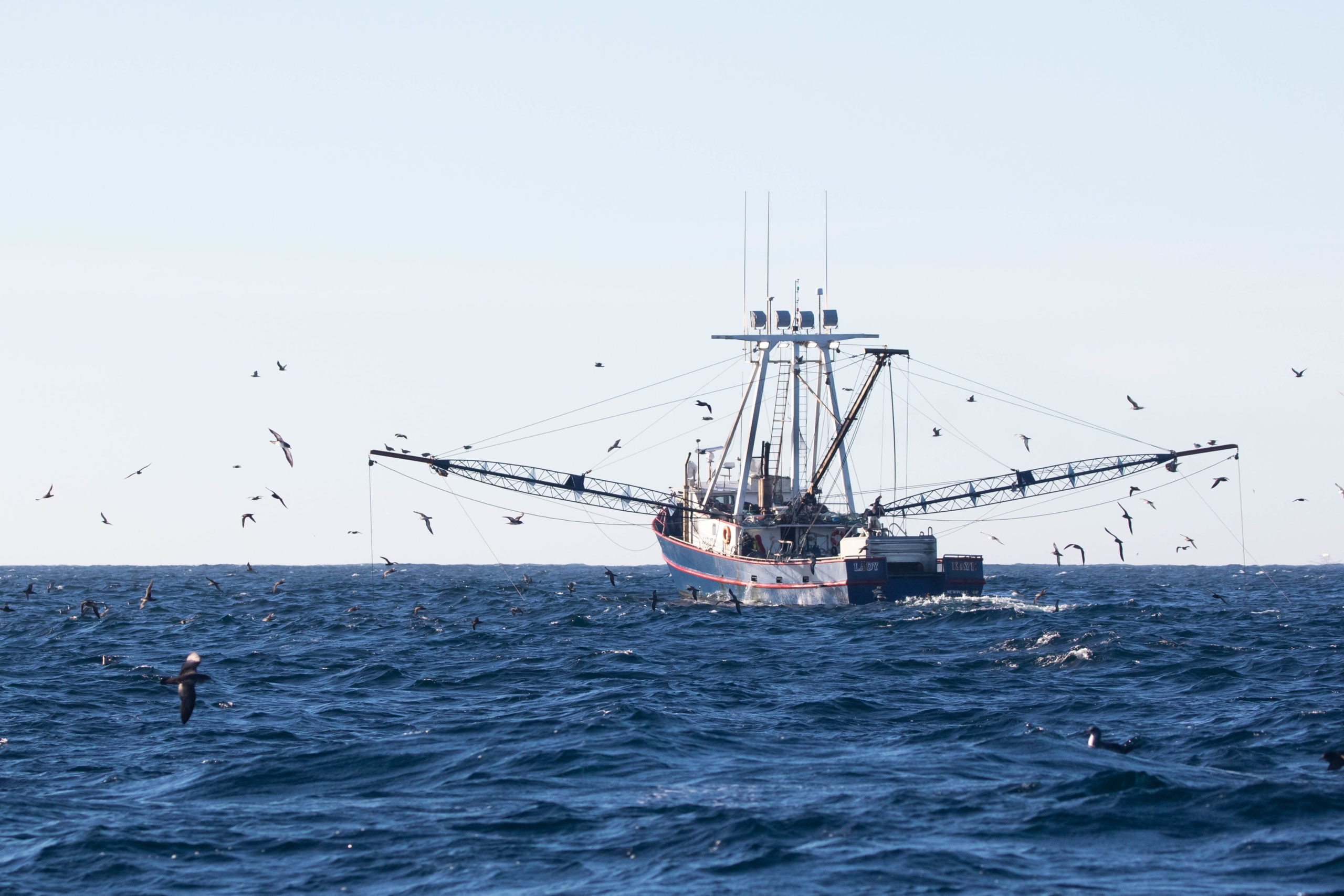
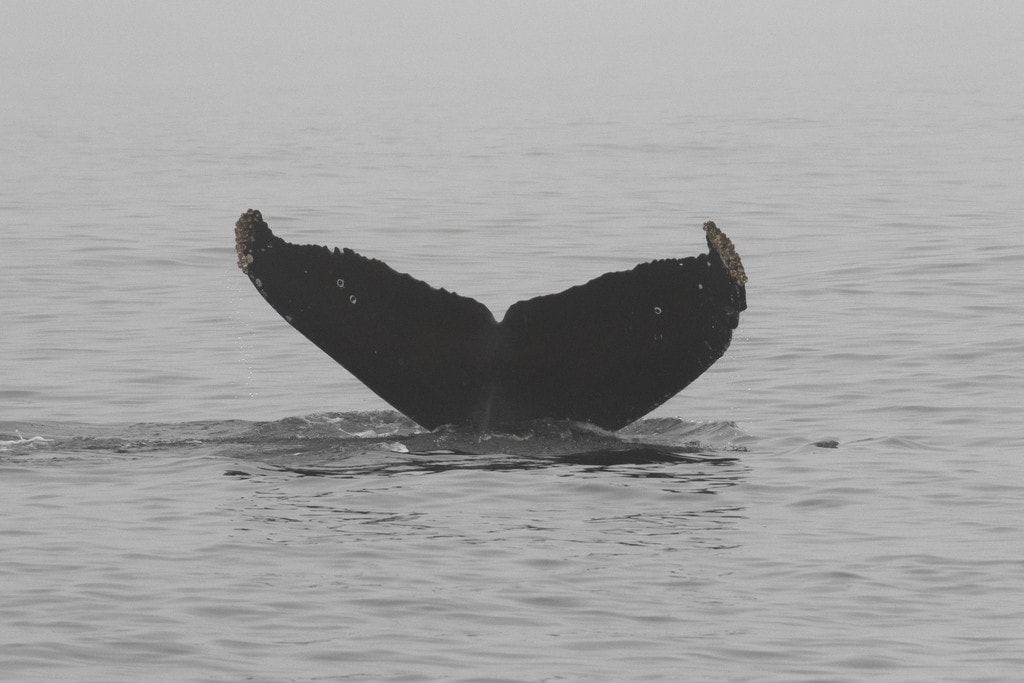
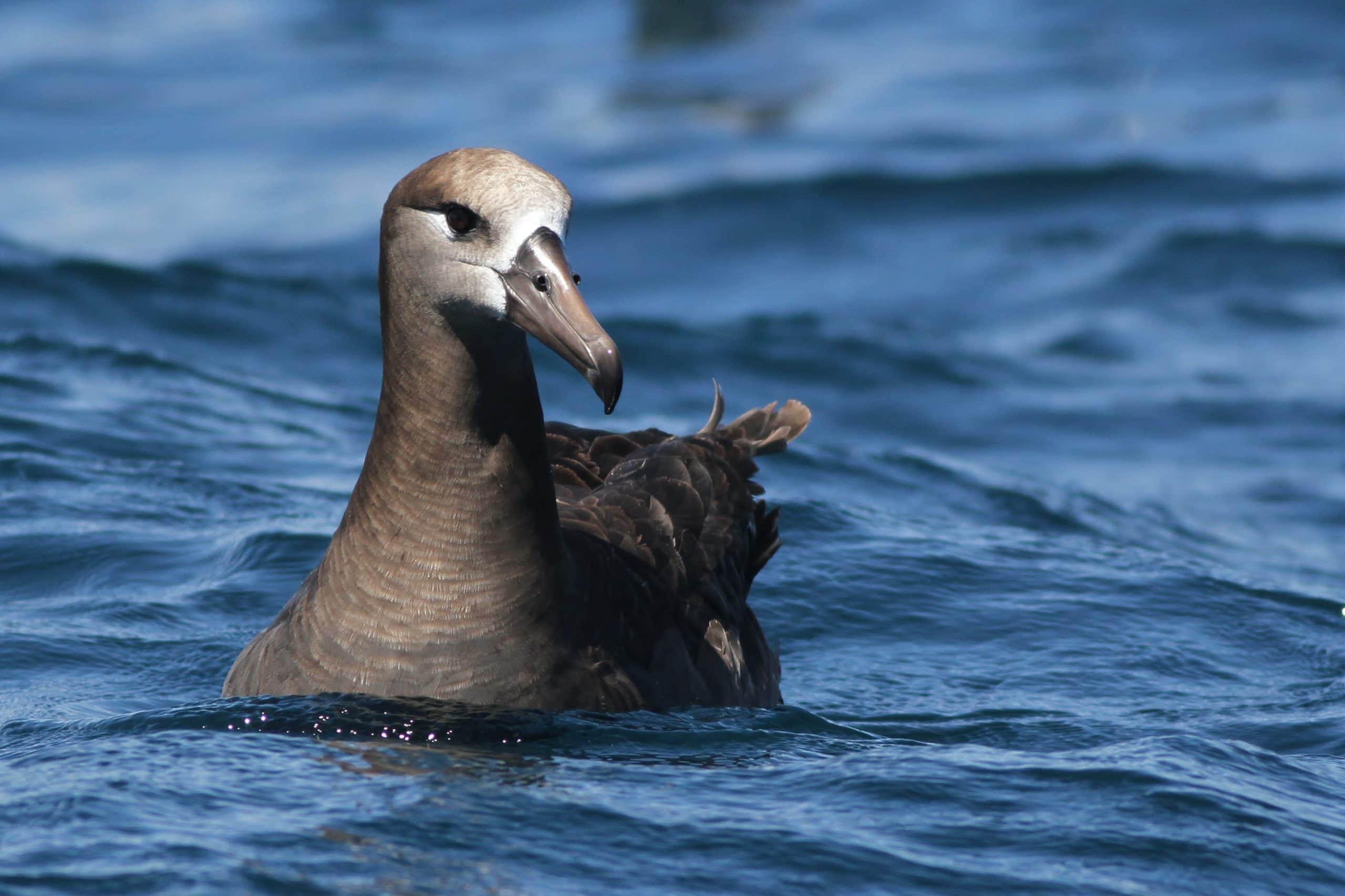
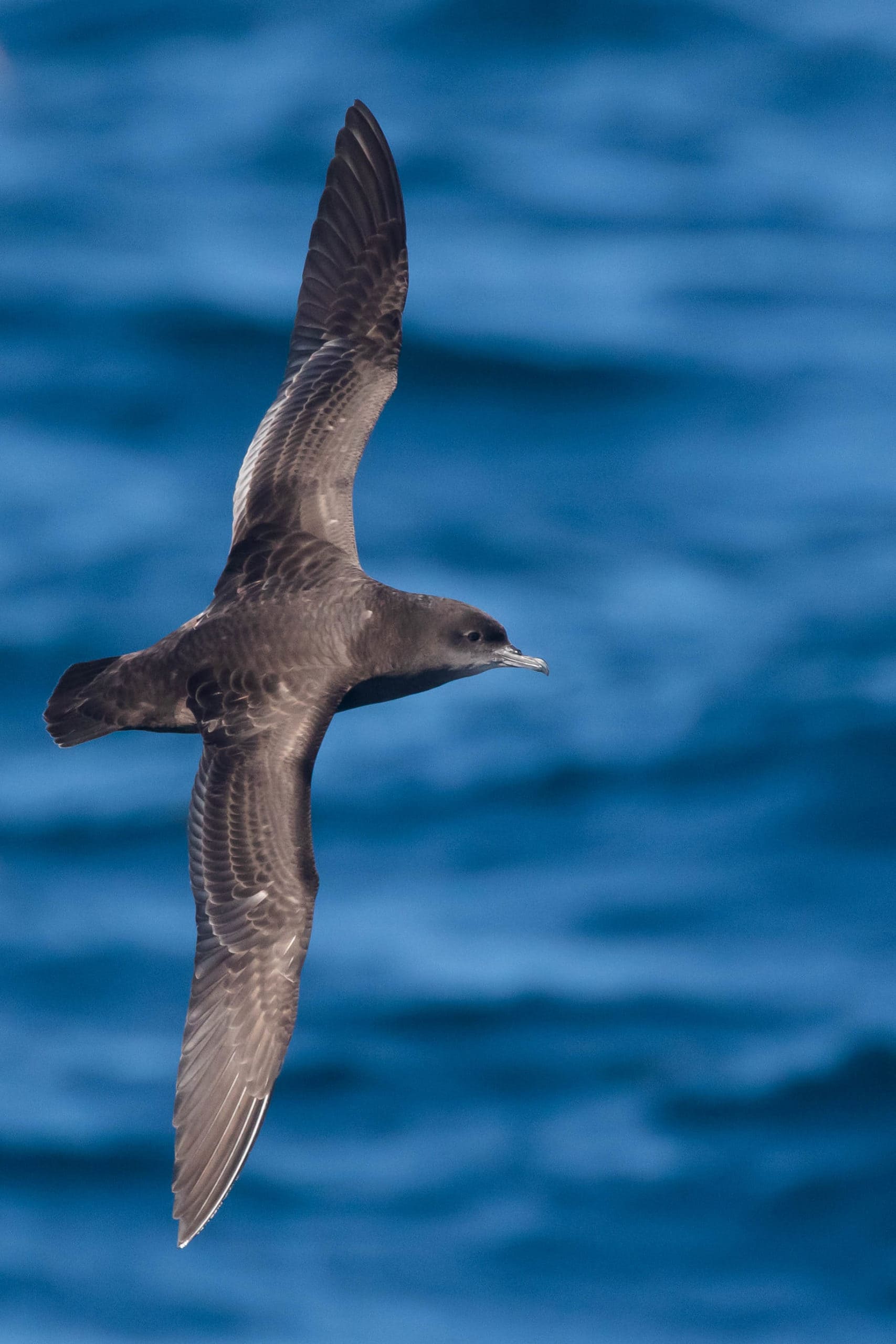
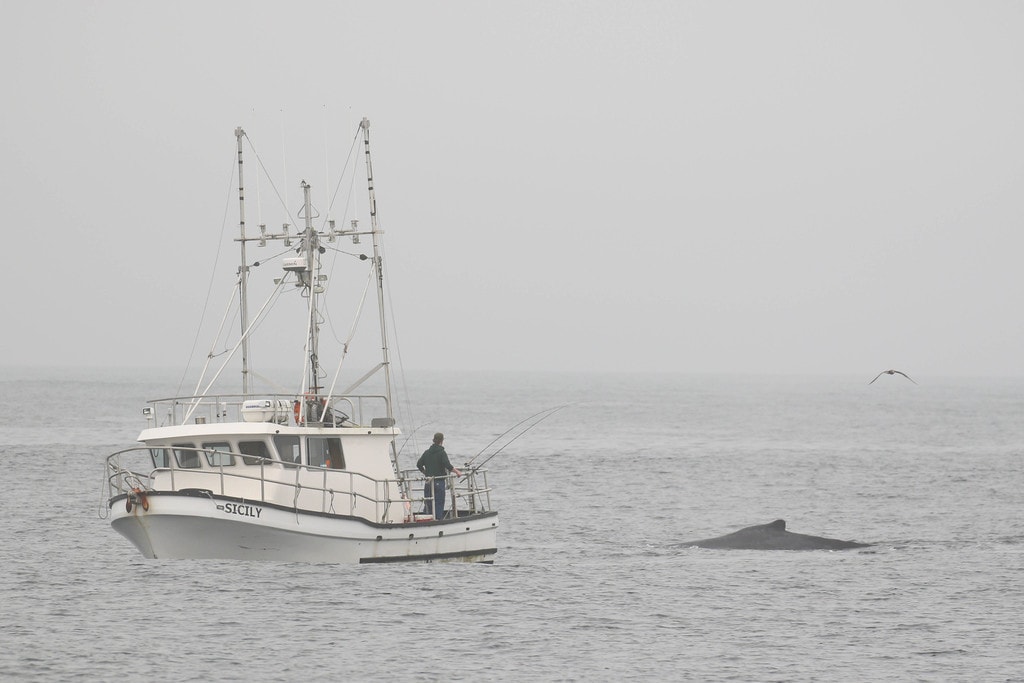
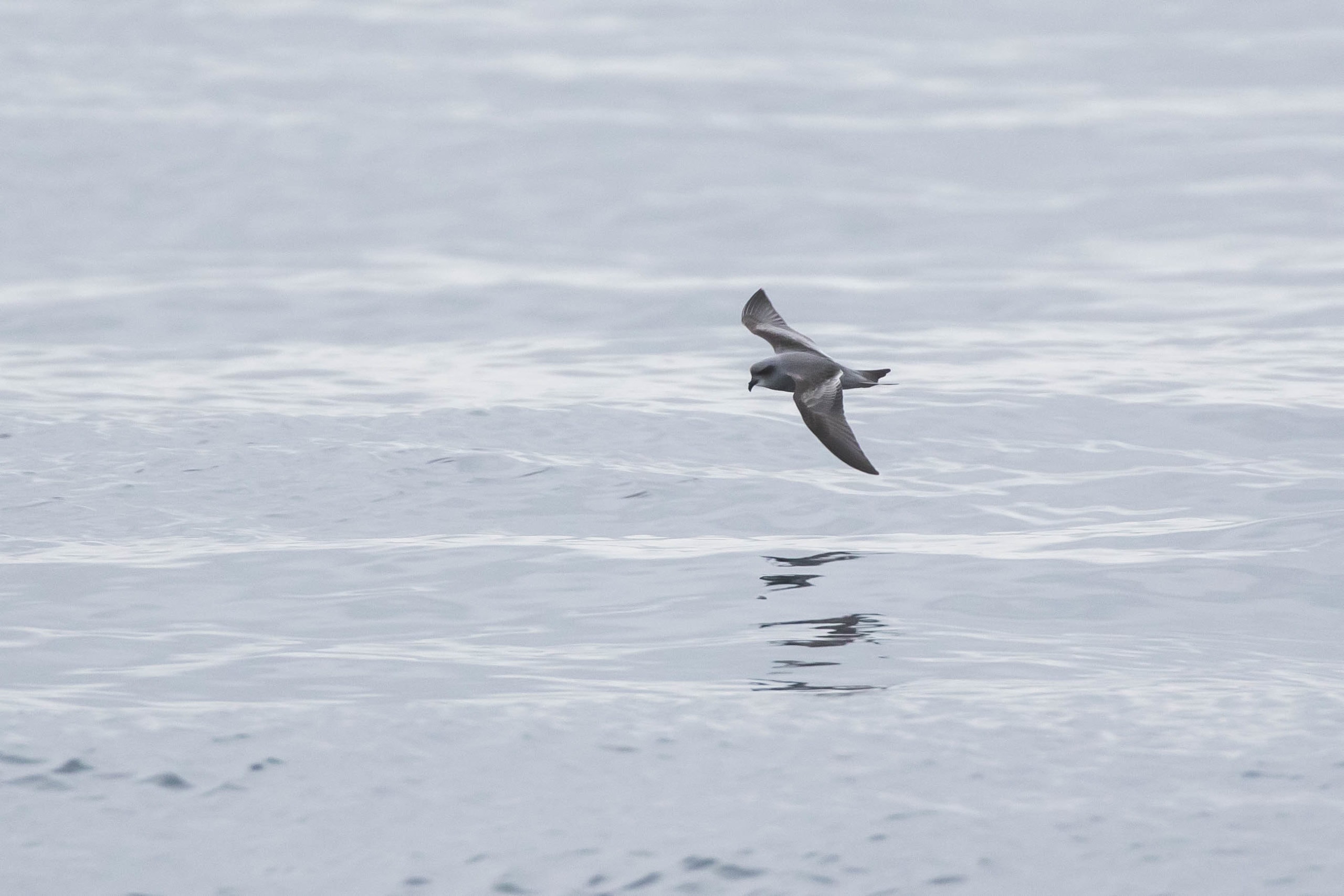
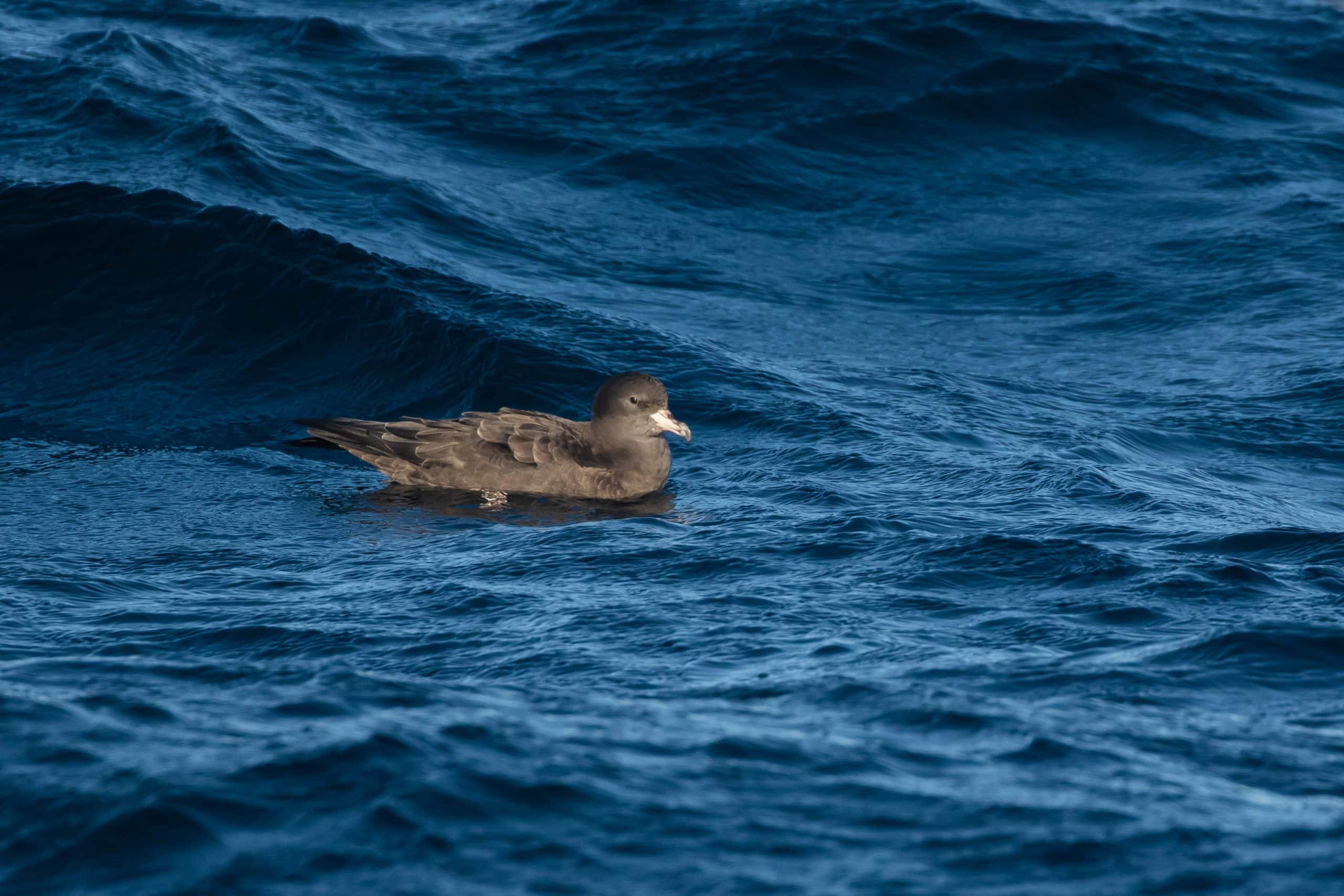
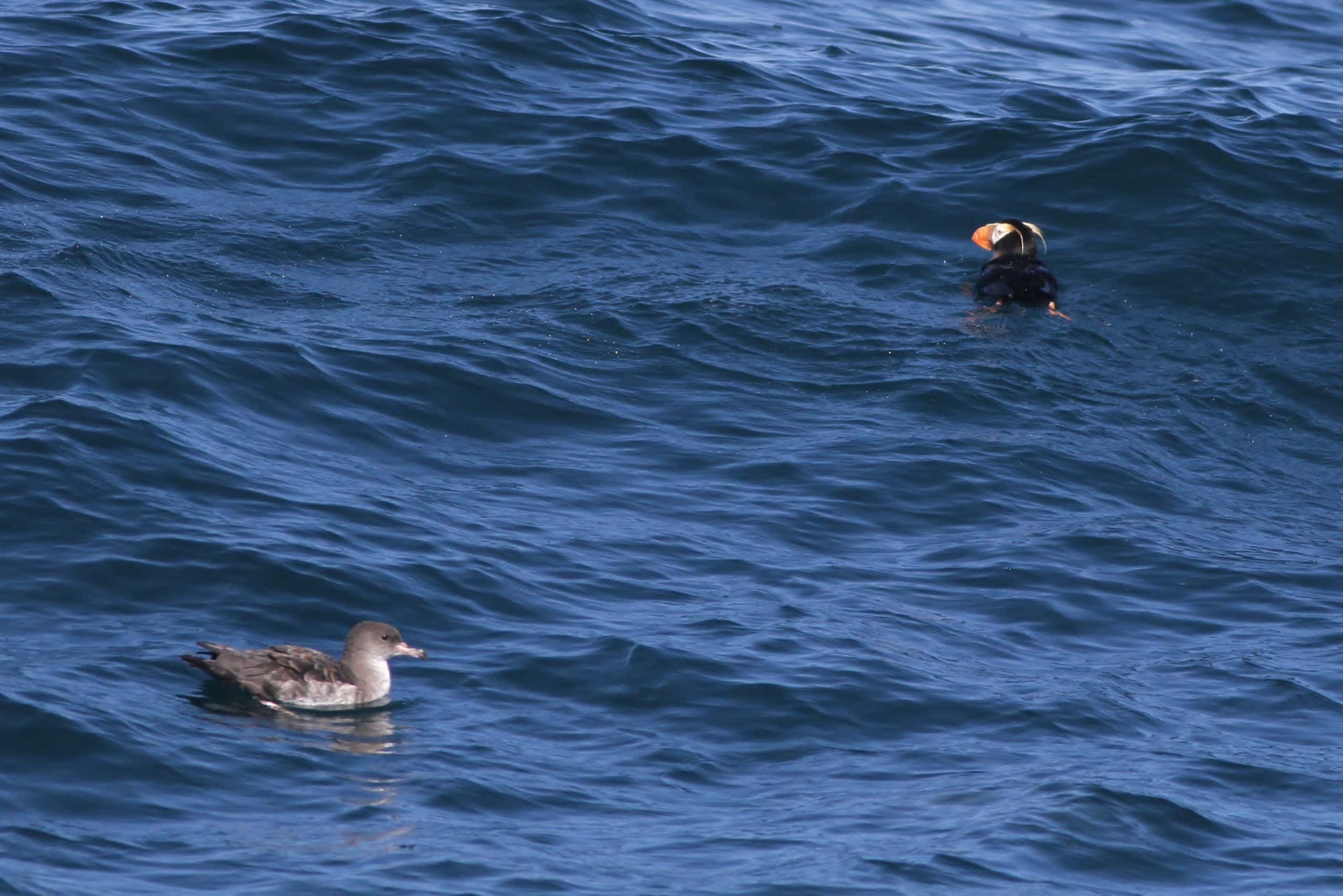
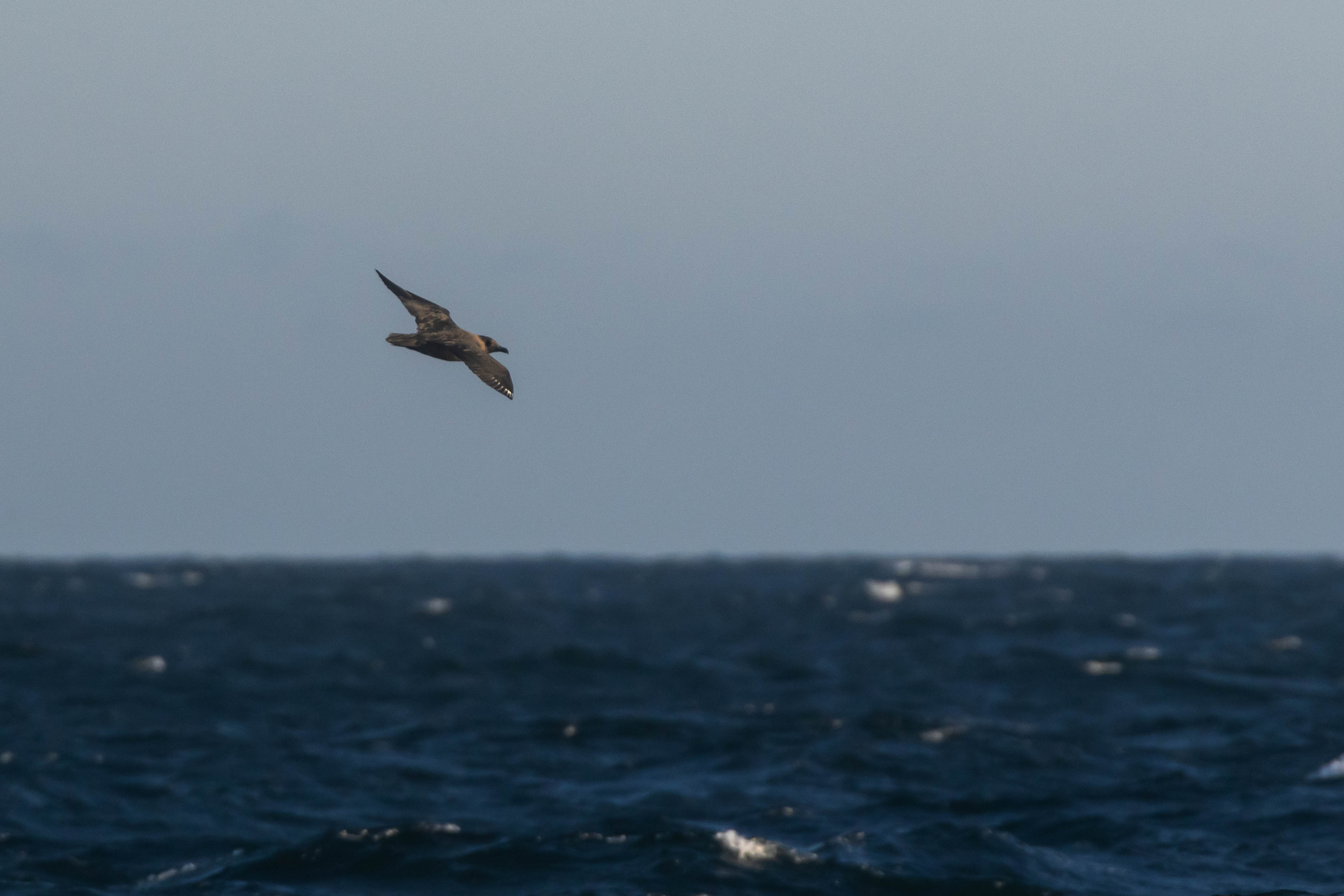
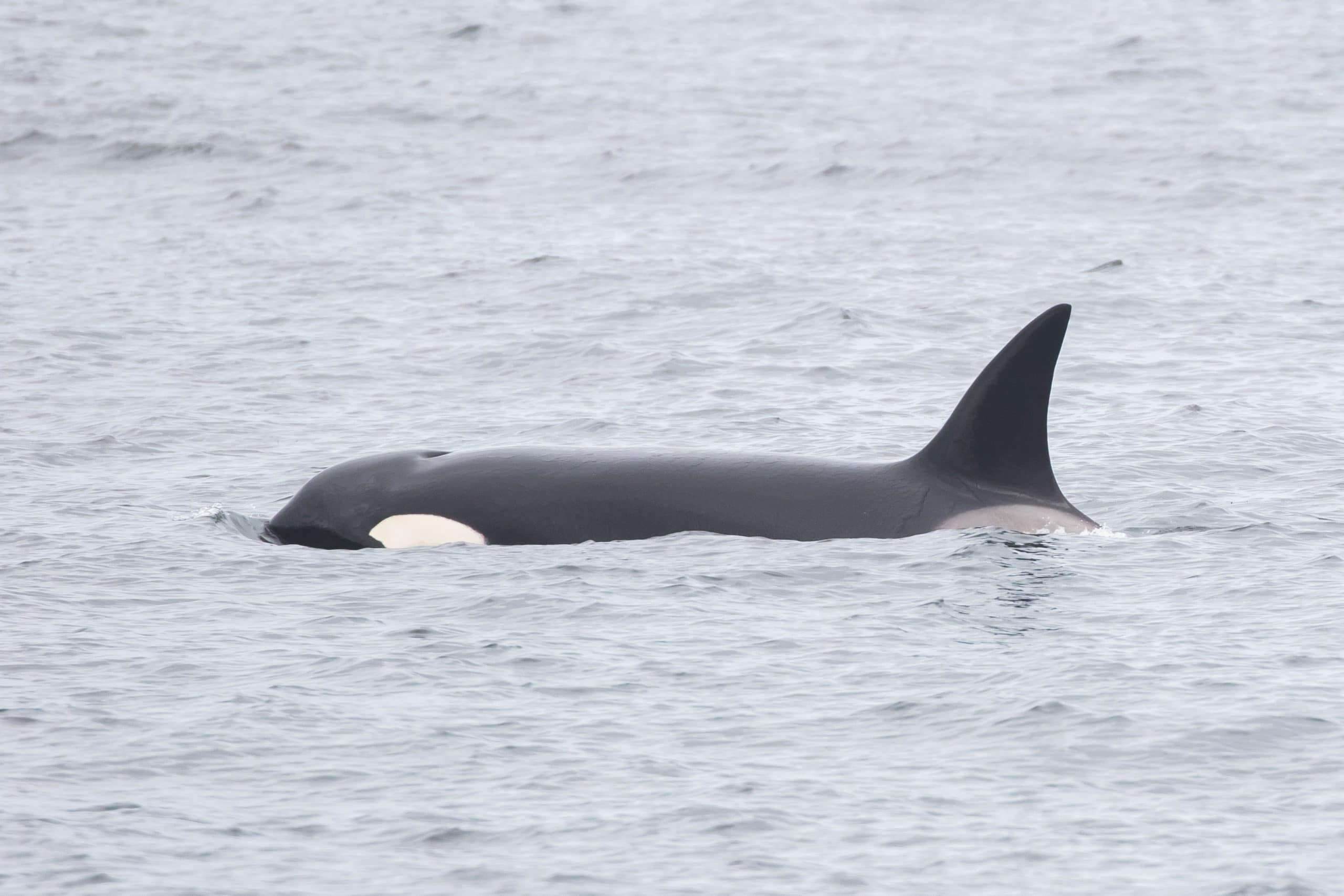
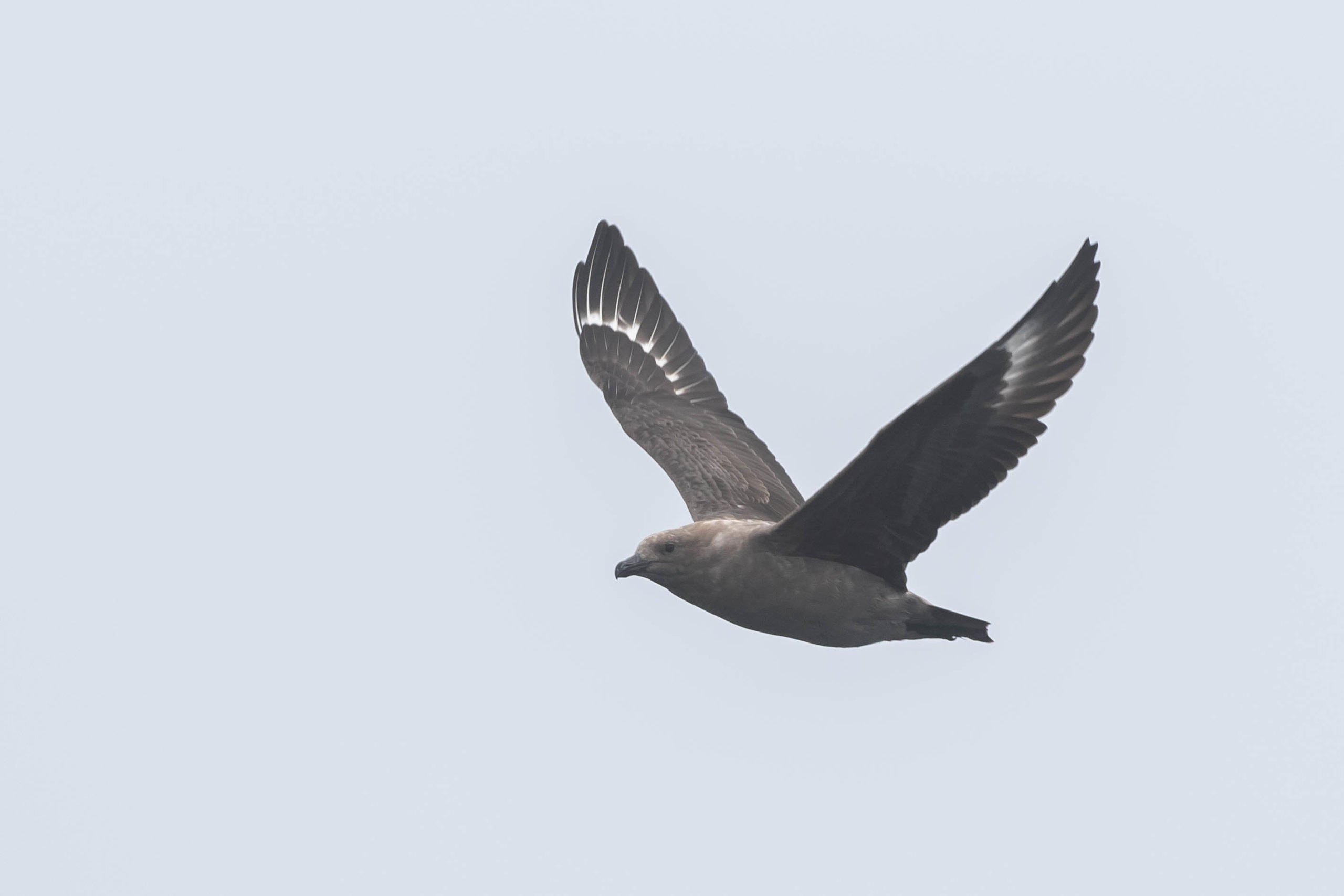
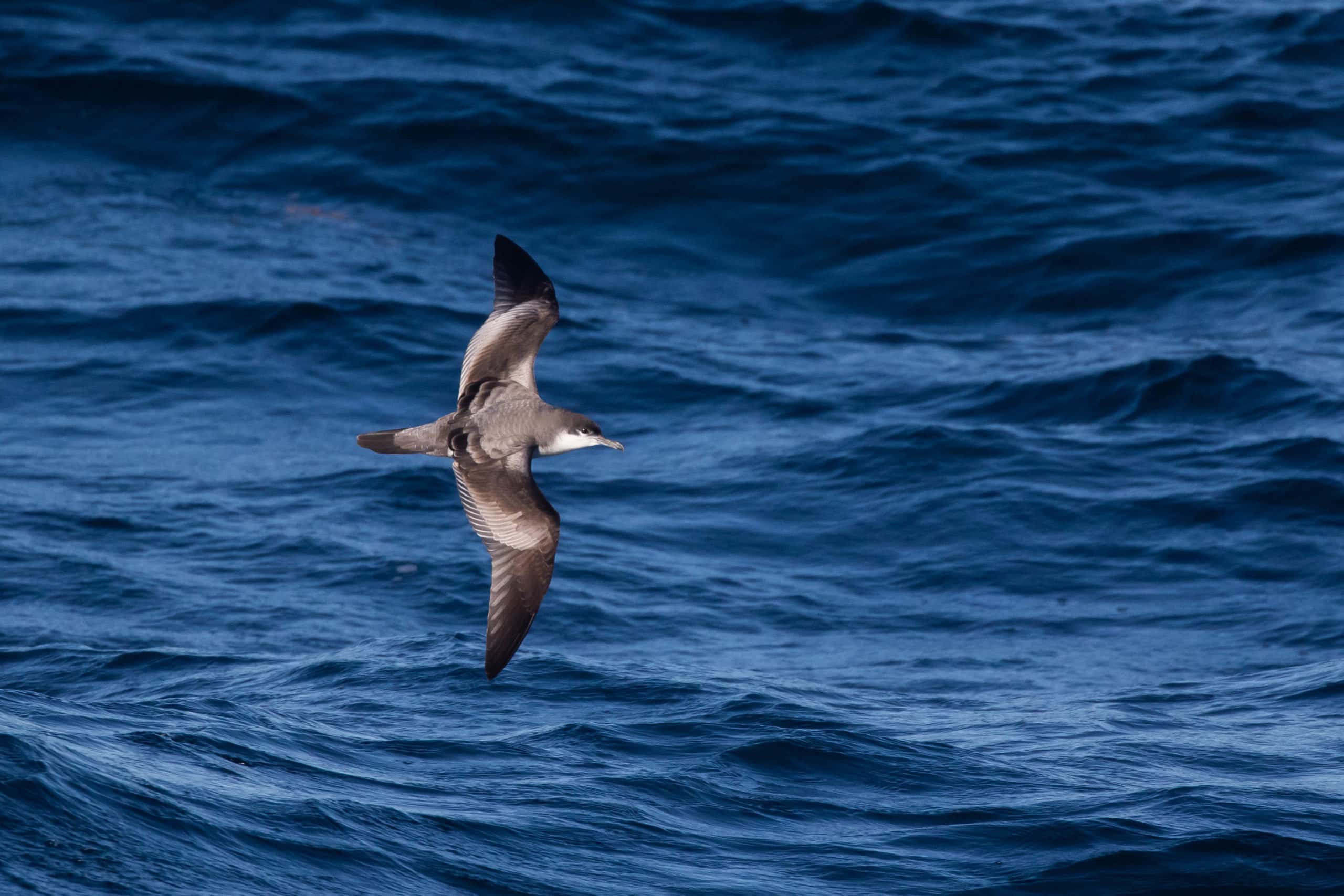
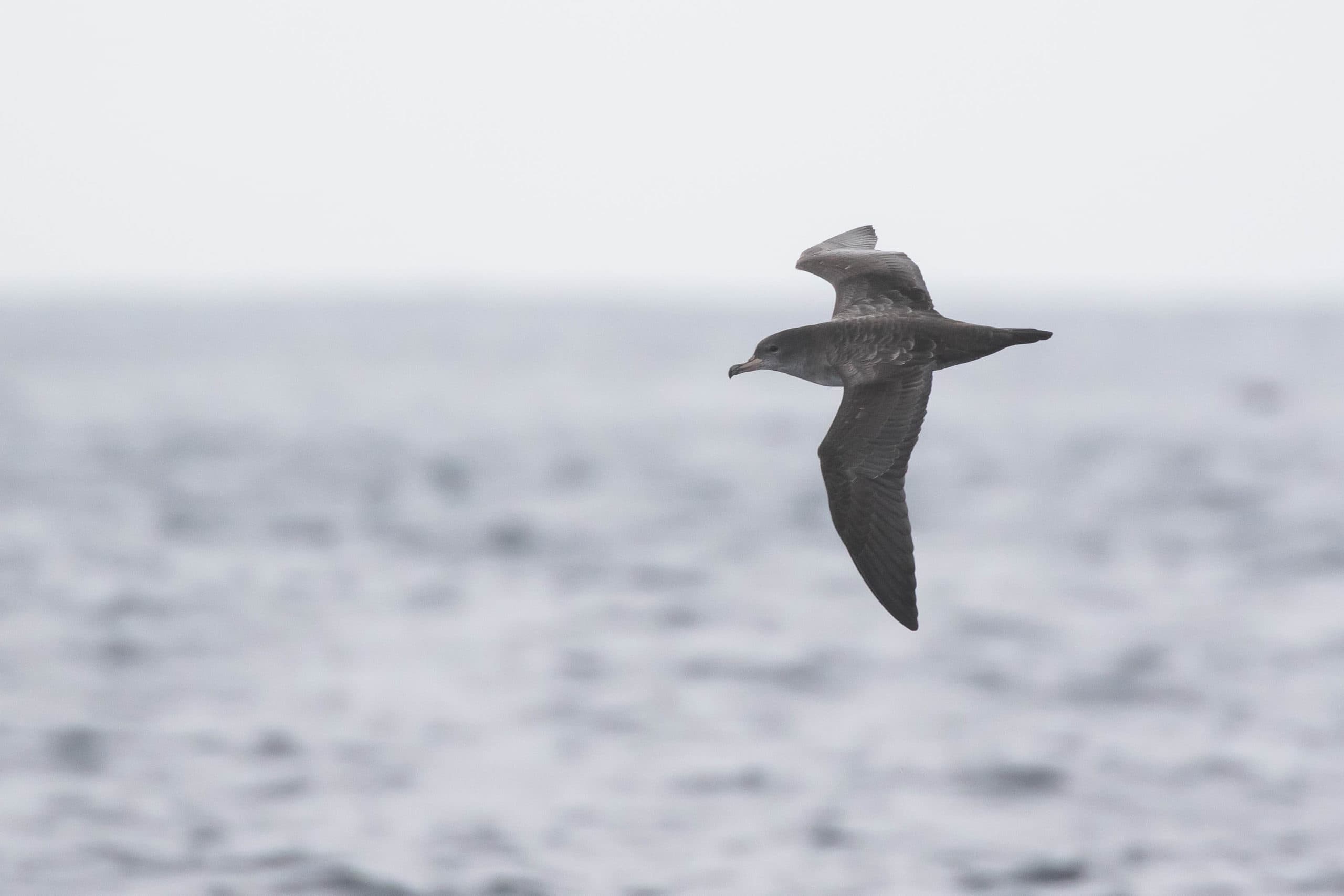
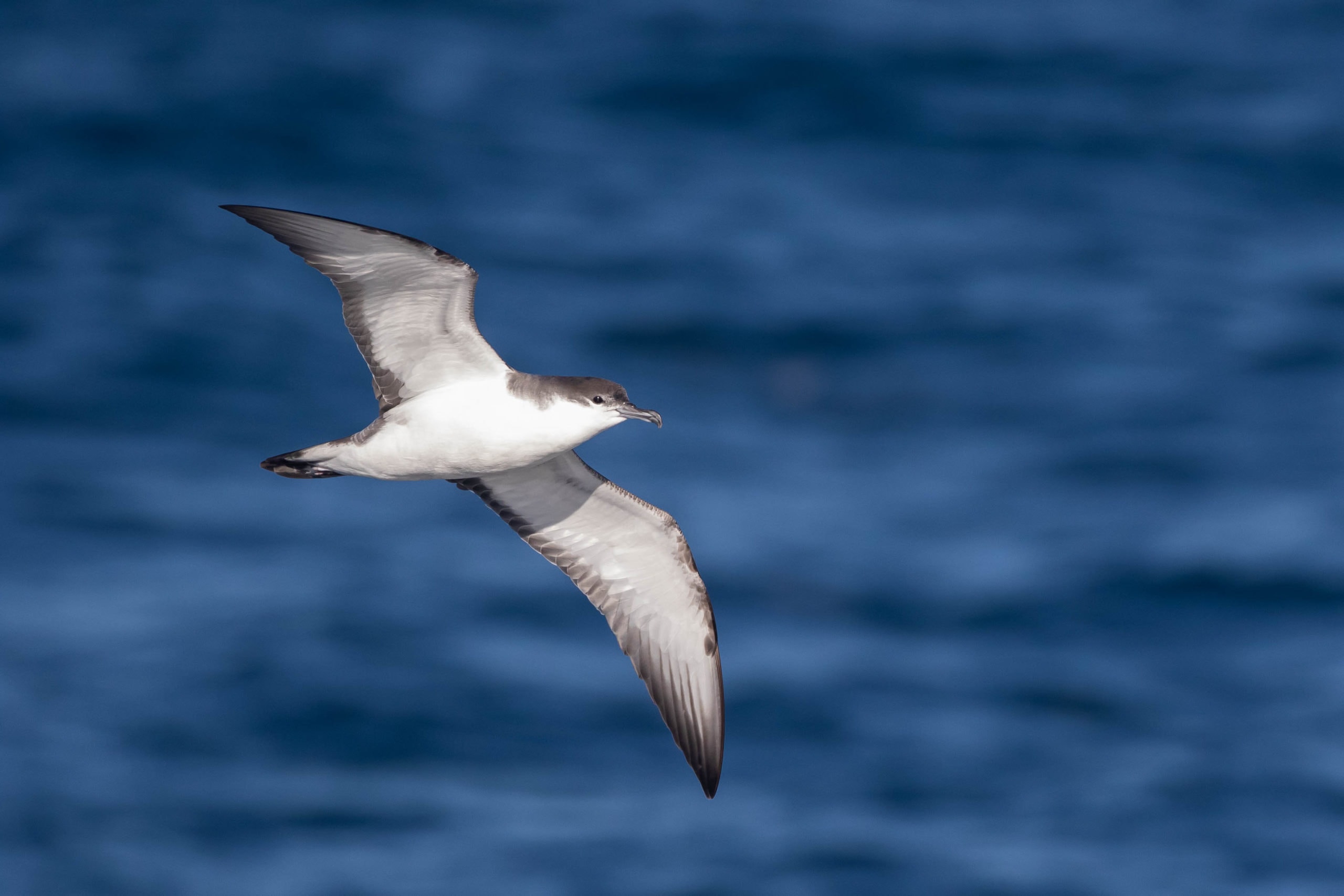
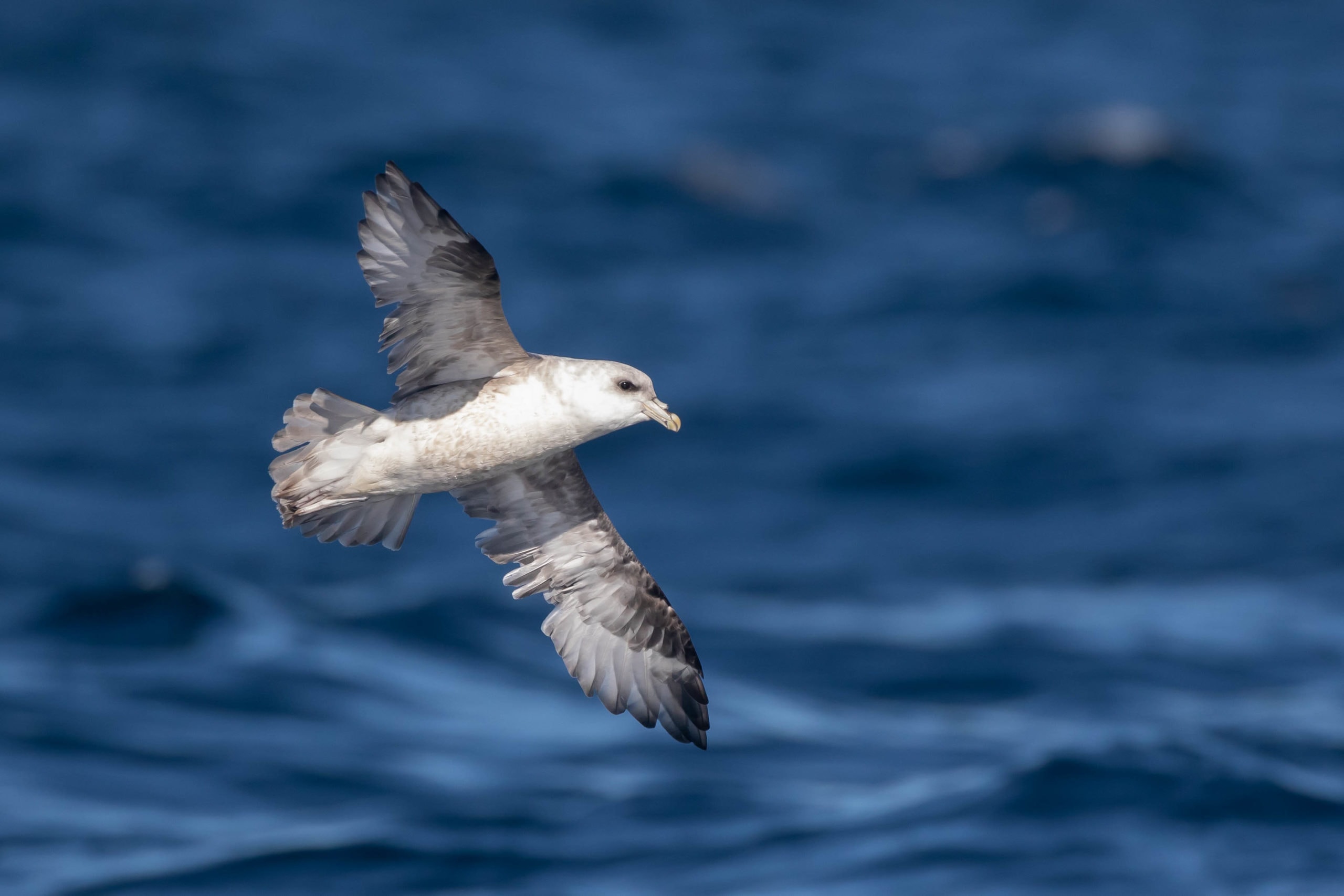
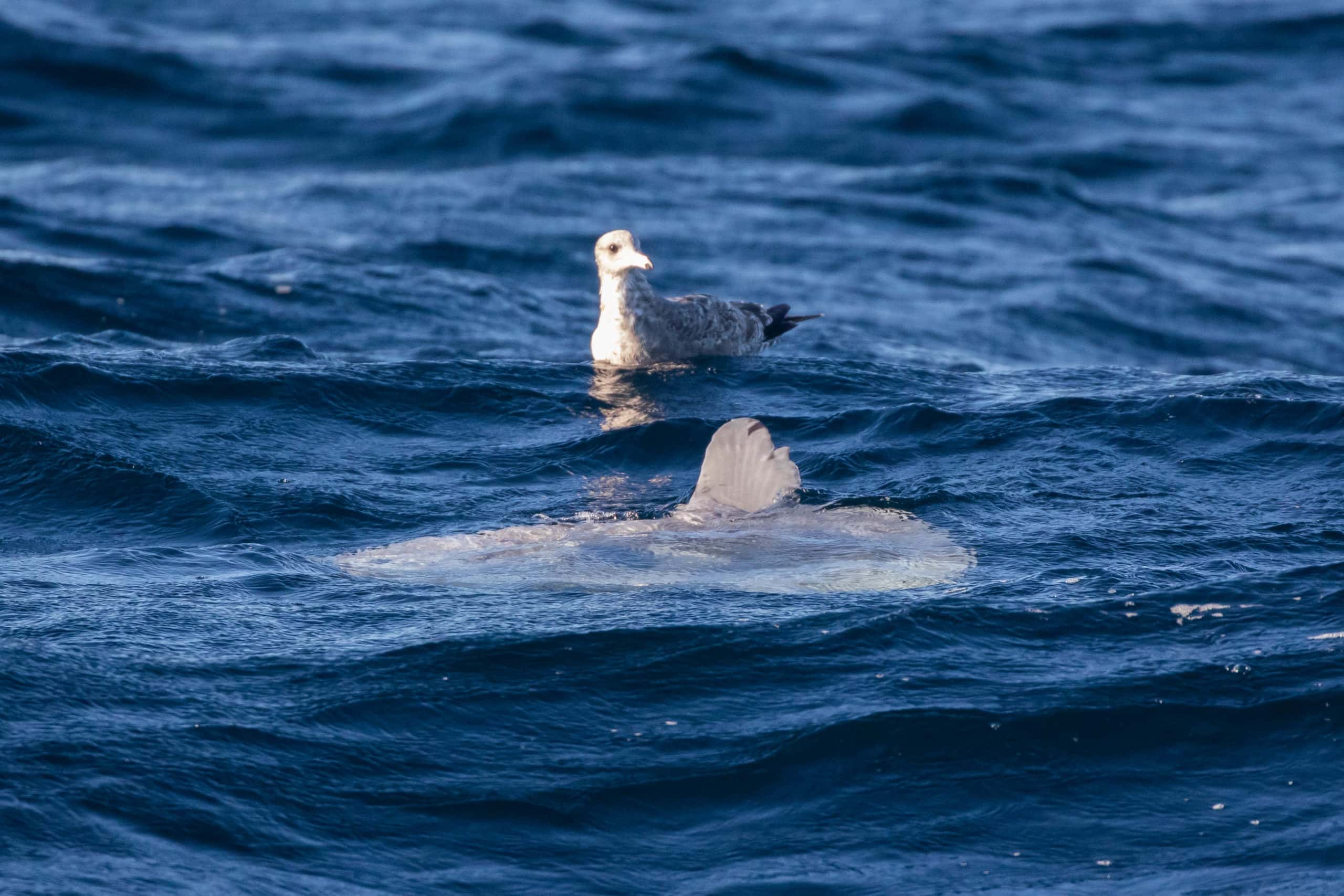
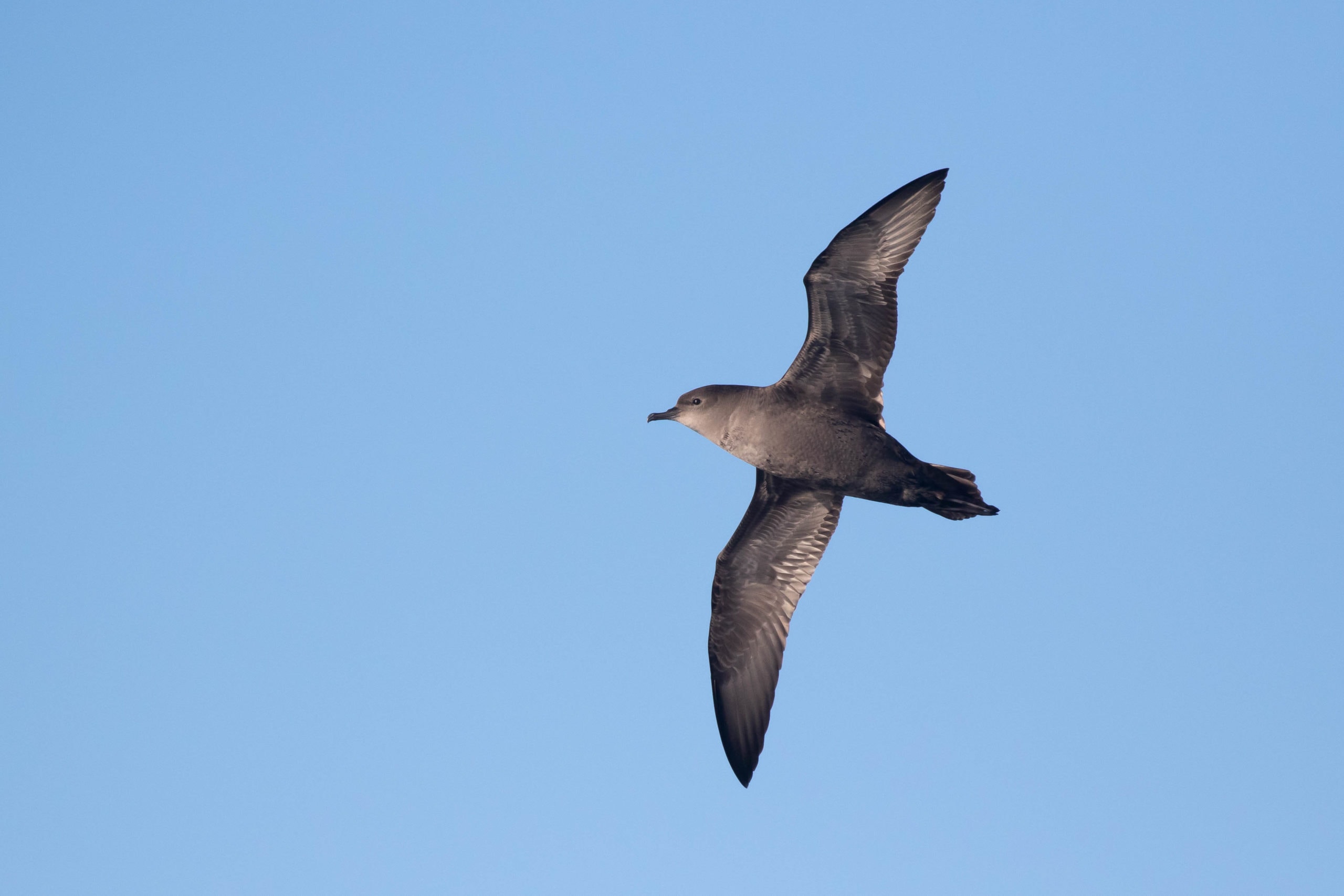
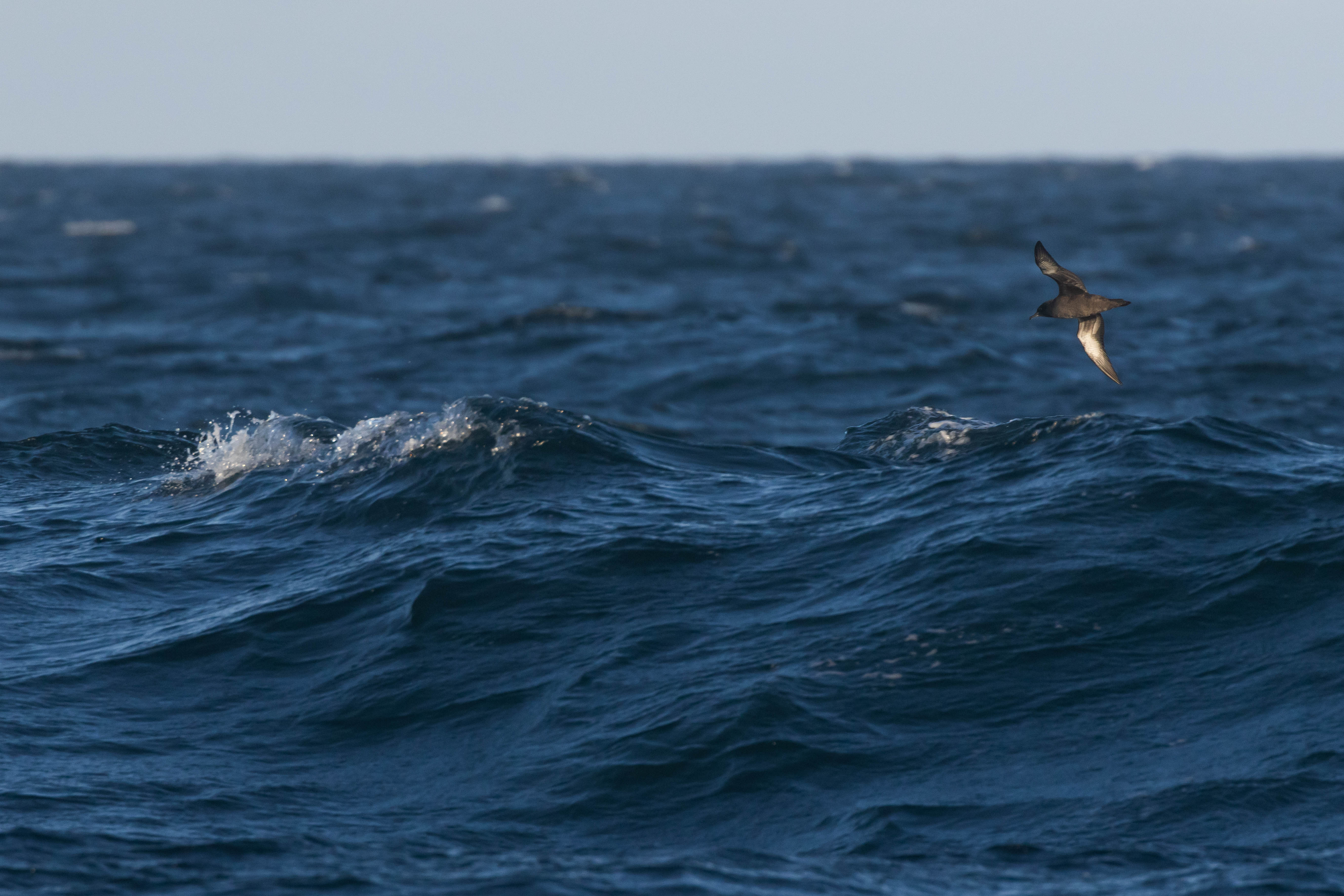
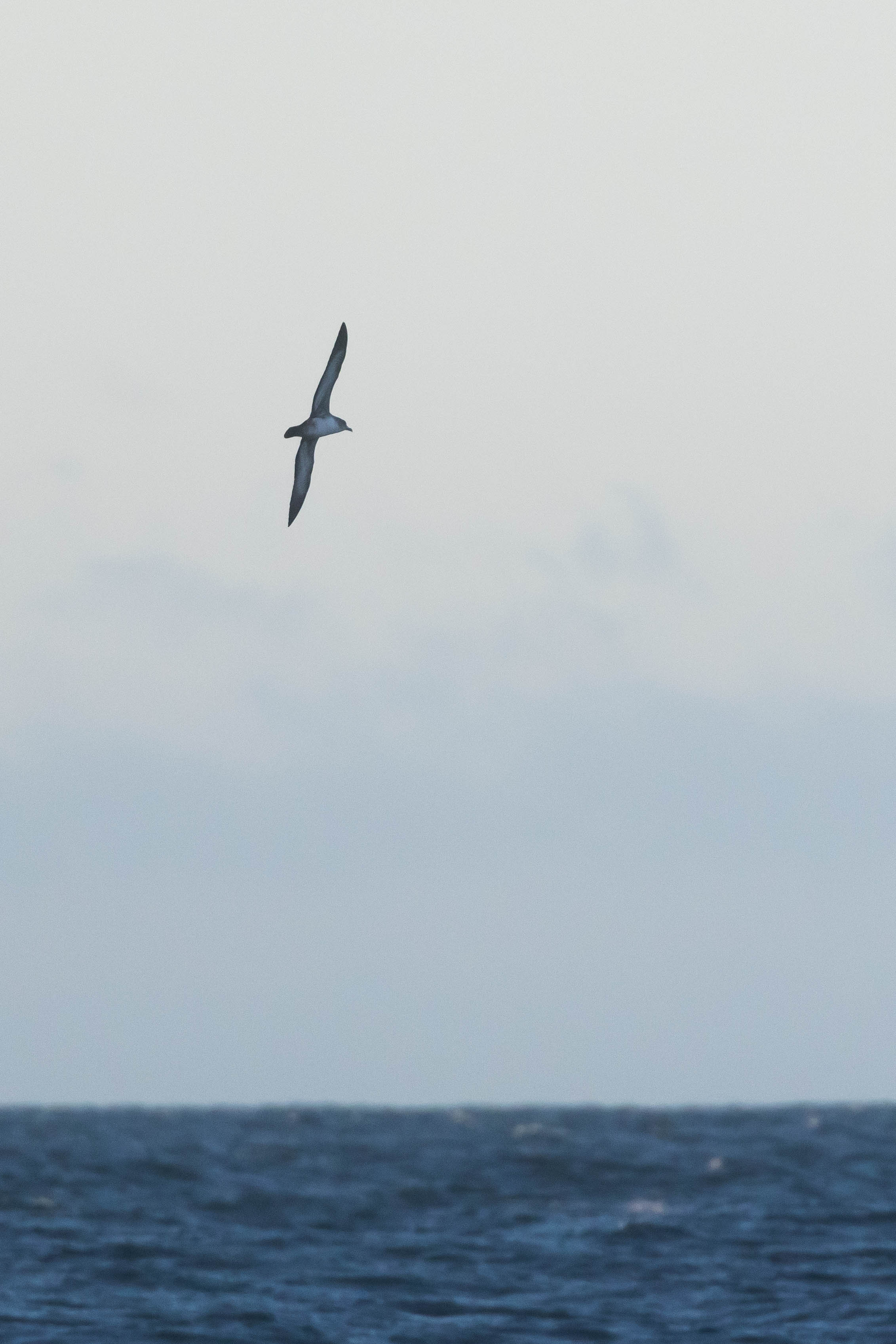
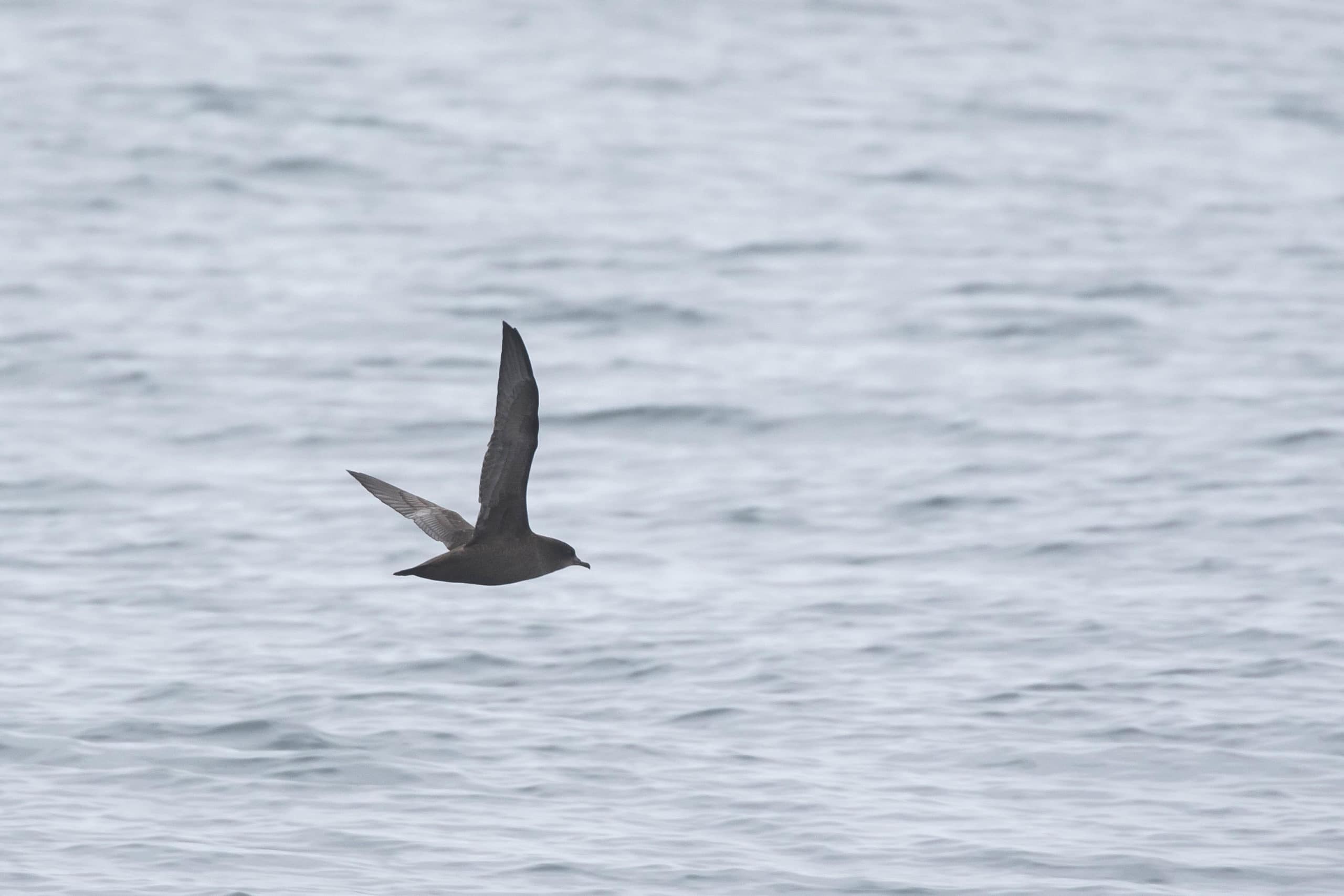
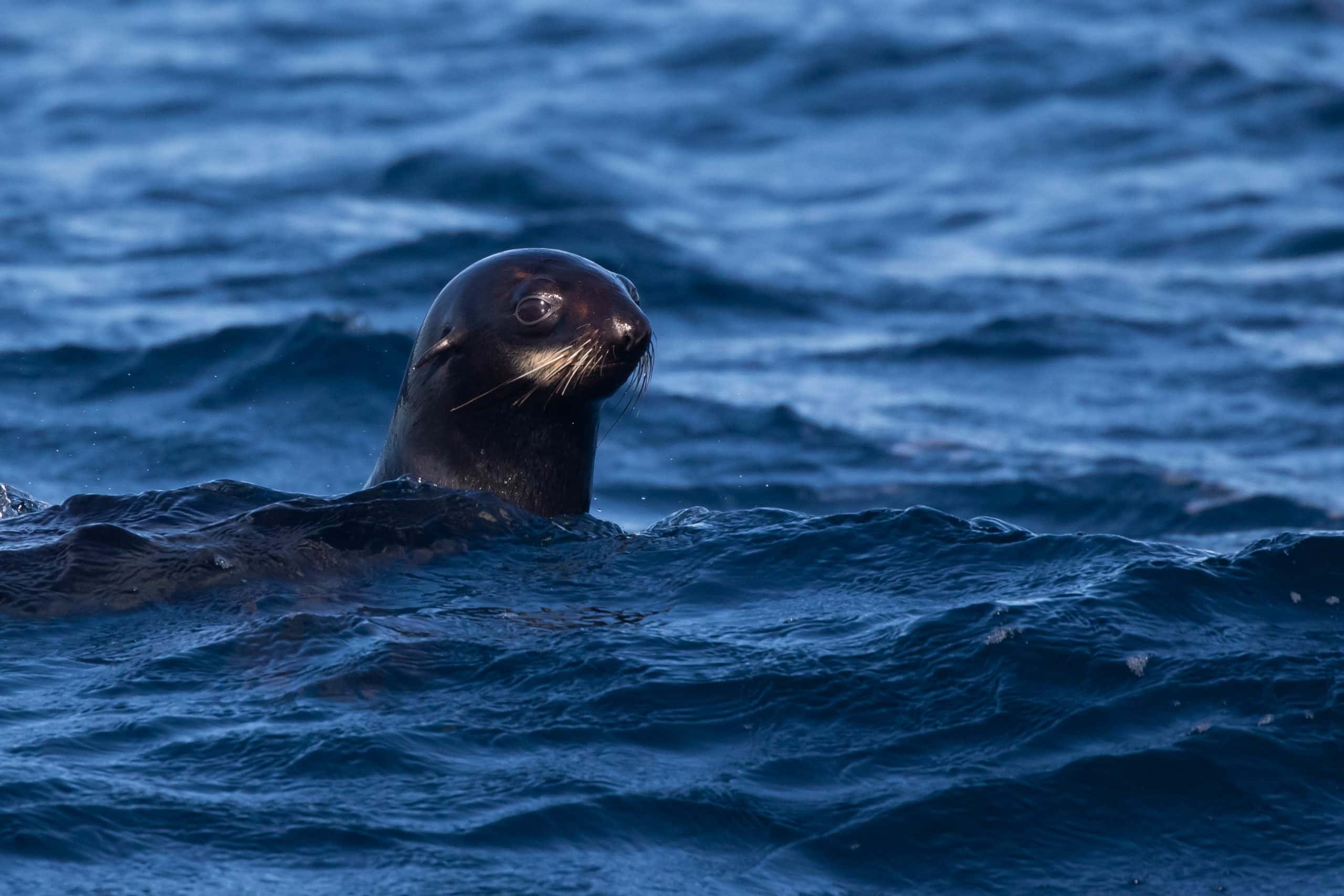
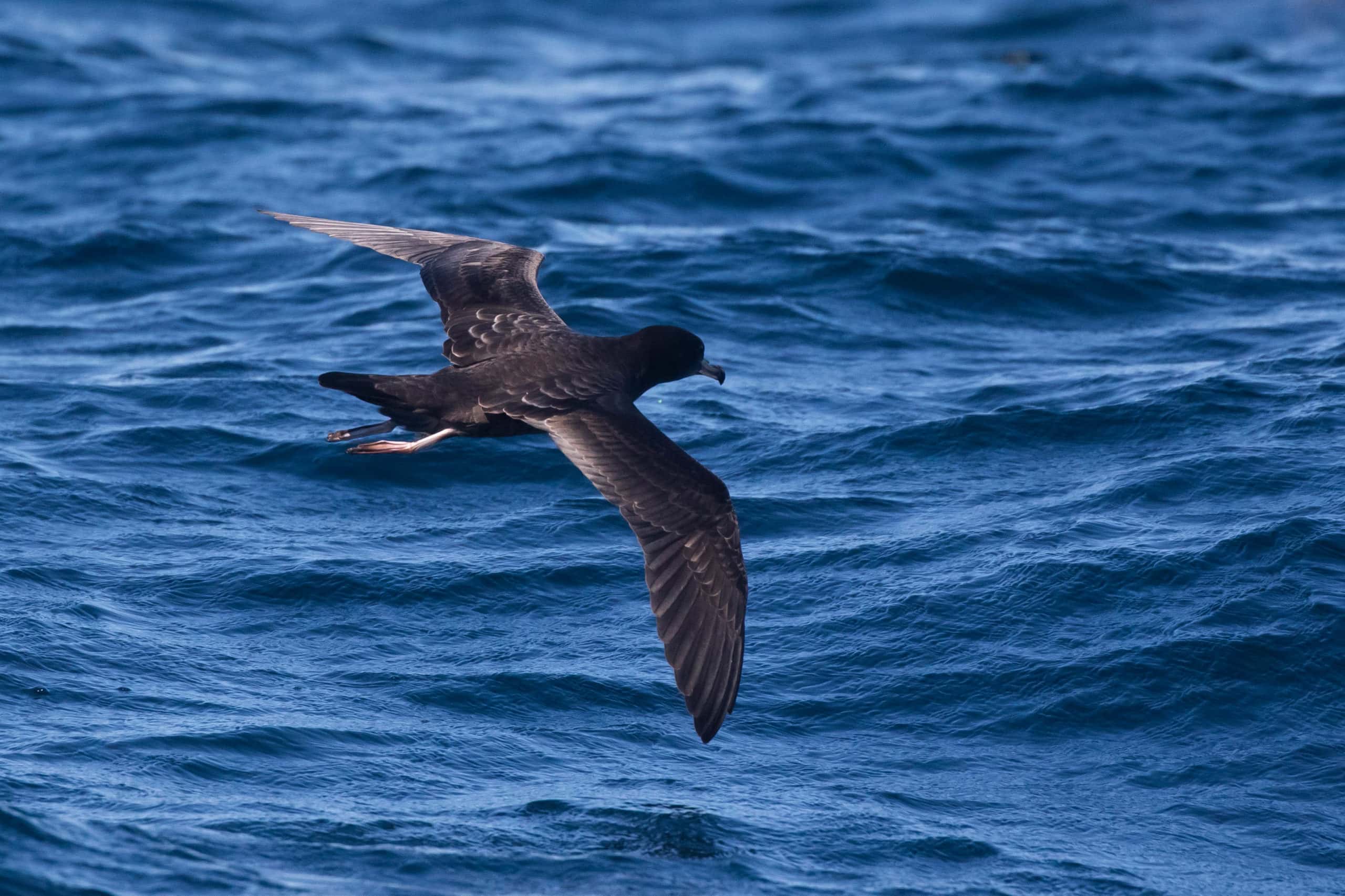
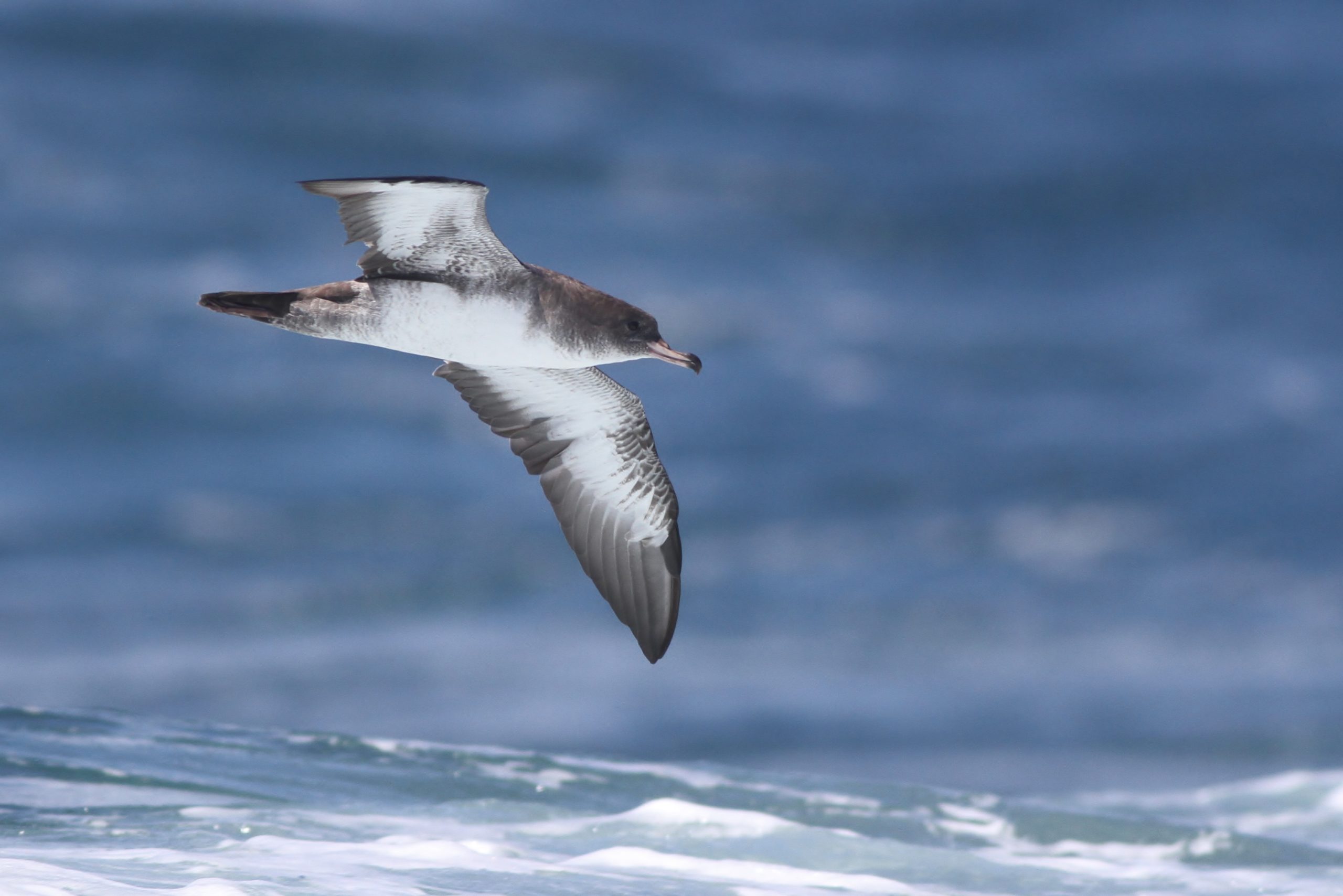
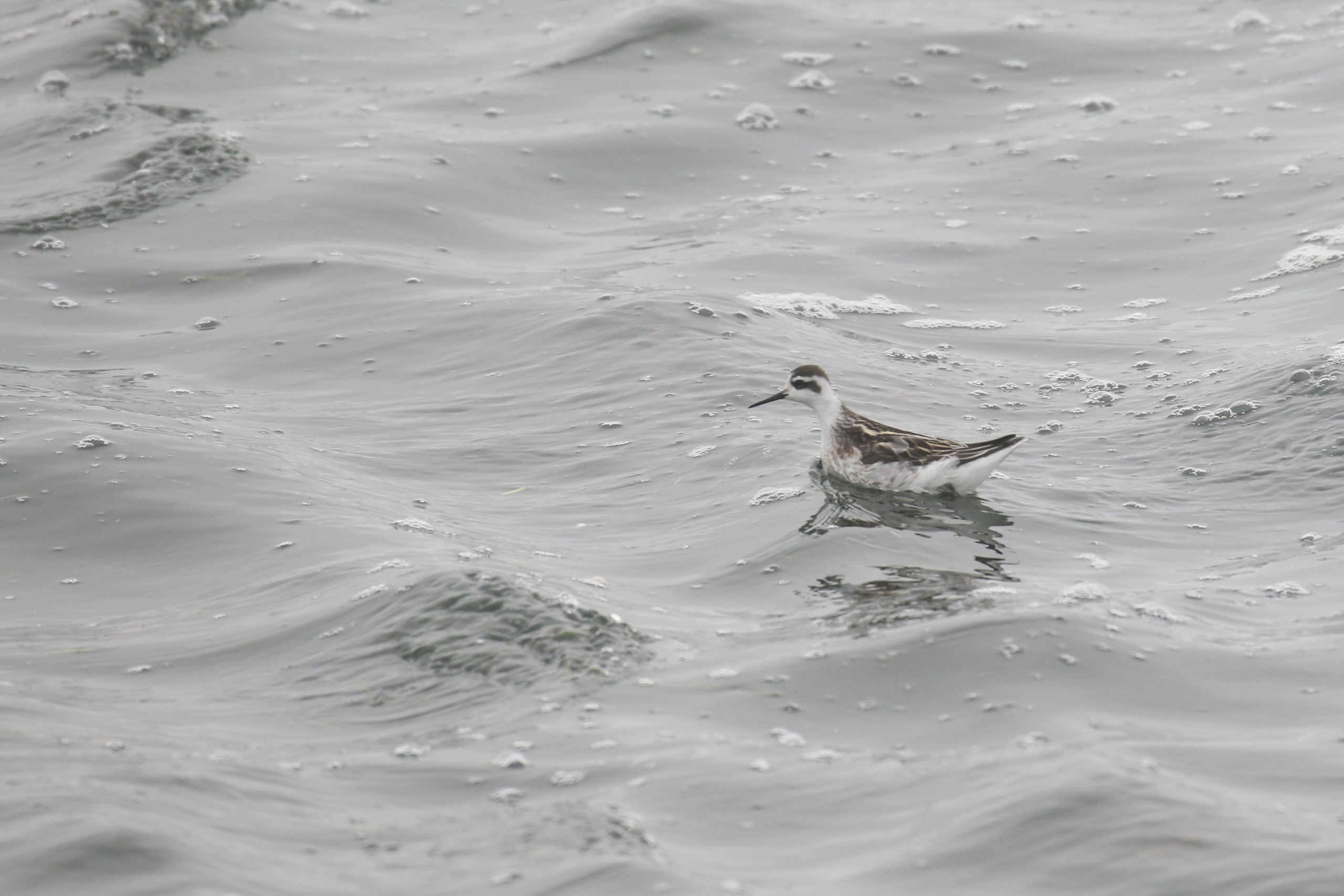
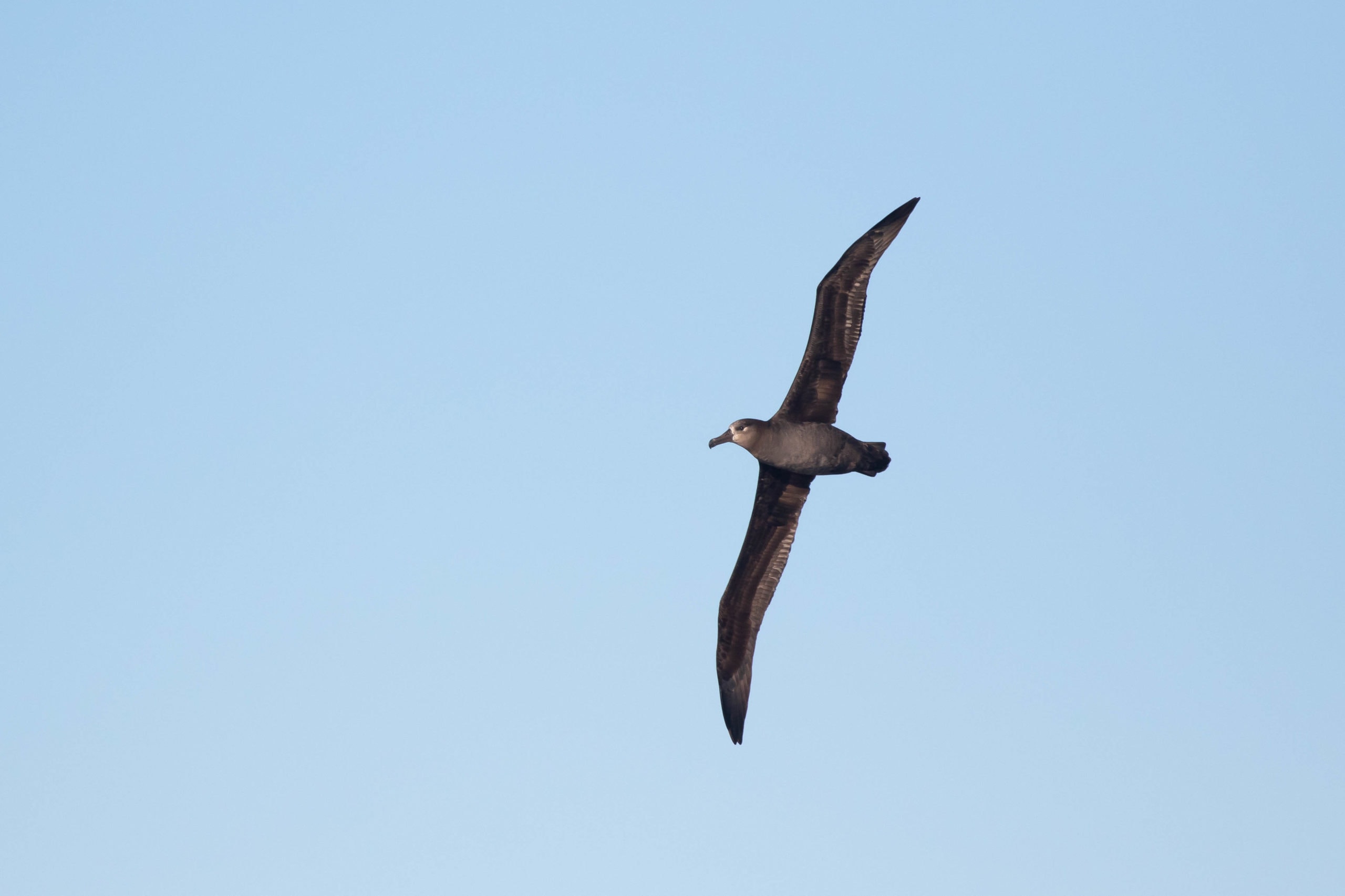
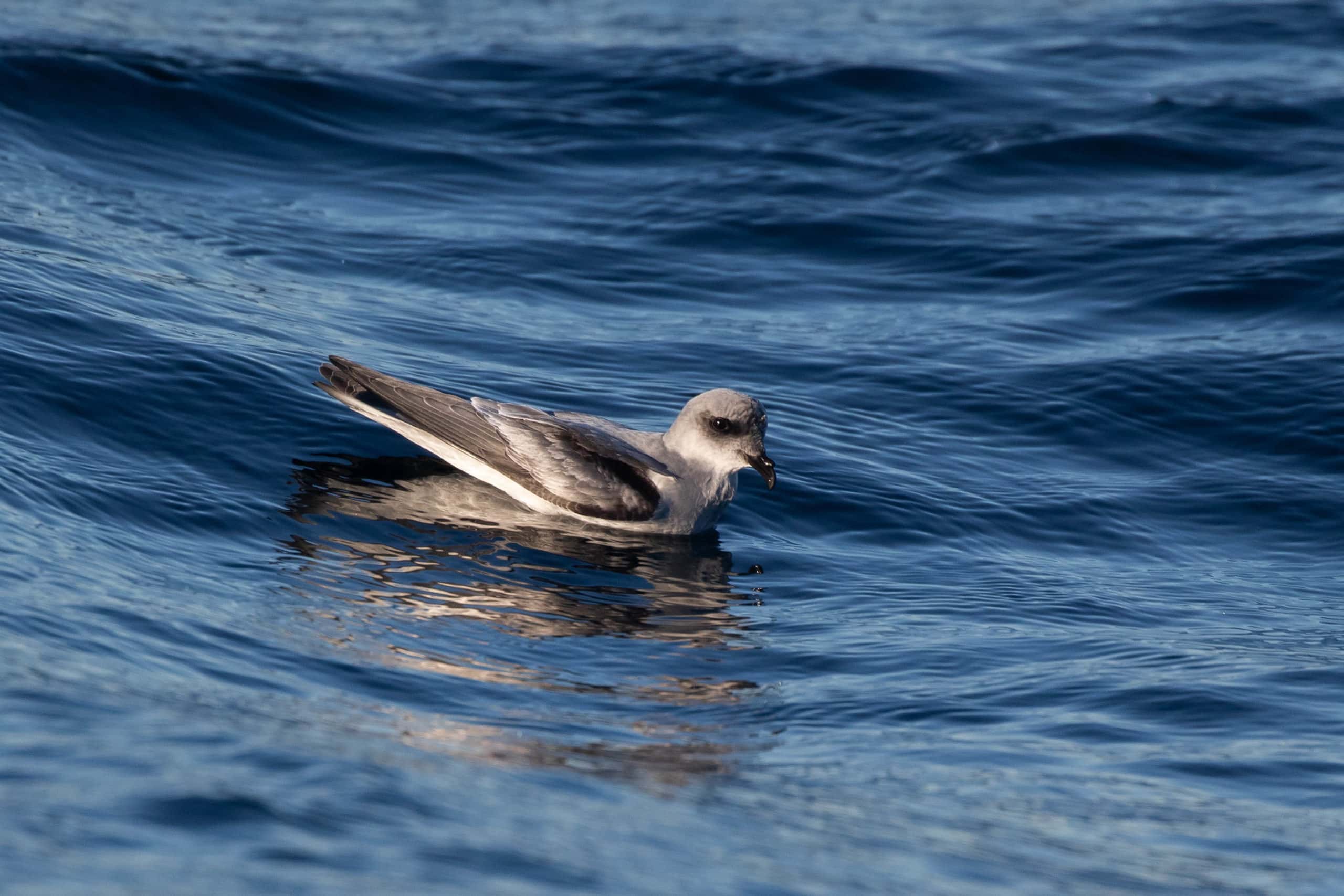
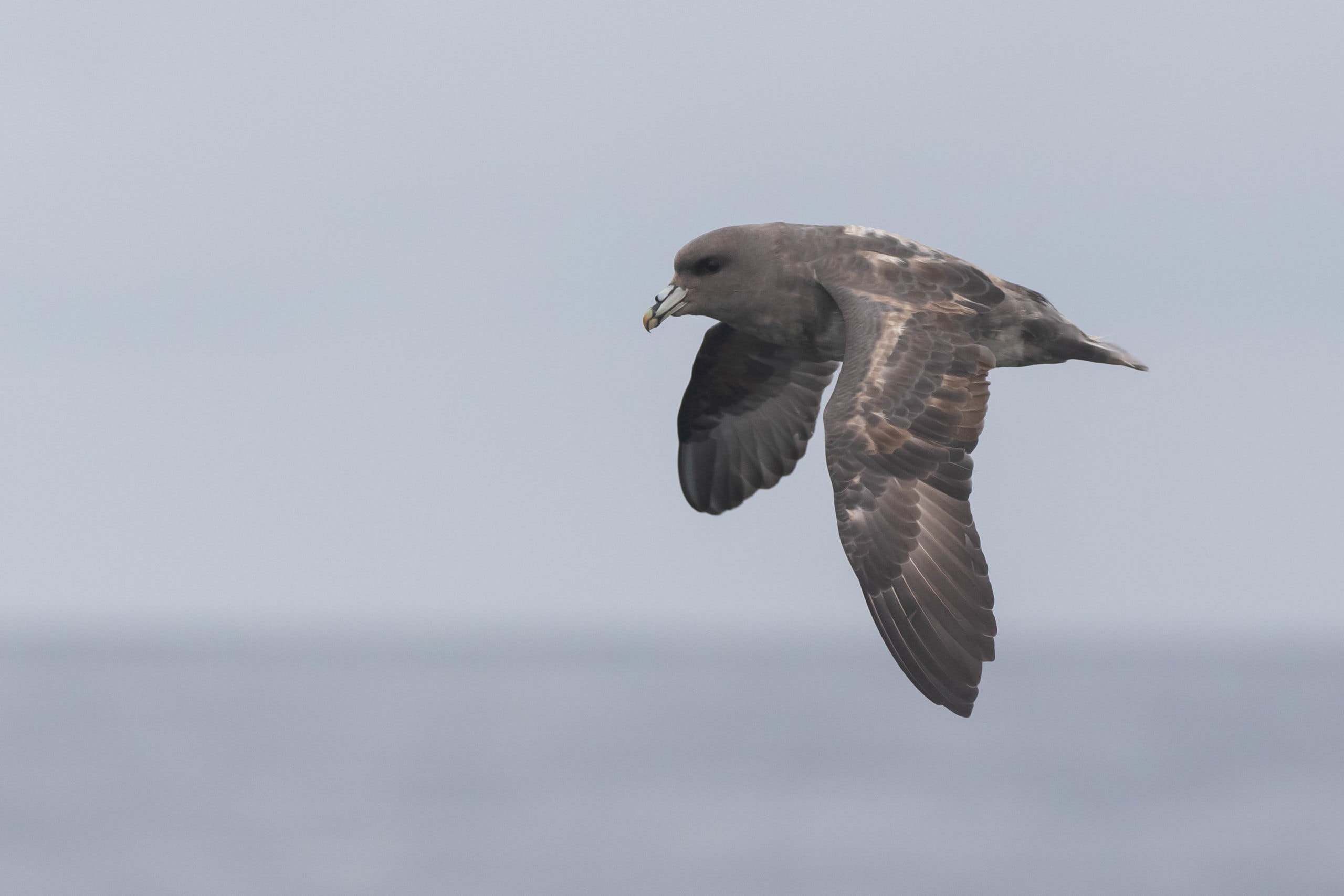
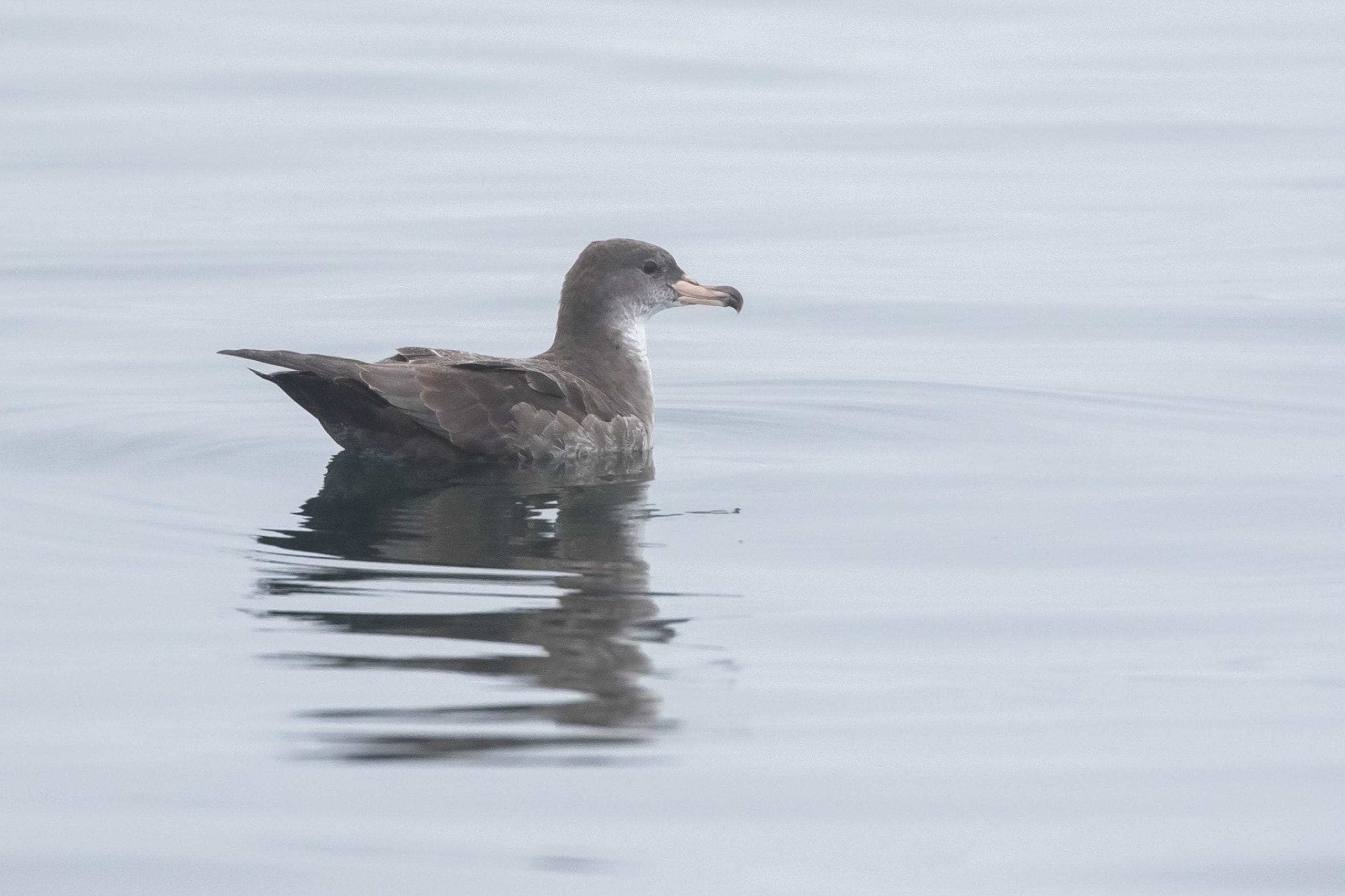
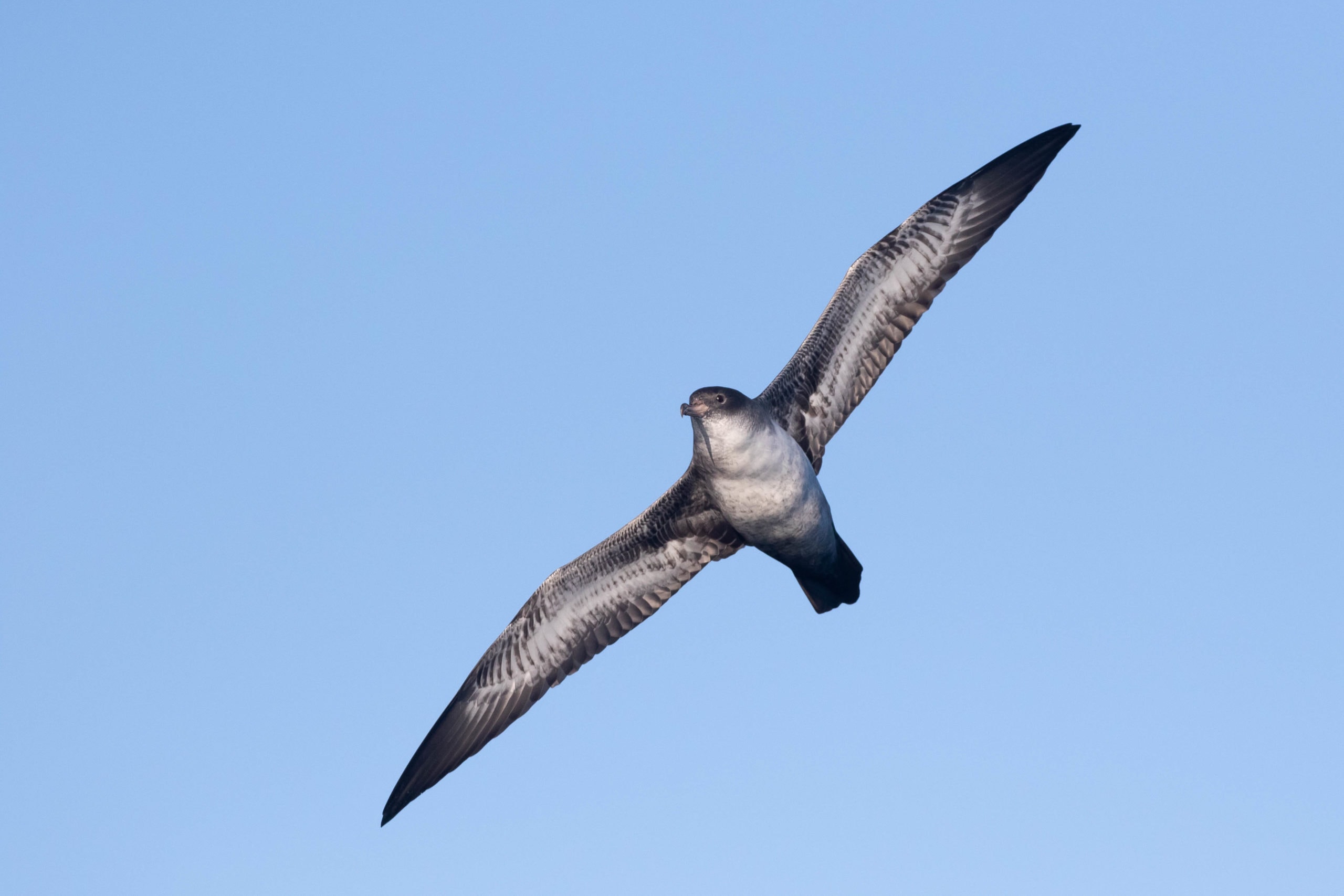
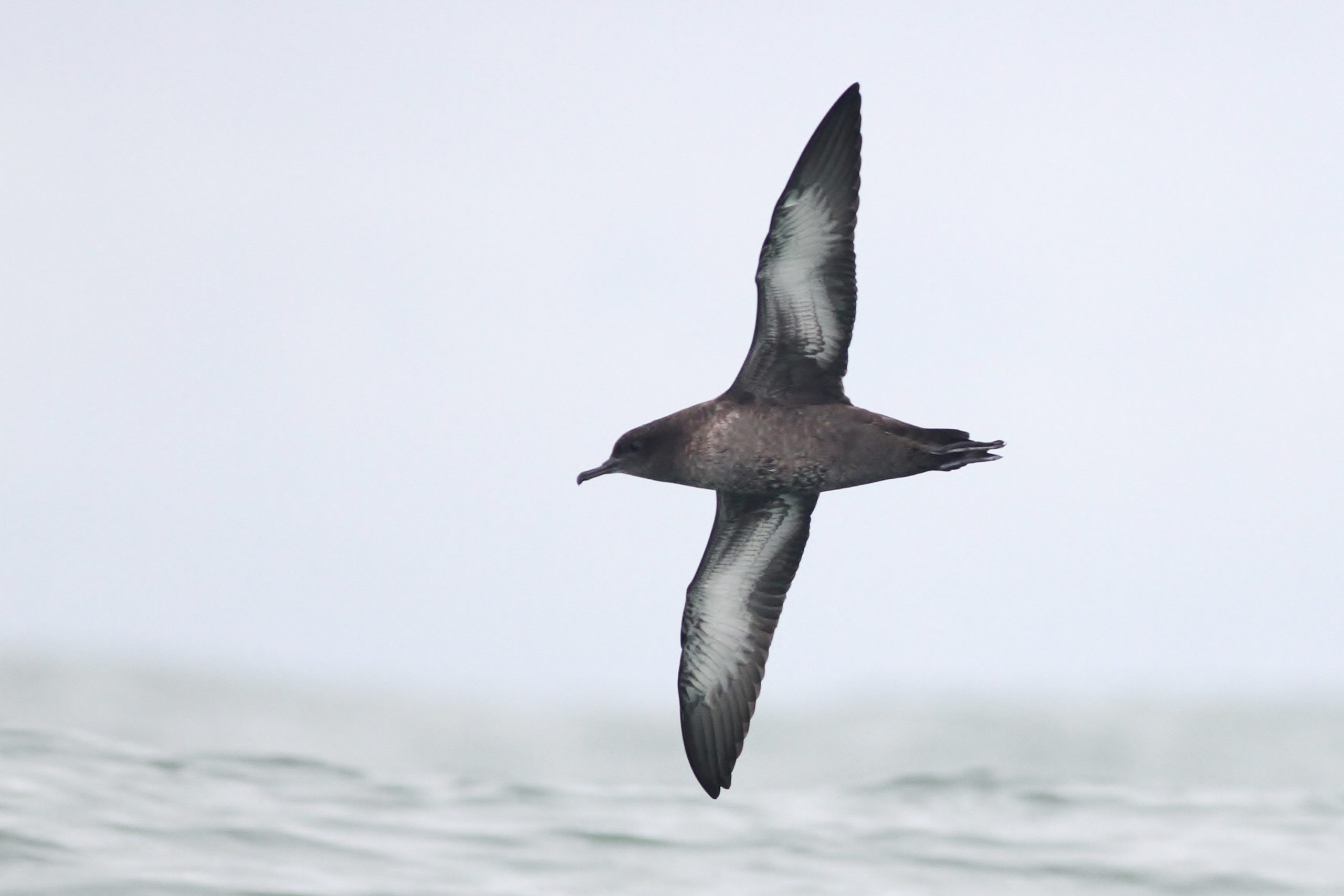
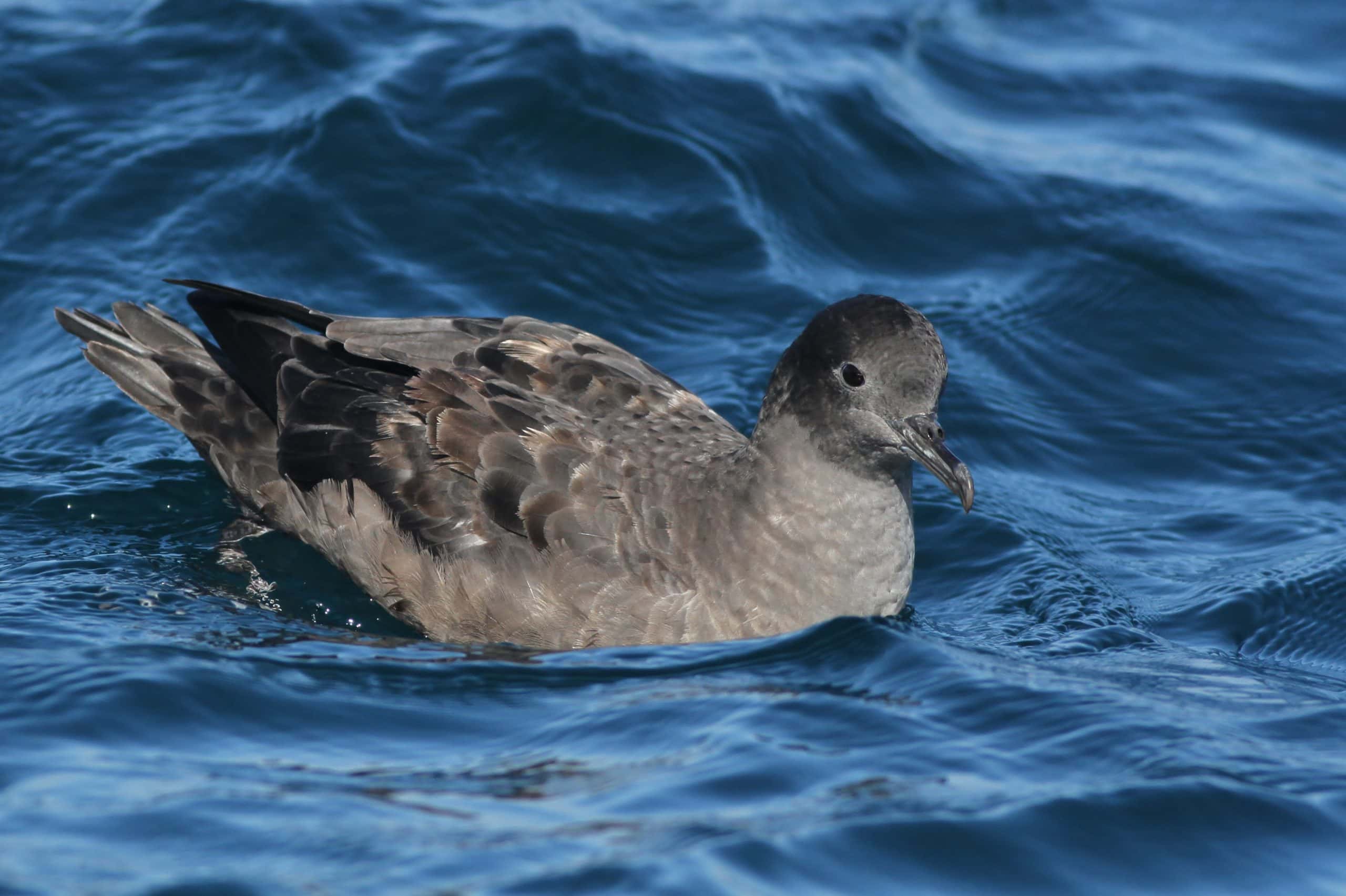
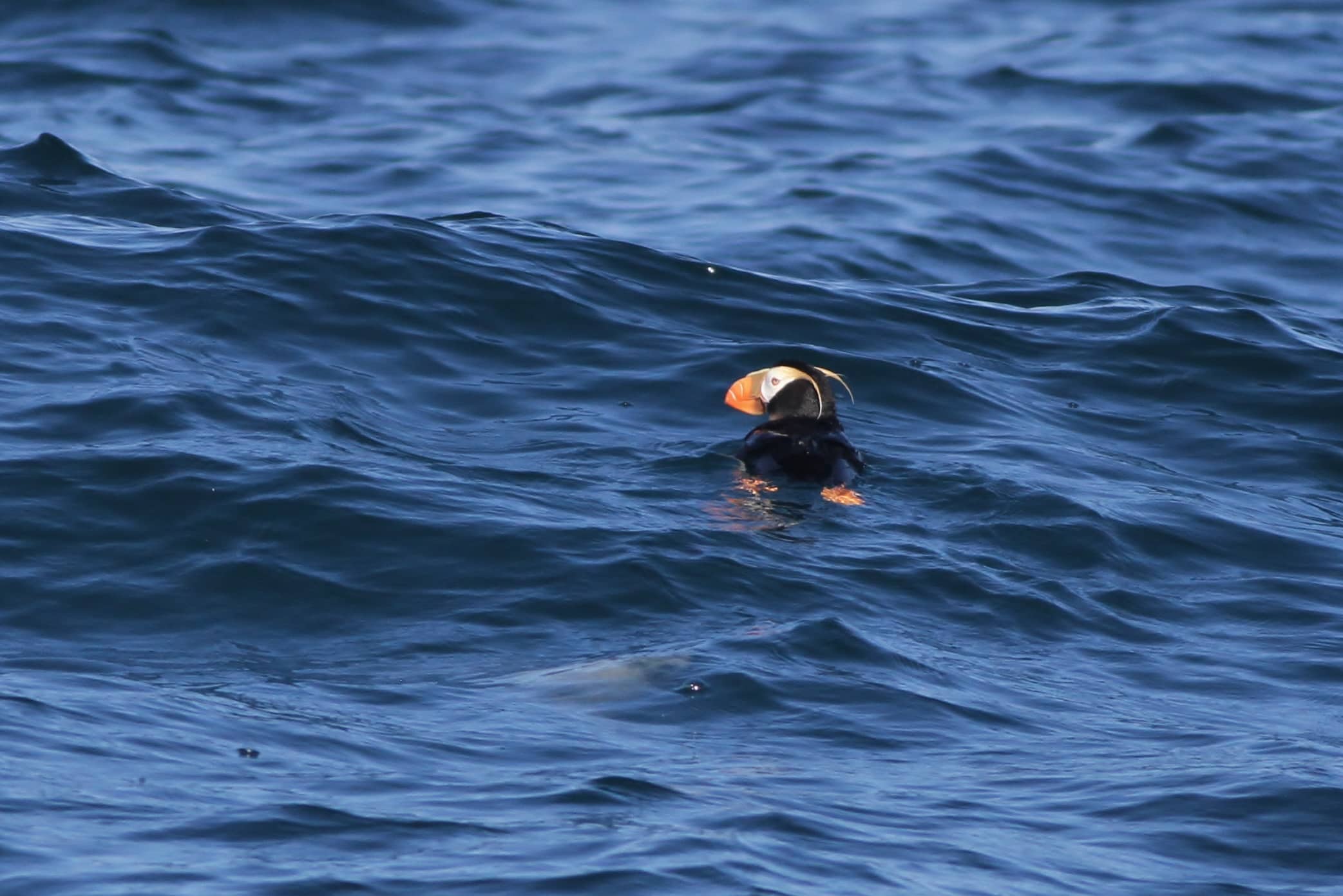
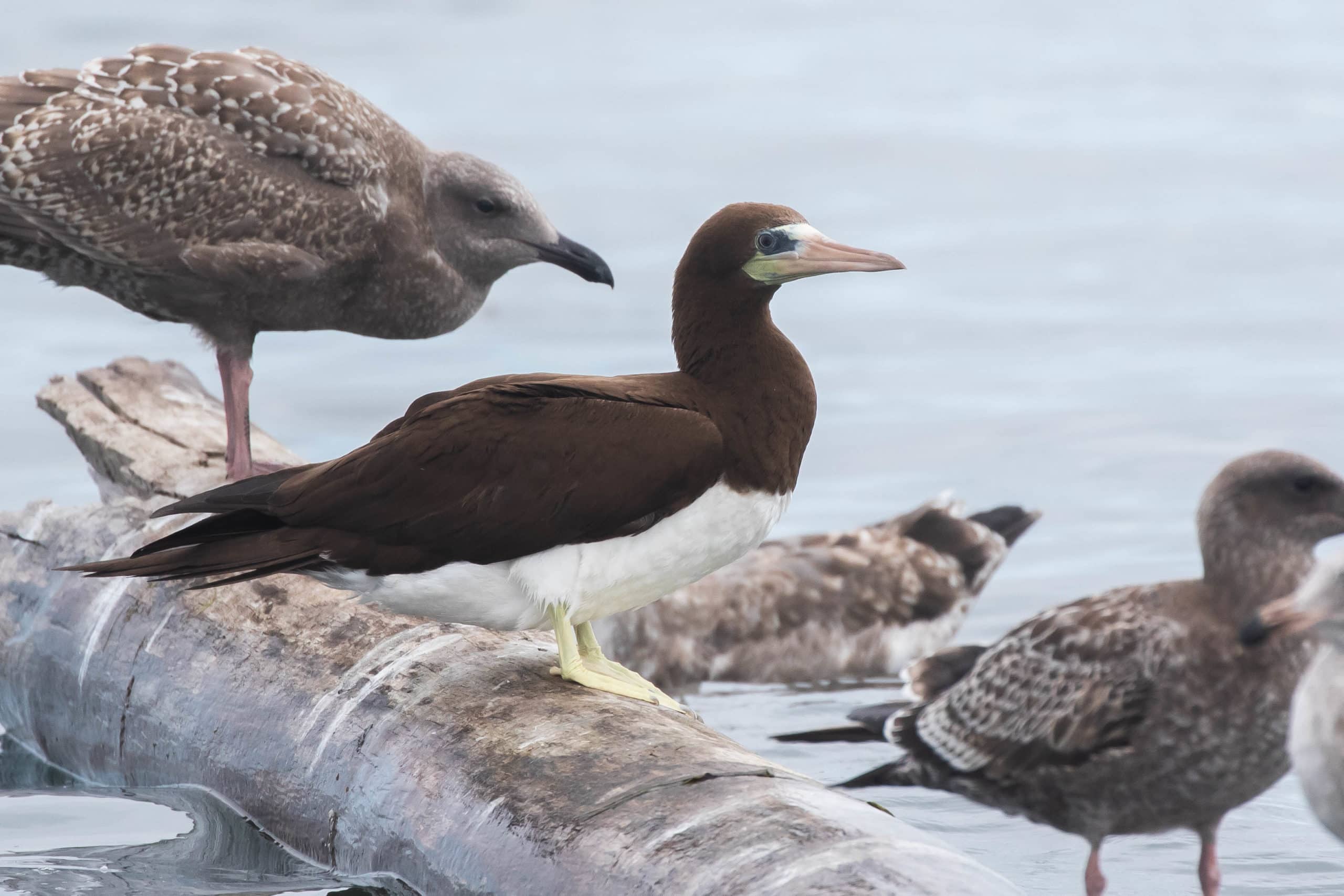
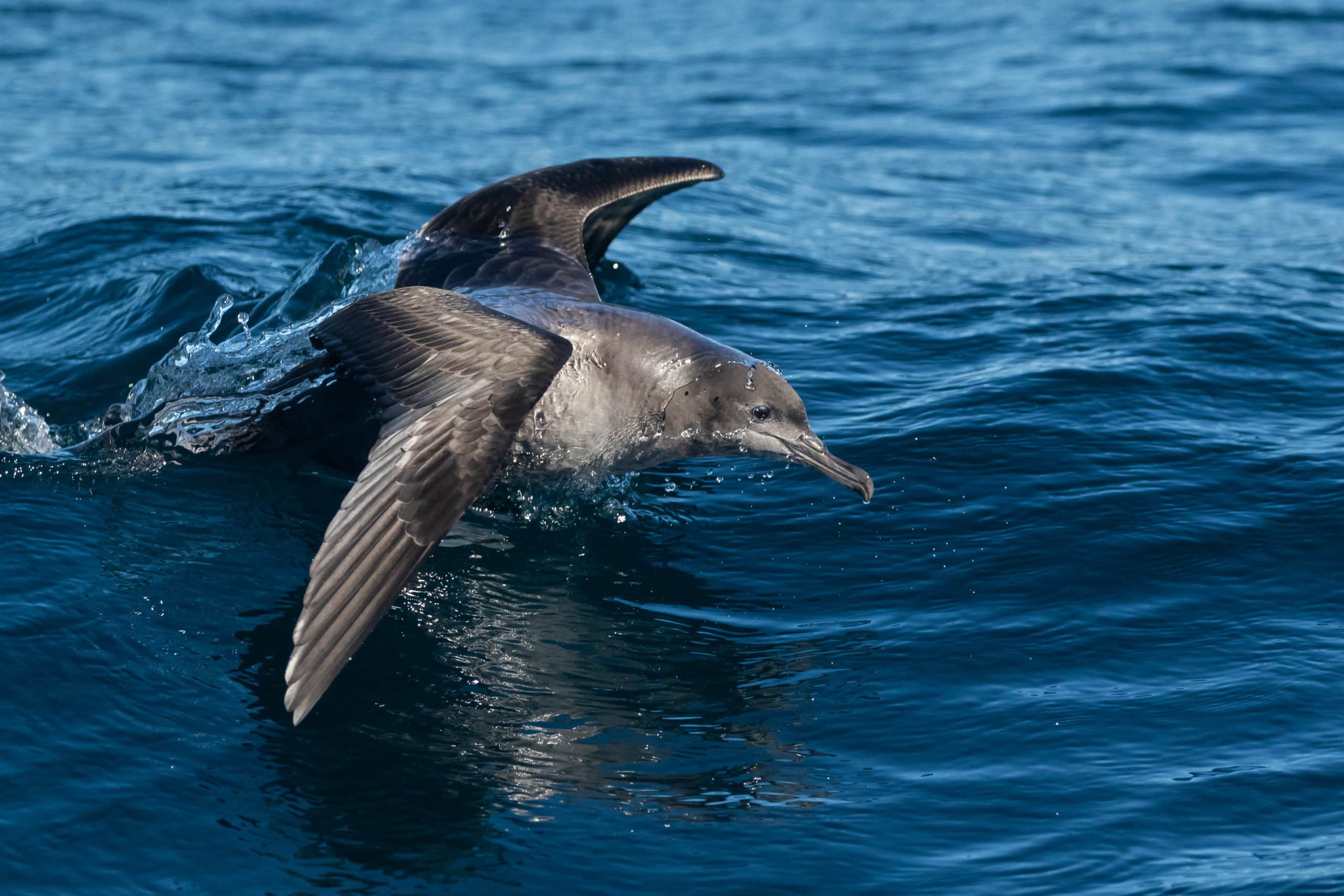
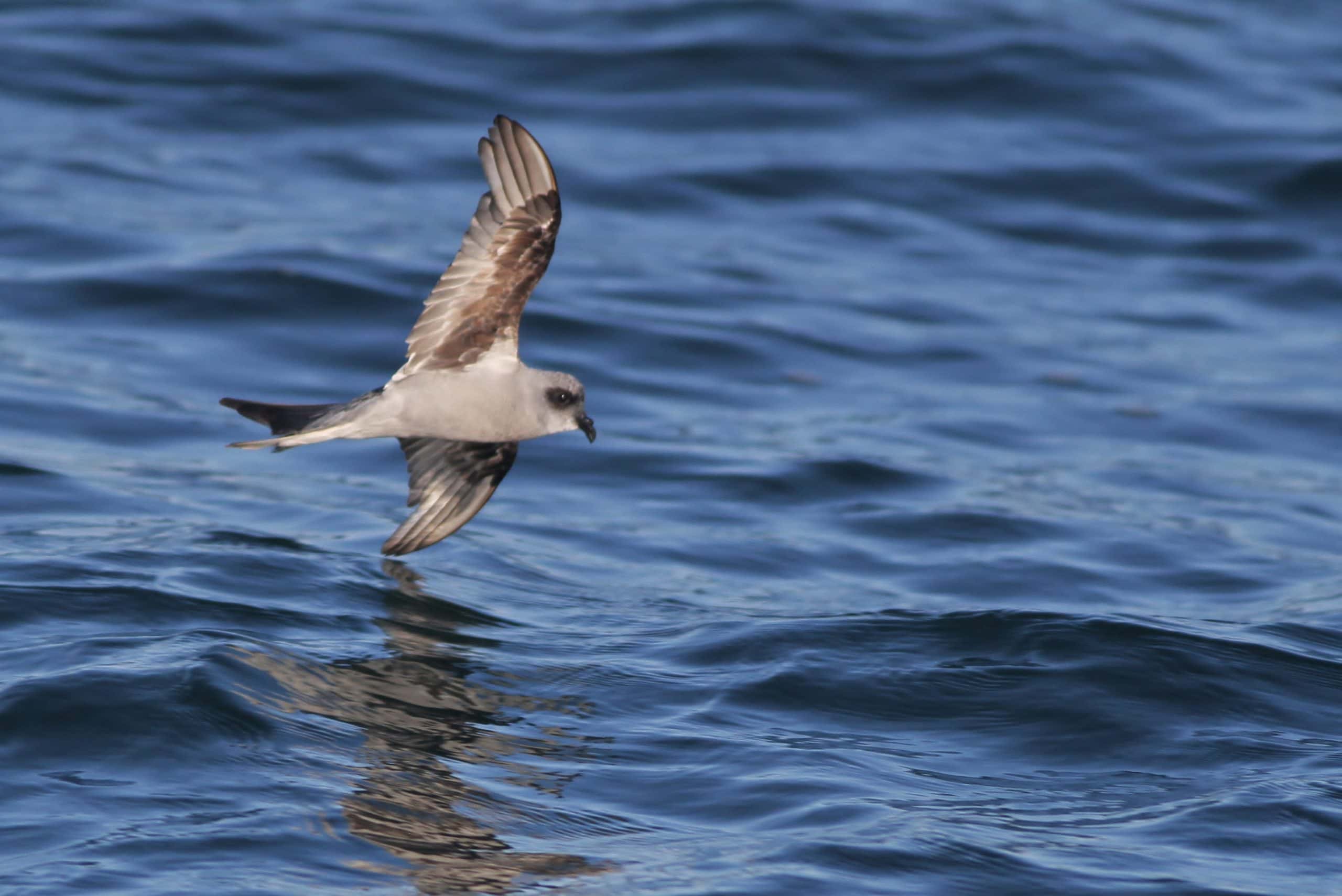
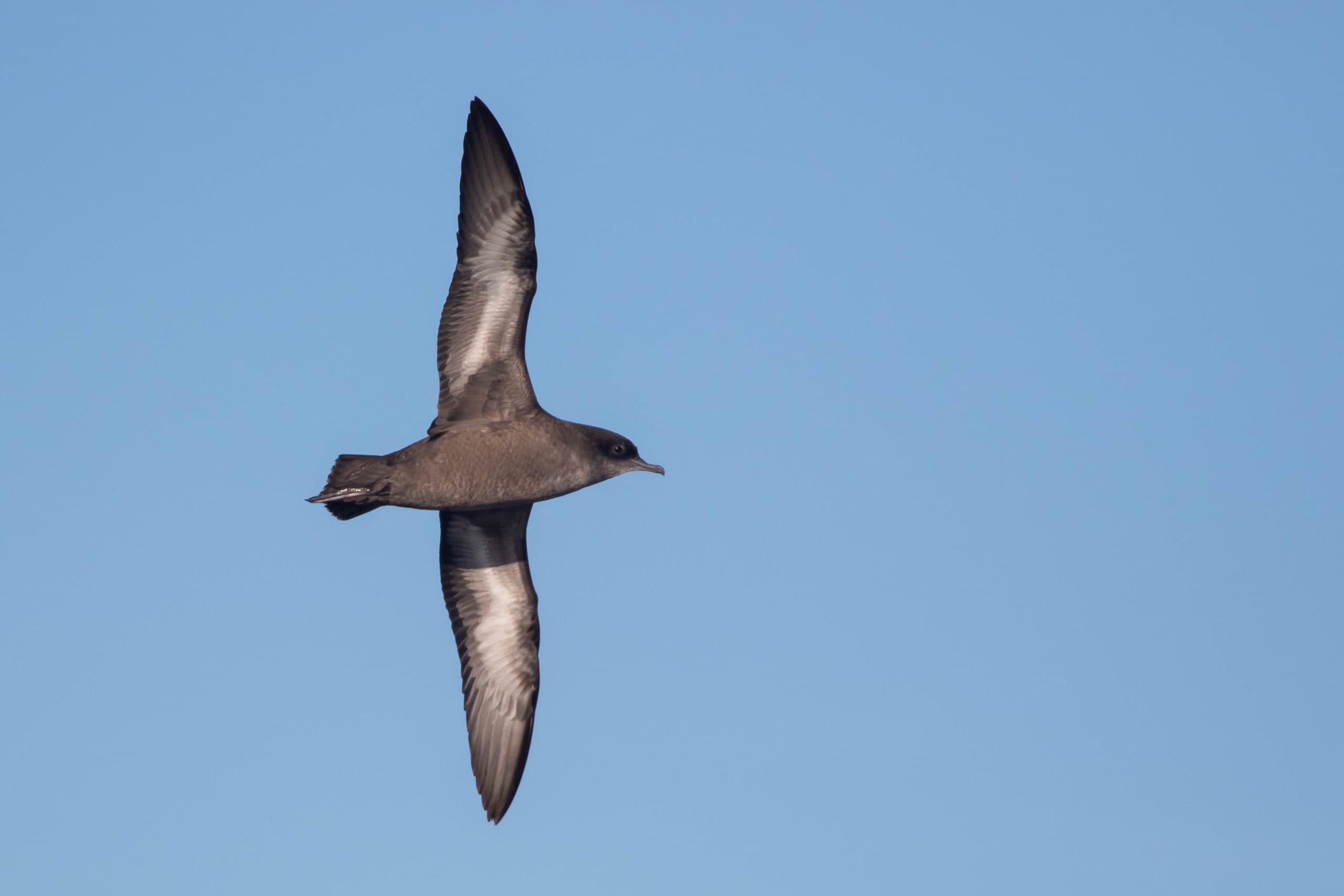
If weather cooperates, we will do a full-day pelagic trip with Westport Seabirds which will have us out exploring the open ocean for Laysan and Black-footed Albatrosses, Northern Fulmar, 4 shearwater species, Fork-tailed Storm-Petrel, South Polar Skua, all 3 jaegers, Cassin’s Auklet, Tufted Puffin, Scripp’s Murrelet, and both Red and Red-necked Phalaropes! You never know what other rare and unusual birds might be lurking out at sea! In addition to these seabirds, marine mammals can be plentiful especially Humpback Whale, Harbor Porpoise, Pacific White-sided Dolphin, Harbor Seal, and both Steller’s and California Sea Lions. Massive Blue Whales, Fin Whales, and Orcas are uncommon but always possible! Dall’s Porpoise, Northern Elephant Seal, and Northern Fur Seal are shy but fairly common. This pelagic trip is a must and will surely be the highlight of this whirlwind tour! Please check out the Westport Seabirds website for more of what to expect on this trip, and their great tips to prepare for a pelagic trip. Night in Westport.
Day 6 – Tokeland, Grayland, Bottle Beach, Nisqually NWR. Night in Lacey.
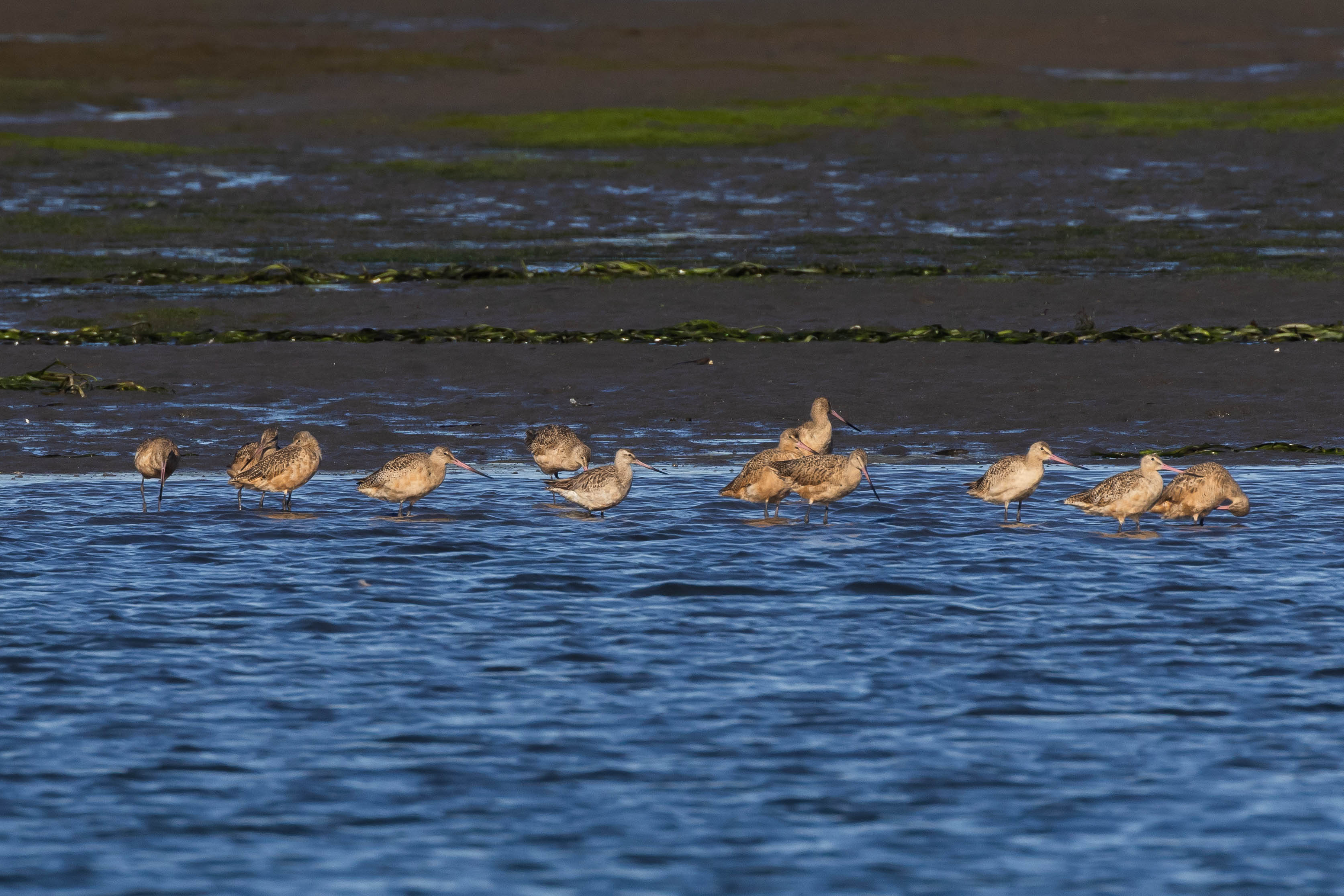
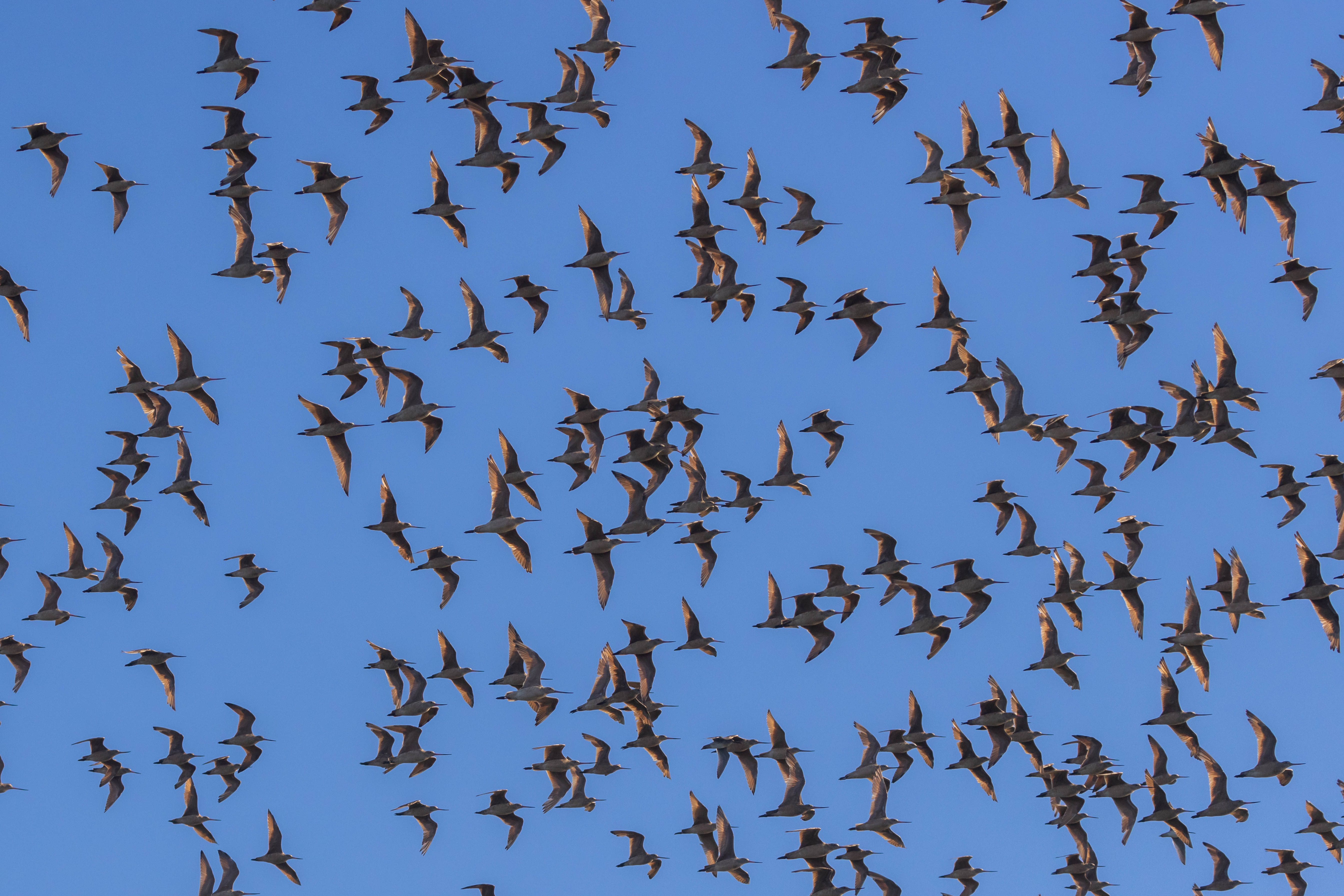
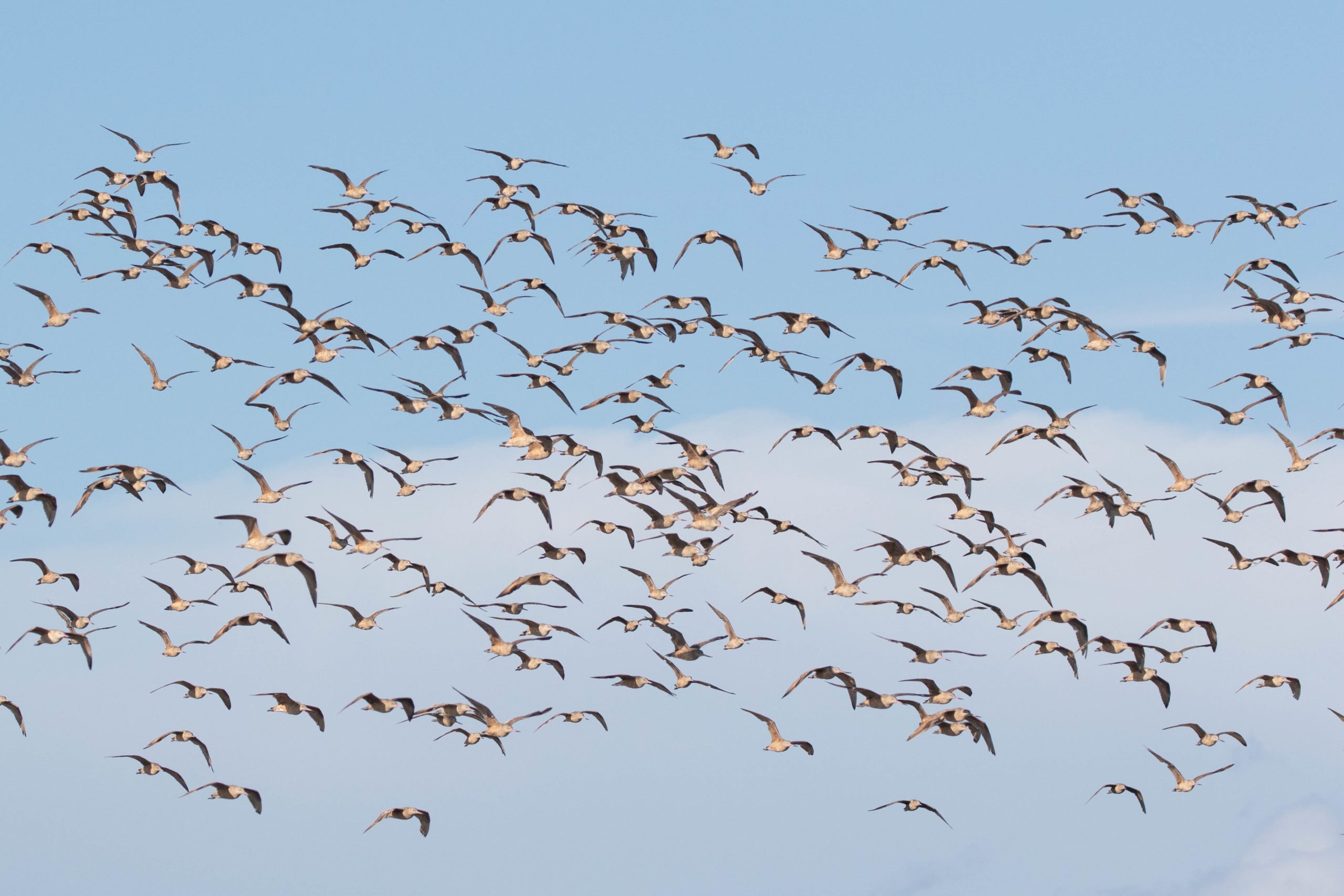
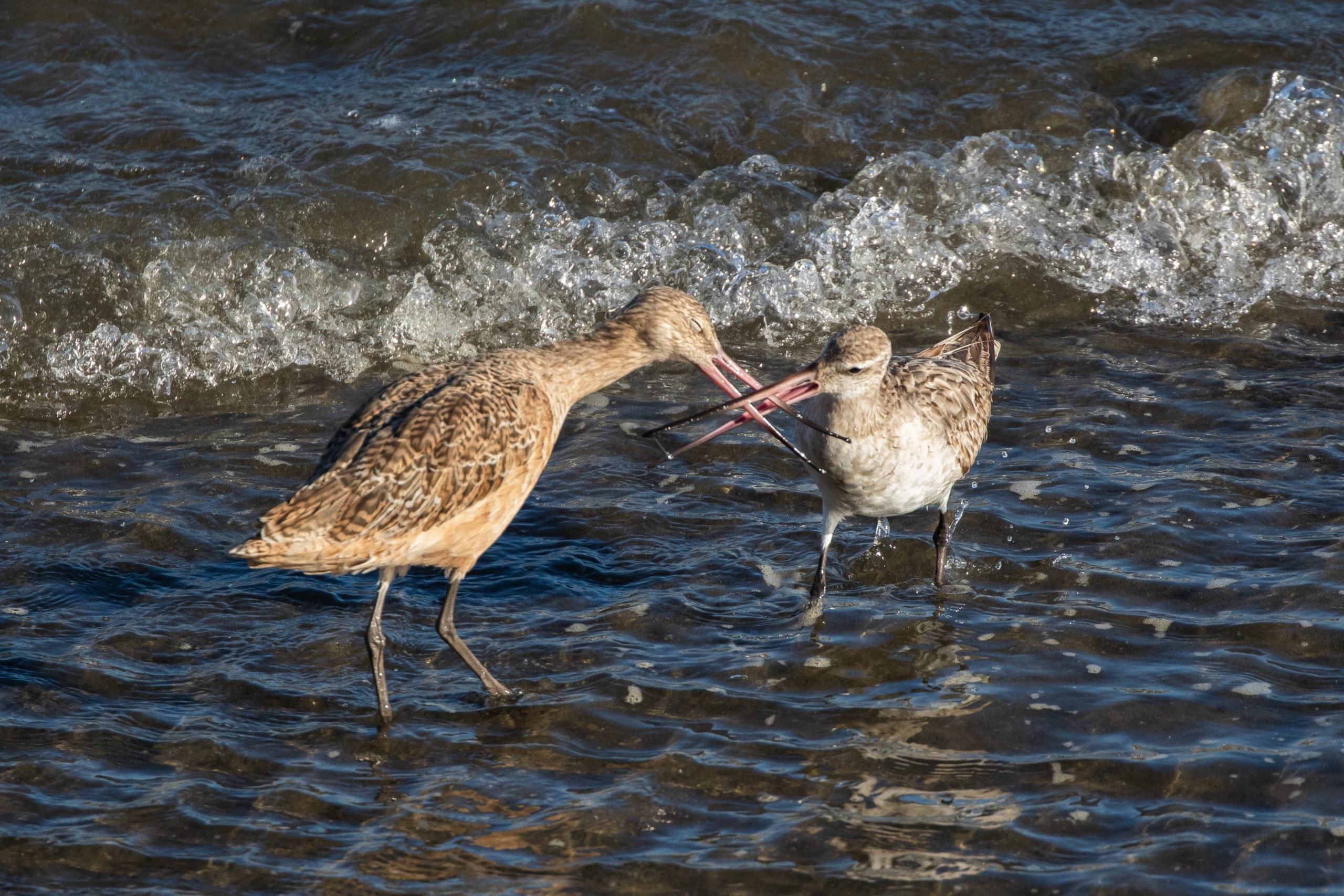
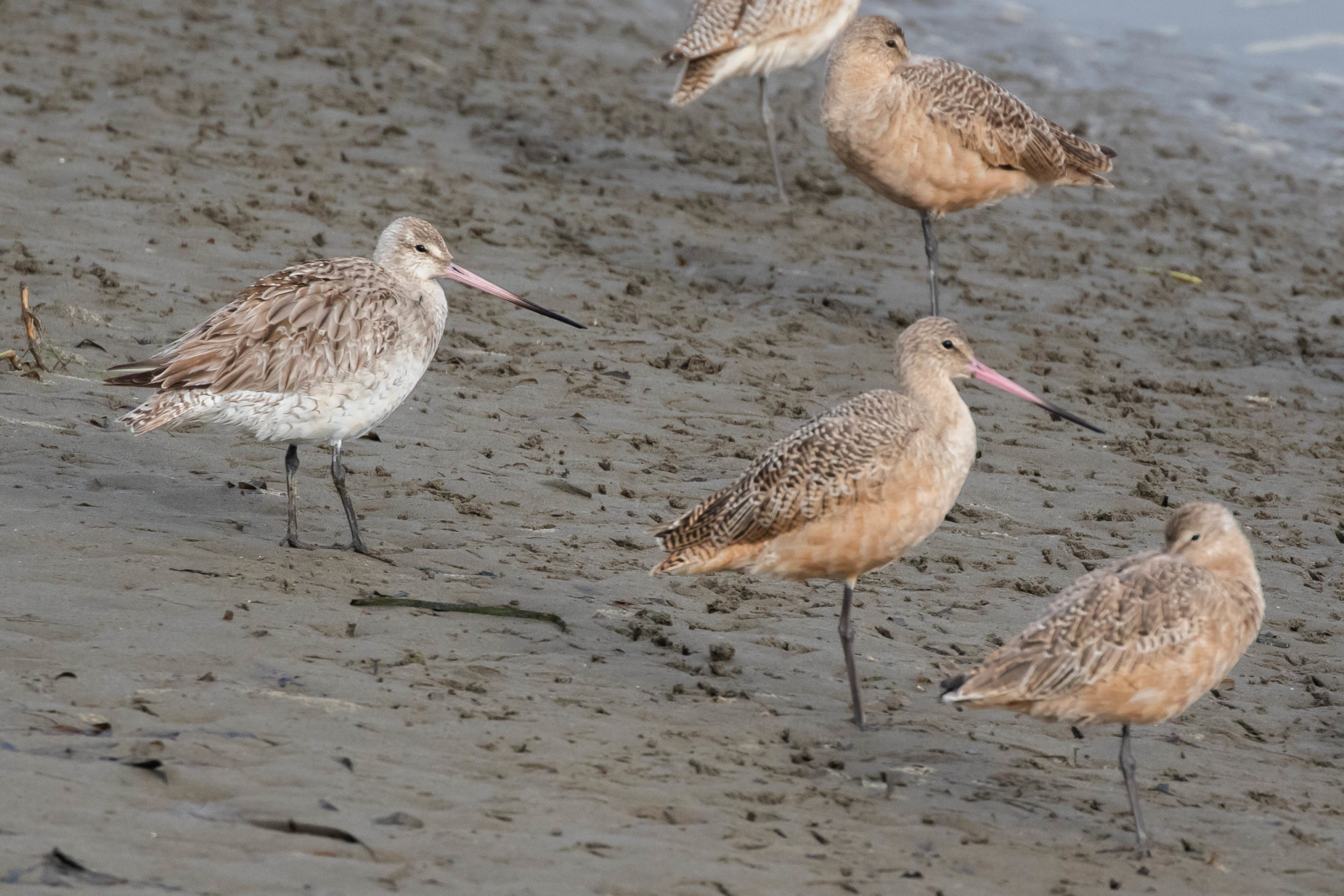
First thing in the morning we will visit Grayland Beach for threatened (but adorable) “Western” Snowy Plovers plus other shorebirds like Sanderling, Dunlin, and maybe Red Knot. This is a unique location where we can cruise down the sandy beach and bird from the vehicle! Quick visits to Tokeland and North Cove are good sites for more shorebird and seaduck potential. Large numbers of Marbled Godwits overwinter between Westport and Tokeland, and we have often been able to find vagrant Bar-tailed Godwits in the mix! We might also see people out on the beaches catching huge razor clams!
For the afternoon we will trek back inland toward Olympia at the very south end of Puget Sound and finish the day birding at Billy Frank Nisqually NWR. This is an excellent refuge with a variety of habitats. It isn’t hard to rack up 50+ species in a few hours. Targets will include Red-breasted Sapsucker, migrant warblers, shorebirds, and any other remaining targets for the trip list. Night in Olympia, WA.
Day 7 – Nisqually NWR, Departures from Seattle-Tacoma International Airport in Seattle, WA (SEA).
On the last morning, we’ll make one more visit to Billy Frank Nisqually NWR and/or any staked-out rarities nearby and then head to the airport. Please plan departures no earlier than noon from Seattle-Tacoma International Airport in Seattle, WA (SEA).