Length of Tour
8-Days/7-Nights
Brief Itinerary
Day 1 – Morning arrivals at Tucson Int. Airport (TUS). Afternoon/evening birding. Night in Tucson.
Day 2 – Mount Lemmon & Tucson area hotspots. Night in Tucson.
Day 3 – Las Cienegas, Box Canyon, Madera Canyon. Night in Green Valley.
Day 4 – Green Valley, Tubac, & Patagonia hotspots. Night in Sierra Vista.
Day 5 – Carr Canyon, Ash Canyon, Whitewater Draw. Night in Portal.
Day 6 – Chiricahua Mountains. Night in Portal.
Day 7 – NM/AZ border birding, Willcox, commute to Tucson. Night in Tucson.
Day 8 – Sweetwater Wetlands & departures from Tucson Int. Airport (TUS)
Detailed Itinerary
Day 1 – Morning arrivals at Tucson Int. Airport (TUS). Afternoon/evening birding. Night in Tucson.
Please plan to arrive in the morning or early afternoon and take the free shuttle to the DoubleTree Suites by Hilton Tucson Airport. If you are interested, you may choose to participate in Tucson Audubon’s Southeast Arizona Birding Festival which occurs annually during the 4 days leading up to our tour! More details about the birding festival can be found here. We will officially meet as a group to begin our tour at 3pm today. We will depart to bird Saguaro National Park and other desert habitats nearby for target birds and nocturnal species! Night in Tucson.
Day 2 – Mount Lemmon & Tucson area hotspots. Night in Green Valley.
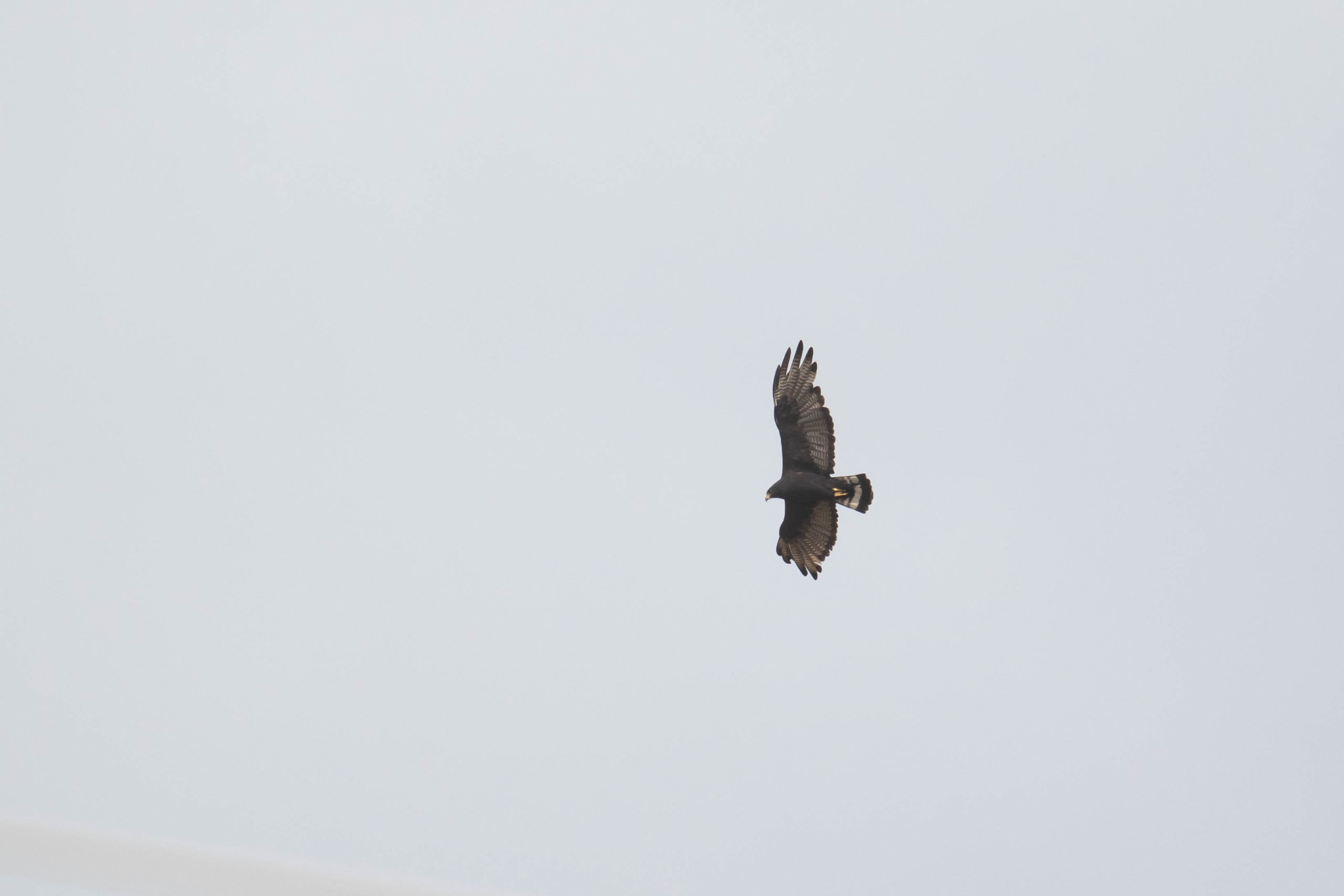
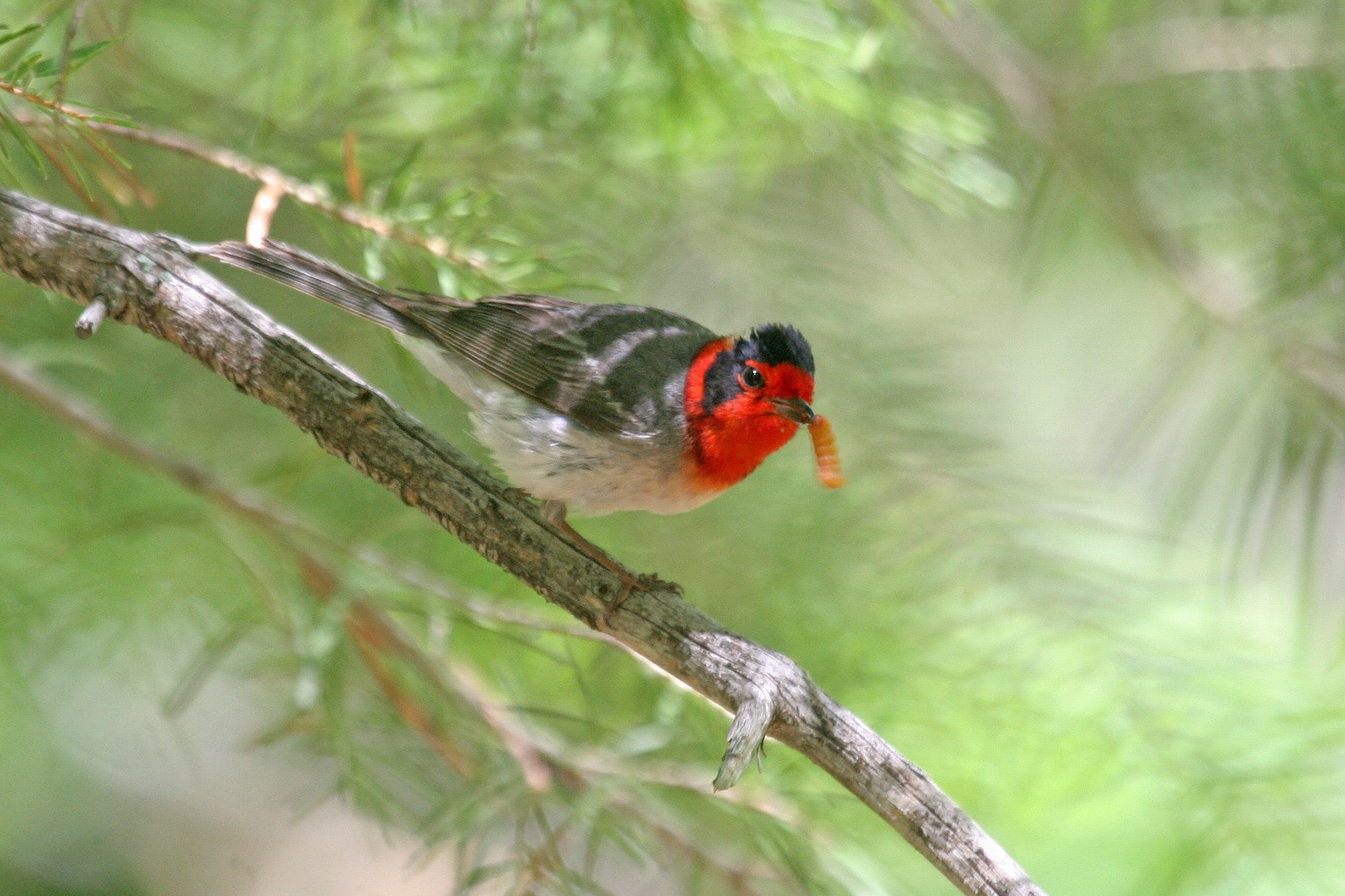
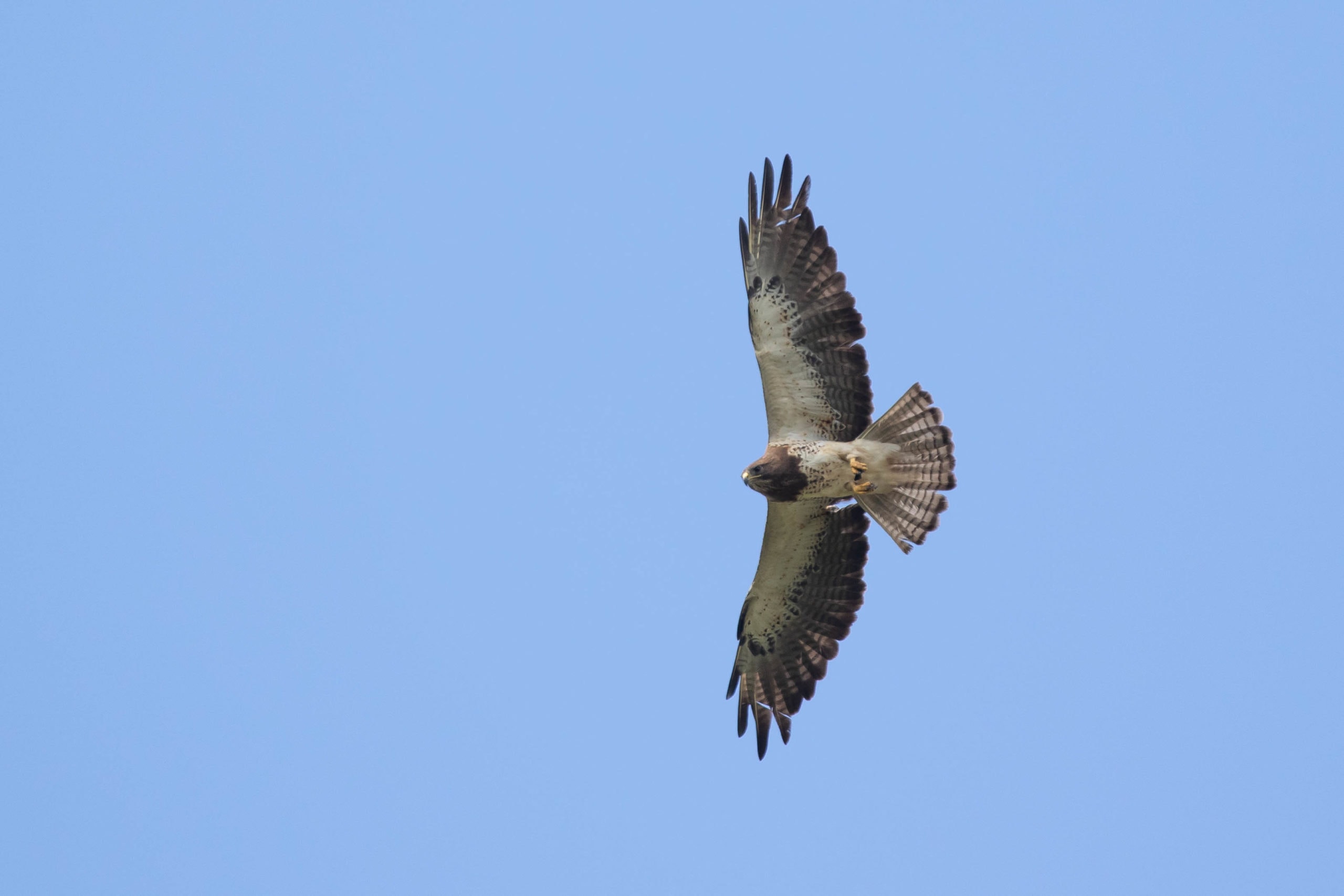
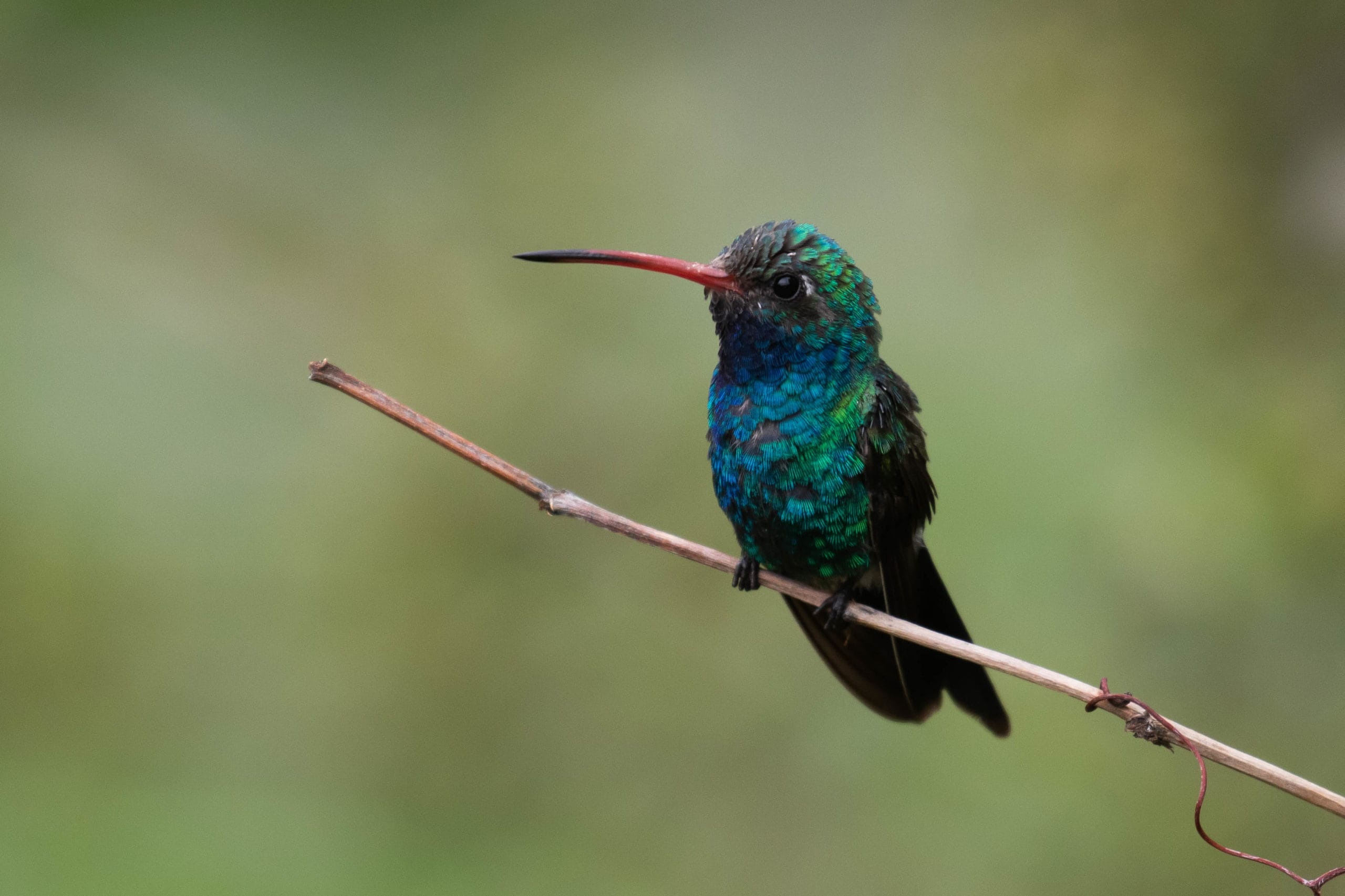
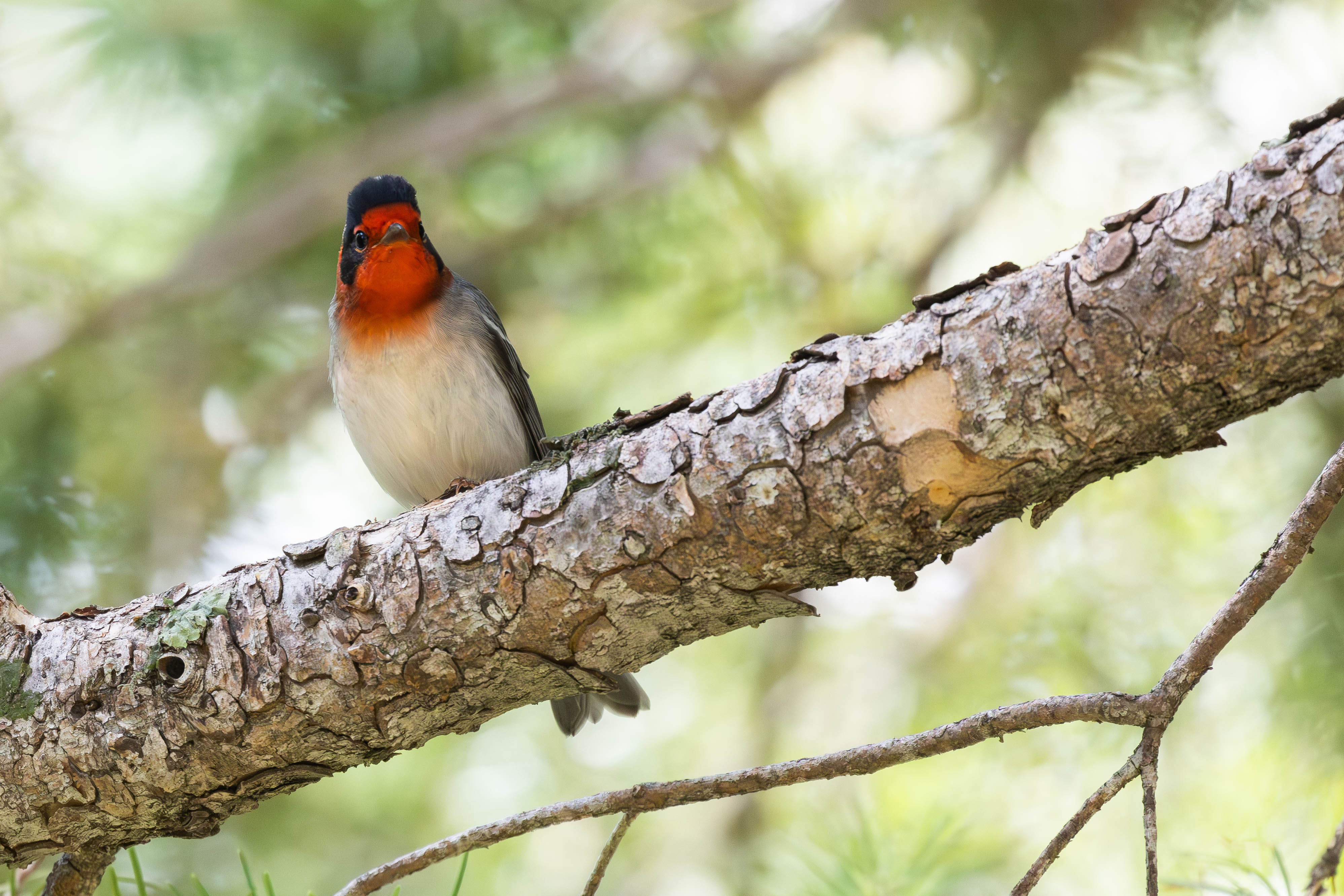
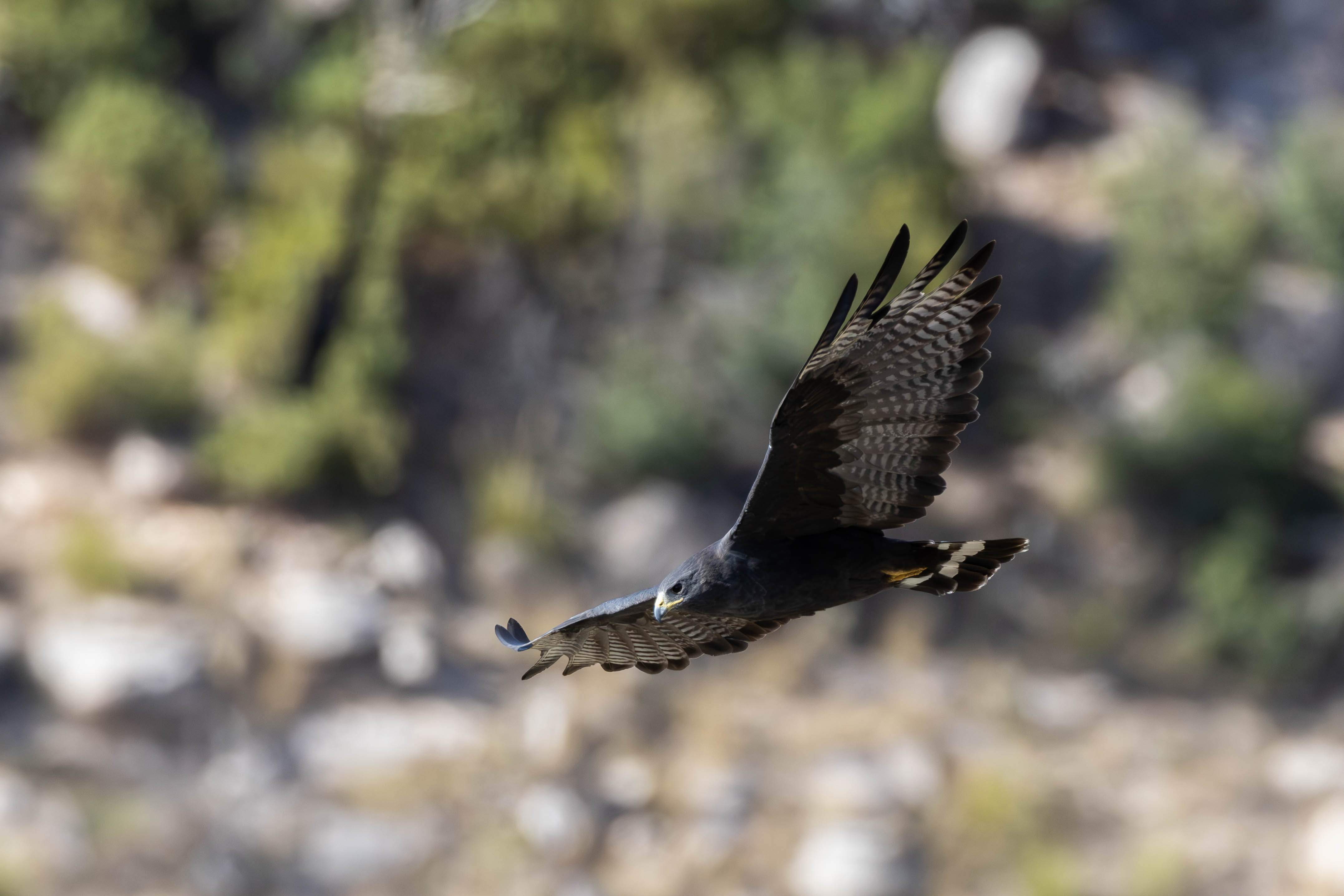
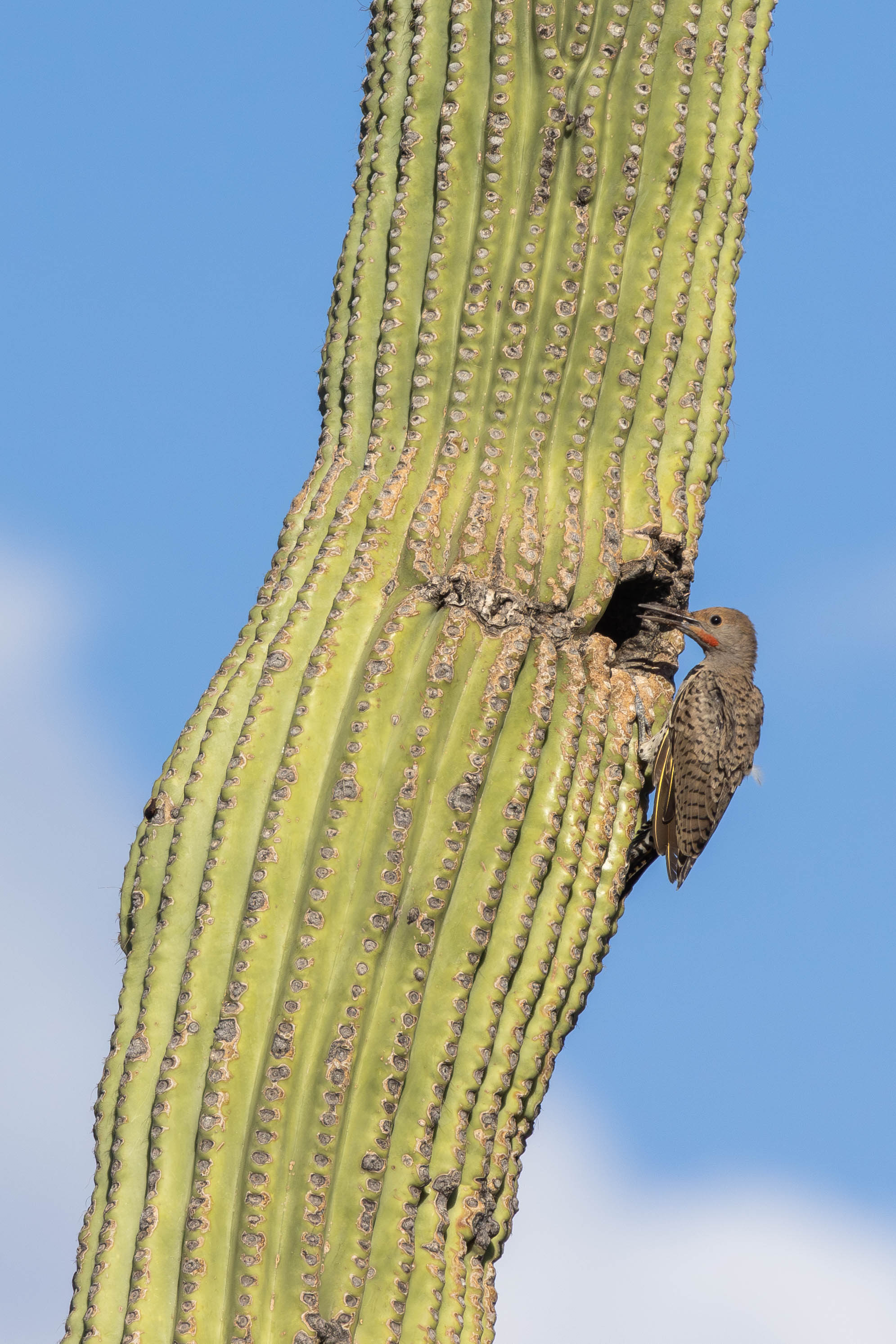
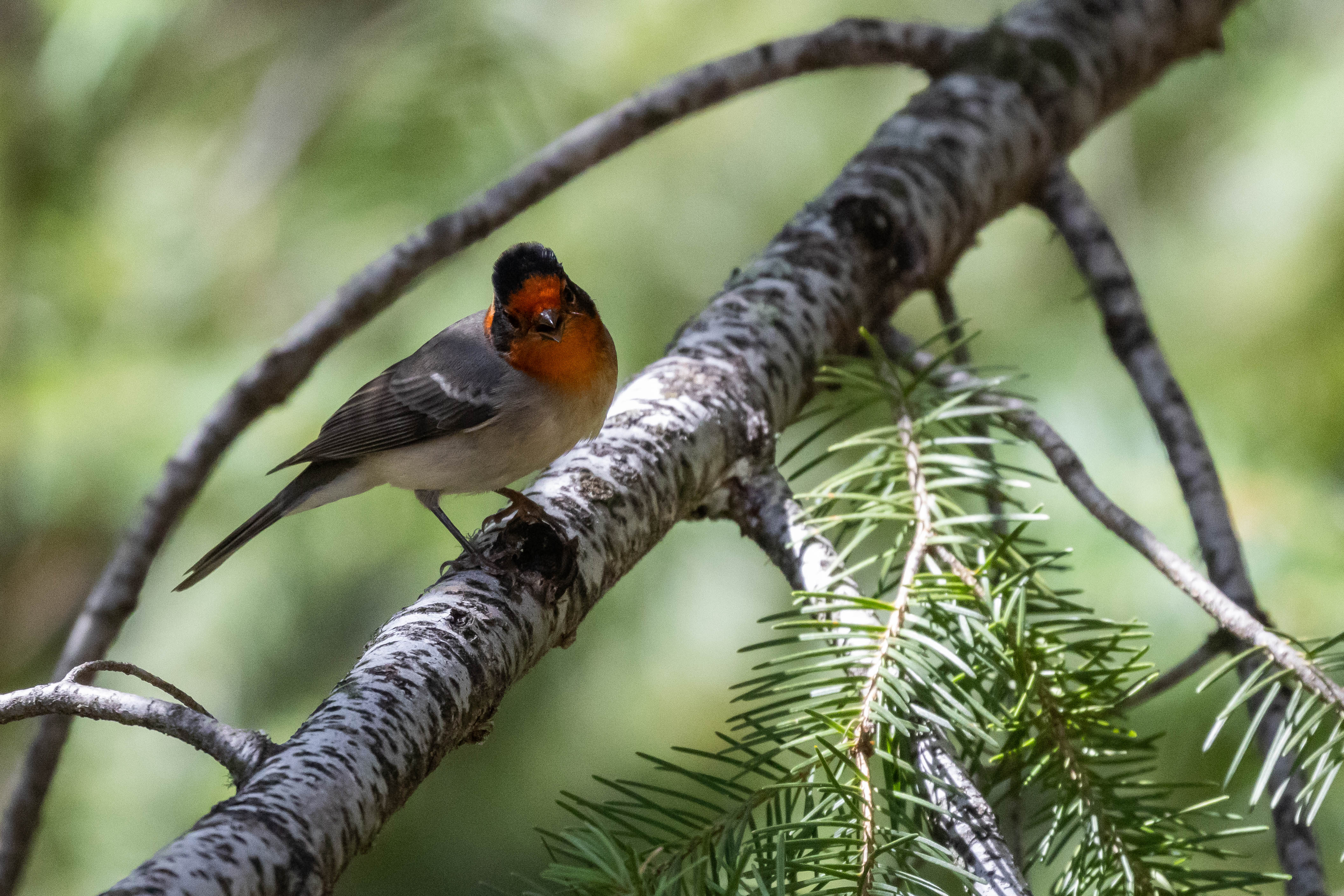
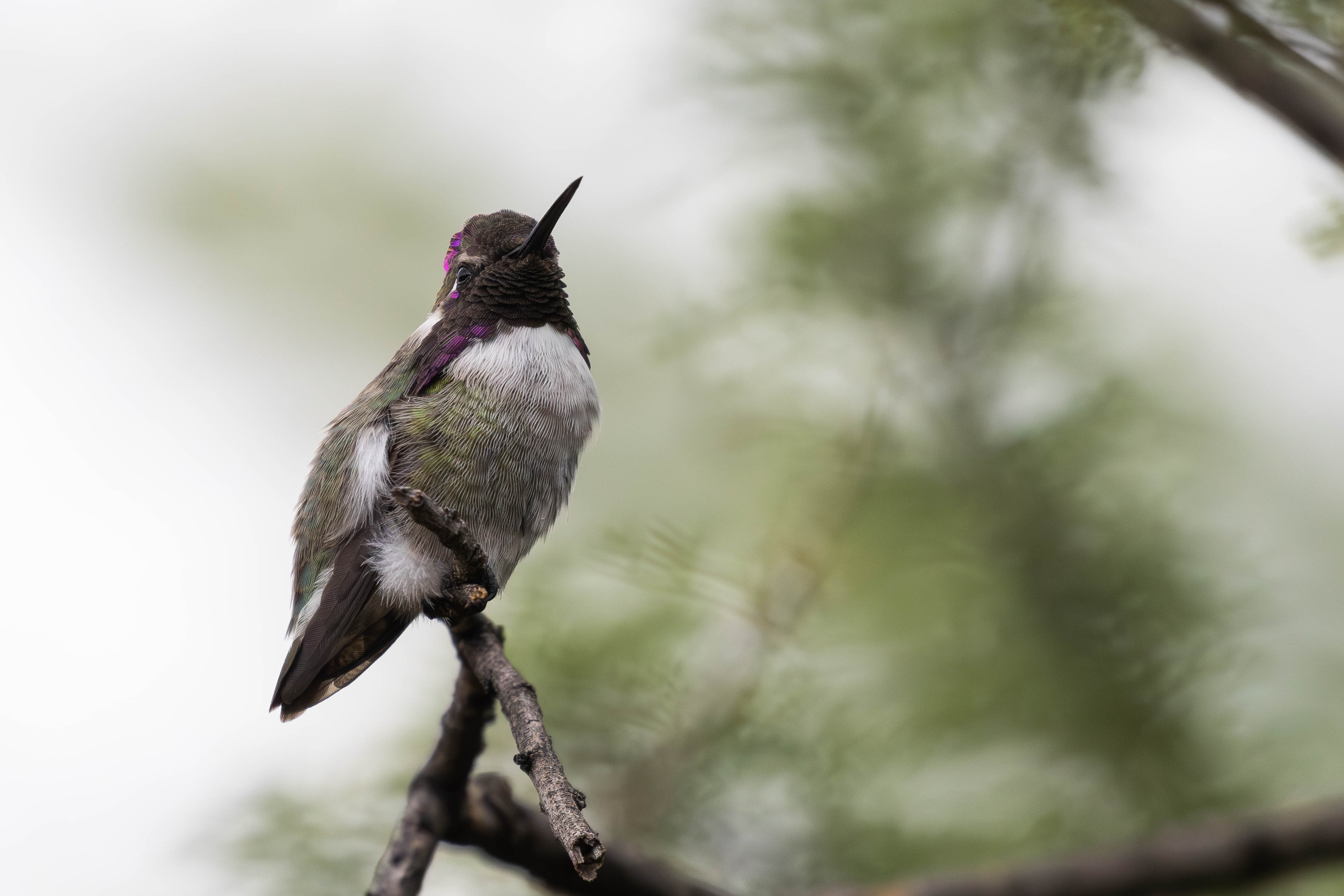
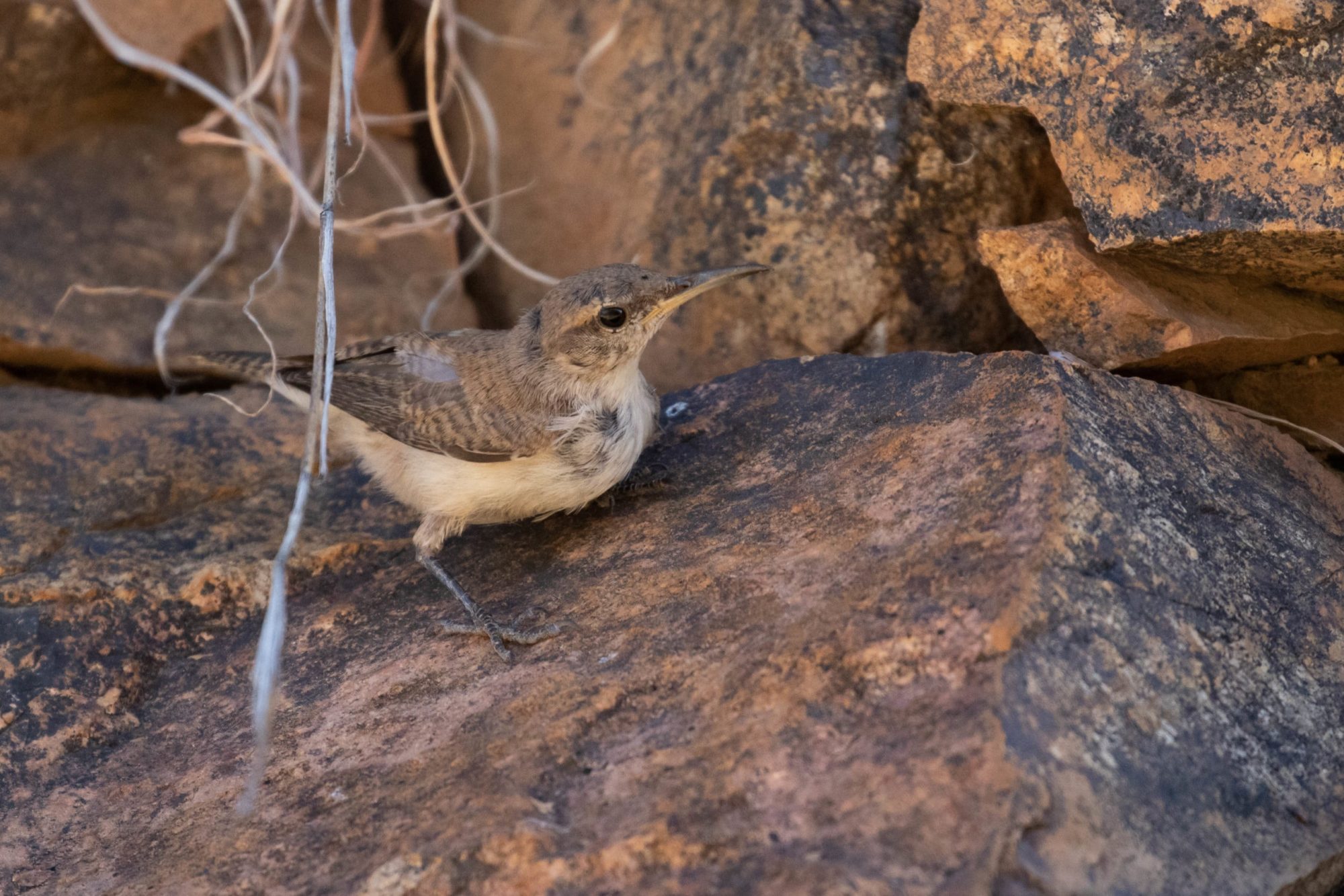
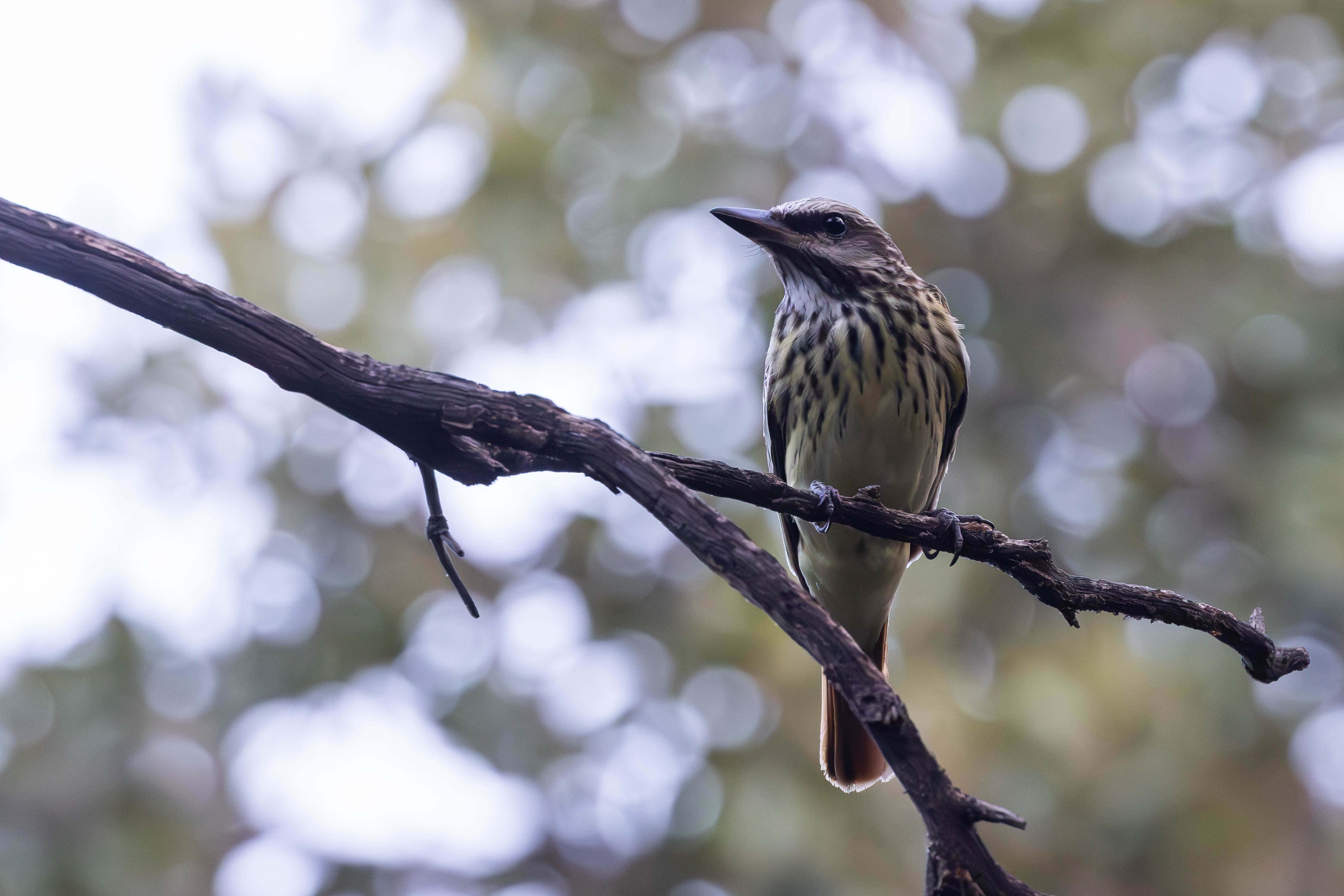
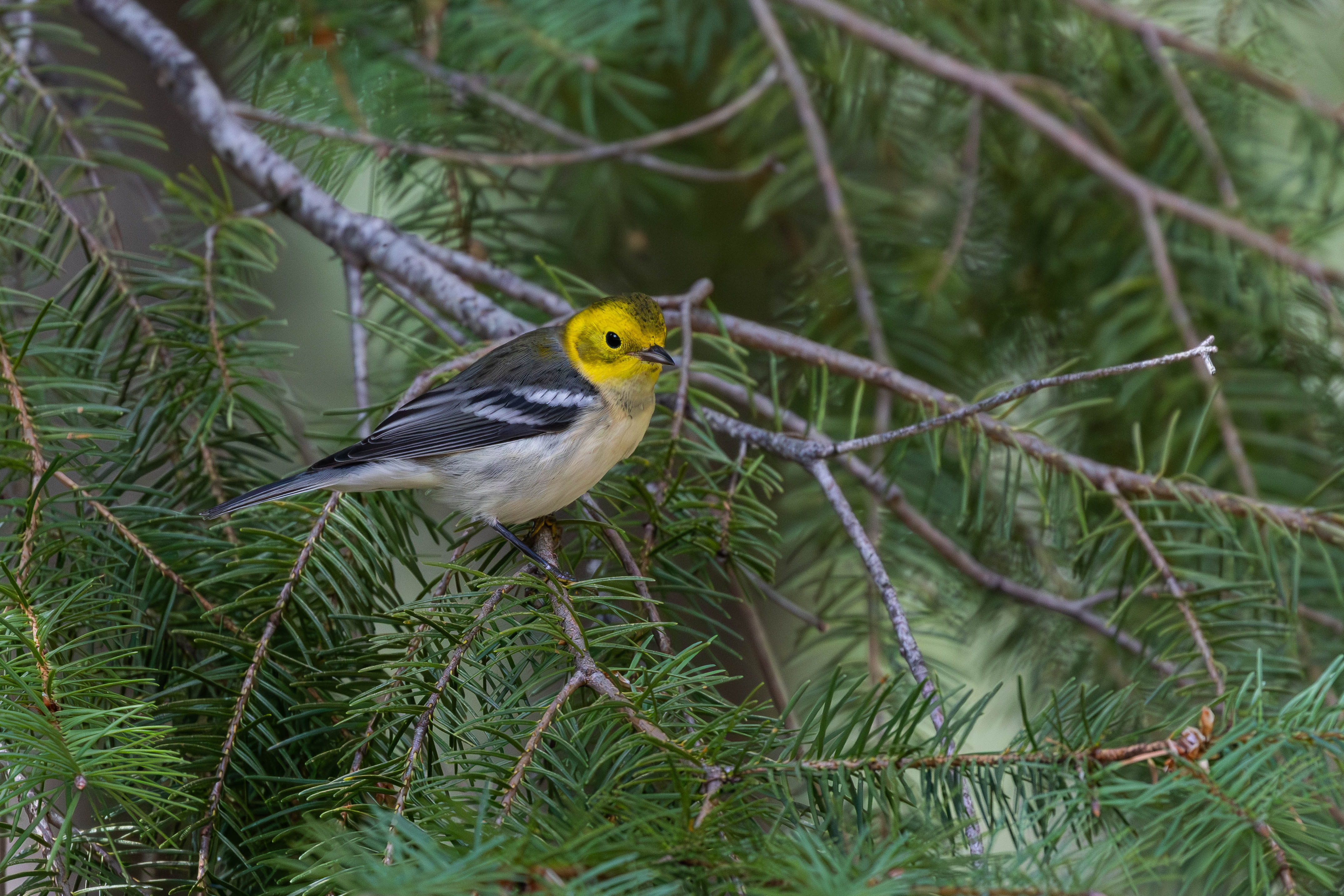
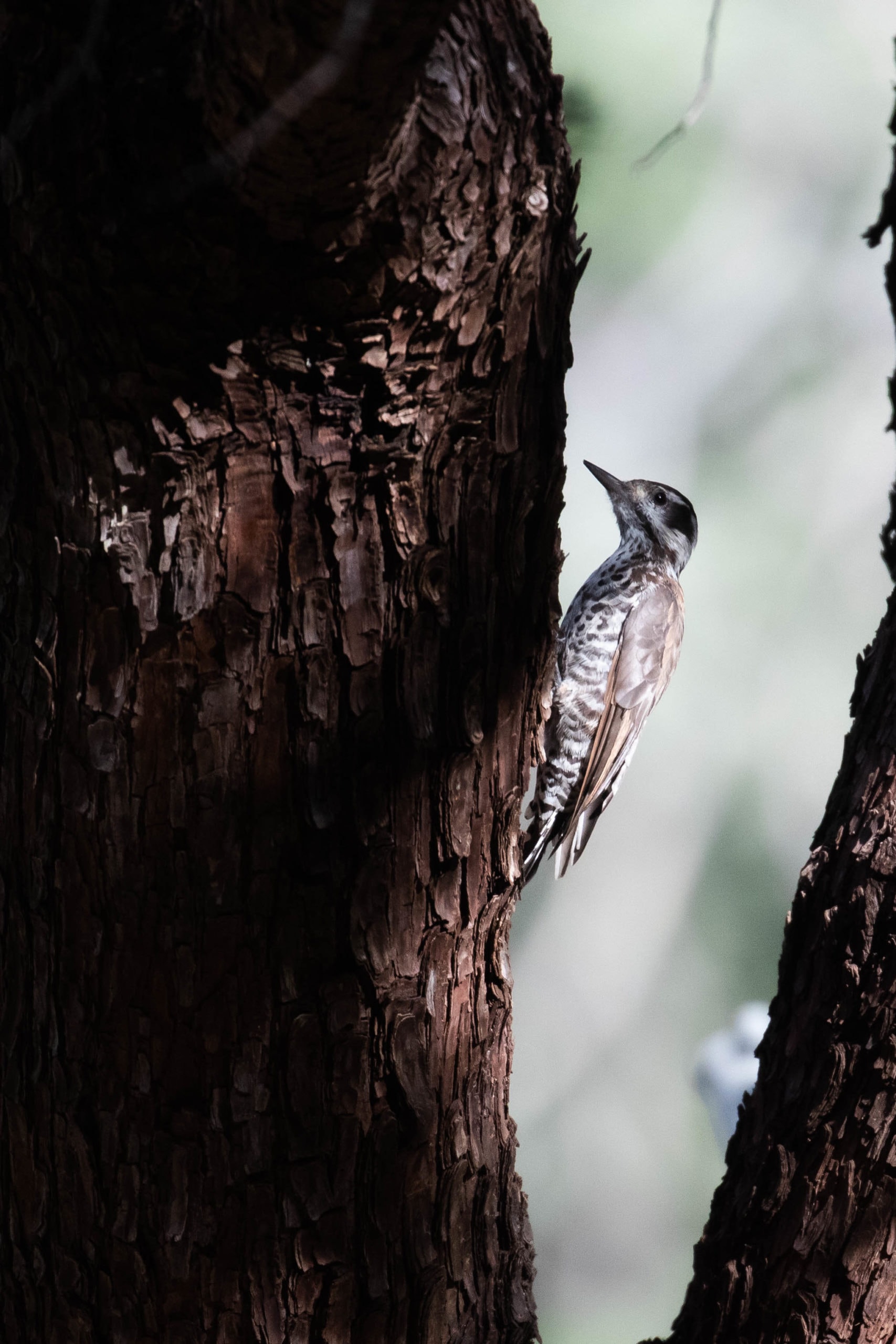
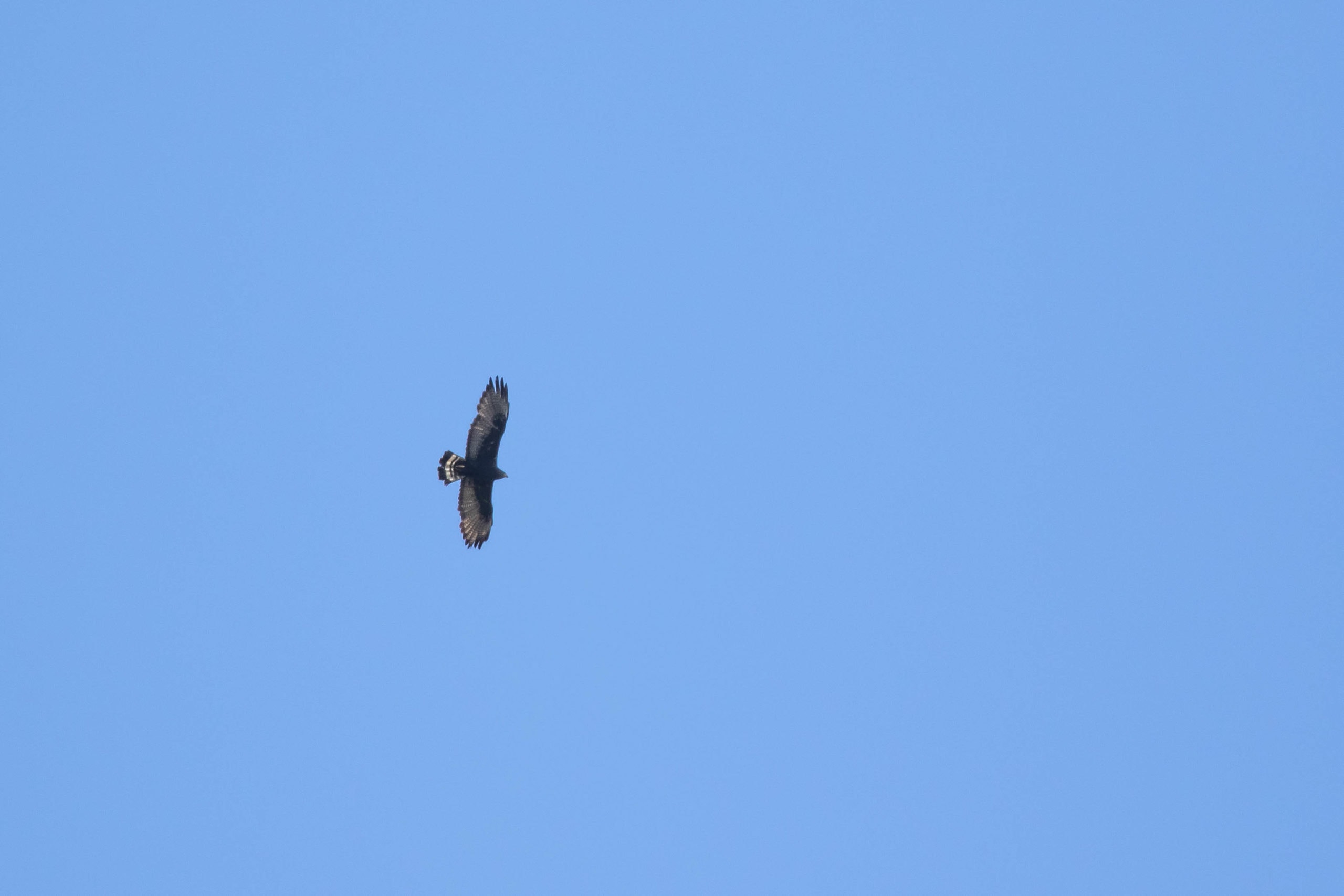
We will kick off this whirlwind tour by exploring nearby Mount Lemmon for our first introductions to the region’s birdlife. The beautiful desert scrubland creeps into the urban landscape of Tucson, and as we climb in elevation toward the 9,157ft peak of Mount Lemmon we will watch the habitat shift from saguaro desert to oak grasslands, and then to lush conifer forests. The scenic vistas along the road to Mount Lemmon are truly stunning! We can see Gambel’s Quail, Costa’s Hummingbird, Gila Woodpecker, Gilded Flicker, Verdin, Cactus Wren, Canyon Towhee, and Curve-billed Thrasher at the lower elevations. At Mount Lemmon’s higher pine forests, we may find Bridled Titmouse, Red-faced Warbler, Olive Warbler, Short-tailed Hawk, Acorn Woodpecker, Hairy Woodpecker, Yellow-eyed Junco, and White-throated Swift. Watch for Zone-tailed Hawks soaring with Turkey Vultures! A few feeders up in the mountains attract Broad-tailed Hummingbird, Rivoli’s Hummingbirds, and others! After lunch we will descend the mountain, and check roadside vistas for Black-chinned Sparrow, Rufous-crowned Sparrow, and Rock Wren.
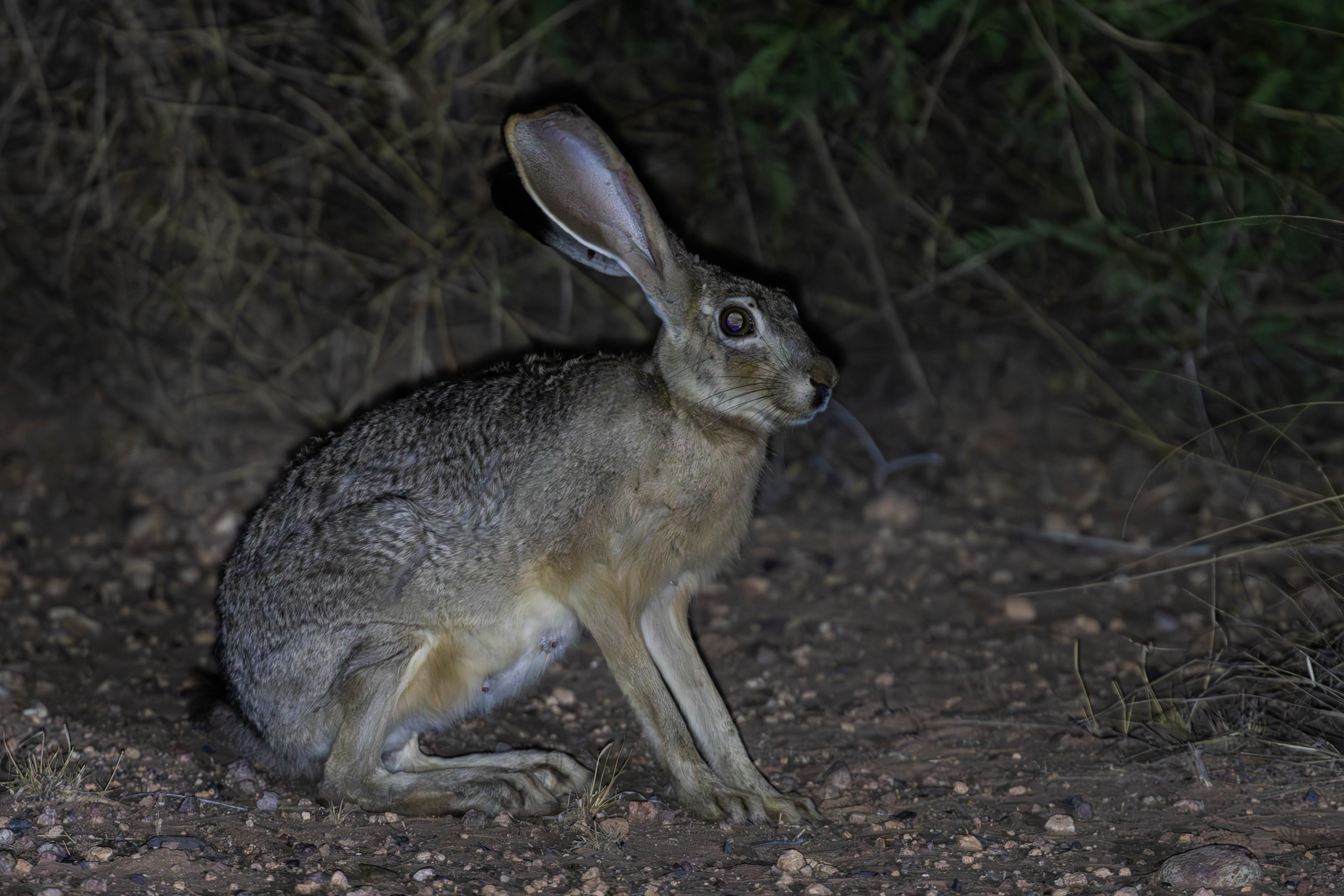
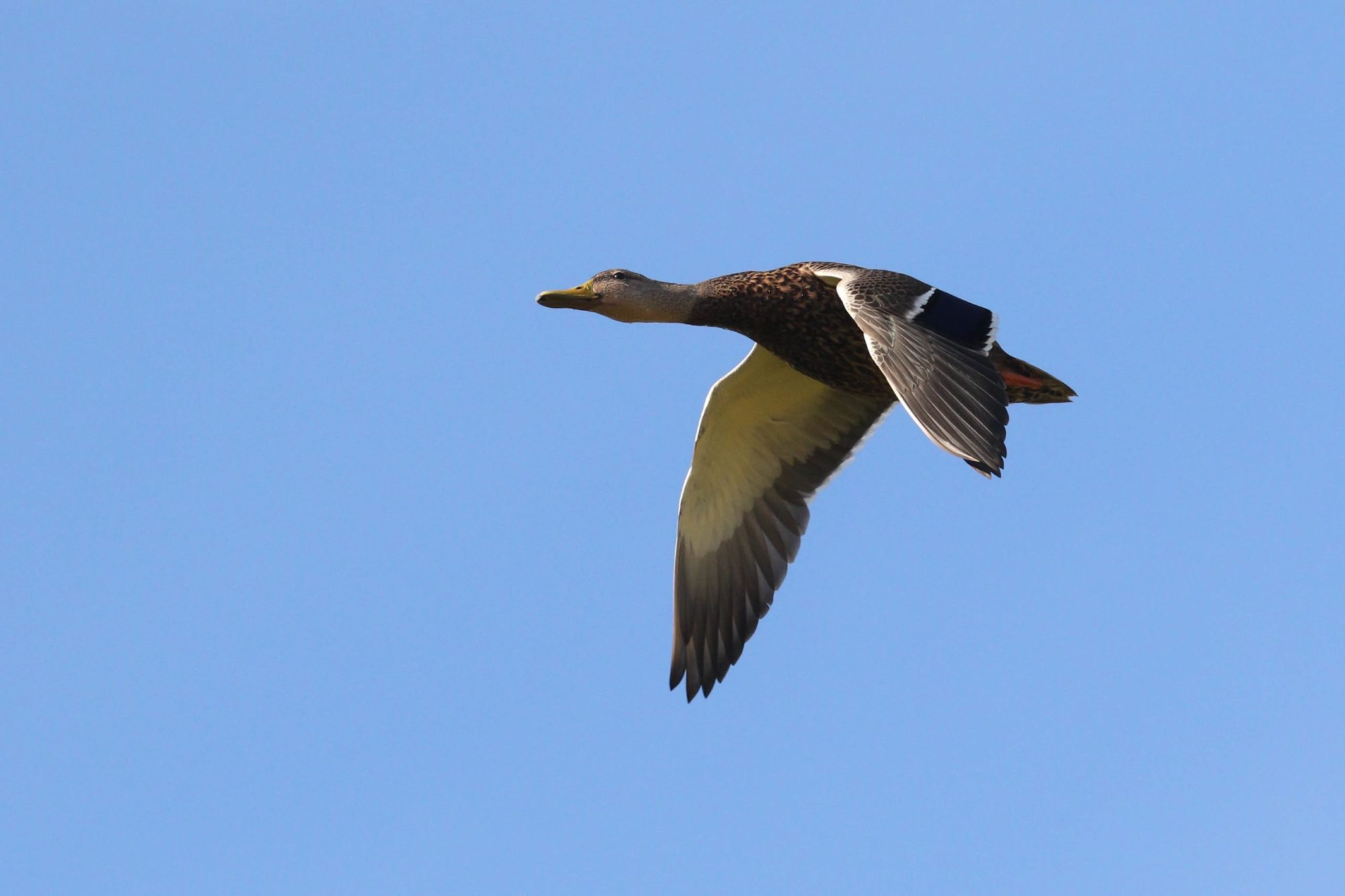
Back down in Tucson we will visit urban parks for Mexican Duck, Neotropic Cormorant, Black-crowned Night-Heron, and any staked-out rarities. After dark we will travel to a nearby desert scrubland in search of Ferruginous Pygmy-Owl, Western Screech-Owl, Common Poorwill, and perhaps Buff-collared Nightjar! Lots of other nocturnal wildlife may be encountered as well! Night in Green Valley.
Day 3 – Las Cienegas, Box Canyon, Madera Canyon. Night in Green Valley.
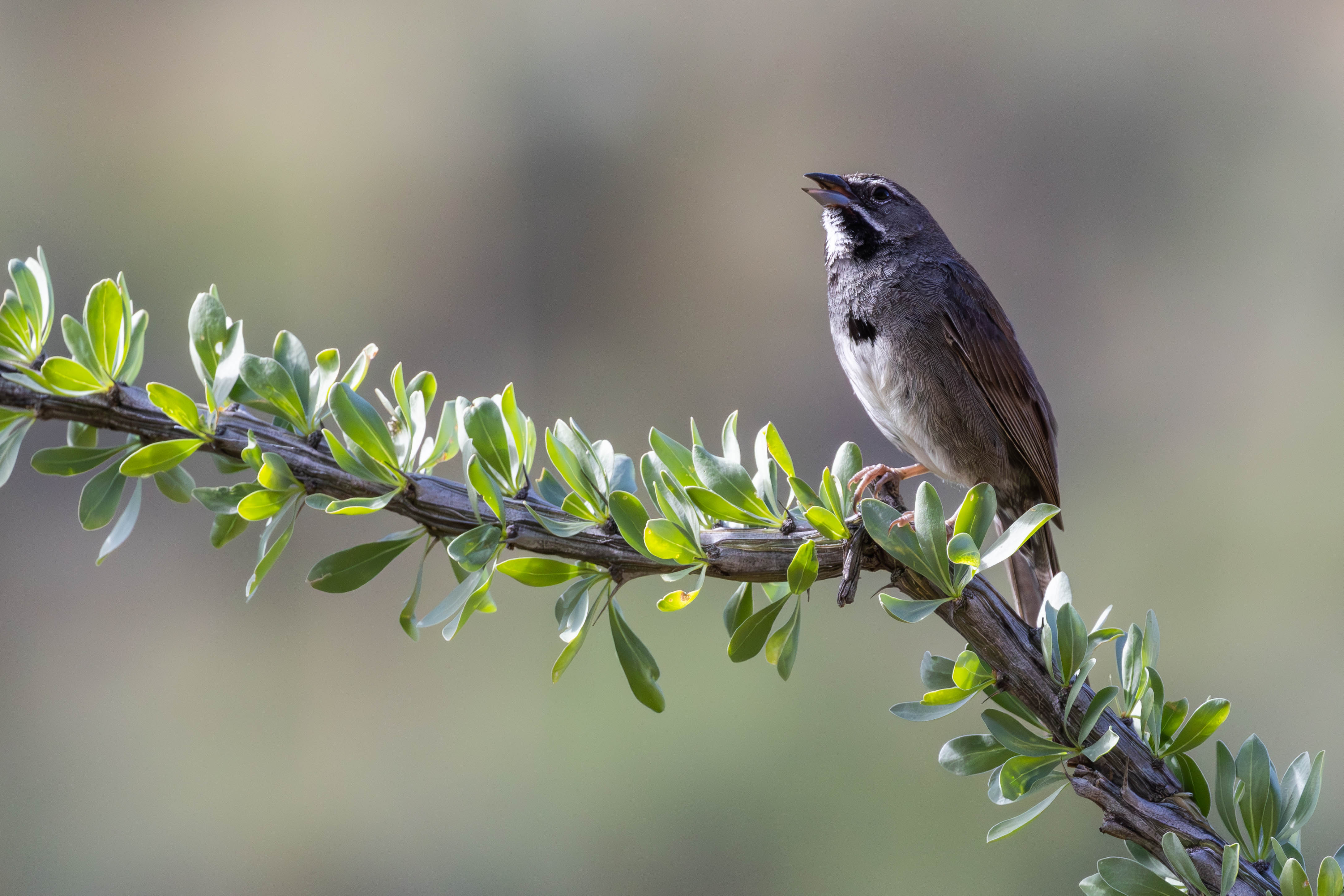
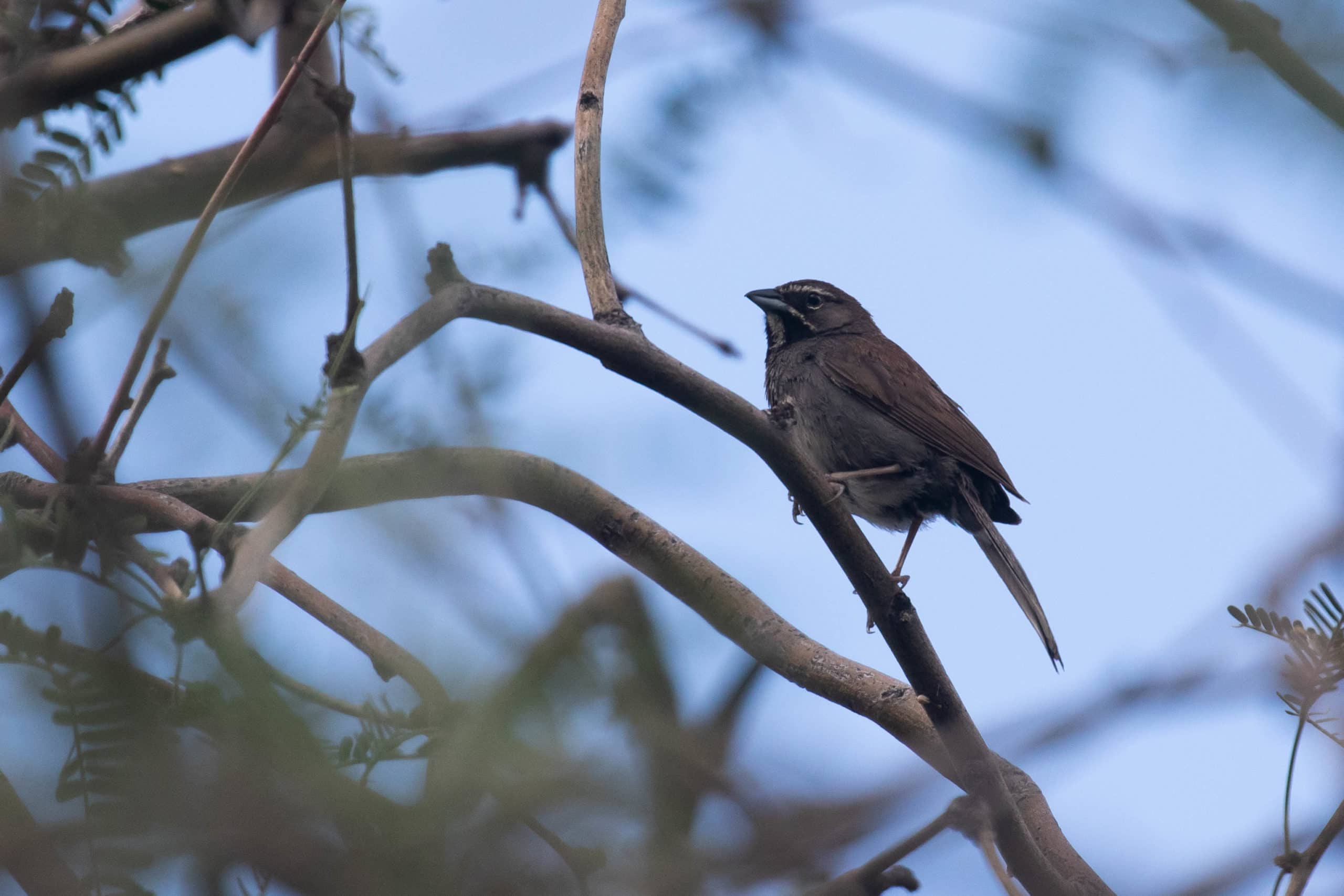
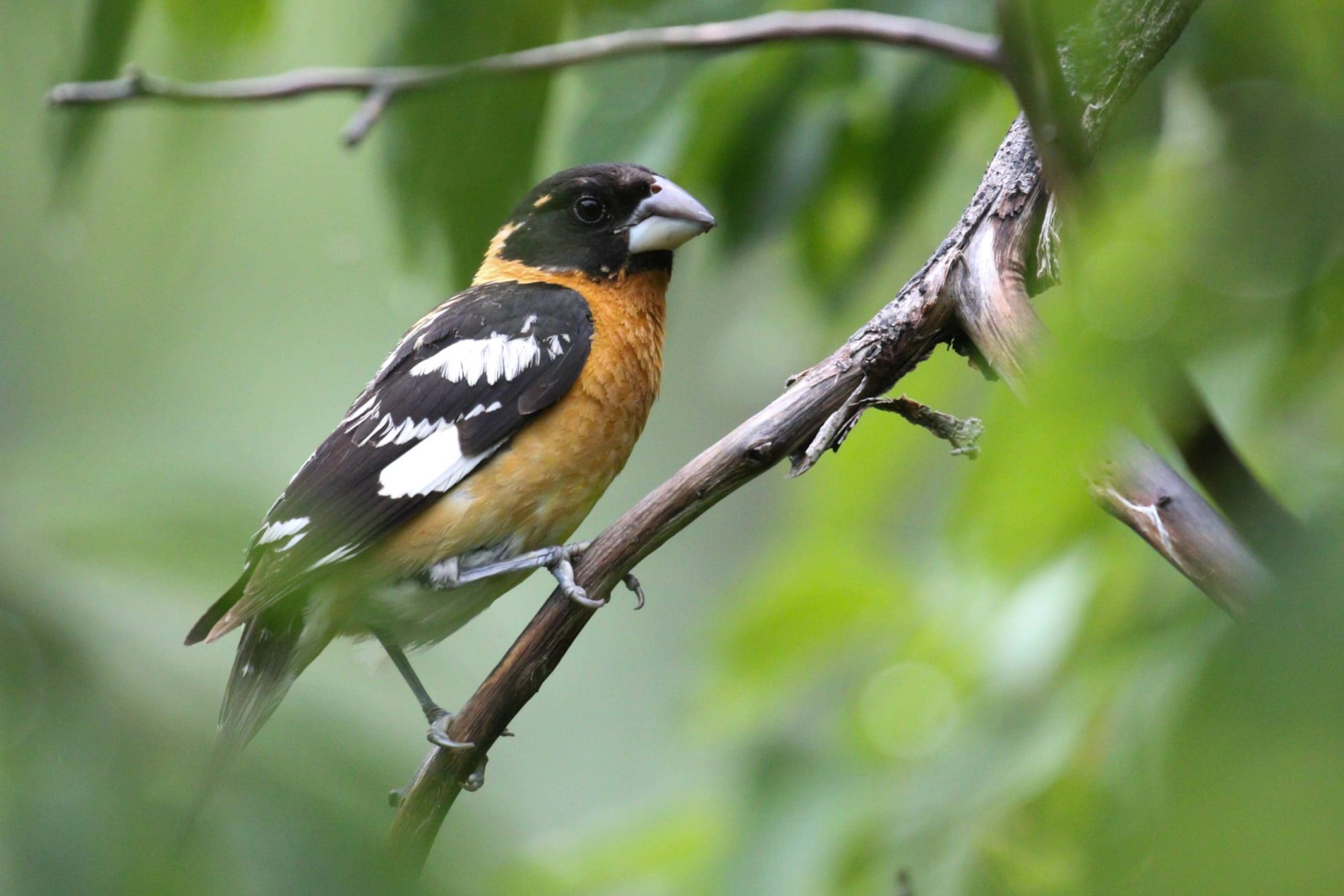
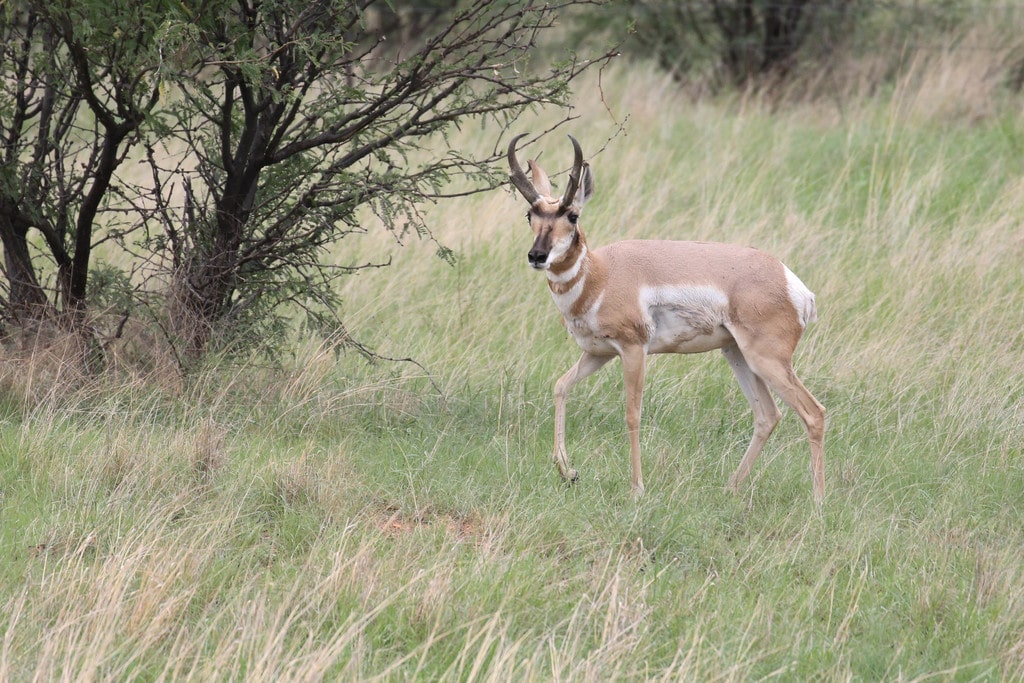
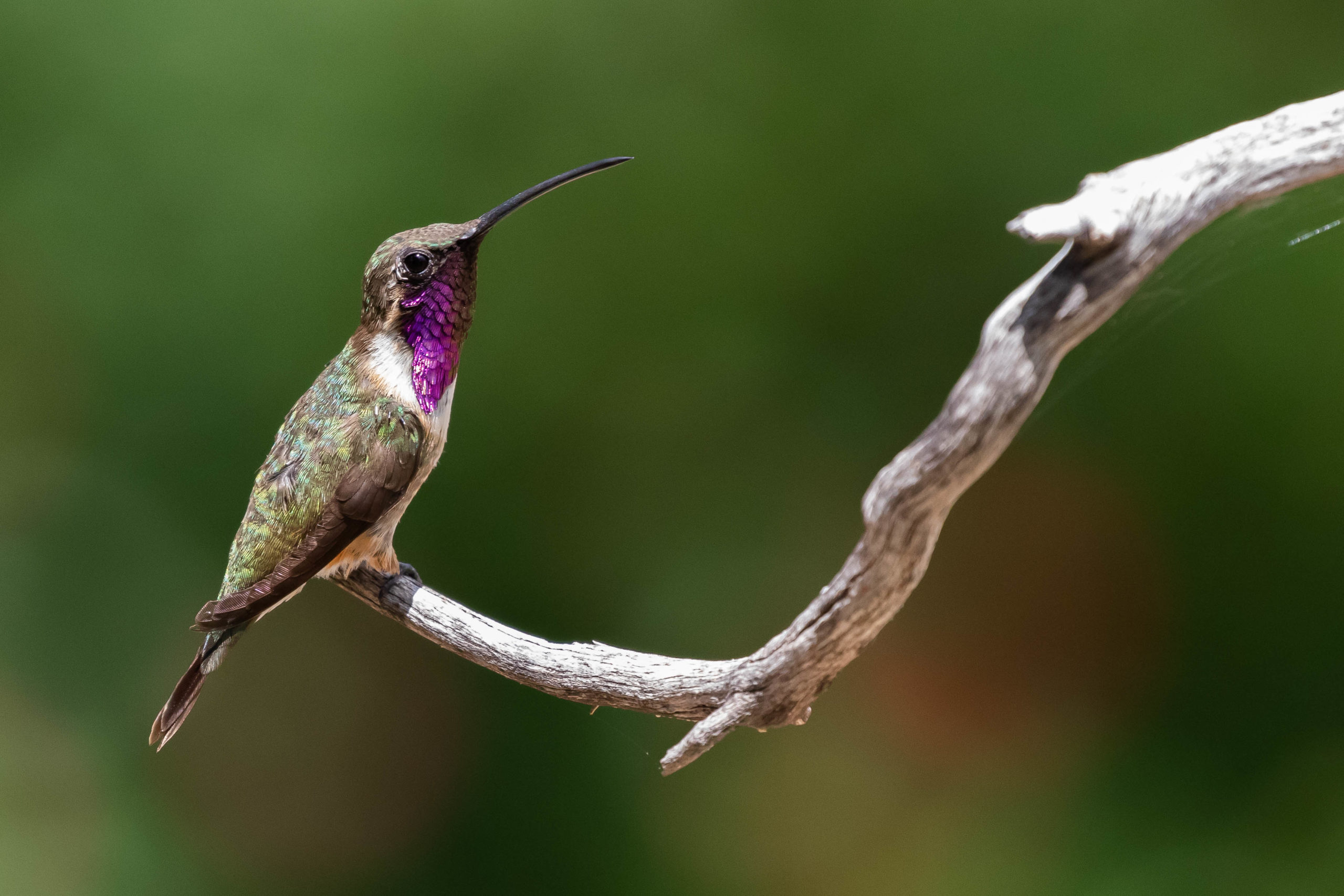
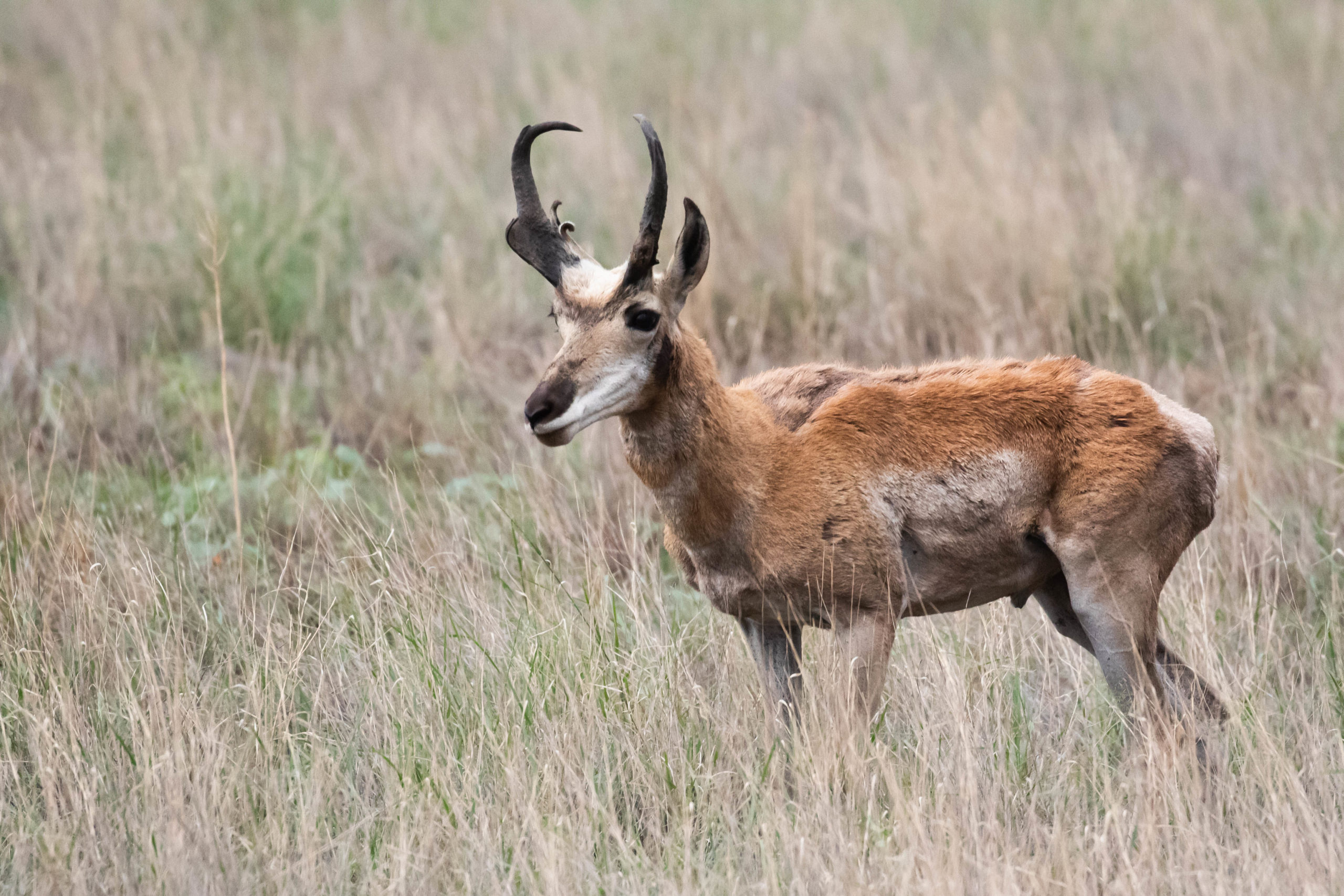
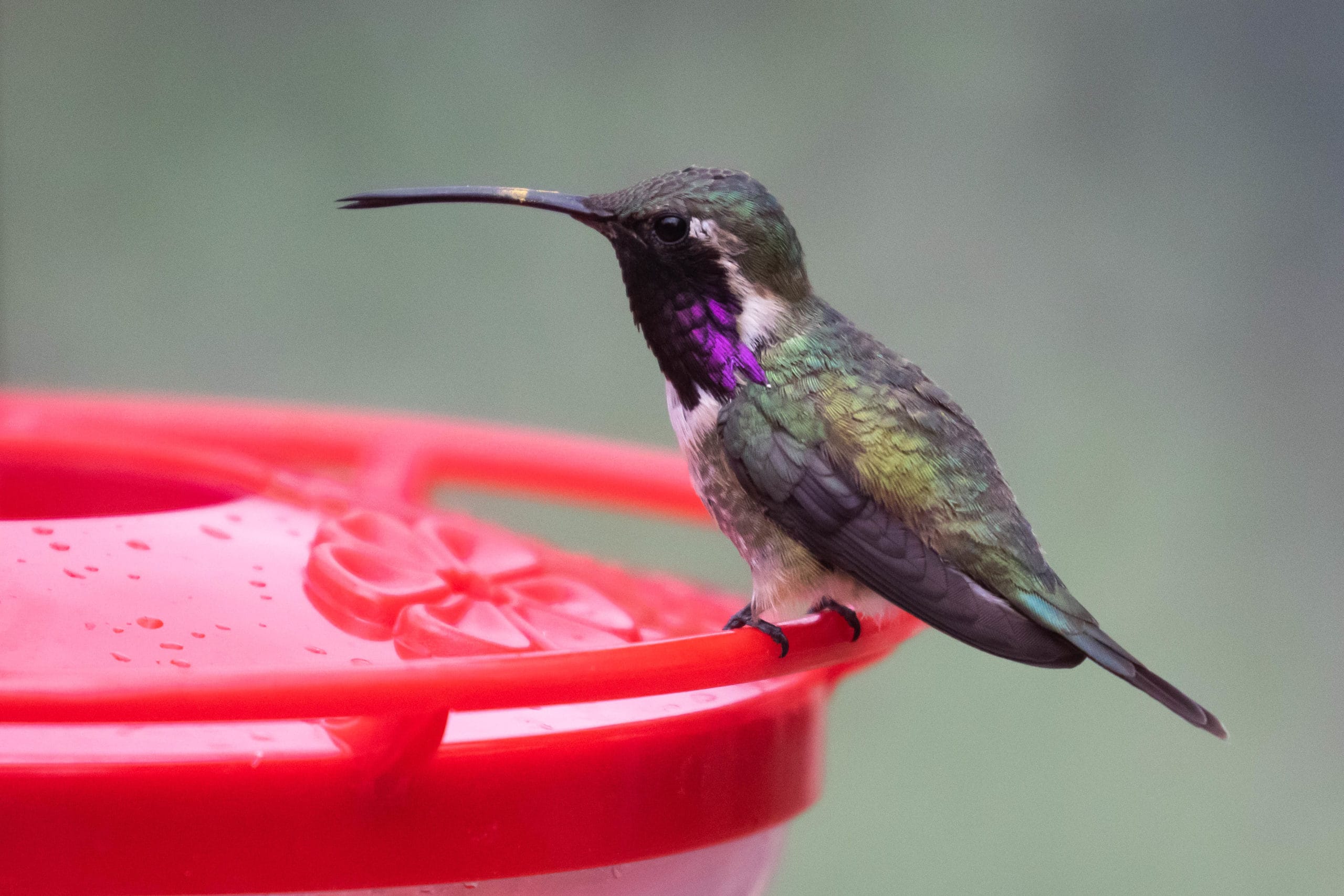
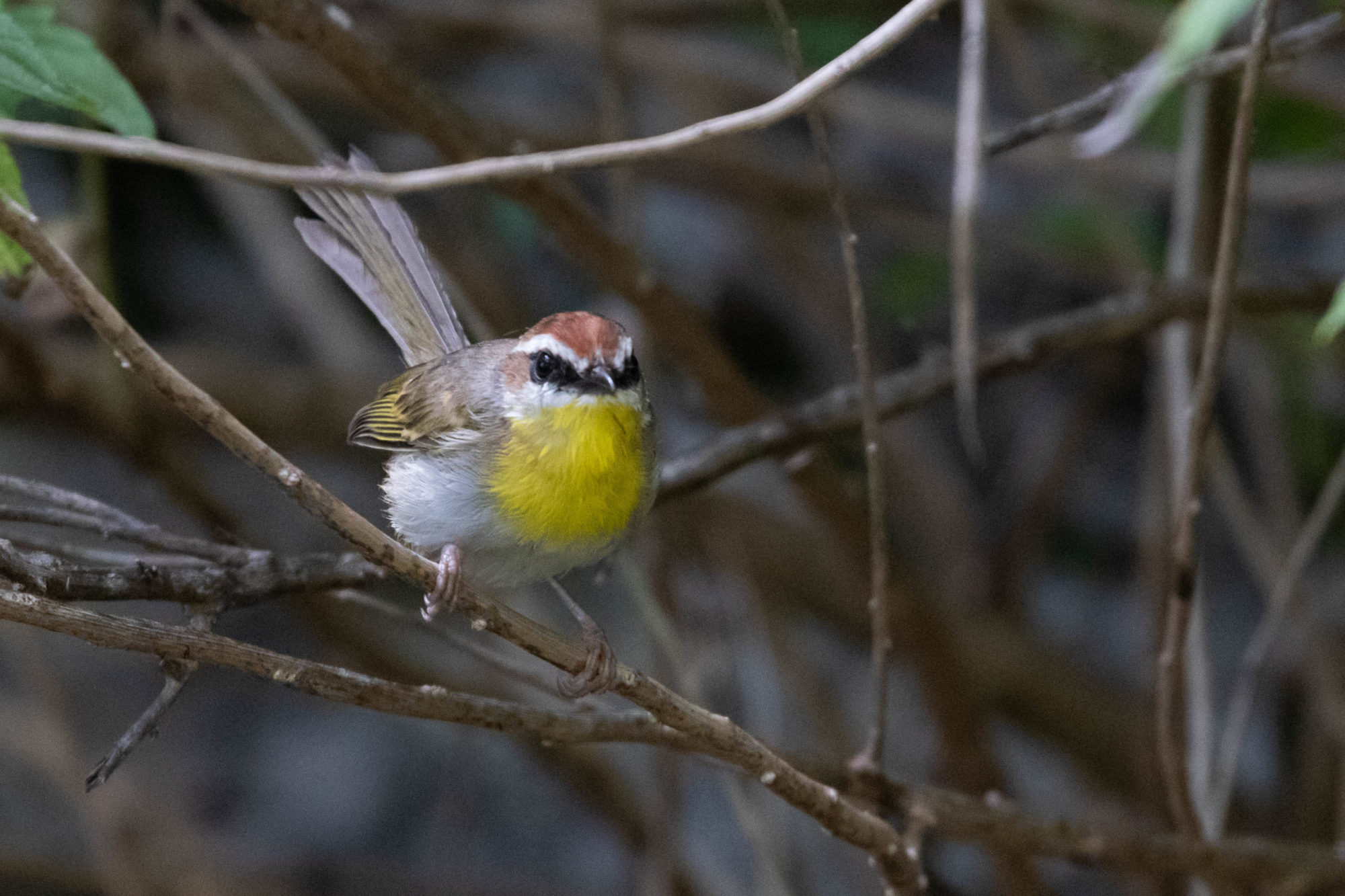
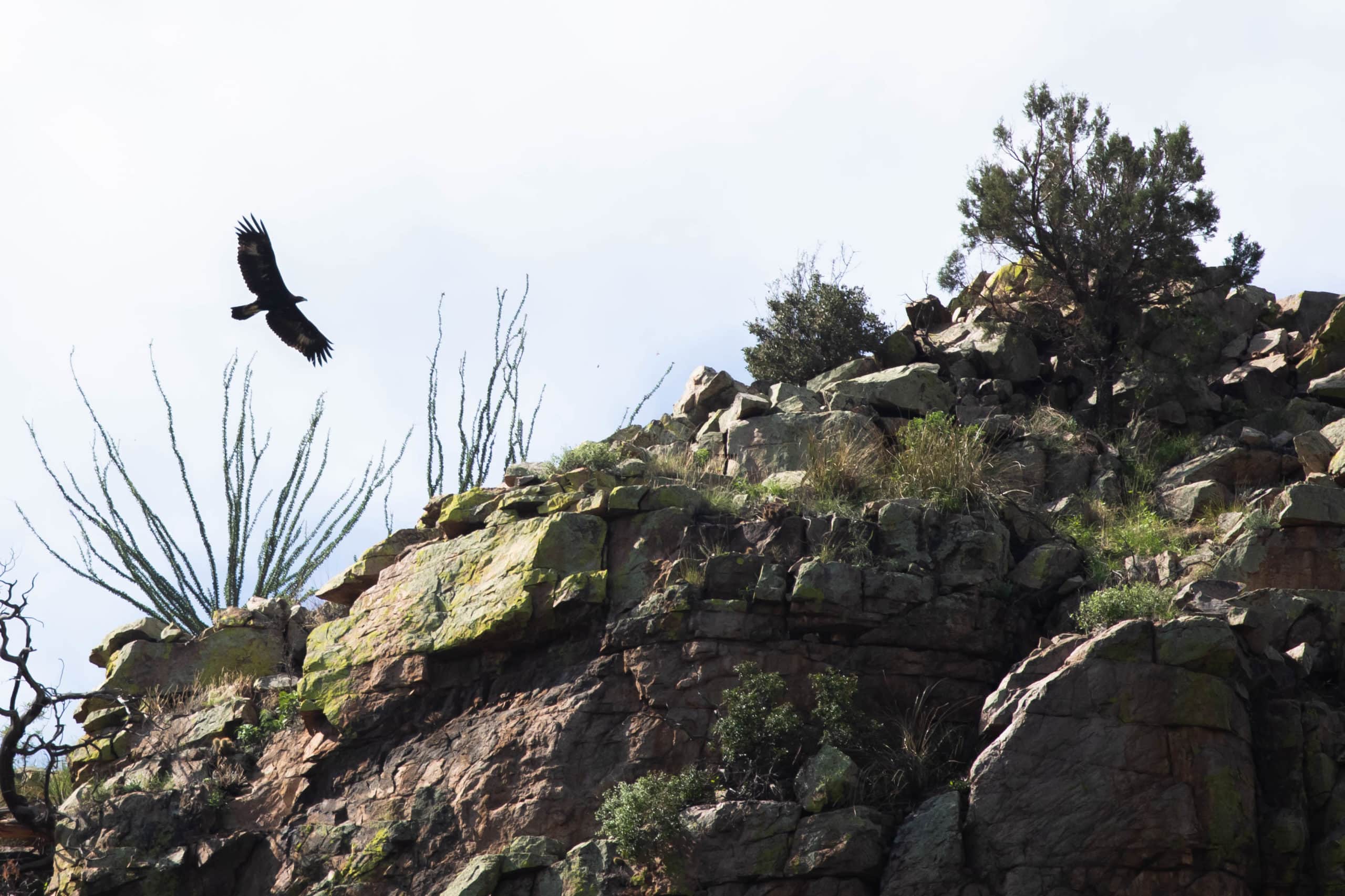
The vast grasslands at Las Cienegas National Conservation Area are home to a healthy population of Pronghorn as well as Burrowing Owl, Chiricahua Meadowlark, Botteri’s Sparrow, Cassin’s Sparrow, Grasshopper Sparrow, Cassin’s Kingbird, and White-tailed Kite. We will make some birding stops where the grassland and oaks meet to look for Varied Bunting, Rufous-winged Sparrow, and Rufous-crowned Sparrow. The very rare Five-striped Sparrow was traditionally only present in the very remote California Gulch, but now this striking (and quite large) sparrow can be found in Box Canyon, along with a chance at Lucifer and Costa’s Hummingbirds. Black-headed Grosbeak, Rock Wren, Western Wood-Pewee, and Golden Eagle are possible here too!
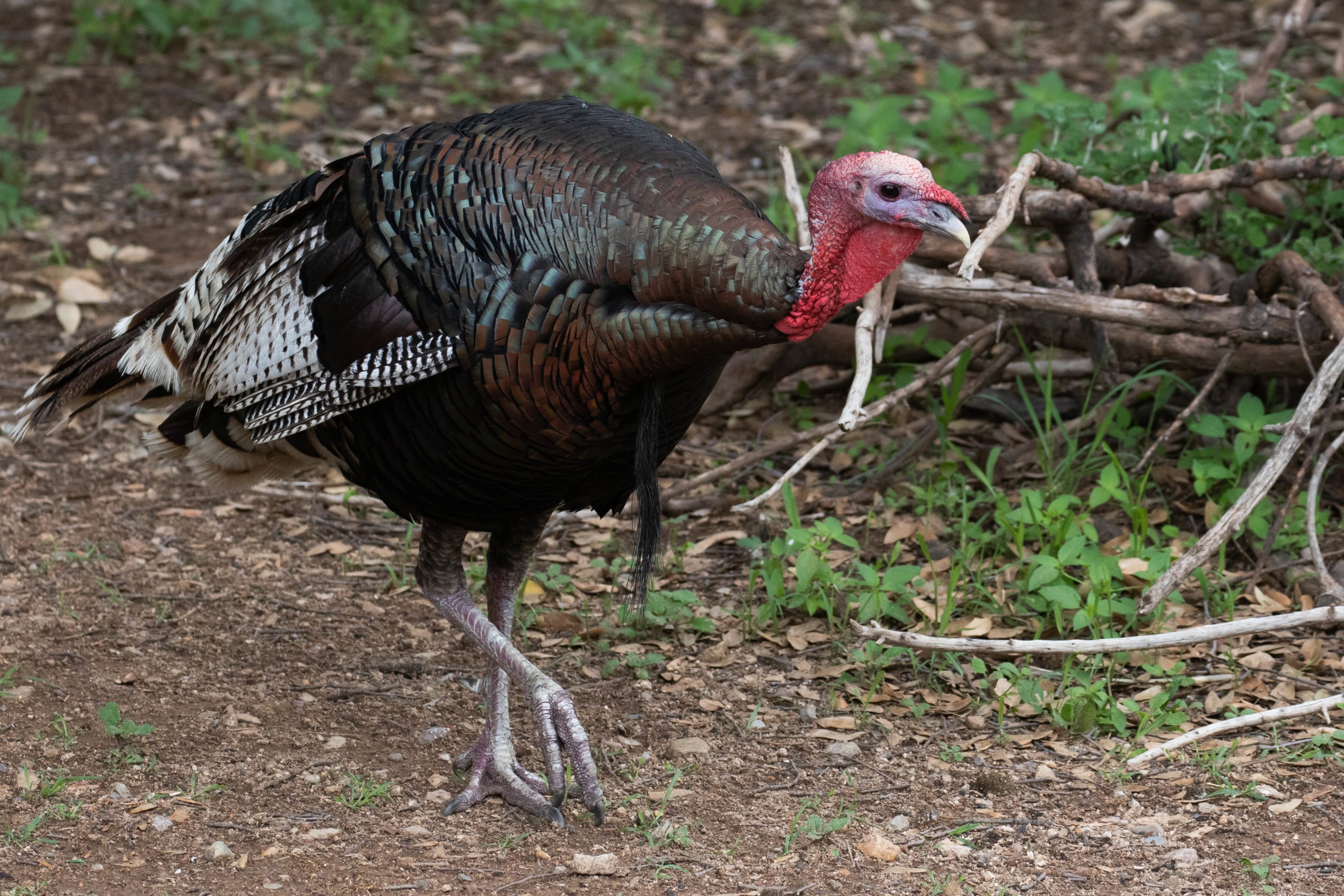
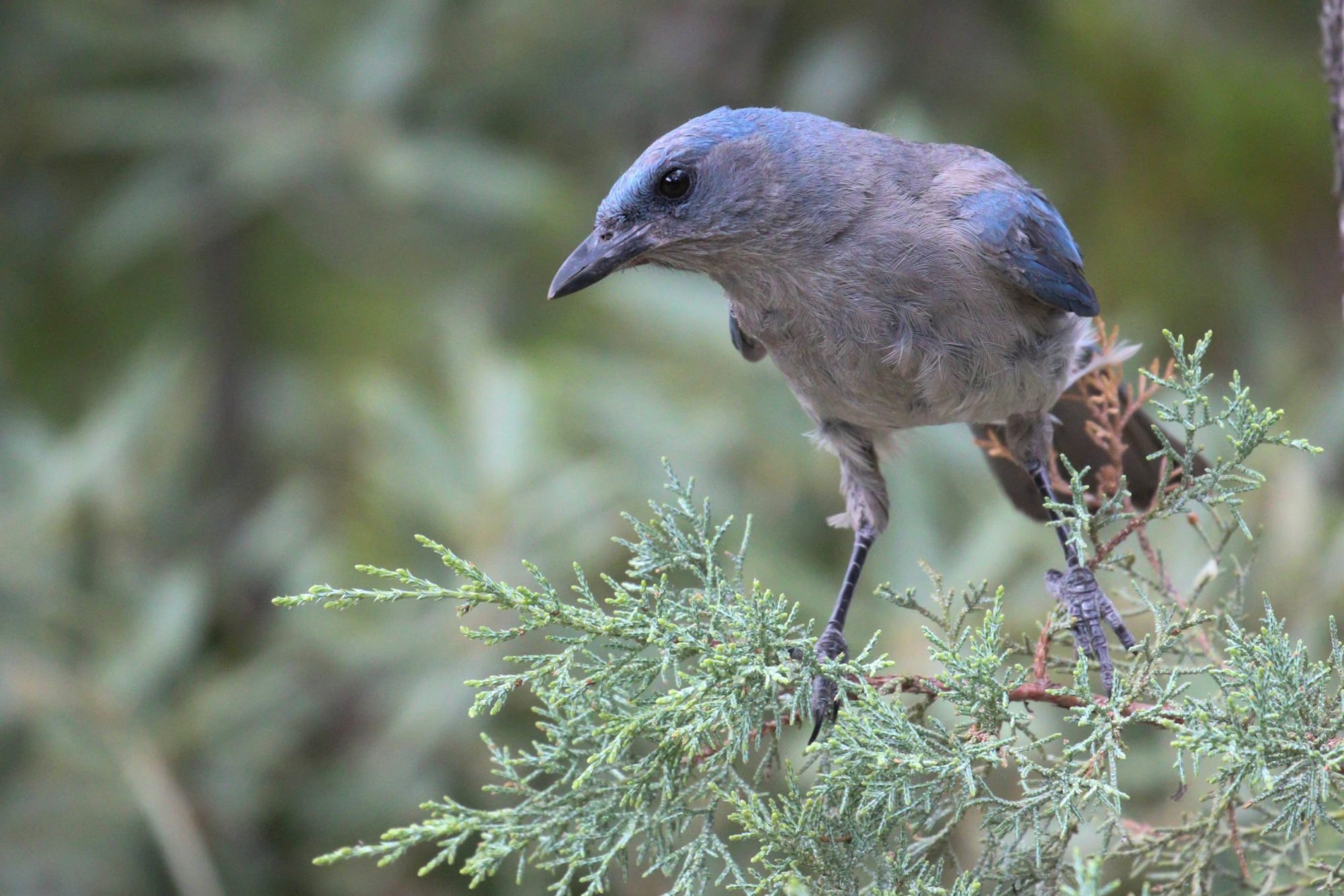
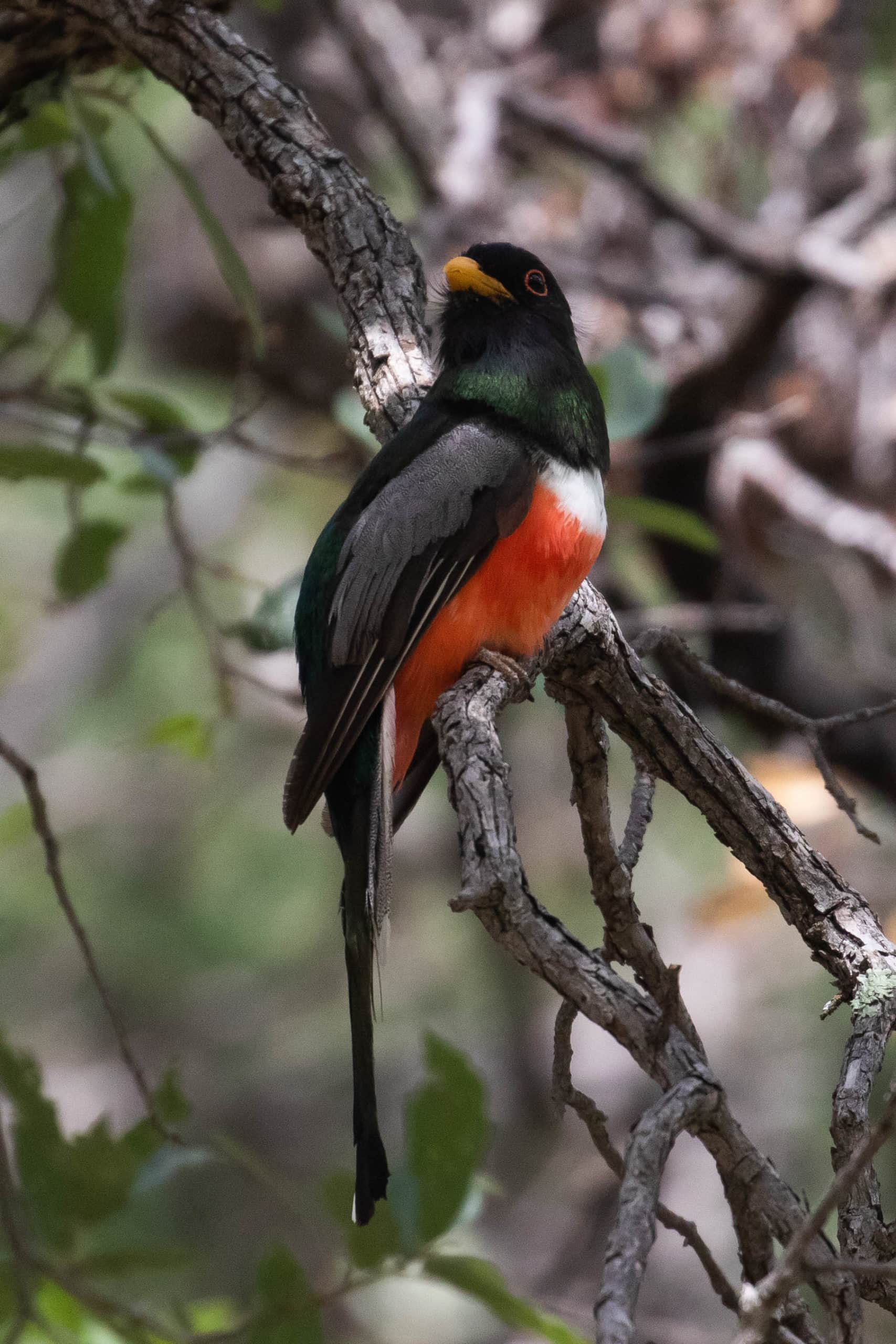
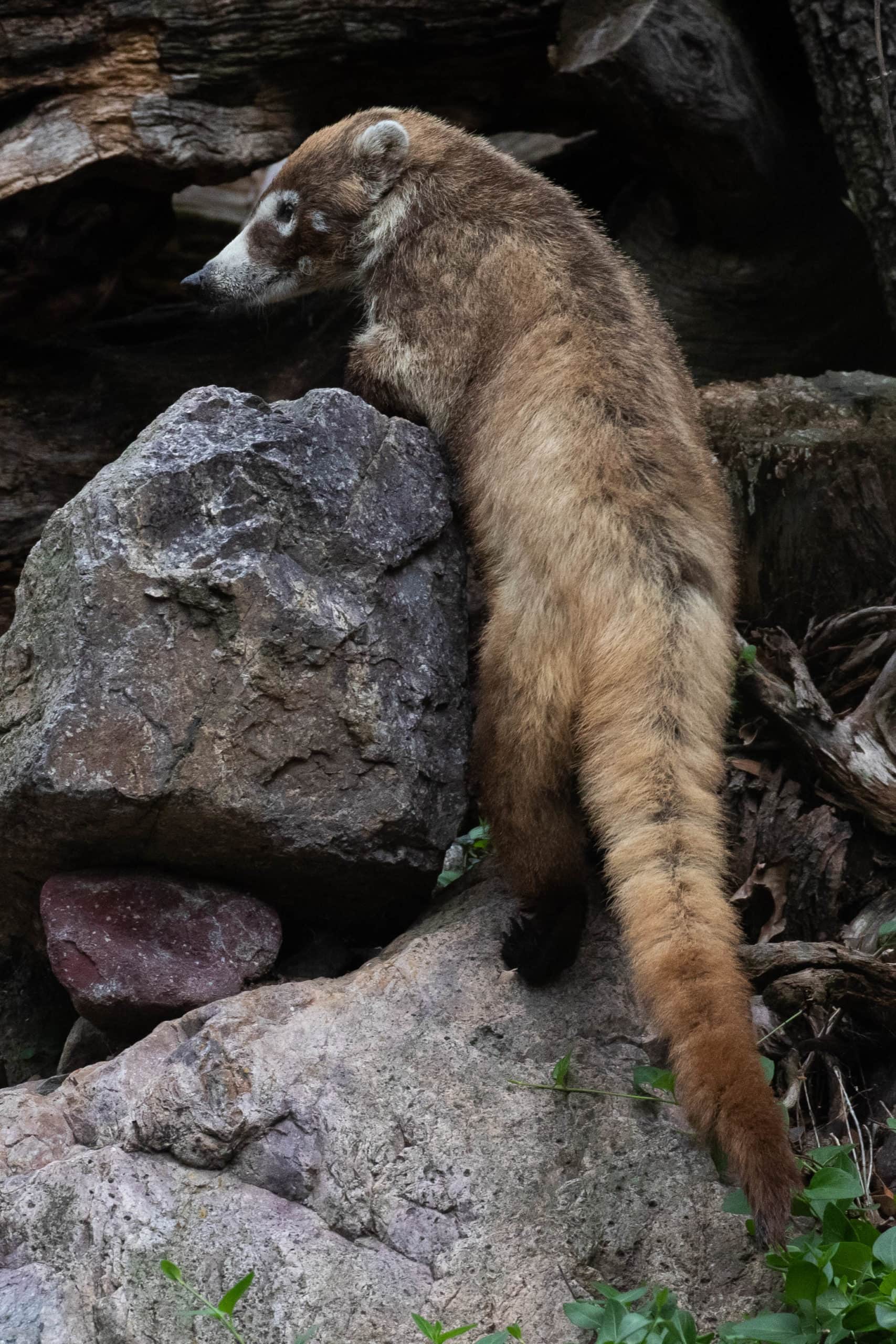
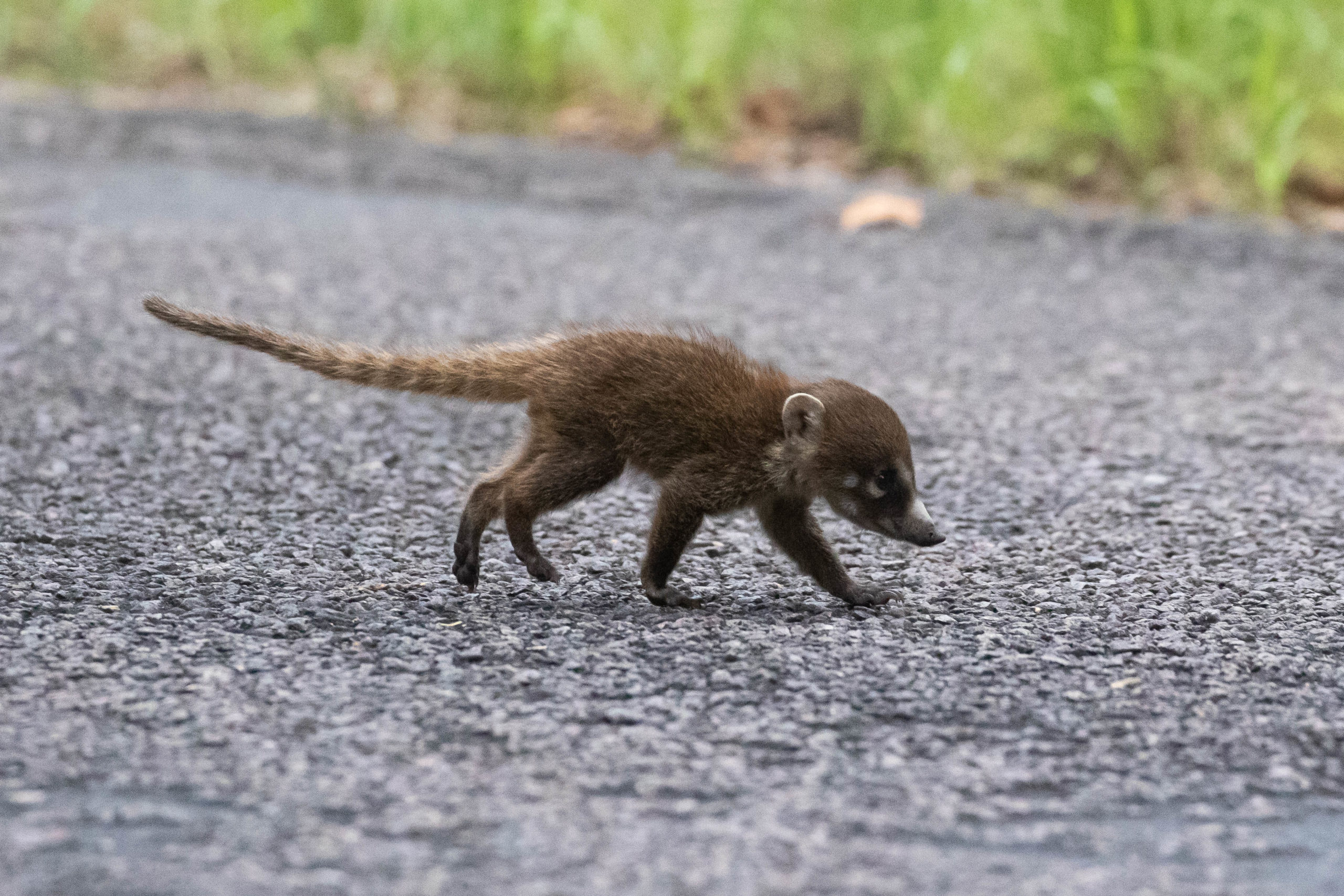
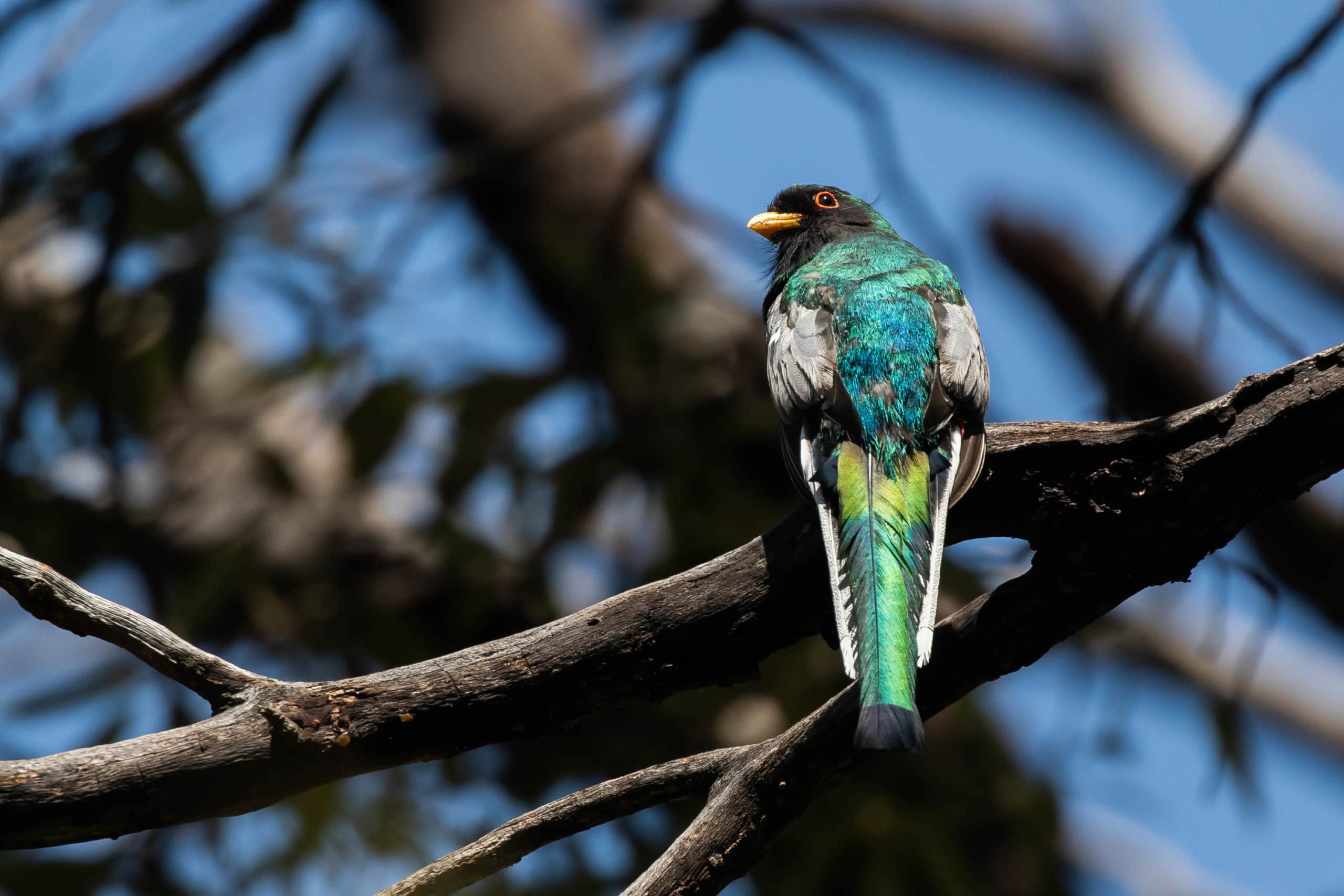
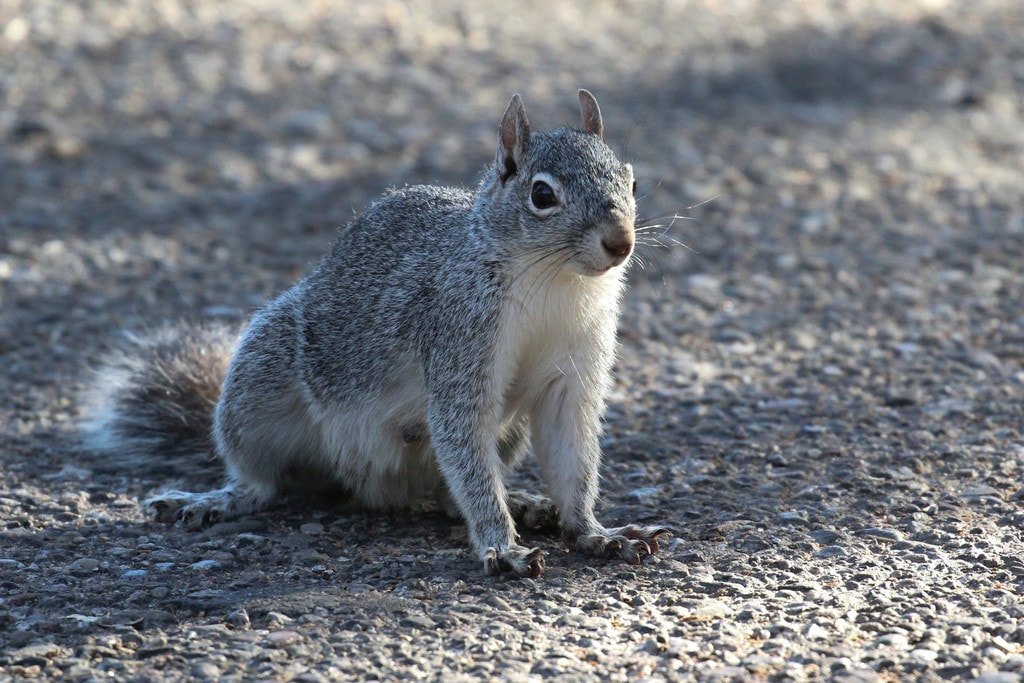
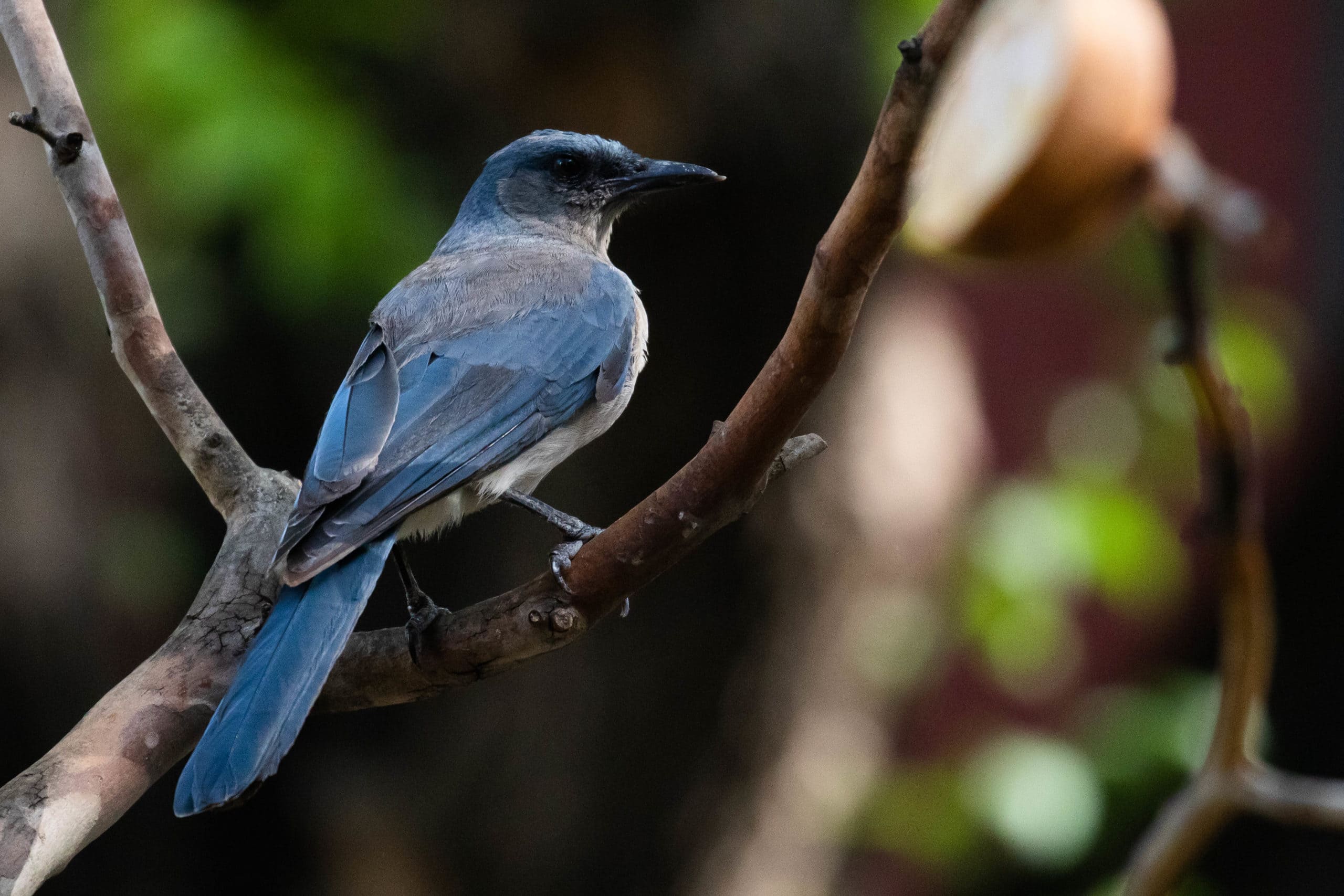
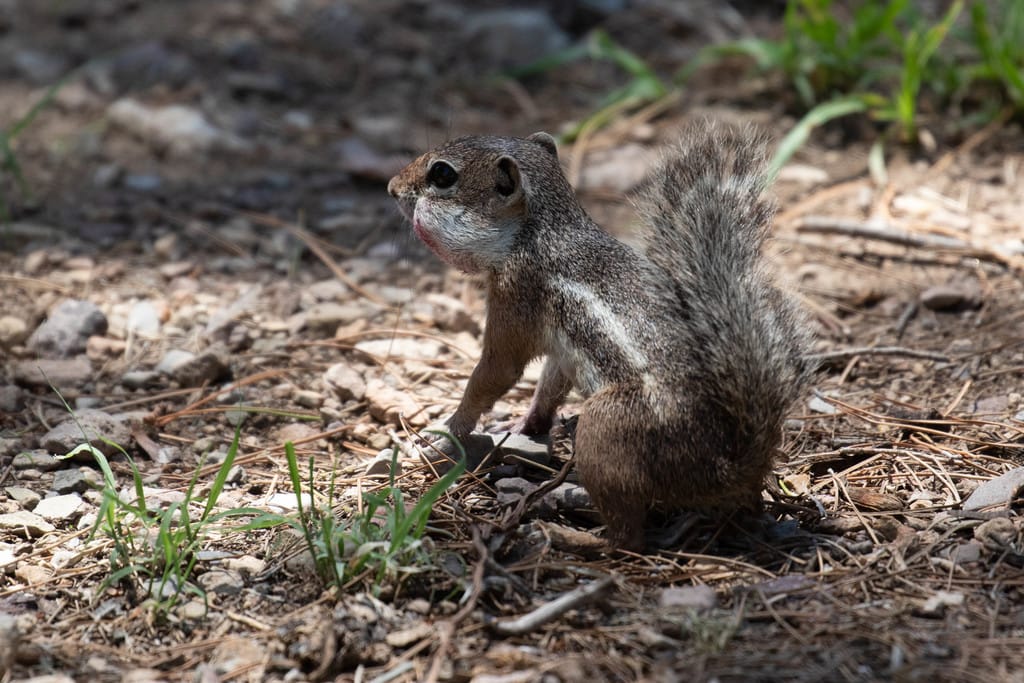
Intensively birding the length of Madera Canyon (arguably the premier canyon in the region!) will be the focus for most of today. An incredible diversity of habitats from desert scrub to oaks, to riparian woodlands, and eventually to high-elevation pine-fir forests make this canyon very biologically diverse. There’s too much to try and fit into a short description here, but birding highlights include 4 species of tanager (Summer, Western, Hepatic, and the rare Flame-colored); hyperactive hummingbirds visit feeders where rarities like Beryline Hummingbird could visit; and Sulphur-bellied Flycatcher, Mexican Jay, Bell’s Vireo, Woodhouse’s Scrub-Jay, Bridled Titmouse, Painted Redstart, and “Gould’s” Wild Turkey are common in Madera Canyon. Bobcat, Gray Fox, Coatimundi, Yellow-nosed Cotton Rat, and Arizona Gray Squirrel can be found in the canyon. Special effort will be put into finding both Black-tailed Gnatcatcher and the rare Black-capped Gnatcatchers. The Carrie Nation Trail will give us our first chance at Elegant Trogon!
After dark we will search for Whiskered Screech-Owl and Mexican Whip-poor-will, and any nocturnal mammals lurking around the various feeders – maybe we can spot a Ringtail! Night in Green Valley.
Day 4 – Green Valley, Tubac, & Patagonia hotspots. Night in Sierra Vista.
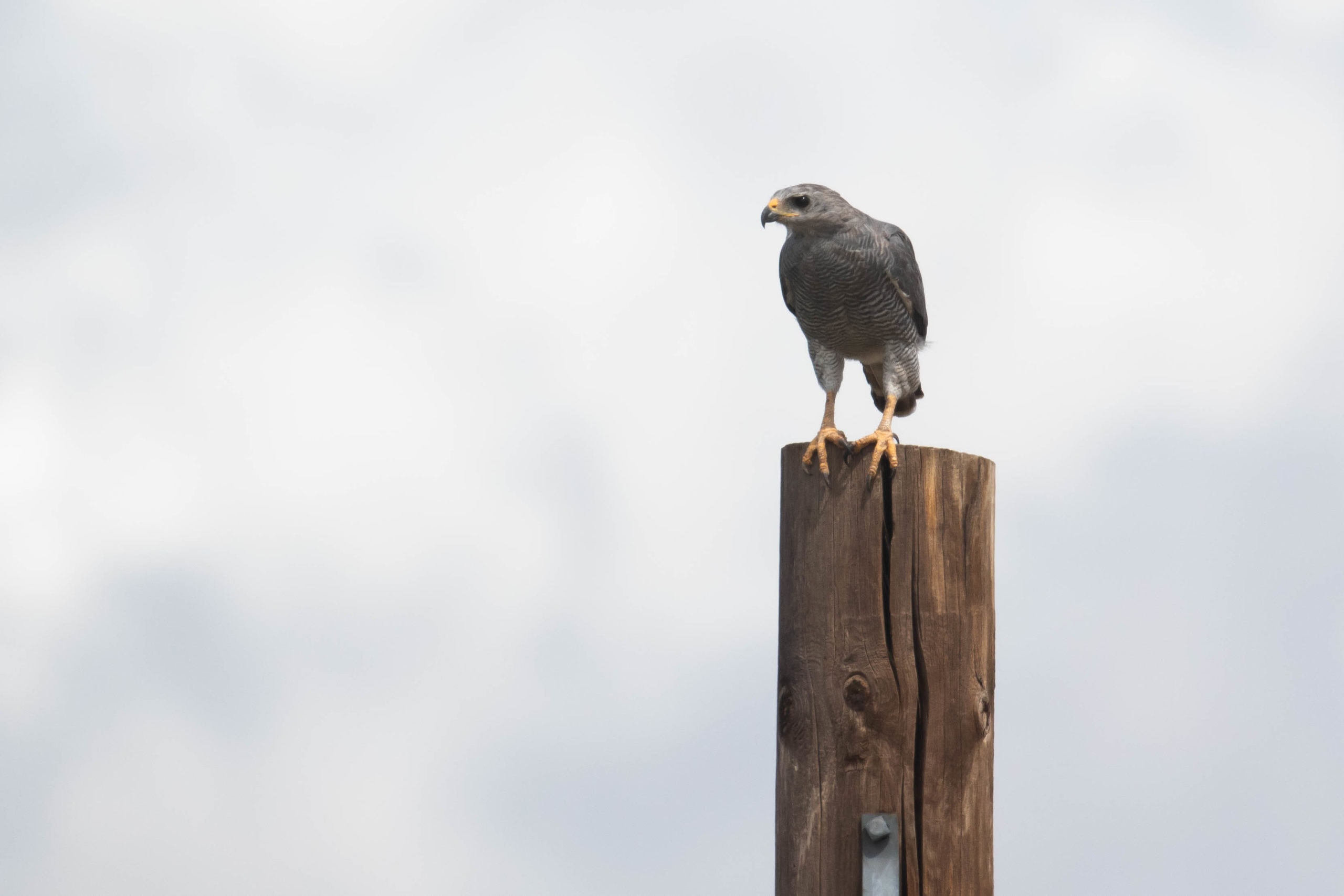
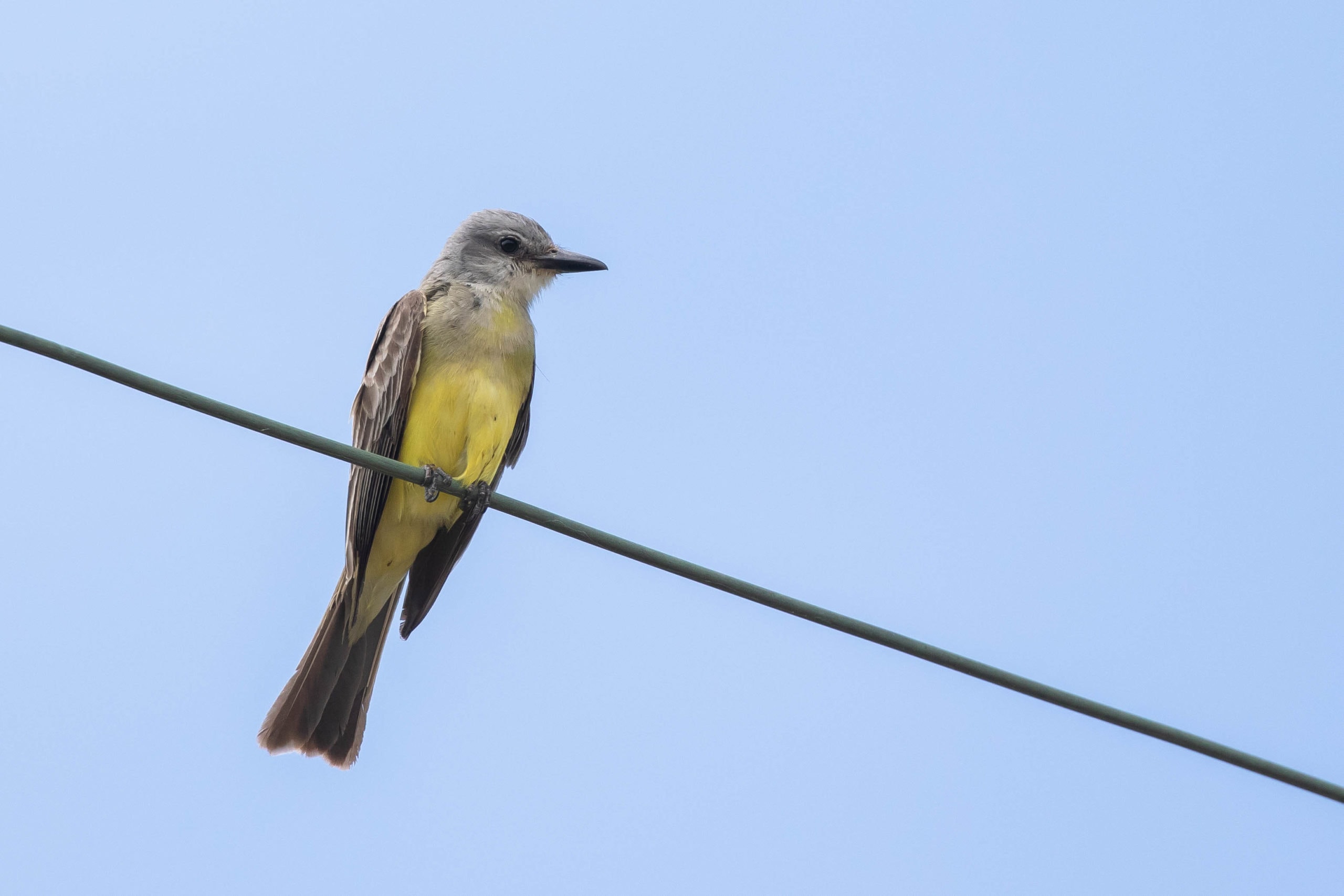
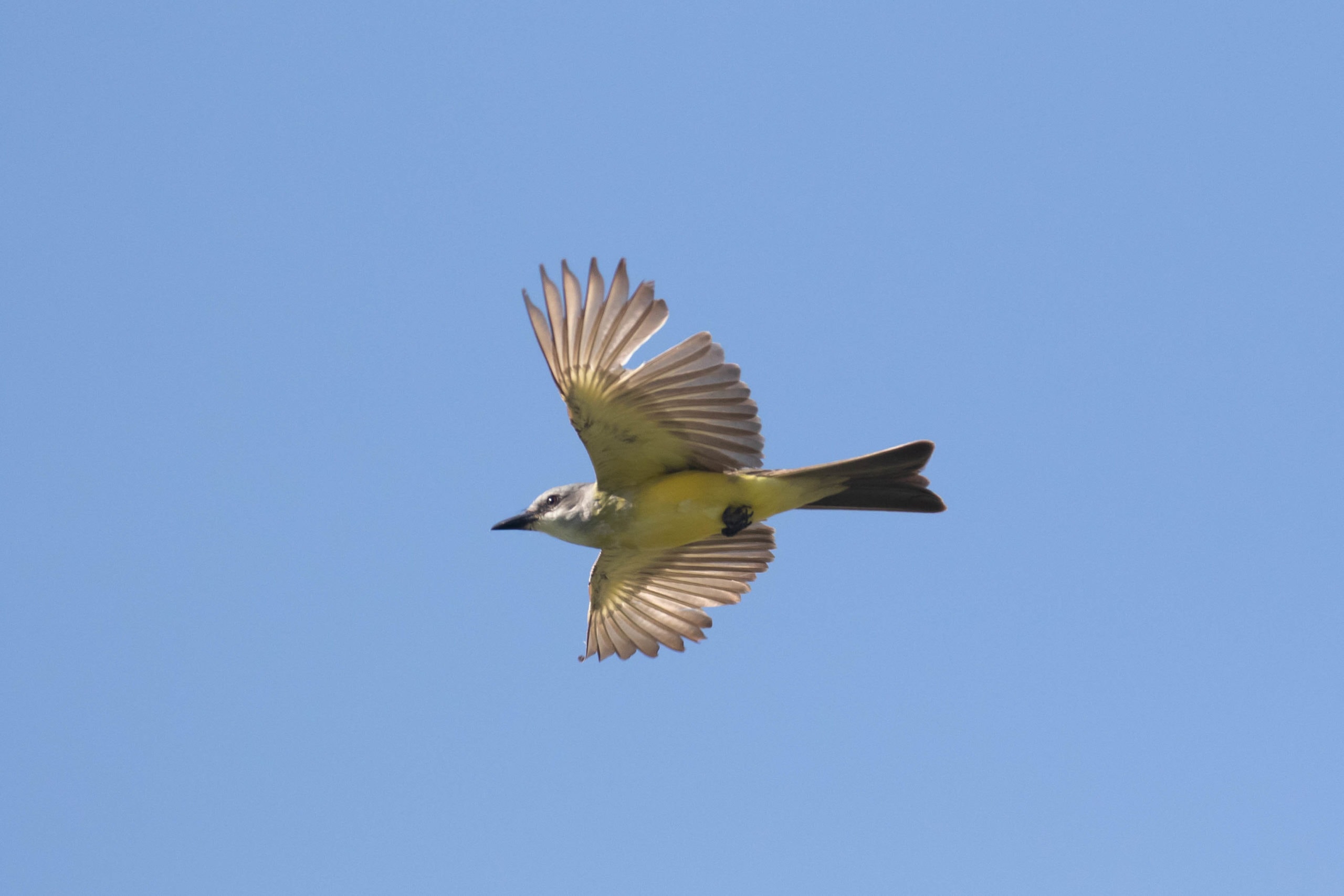
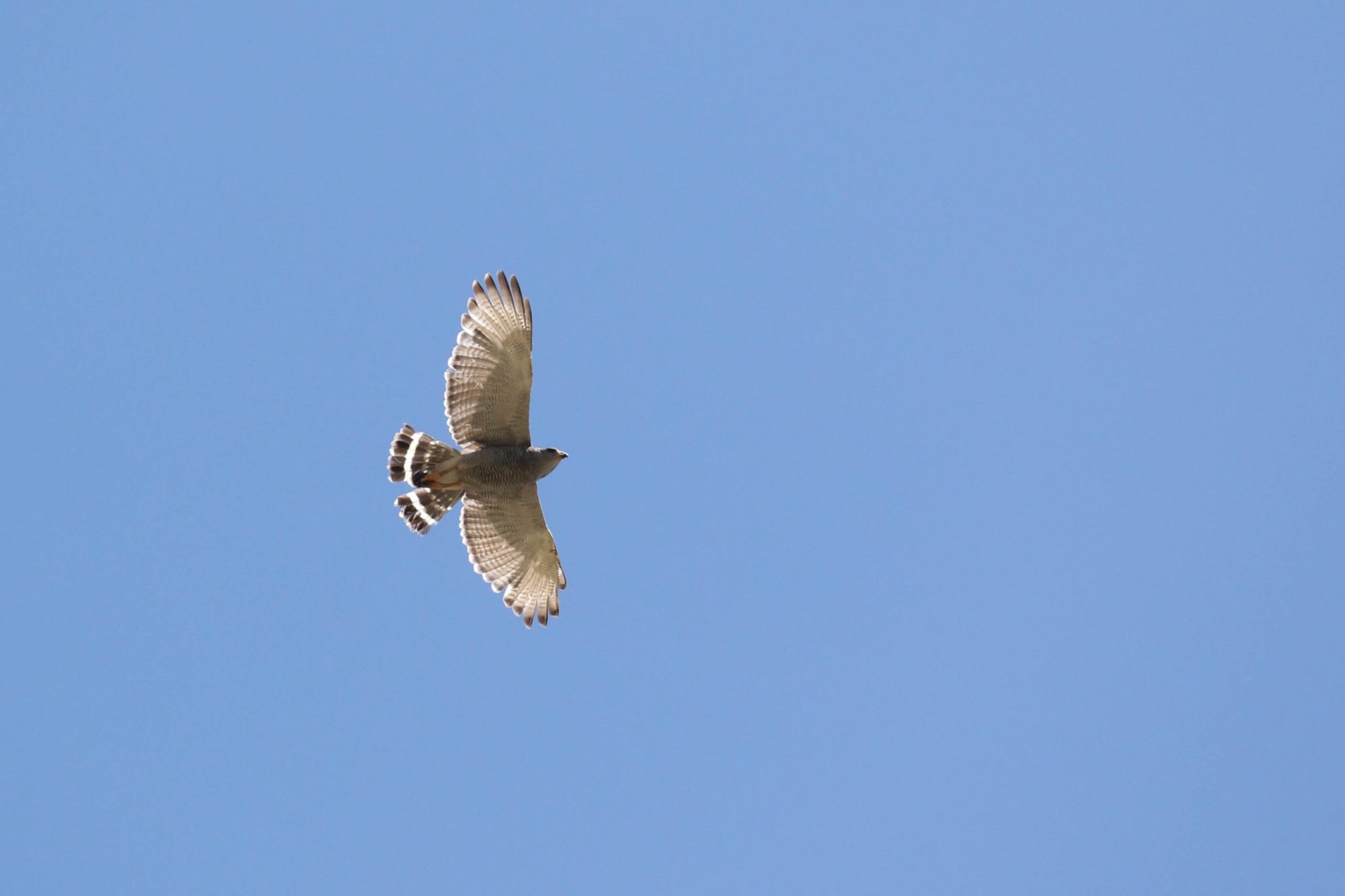
We will visit Tubac and explore the De Anza Trail in search of nesting Rose-throated Becards and other riparian specialties like Lucy’s Warbler and Brown-crested Flycatcher. Gray Hawk and Common Black Hawk are possible along the Santa Cruz River corridor, and Northern Beardless-Tyrannulets may be singing from the brush The Tubac area is one of our best chances for Tropical Kingbird!
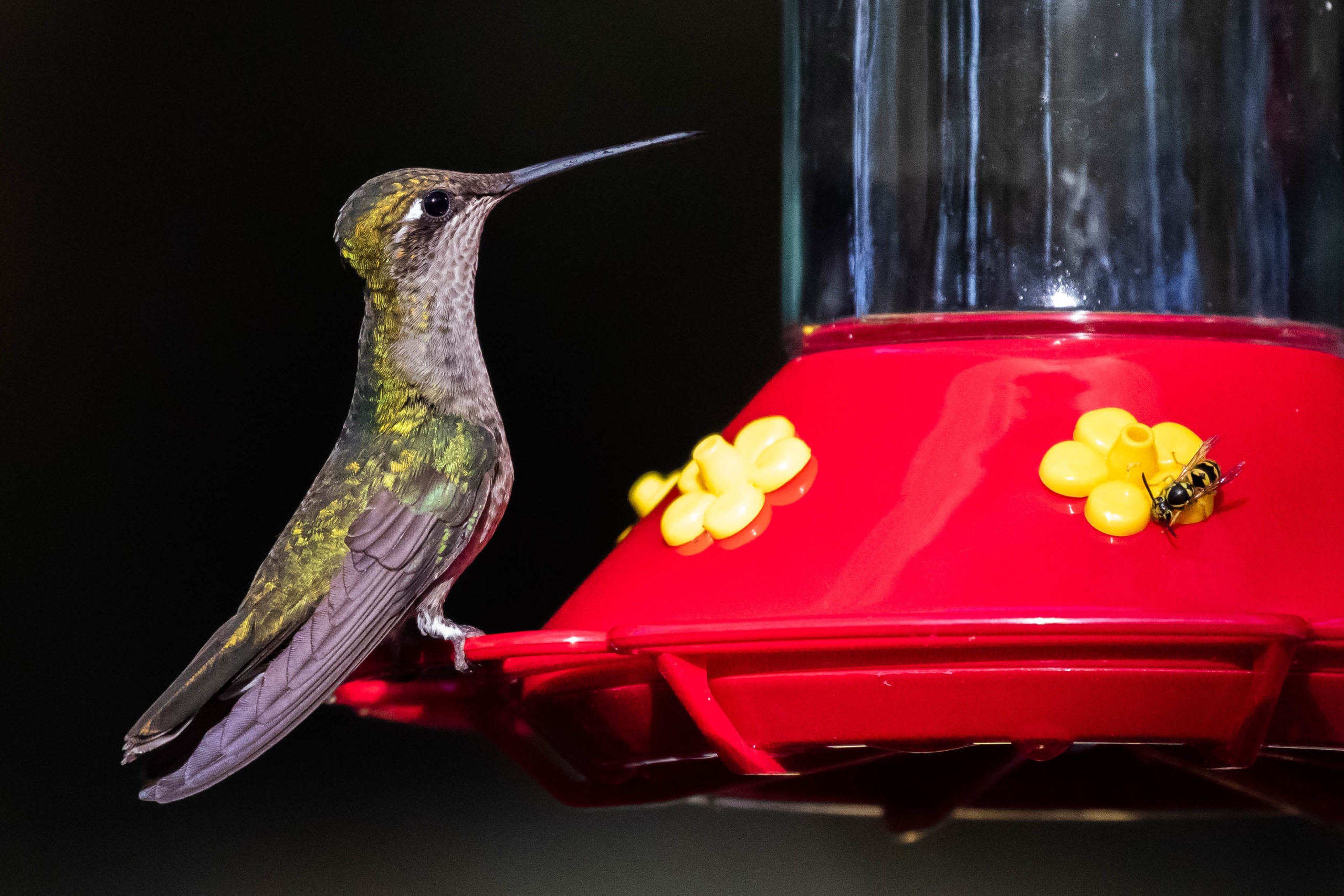
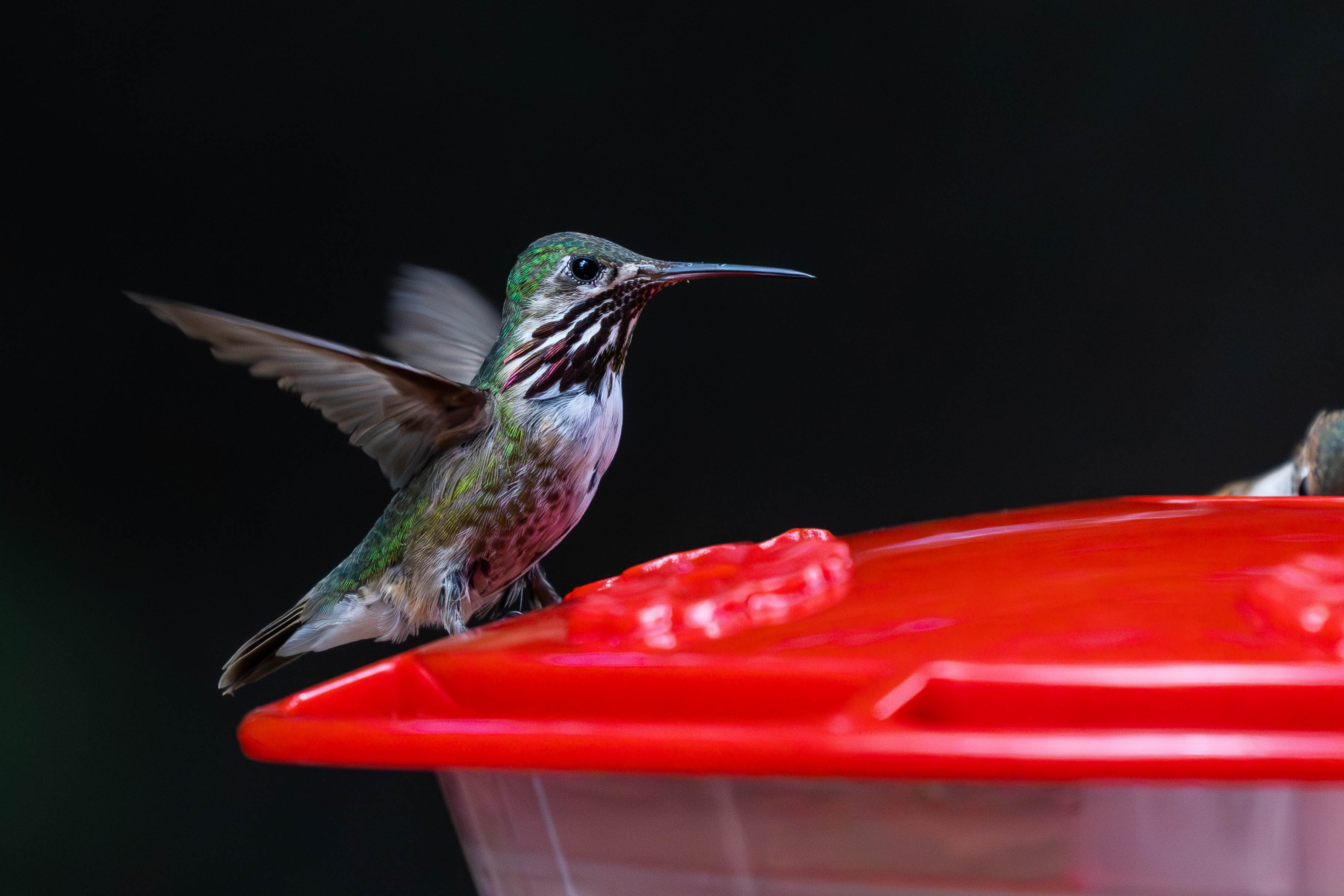
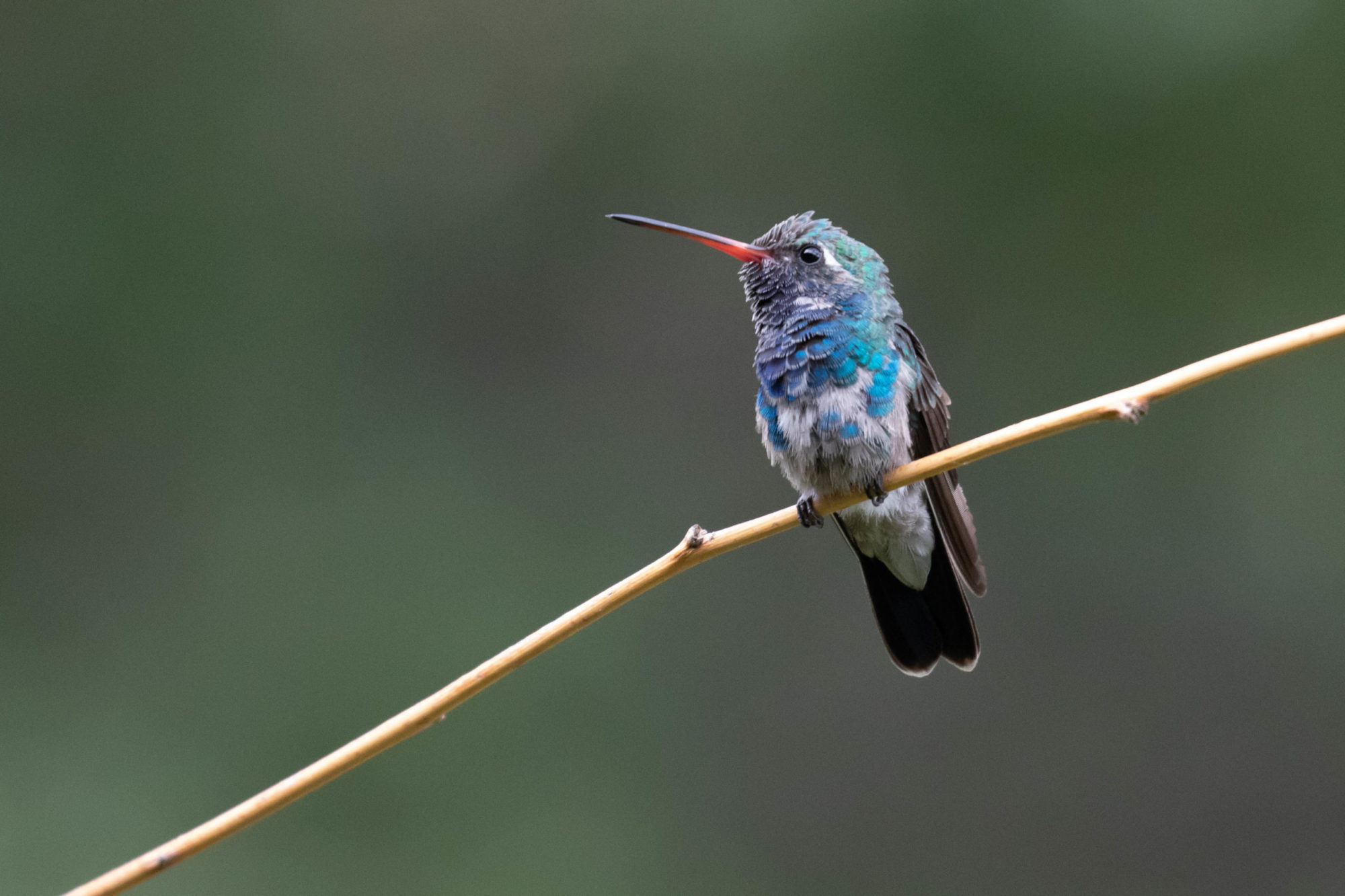
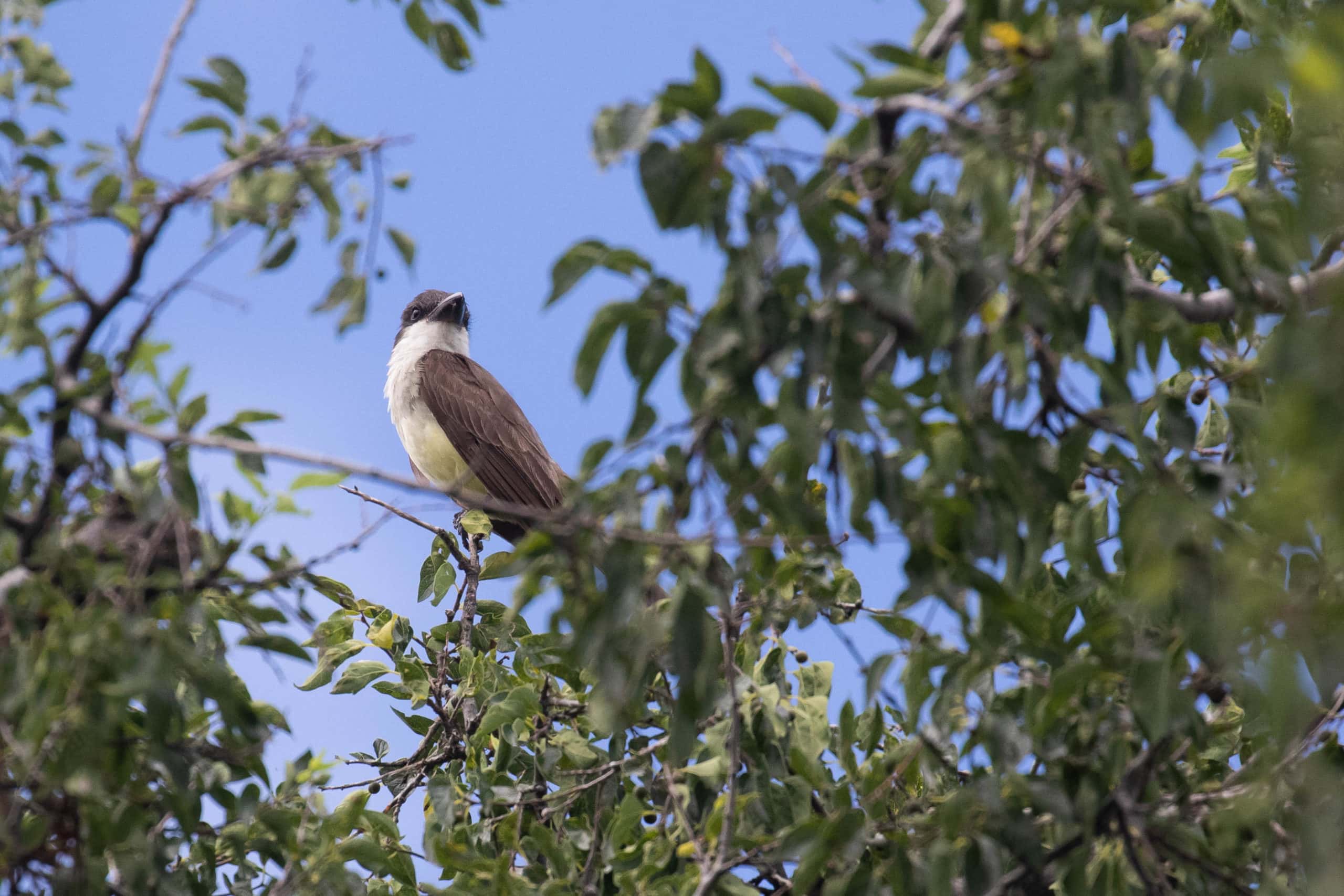
The Sonoita Creek Valley contains some of the best birding in Southeast Arizona. The diversity here is rich; in fact, Patagonia Lake State Park has the highest species total for any eBird hotspot in Arizona! This will be a fun day birding as we’ll be visiting some of the most storied locations of Southeast Arizona, including the famous Patagonia Roadside Rest Area and the Patton Center hummingbird feeders. Two of the real gems in this area are Thick-billed Kingbird and Violet-crowned Hummingbird! Black-bellied Whistling-Duck is rare but regular. Inca Dove, Common Ground-Dove, and maybe even Ruddy Ground-Dove can be found! There may be another opportunity for Rose-throated Becard somewhere along the creek as well.
After dinner we will drive around to Sierra Vista. Optional nocturnal birding will be offered to eager guests. Whiskered Screech-Owl, Mexican Whip-poor-will, and Common Poorwill will be the main targets. Night in Sierra Vista.
Day 5 – Carr Canyon, Ash Canyon, Whitewater Draw. Night in Portal.
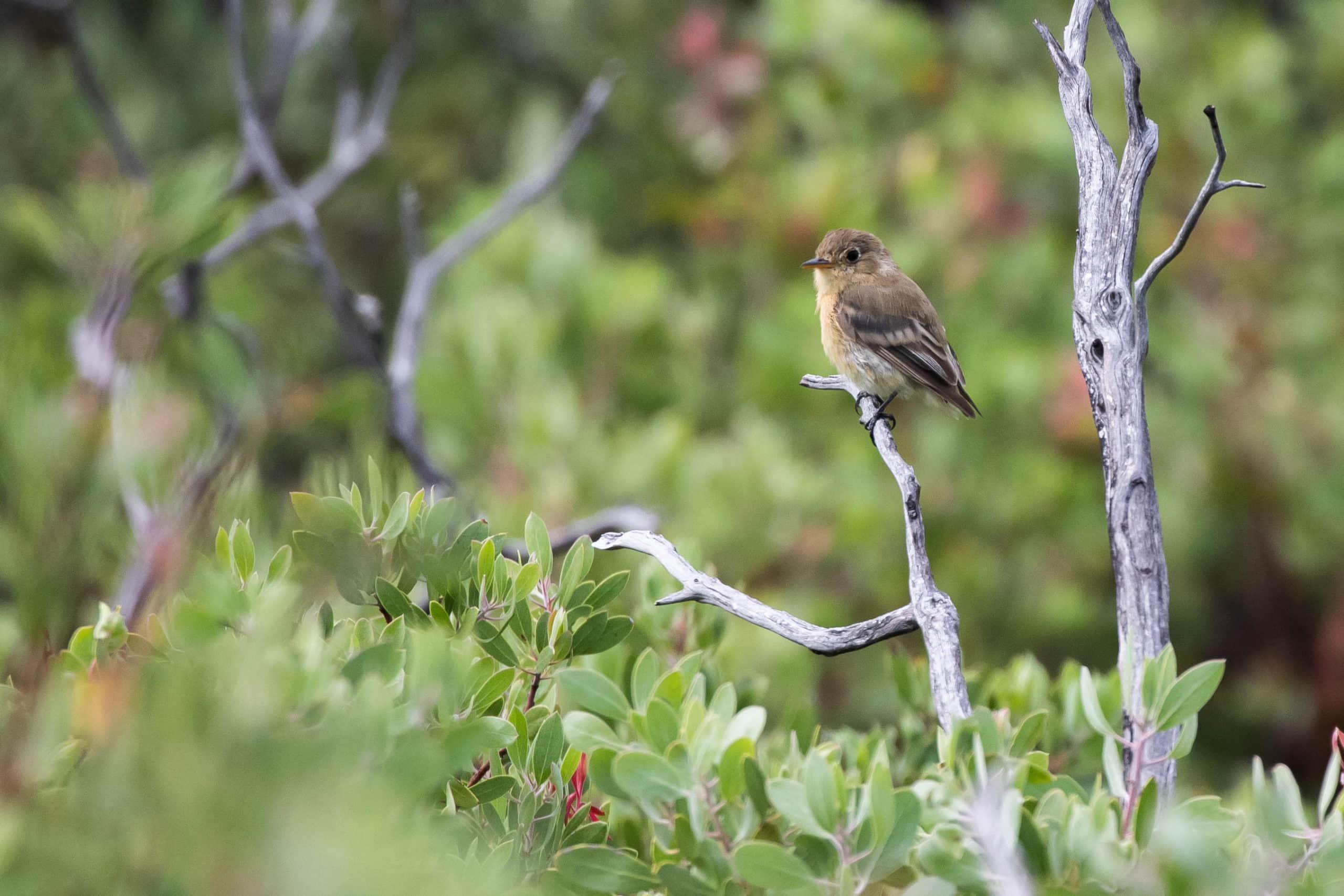
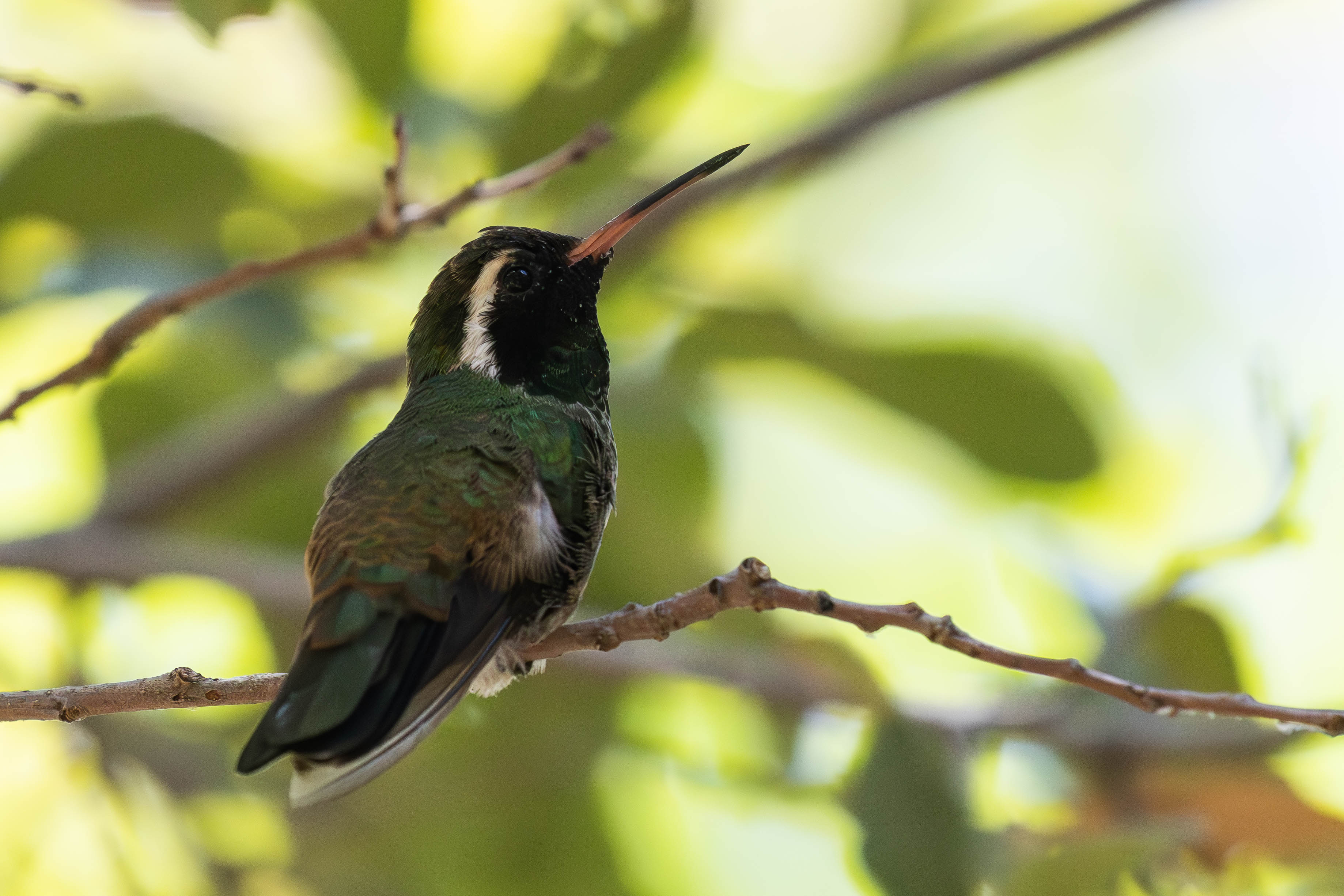
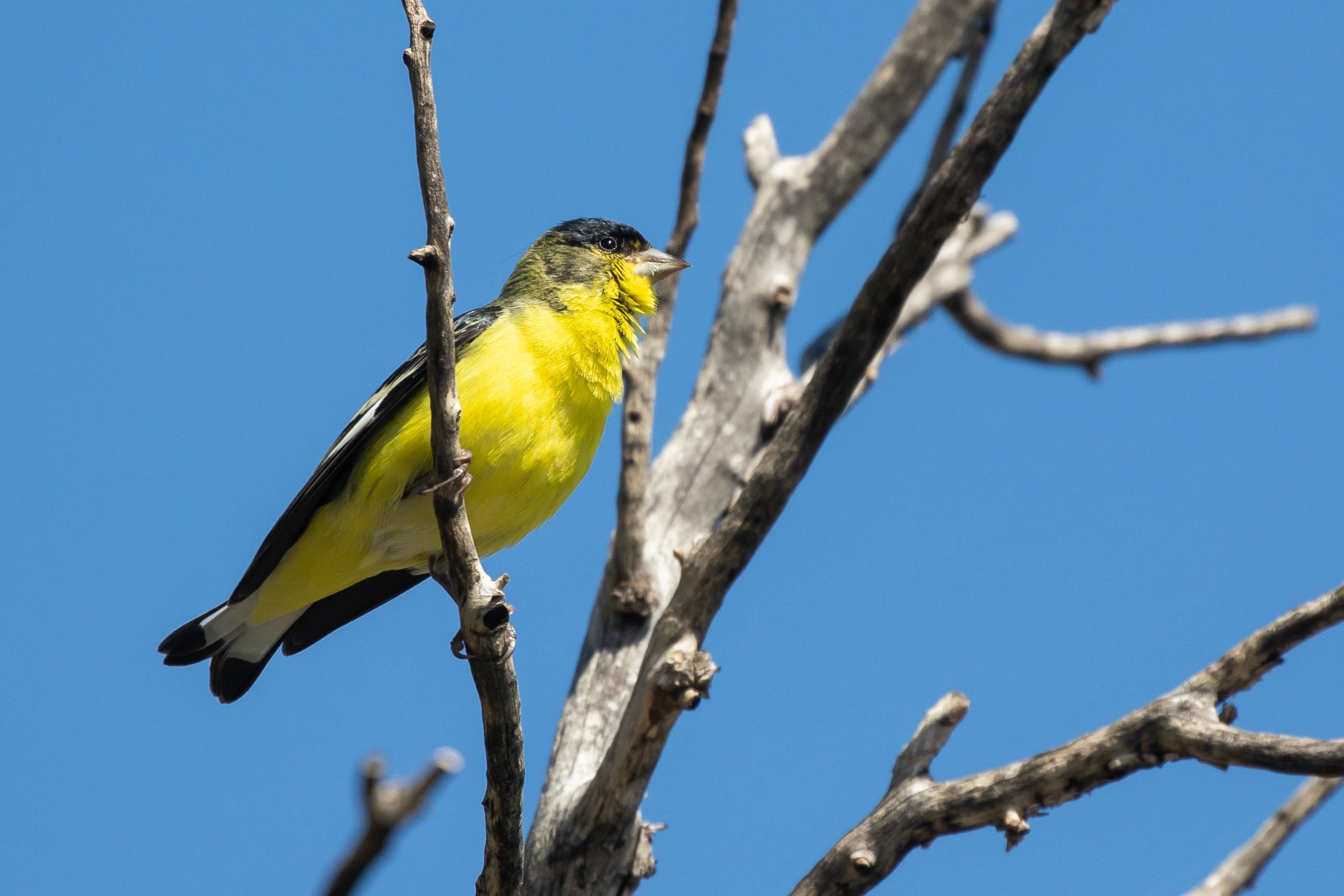
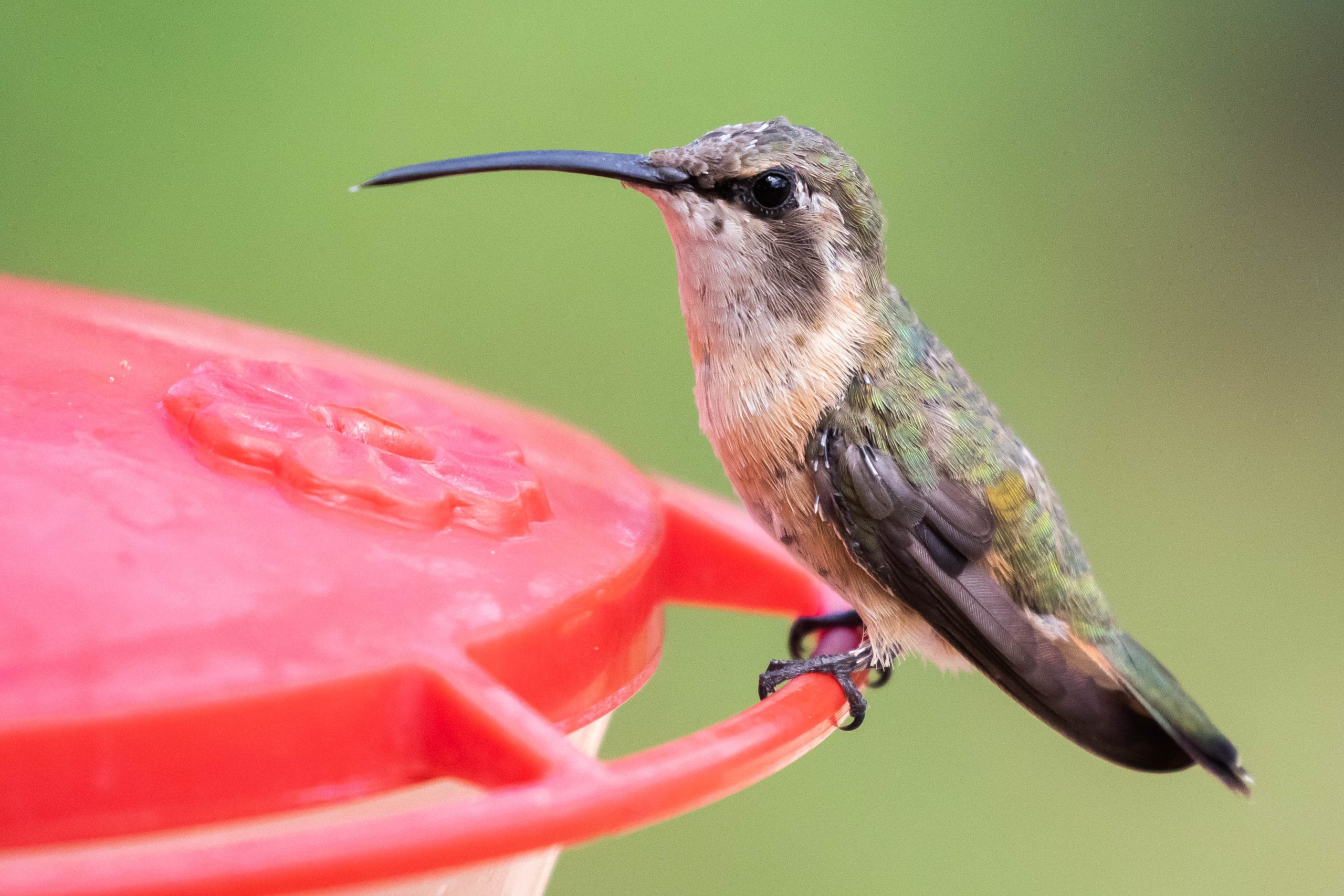
A bumpy ride to the top of Carr Canyon in the Huachua Mountains always produces some excellent birding where we may find Buff-breasted Flycatcher, Olive Warbler, Greater Pewee, Hutton’s Vireo, Bushtit, the “Mexican” subspecies of Eastern Bluebird, and Brown Creeper. Mexican vagrants ranging from Eared Quetzal to Aztec Thrush to Slate-throated Redstart have been found here, so always expect the extraordinary! Down at the Ash Canyon Bird Sanctuary, the feeders we will be swarmed by dozens of hummingbirds, and we have our best shot at seeing Lucifer Hummingbird! Canyon Towhee, Bridled Titmouse, Lesser Goldfinch, Mexican Jay, and other songbirds come in for a free meal as well.
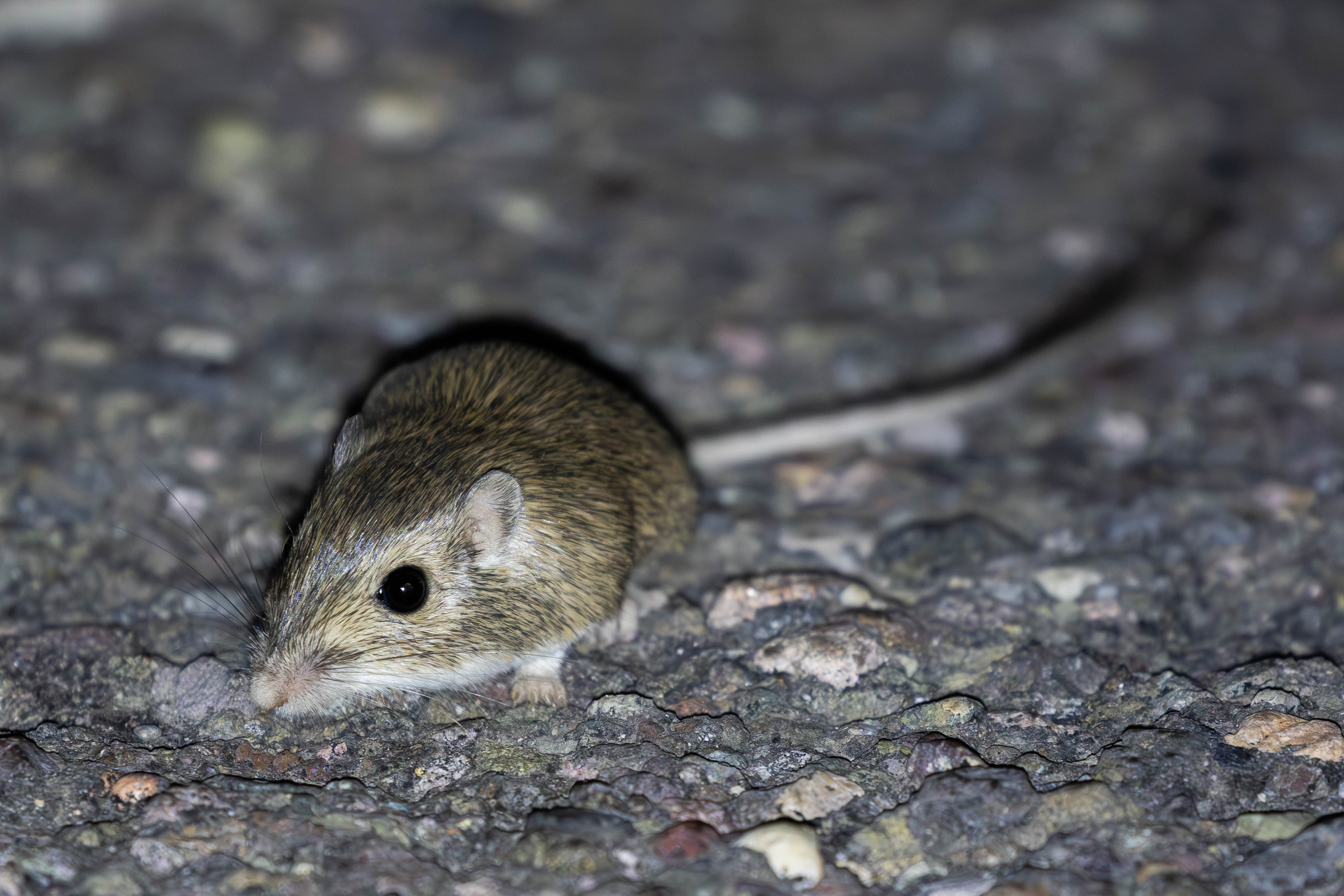
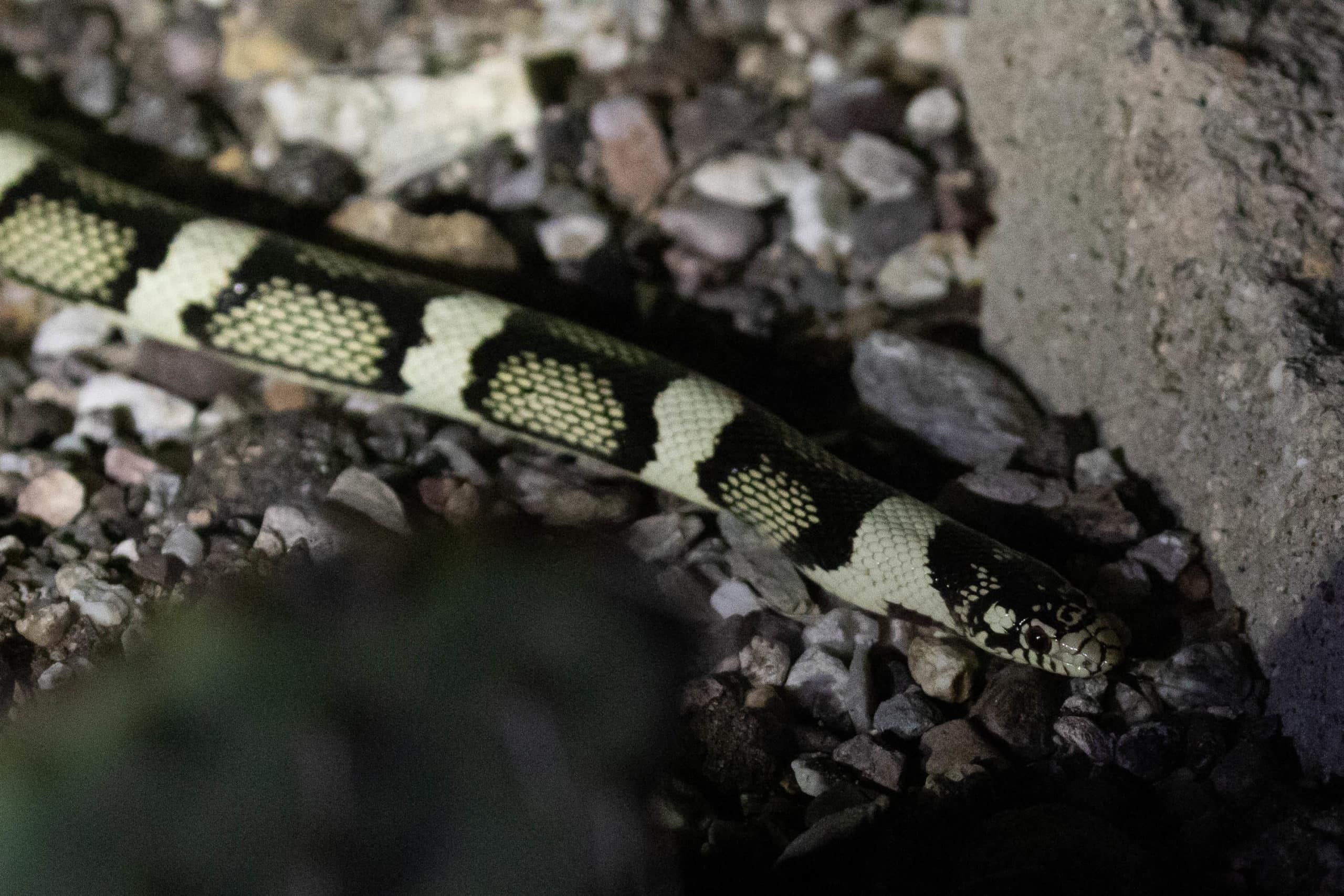
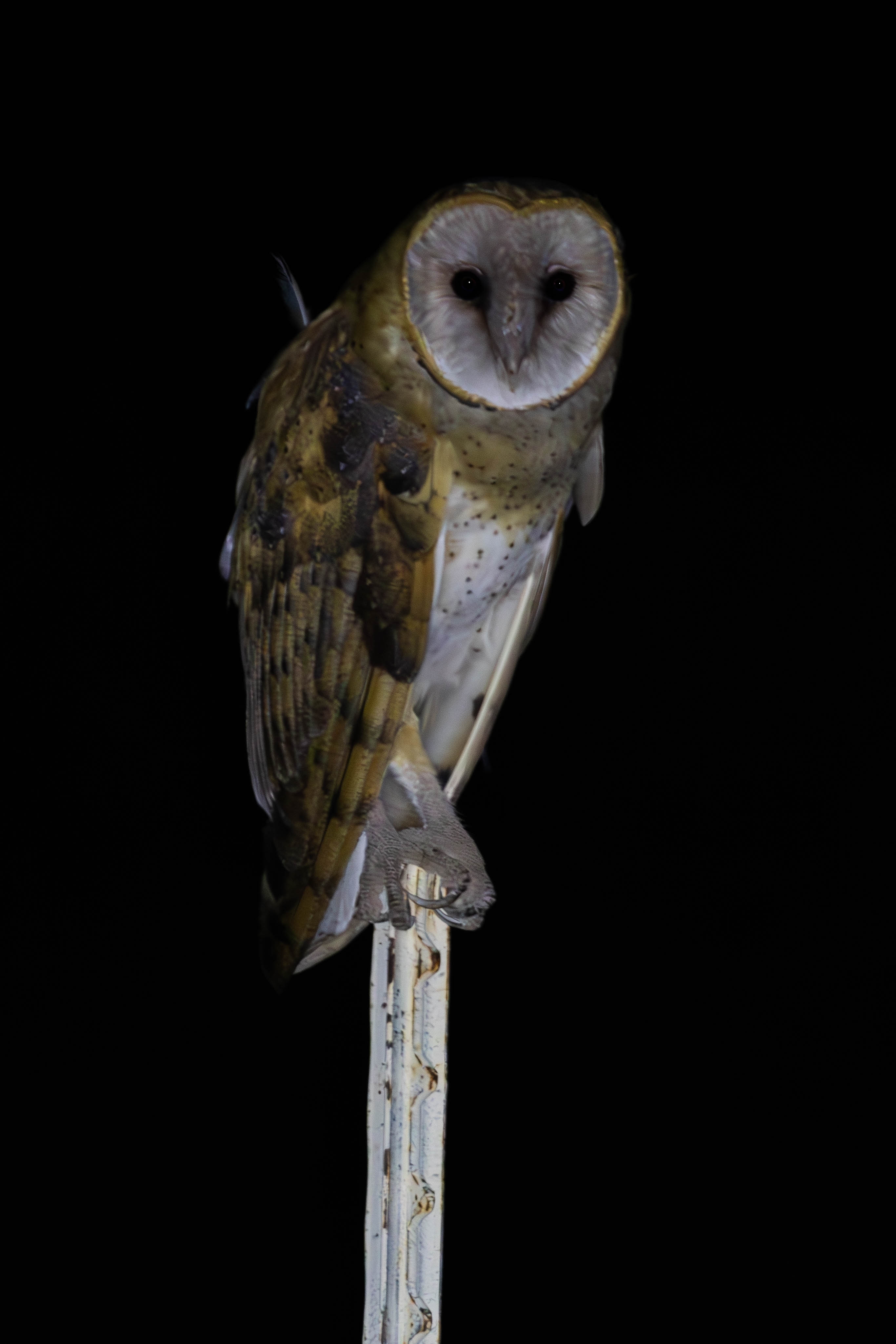
For the afternoon we will be traveling toward Portal. Along the route, we will visit Whitewater Draw where shorebirds and waterfowl can be numerous. We may also spot Black Phoebe, White-faced Ibis, Cassin’s Kingbird, Loggerhead Shrike, Barn Owl, and Lark Sparrow. After dark, Whiskered Screech-Owl and Mexican Whip-poor-will will be top priorities. Back at the hotel we can also use a radar detector to ID bat species flying around the streetlights. We can also make an optional night-drive out through the desert in search of kangaroo rats and other nocturnal creatures. Night in Portal.
Day 6 – Chiricahua Mountains. Night in Portal.
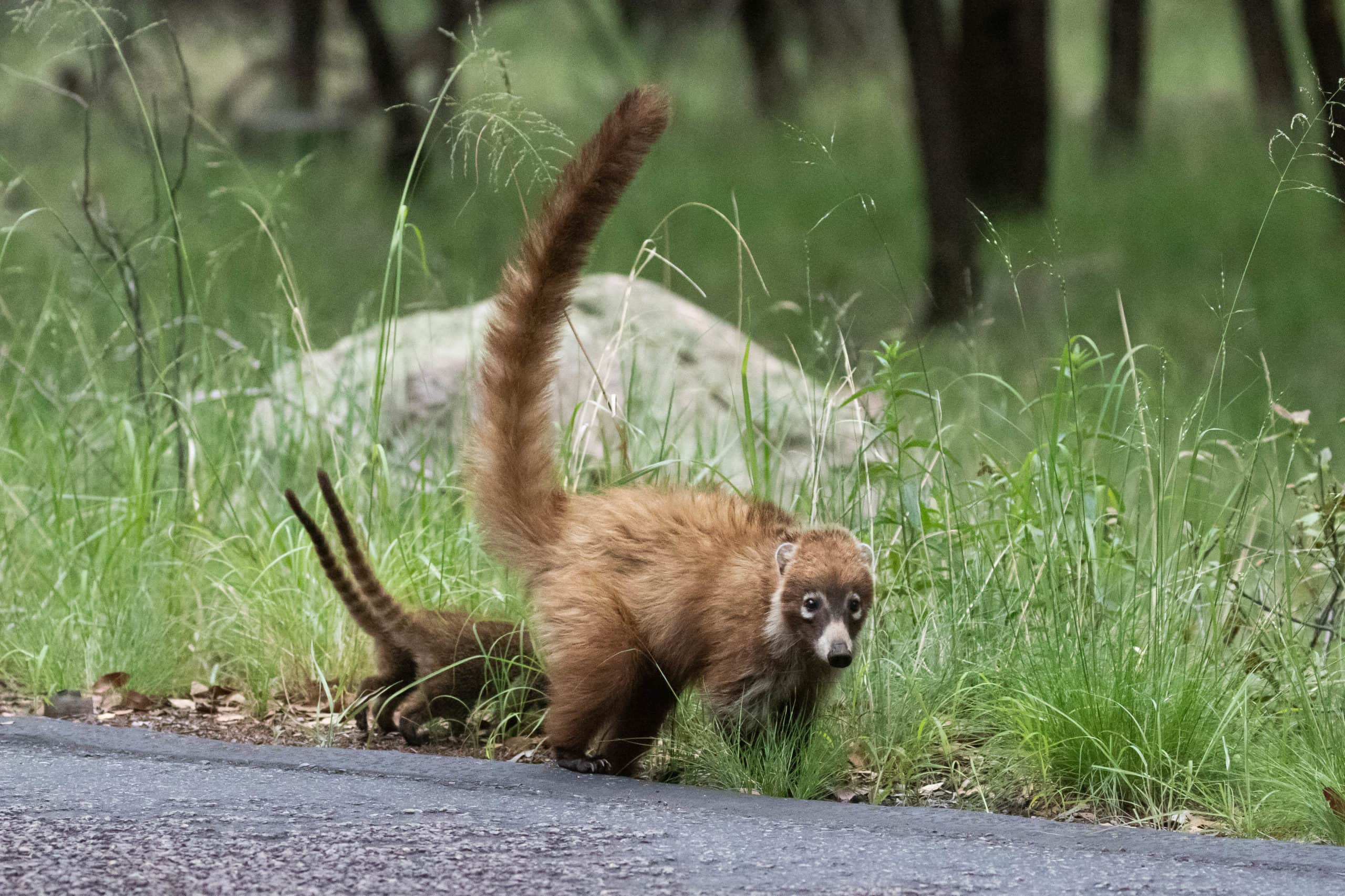
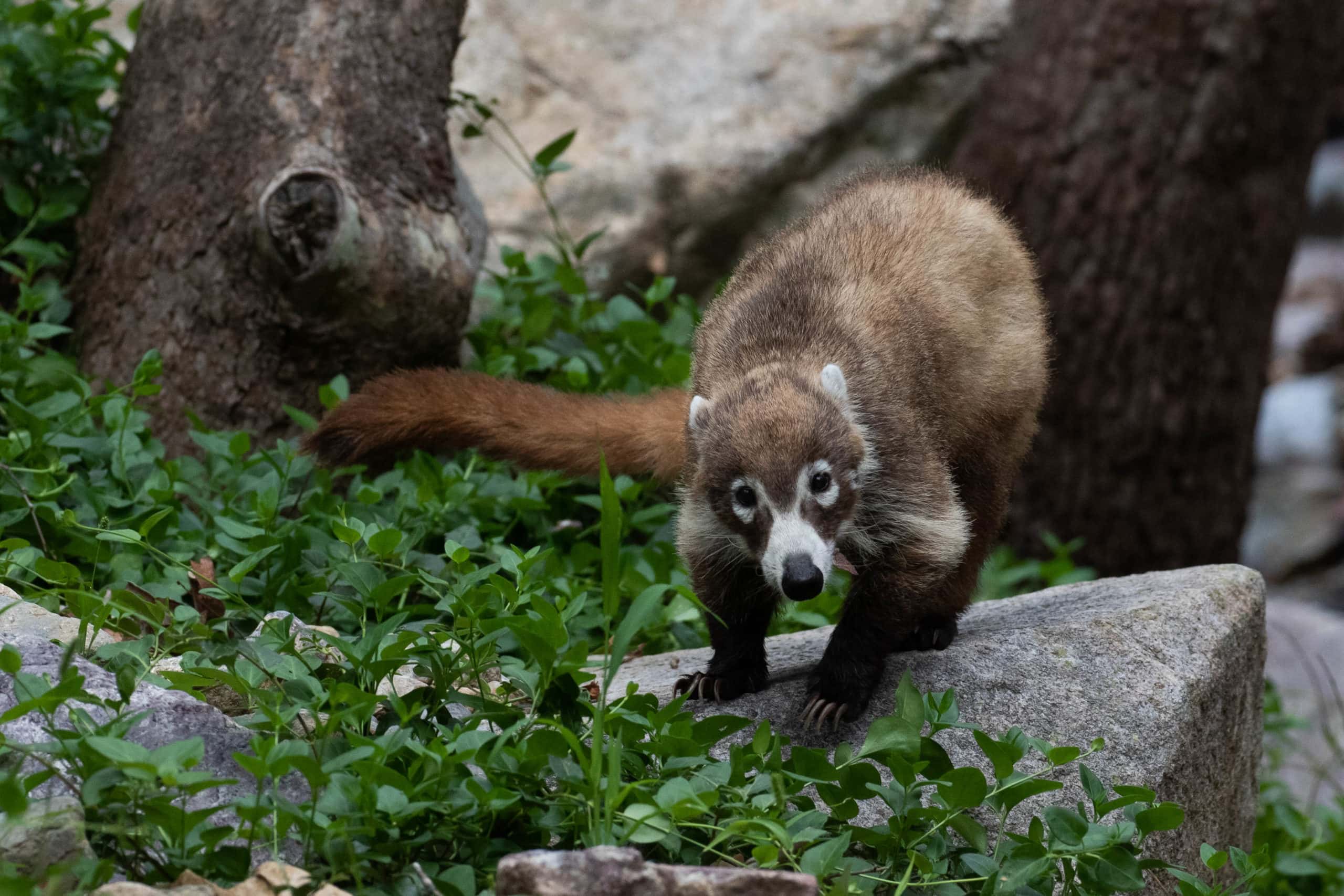
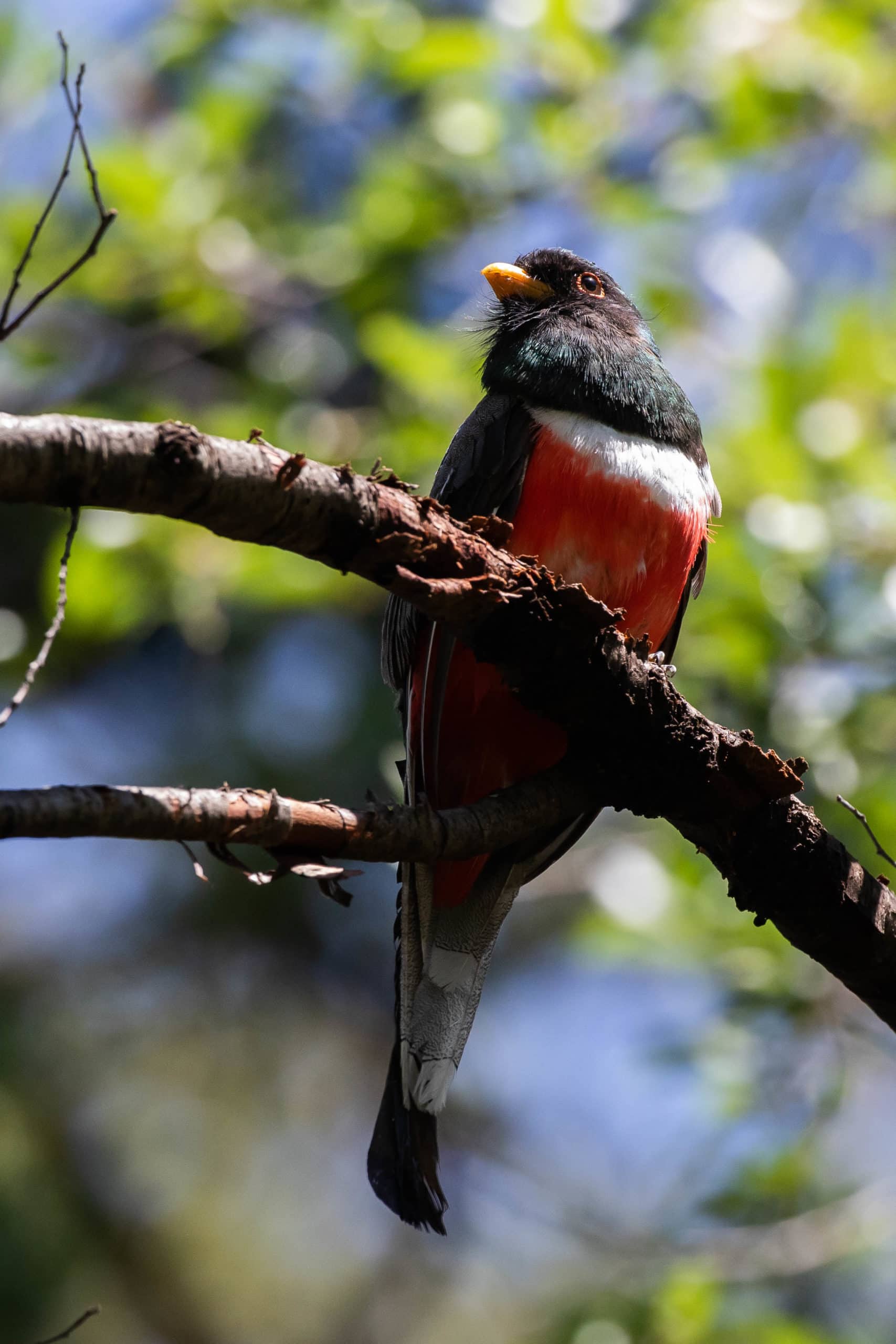
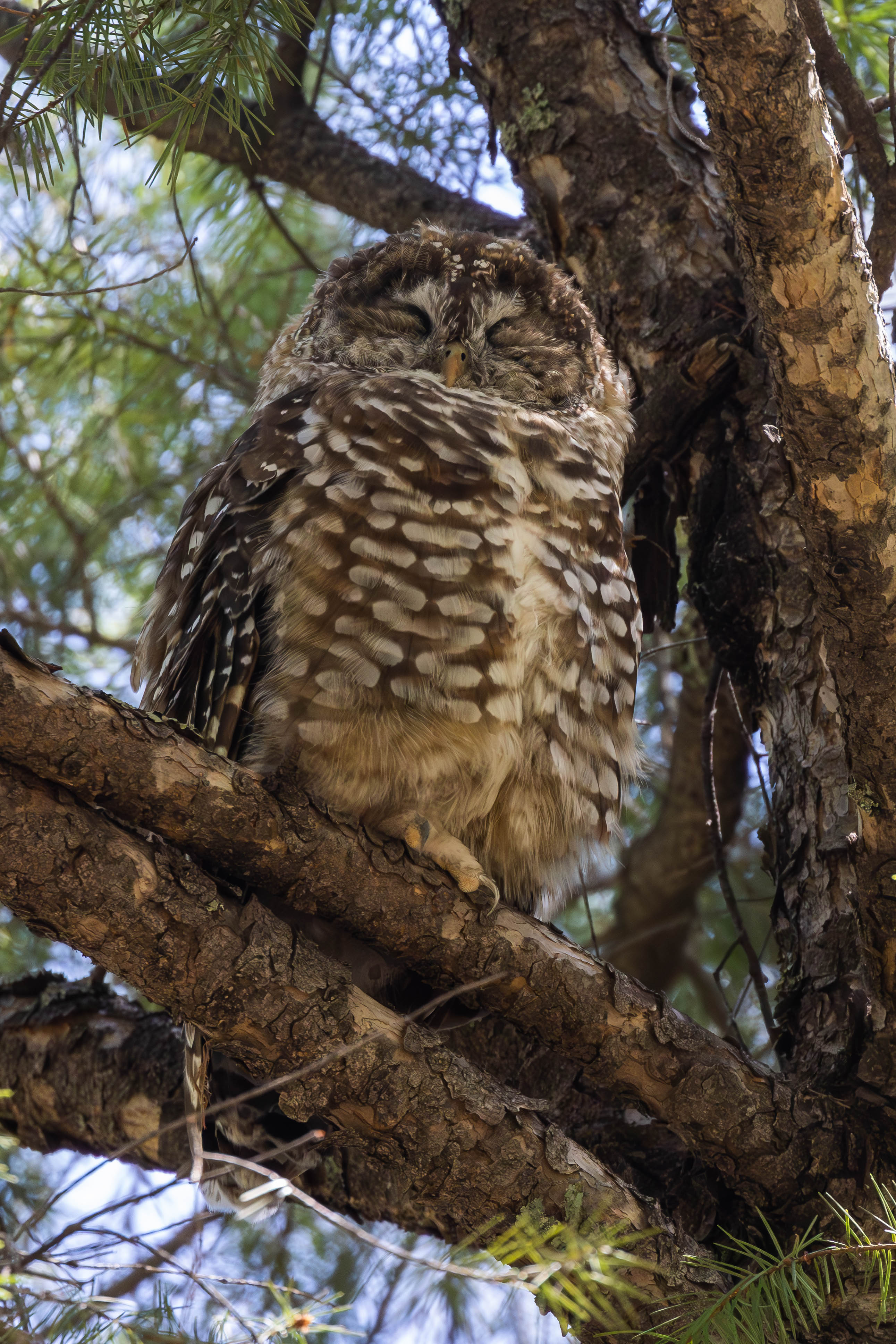
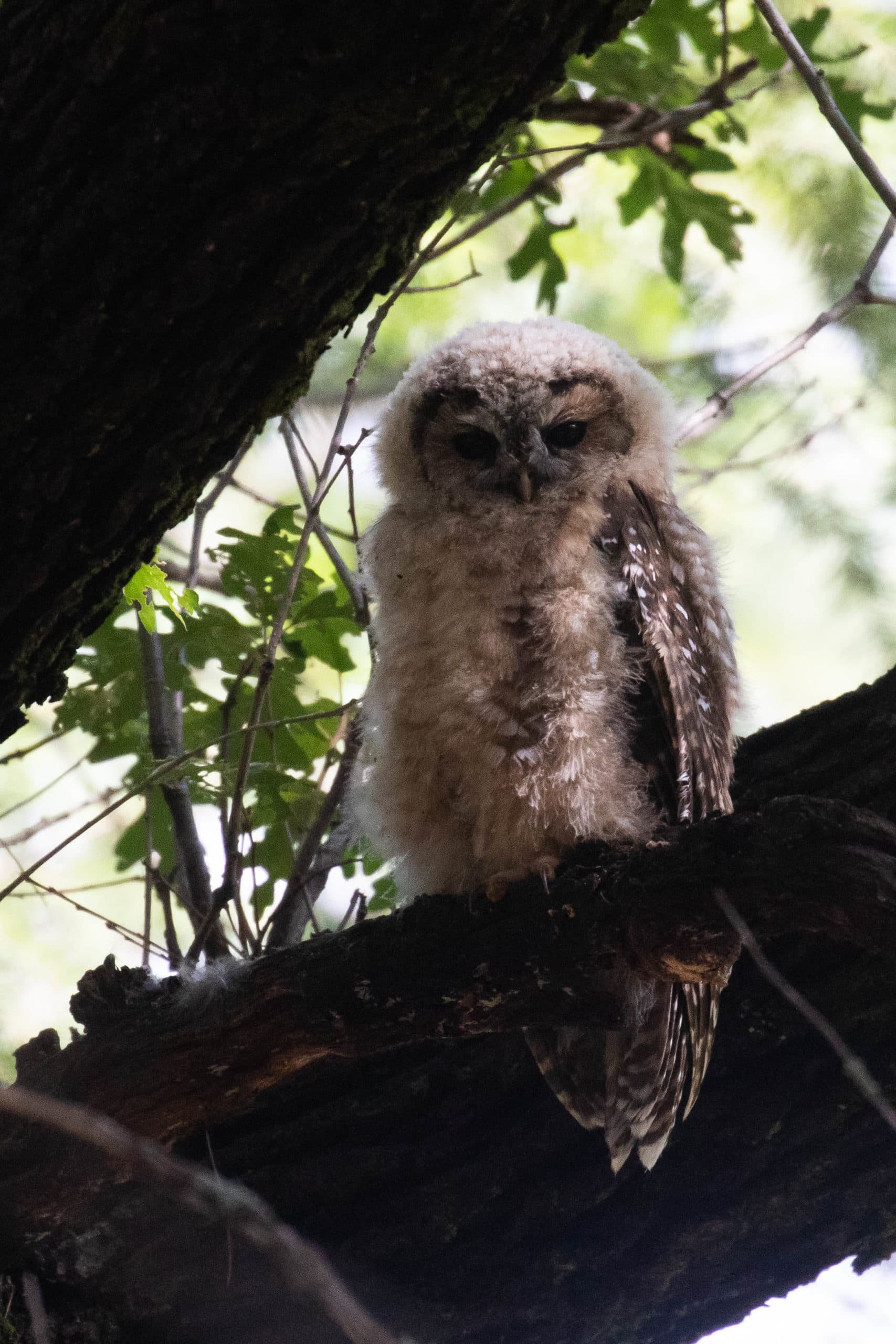
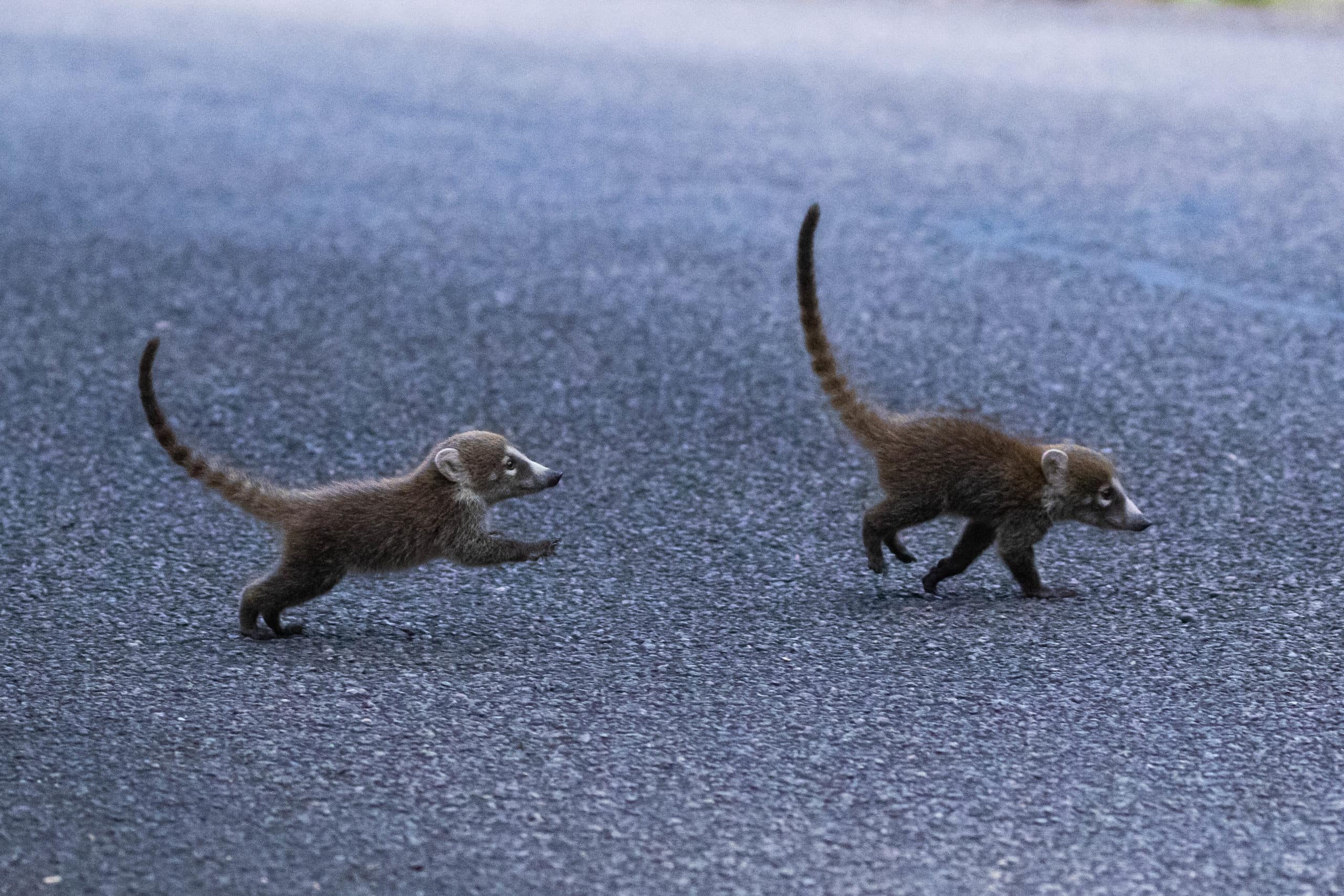
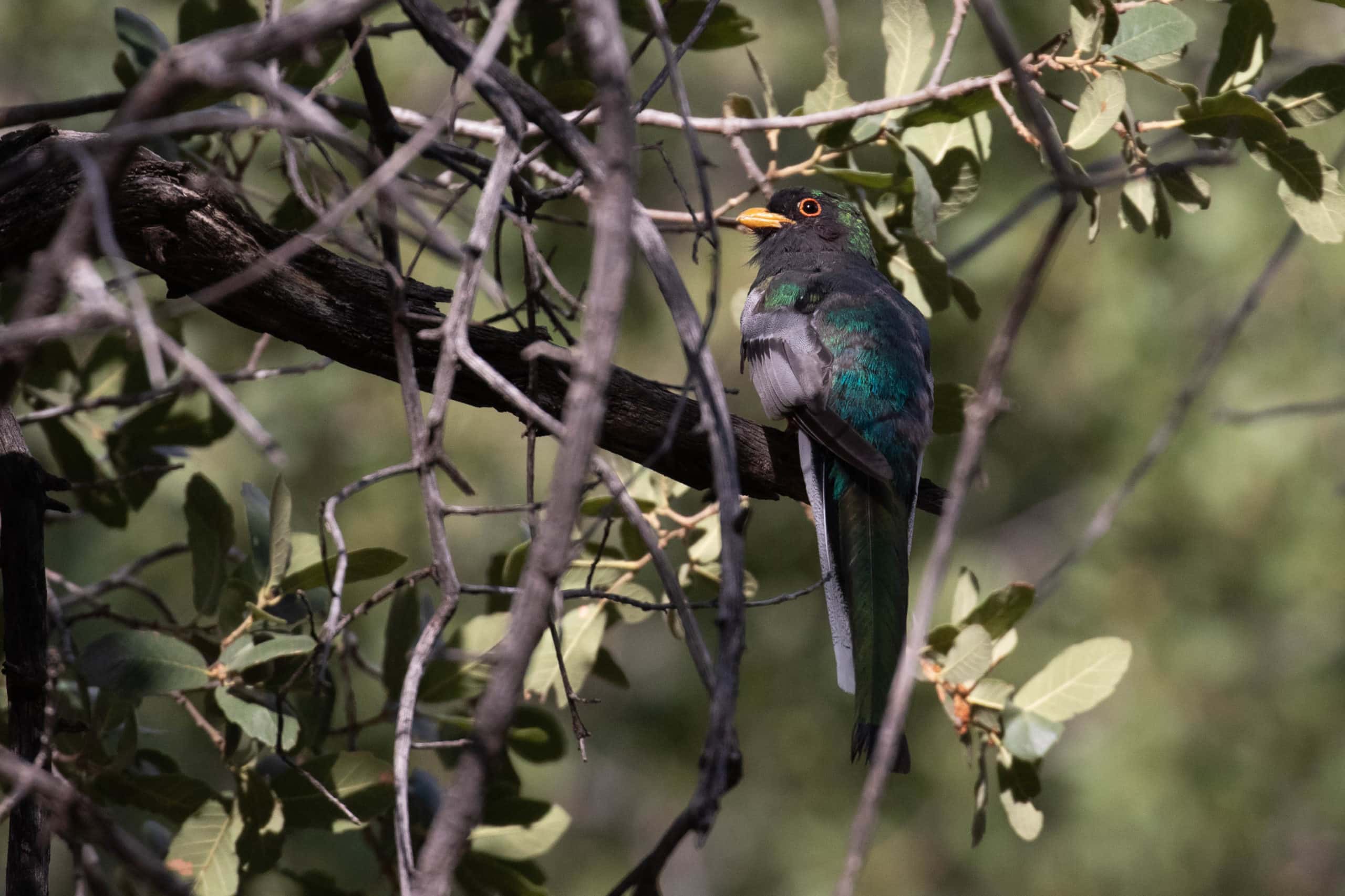
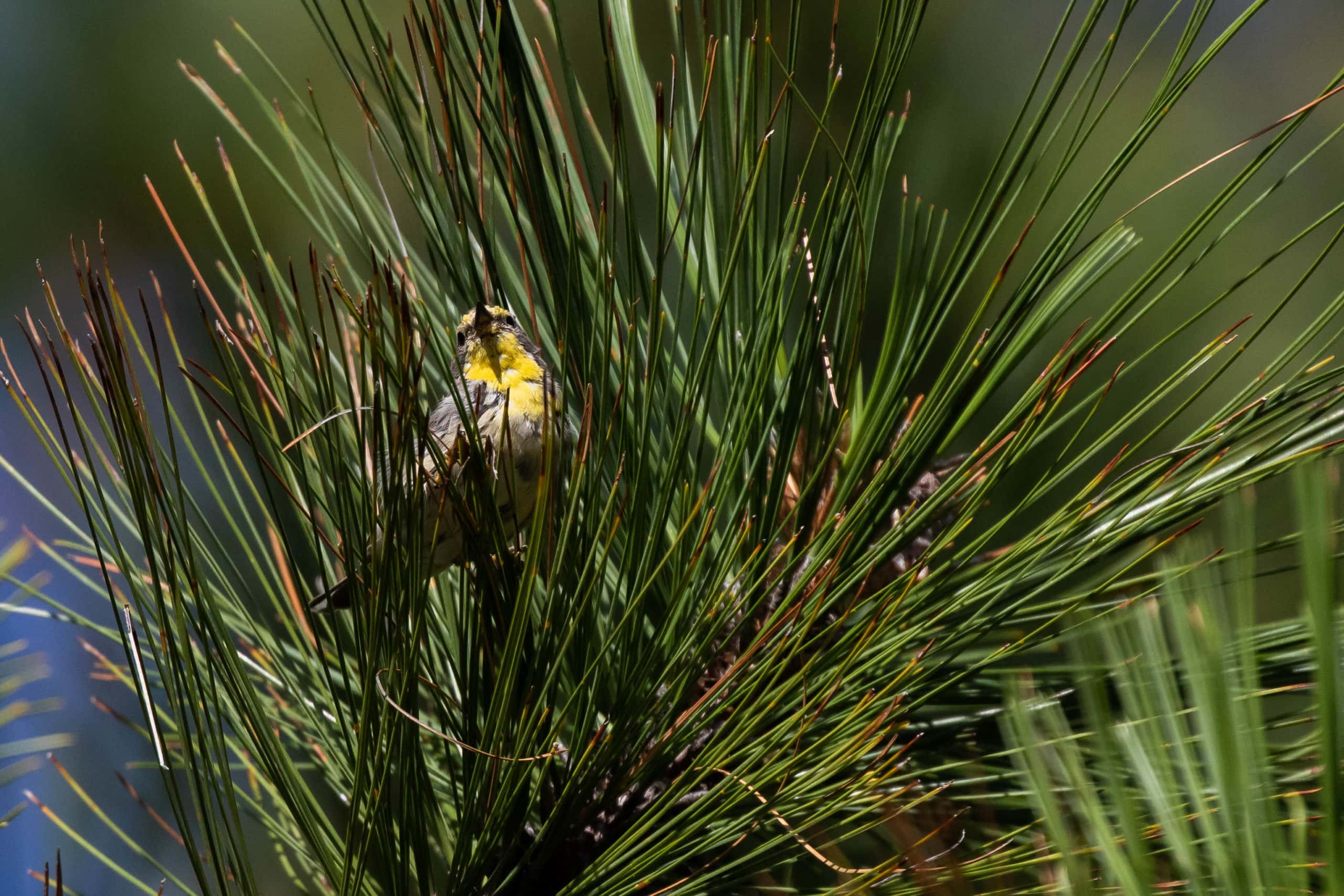
The Chiricahua Mountains are a legendary place among North American birders. We have a full day dedicated to birding the area’s pine forests and canyons. The Chiricahua Mountains are probably best known for their population of Elegant Trogons, and these strange and colorful birds will be our target for the morning. We might even find a nesting pair of trogons in a cavity of the large Arizona Sycamores growing in the South Fork of Cave Creek Canyon! Other birds we are likely to encounter include Sulphur-bellied Flycatcher, Hutton’s Vireo, Hepatic Tanager, Yellow-eyed Junco, Olive Warbler, Grace’s Warbler, Red-faced Warbler, Greater Pewee, Buff-breasted Flycatcher, and ‘Mexican’ Spotted Owl. These mountains are the only place to see Mexican Chickadee in the United States! The rare and elusive Montezuma Quail is more often heard than seen. Also listen for Northern Pygmy-Owls and watch for Band-tailed Pigeons in snaggy trees. There is a healthy population of Northern Goshawks in these mountains too! Some regionally special mammals may be encountered such as Collared Peccary, White-nosed Coati, Gray Fox, American Black Bear, and the “Apache” Fox Squirrel. Large cats like Bobcat, Mountain Lion, and possibly even Jaguar and Ocelet roam these canyons, so stay alert! Night in Portal.
Day 7 – NM/AZ border birding, Willcox, commute to Tucson. Night in Tucson
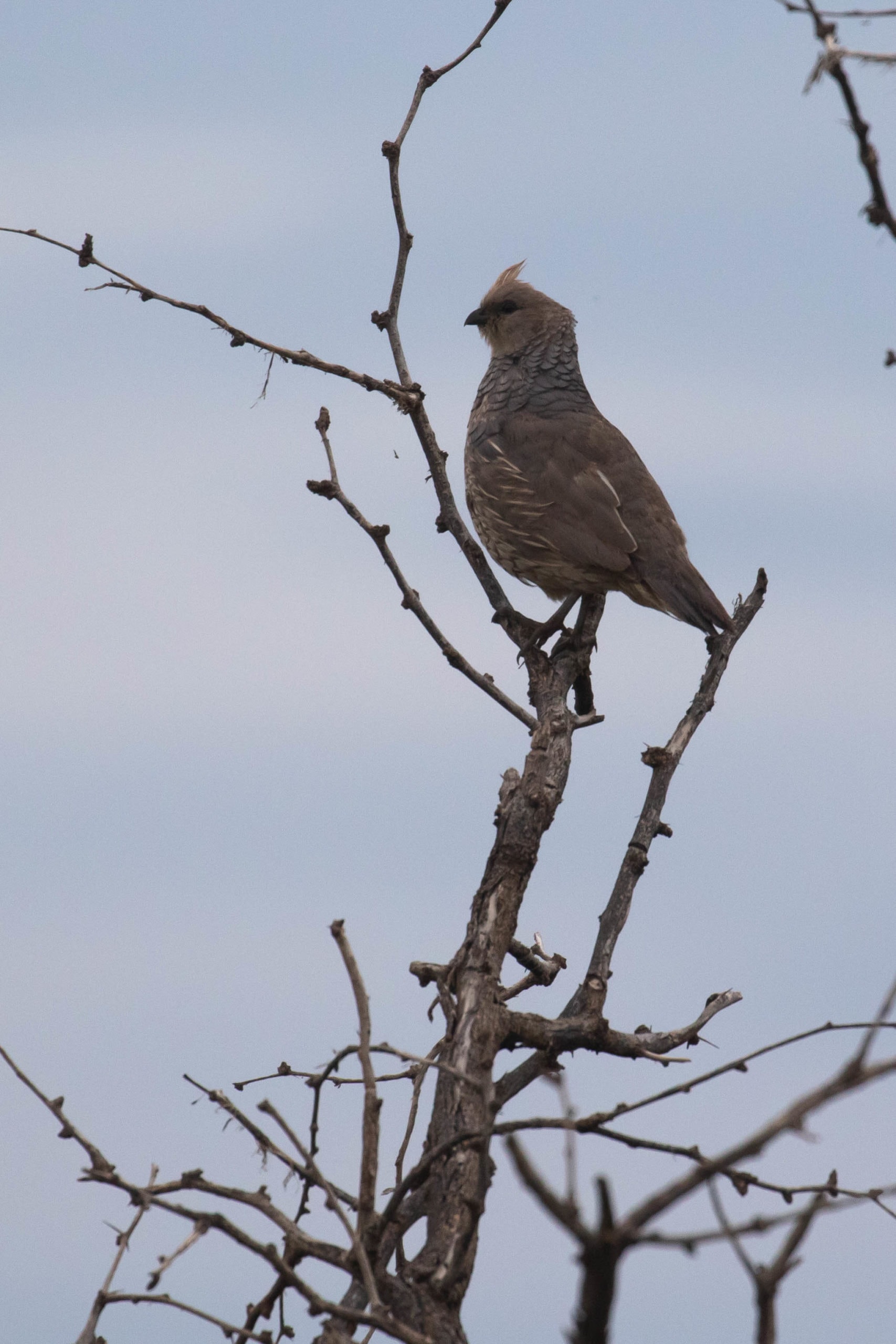
Heading out from Portal in the morning we’ll make a quick visit to Rodeo, New Mexico and check desert spots around town. Here we will try for Bendire’s Thrasher and Crissal Thrasher. Scaled Quail is also possible in addition to Lark Bunting, Burrowing Owl, and Loggerhead Shrike.
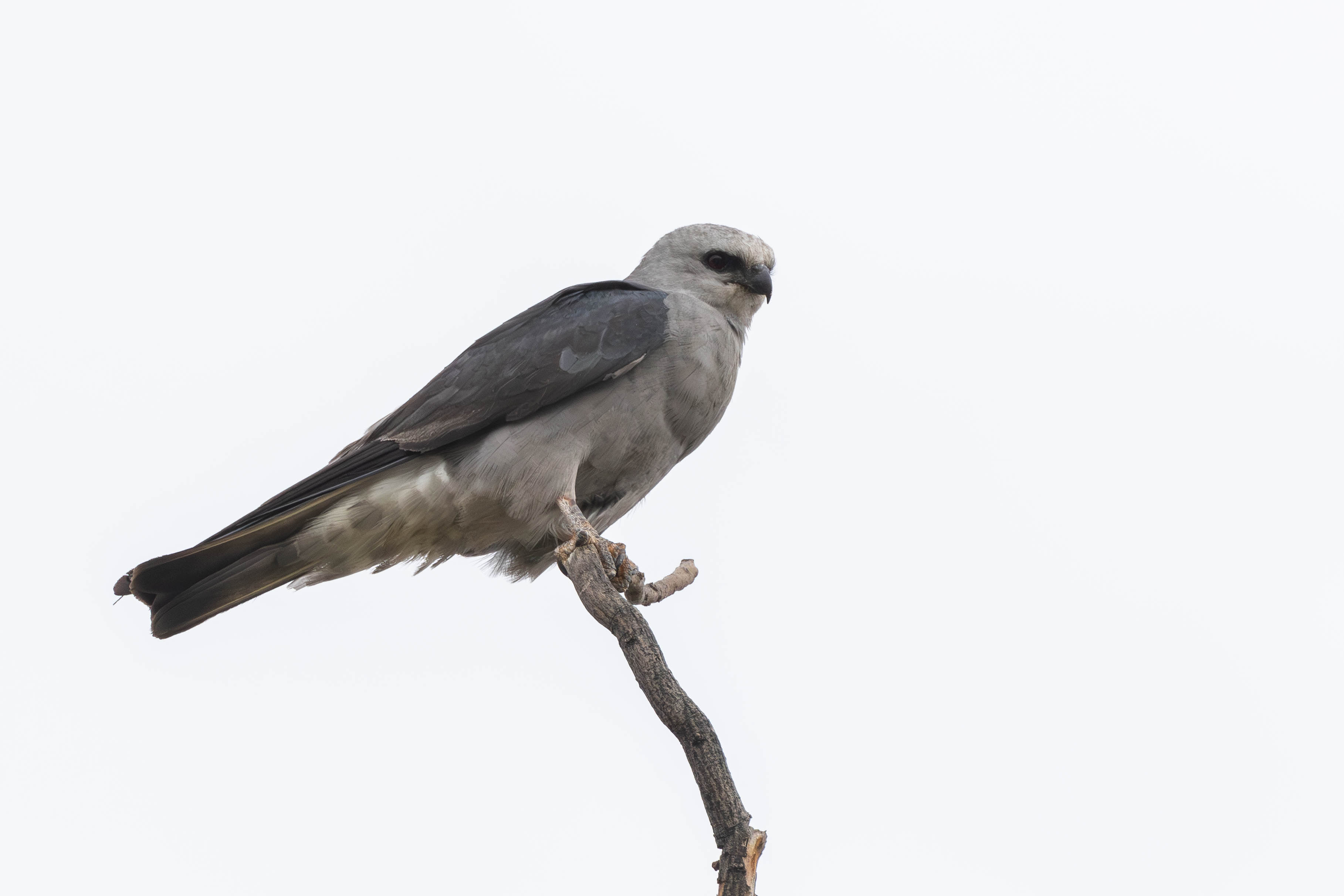
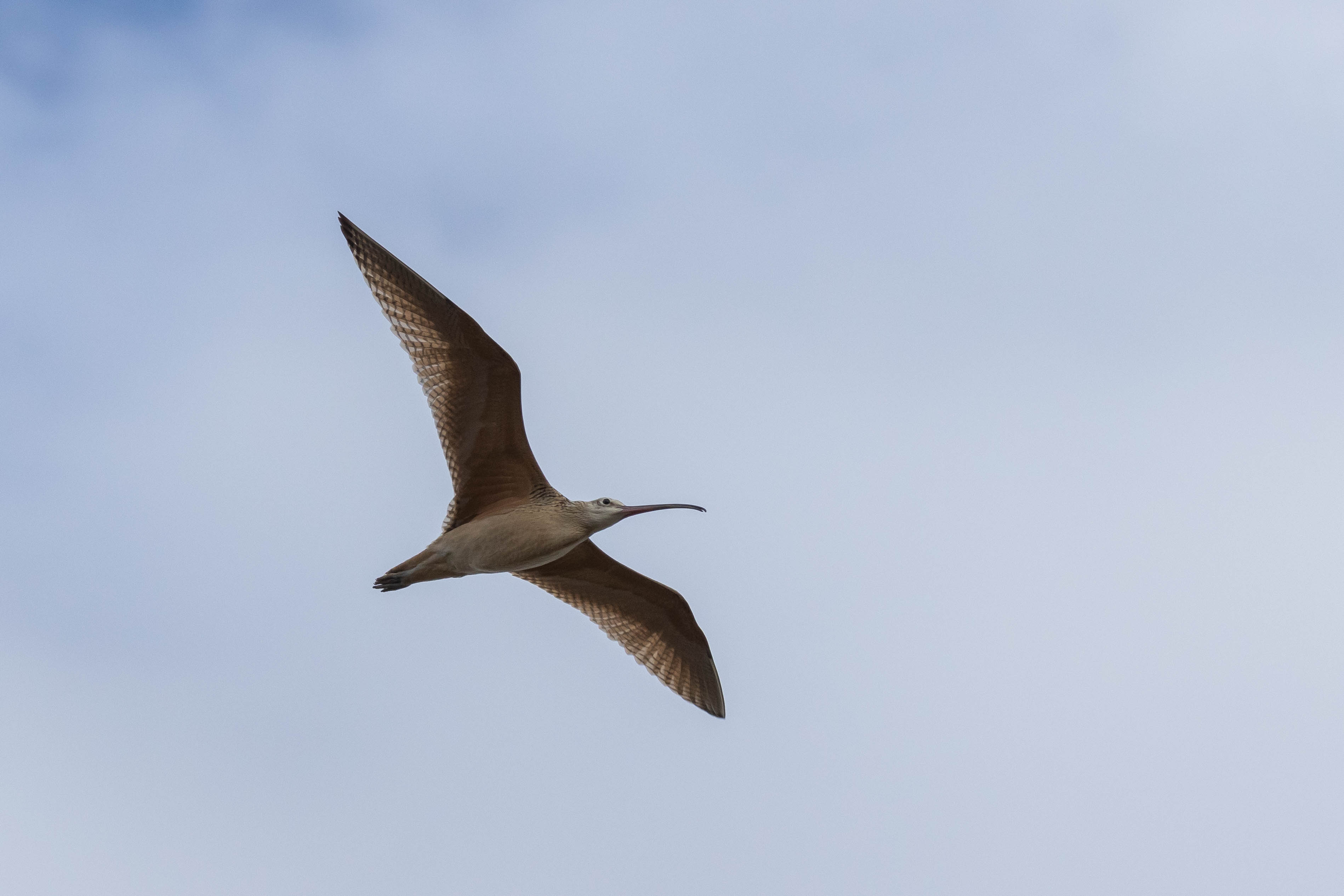
At Lake Cochise and the Twin Lakes Golf Course we will enjoy shorebirds, terns, and ducks at this famous desert oasis. Regular shorebirds include Wilson’s Phalarope, Long-billed Curlew, American Avocet, Black-necked Stilt, Least Sandpiper, Western Sandpiper, and Baird’s Sandpiper. Uncommon birds that may be encountered include Red-necked Phalarope, Eared Grebe, White-faced Ibis, Black Tern, and Scaled Quail. A slow cruise through the town of Saint David can often produce sightings of the rare Mississippi Kites which set up a colony here, and the Benson sewage ponds can hold uncommon ducks and shorebirds. Back in Tucson we will visit a few urban parks to add species to our trip list! Night in Tucson.
Day 8 – Sweetwater Wetlands & departures from Tucson Int. Airport (TUS)
After an early morning at Sweetwater Wetlands for some last-minute birding, please plan for departures from Tucson International Airport in Tucson, AZ (TUS) no earlier than 11:00am.