Recommended Field Guides
National Geographic Field Guide to Birds of North America, (7th edition, 2017)
– includes the possible Carribbean strays

Sibley Guide to Birds: Eastern (small and compact).
The Sibley Guide is also available as an App.
Non-smoking Tour
This trip is for non-smokers only. Smoking is not permitted at any time during our tour.
Trip Insurance
As with all boat based trips, due to the remoteness of the location and that hazardous weather conditions might effect or cancel the trip, we require that you purchase trip insurance. Information about trip insurance is linked here.
Arrival & Departure in Key West
You will need to be at the marina in Key West to board the “Makai” at 7pm on Day 1. On Day 4 we expect to dock back in Key West between 3-4pm. This is not a guarantee as sea conditions play a factor in the length of the journey and it could vary by an hour or more.
Parking at the Marina
You can leave your vehicle at the marina at no charge.
Luggage
Space on the boat is limited. Please bring a small soft-sided duffle-type bag for clothes, and toiletries/medications. It is also advisible to bring a back pack for day use on the island.
Meals
All meals on the boat, from breakfast on Day 2 to lunch on Day 4, are included in the cost. If you have any dietary restrictions, please let us know at the time of registration, and these can be accomodated by our excellent chef.
Snorkeling
One can snorkeling around the outside of the moat at Fort Jefferson, on Garden Key, in the Dry Tortugas, but you will need to bring your own equipment.
“Makai“
– Our U.S. Coast Guard Inspected motor vessel, m/v Makai, is 80 feet long with a twenty foot beam.
– Experienced and well-seasoned crew of 3 to 4, (2 licensed Captains)
– She sleeps 11 guests in four separate air conditioned staterooms, all with bunk beds. Shared accommodations; no single rooms.
– There are two heads (toilet, washbasin, shower).
– Cuisine is prepared from the finest quality produce, meats and of course the freshest seafood you can get!
– Sundecks Fore and Aft
– Shaded back deck
– Ice maker
– Fresh water maker storing 250 gallons
– Dual Engines and generators
– Satellite phone for emergencies
– TV DVD/VCR and Stereo
– 1100 Gallon fuel capacity
– Emergency oxygen and first aid equipment
– USCG Ceritified each year (stability rating is “excellent”)
Additional Questions?
Why visit the Dry Tortugas?
The Dry Tortugas is a major birding destination in the United States, and a must-see experience for every birder. Located just 70 miles west of Key West, Florida, the cluster of 7 small coral islands host thousands of nesting tropical seabirds – a spectacle found nowhere else in the country. With spectacular birds, sparkling blue waters, remarkable historical structures, and interesting sea creatures, the Dry Tortugas offers a unique, tropical-paradise experience.
Why is the Dry Tortugas a major birding destination?
Thousands of tropical seabirds congregate at the Dry Tortugas during their nesting season (March-July), creating a cacophony of sound and sight. Among the vast colonies are four species that nest only in this location in the United States. The islands also attract a variety of colorful spring passerines, including sub-tropical specialties and potential vagrants, who touch down on the islands during long migratory journeys. A dozen different species may stand side by side to drink fresh water from the fountain maintained just for them
What are the special birds of the Dry Tortugas?
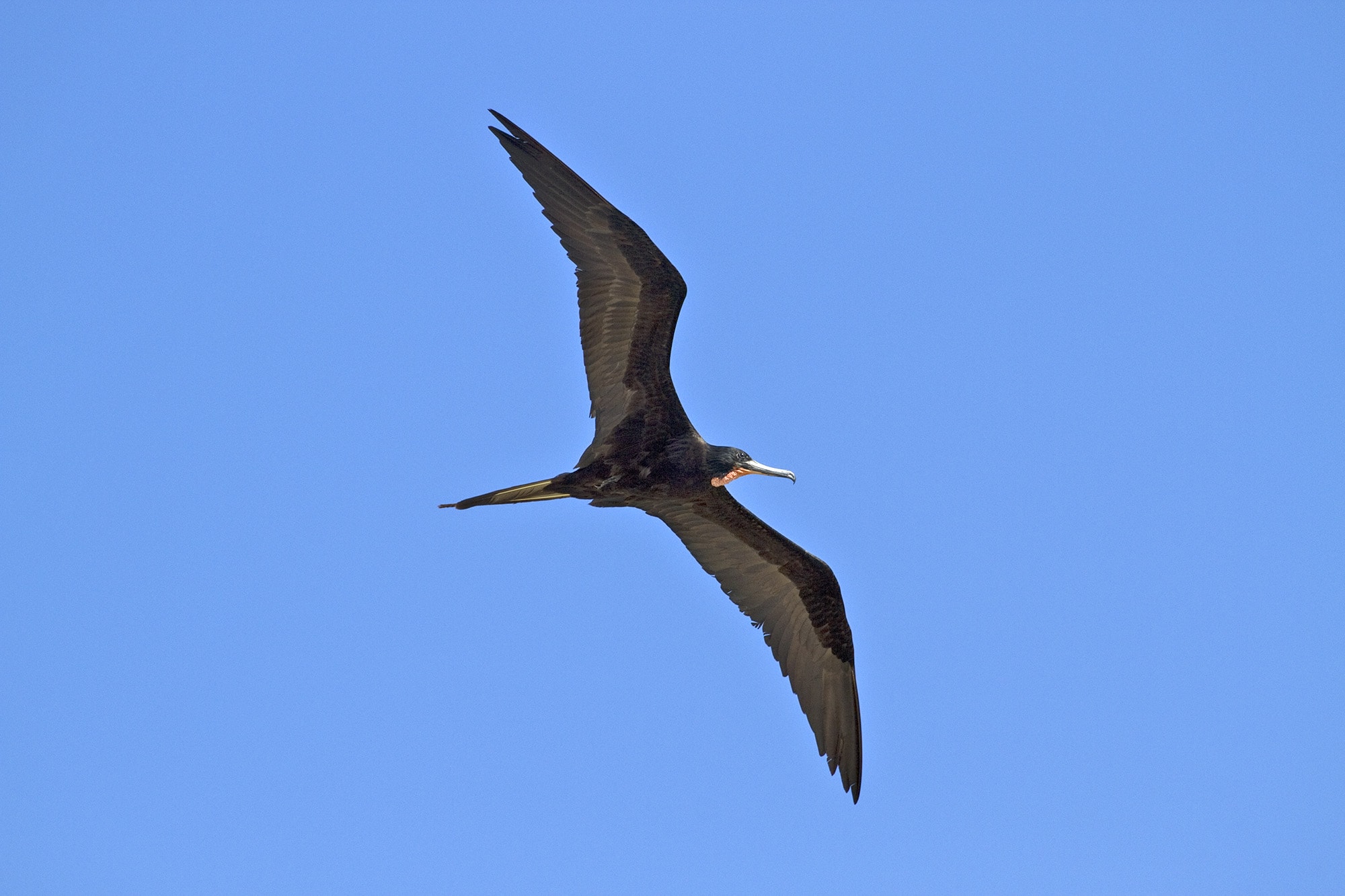
Sooty Terns are the most numerous birds on the Dry Tortugas, with as many as 80,000 breeding on Bush Key. A smaller number of Brown Noddies join the mix, with one Black Noddy usually found amongst the colony. About 100 pairs of Magnificent Frigatebirds nest on the adjacent Long Key. A short distance away is Hospital Key, just a narrow stretch of coral sand where Masked Boobies raise their young on open ground.
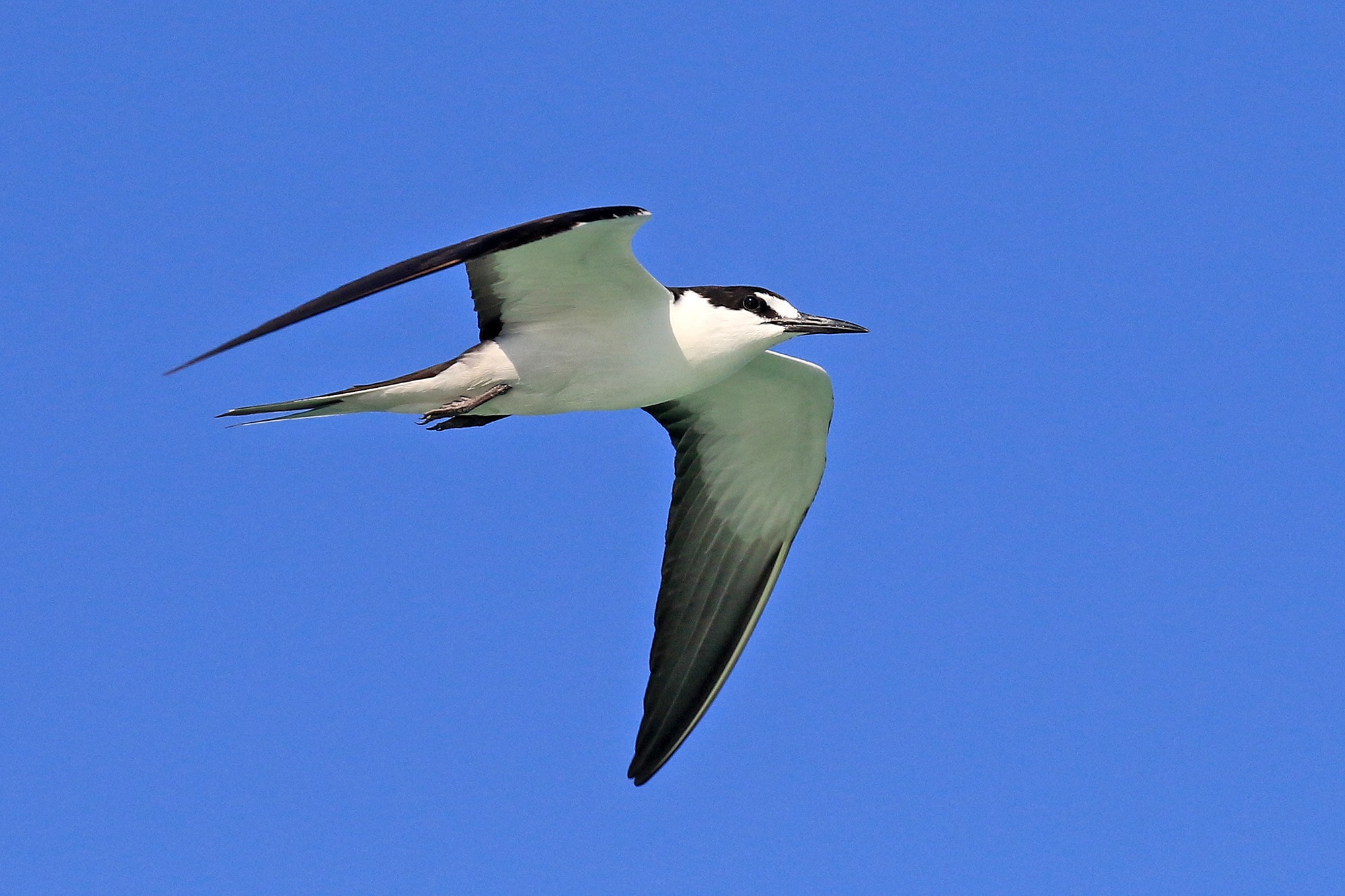
During the boat journey, we’ll search for such pelagic species as Brown Booby, Audubon’s Shearwater, and Bridled Tern. We may get lucky with rare Red-footed Booby or White-tailed Tropicbird.
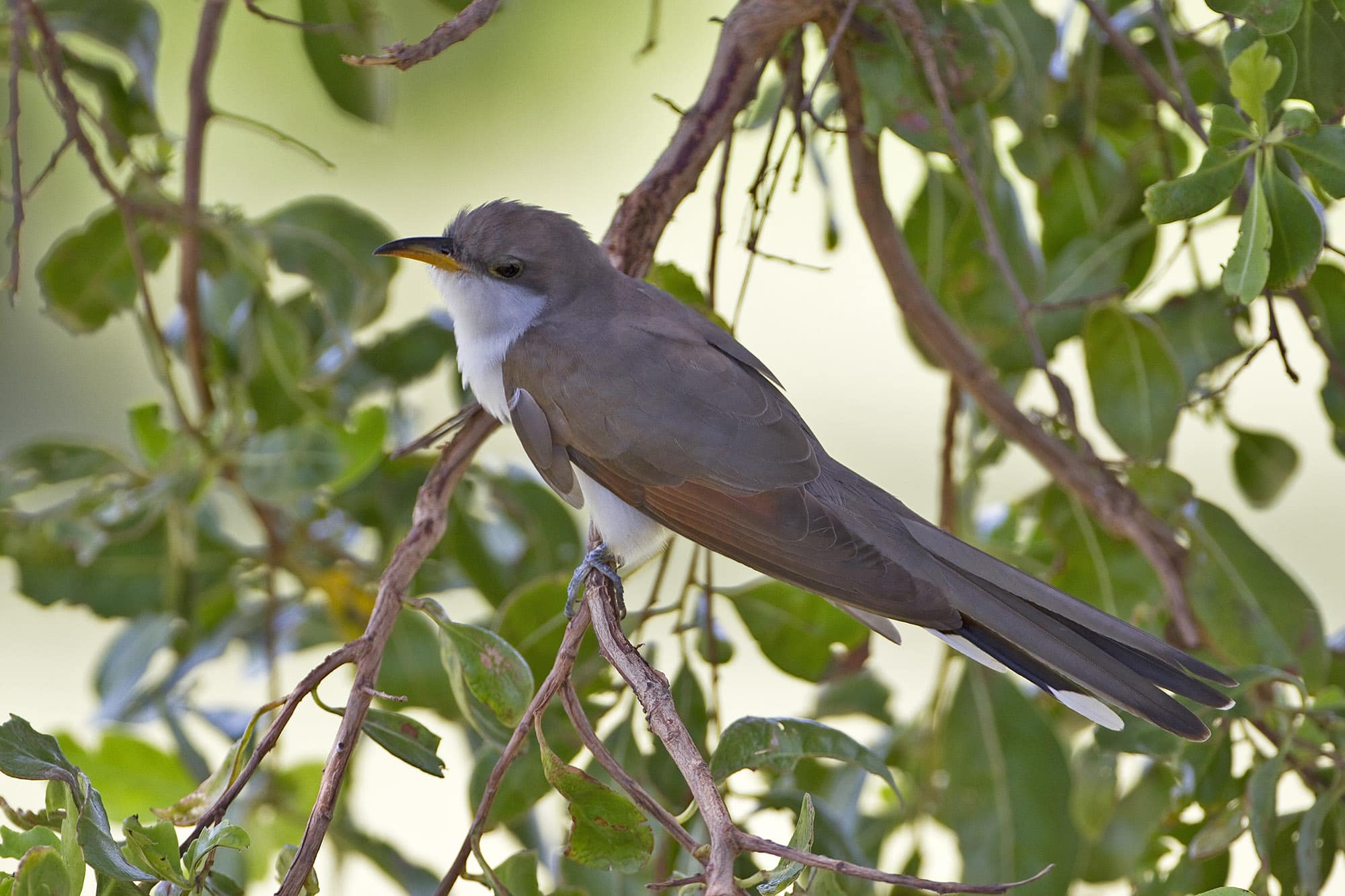
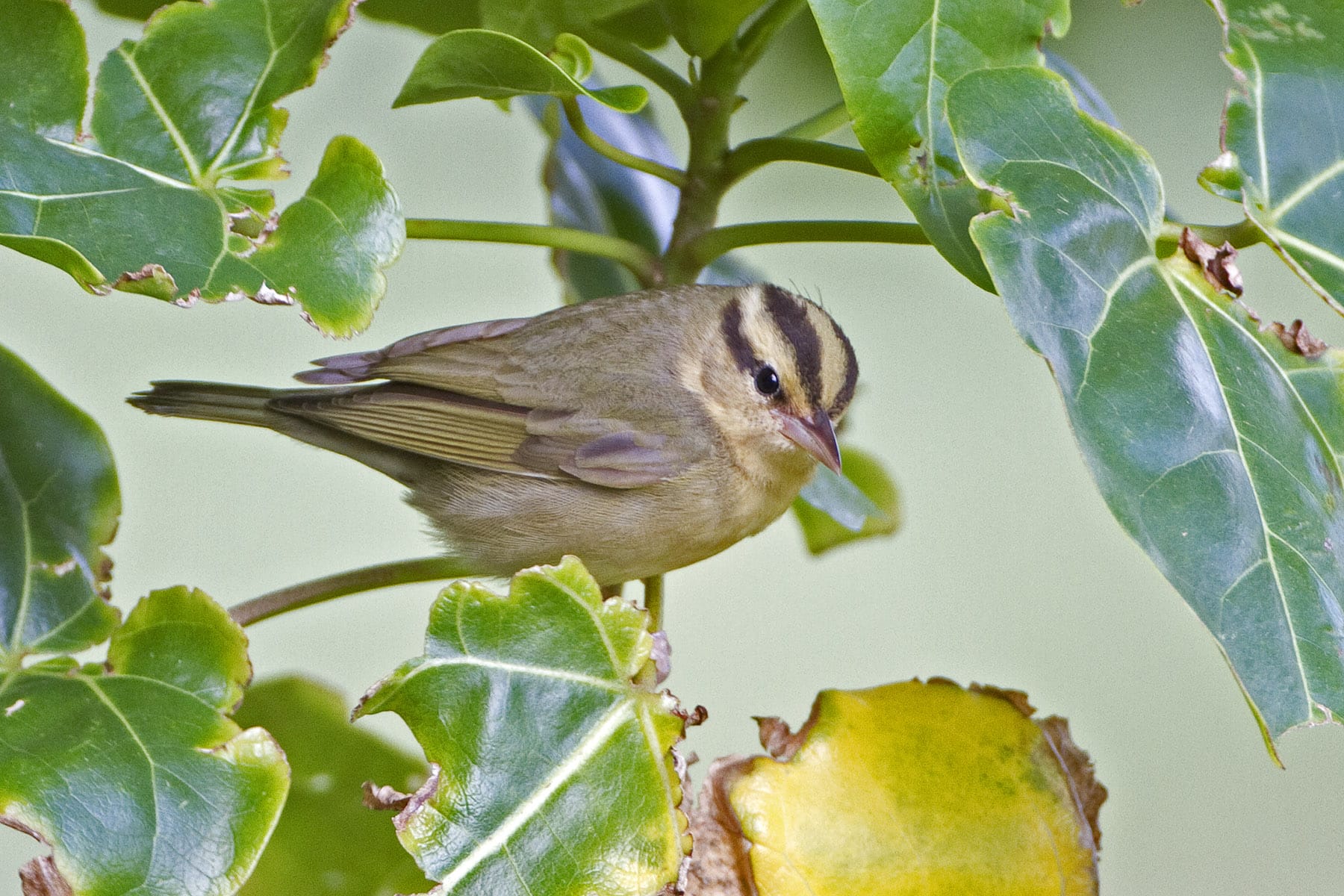
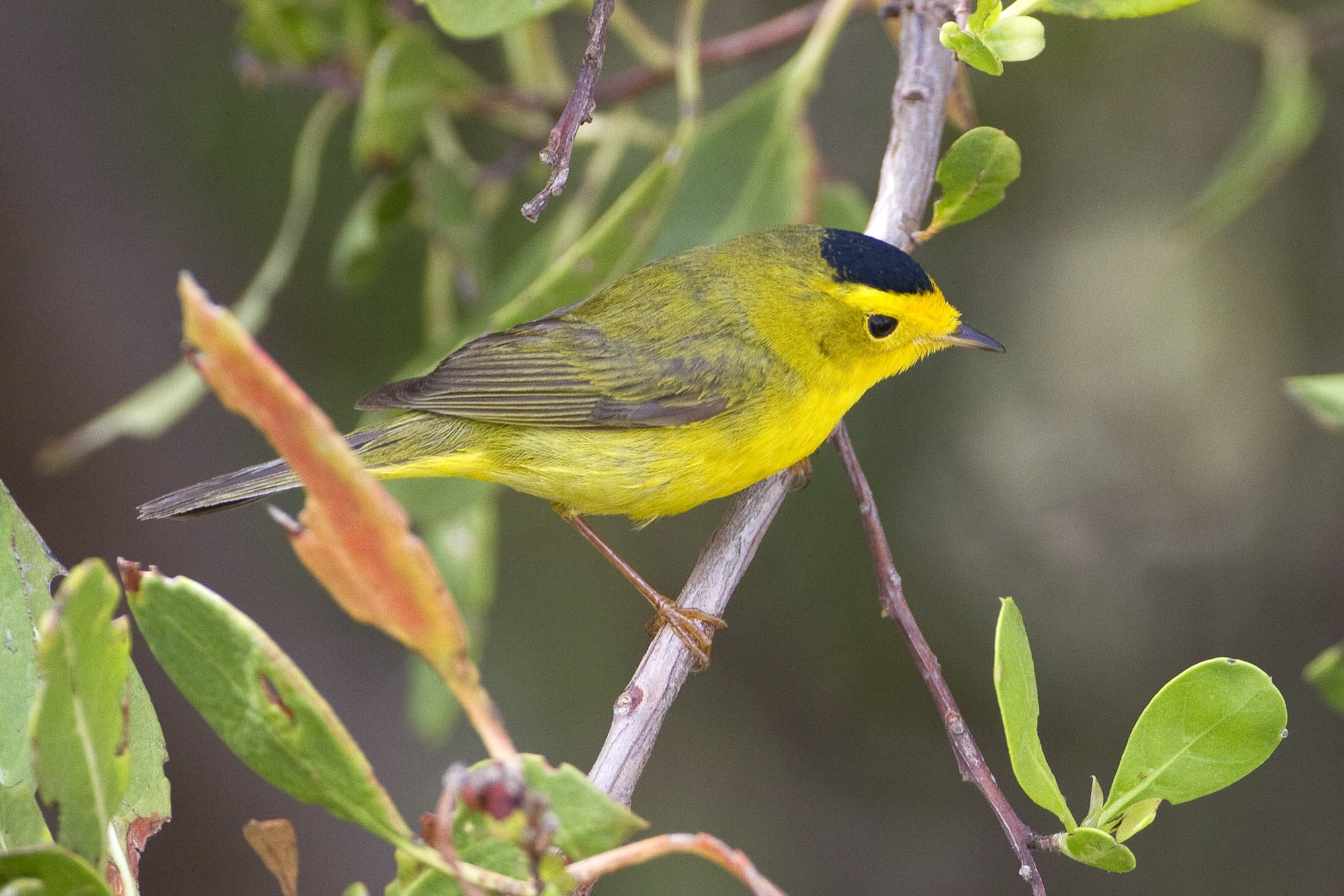
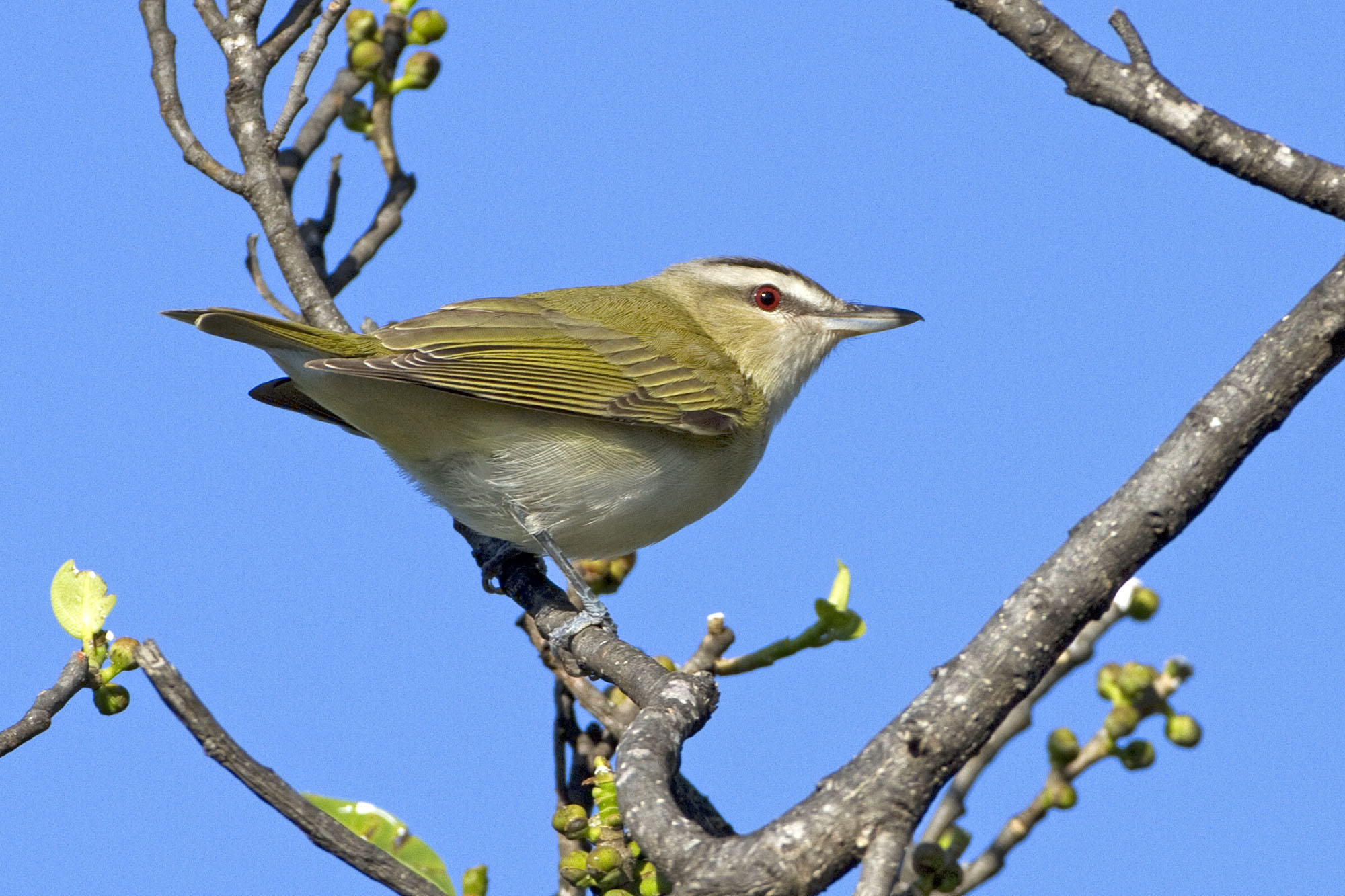
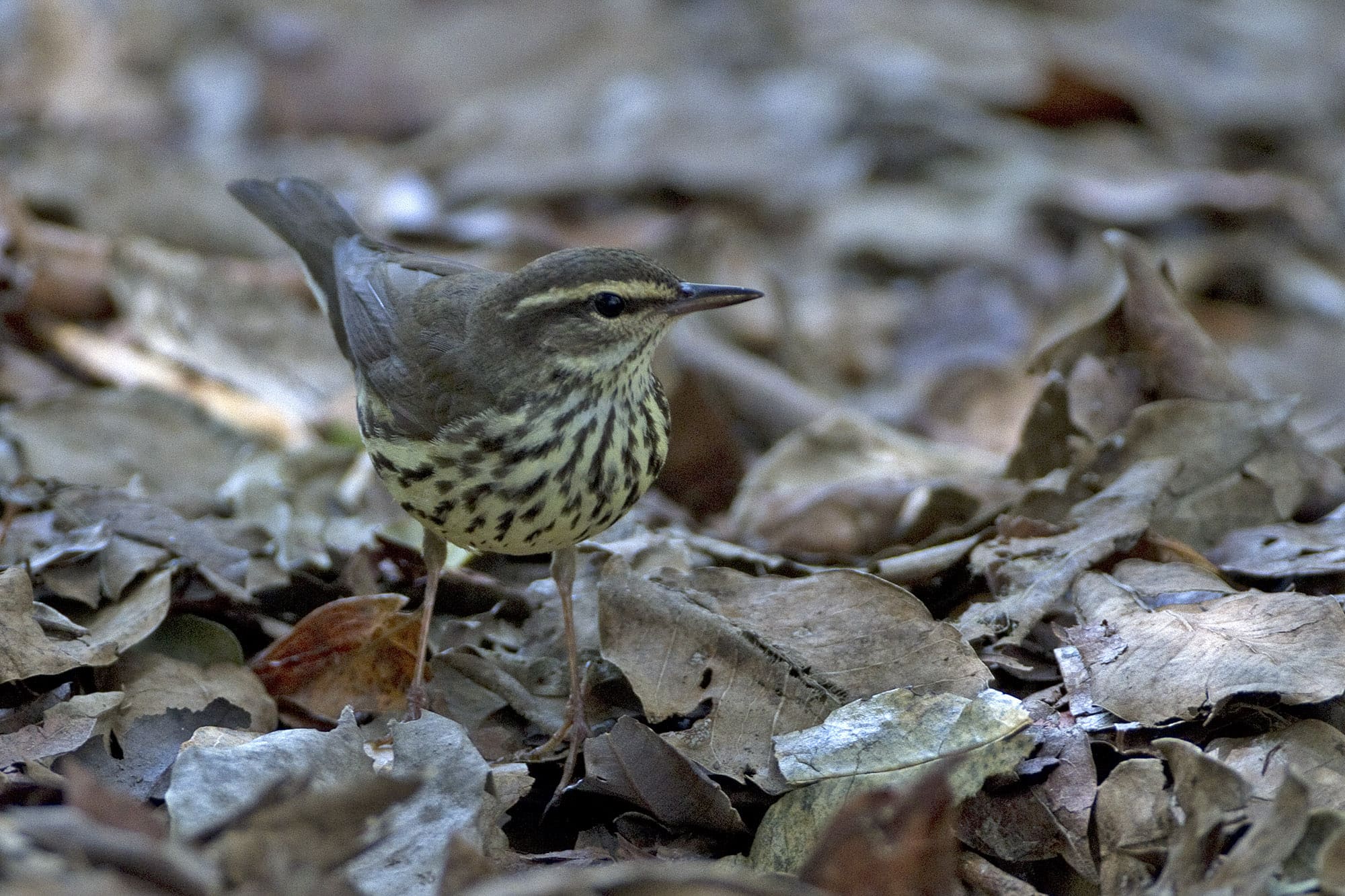
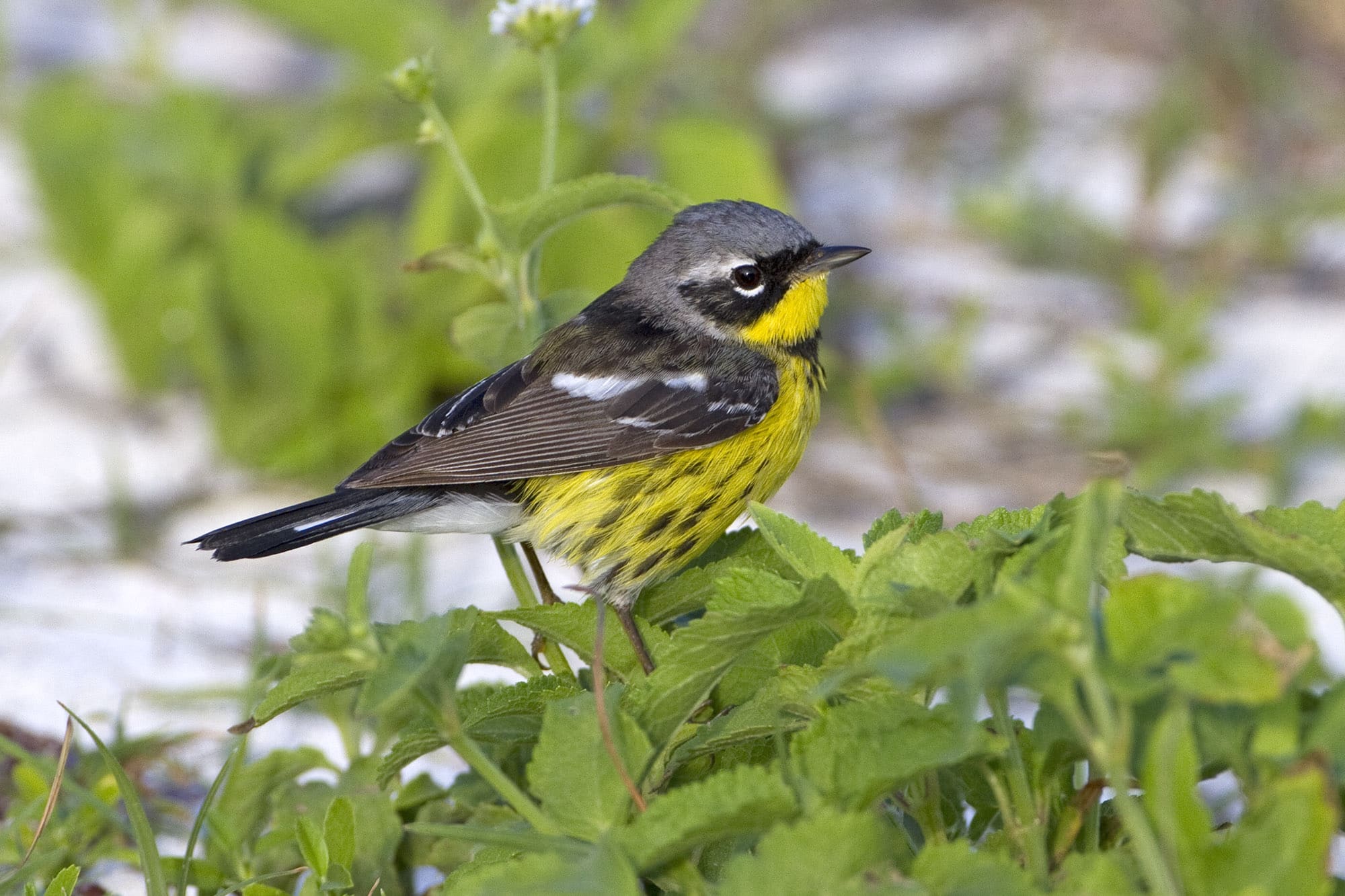
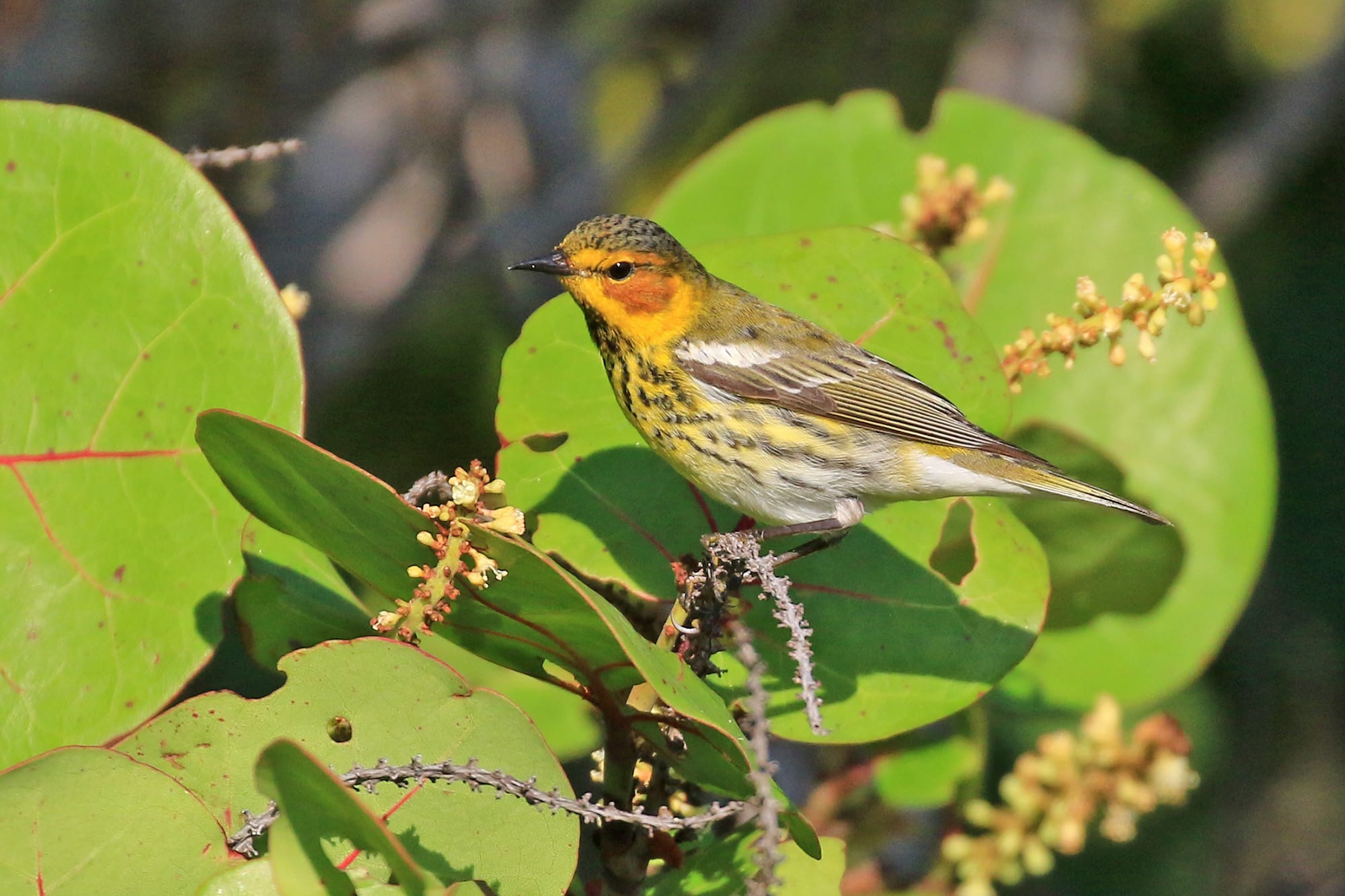
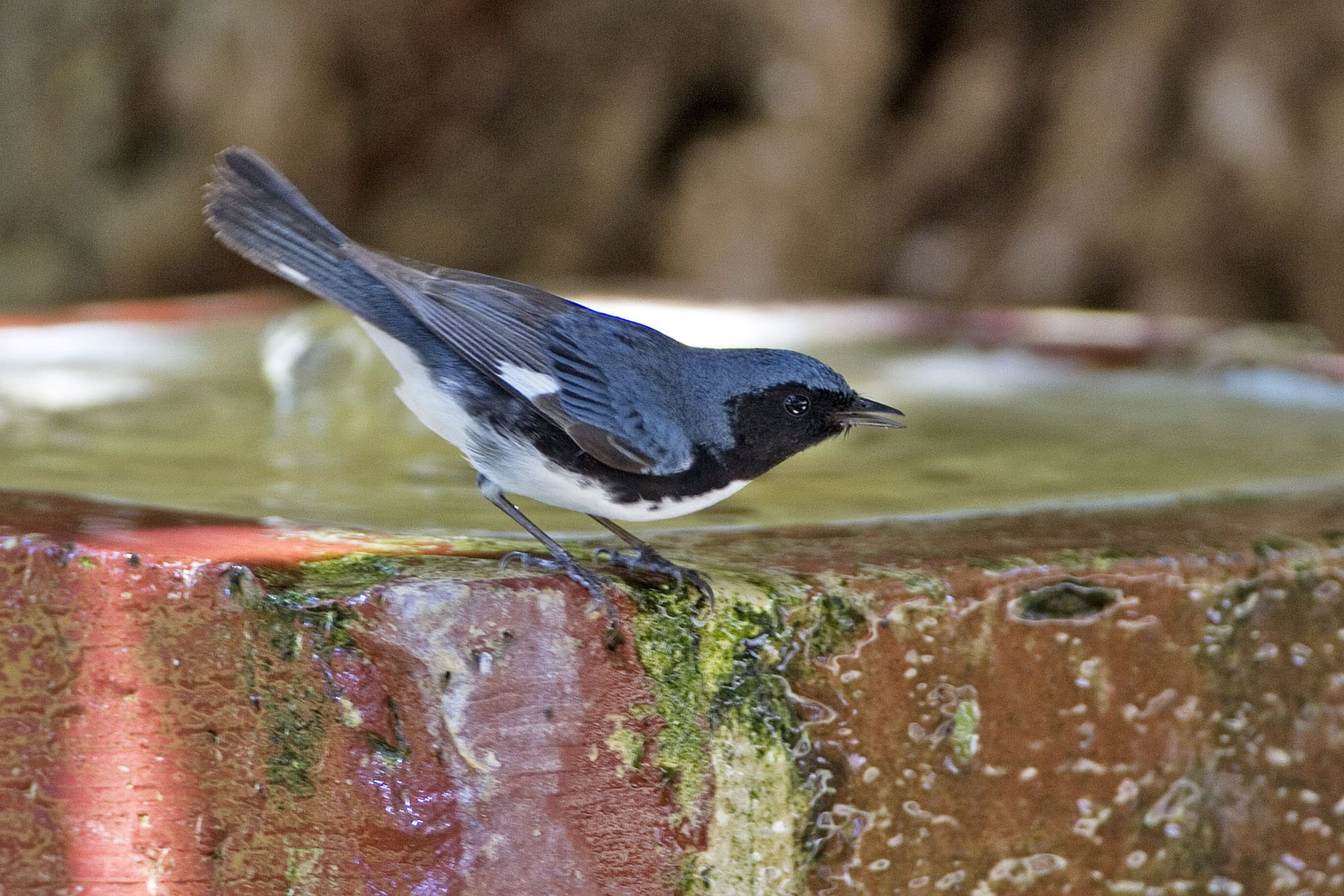
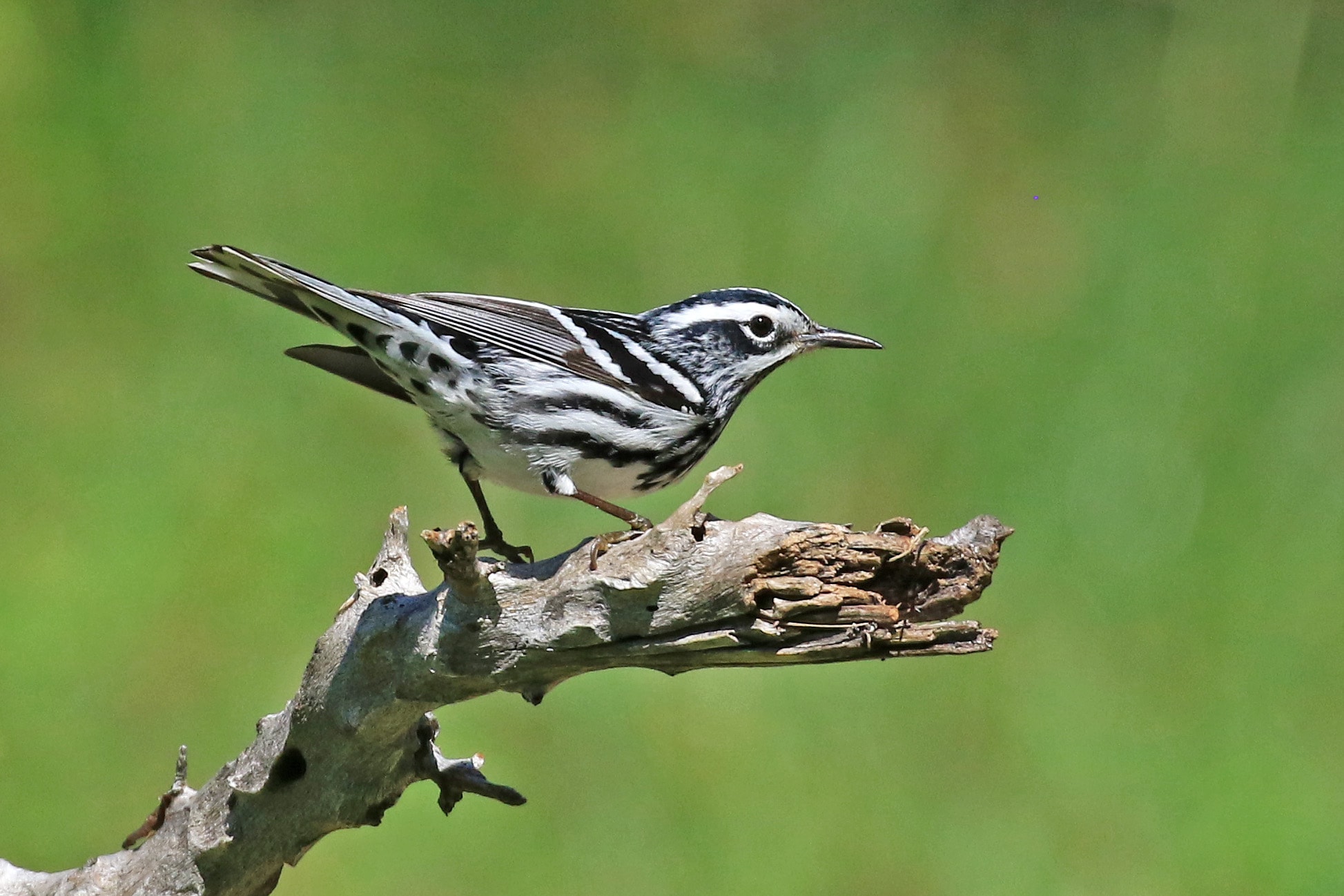
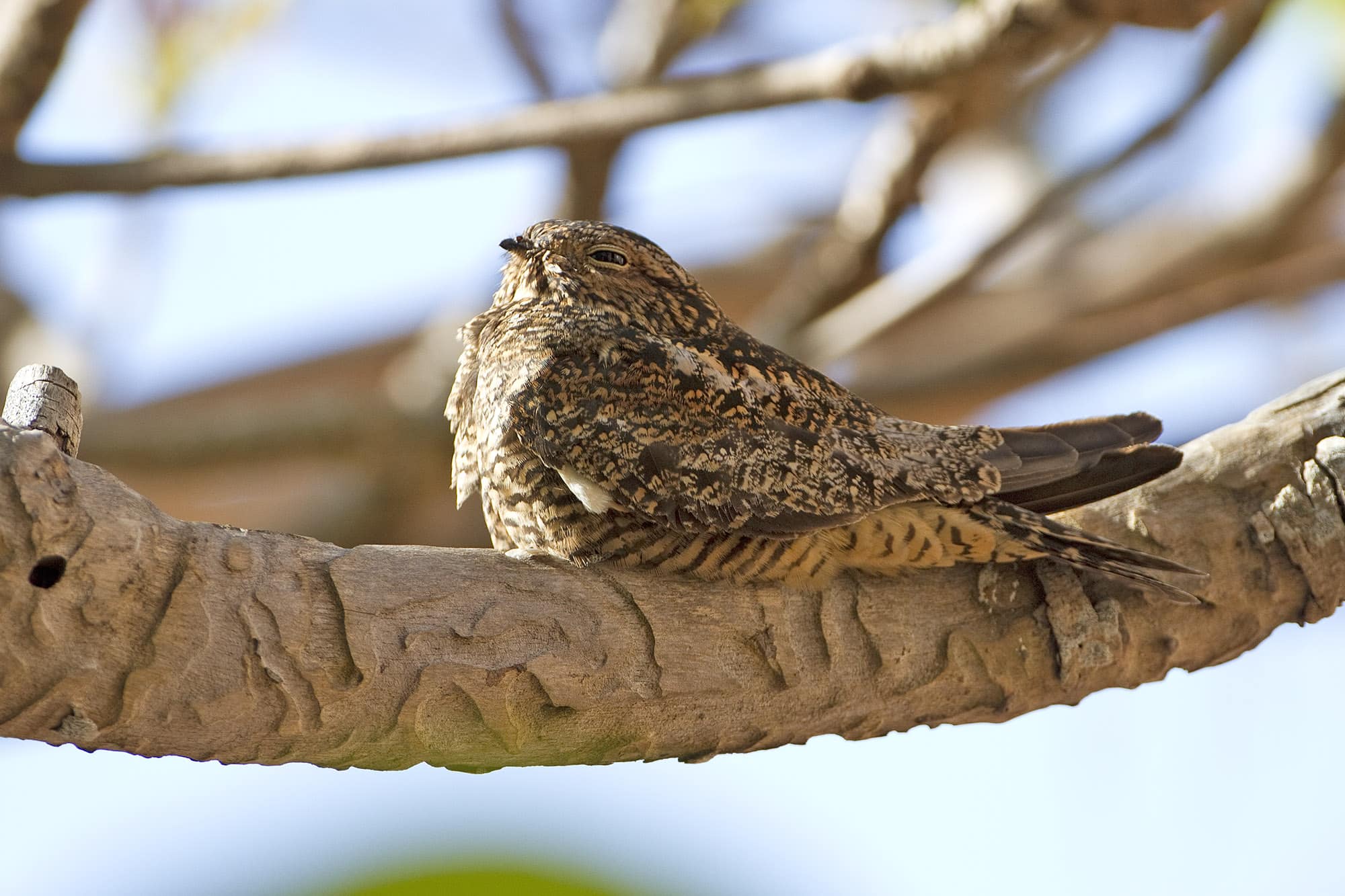
Migratory passerines may include a diverse assortment of warblers, buntings, vireos, orioles, cuckoos, thrushes, flycatchers, along with-tropical specialties such as Black-whiskered Vireo, Gray Kingbird, Shiny Cowbird, and Antillean Nighthawk. Caribbean strays are also possible.
Why is it called the Dry Tortugas?
Spanish explorer Juan Ponce de Leon described the islands after landing there in 1513. He found an abundance of nesting turtles – an important food source for his crew – and named it Tortugas. The word ‘Dry’ was added to navigational charts, so that sailors and shipping merchants knew there was no fresh water on the islands.
What is the history of the Dry Tortugas?
Geographically, the Dry Tortugas, a cluster of 7 small islands called “keys,” is the gateway to the Gulf of Mexico from the Atlantic Ocean. After it’s discovery by Spanish explorer Ponce de Leon in 1513, it remained strategically important for shipping and commerce.
Fort Jefferson was constructed on Garden Key in 1846, to protect thriving trade routes to and from the Mississippi delta. This military fortress was once the largest brick structure in the western hemisphere, and still reflects imposing architectural strength and style.
During the U.S. Civil War, Fort Jefferson was controlled by the Union, and blockaded Confederate ships from entering the Gulf. The fort served as an ideal prison, in a remote location, weathering harsh storms, with no reprieve from searing sun or biting insects. The prison’s most famous inmate was Dr. Samuel Mudd, who was imprisoned for providing medical assistance to John Wilkes Booth, Abraham Lincoln’s assassin. In 1867, yellow fever broke out and spread rampantly among the confined soldiers and inmates. Dr. Mudd worked tirelessly day and night to care for the sick and implement hygiene protocols that saved hundreds of lives; he was eventually pardoned for his contribution. Fort Jefferson was never officially finished, and was abandoned in 1875.
Artist and ornithologist John James Audubon spent 6 days at the Dry Tortugas in May 1832, painting Brown Booby, Brown Noddy and Sooty Tern, which where included in his Birds of America.
In 1908, the Dry Tortugas was designated a federal bird reserve. It became a National Park in 1992, encompassing 100 square miles of mostly marine habitat. Only the 7 small islands, less than 1%, is dry land. Today, the park welcomes thousands of visitors annually.
When is the best time to visit the Dry Tortugas?
Spring is the best season to explore the Dry Tortugas, from the beginning of April through mid-May. This timeframe coincides with tropical seabird breeding season, and the journeys of millions of migratory songbirds and raptors winging their way up the Atlantic flyway to northerly breeding grounds.
How do you get to the Dry Tortugas?
The Dry Tortugas National Park is accessible only by boat or seaplane. A ferry departs Key West daily (day boat), for a brief tour. Limited camping is available on Garden Key, but you have to bring all your own equipment and food. Wildside Nature Tours charters a boat for a 4-day/3-night trip.
Why is Wildside Nature Tours Dry Tortugas a must-do experience?
Wildside Nature Tours charters the Makai for a 4-day/3-night experience in the Dry Tortugas. Our boat anchors off of Garden Key (the main island), providing optimal access. We enjoy delicious meals, spectacular sunsets, and a relaxed birding pace with expert guides and professional crew. Our multi-day agenda allows time for thorough scanning and pelagic opportunities, too. Adrian Binns has been visiting the Dry Tortugas for more than 25 years, guiding birders for some of their most wonderful moments in this island paradise.
Purchasing Flights
Do not purchase your flights until the trip has been confirmed to go.
Detailed Trip Information
Upon notification that final payment is due (120 days prior to departure for land based tours / 180 days for boat based tours), you will receive a trip package of detailed information for your tour.
Any additional information about the trip, including lodgings, contacts, participants, meeting locations, etc., will sent about 2 weeks prior to the trip departure, or after final payment is received for late registrants.
Travel Insurance
As with all tours, we recommend purchasing Travel Insurance to help cover your investment, for covered reasons. Please see our section on Travel Insurance.
Passport & Visa
US Citizens may require a visa to enter certain foreign countries. See above for any required visa information.
Participants arriving to the USA from a foreign country may need to get a travel visa to enter the United States. Be sure to check the requirements for your country of origin.
Itinerary Changes
The trip itinerary is developed many months ahead of time. Occasionally, despite our best planning, changes may occur during the trip, or we may be forced to alter our plans. Changes may occur because of weather, road conditions, safety concerns or other circumstances. In these situations, it is the leader(s) responsibility to carefully consider and implement appropriate alternatives. Any additional costs incurred because of changes will be the responsibility of each individual participant. Refunds will not be issued as a result of itinerary changes.