Length of Tour
7-Days/6-Nights
Brief Itinerary
Day 1 – Arrivals at McAllen Miller International Airport (MFE) in McAllen, TX. Afternoon birding to local hotspots. Night in Alamo.
Day 2 – Salineño, Falcon State Park, & Starr County Park. Night in Alamo.
Day 3 – Bentsen Rio-Grande Valley State Park, Anzalduas Park, & Santa Ana NWR. Night in Alamo.
Day 4 – Estero Llano Grande, Resaca de la Palma, & Sabal Palm Sanctuary. Night in Alamo.
Day 5 – Old Port Isabel Rd, Laguna Atascosa NWR, & Willacy County hotspots. Night in Alamo.
Day 6 – Cameron County hotspots, South Padre Island hotspots, Shrimp Basin Boat Ramp, Bolsa Chica NWR, Brownsville Landfill, & Brownsville Parrot Roost. Night in Alamo.
Day 7 – Morning birding at Quinta Mazatlán. Departures from McAllen Miller International Airport (MFE) in McAllen, TX.
Detailed Itinerary
*Note that the exact daily itineraries are subject to change, however the following provides a thorough run-down of many locations we will visit during the week.*
Day 1 – Arrivals at McAllen Miller International Airport in McAllen, TX (MFE). Local birding hotspots & evening parakeet roost. Night in Alamo, TX.
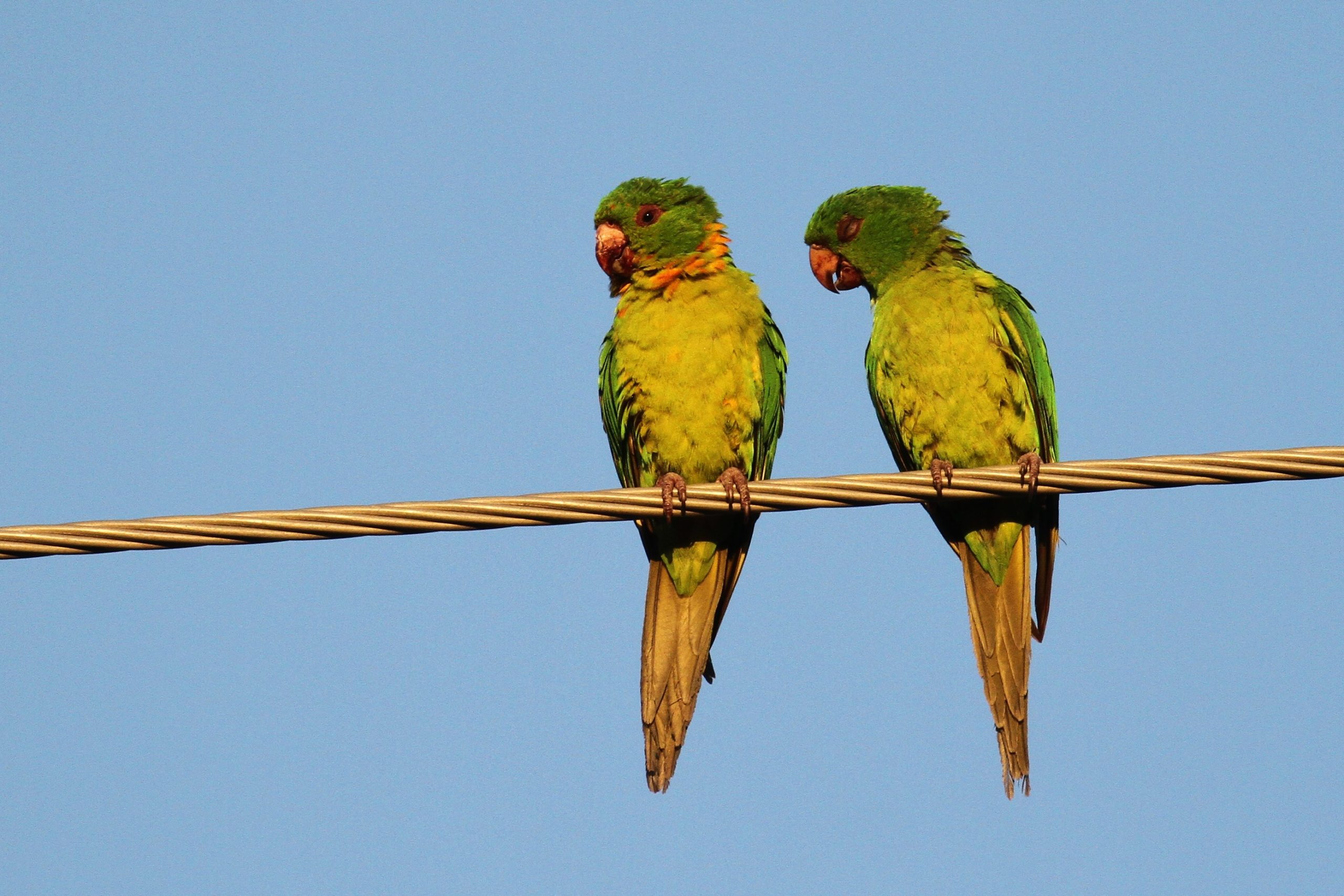
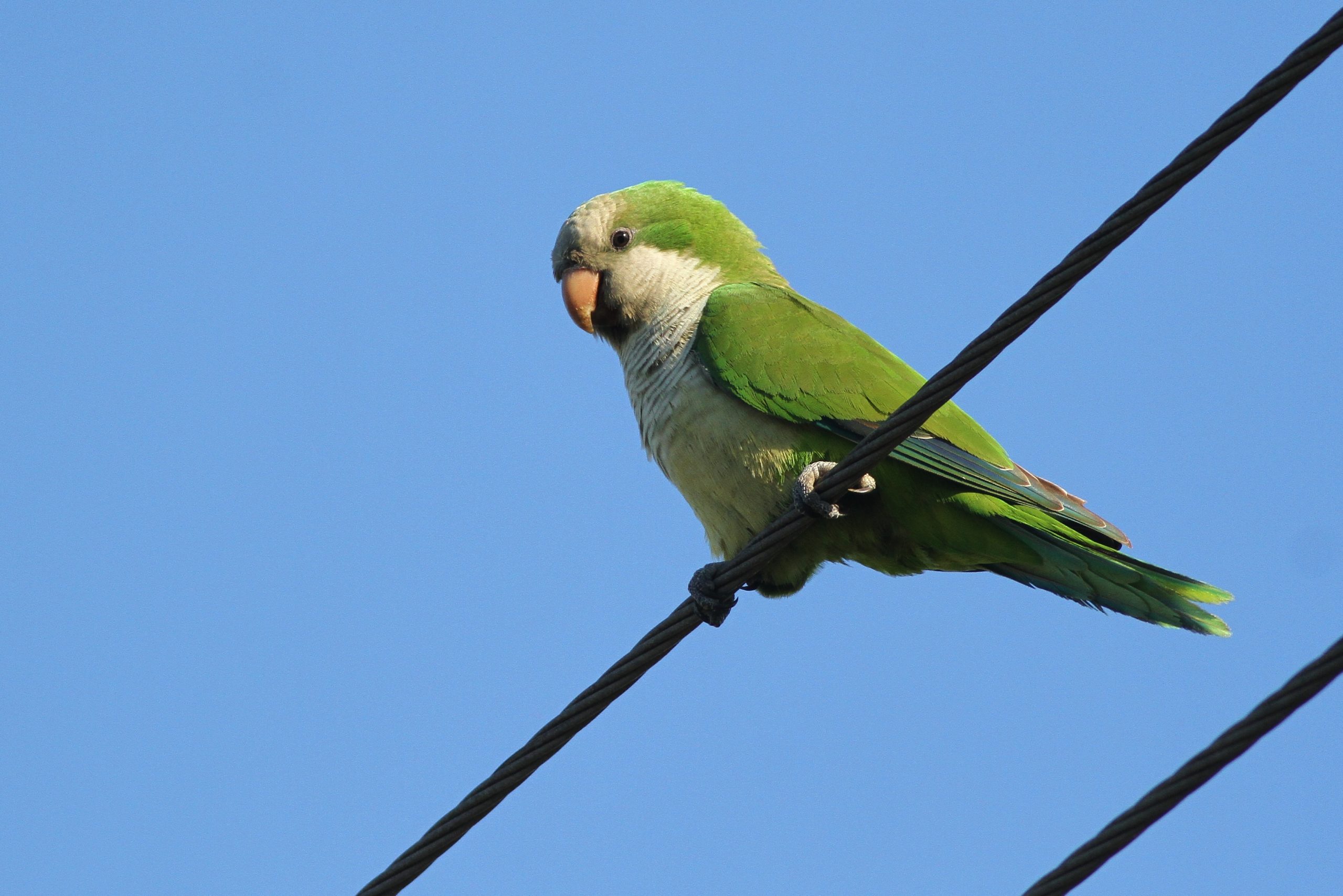
Arrivals at McAllen Miller International Airport (MFE) in McAllen, TX. We highly suggest early AM arrivals or to arrive the day ahead of the tour. We will spend the afternoon becoming acquainted with the regional birdlife and will likely encounter many regional specialties right off the bat! Towards sunset we will visit a large Green Parakeet roost in downtown McAllen. Night in Alamo, TX.
Day 2 – Salineño, Falcon State Park, & Starr County Park. Night in Alamo, TX.
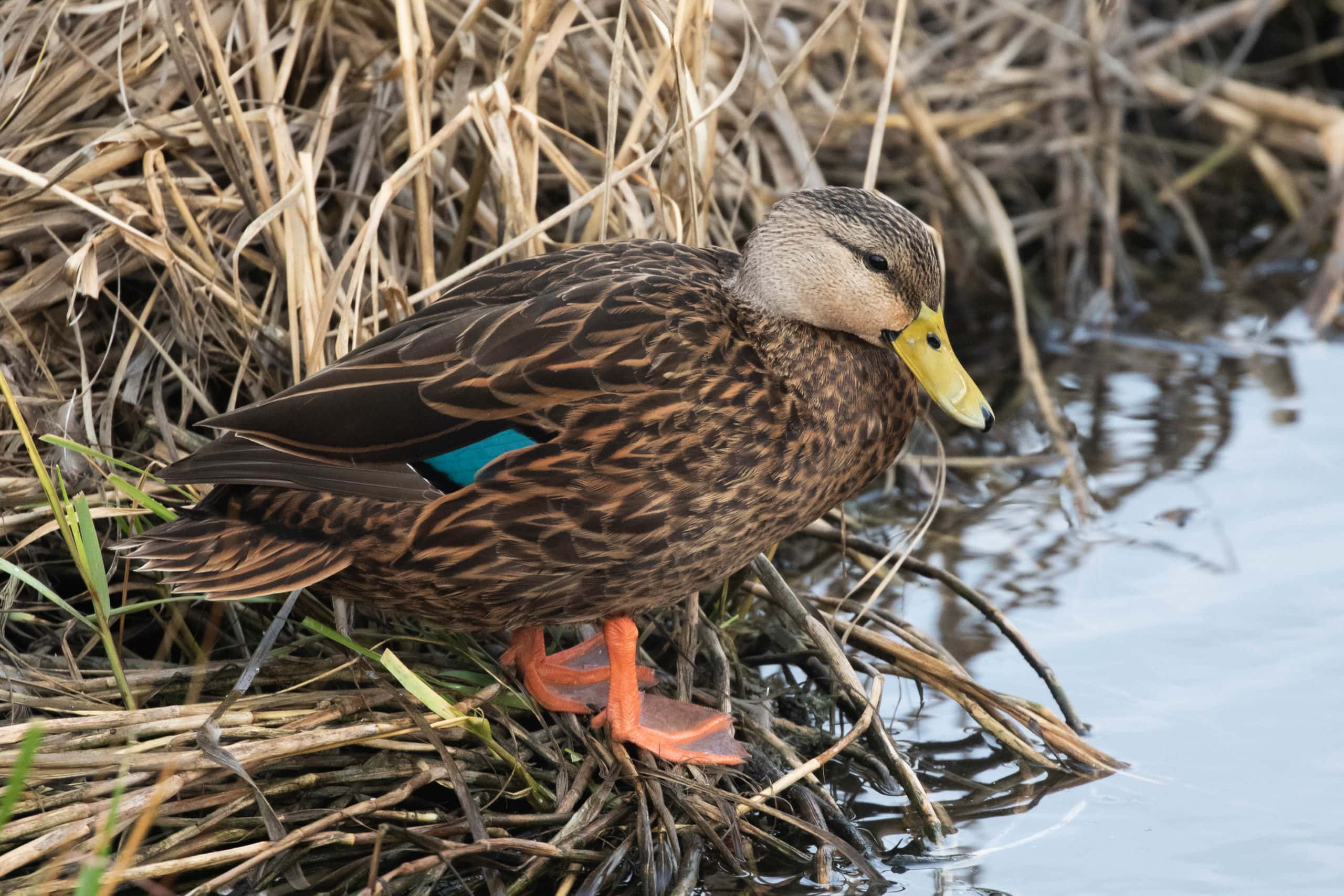
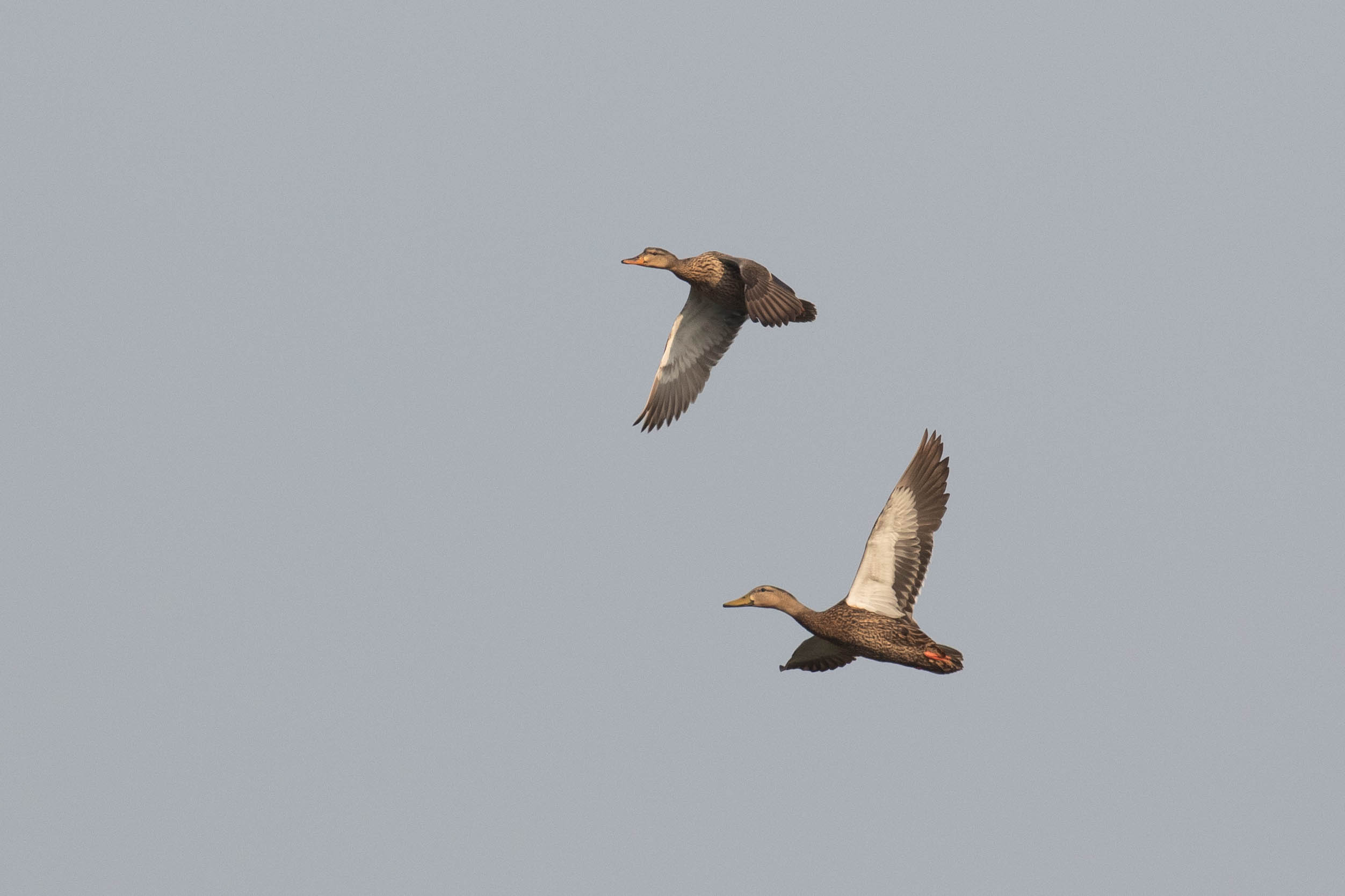
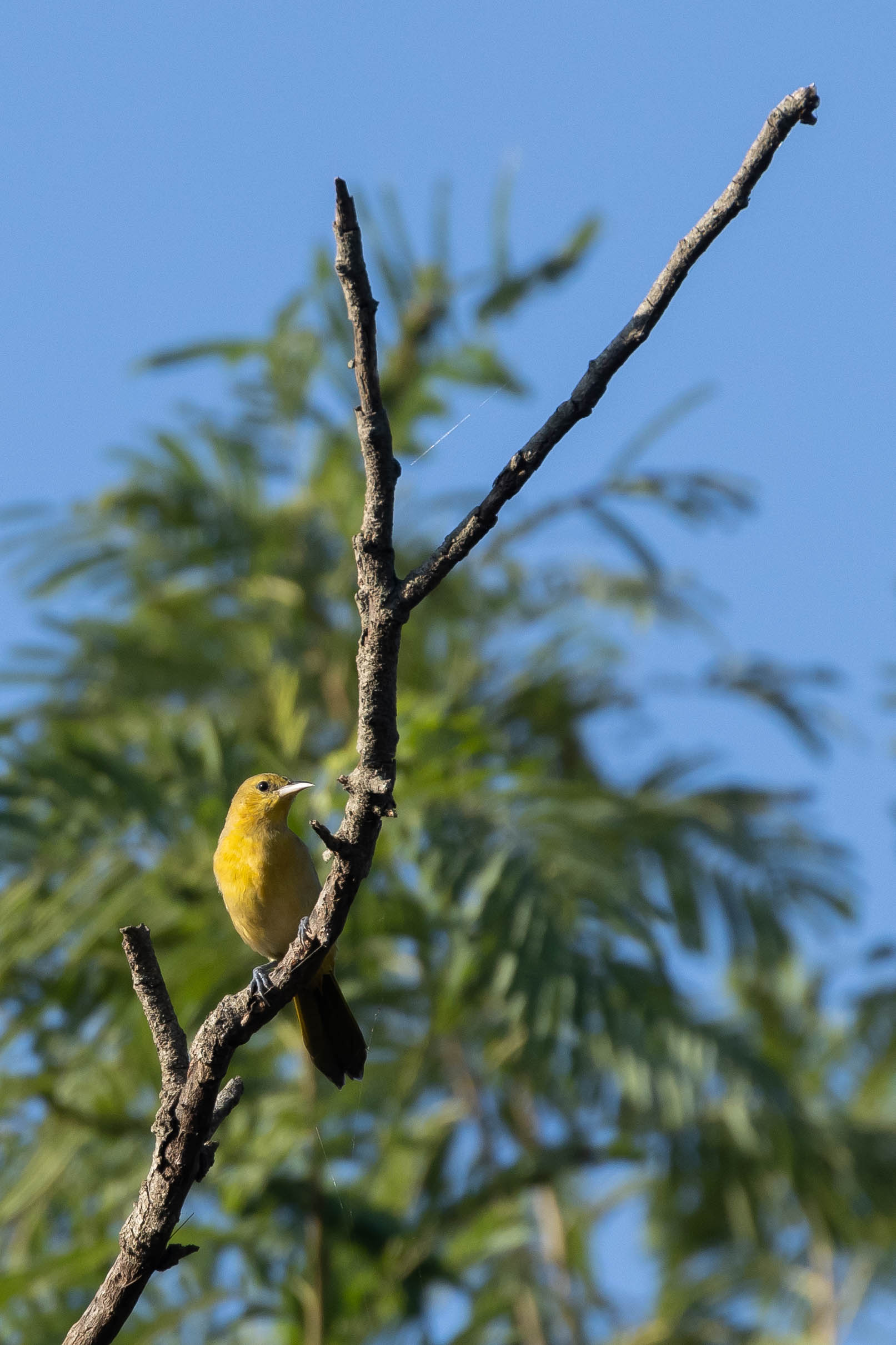
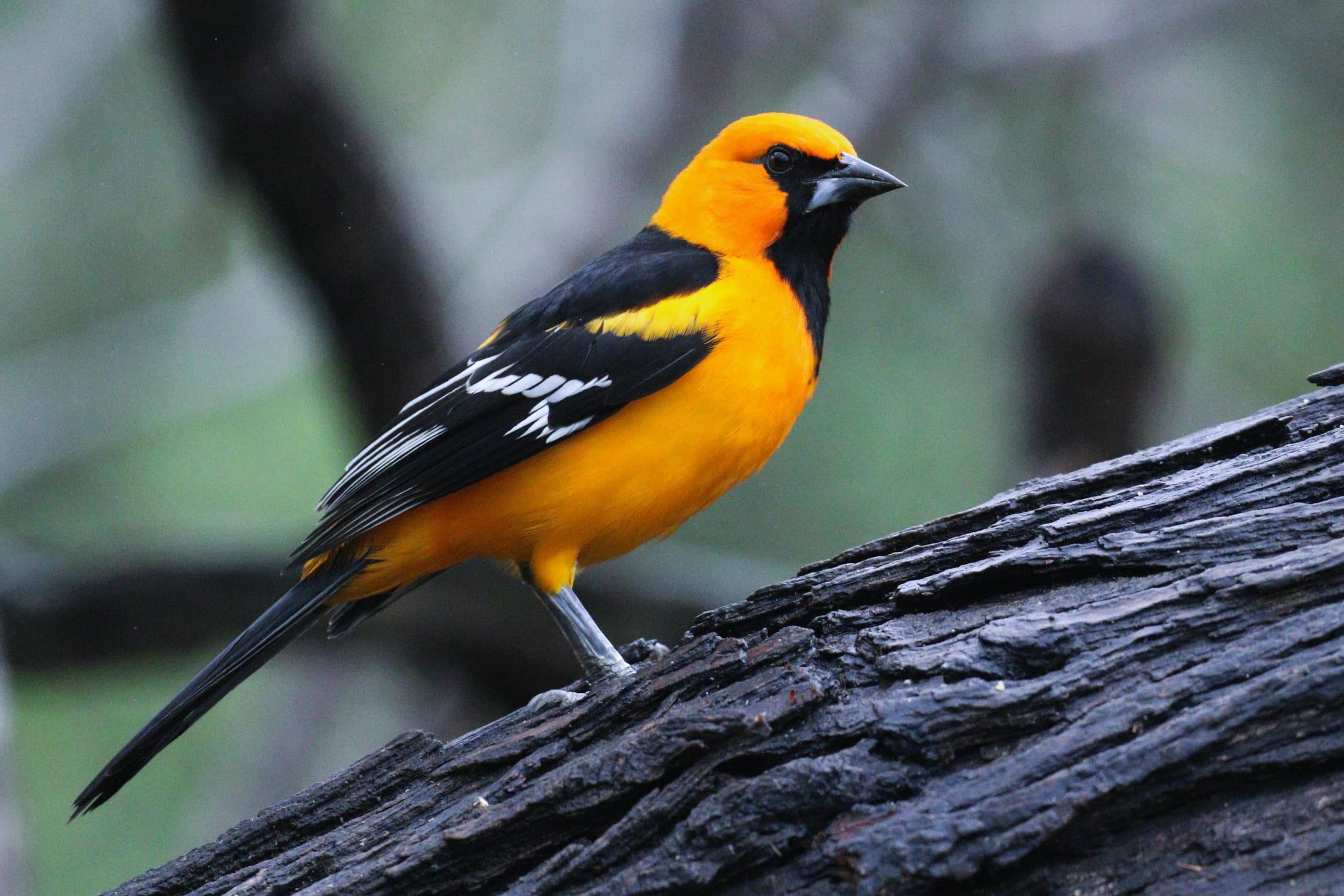
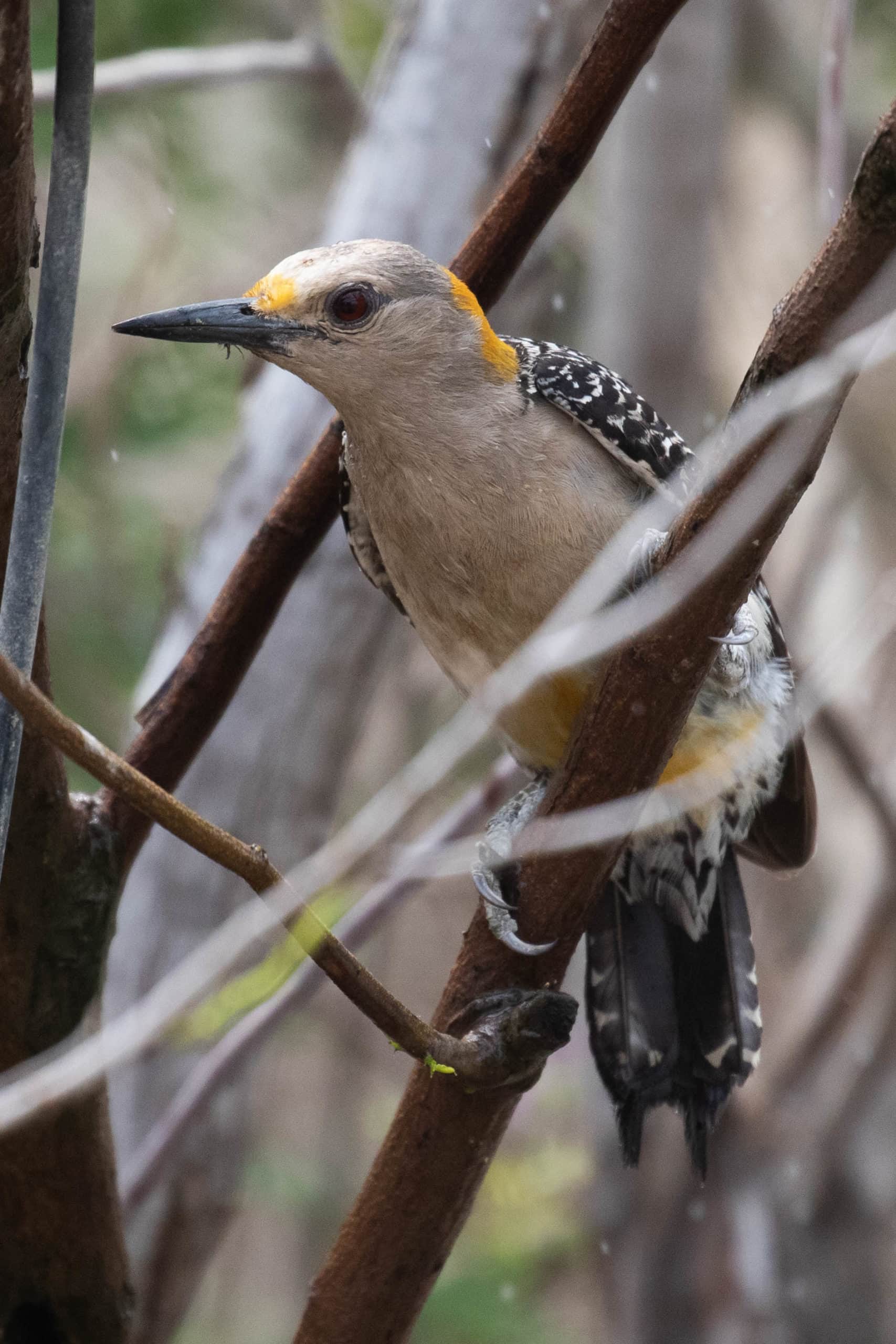
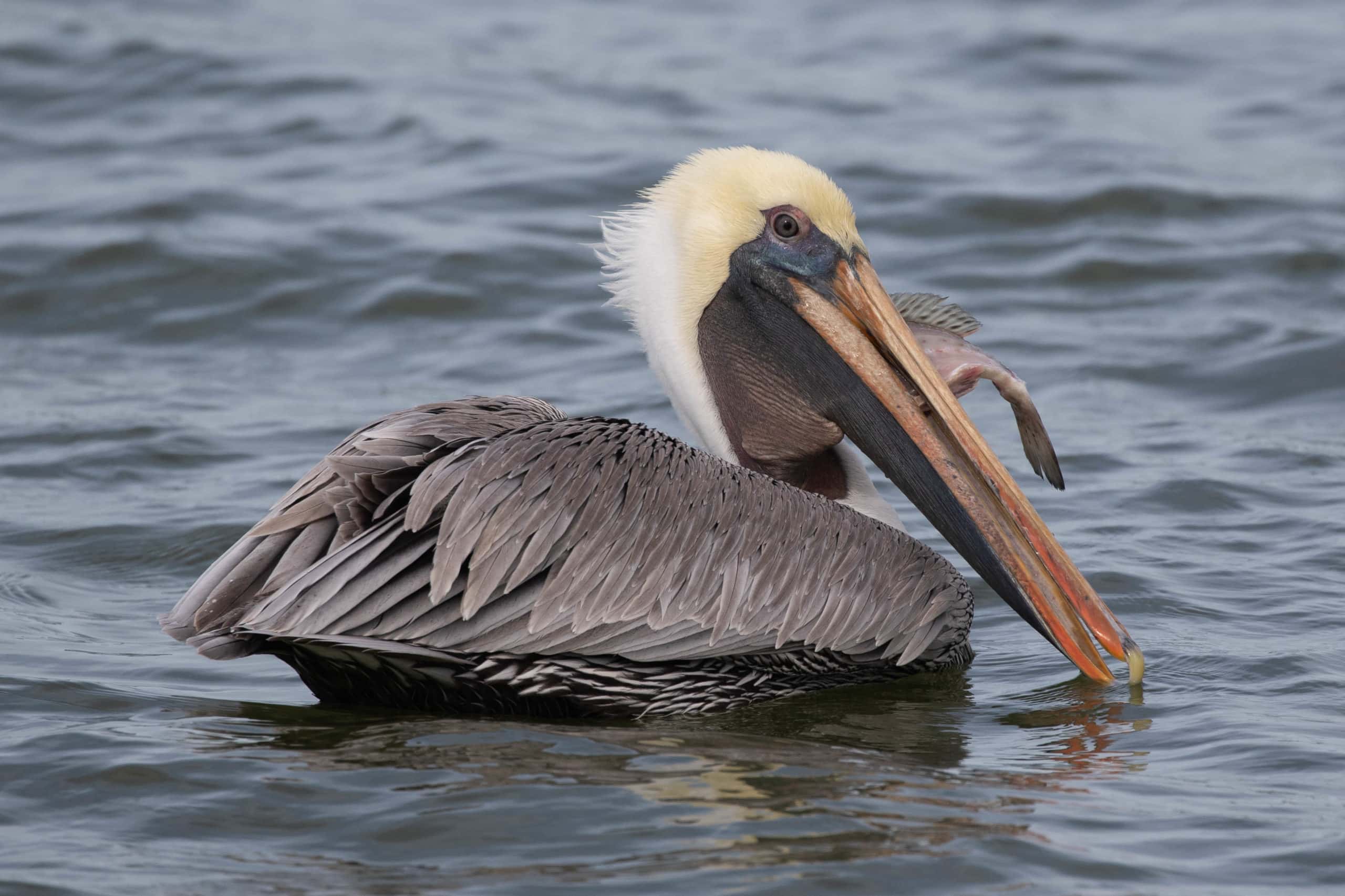
We’ll get an early start this morning to travel up the Rio Grande River and visit Salineño. This peaceful little natural area along the river can be teaming with birdlife. Waterbirds like egrets, herons, pelicans, and ducks can be seen moving up and down the narrow section of the Rio Grande while the riparian subtropical forests are filled with birdsong. This is a great spot for seeing Mexican Duck, Green Kingfisher, Ringed Kingfisher, and Audubon’s Oriole. With a little luck we may also spot Red-billed Pigeon or Morelet’s Seedeater! Golden-fronted Woodpecker, Great Kiskadee, and Green Jays are abundant.
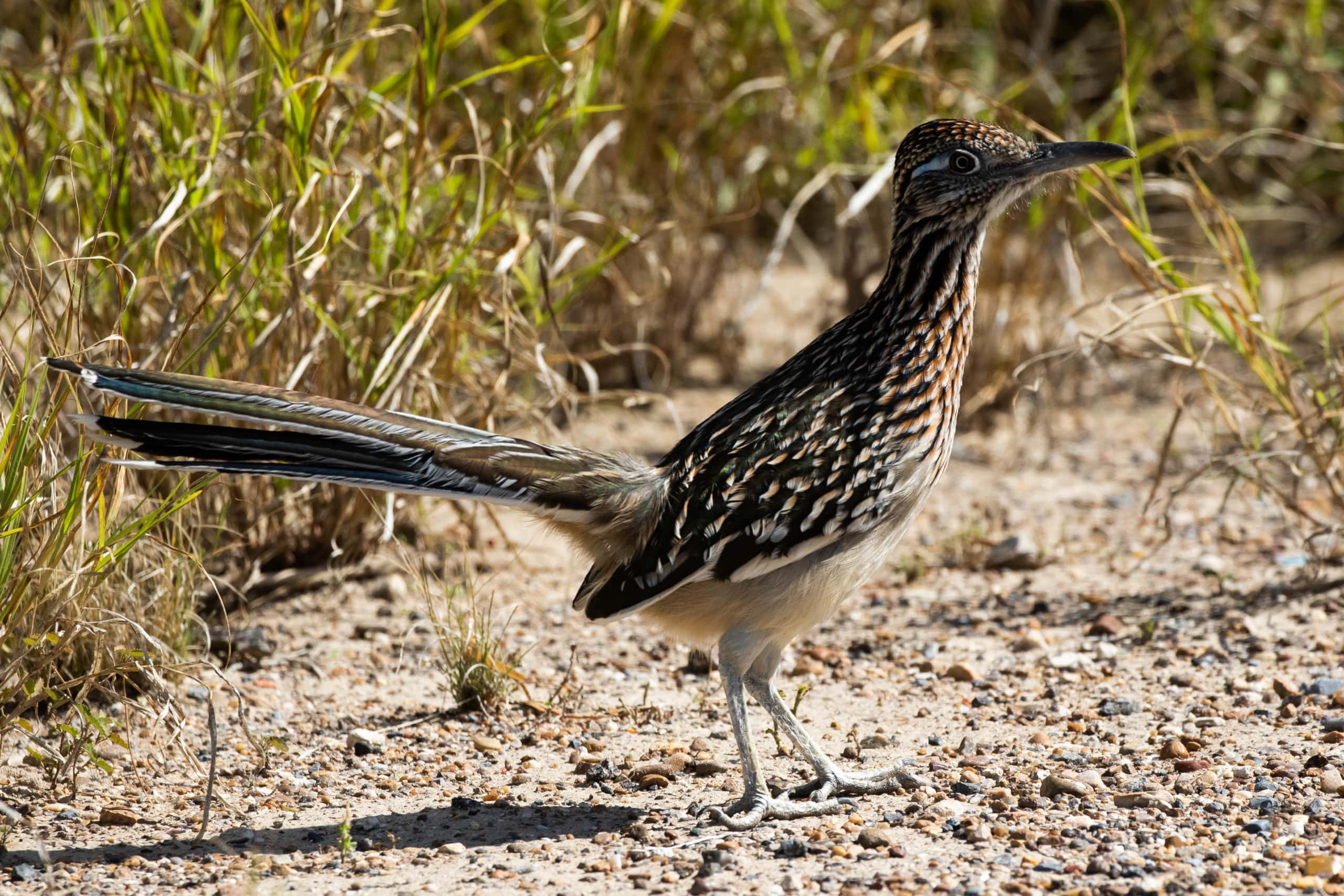
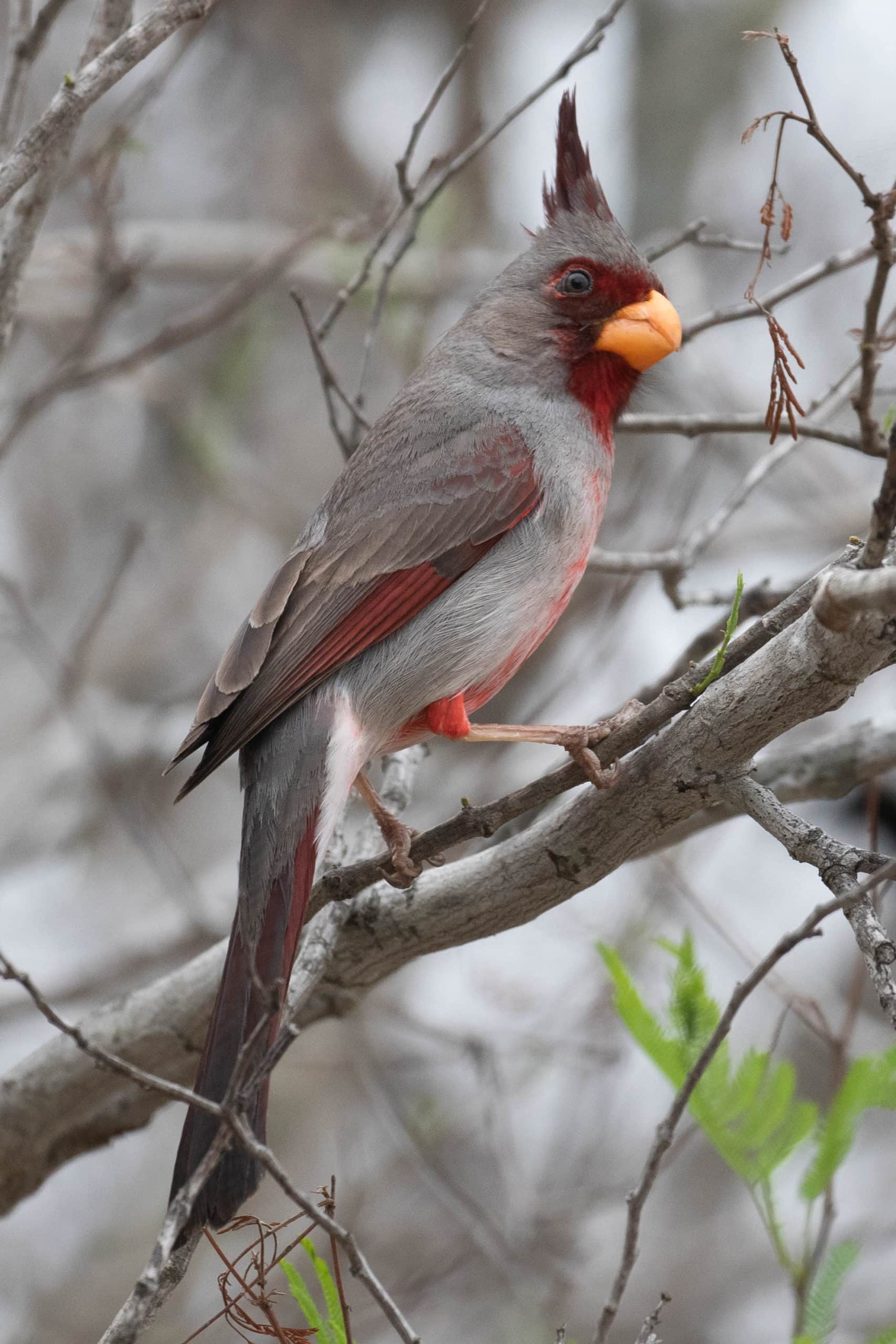
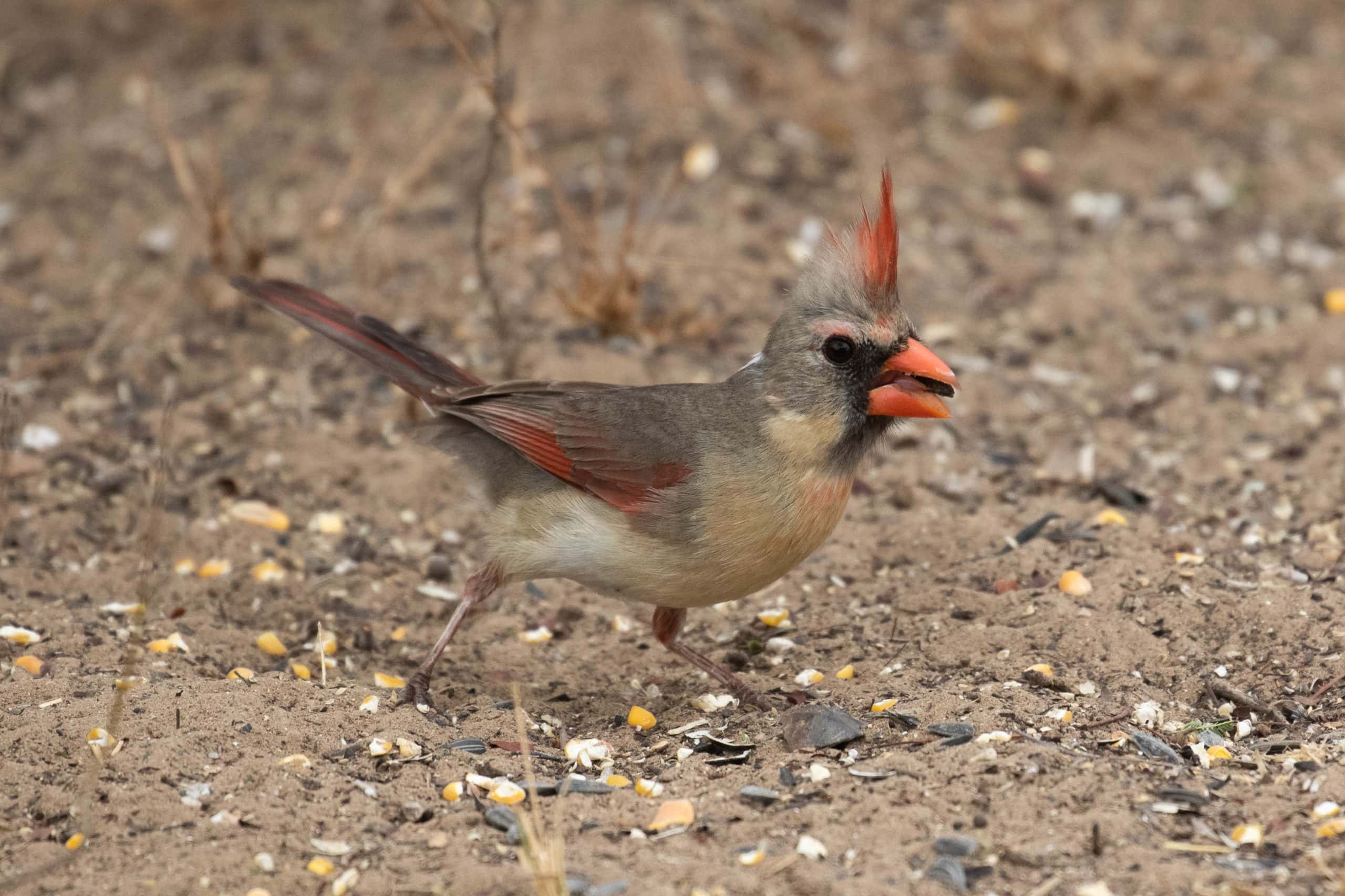
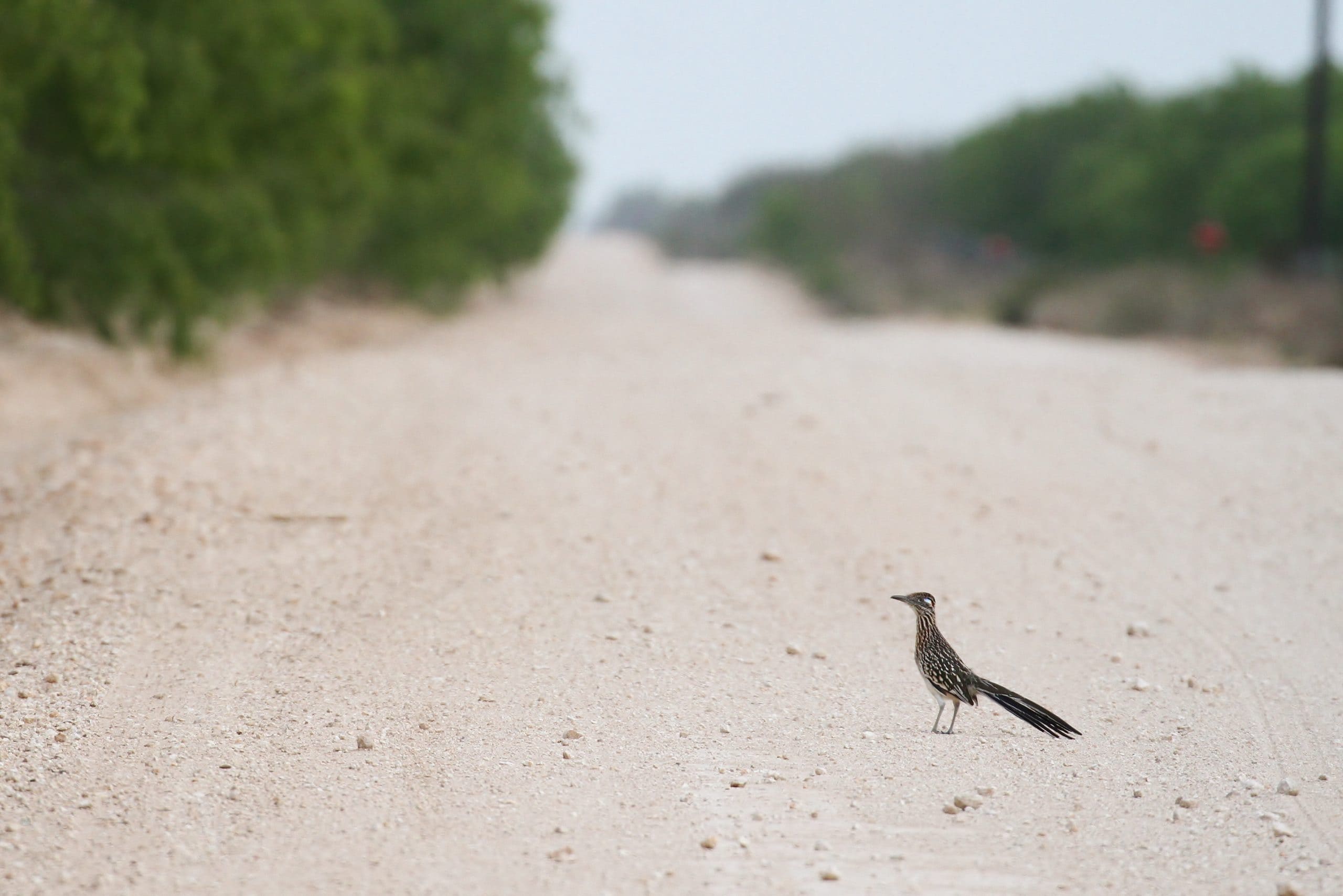
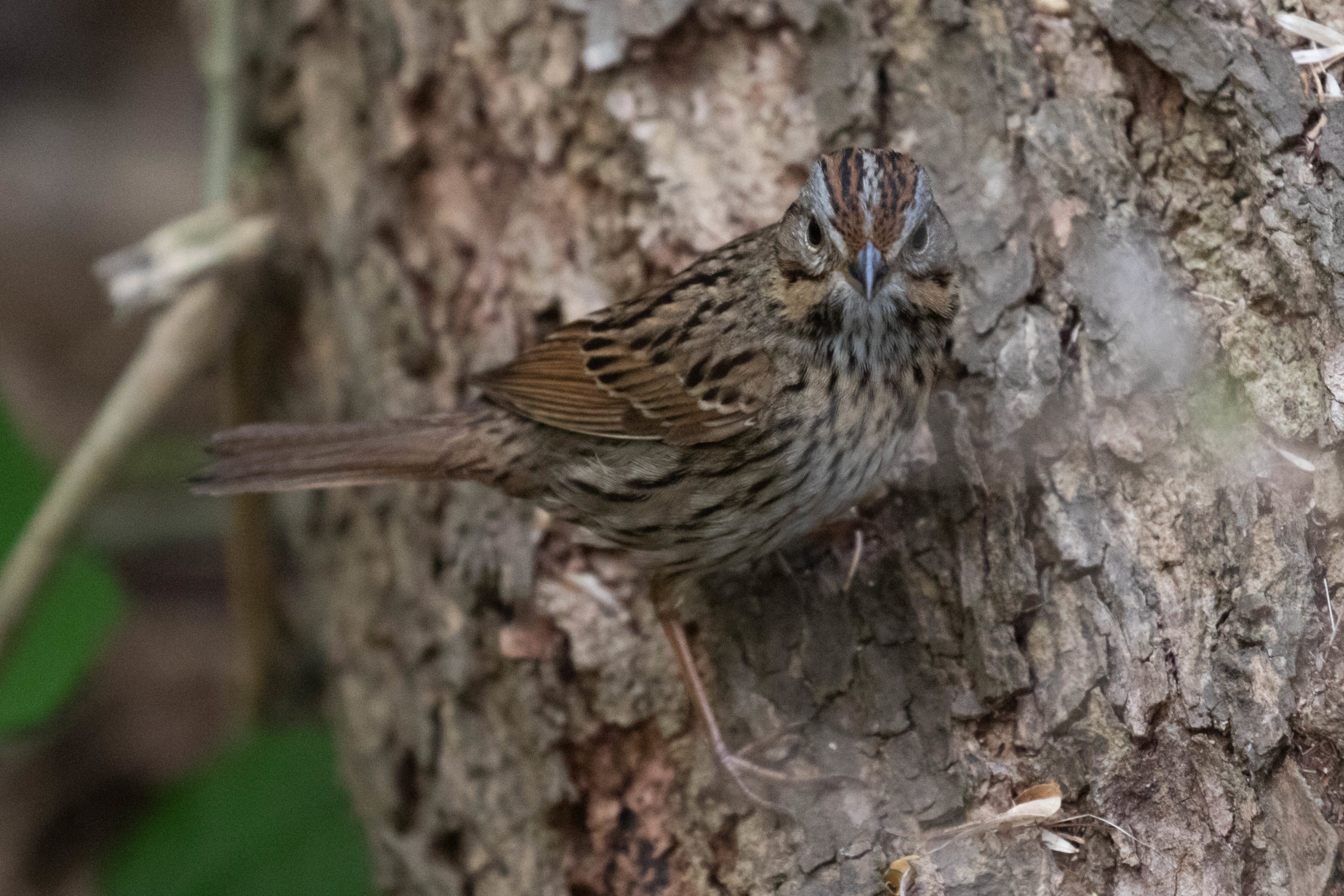
Falcon State Park is one of the most arid regions we’ll be visiting on this trip, nestled nicely into the desert scrublands. We’ll search for Crested Caracara, Northern Bobwhite, Scaled Quail, Greater Roadrunner, Pyrrhuloxia, and Black-throated Sparrow. Starr County Park’s habitat is like Falcon State Park but is a more reliable spot for finding Vermilion Flycatcher and Lark Sparrow. Night in Alamo, TX.
Day 3 – Bentsen Rio-Grande Valley State Park, Anzalduas Park, & Santa Ana NWR. Night in Alamo, TX.
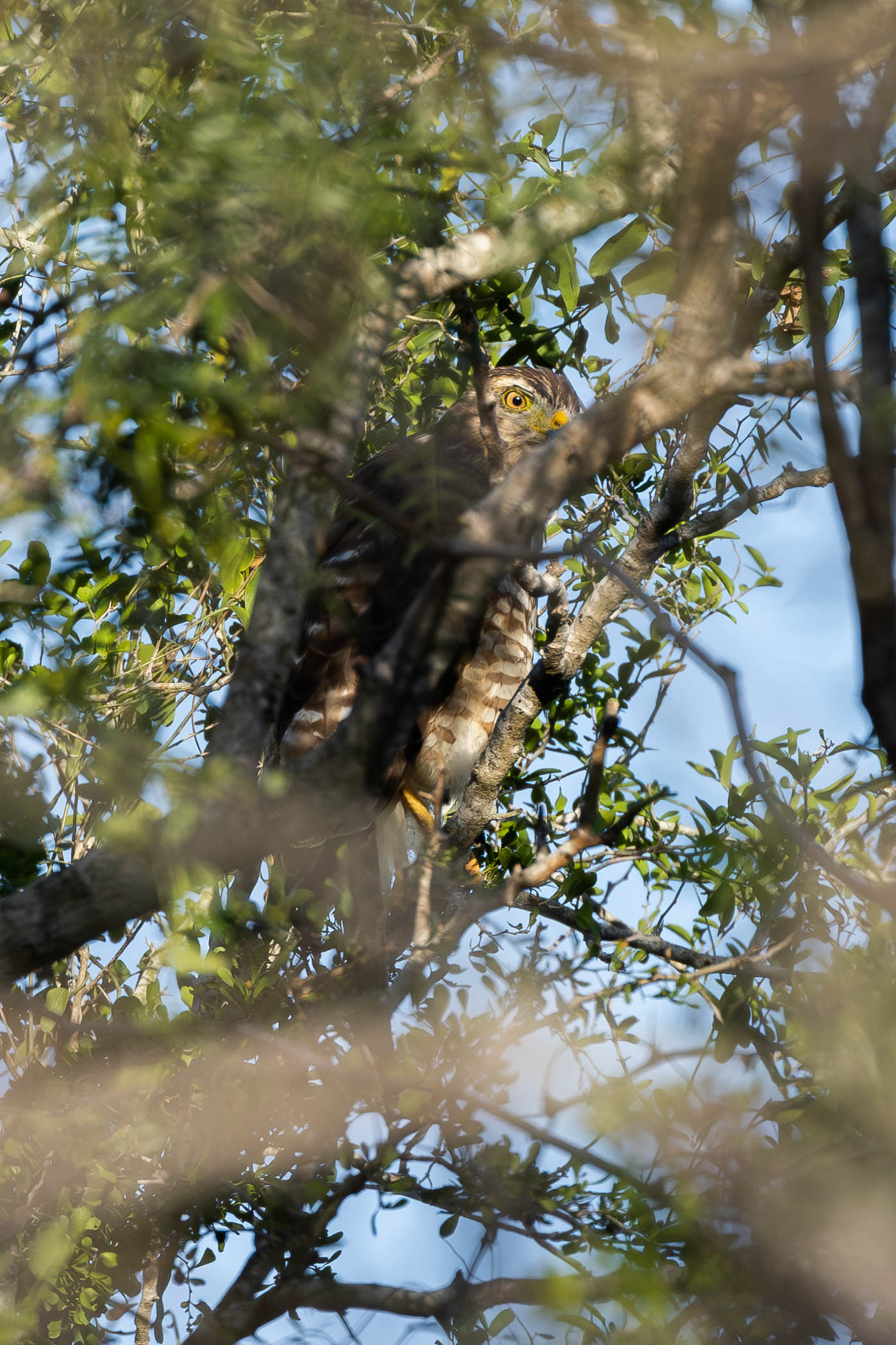
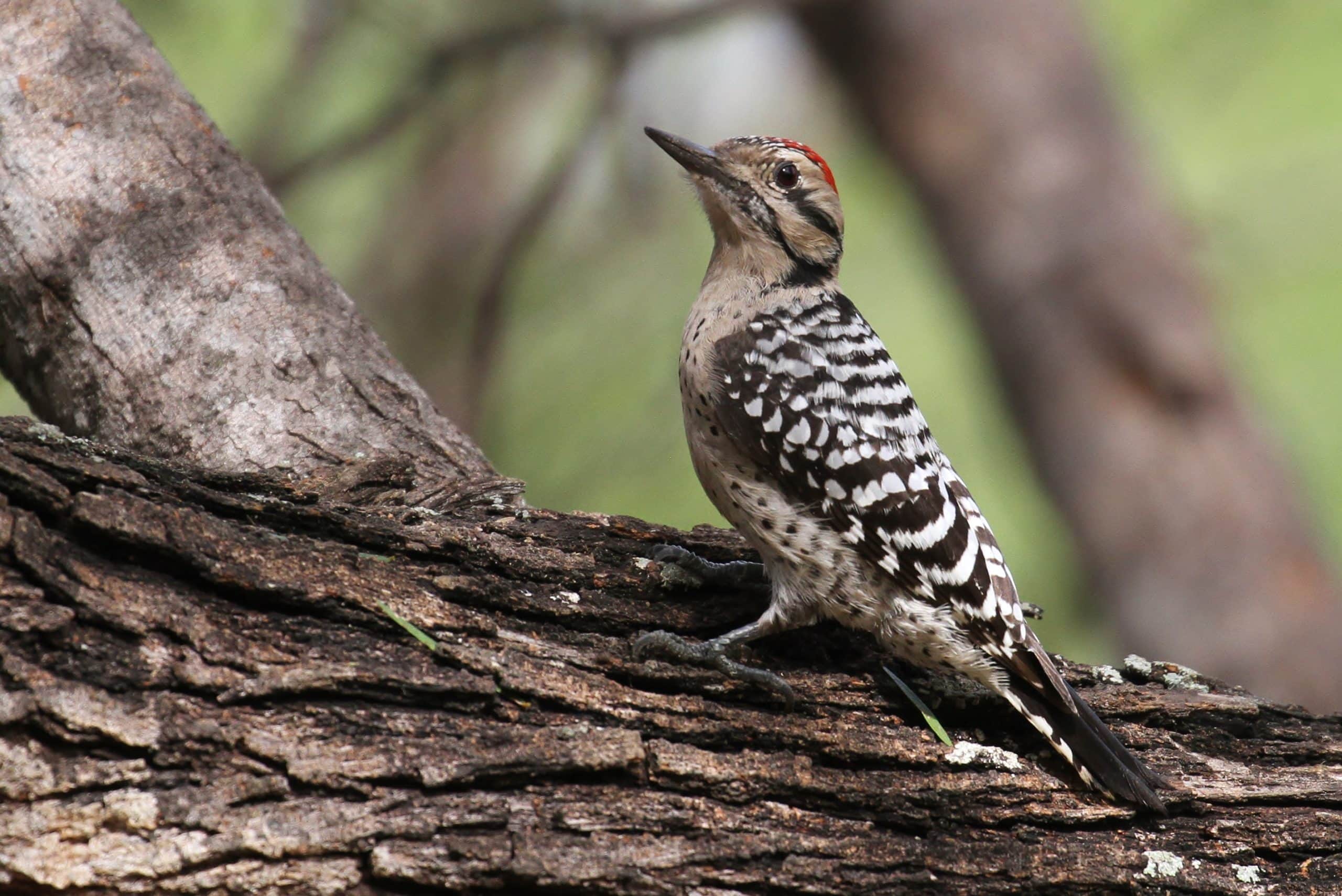
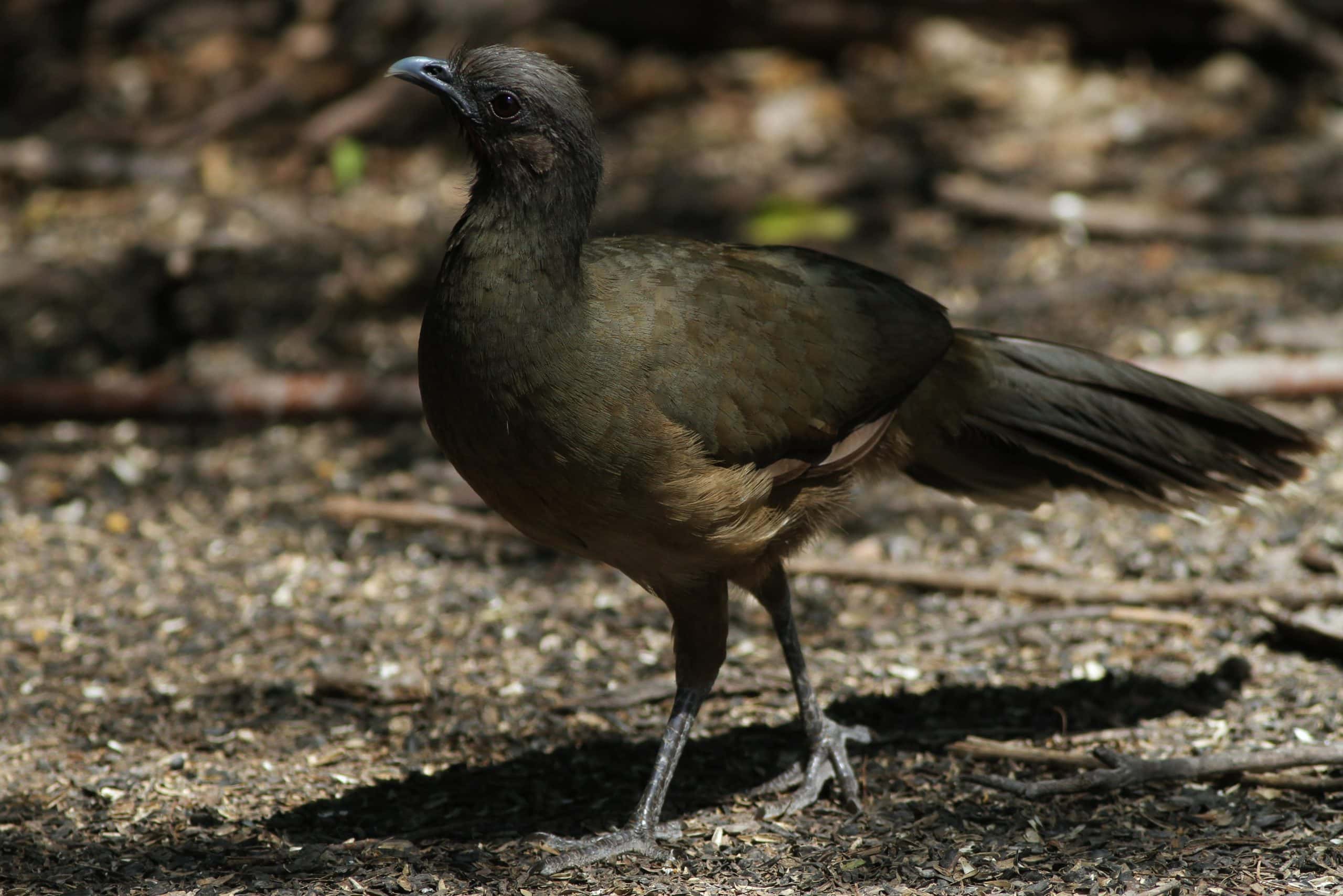
Bentsen-Rio Grande Valley State Park is one of the larger tracts of Rio Grande floodplain forest. It is a remnant of the once heavily wooded Lower Rio Grande Valley which is now largely converted to agricultural lands and urban developments. Birding targets here include Plain Chachalaca, Ladder-backed Woodpecker, Green Jay, Gray Hawk, and Altamira Oriole. Hook-billed Kites can be seen here by very lucky birders.
Anzalduas Park is located right on the Rio Grande River and is a well-known birding hotspot for Mexican vagrants. The large, grassy field here is a reliable place for American Pipit and if we’re lucky, maybe even a Sprague’s Pipit! Anzalduas is another good spot for Vermilion Flycatcher and all 3 kingfishers.
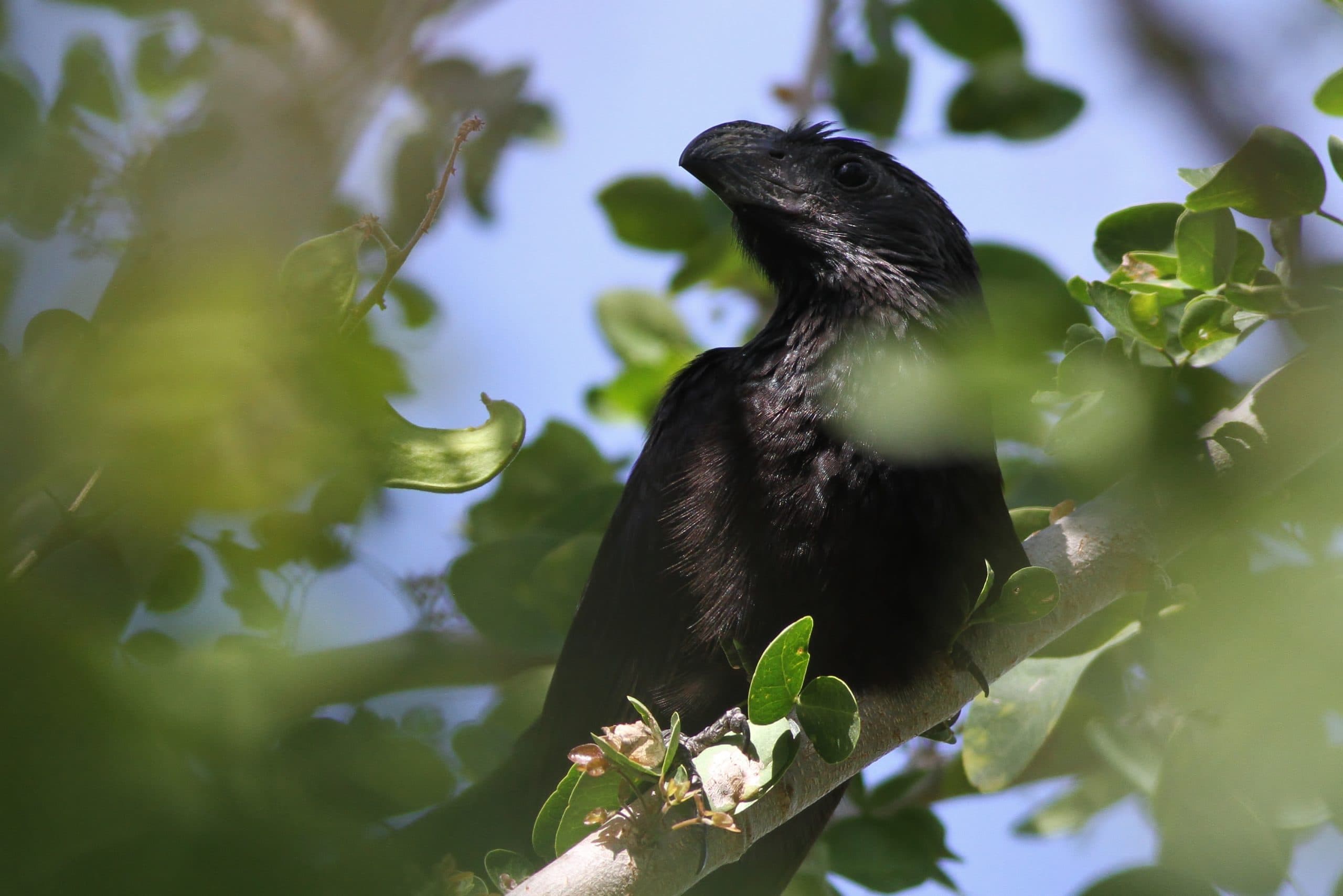
Santa Ana NWR is the crown jewel of the Valley’s wildlife refuges, a of course a fabulous place to bird. Many of the region’s specialties are residents here. This refuge is famous for the many astounding rarities that have been found such as Northern Jacana, Rose-throated Becard, and Hook-billed Kite. Groove-billed Ani is possible. Both Bentsen and Santa Ana are great locations to view raptor migration in action! Night in Alamo, TX.
Day 4 – Estero Llano Grande, Resaca de la Palma, & Sabal Palm Sanctuary. Night in Alamo, TX.
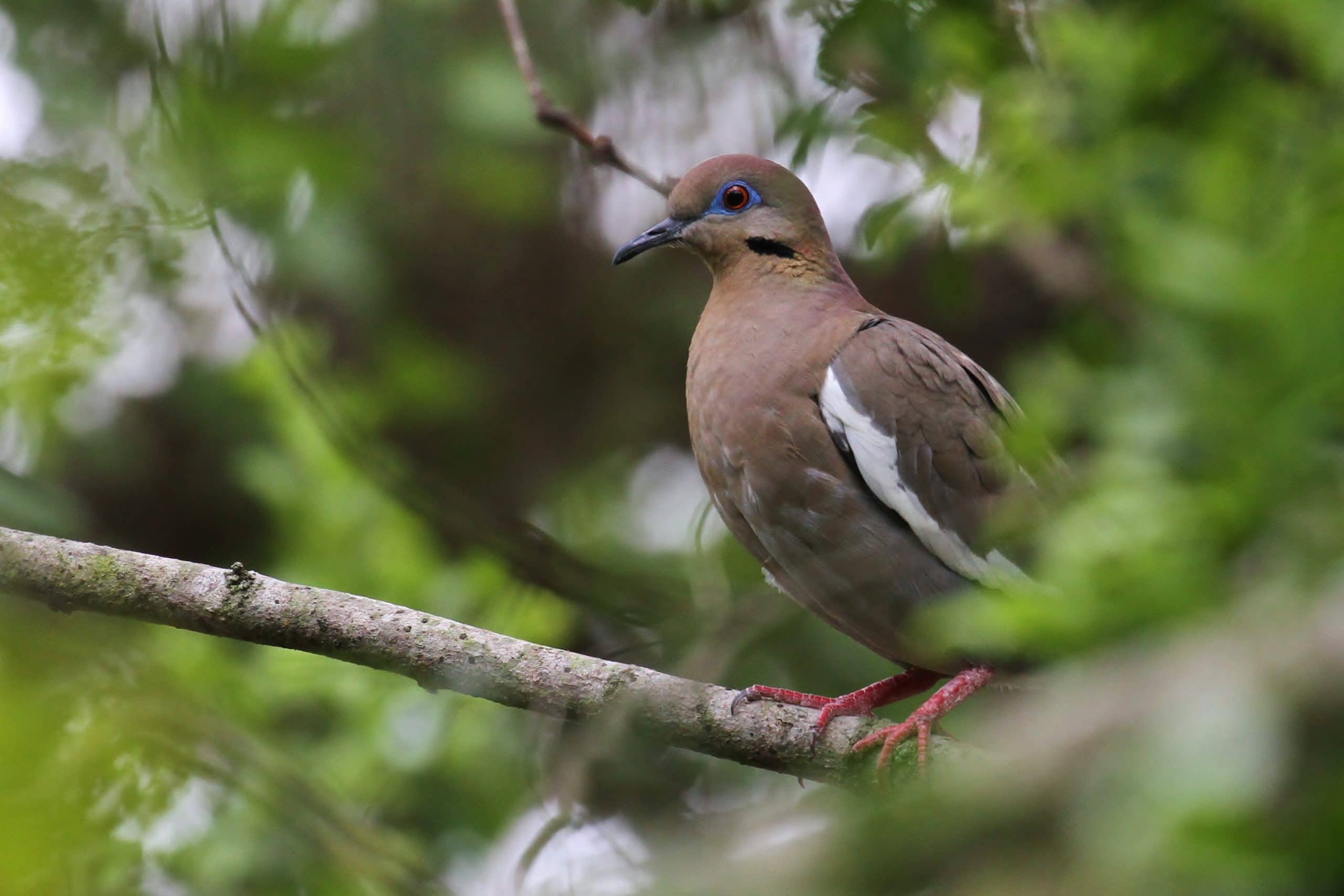
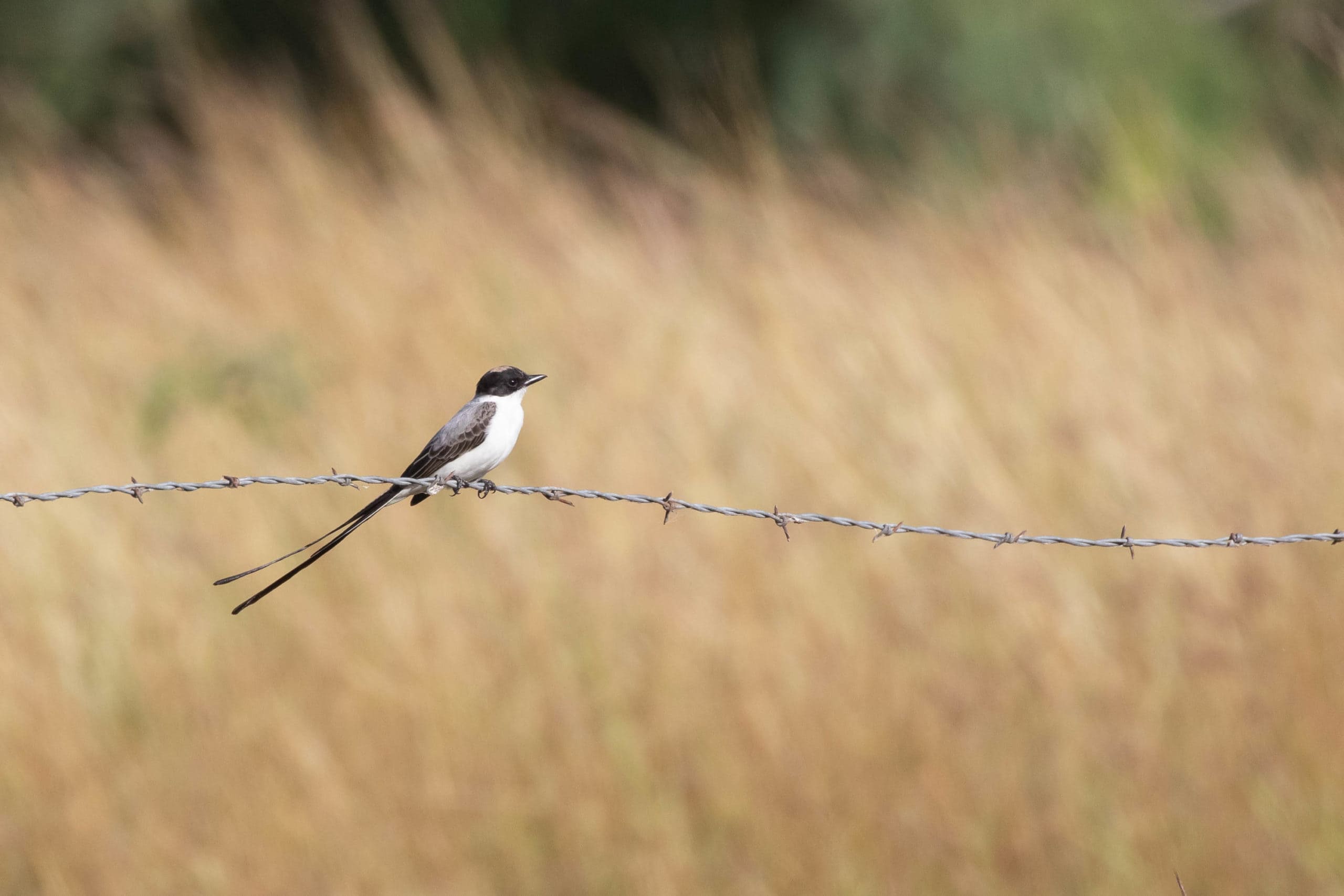
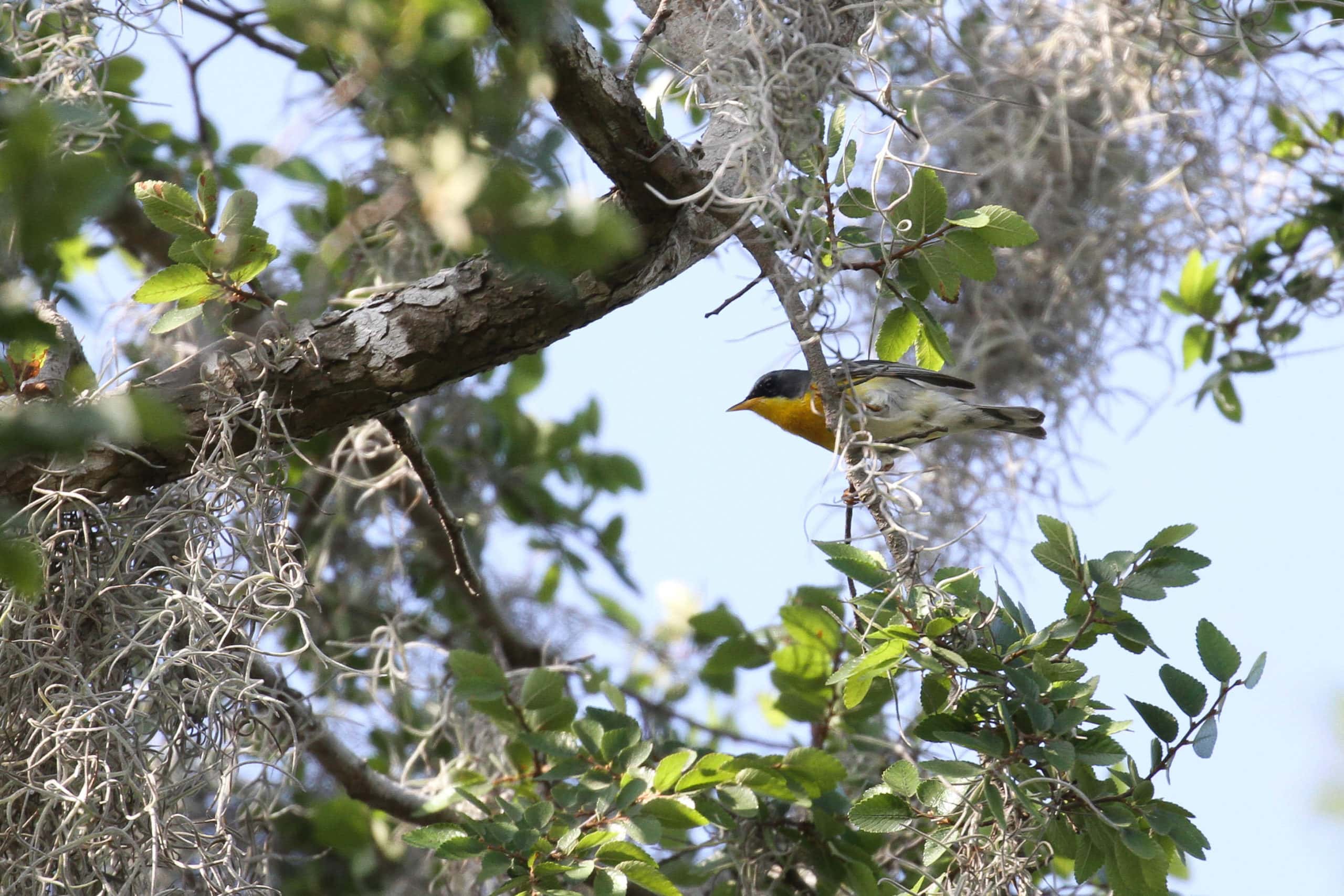
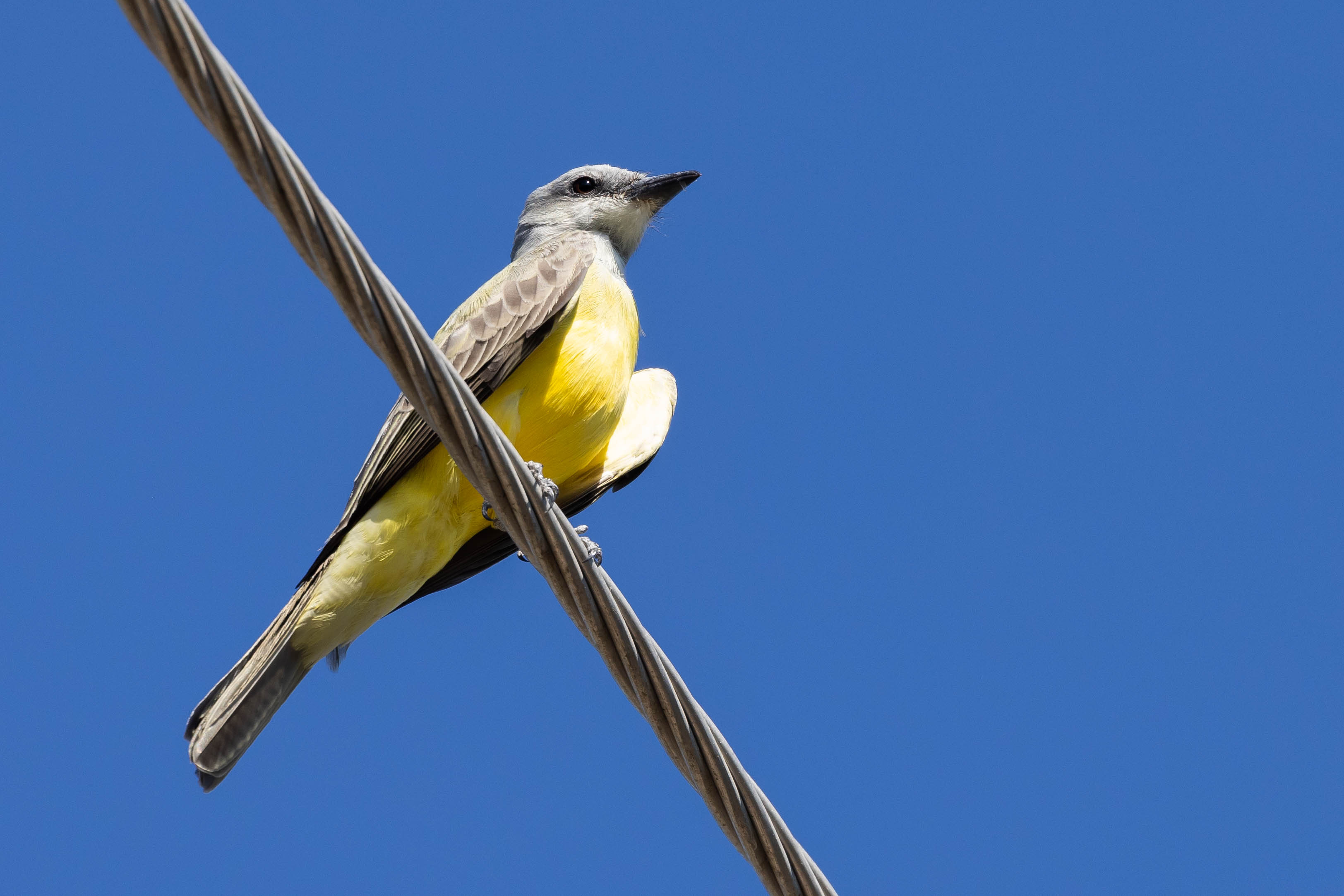
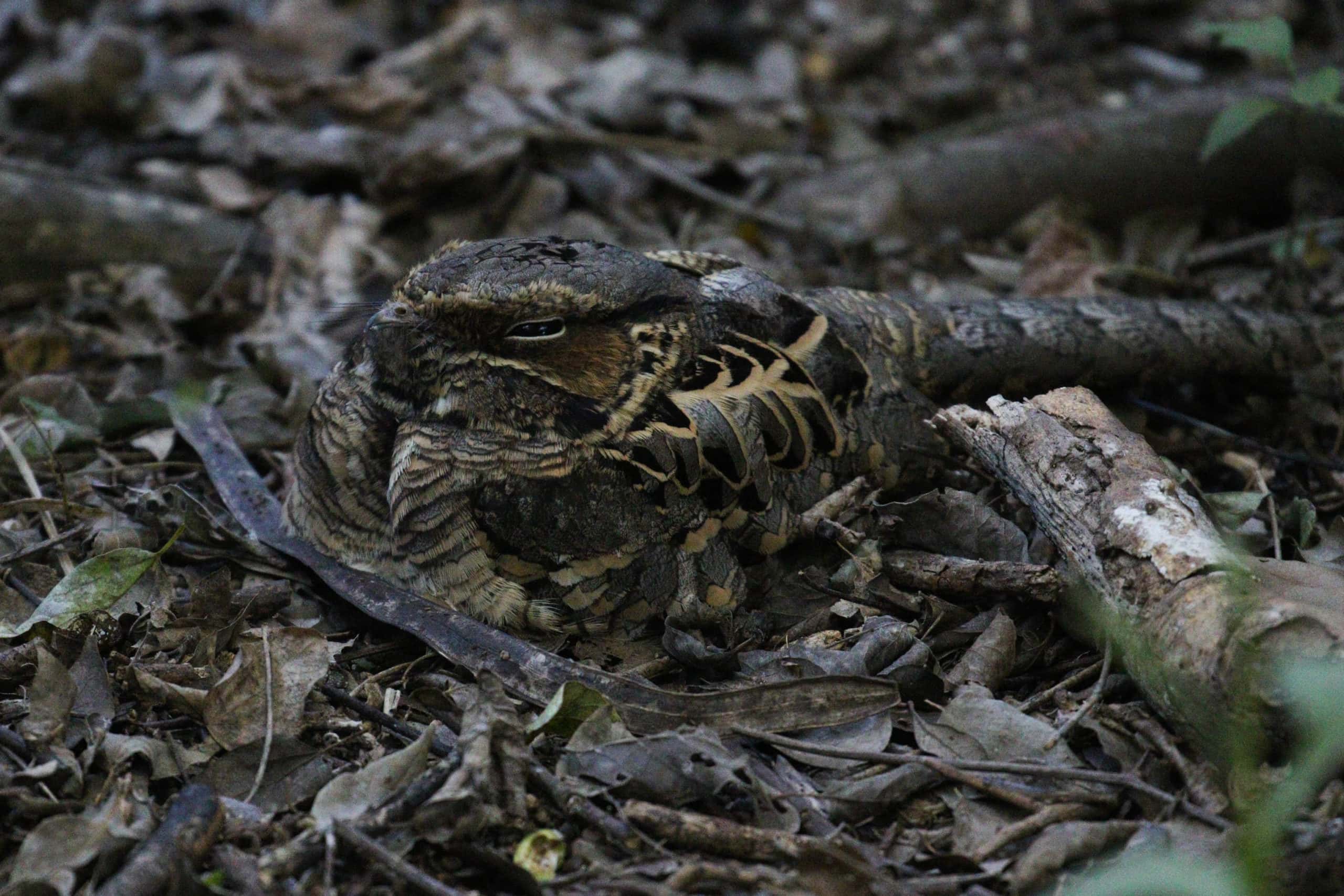
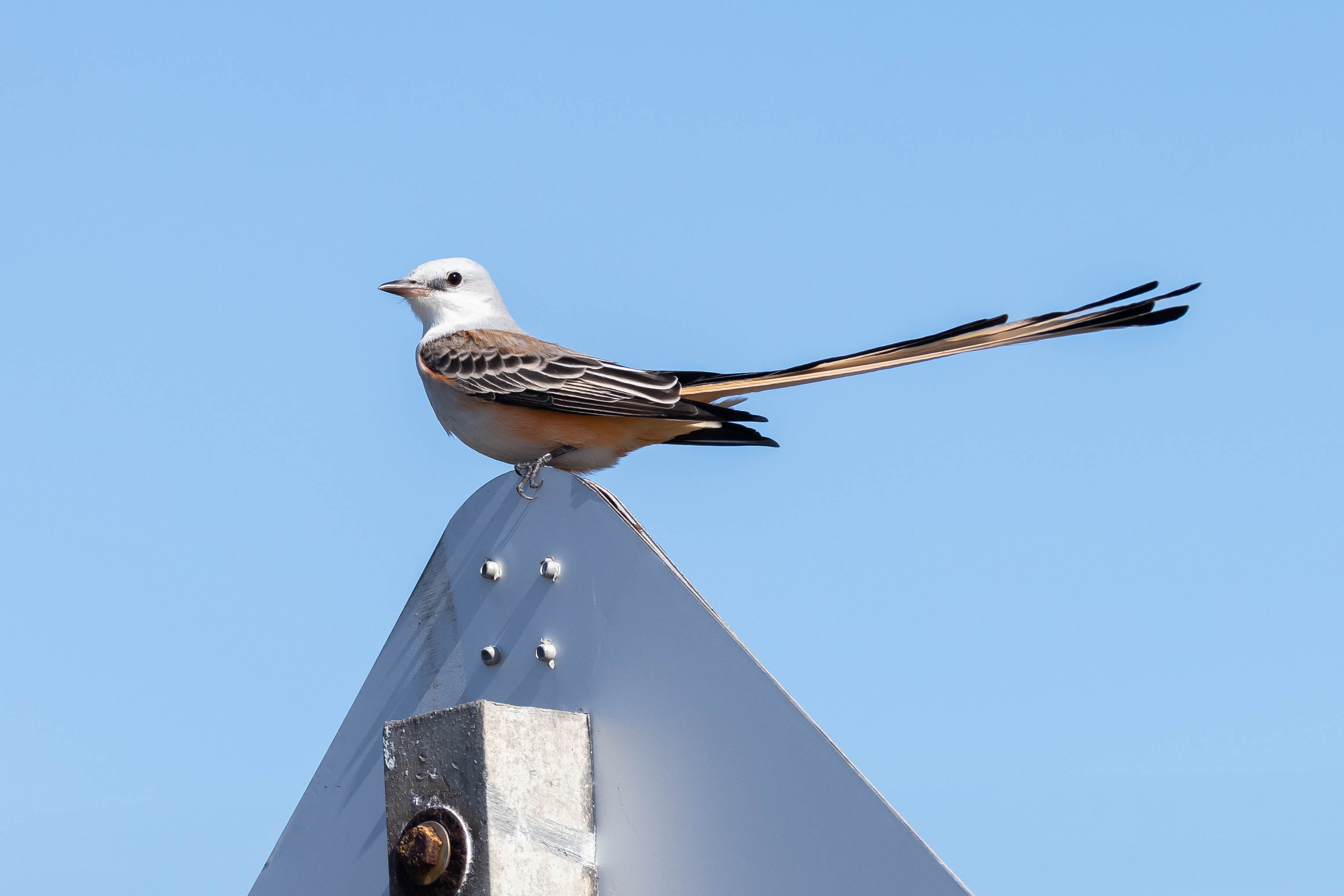
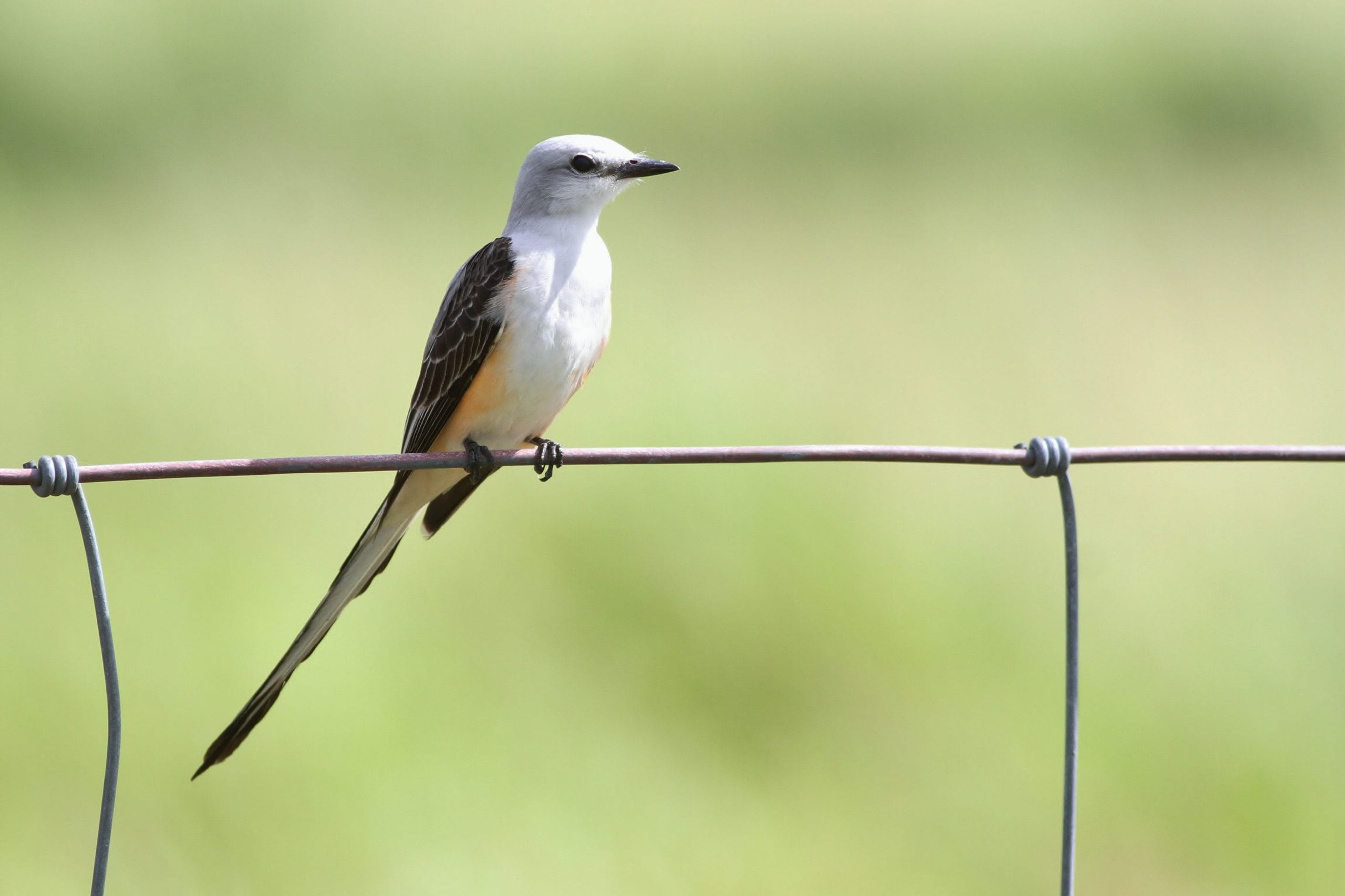
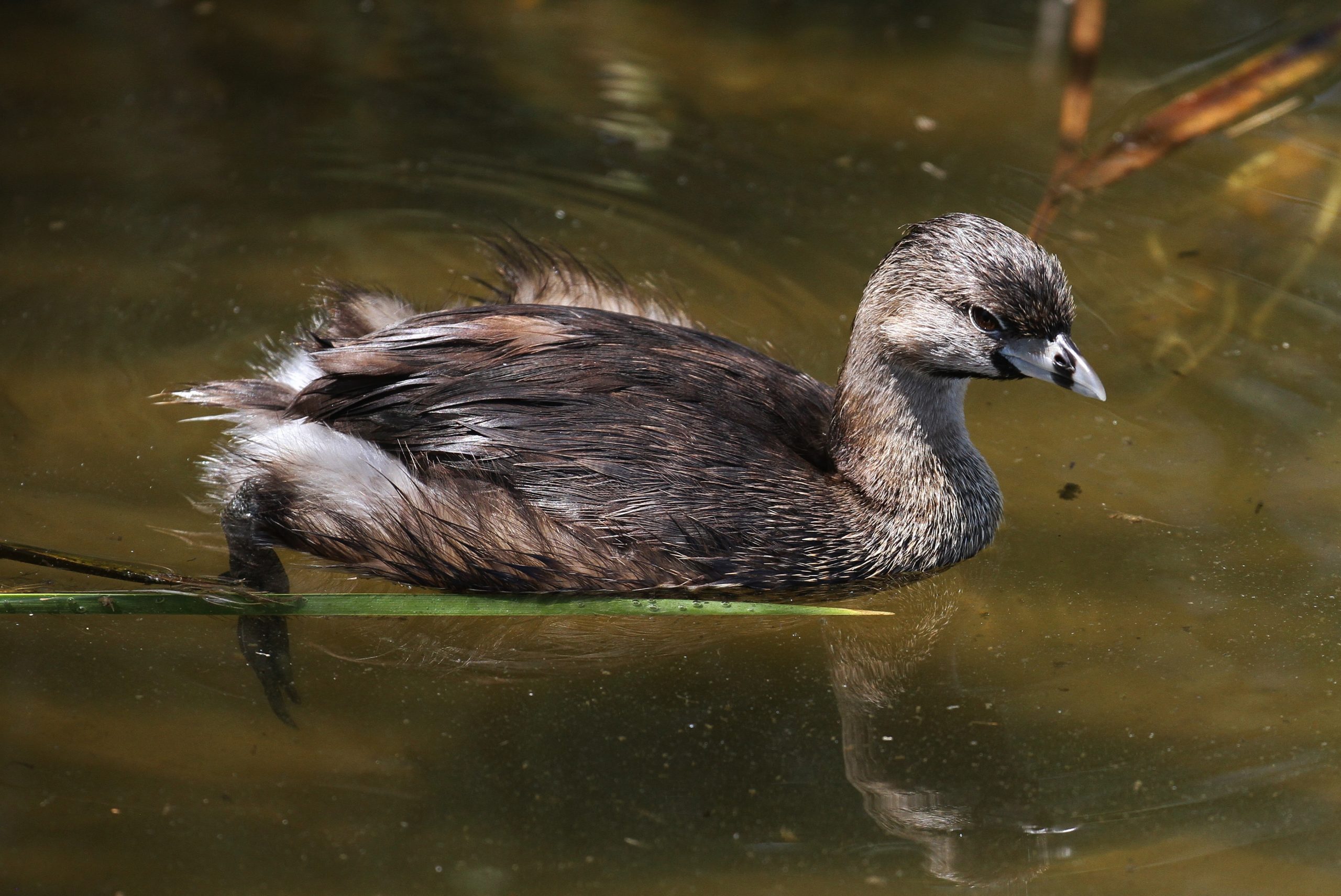
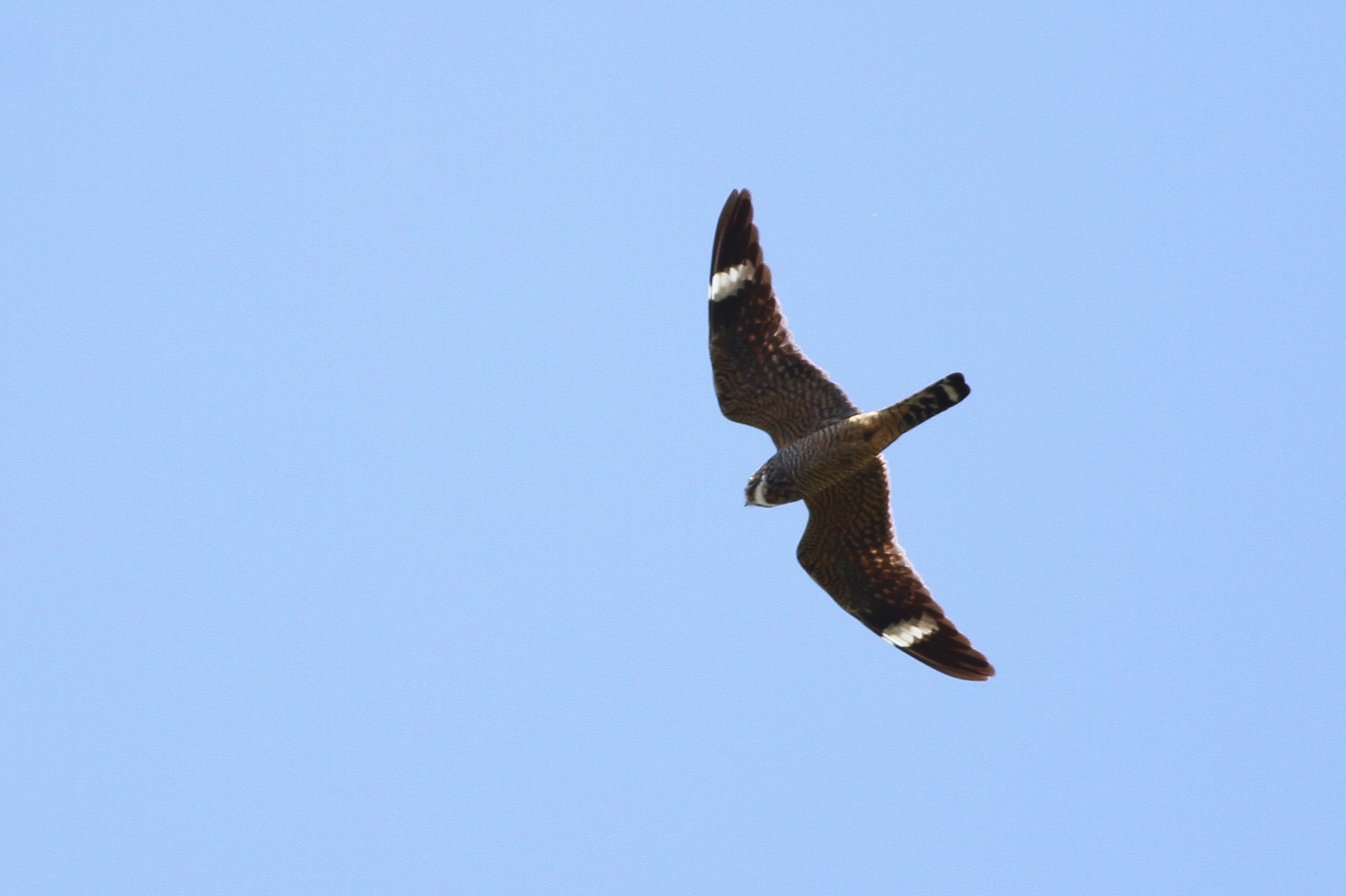
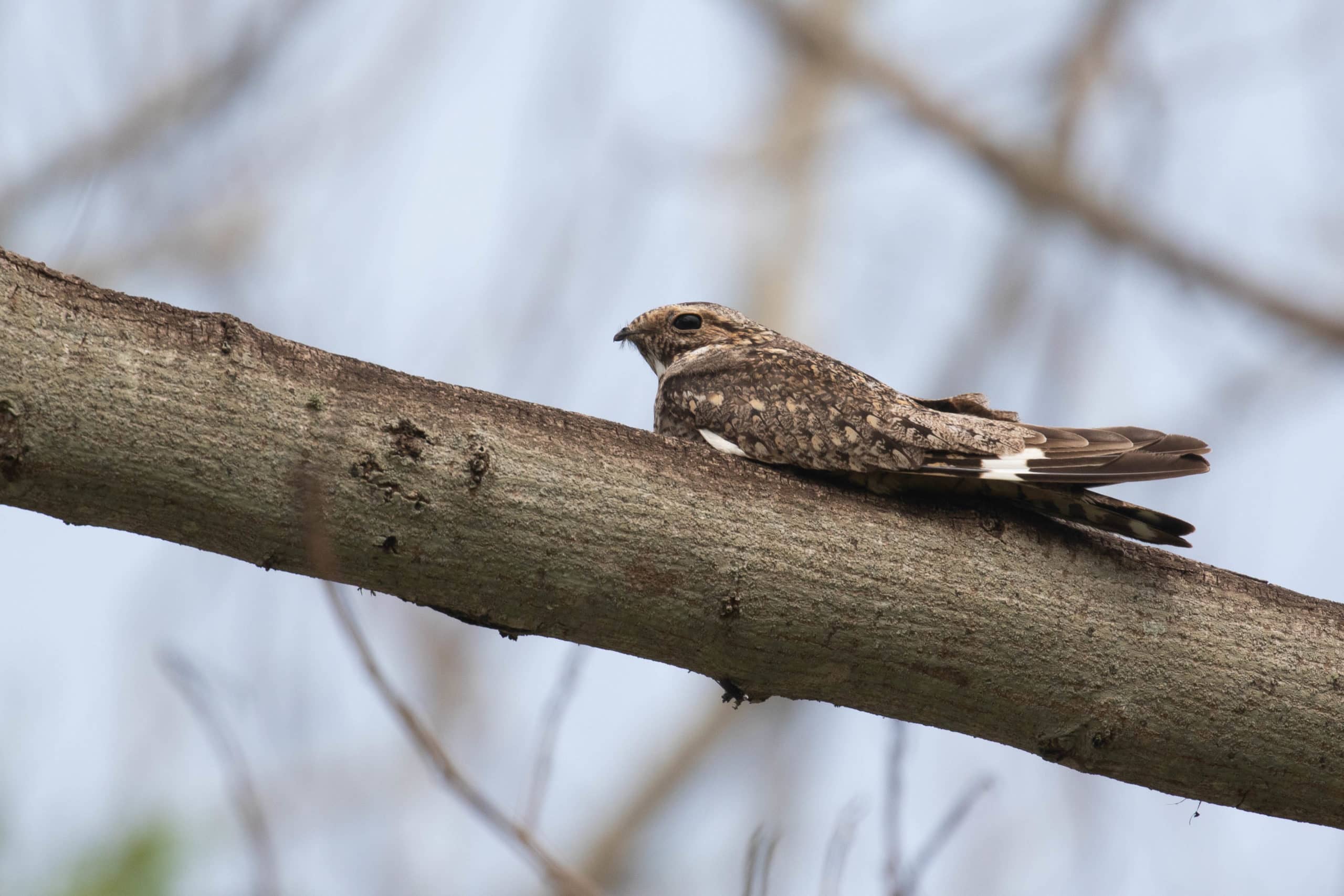
Estero Llano Grande State Park is the rising star of birding hotspots in the Lower Rio Grande Valley. If you only had one day in South Texas, this is the spot I would recommend. The diversity here is rich and birds are often easier to see here than many other places. Some of the birds we’ll be looking for will be Black-bellied Whistling Duck, Least Grebe, Inca Dove, White-tipped Dove, Common Pauraque, Buff-bellied Hummingbird, Golden-fronted Woodpecker, Couch’s Kingbird, and Scissor-tailed Flycatcher and there’s always the chance we could turn up Fulvous Whistling-Duck, Tropical Parula, or Blue Bunting!
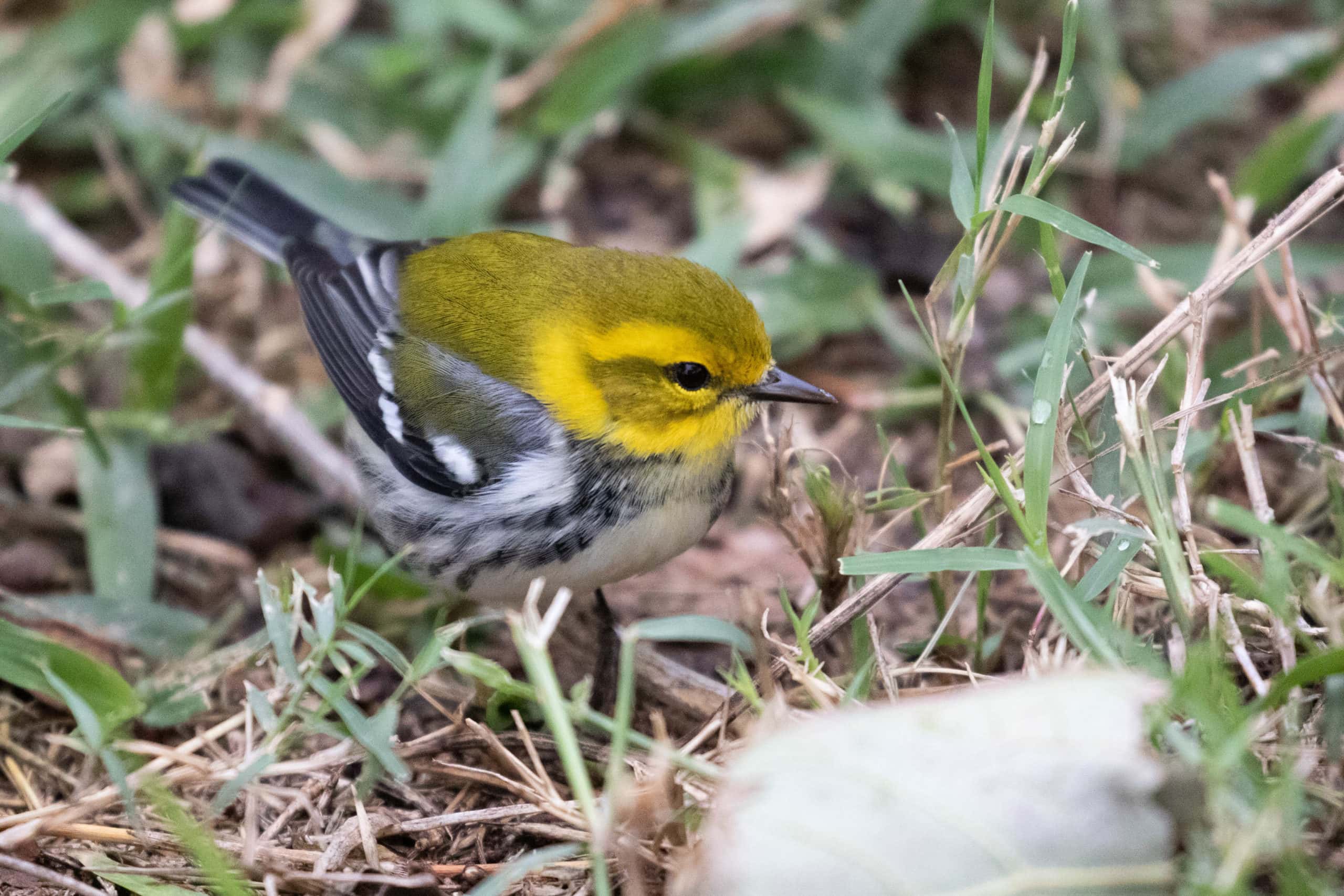
Southeast, toward Brownsville, lies Resaca de la Palm State Park. The feeder setup here is excellent and sometimes good birds can be found right in the parking lot; like Black-throated Gray Warbler or Townsend’s Warbler for instance. Olive Sparrows are regular feeder visitors affording birders good views of these typically shy and skulky specialties.
Sabal Palm Sanctuary showcases a massive, dense stand of palms that gives you a feeling like you are in another country. This is a great place for Olive Sparrow, Least Grebe, White-tipped Dove, and Green Kingfisher. Night in Alamo, TX.
Day 5 – Old Port Isabel Rd, Laguna Atascosa NWR, & Willacy County hotspots. Night in Alamo, TX.
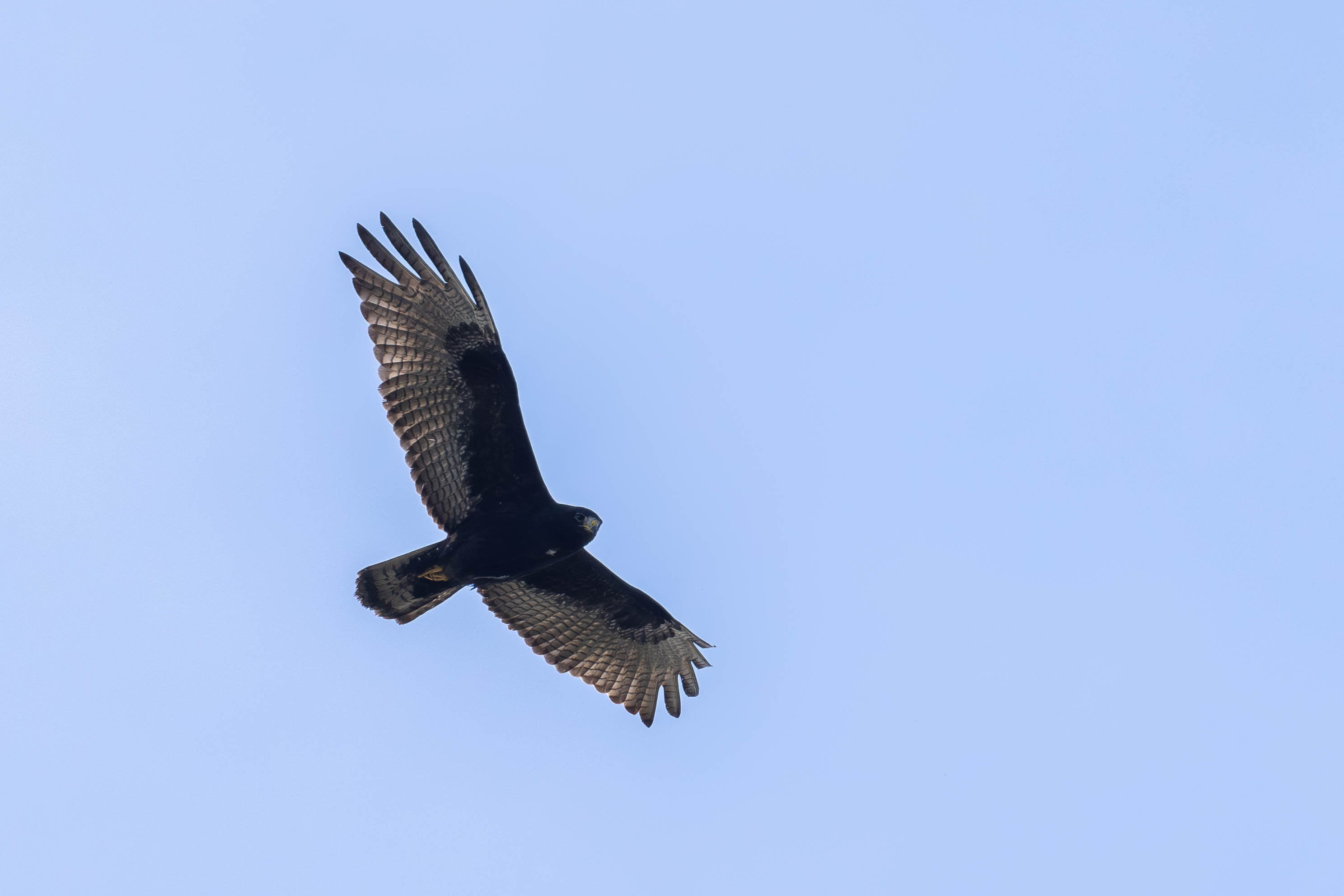
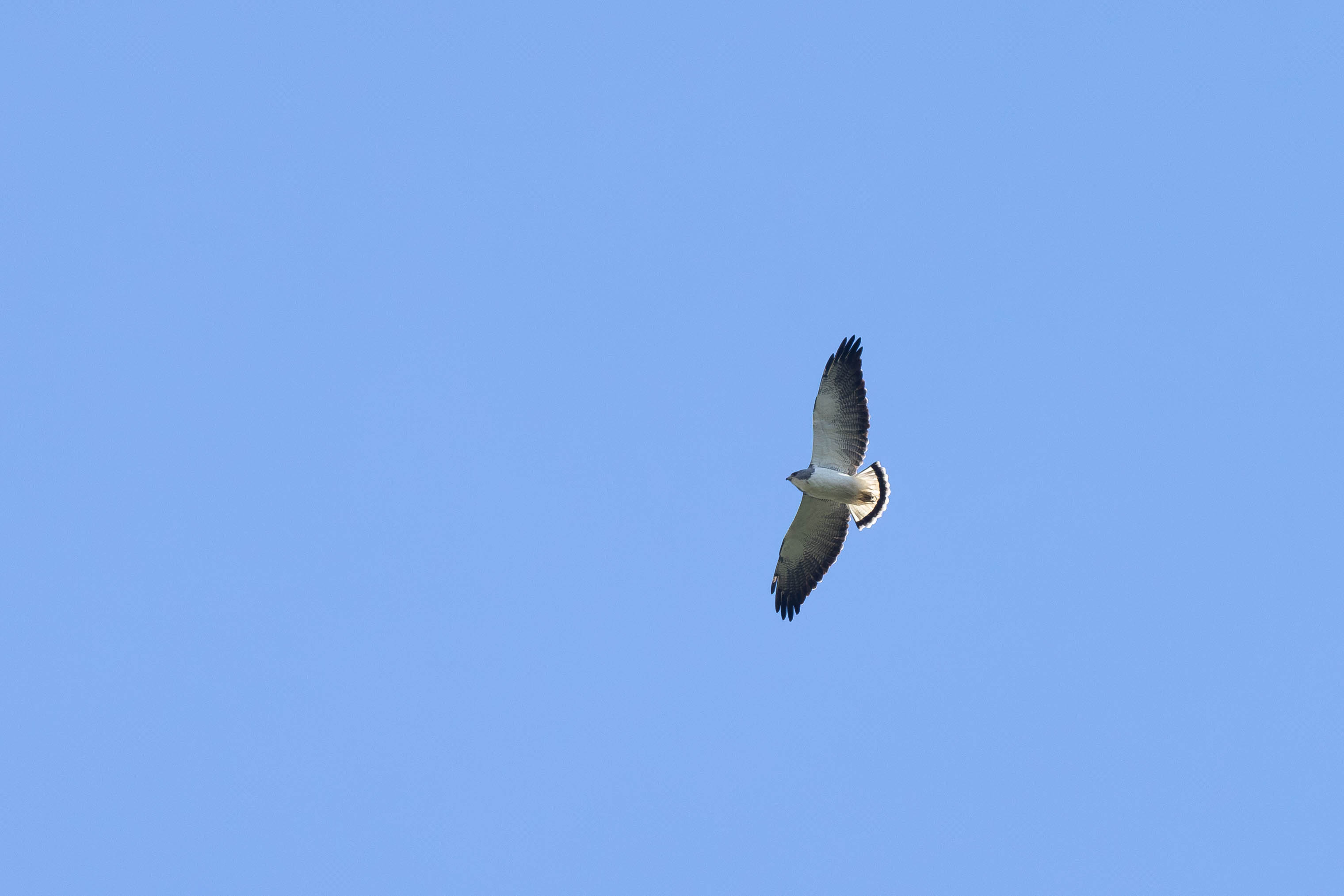
The drive along Old Port Isabel Road will give us our first opportunity of finding a rare Aplomado Falcon. We could turn up many other fine birds along the way too including Northern Bobwhite, Cassin’s Sparrow, Least Grebe, Swainson’s Hawk, and the stunning White-tailed Hawk.
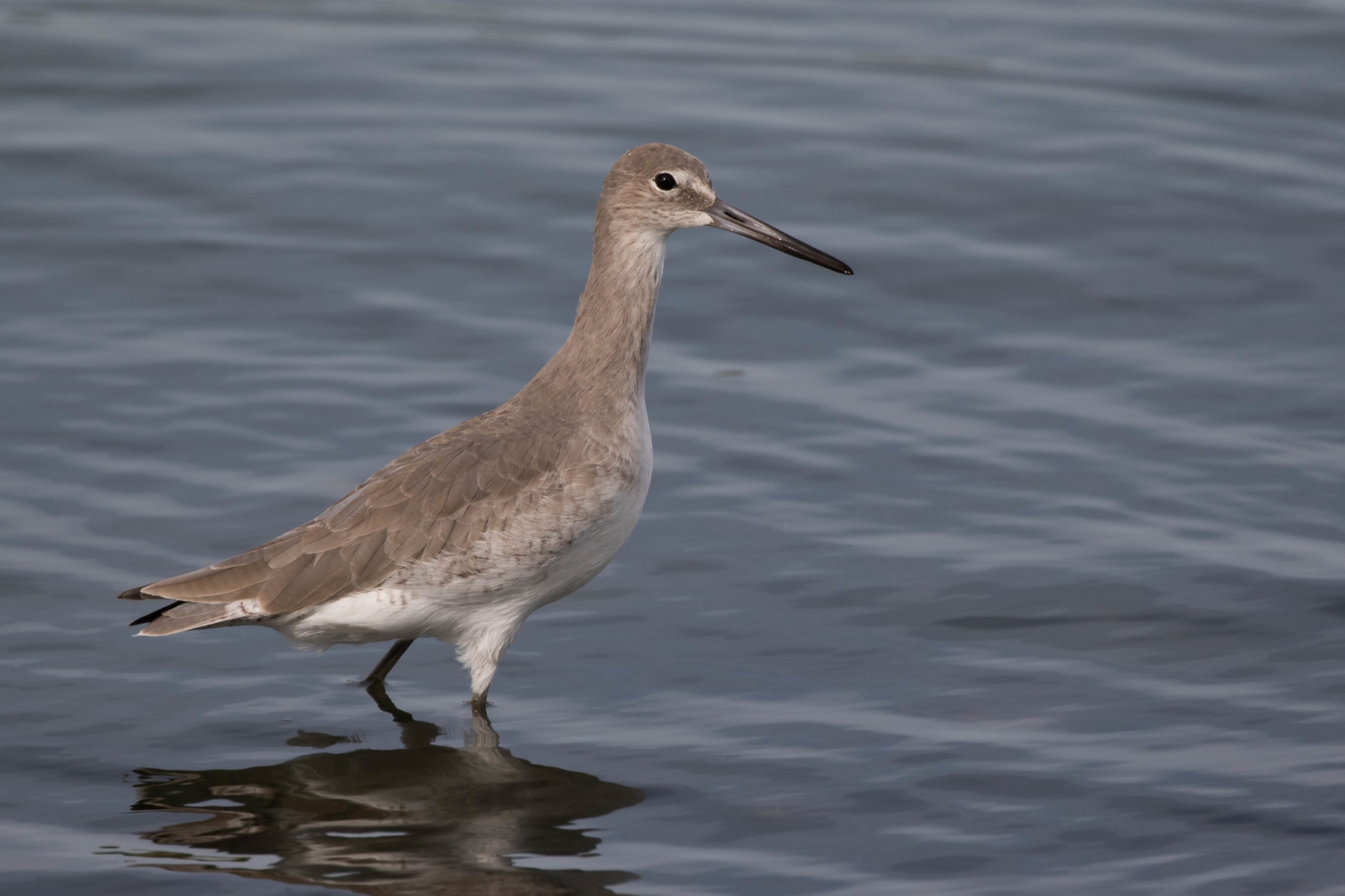
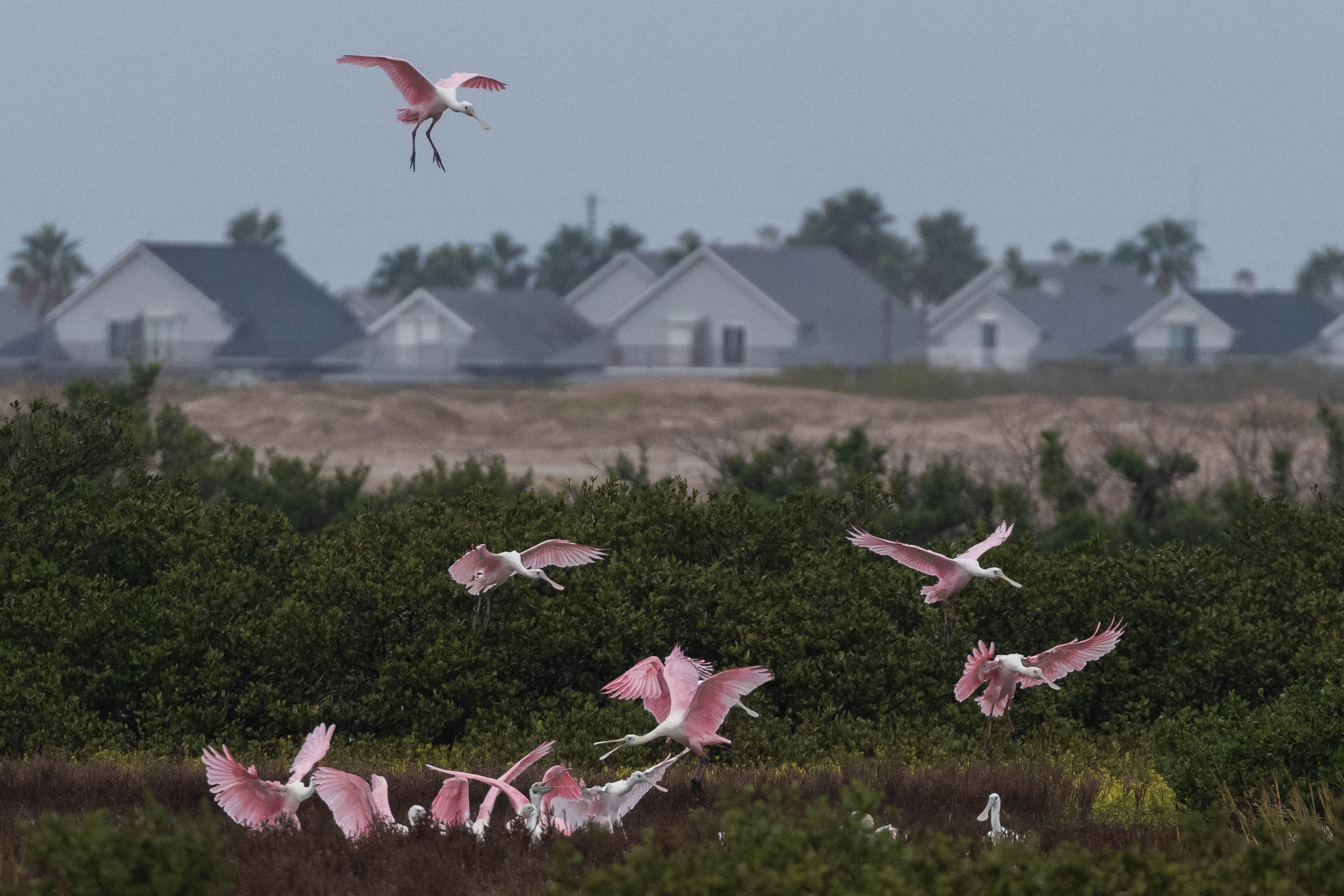
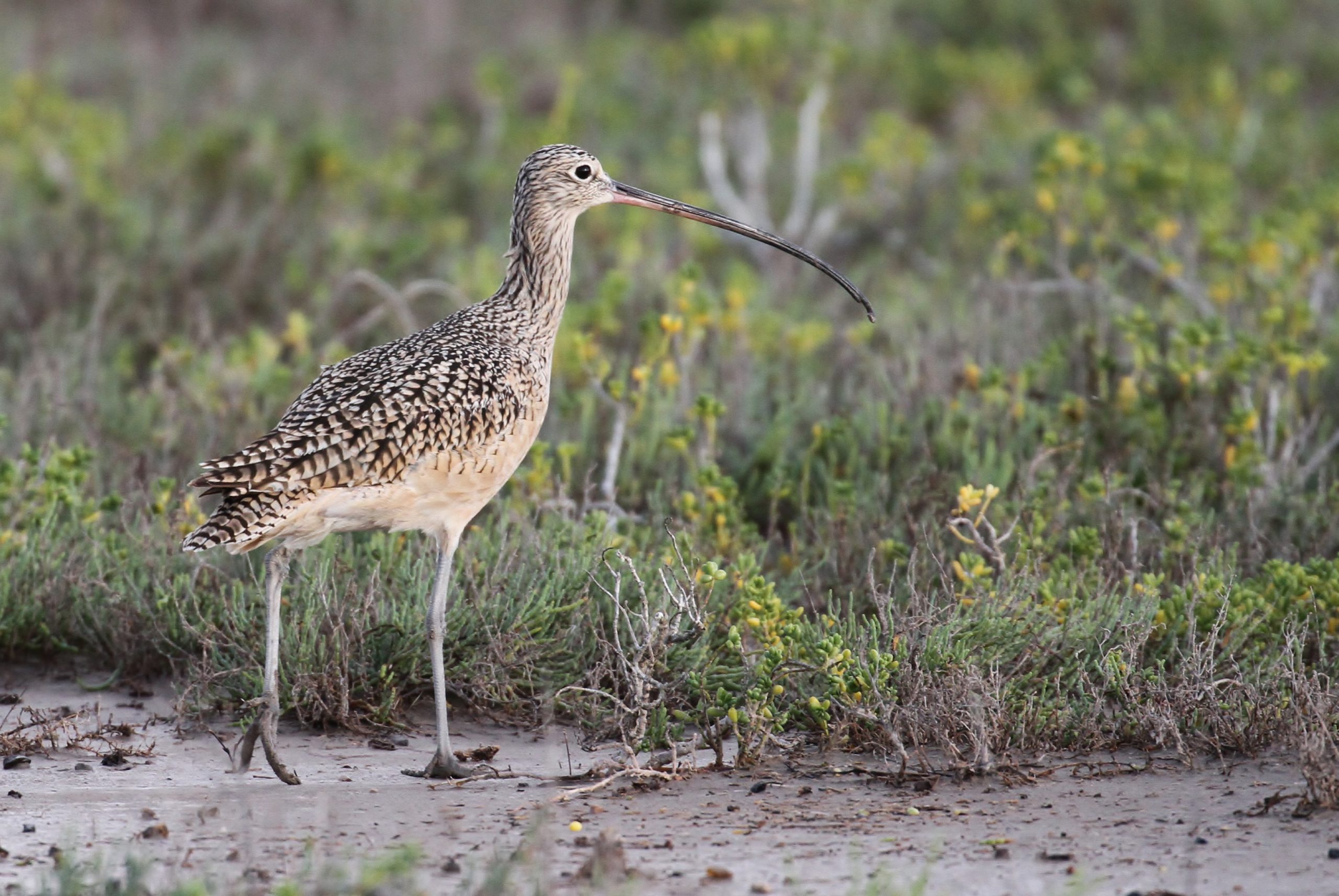
Laguna Atascosa NWR boasts one of the largest species lists of any National Wildlife Refuge in North America. Birds we’ll be targeting include various waterfowl, White-tailed Hawk, Harris’s Hawk, Long-billed Curlew, Gull-billed Tern, Greater Roadrunner, Reddish Egret, Roseate Spoonbill, and White-tailed Kite. There can be Aplomado Falcons along this drive too!
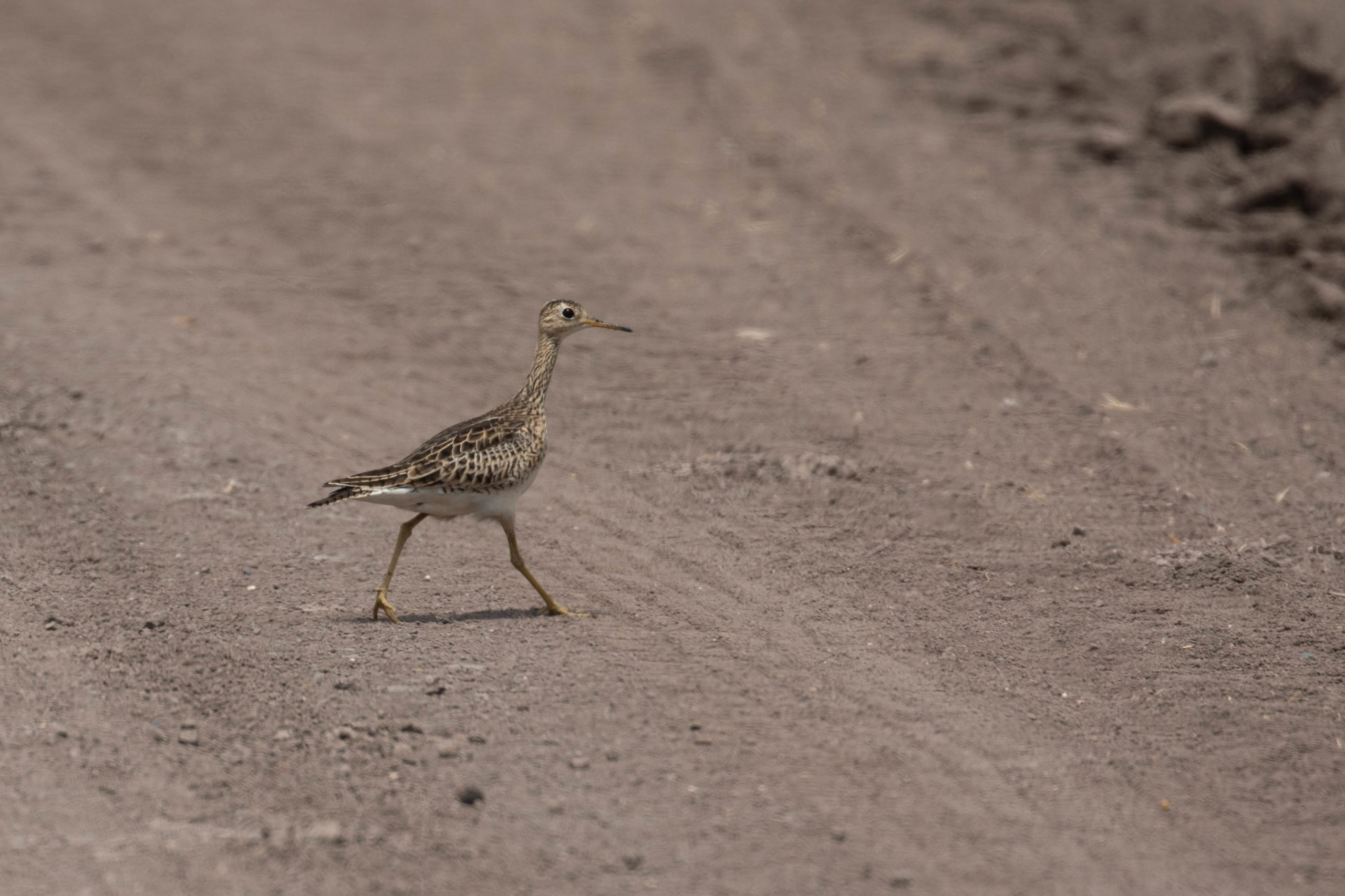
Willacy County is just north of the refuge. We’ll cruise some backroads in hopes of finding Upland Sandpiper, Mountain Plover, or Sprague’s Pipit. Night in Alamo, TX.
Day 6 – Cameron Co roads, South Padre Island, Shrimp Basin Boat Ramp, Bolsa Chica NWR, Brownsville Landfill, & Brownsville Parrot Roost. Night in Alamo, TX.
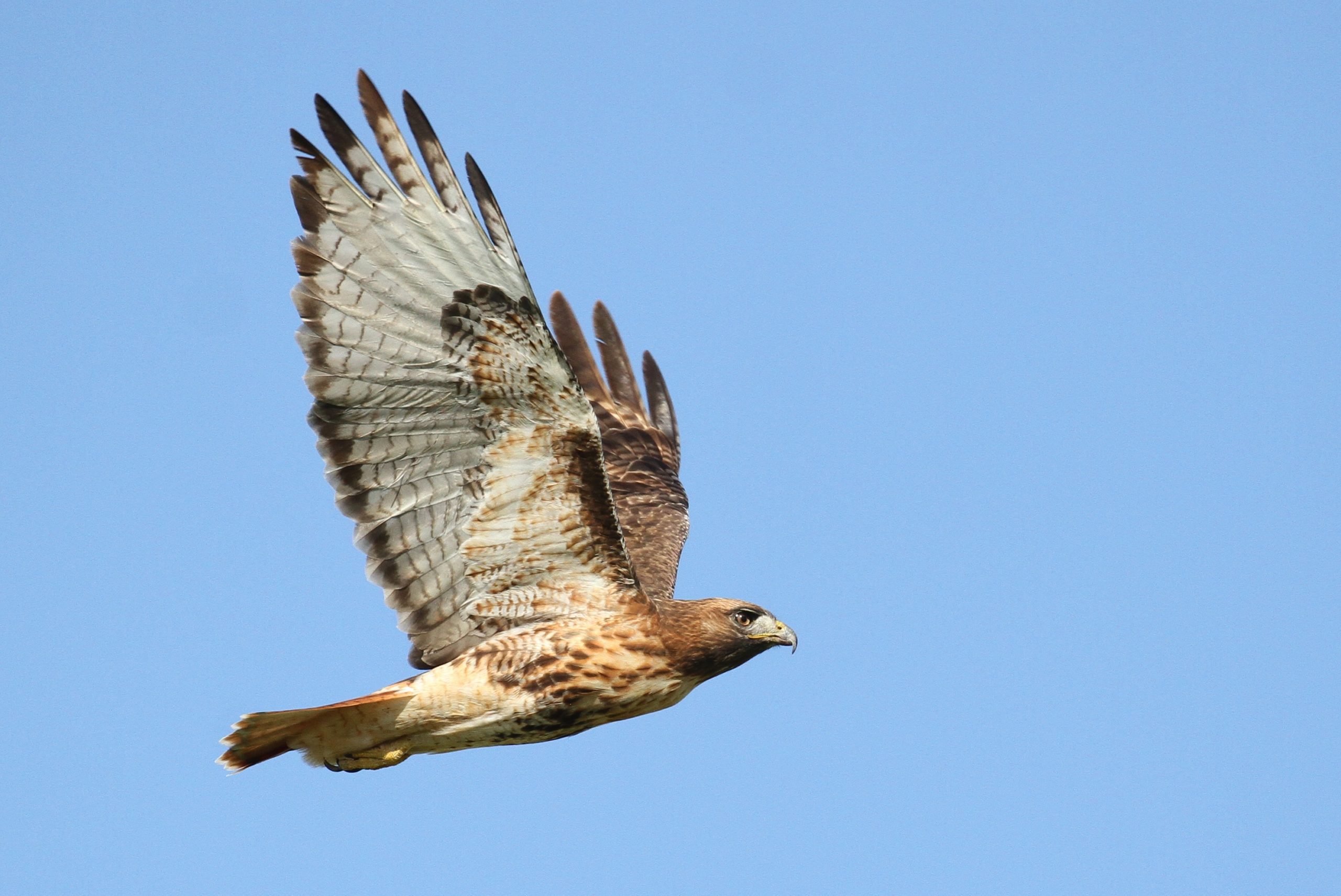
In the morning we’ll meander through the center of Cameron County with more chances for Aplomado Falcon and other raptors, plus Scissor-tailed Flycatchers and assorted odds and ends.
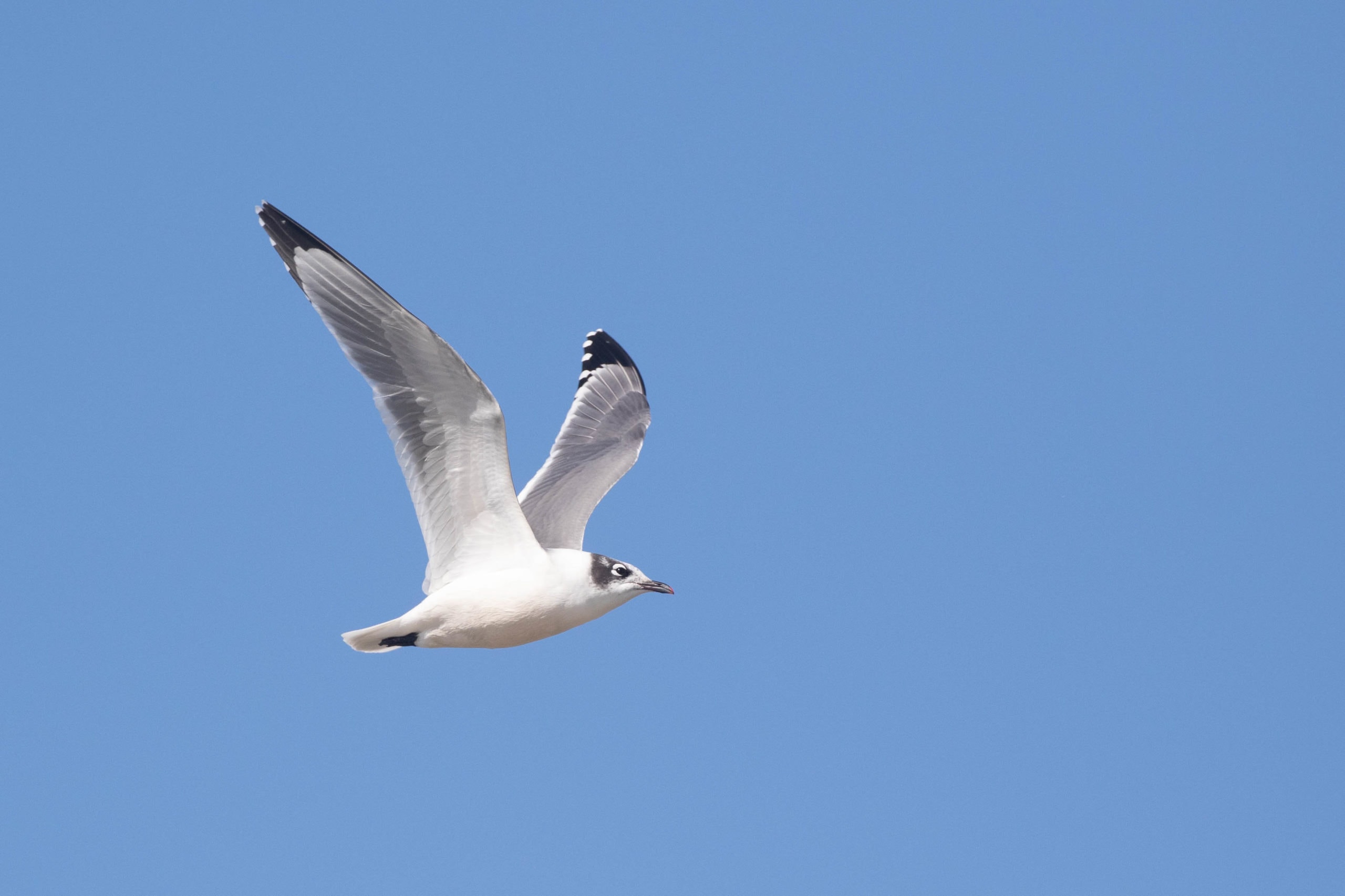
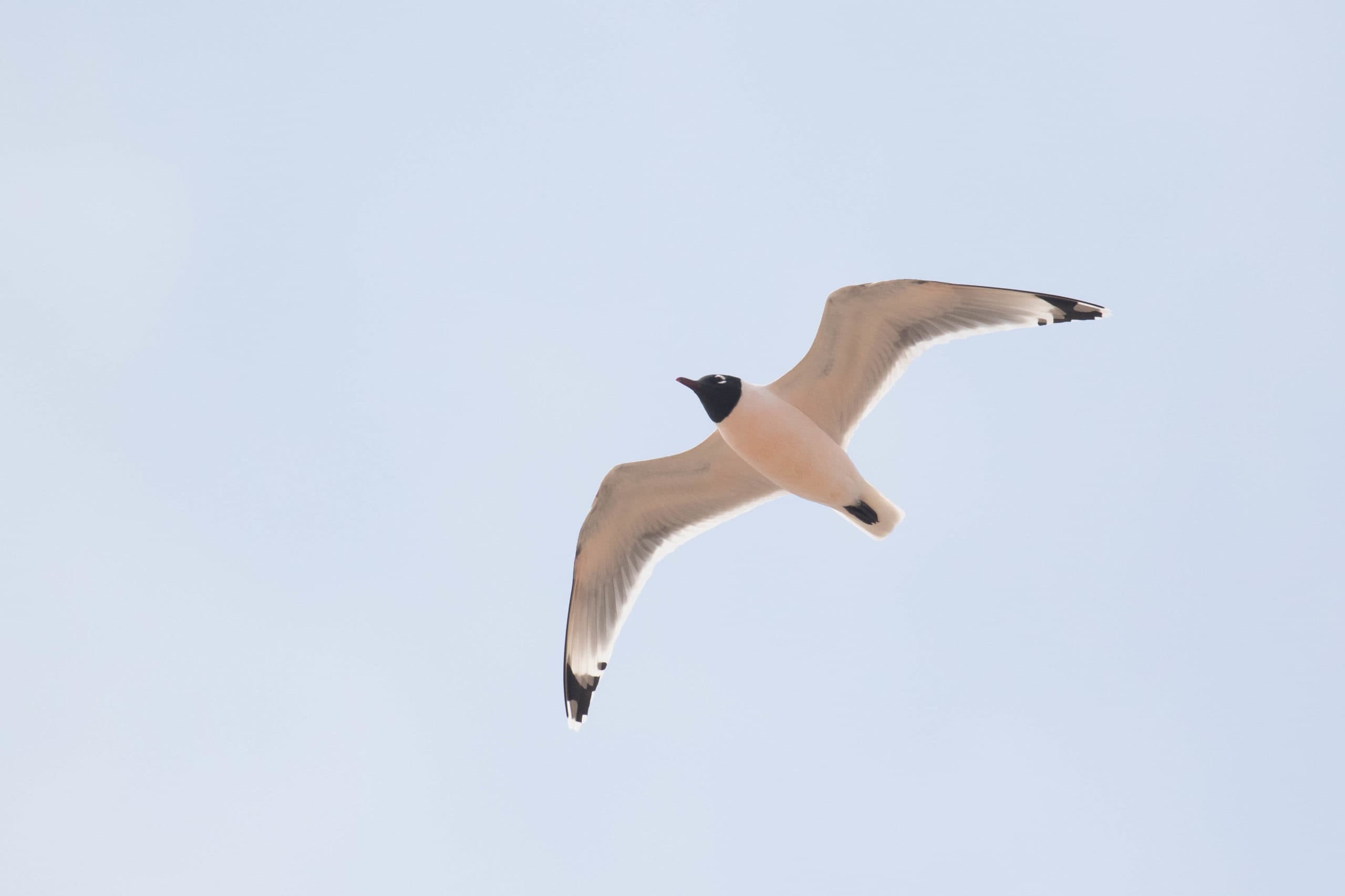
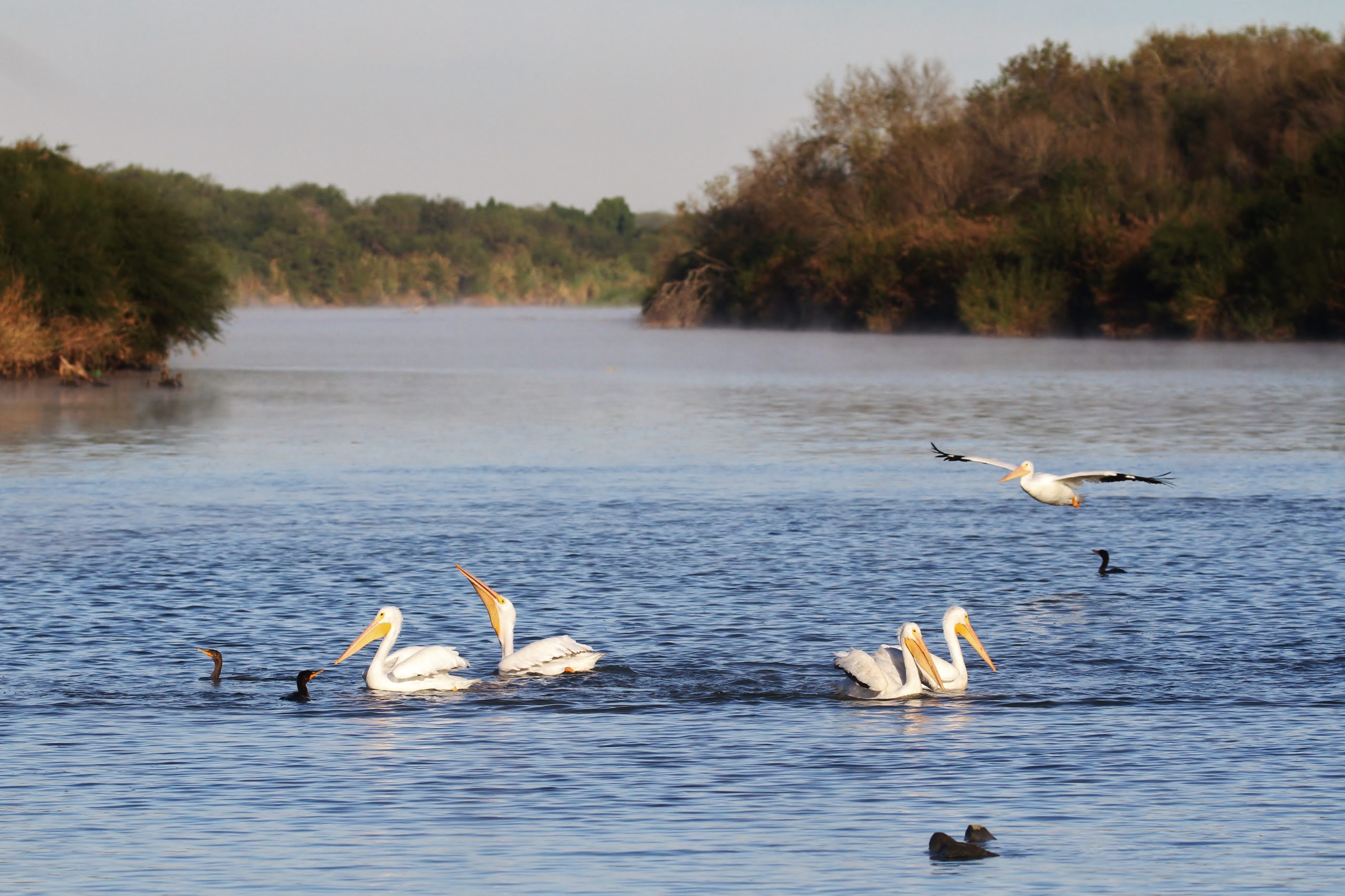
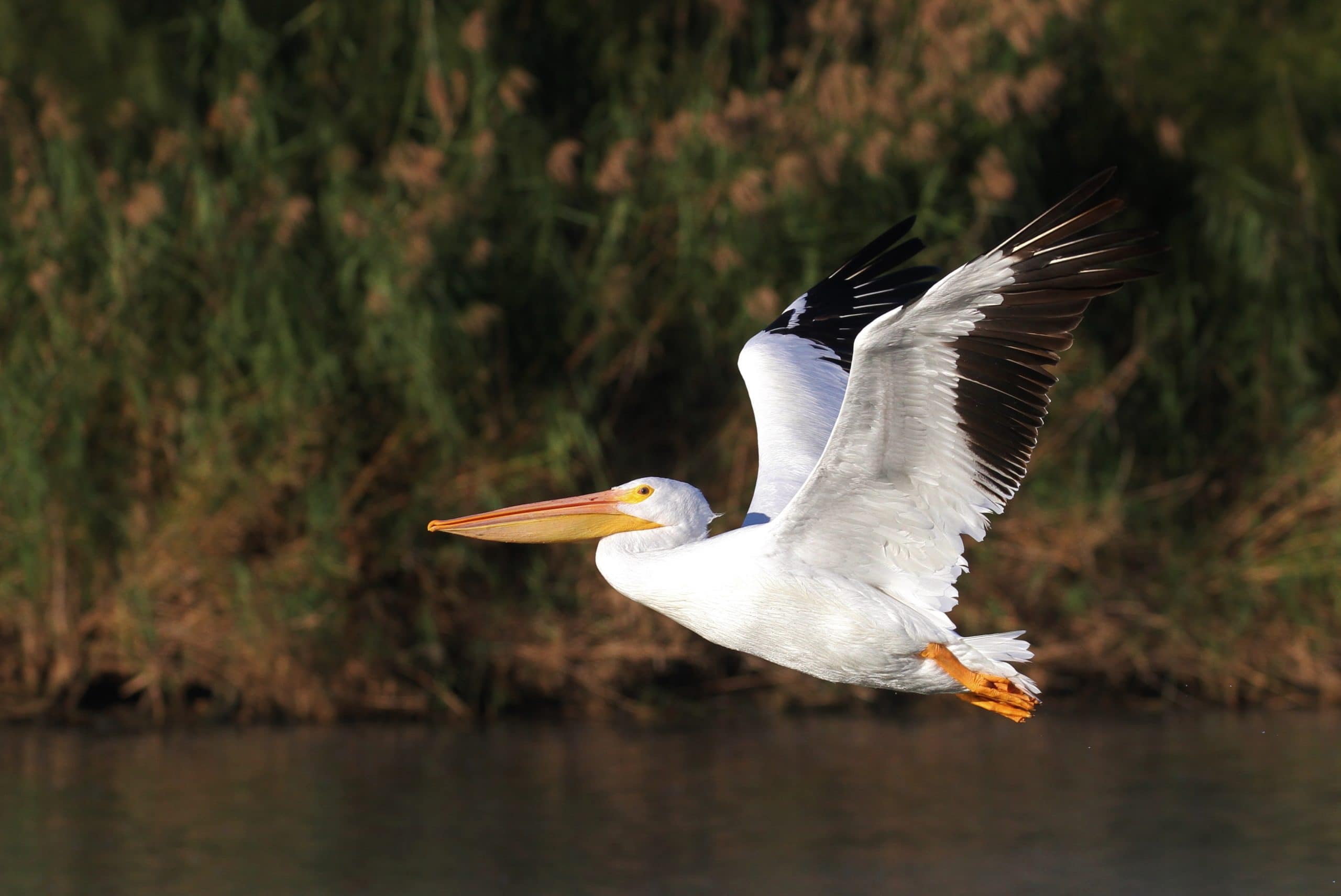
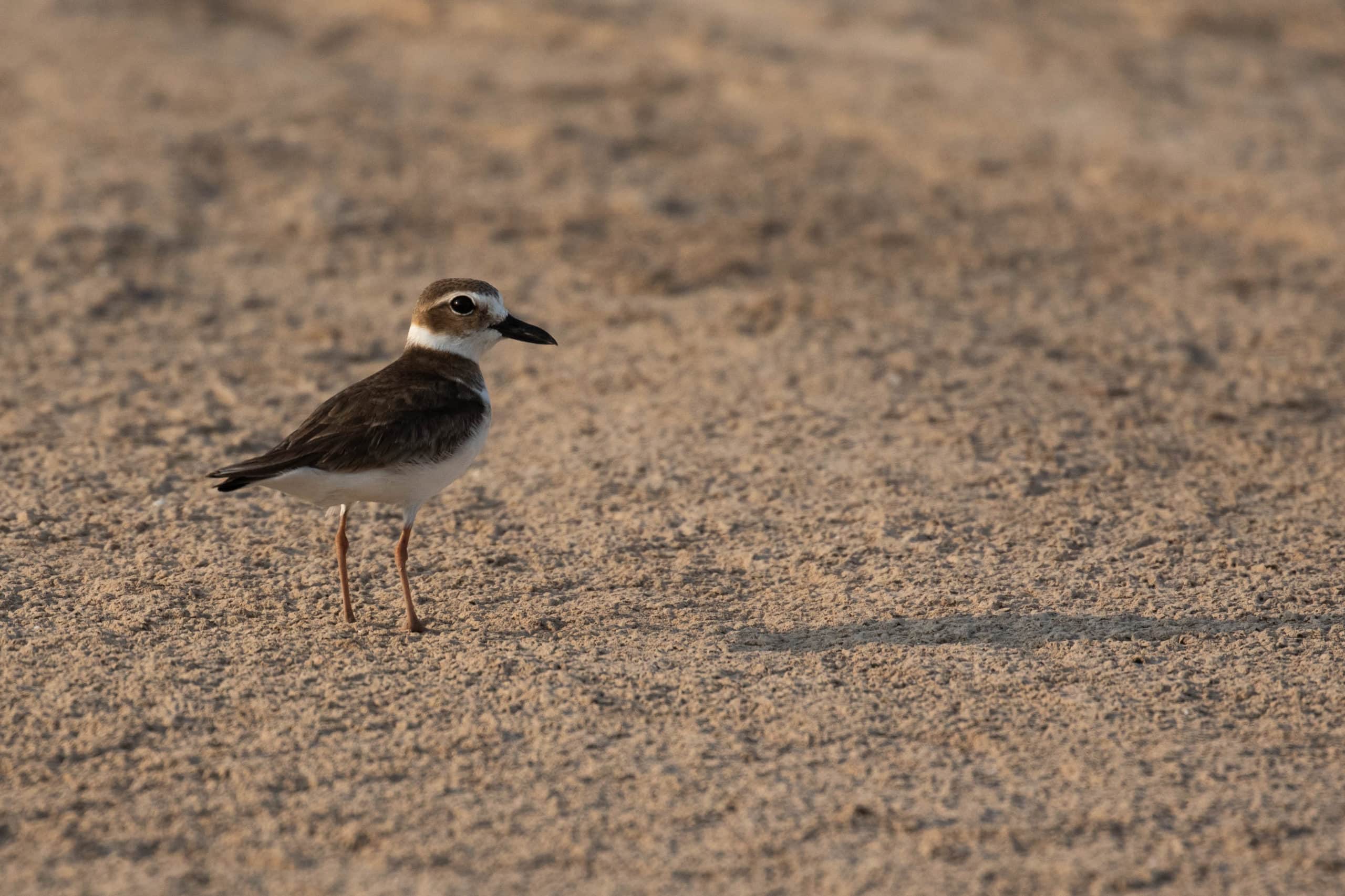
Our primary destination for the day will be to South Padre Island. This long, narrow barrier island can be absolutely hopping during fall migration. We’ll search multiple migrant traps along the island and see what’s hiding in the trees and brush. On a good day, there can be dozens of Indigo Buntings, Rose-breasted Grosbeaks, vireos, flycatchers, and really any bird could show up! The list of rarities found here is astounding! In the coastal lagoons we’ll see American White Pelican, Franklin’s Gull, Long-billed Curlew, Reddish Egret, Roseate Spoonbill, Piping Plover, Sandwich Tern, and many other shorebirds and waterbirds. It’s pretty hard to try and pack all that SPI has to offer into one paragraph – it’s just an awesome place!
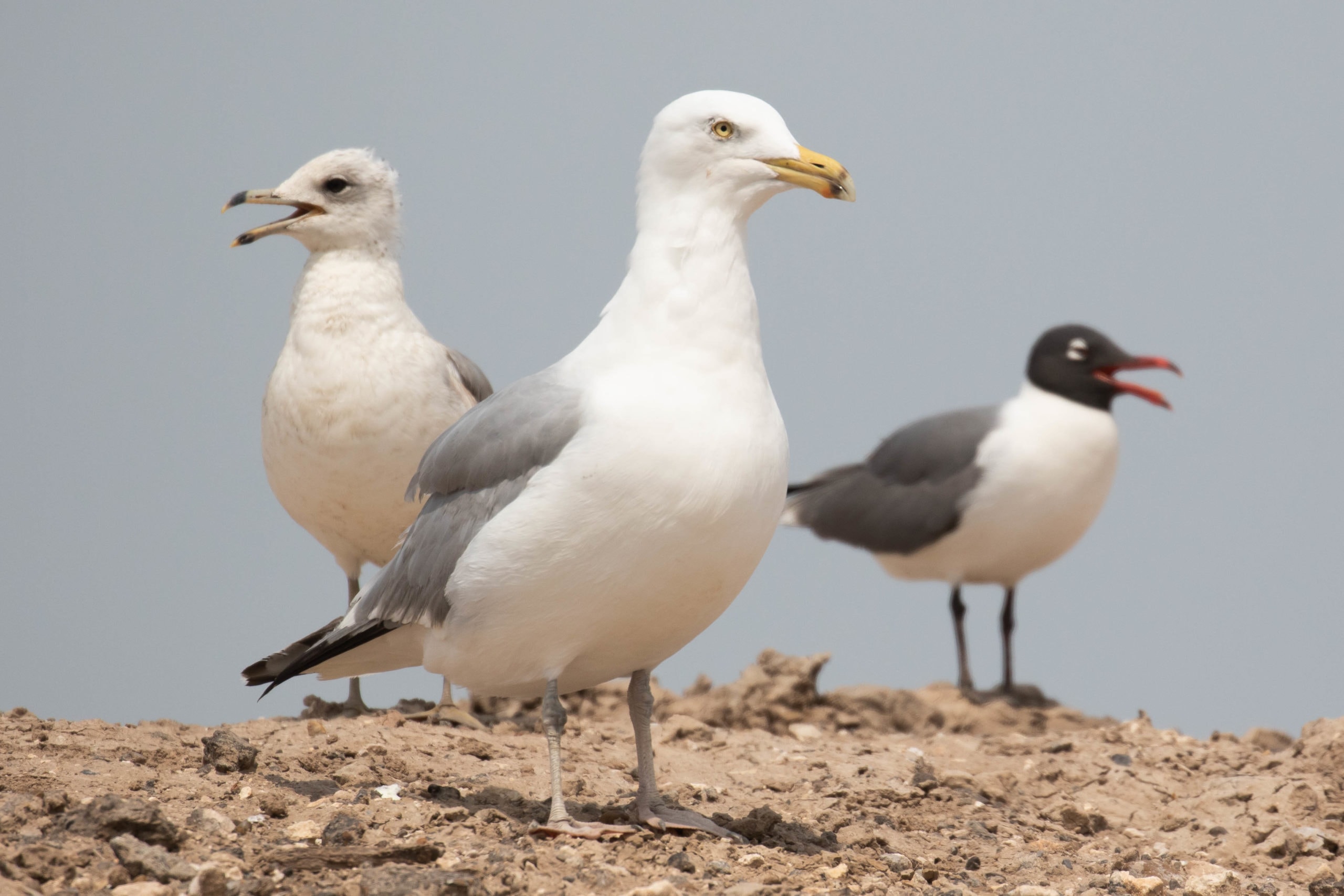
On our way back through Cameron County we’ll stop at the boat ramp along Texas Route 48 where large numbers of shorebirds, gulls, and terns gather to rest. We should have nice, close views of Franklin’s Gull, Laughing Gull, Caspian Tern, Gull-billed Tern, Marbled Godwit, Long-billed Curlew, and maybe Clapper Rail.
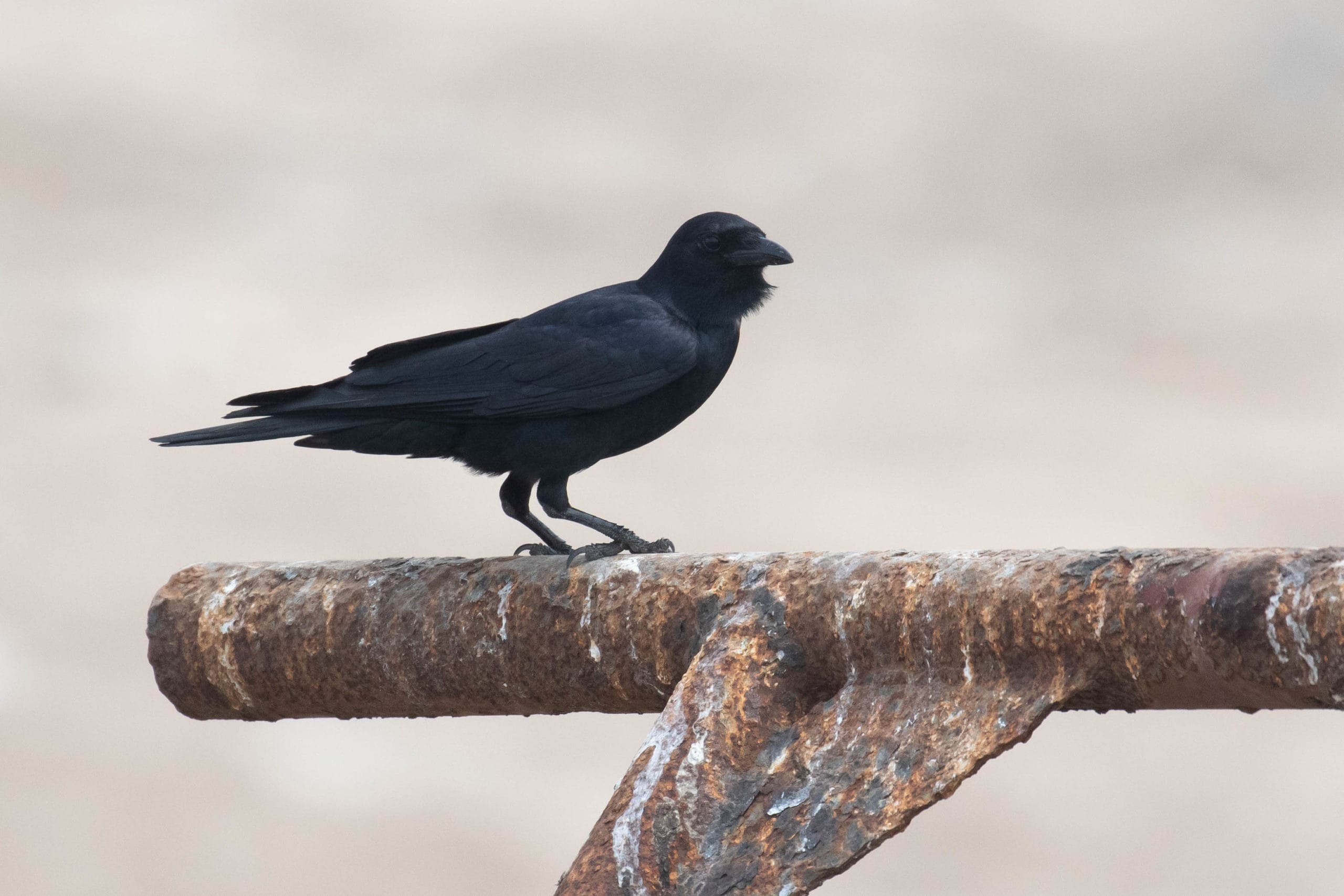
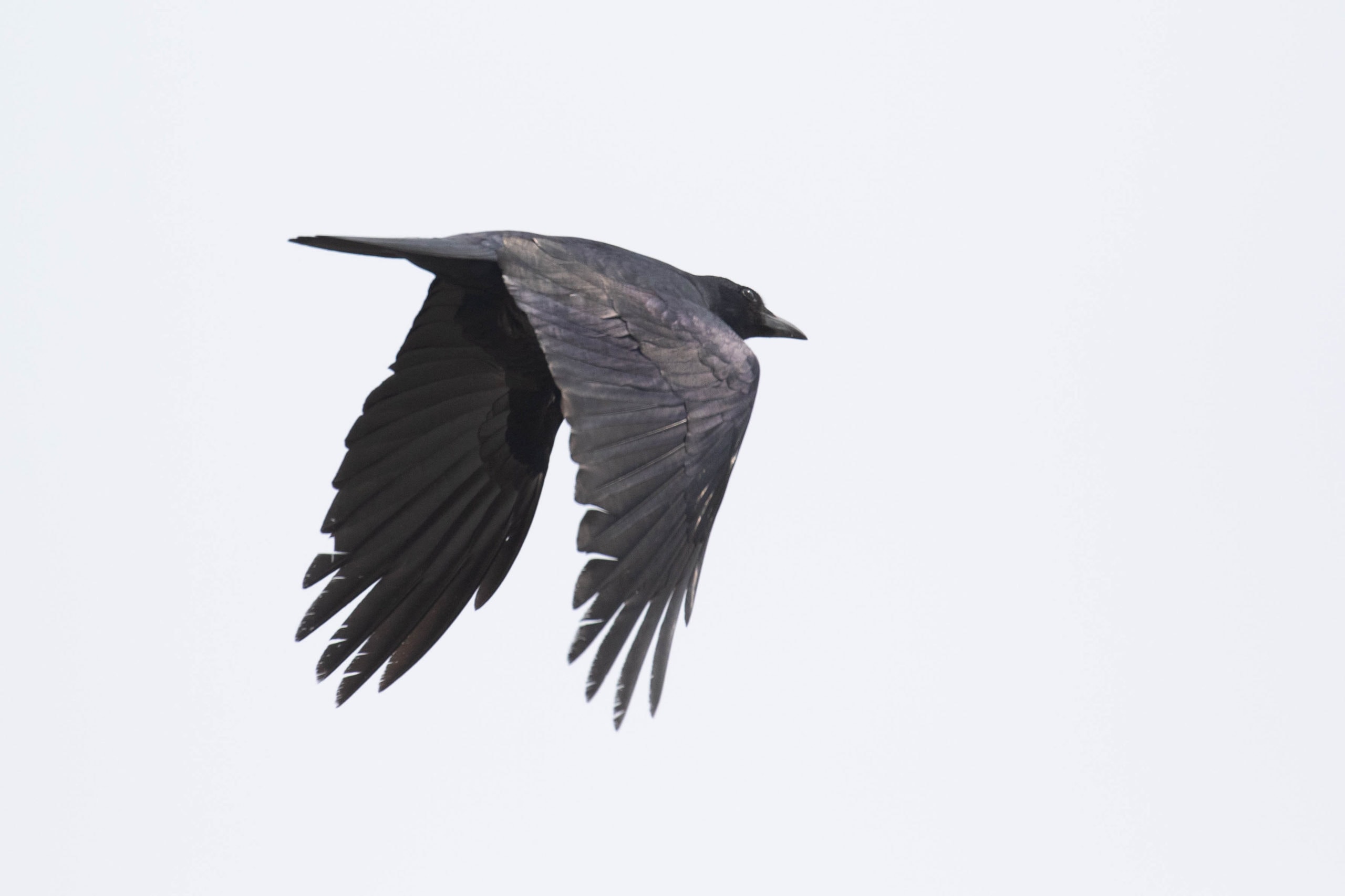
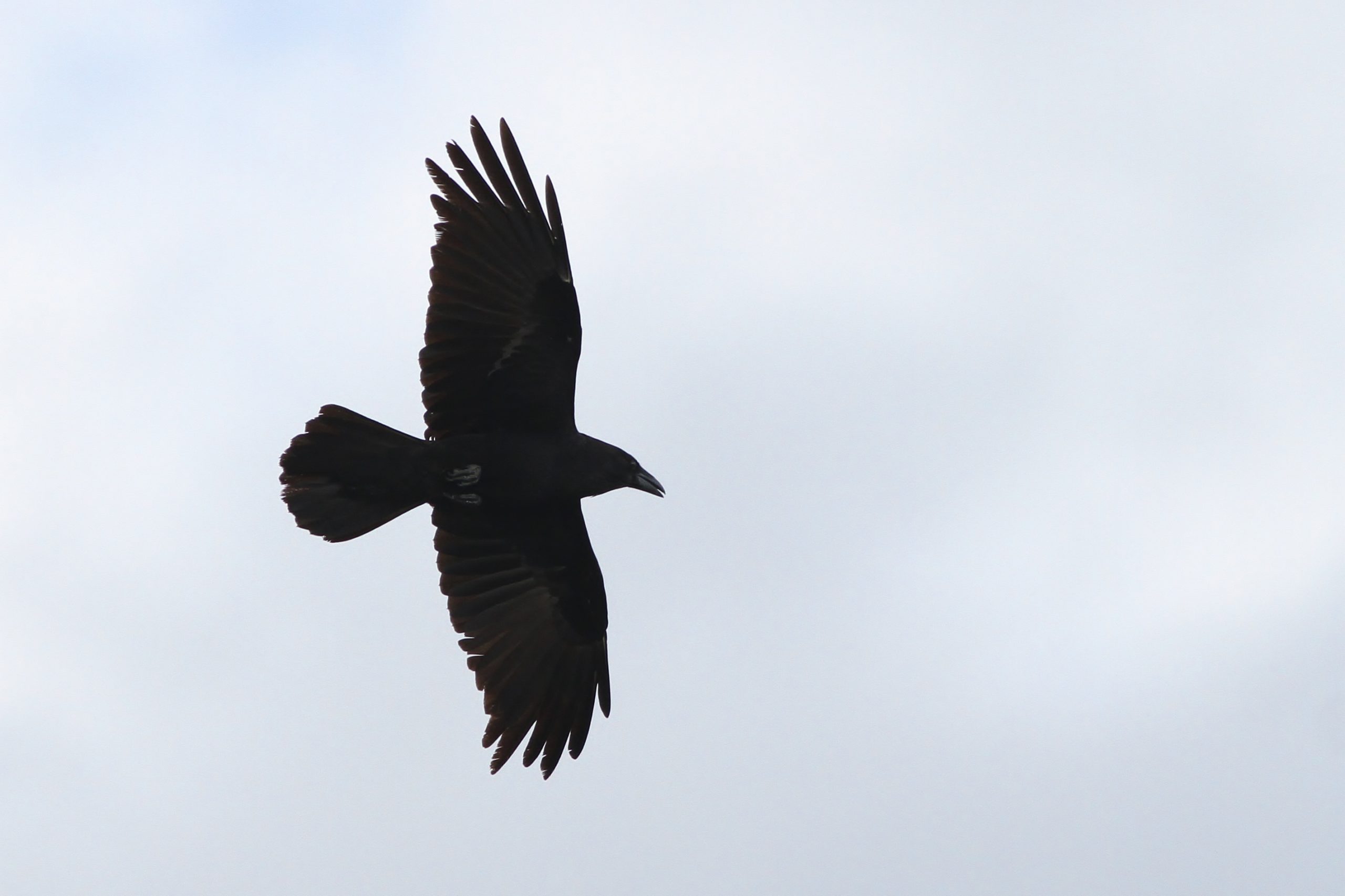
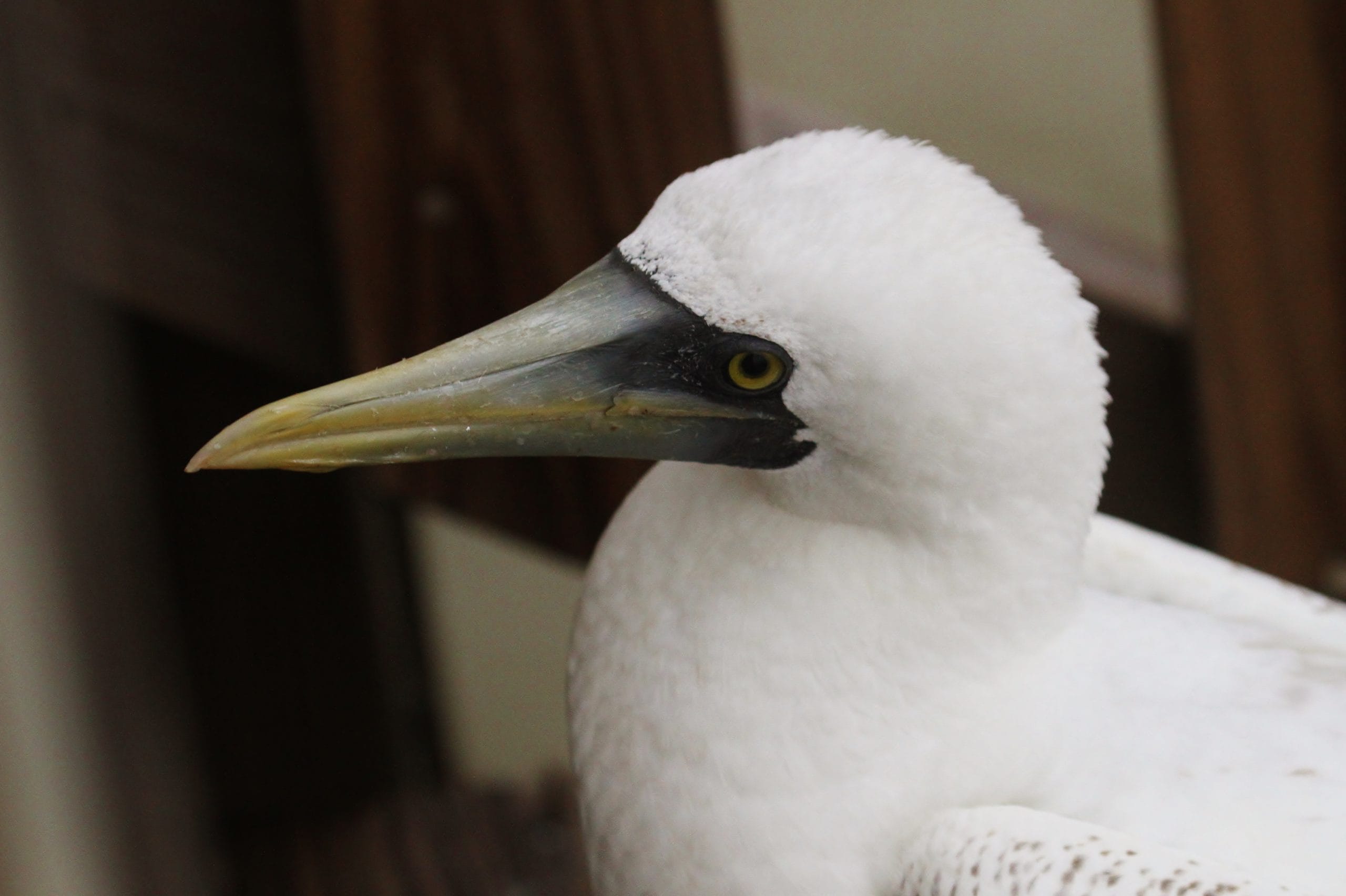
Driving down Boca Chica Boulevard, through the Boca Chica National Wildlife Refuge can be a great area for finding Harris’s Hawks, Northern Bobwhite, Northern Harrier, Reddish Egret, and thousands of shorebirds and other waterbirds. After passing by the SpaceX facility, we’ll pop out on the beach where we can scan the Gulf of Mexico for Common Loon, Common Tern, Northern Gannet, and see if any shorebirds are feeding along the surf. Nearby the famous (at least among birders) Brownsville Landfill congregates thousands of gulls and can be a great place for seeing Chihuahuan Raven. Some years we have been able to turn up the very rare Tamaulipas Crow too!
To end the day, we’ll stop by Oliveira Park in Brownsville. This small community sports complex has many large eucalyptus trees which provide an idea roost location for the region’s huge population of Amazona parrots. The most common is the Red-crowned Parrot, but we should also be able to pick out White-fronted Parrot, Red-lored Parrot, and Lilac-crowned Parrot. Sometimes Scissor-tailed Flycatchers will gather to roost here as well! Final night in Alamo, TX.
Day 7 – Departures from McAllen Miller International Airport (MFE) in McAllen, TX. (MFE)
In the morning, prior to departures, we will spend a hour or two exploring the beautiful Quinta Mazatlan property. A stunning mansion and the surrounding gardens were donated as a wildlife refuge, and the birding here is great! It’s not uncommon for a rarity like Tropical Parula or Crimson-collared Grosbeak to be hiding out! Departures from McAllen Miller International Airport in McAllen, TX. (MFE)